

Sustainable Architectural Design for Accessibility: The Night Sky House Paradigm
The article explores the Night Sky House, an award-winning, accessible, and sustainable home designed by Peter Stutchbury Architecture in Australia.


In the realm of modern architecture, the integration of sustainability and accessibility within residential designs is not just a trend but a necessity. The "Night Sky House" by Peter Stutchbury Architecture stands as a paramount example of how these elements can be seamlessly incorporated into a dwelling that captivates both the eye and the spirit. Situated in Blackheath, Australia, this house not only won the Robin Boyd Award for residential architecture but also set a new standard for "Sustainable Architectural Design for Accessibility."


The Genesis of Night Sky House
Architectural Vision
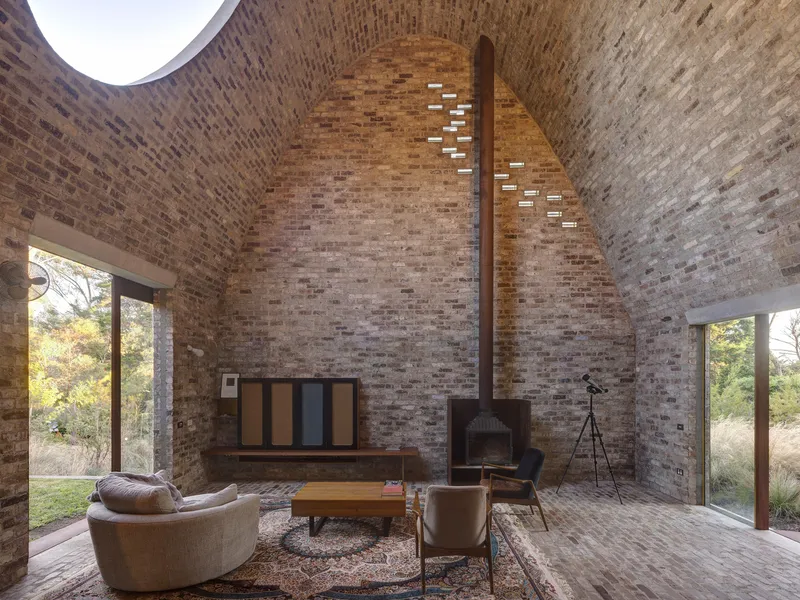
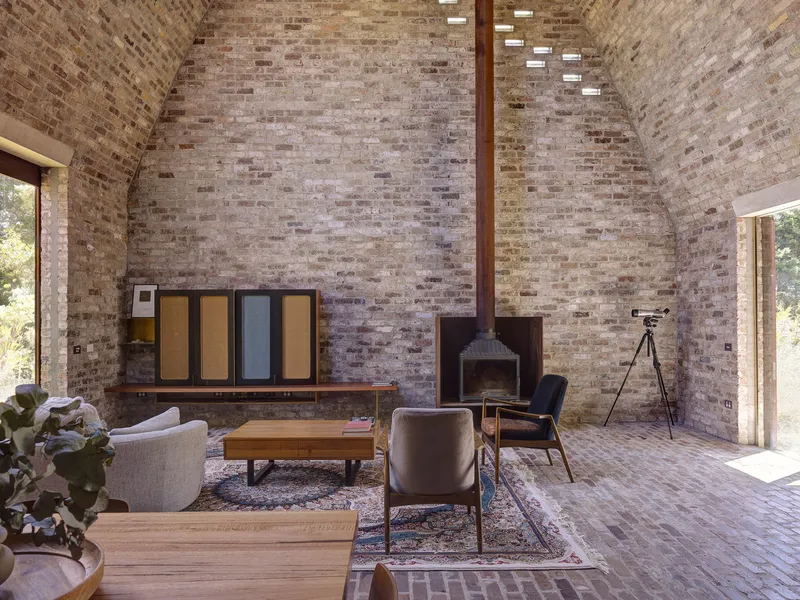
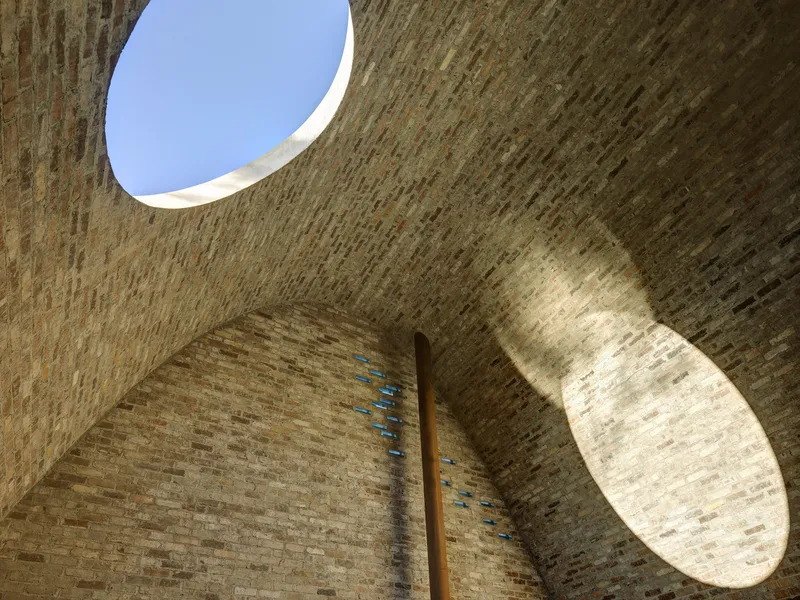
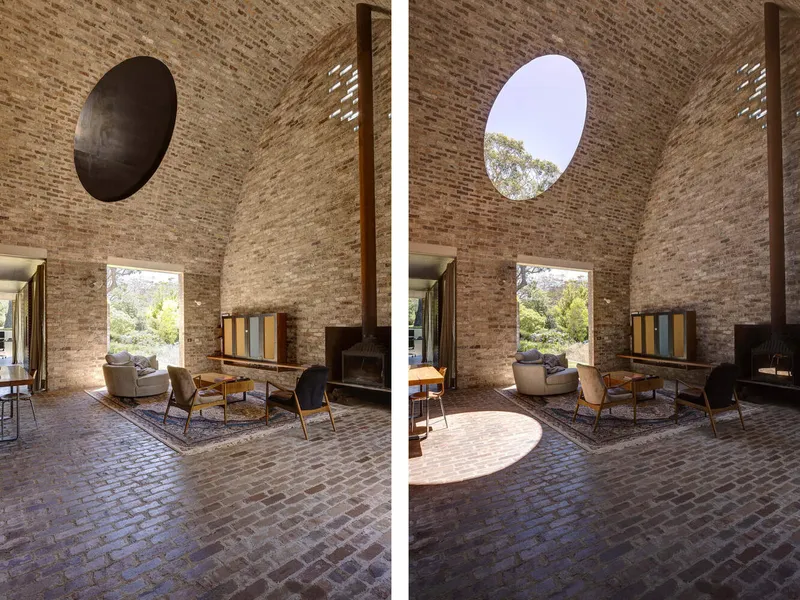
Commissioned by an astronomer and engineer, Basil Borun, the Night Sky House is a testament to the collaborative spirit between client and architect. Borun's vision was to connect with the stars from the comfort of his living room, a dream turned into reality by Peter Stutchbury's innovative design. The house features a parabolic vaulted ceiling with an elliptical retractable skylight, through which the cosmos is rendered accessible, creating a space that feels both ancient and avant-garde.

Design for Accessibility
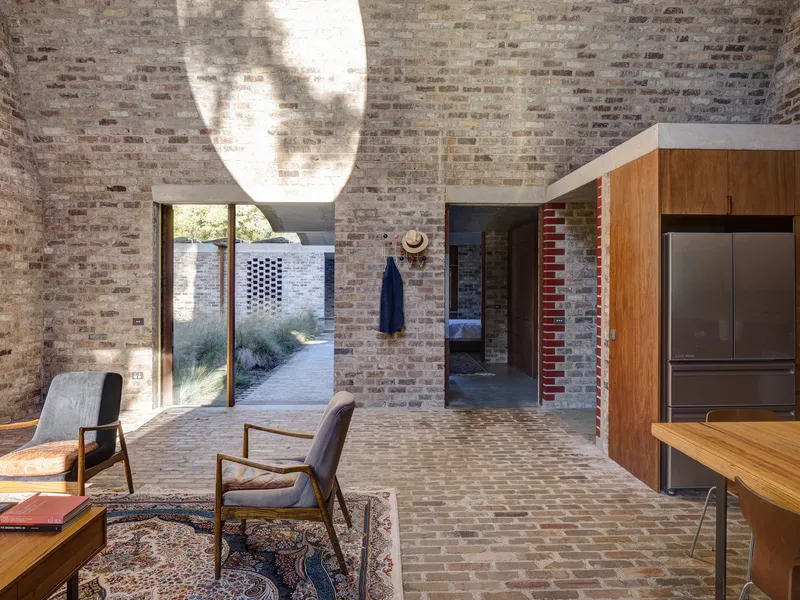
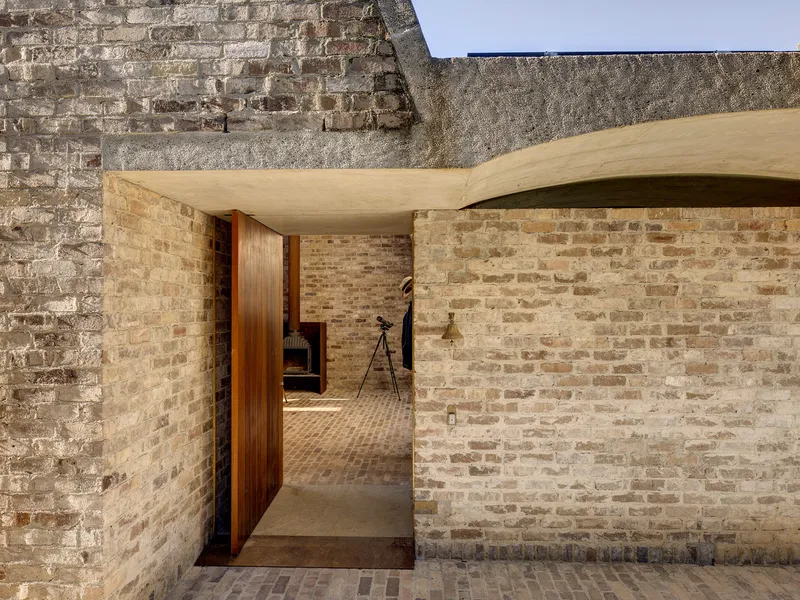
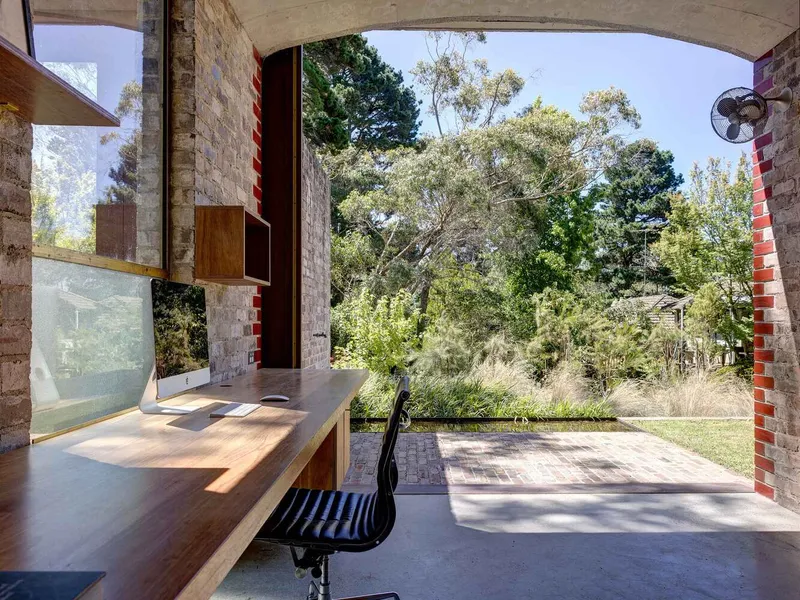
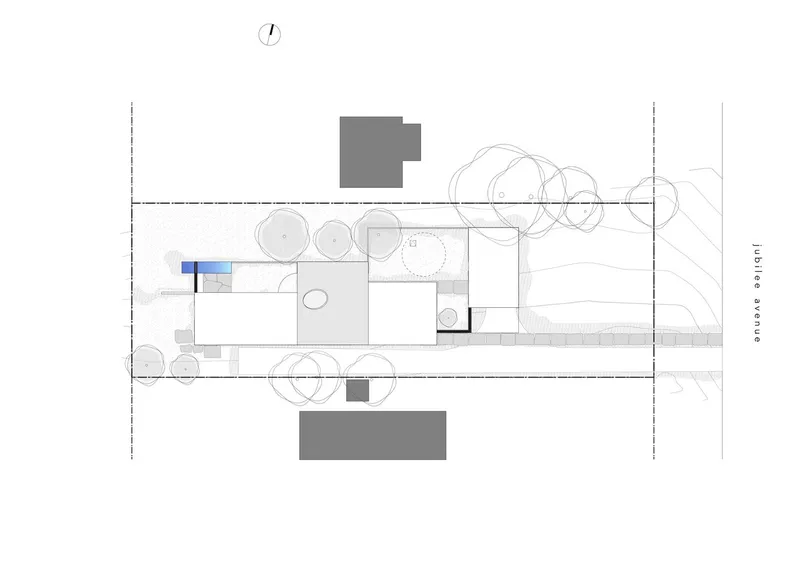
Understanding Borun's condition of Type 2 diabetes and wheelchair reliance, Stutchbury's design emphasizes accessibility. The house facilitates smooth movement throughout, with no step larger than 10mm, reflecting a profound consideration for the client's mobility needs. This attention to detail ensures that Borun can navigate from his car to any part of his house effortlessly, making the Night Sky House a beacon of "Sustainable Architectural Design for Accessibility."



Sustainable Features and Environmental Consideration
Energy Efficiency and Sustainability
The Night Sky House is equipped with 48 photovoltaic panels, producing 15.5 kW of power and storing up to 34 kW. This self-sufficiency is complemented by a 60,000-liter filtered rainwater tank, evacuated tubes for solar hot water, and hydronic in-floor heating. These features underscore the home's commitment to sustainability and its minimal environmental footprint.



Material Use and Thermal Mass
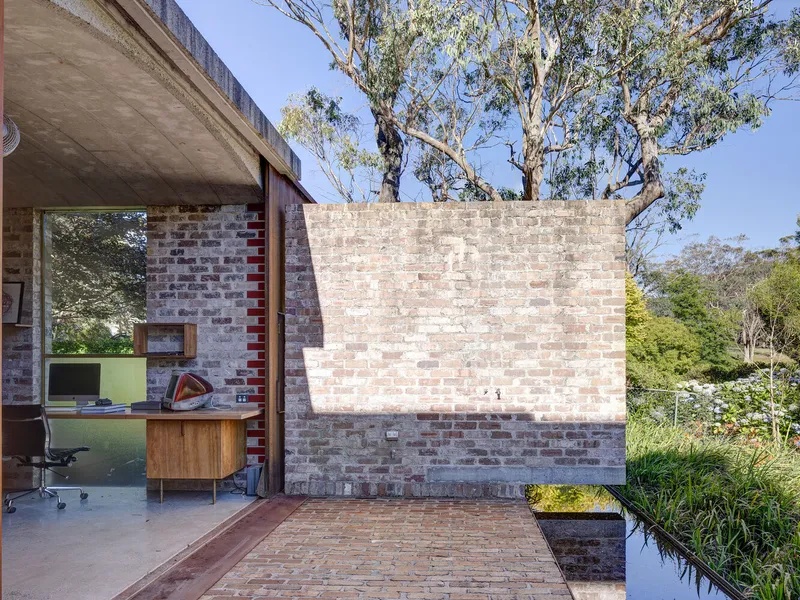
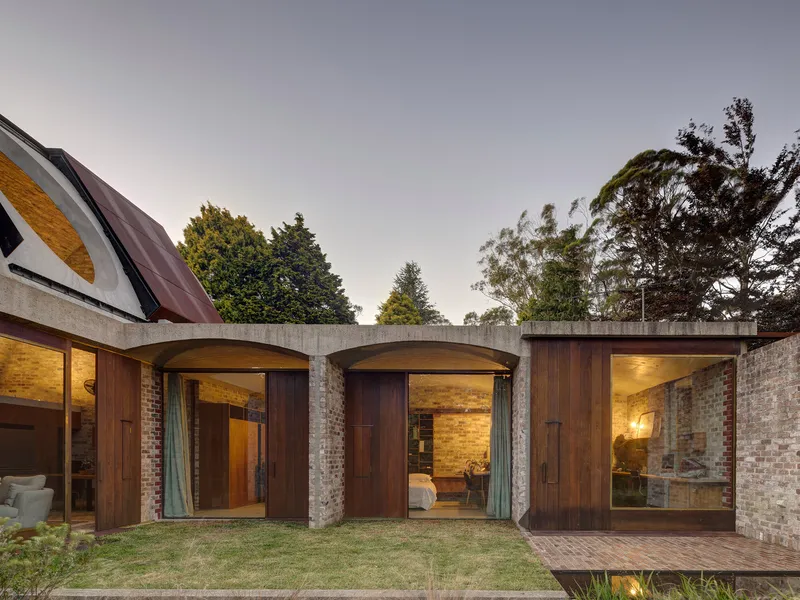
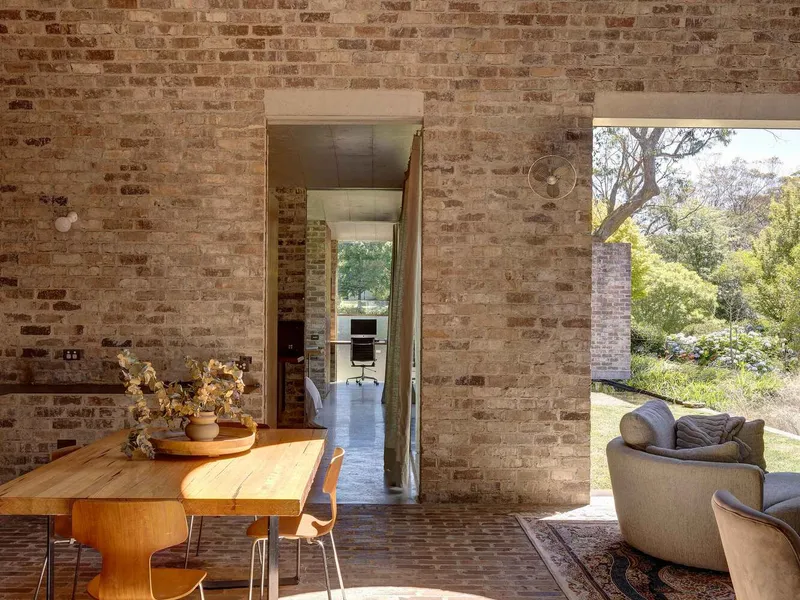
Constructed from recycled bricks, the house not only recycles materials but also benefits from the thermal mass of double-brick walls. These walls absorb and release heat, aiding in the home's passive heating and cooling system, centered around the oculus skylight for effective two-way ventilation.
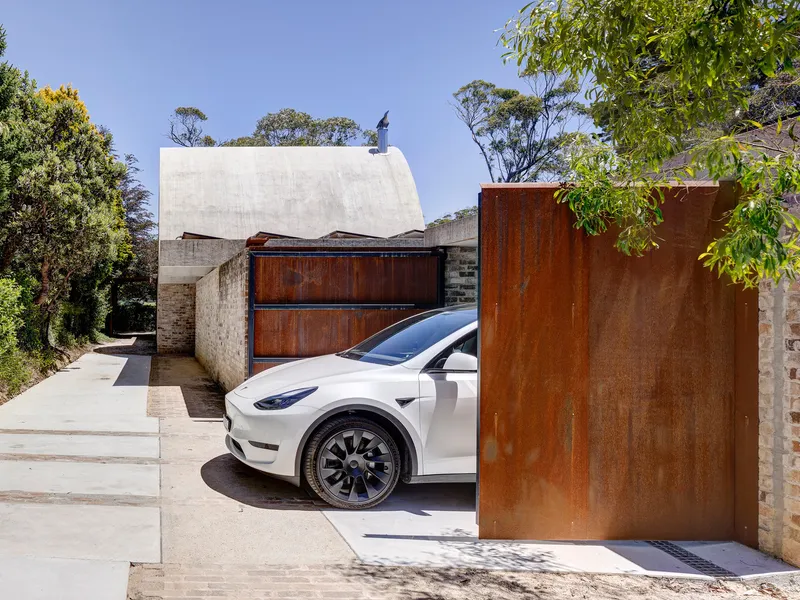
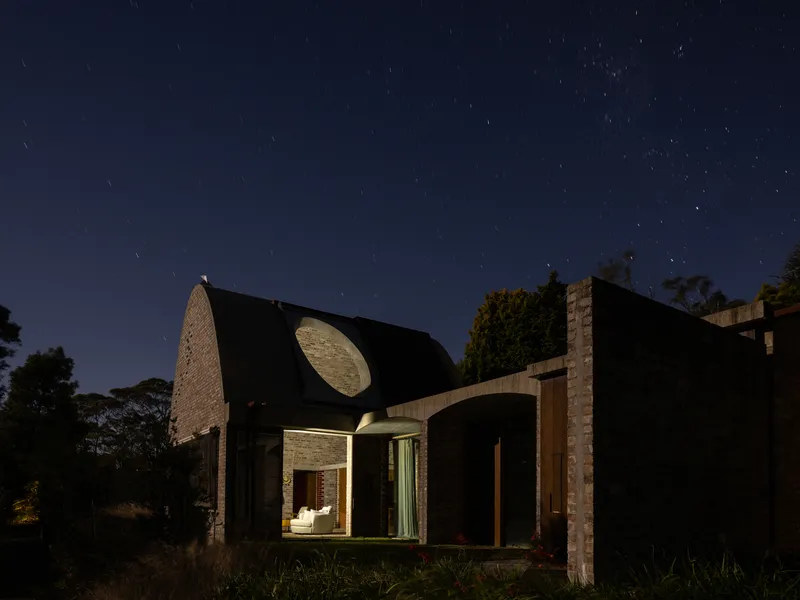
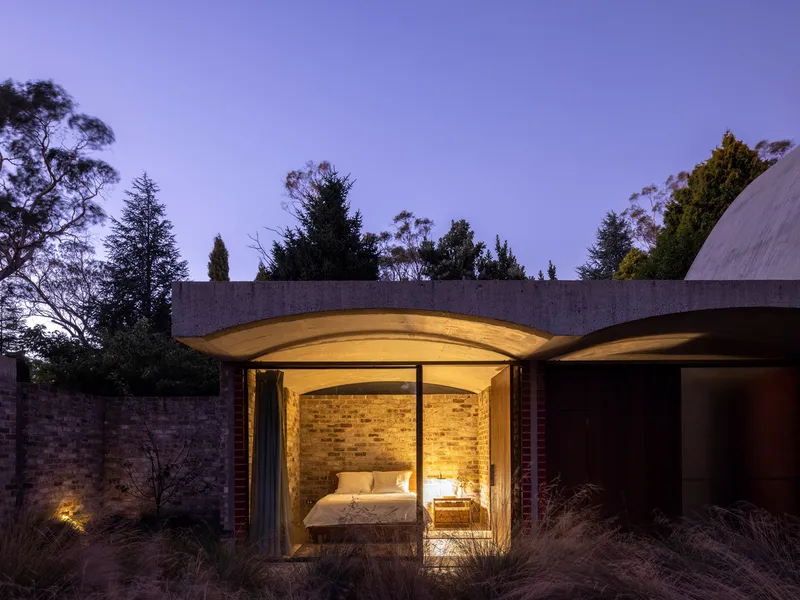
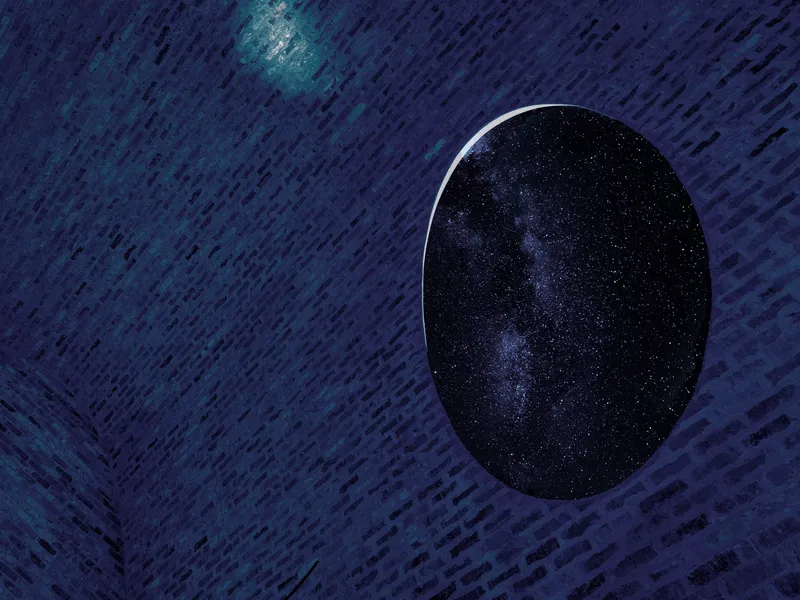
The Night Sky House by Peter Stutchbury Architecture is a pioneering example of how sustainable practices and accessibility can be embedded into the fabric of modern residential architecture. It goes beyond aesthetic appeal to touch on the essentials of environmental stewardship and inclusivity, making it a landmark project in the field of "Sustainable Architectural Design for Accessibility." This project not only meets the needs of its inhabitants but also sets a benchmark for future architectural endeavors, where the harmony between human needs and environmental consciousness can be achieved.


All photographs are work of Brett Boardman


Popular Articles
Popular articles from the community


The Earth Pod: 3D Printed Homes for Resilient Refugee Communities
The Earth Pod reimagines refugee housing through 3D printed homes made from clay, combining resilience, self-sufficiency, and rapid shelter.

Co-Life: Senior Housing Design That Reconnects Older Adults With the City
Co-Life reimagines senior housing design through healing gardens, shared streets, workshops, and a sustainable community across generations.

Riyadh For All: Intergenerational Urban Design for Active Aging in Rabat
Riyadh For All reimagines urban design in Rabat with intergenerational co-living, adaptive courtyards, and Moroccan cultural exchange today.
AL-JANNAH: Sustainable Architecture and Permaculture for Afghan Widows
AL-JANNAH uses sustainable architecture and permaculture to create resilient oasis of housing, learning, work and renewal for Afghan widows.


Similar Reads
You might also enjoy these articles


Hodi-Mandai Geram
Project Function: Preservation and revitalization of the Intangible heritage and socio-spatial identity of the Hodi by Housing, Cultural Memory Center, Sacred Grove, landscape, local tourism economy


Olio Towers: A Mid-Rise for Performers That Fuses Housing, Rehearsal, and Stage
Located blocks from Houston's Theater District, this modular tower stacks living units around a central performance atrium.

Oasis: Modular Green Housing Carved into Dhaka's Urban Fabric
A shortlisted Plugin Housing entry reclaims unauthorized settlements in Dhaka with stepped concrete volumes, green roofs, and ventilation-driven design.

Black Hole: A Floating Megastructure for the Post-Physical Era
Emiliano Mazzarotto envisions a spherical, self-scaling arena where e-sports, digital hotels, and holographic stadiums replace traditional public space.

Explore Architecture Competitions
Discover active competitions in this discipline



Challenge to reimagine the Iron Throne


Photograph architecture without architects


Illustrate the lost glory of Angkor Wat - Render Challenge


Design challenge to reuse E-waste
Comments (0)
Please login or sign up to add comments
No comments yet. Be the first to comment!