
Sustainable Architecture in Lisbon: The Revitalization of Palma Studios
Explore how Palma Studios in Lisbon blends sustainable architecture with historical preservation in a modern student living project.


Lisbon, a city known for its rich architectural heritage, is increasingly embracing sustainable architecture. One of the standout projects in this domain is the Palma Studios, situated in the Palma neighborhood. This initiative is a perfect example of how modern cities can integrate sustainability with urban development.
Palma Studios: A Benchmark for Sustainable Architecture
Historical Context and Project Overview
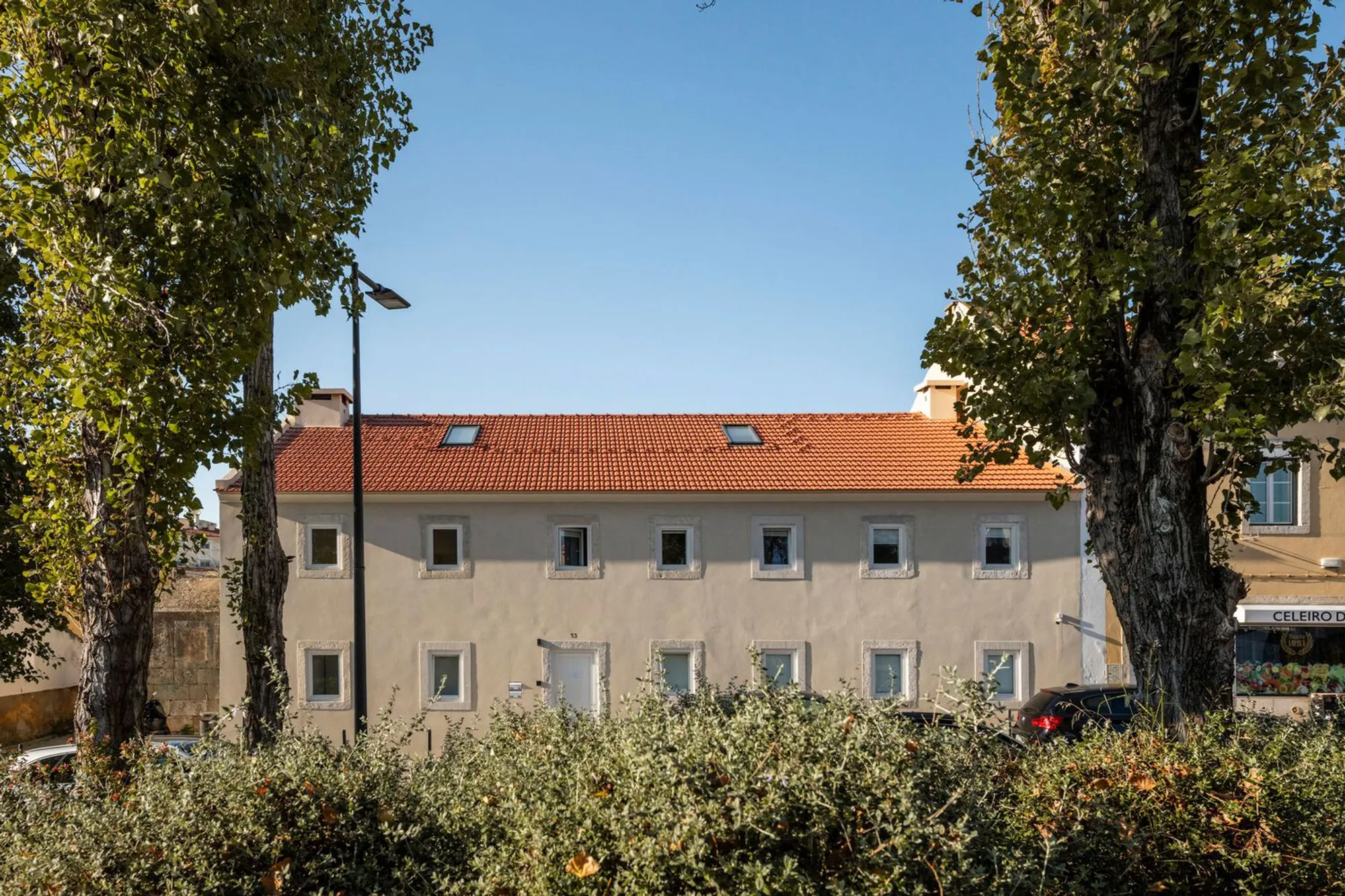
Palma Studios is a sustainable retrofit project that transforms a late 19th-century farmhouse into a contemporary living space. The project, spearheaded by Barbosa Mateus Arquitetos and andre kong studio, covers an area of 685 square meters and was completed in 2023.
Sustainable Design and Preservation
The architects faced the challenge of preserving the original structure while incorporating modern sustainable technologies. The building's exterior retains its historical charm, with the original facade shades of burnt yellow maintained to harmonize with the local architecture.

Innovative Use of Space
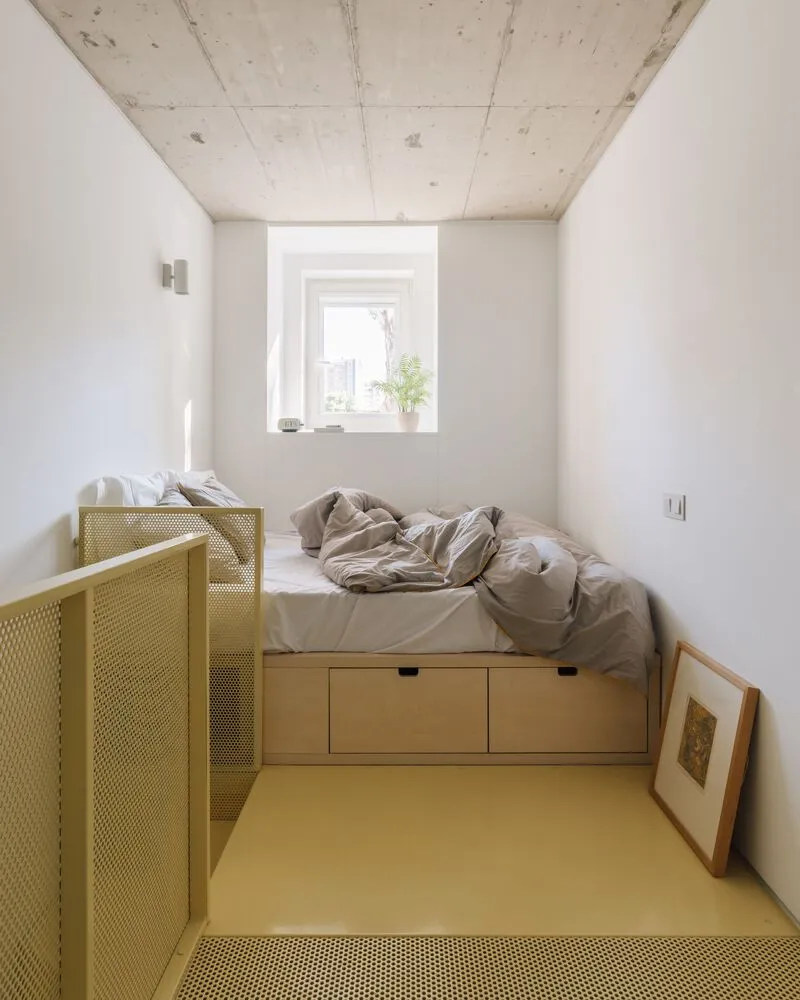
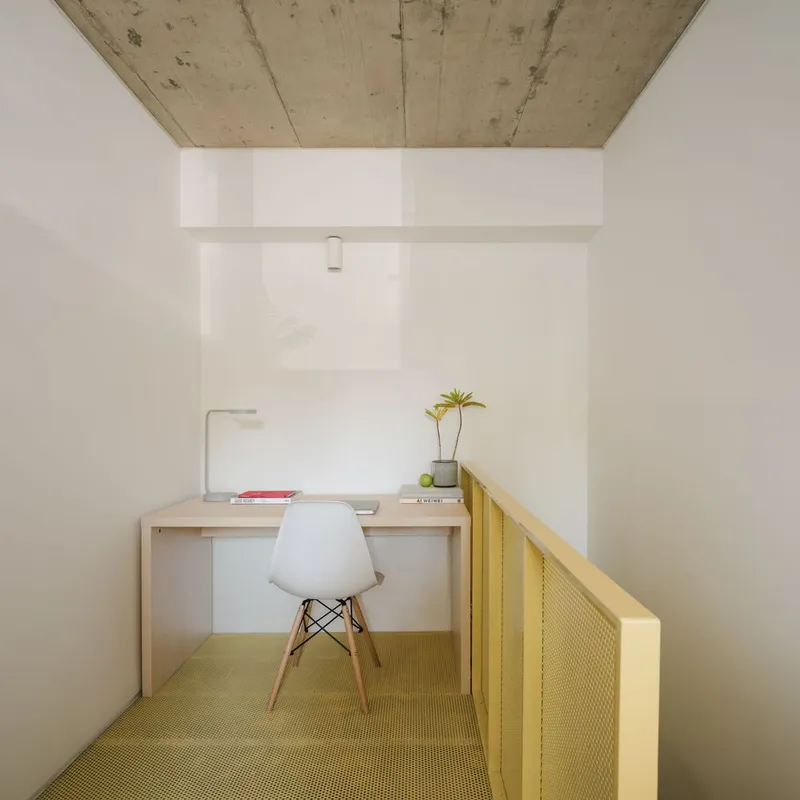
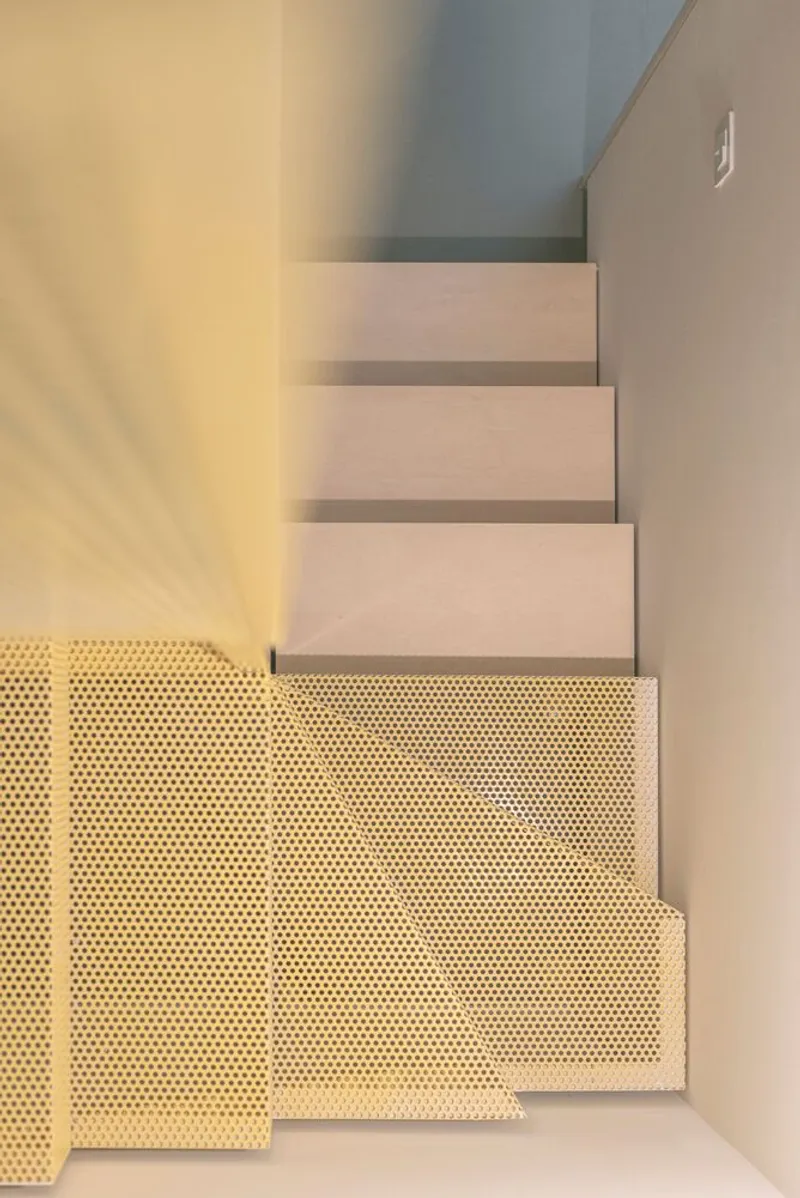
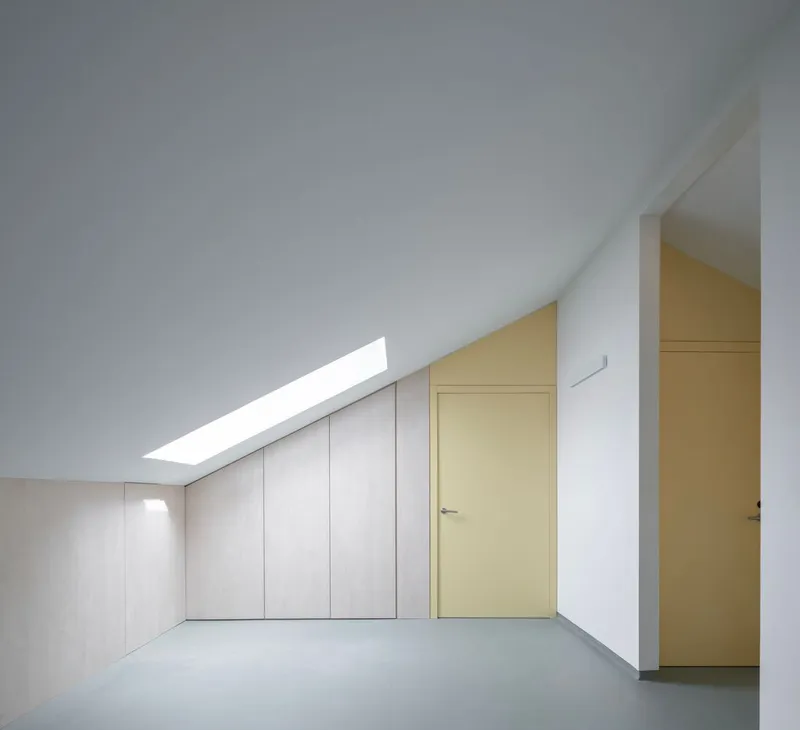
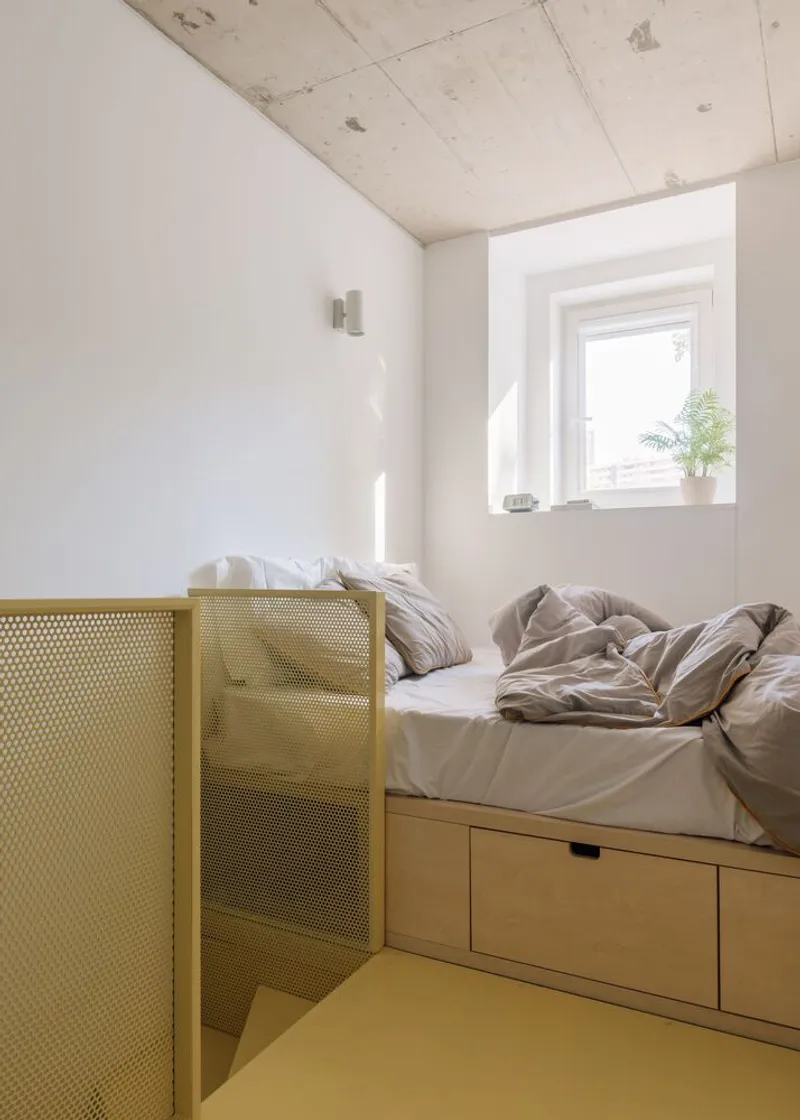
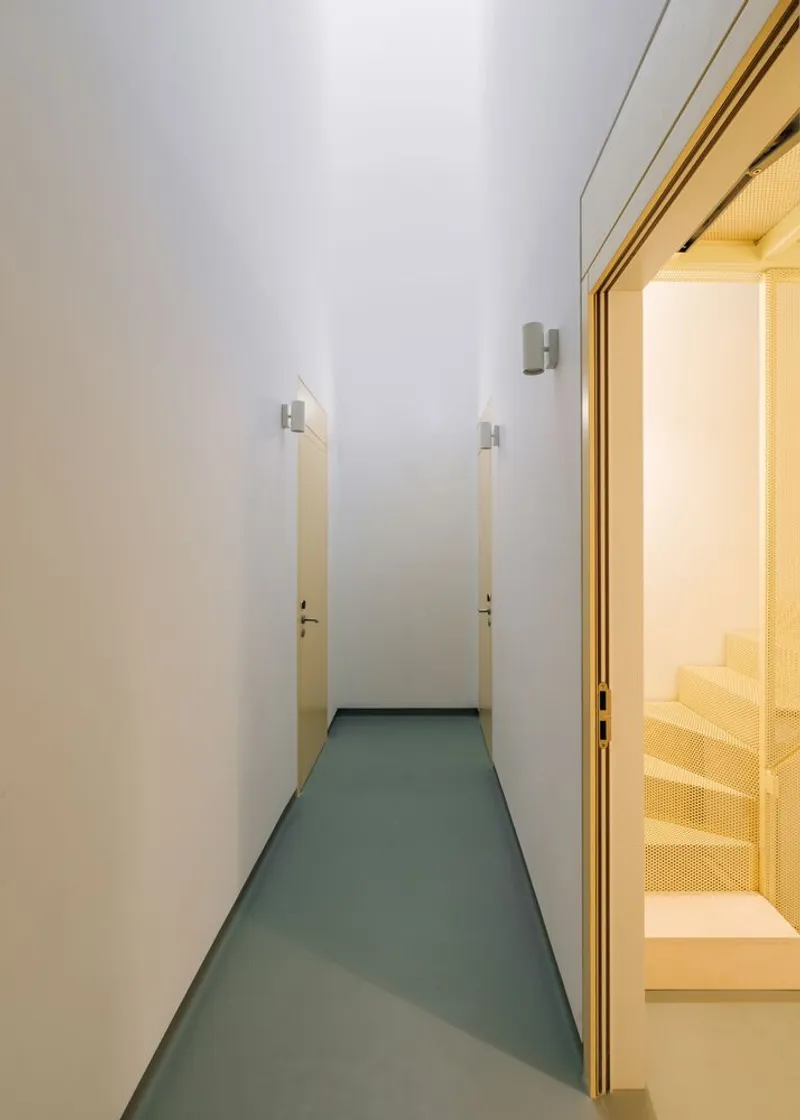
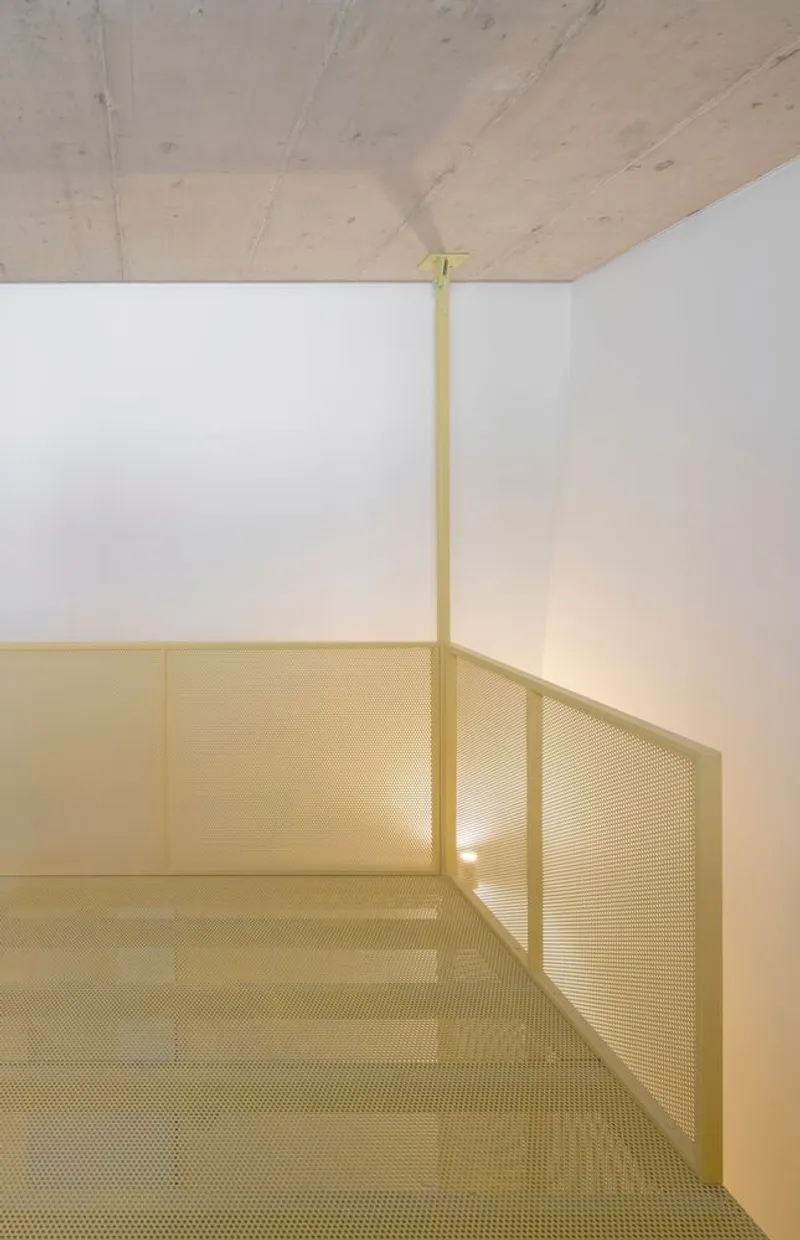
To optimize the available space, the design introduced a new basement and loft level. The layout is designed as a three-dimensional puzzle with mezzanines and double-height corridors, creating an interlocking pattern of rooms that maximizes both space and light.
Features of Sustainable Architecture in the Palma Studios
Energy Efficiency and Materials
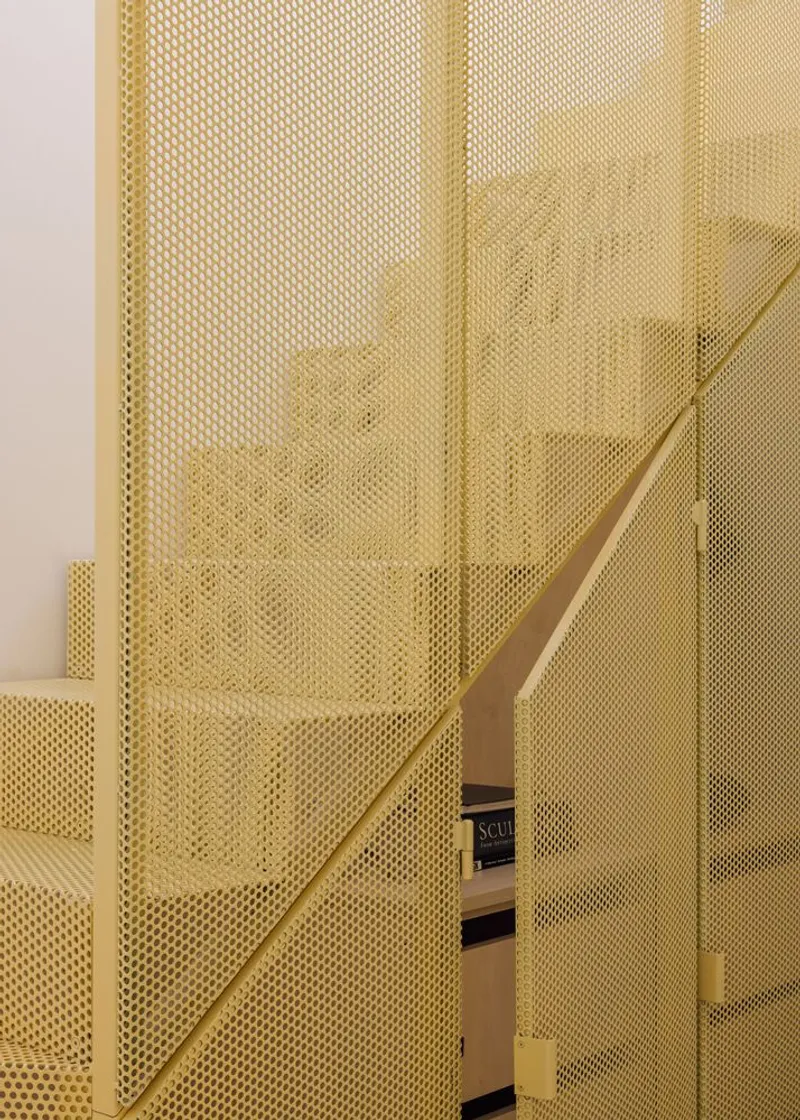
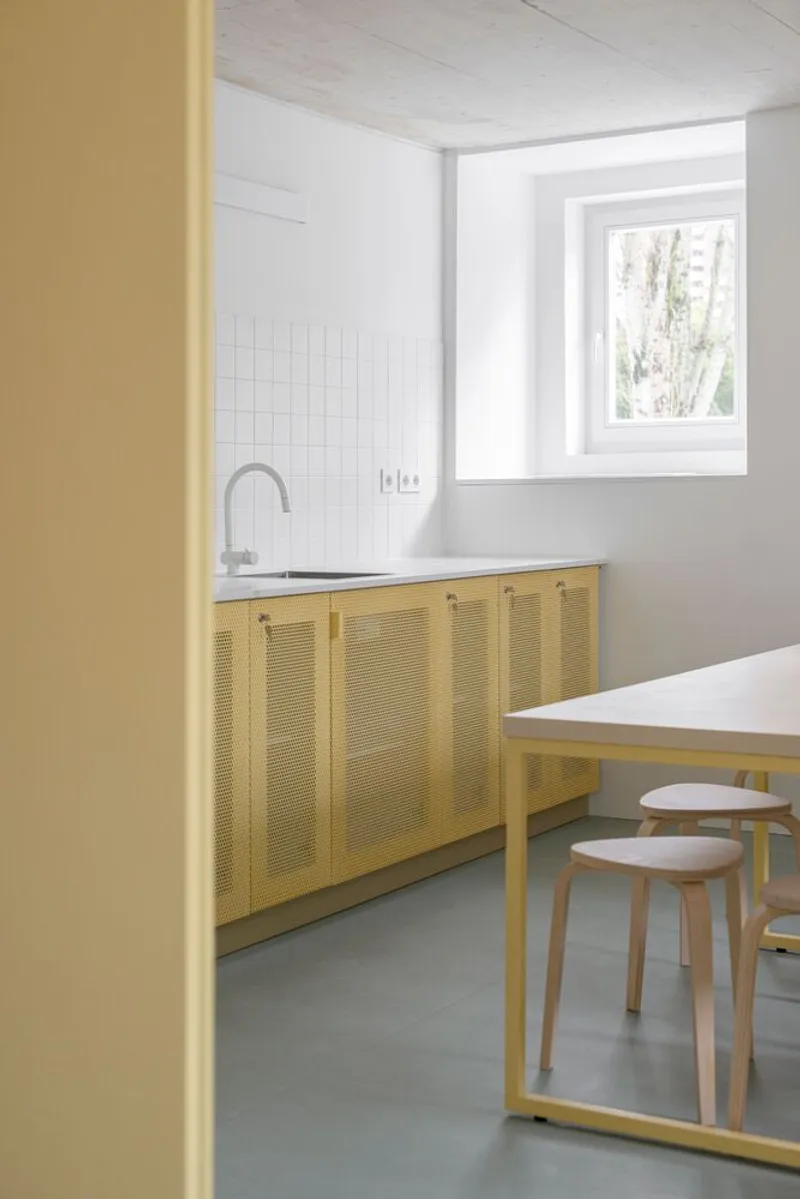
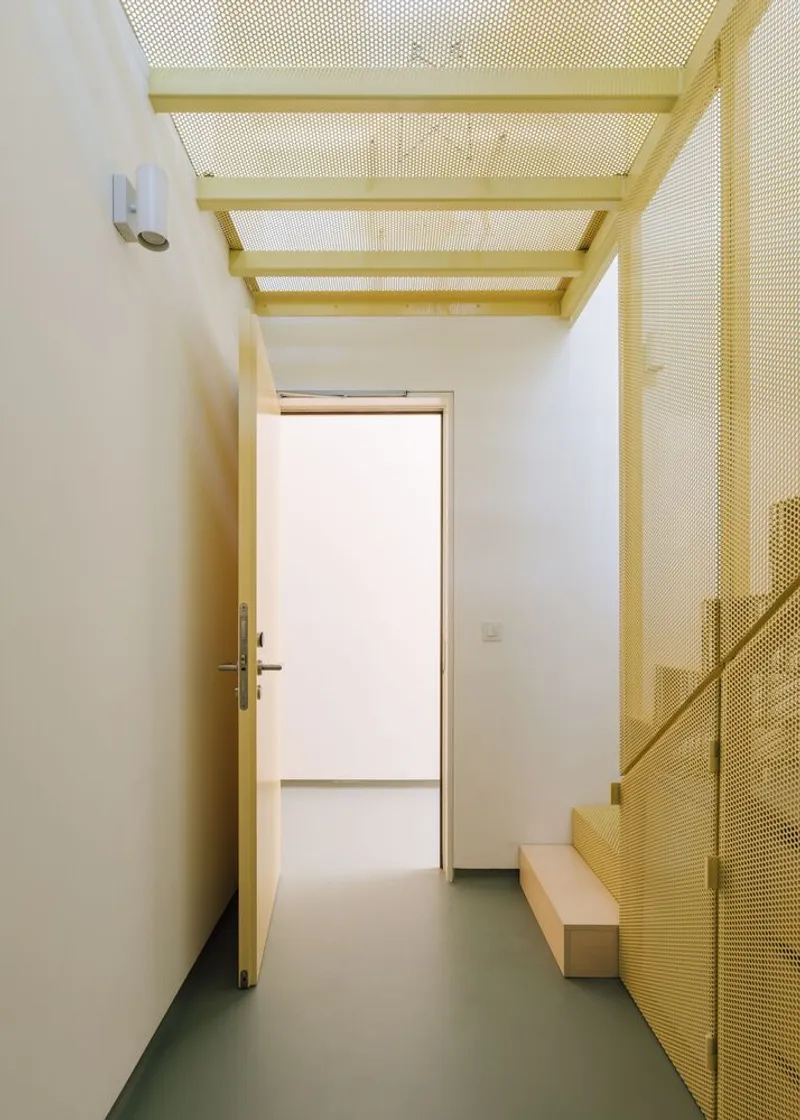
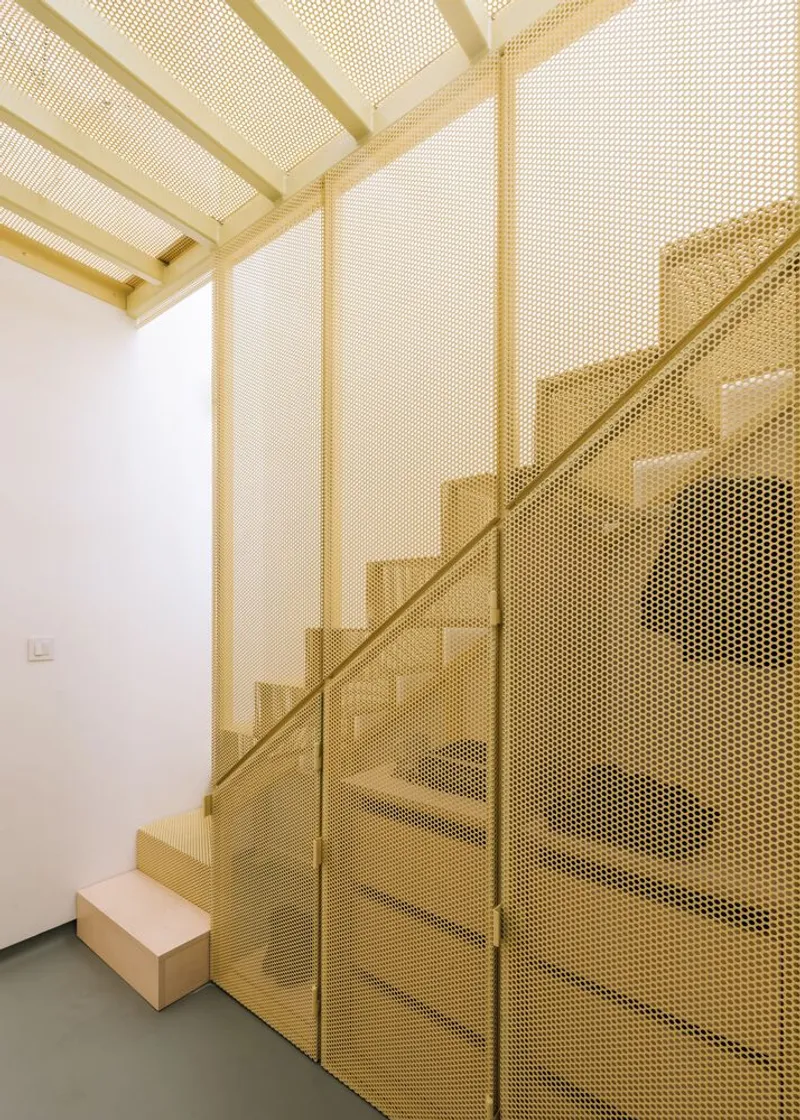
The project extensively uses materials that contribute to energy efficiency. The thick masonry walls are painted white to reflect sunlight, reducing the need for artificial cooling. Perforated metal installations throughout the building allow for natural light penetration and air circulation, which decreases the energy consumption typically associated with heating and lighting.

Community Integration
A significant aspect of sustainable architecture is community integration. Palma Studios includes a communal kitchen, living space, and a roof terrace that foster a sense of community among residents. Additionally, an external-facing cafe opens up interactions between students and the local population, thereby enhancing community bonds.
Environmental Impact
The design team carefully selected materials and construction methods that minimize environmental impact. The preservation of the building's shell reduces the carbon footprint associated with demolition and new construction, demonstrating a commitment to environmental stewardship.

The Future of Sustainable Architecture in Lisbon
Projects like Palma Studios highlight the potential for Lisbon to lead in the area of sustainable architecture. By blending historical preservation with modern design and green technologies, Lisbon is setting a precedent for future developments not only in Portugal but across Europe.
Palma Studios is more than just a building; it is a testament to the possibilities of sustainable architecture in revitalizing urban spaces and fostering community in modern cities.
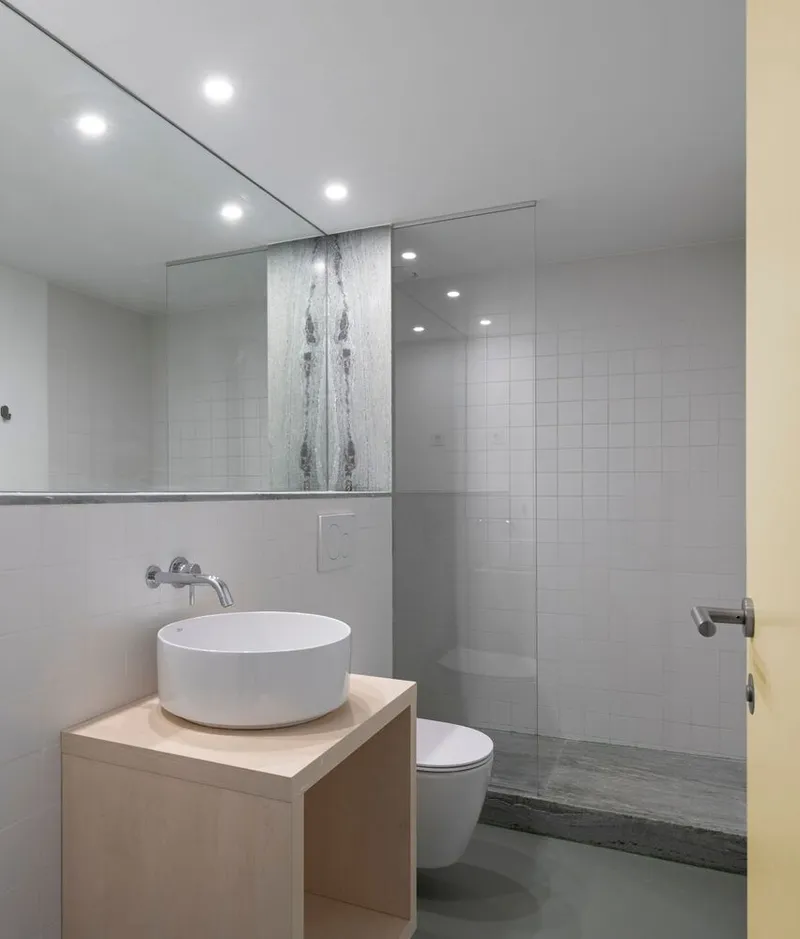
All photographs are work of Lourenço T. Abreu, João Guimarães



Popular Articles
Popular articles from the community


Riyadh For All: Intergenerational Urban Design for Active Aging in Rabat
Riyadh For All reimagines urban design in Rabat with intergenerational co-living, adaptive courtyards, and Moroccan cultural exchange today.

Conexión: Biophilic Design Reimagines High-Rise Living in Hong Kong
Conexión reimagines high-rise living in Hong Kong through biophilic design, green facades, shared spaces, daylight, water and nature within.

The Earth Pod: 3D Printed Homes for Resilient Refugee Communities
The Earth Pod reimagines refugee housing through 3D printed homes made from clay, combining resilience, self-sufficiency, and rapid shelter.

The Ocean Hive: Sustainable Architecture for a Self-Sufficient Civilization at Sea
The Ocean Hive imagines sustainable architecture at sea, where modular habitats, algae, wave power and ocean waste sustain a growing colony.

Similar Reads
You might also enjoy these articles

Maya Harvest: A Cacao Resort Village Rooted in Mayan Tradition and Local Craft
Situated within a Tabasco cacao plantation, this shortlisted resort proposal merges vernacular materials with hands-on cultural immersion.
Harmonia: A River-Shaped Community That Grows Over Decades in Boa Vista
Curved pathways and modular grid structures along the Branco River create a phased settlement designed to evolve from 2030 to 2050.
The Architecture of Bathing: A Mughal Hammam Reimagined Across the Yamuna
Charlotte May's honorable mention entry for The Black Taj reinterprets Agra's bathing rituals through red sandstone, water, and framed views of the Taj Mah
Om-1: A Wall-Hung System That Moves Your Workspace Off the Desk
Modular plywood boards, magnetic pegs, and utility elements migrate clutter from the horizontal surface to the vertical plane.


Explore Residential Building Competitions
Discover active competitions in this discipline


Challenge to design mud housing for contemporary communities


Challenge to reimagine the Iron Throne


Photograph architecture without architects


Illustrate the lost glory of Angkor Wat - Render Challenge
Comments (0)
Please login or sign up to add comments
No comments yet. Be the first to comment!