
Sustainable Architecture in Urban Design: The Eden District Example
The article explores the Eden District in Rotterdam as a prime example of sustainable architecture integrating eco-friendly design and urban living.


Sustainable Architecture
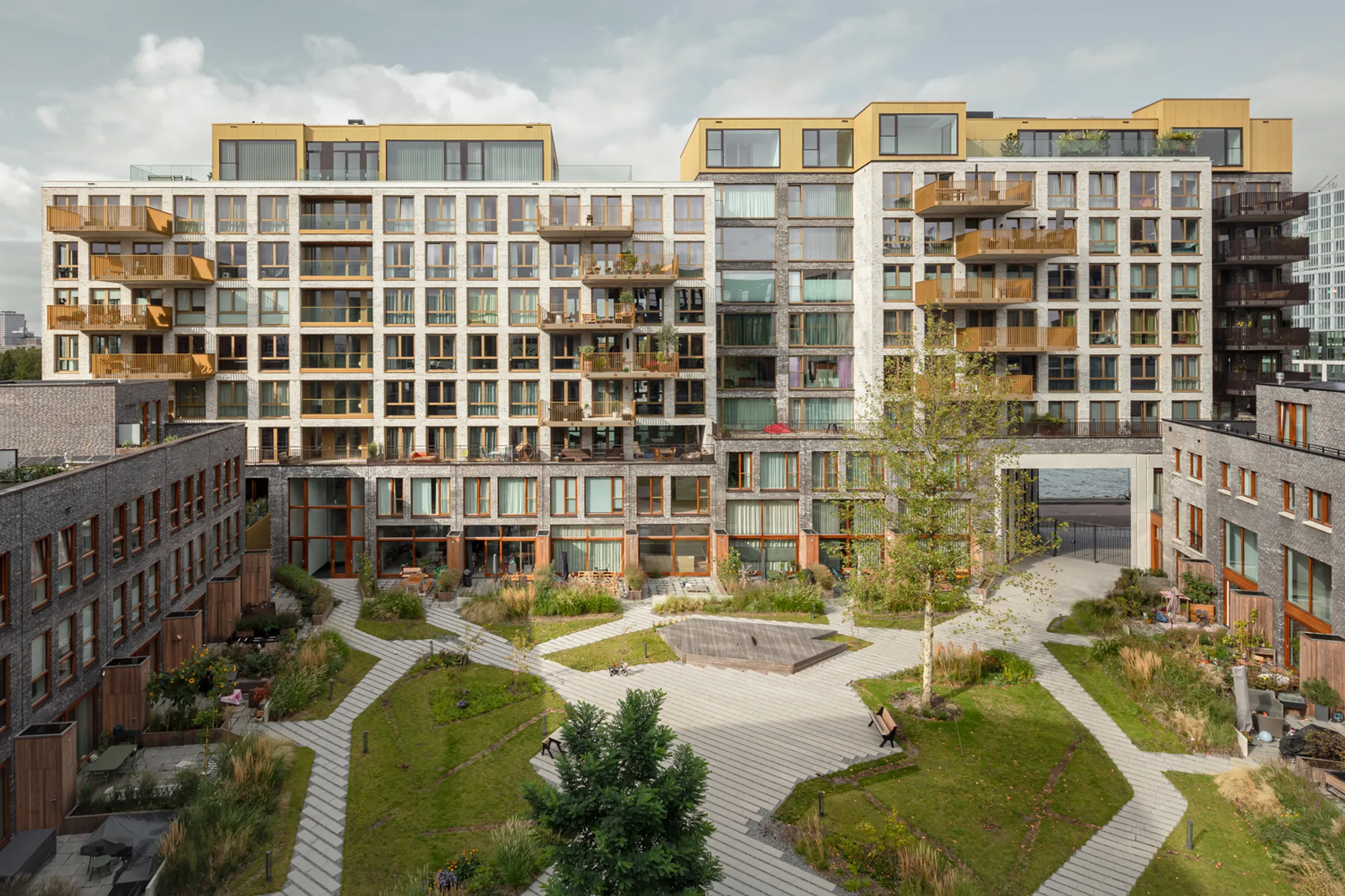
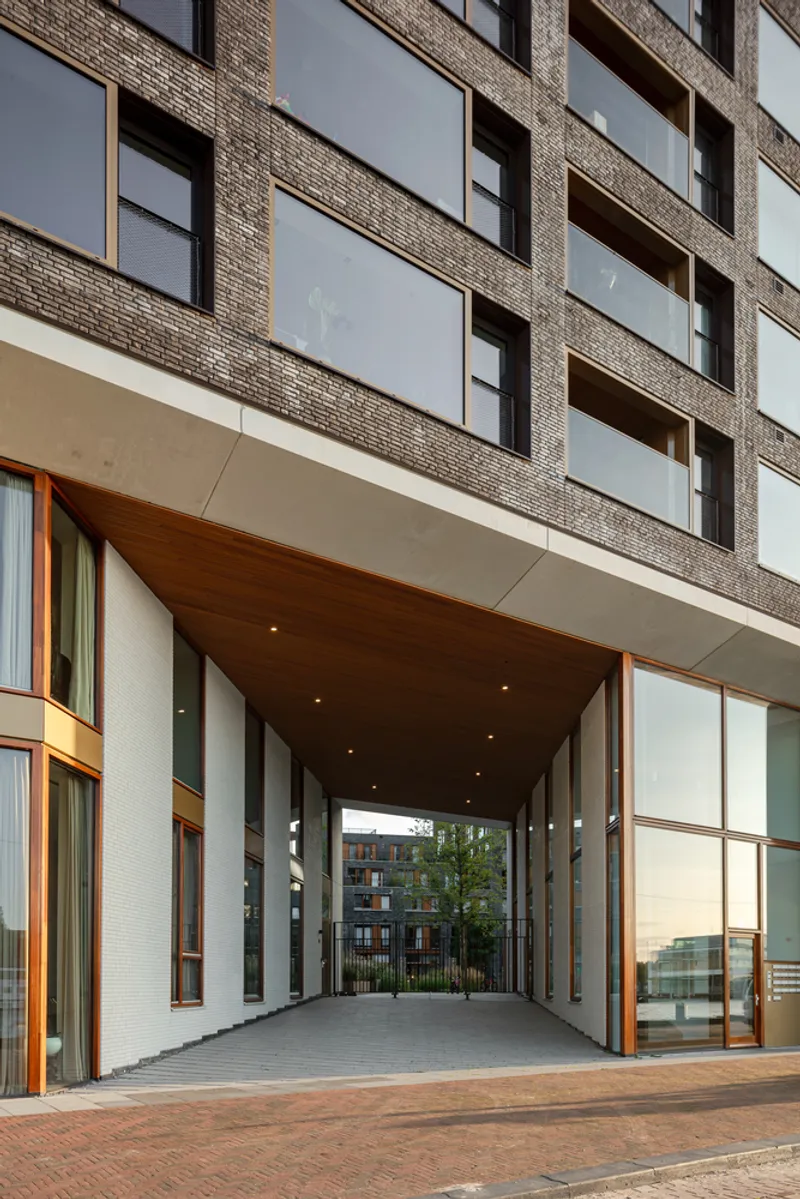
Sustainable architecture is a growing field within urban design that emphasizes environmental responsibility, energy efficiency, and the integration of natural elements into the built environment. The Eden District in Rotterdam, designed by Arons & Gelauff architecten in collaboration with Architectuur Maken, is a prime example of how sustainable architecture can be integrated into urban residential projects. Completed in 2022, this 9,782 m² residential block exemplifies modern, eco-conscious design principles while maintaining a high level of livability for urban families.
In this article, we explore how the Eden District project combines sustainable architecture with innovative urban living solutions, offering lessons for future developments in cities worldwide.
What is Sustainable Architecture?
Sustainable architecture focuses on designing buildings that have a minimal negative impact on the environment while maximizing energy efficiency, water conservation, and sustainable material use. This approach not only aims to reduce a building's carbon footprint but also enhances the health and well-being of its inhabitants. Sustainable design strategies include:
- Energy-efficient construction materials
- Water retention and recycling systems
- Green roofs and living walls
- Use of natural light and ventilation
The Eden District is an exemplary model of how sustainable principles can be implemented in both residential and public spaces.
The Design Philosophy Behind the Eden District
A Vision for High-Quality Urban Living
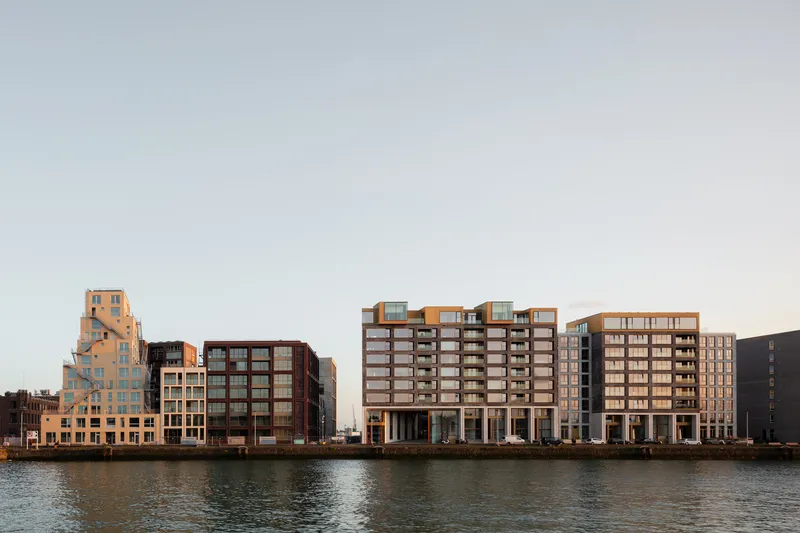
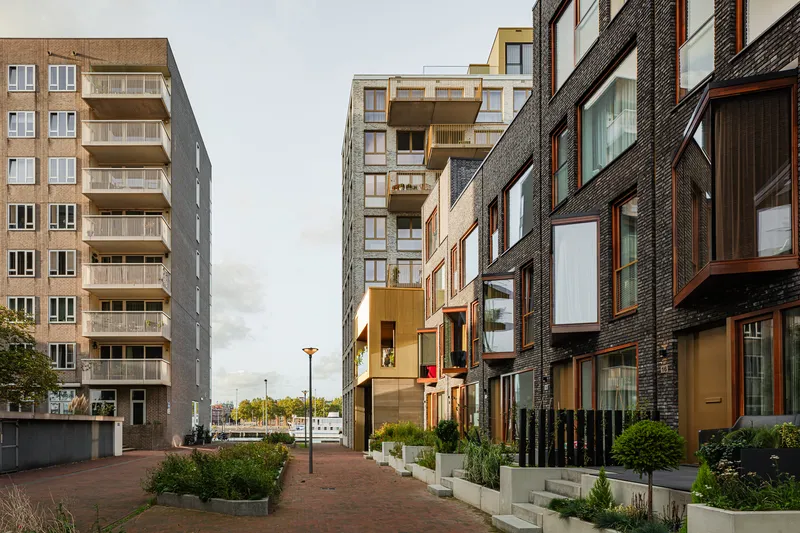
The Eden District is located along the Maas River at the Lloydpier in Rotterdam. When the municipality of Rotterdam issued a tender for a new residential block, the goal was to create a high-quality living environment that would appeal to families and encourage them to stay in the city. The designers, led by Floor Arons and Architectuur Maken, responded with a plan that combines robust industrial aesthetics with eco-friendly living spaces.
The project was designed to create a balance between modern architecture and sustainable living, ensuring that the residents have access to green, open spaces while living in a highly functional urban environment.
Sustainable Features in the Eden District
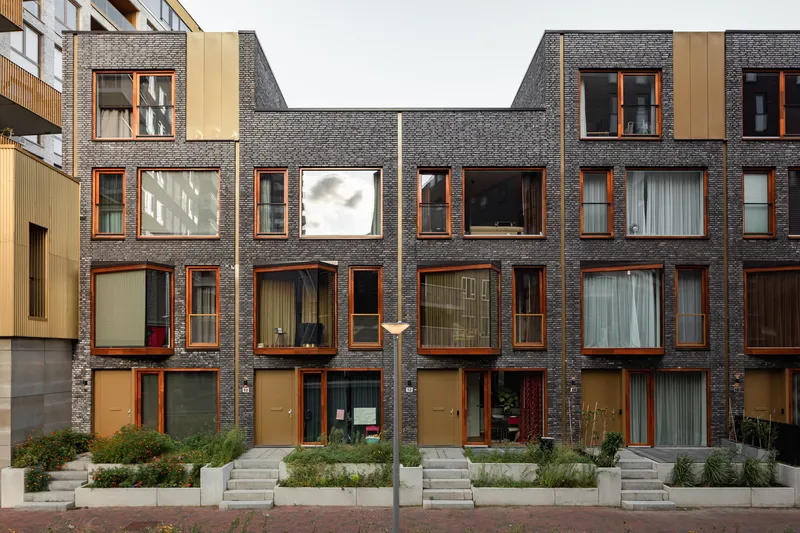
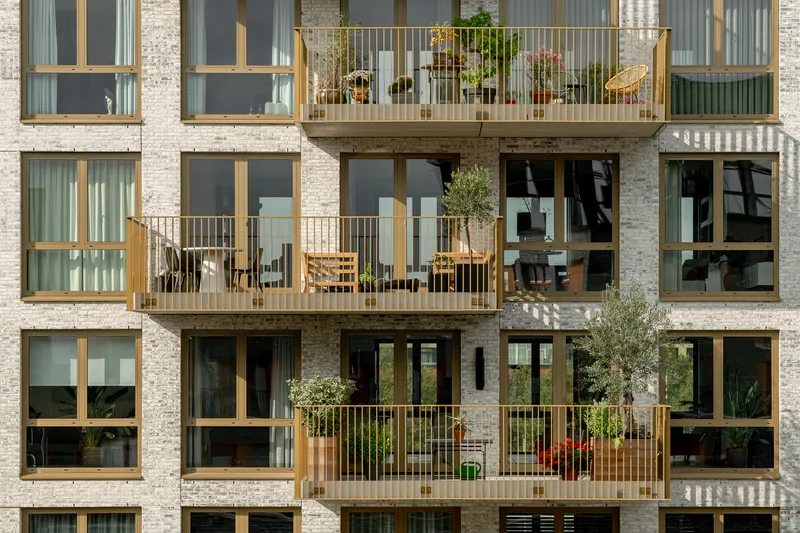
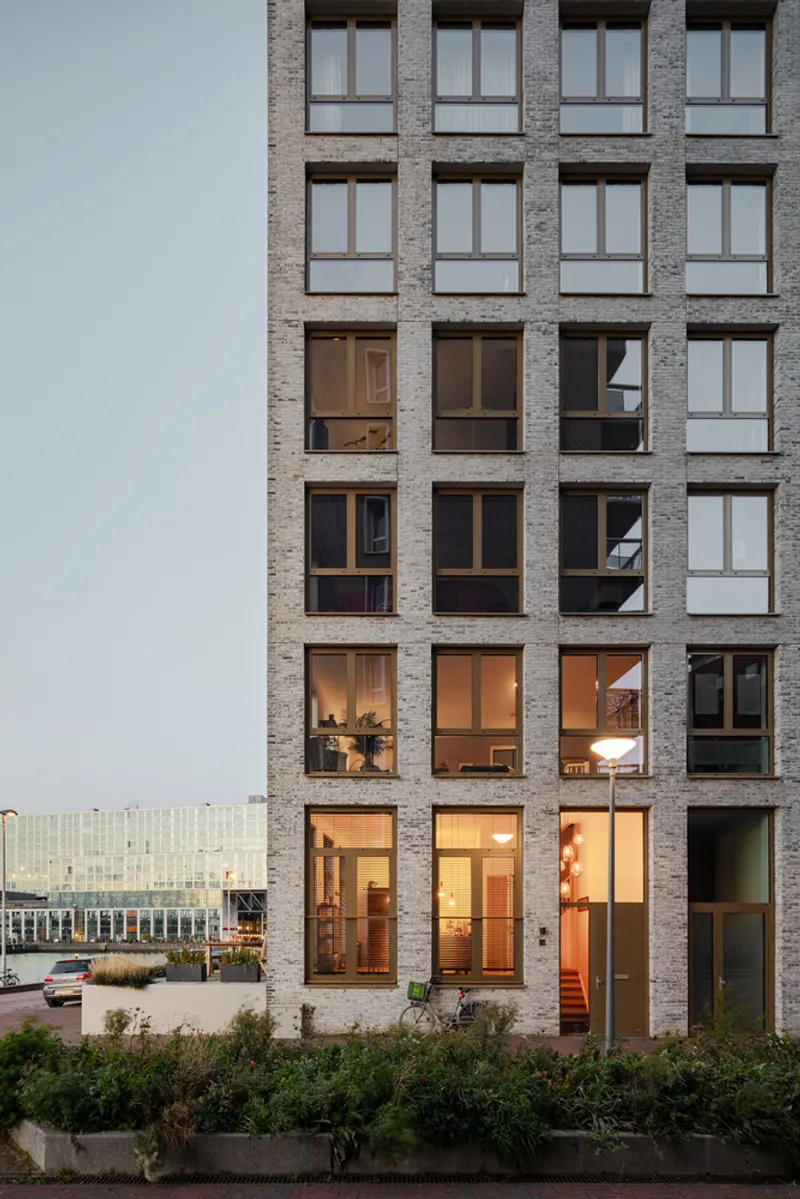
- Materials and Construction: The use of recycled copper and sustainable bricks with at least 50% recycled content showcases a commitment to reducing the environmental impact of construction materials. These elements not only add to the architectural beauty but also contribute to a reduced carbon footprint, making the Eden District a beacon of green building design.
- Energy Efficiency and Water Conservation: The building is designed to be energy-efficient with an emphasis on water retention systems. The integration of these technologies ensures that the building conserves resources, reduces waste, and helps the community remain resilient in the face of environmental challenges.
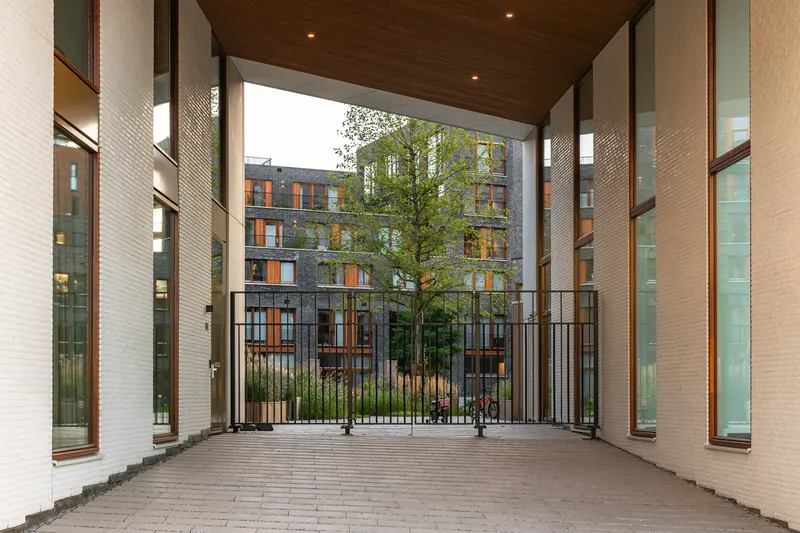
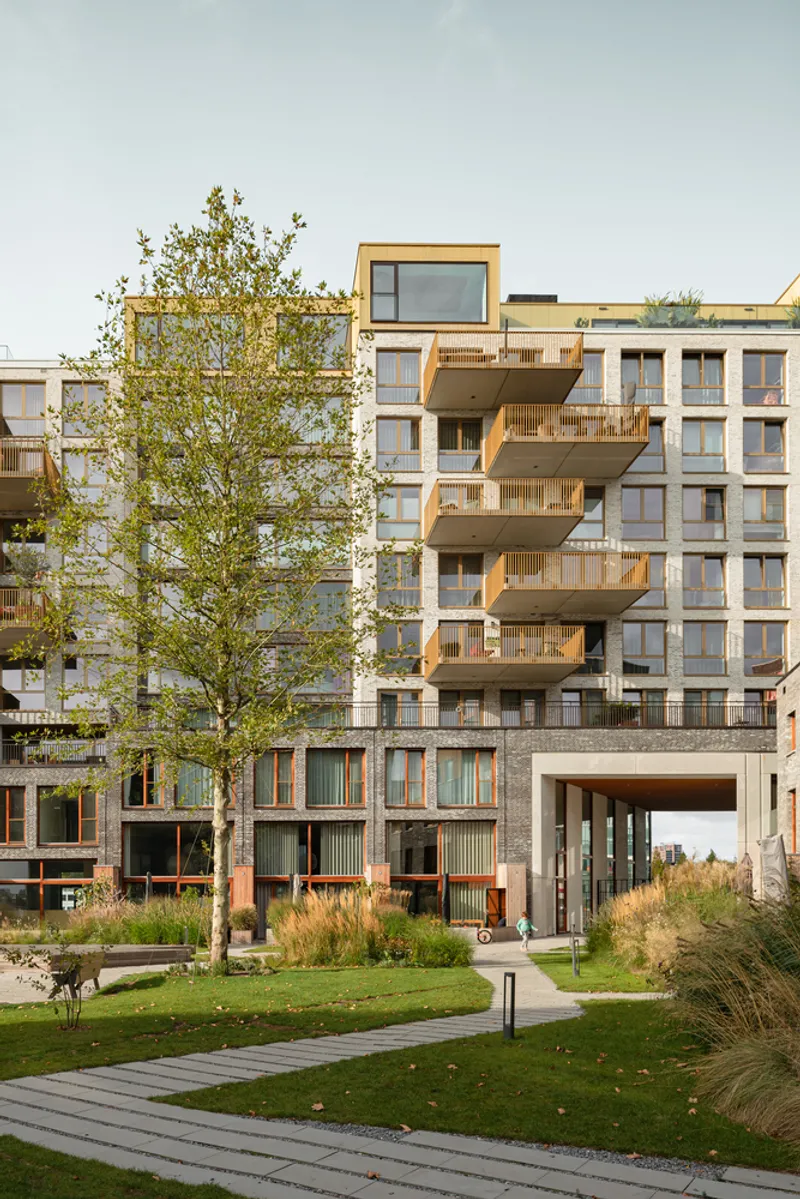
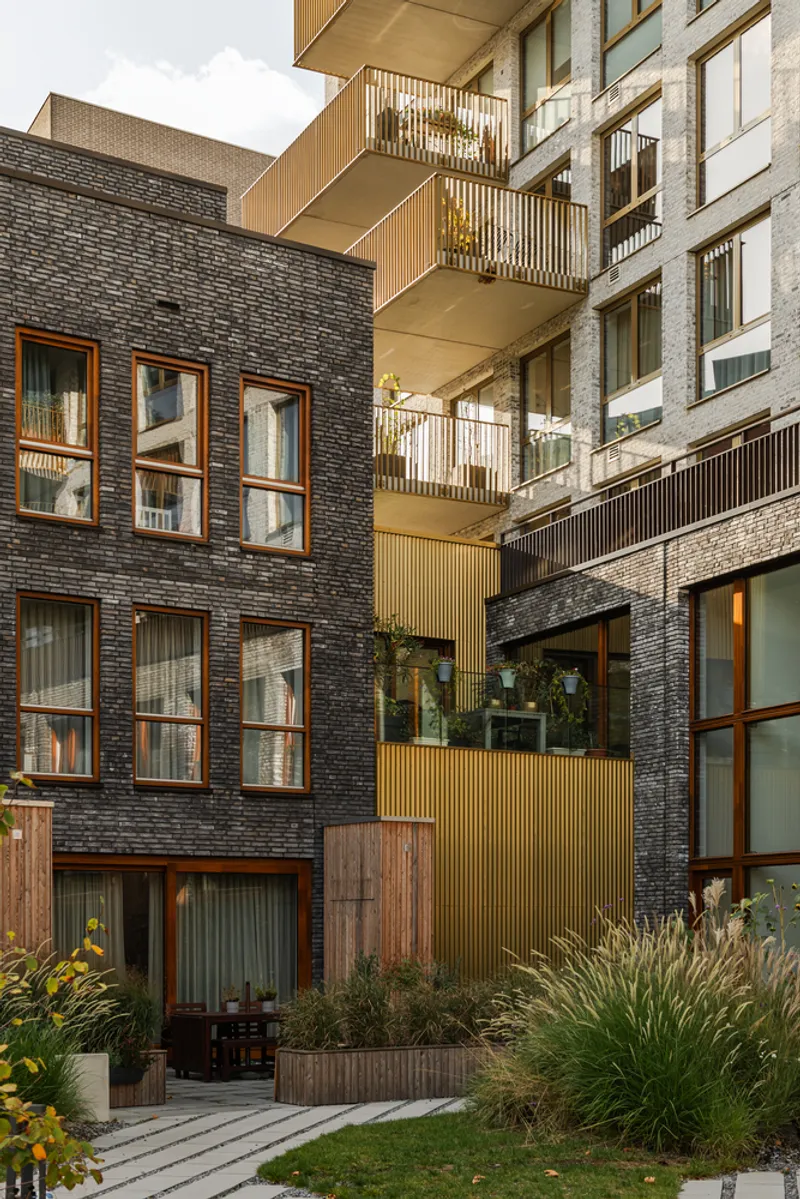
- Green Courtyards and Landscaped Spaces: One of the most striking features of the Eden District is its green courtyard, designed as a living garden to contrast with the industrial environment of the pier. Landscape architect Hanneke Kijne ensured that the garden is not only visually appealing but also environmentally friendly. The space includes mature trees, colorful plants, and habitats for local wildlife, promoting biodiversity and providing a sustainable, healthy outdoor environment for the residents.
How Sustainable Architecture Enhances Urban Life
Sustainable architecture is not just about creating energy-efficient buildings; it’s also about improving the quality of life for residents. By integrating green spaces, reducing the need for energy-intensive systems, and improving air and water quality, sustainable buildings contribute to healthier living conditions.
In the case of Eden District, the communal garden serves as a central gathering space for the community. It provides a safe, quiet place for families, children, and the elderly to interact and enjoy the outdoors. The careful balance between urban density and green space allows residents to experience the best of both worlds—city living with a connection to nature.
The Importance of Green Spaces in Sustainable Urban Design
Urban green spaces, like the courtyard in the Eden District, are crucial for both environmental and social sustainability. These spaces contribute to cleaner air, reduce urban heat islands, and provide recreational areas for communities. In addition, they support biodiversity by offering habitats for insects, birds, and other wildlife. The use of native, low-maintenance plants in the courtyard also reduces the need for water and chemical fertilizers.
Sustainable Architecture and the Future of Cities
As cities around the world continue to grow, the need for sustainable architecture has never been more urgent. The Eden District serves as an excellent example of how sustainable principles can be applied to urban housing projects, offering a model for other cities to follow. With an increasing focus on energy-efficient buildings, green infrastructure, and eco-friendly materials, the future of architecture lies in creating spaces that are both sustainable and livable.
The Eden District shows that sustainable architecture is not a trend, but a necessity for the future. It demonstrates how thoughtful design, combined with environmental awareness, can create communities that are not only sustainable but also resilient, healthy, and vibrant.
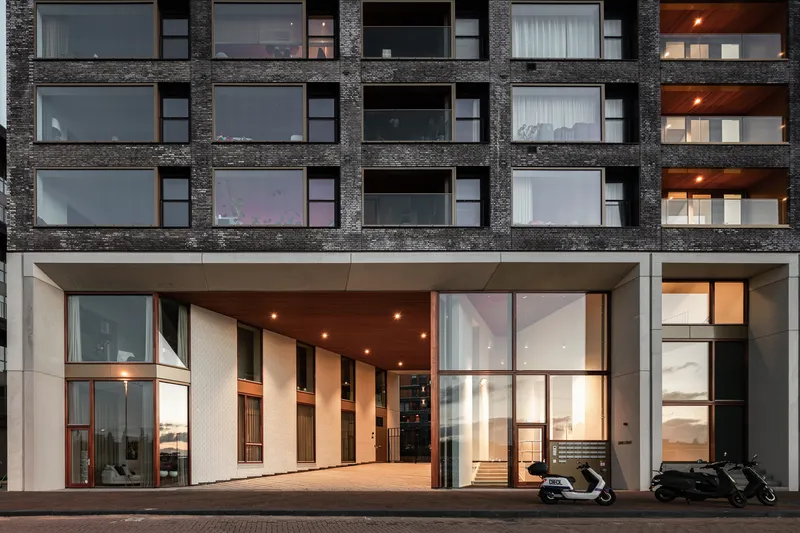
Sustainable architecture plays a crucial role in shaping the cities of the future, and projects like the Eden District showcase the potential for integrating eco-friendly practices with urban living. From the use of sustainable materials to the creation of green spaces that foster biodiversity, the Eden District serves as a model for cities looking to prioritize sustainability while offering high-quality living to their residents.
By prioritizing environmental consciousness and resource efficiency, sustainable architecture can help shape urban environments that are healthier, more resilient, and better equipped to face the challenges of climate change.
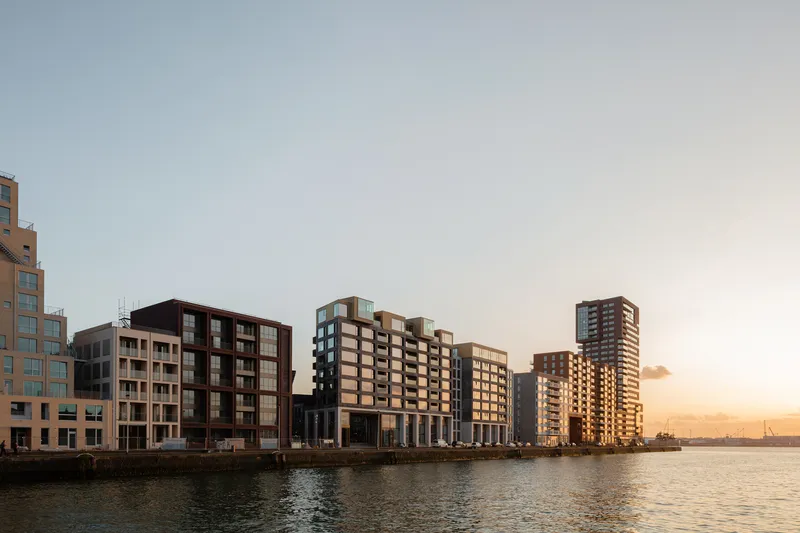
All Photographs are work of Sebastian van Damme




Popular Articles
Popular articles from the community


Conexión: Biophilic Design Reimagines High-Rise Living in Hong Kong
Conexión reimagines high-rise living in Hong Kong through biophilic design, green facades, shared spaces, daylight, water and nature within.

Co-Life: Senior Housing Design That Reconnects Older Adults With the City
Co-Life reimagines senior housing design through healing gardens, shared streets, workshops, and a sustainable community across generations.

Hill & Cross Opera: Sculptural Opera House Architecture Shaped by Tallinn’s Landscape and Identity
Hill & Cross Opera reimagines opera house architecture in Tallinn through its sculptural hill, civic plaza, glass wave and a luminous cross.

Riyadh For All: Intergenerational Urban Design for Active Aging in Rabat
Riyadh For All reimagines urban design in Rabat with intergenerational co-living, adaptive courtyards, and Moroccan cultural exchange today.


Similar Reads
You might also enjoy these articles


Hodi-Mandai Geram
Project Function: Preservation and revitalization of the Intangible heritage and socio-spatial identity of the Hodi by Housing, Cultural Memory Center, Sacred Grove, landscape, local tourism economy


Olio Towers: A Mid-Rise for Performers That Fuses Housing, Rehearsal, and Stage
Located blocks from Houston's Theater District, this modular tower stacks living units around a central performance atrium.

Oasis: Modular Green Housing Carved into Dhaka's Urban Fabric
A shortlisted Plugin Housing entry reclaims unauthorized settlements in Dhaka with stepped concrete volumes, green roofs, and ventilation-driven design.

Black Hole: A Floating Megastructure for the Post-Physical Era
Emiliano Mazzarotto envisions a spherical, self-scaling arena where e-sports, digital hotels, and holographic stadiums replace traditional public space.

Explore Housing Competitions
Discover active competitions in this discipline



Challenge to reimagine the Iron Throne


Photograph architecture without architects


Illustrate the lost glory of Angkor Wat - Render Challenge


Design challenge to reuse E-waste
Comments (0)
Please login or sign up to add comments
No comments yet. Be the first to comment!