
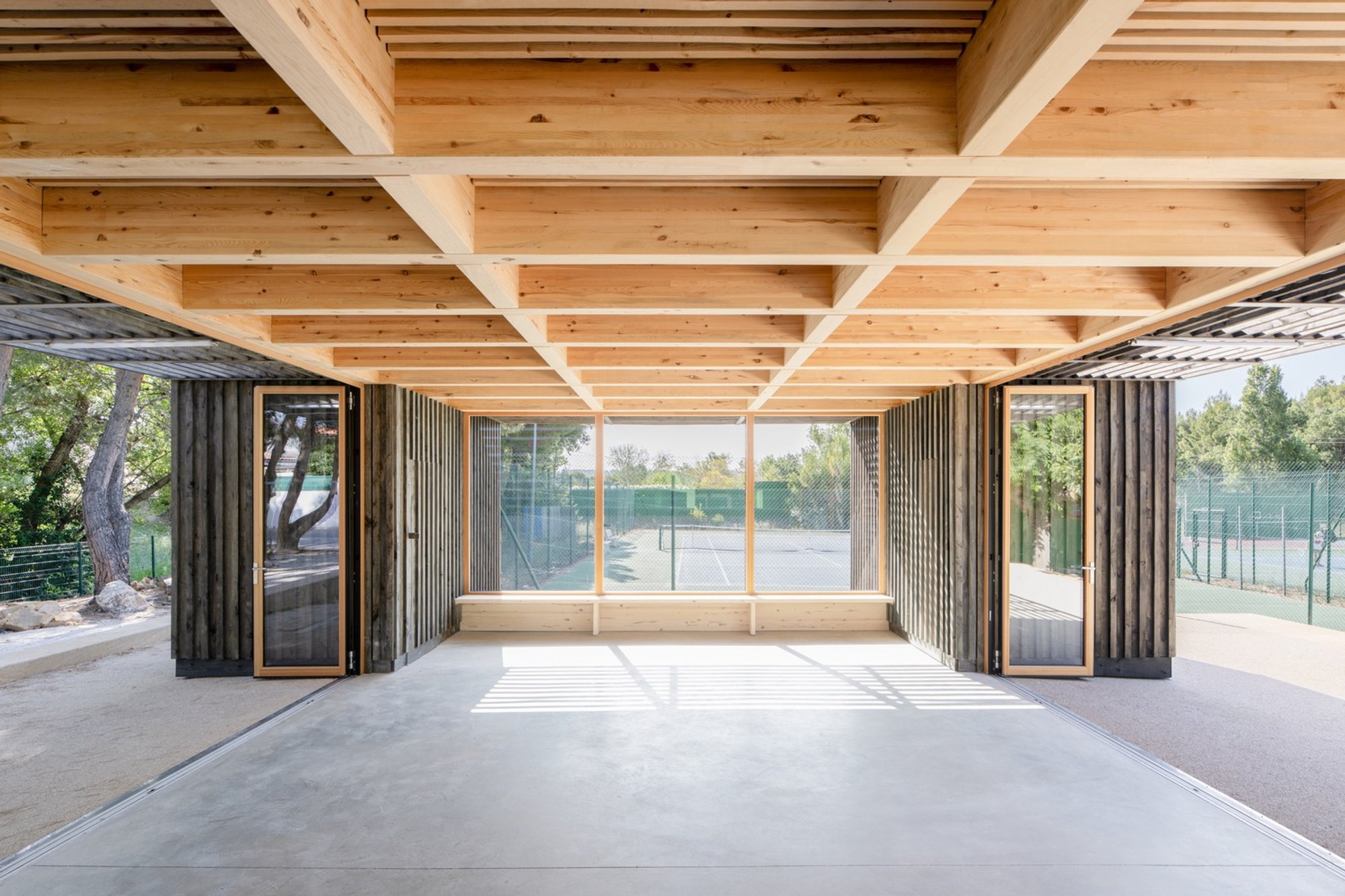
Sustainable Architecture with Alep Pine: A Case Study of the Multipurpose Hall in Coudoux
The article showcases the sustainable design of the Multipurpose Hall in Coudoux, featuring Alep pine.

In the picturesque town of Coudoux, France, an architectural marvel stands as a testament to sustainable building practices and innovative design. The Multipurpose Hall, designed by Atelier Régis Roudil Architectes, showcases the remarkable use of Alep pine, a sustainable material that sets this project apart. This case study explores the hall's architectural features, sustainability aspects, and its integration into the local environment, underlining the potential of "Sustainable Architecture with Alep Pine".
Background
The Essence of Alep Pine in Architecture
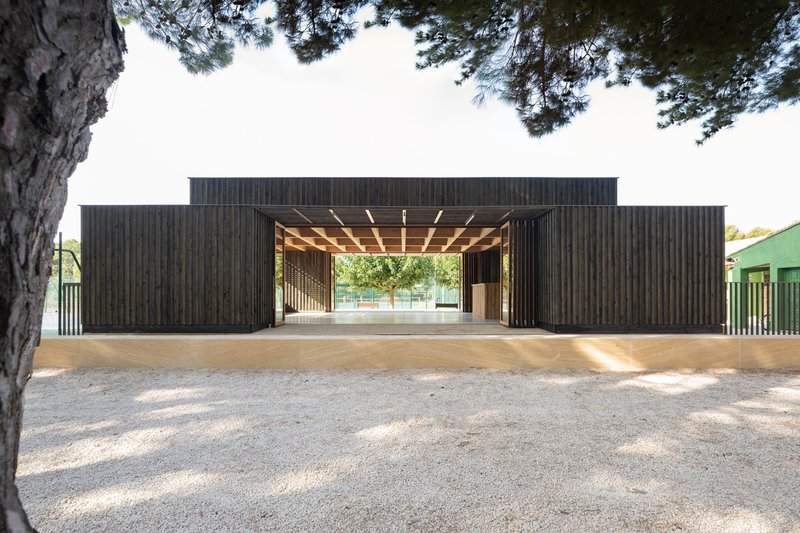
Alep pine, a softwood lumber, has recently gained attention for its sustainability and versatility in construction. Forestry-oriented municipalities and local government initiatives, such as FIBOIS PACA in France, have pioneered its use, emphasizing eco-friendly and locally sourced materials in public infrastructure projects.
Design and Implementation
Architectural Vision
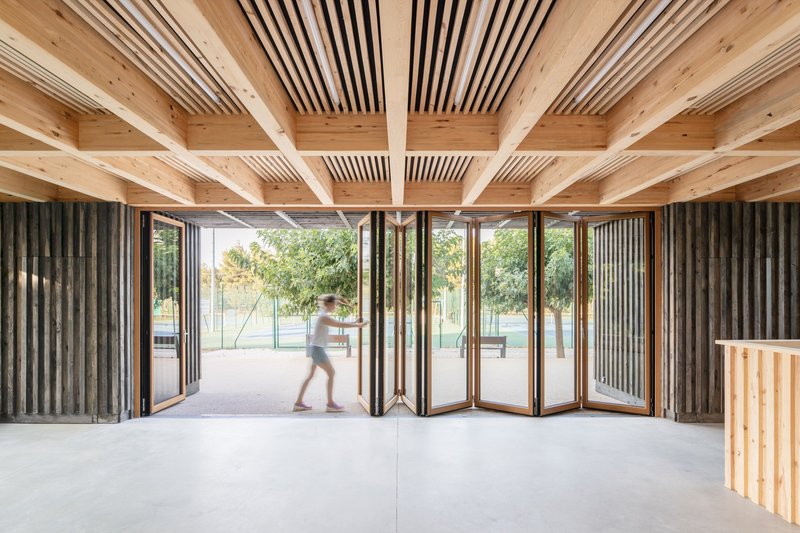
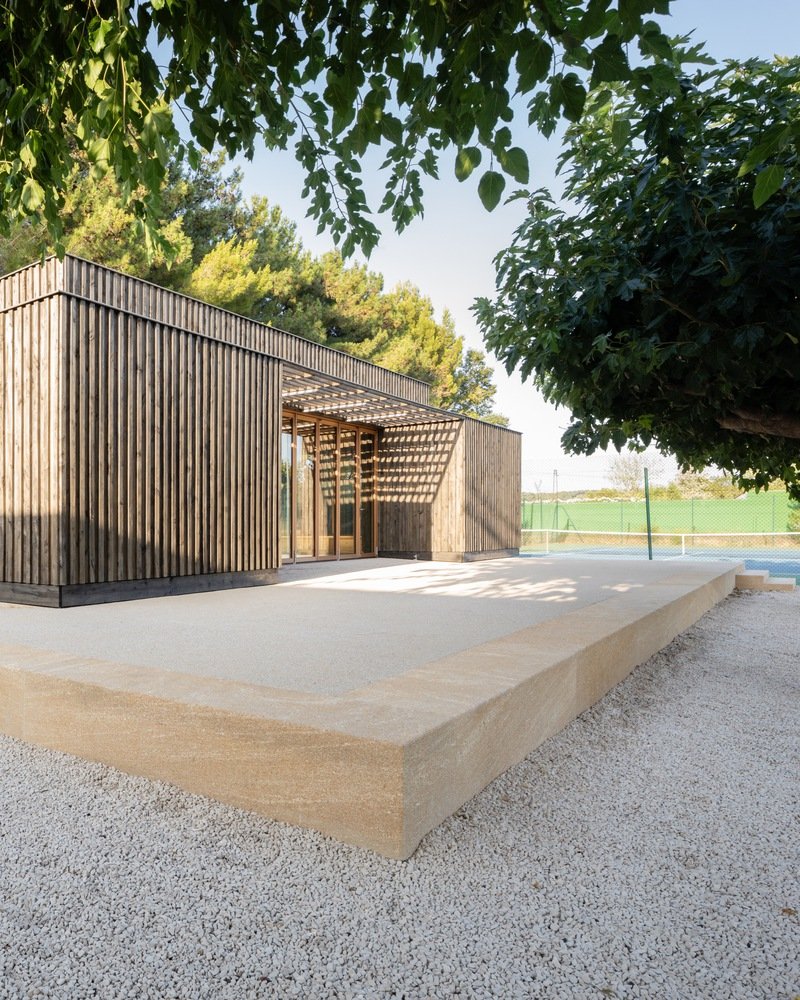
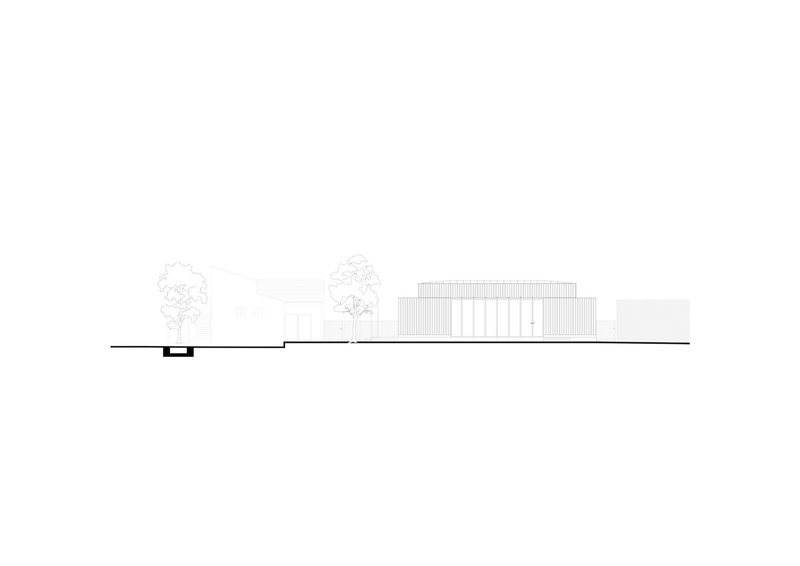
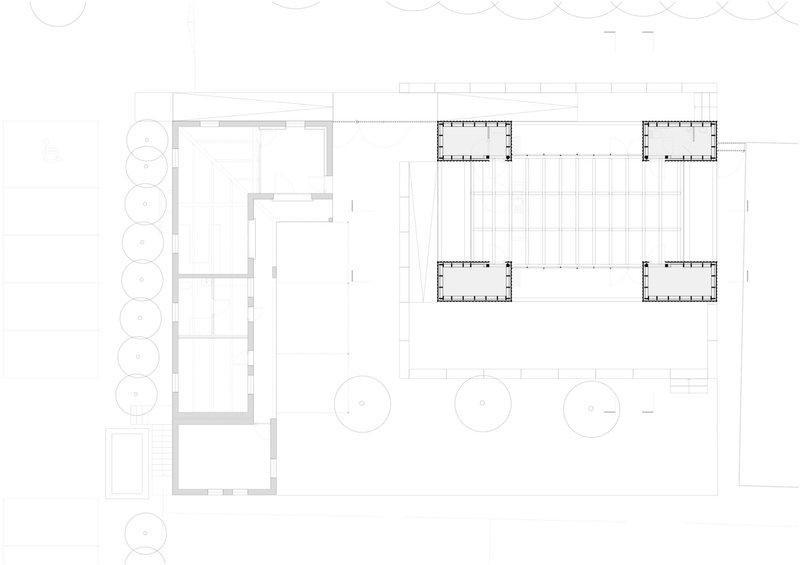
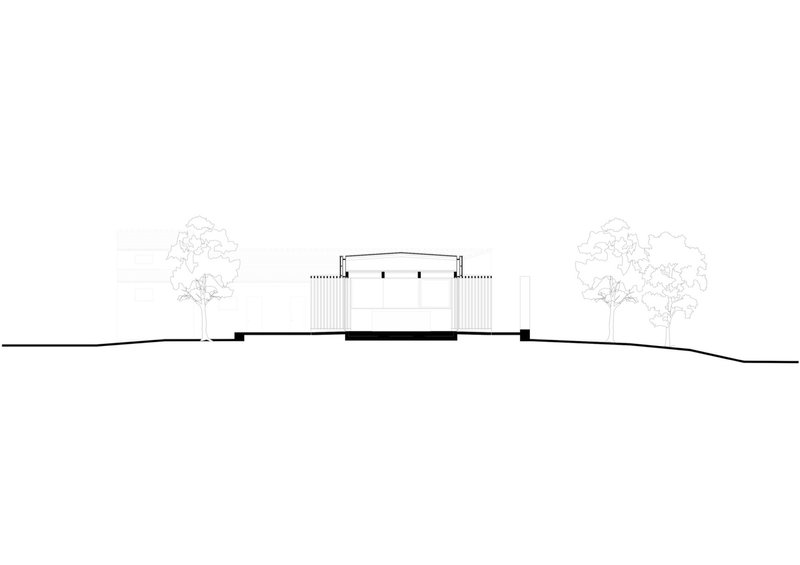
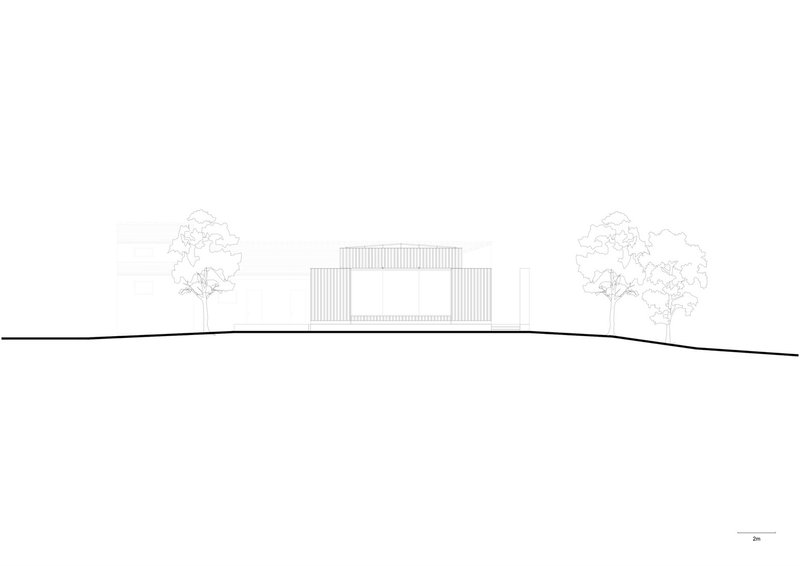
The Multipurpose Hall in Coudoux embodies a commitment to sustainable design, leveraging the unique qualities of Alep pine. The project involved the renovation and expansion of an existing clubhouse to serve the community and a local tennis club. Its location, bordered by a future park and residential areas, influenced a design that harmonizes with the natural and built environment.
Sustainable Features and Materiality
Use of Alep Pine
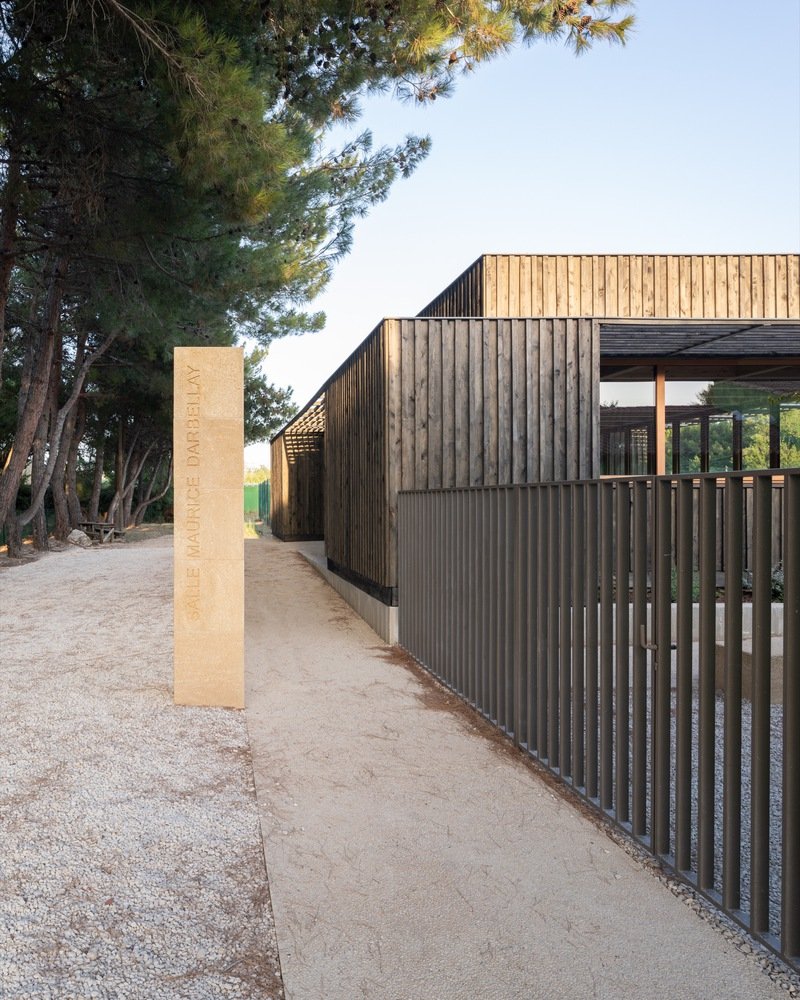
The architects chose Alep pine for its ecological benefits and aesthetic appeal. From structural elements to interior finishes, the wood defines the project's identity. Its application demonstrates a sustainable approach, reducing the carbon footprint associated with construction and supporting local industries.
Eco-friendly Construction Practices
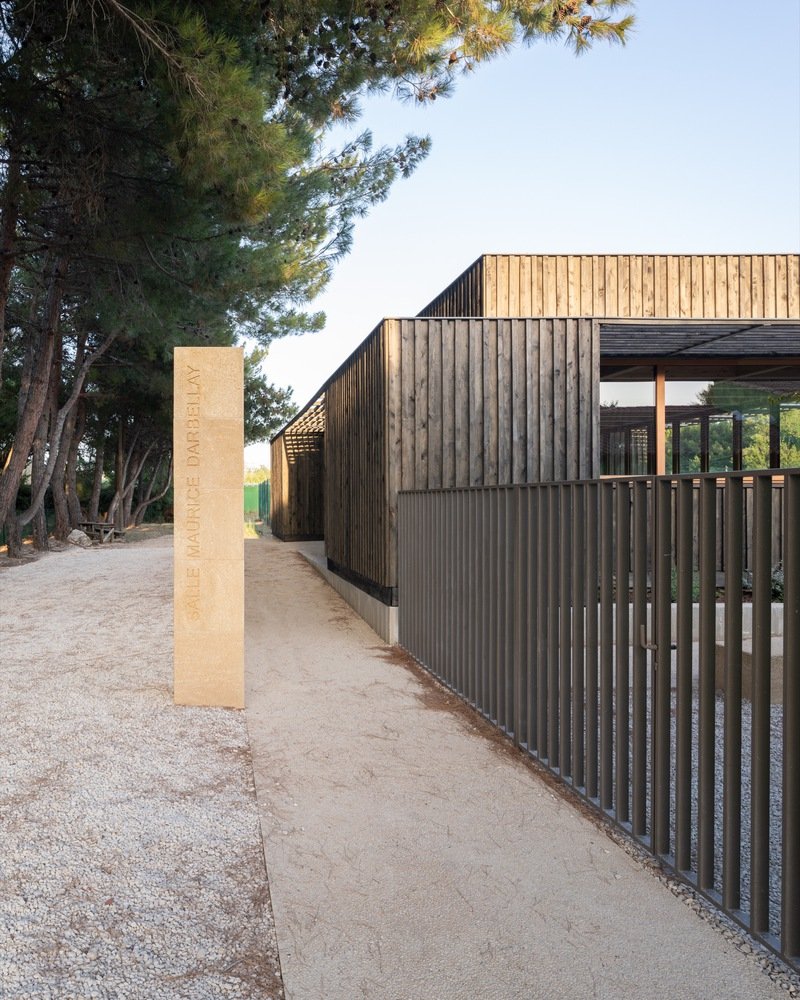
The building stands on a foundation of concrete and solid stone, designed to protect the wooden structure from ground moisture. Surrounding areas are landscaped with gravel, enhancing drainage and integrating the building into its site. This thoughtful consideration of materials and site-specific challenges exemplifies best practices in sustainable architecture.
Impact and Integration
Community and Environmental Benefits
The Multipurpose Hall serves as a communal space for Coudoux, fostering social interaction and community engagement. Its sustainable design principles extend beyond the use of Alep pine, promoting a broader awareness of environmental responsibility among residents and visitors.
Architectural Harmony with the Environment
The project's integration into its surroundings is a key achievement. The building's orientation, materiality, and open spaces create a seamless transition between the built environment and the natural landscape. This approach reinforces the importance of considering environmental impact in architectural design.
The Multipurpose Hall in Coudoux stands as a pioneering example of "Sustainable Architecture with Alep Pine". Through innovative design and material choices, Atelier Régis Roudil Architectes have crafted a building that not only serves its immediate functional needs but also embodies principles of sustainability and environmental stewardship. This project highlights the potential of Alep pine in architecture, setting a benchmark for future developments in sustainable design.
In embracing sustainable materials like Alep pine, architects and builders can contribute to a more sustainable and aesthetically pleasing built environment, demonstrating that ecological responsibility and architectural excellence can go hand in hand
All photographs are work of Florence Vesval


Popular Articles
Popular articles from the community

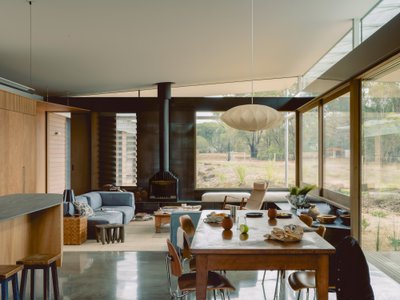
Not All Architecture Grounds a Timber Retreat in Victoria's Coastal Bushland
Ironbark House stretches low beneath eucalyptus canopy, threading a quiet domestic life between courtyard, deck, and landscape.
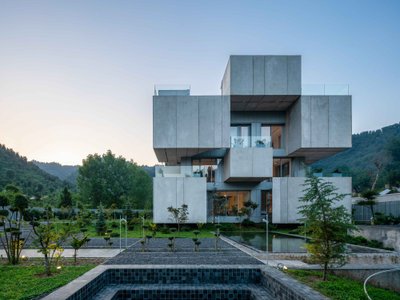
Bood Design Bureau Splits a Gilan Residence in Two to Let the Forest In
Double Side House negotiates privacy and openness through interlocking concrete volumes and planted courtyards in northern Iran's humid Caspian lowlands.

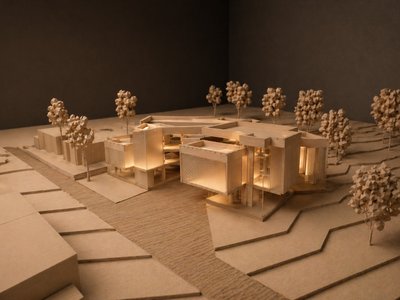
Flow: Spatializing Well-being Through Intersecting Layers
Transforming the inner depth of wellness into a spatial reality.
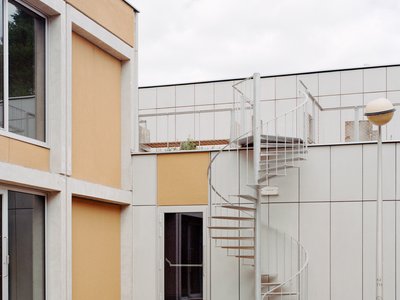
MAKER architecten Rewire a 1972 Brutalist Dormitory on the VUB Campus as a Living Lab
A modular renovation strategy in Belgium breathes new life into Willy Van Der Meeren's modernist student housing without erasing its concrete bones.

Similar Reads
You might also enjoy these articles
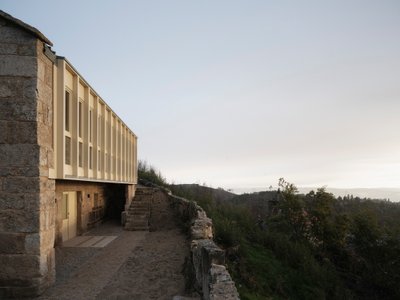
Three Architects Stitch a Social Center into a Crumbling Galician Hamlet
In Muimenta, Spain, timber and plywood volumes graft onto granite ruins to anchor a rural revitalization effort.
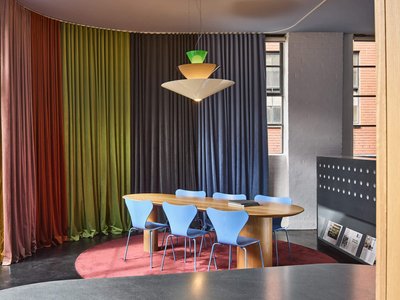
IF Architecture Designs Its Own Collingwood Studio as a Textile-Wrapped Incubator for Ideas
A 90-square-metre office in Melbourne's Collingwood uses layered curtains and color to turn a compact footprint into a laboratory for design.

CTA | Creative Architects Designs Triangular Floating Shelters for Vietnam's Flood-Ravaged Communities
A timber-louvered triangular shelter rises on concrete pontoons to keep Vietnamese families safe and together when floodwaters come.
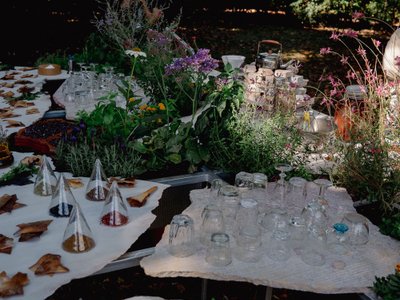
Francisca Sottomayor and Fahrenheit.Works Build a Living Kitchen Where Plants Cook Alongside People
A multispecies dining installation in Porto transforms a communal table into a working ecosystem of herbs, fire, and shared meals.


Explore Architecture Competitions
Discover active competitions in this discipline




The International Standard for Design Portfolios


The Global Benchmark for Architecture Dissertation Awards


The Global Benchmark for Graduation Excellence


Challenge to reimagine the Iron Throne
Comments (0)
Please login or sign up to add comments
No comments yet. Be the first to comment!