

Sustainable Community Buildings in the UK: A Look at The Big Roof Storage and Training Center
Explore The Big Roof Storage and Training Center, a model for sustainable community buildings in the UK, blending functionality with ecology.


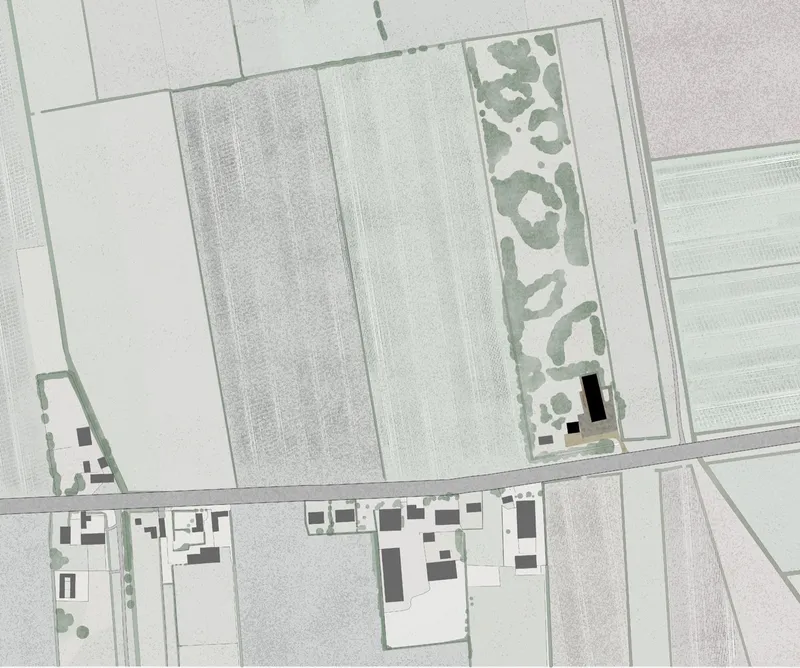
In recent years, the focus on sustainable building practices has significantly increased, especially in community-centric projects. "The Big Roof Storage and Training Center" in Haddenham, UK, designed by Mole Architects and Invisible Studio, serves as a prime example of how architectural ingenuity can meet ecological responsibility in sustainable community buildings in the UK.
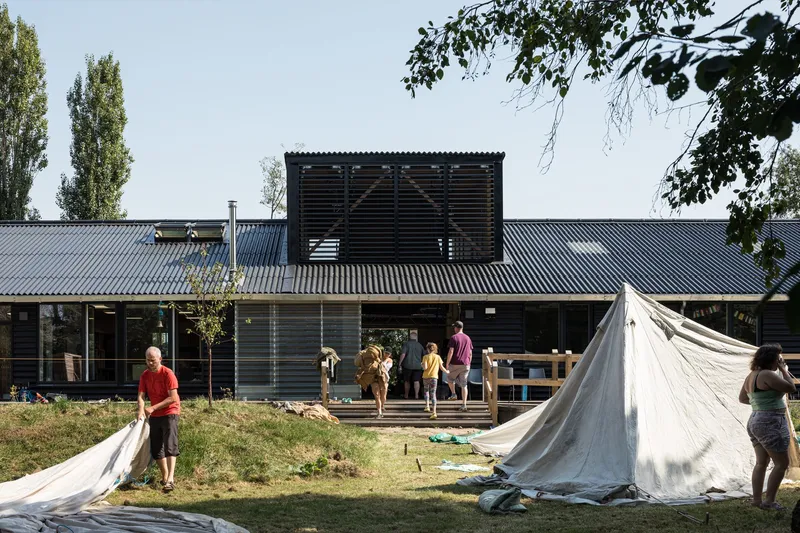
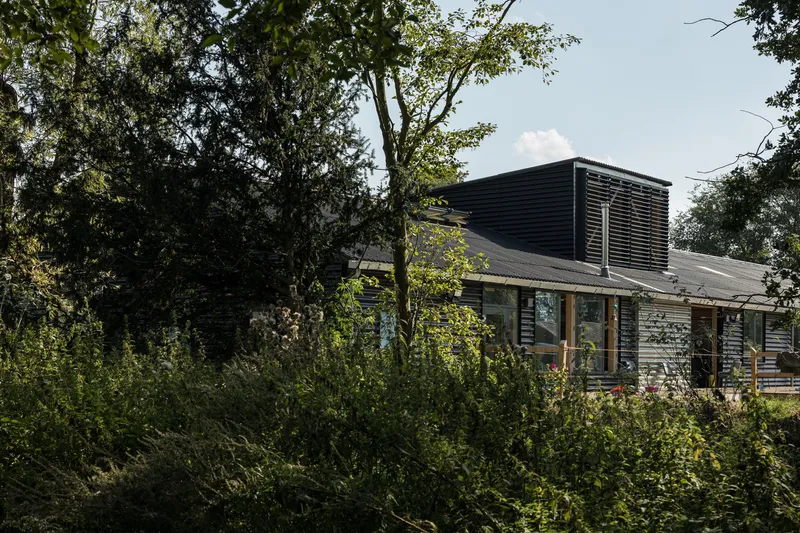
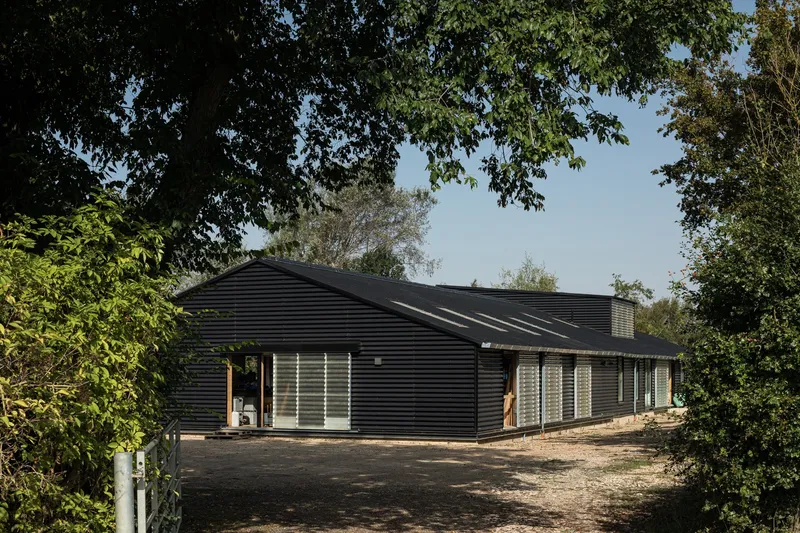
Overview of The Big Roof Storage and Training Center
Purpose and Design Philosophy
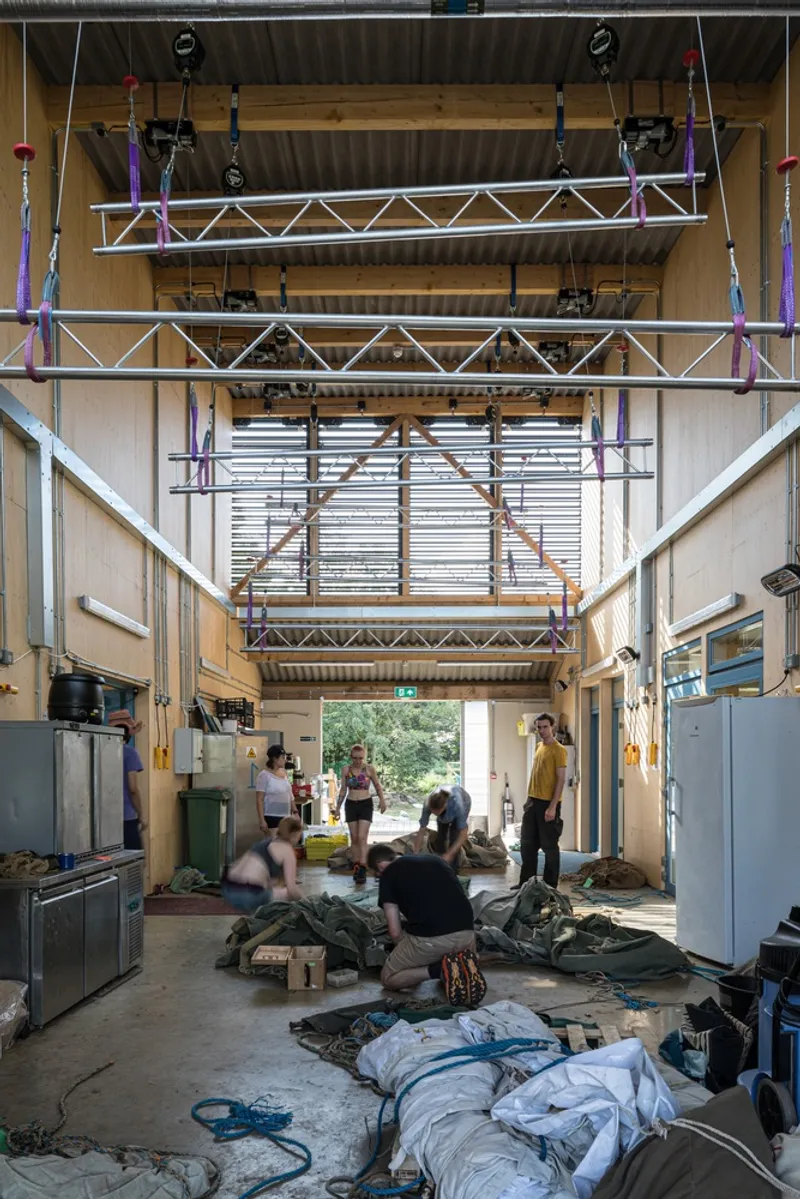
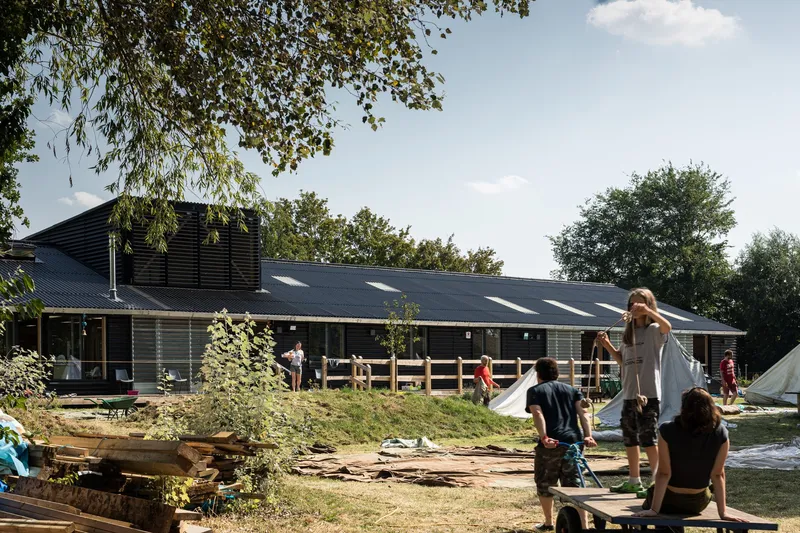
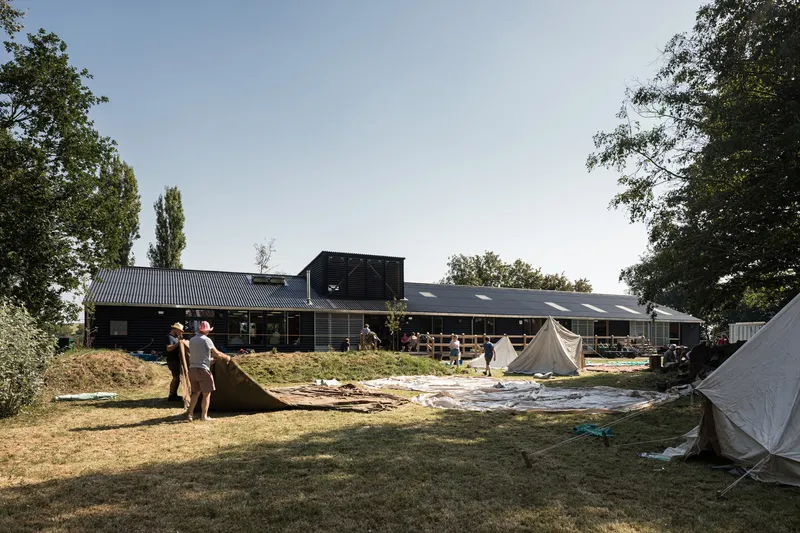
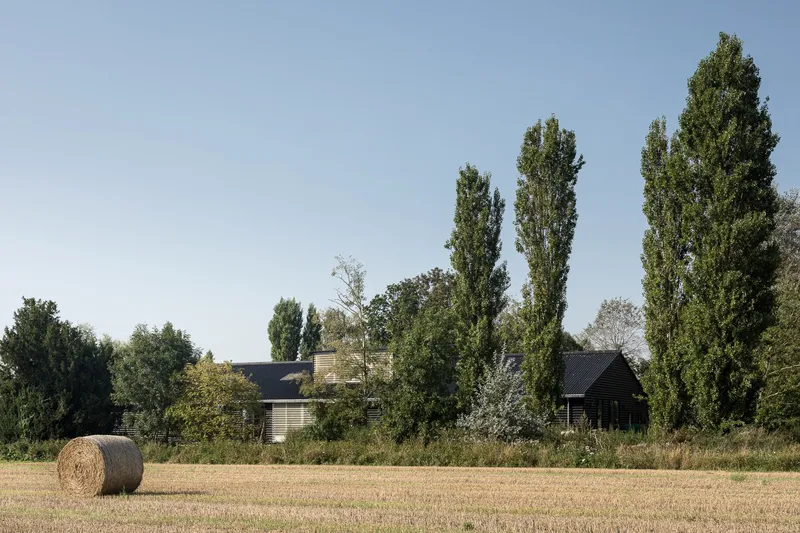
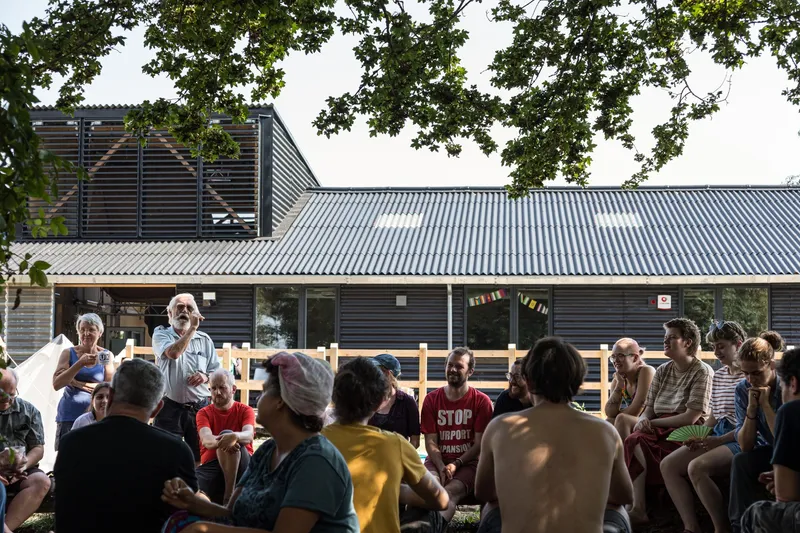
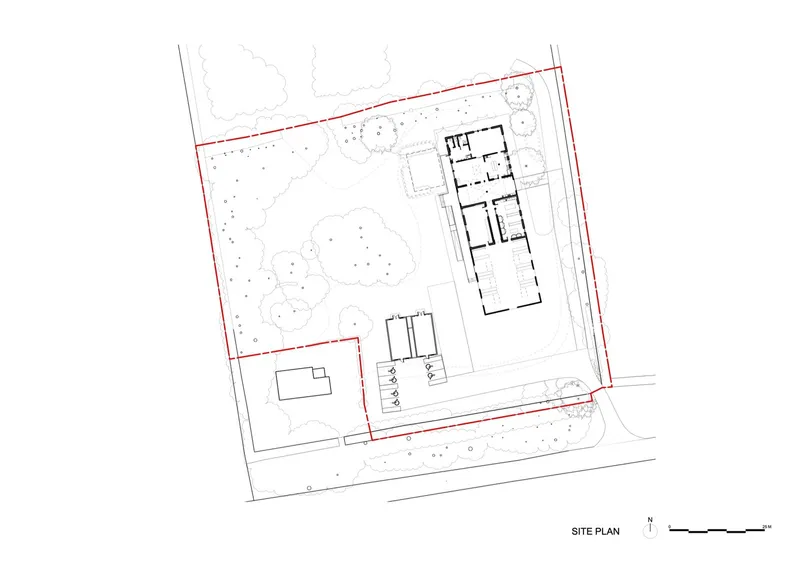
Situated in the Cambridgeshire Fens, The Big Roof provides a multi-functional space primarily used by Forest School Camps (FSC), a charity dedicated to outdoor education for children. This 745 m² facility replaces outdated structures and centralizes essential functions—storage, repair, and training—in a single, cohesive unit. The design reflects a commitment to sustainability and community values, aligning with the charity’s ethos of environmental stewardship and inclusiveness.
Architectural and Environmental Features
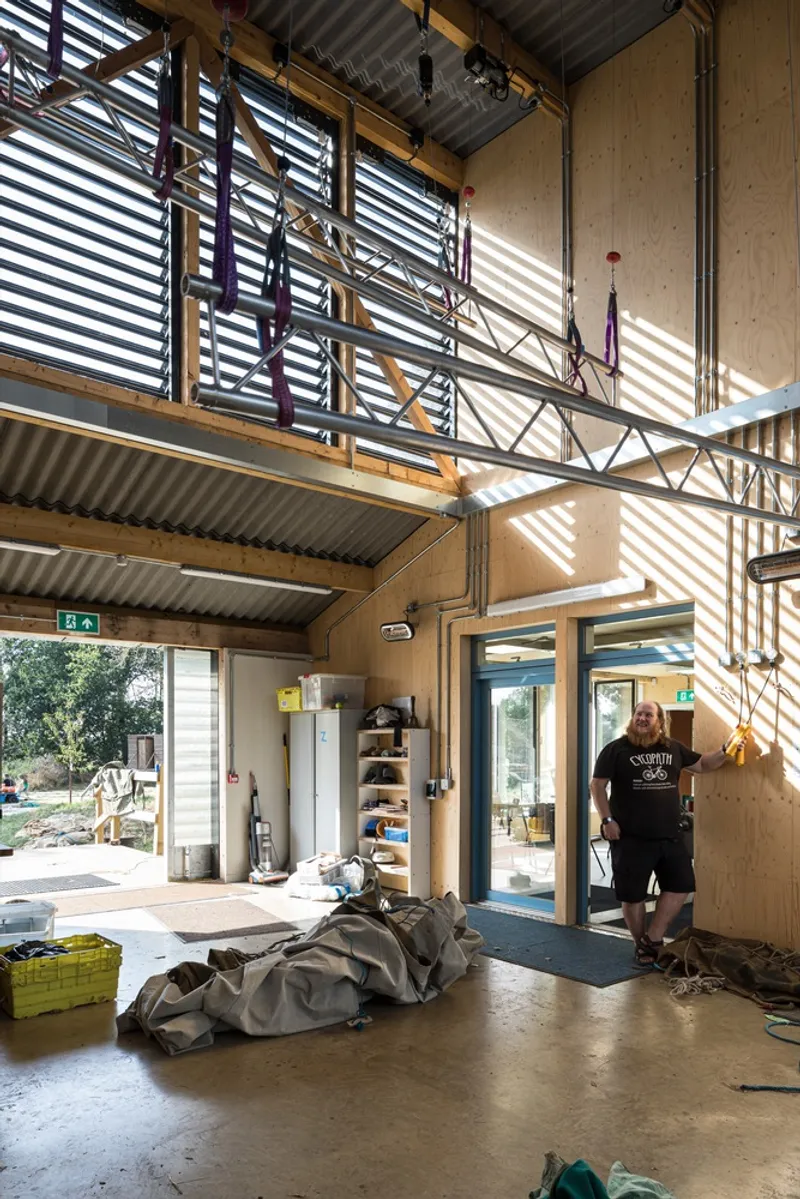
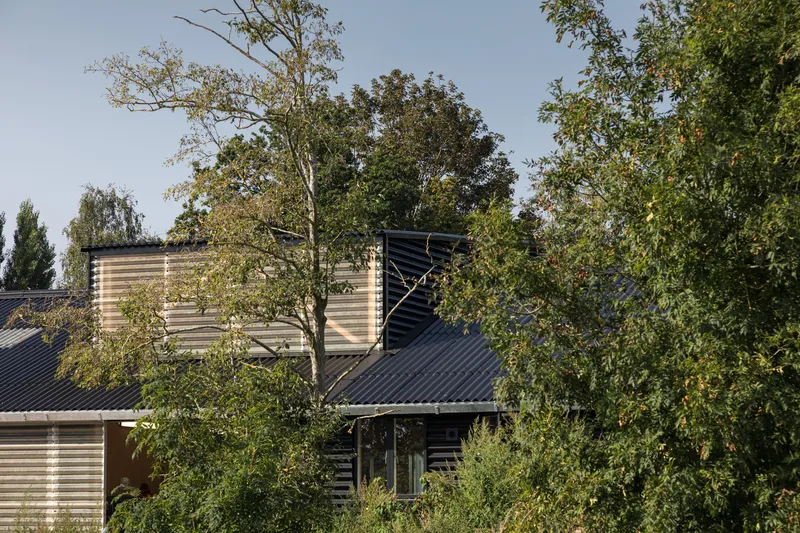
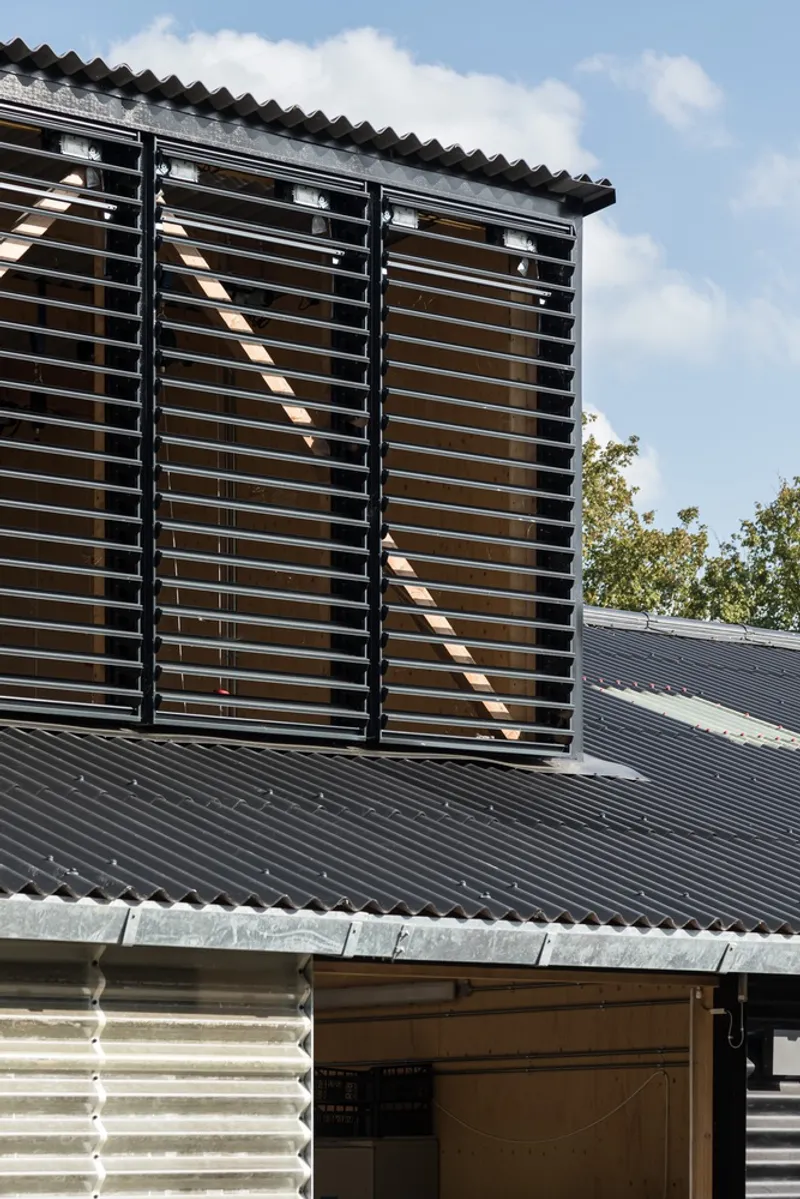
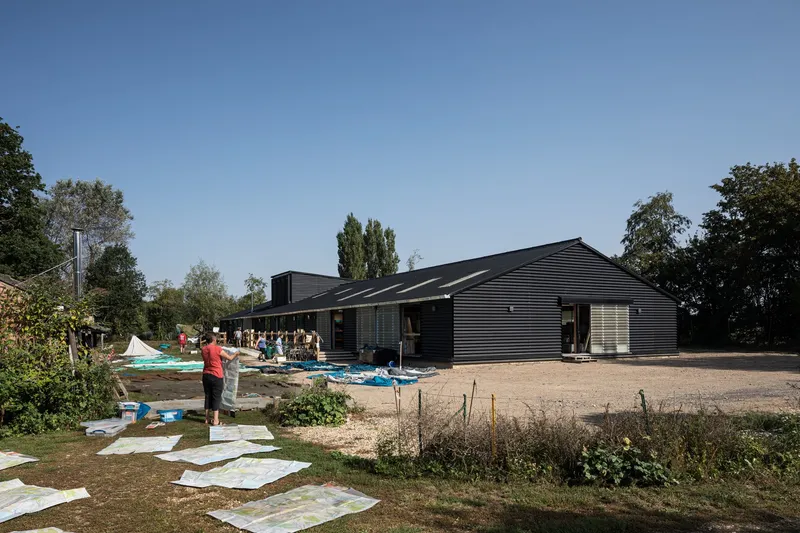
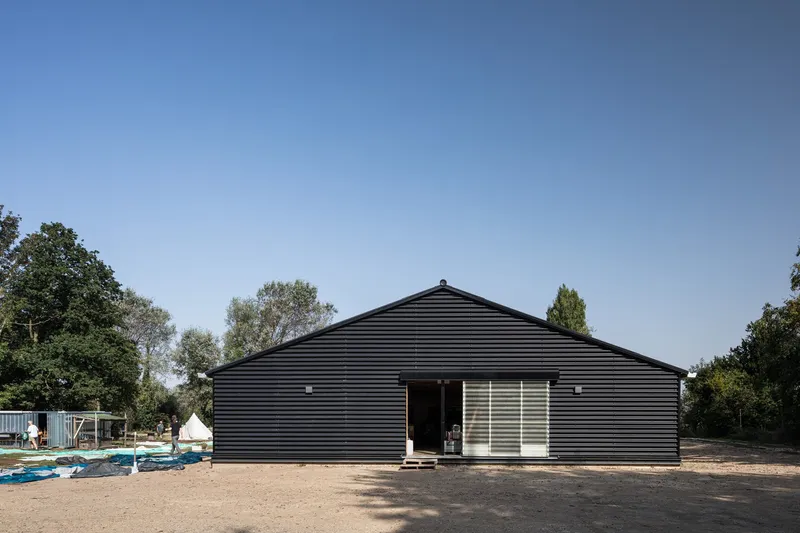
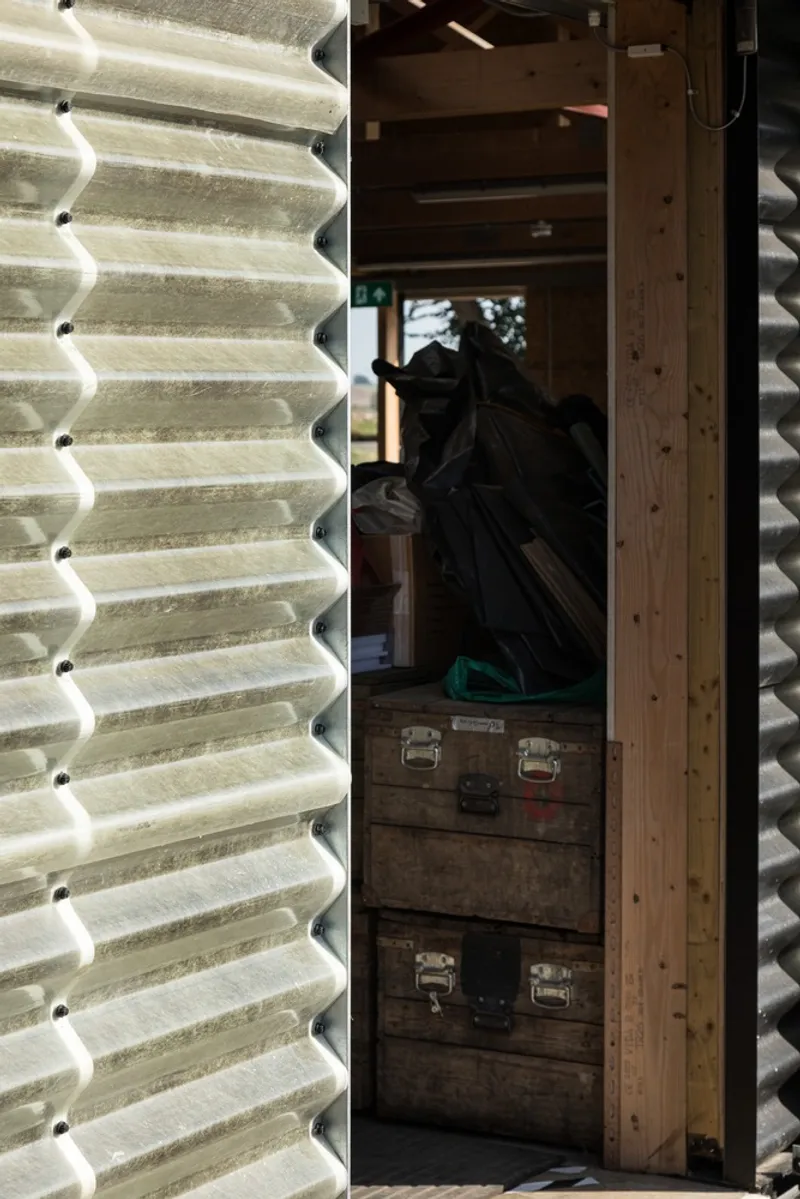
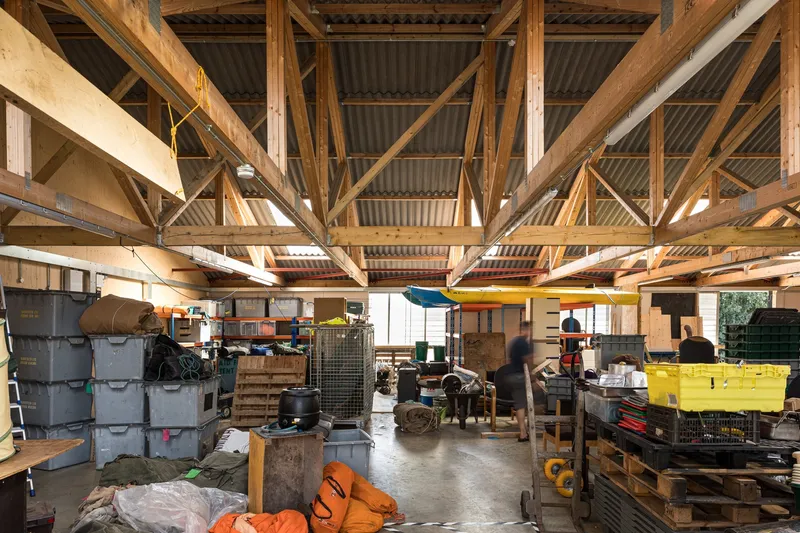
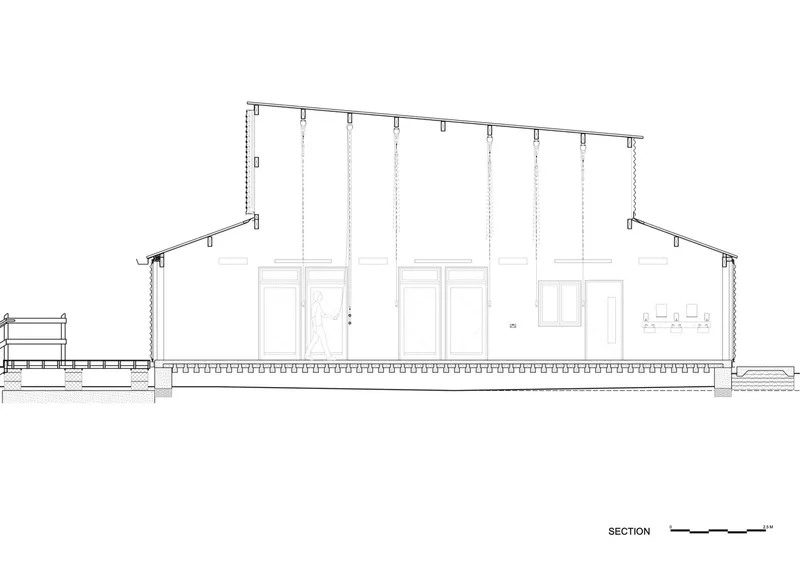
The building's low-energy design minimizes its environmental impact while maximizing functionality. Clad in black corrugated fiber cement and featuring large areas of translucent fiberglass, the structure is both visually striking and practical, providing abundant natural light. The building’s orientation and the integration of a large lantern-like bay facilitate natural ventilation, reducing the reliance on artificial heating and cooling.
Key Features of the Building
Sustainable Materials and Construction
One of the standout features of sustainable community buildings in the UK like The Big Roof is the use of eco-friendly materials. The structure is built above the ground on a robust concrete beam and block floor, supporting a timber frame clad in cement fiber corrugated sheets. This approach not only enhances the building’s sustainability profile but also ensures long-term durability.
Interior Layout and Usage
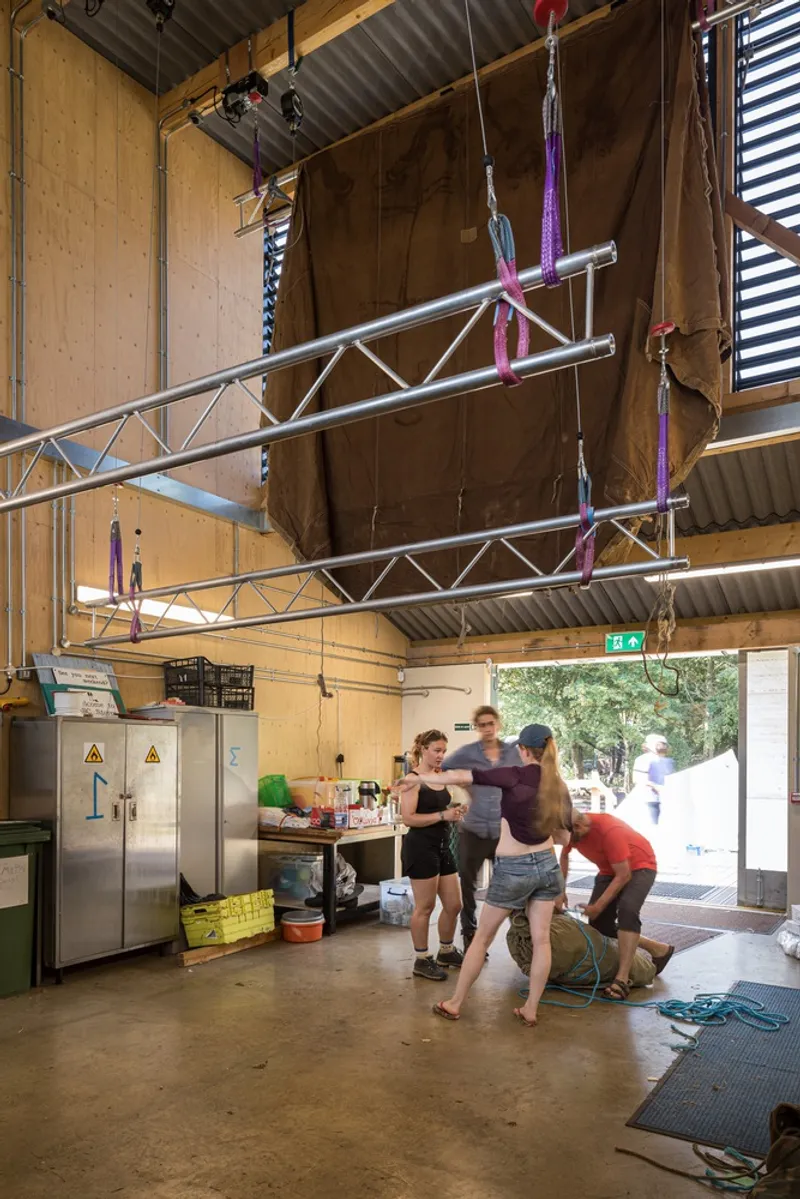
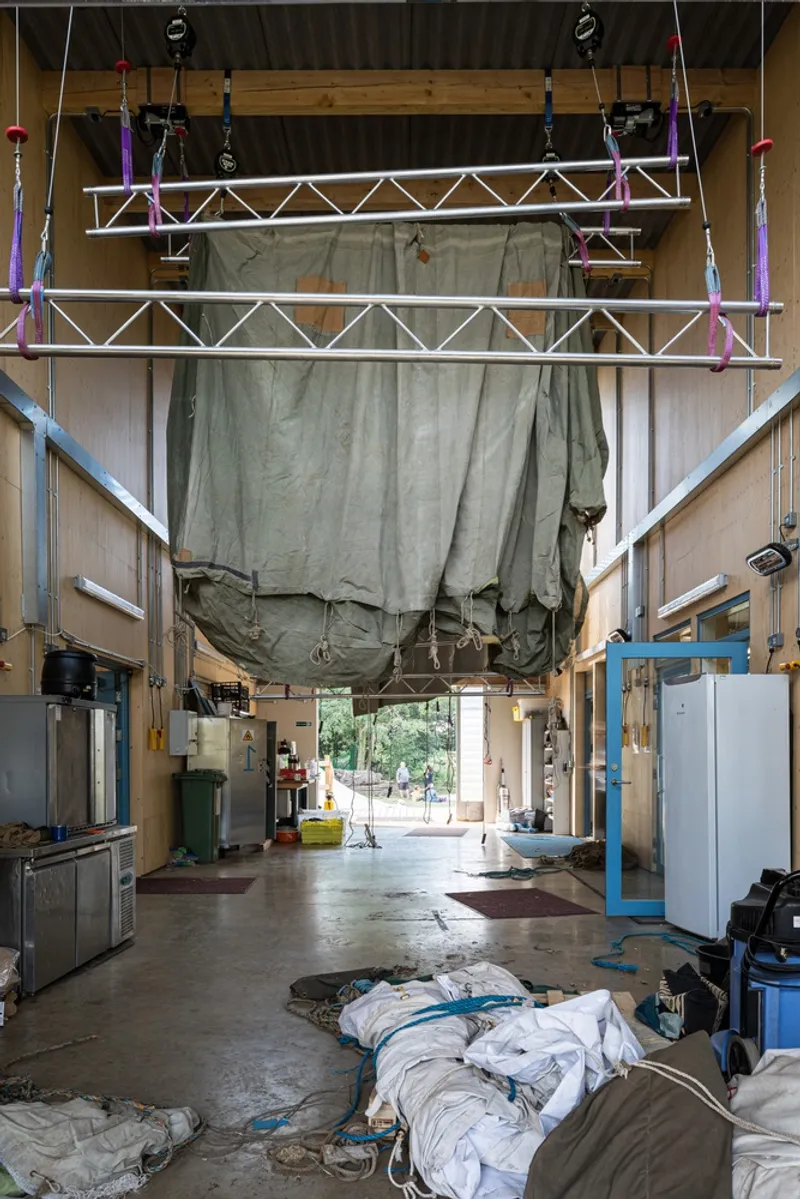
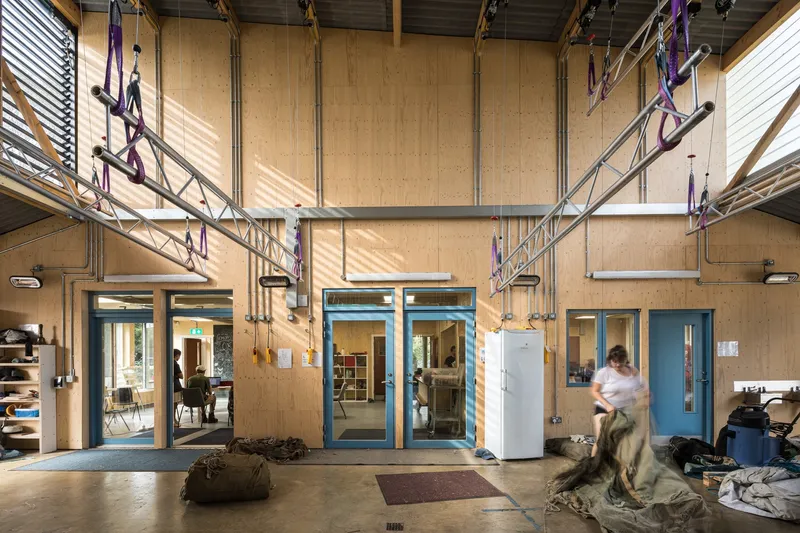
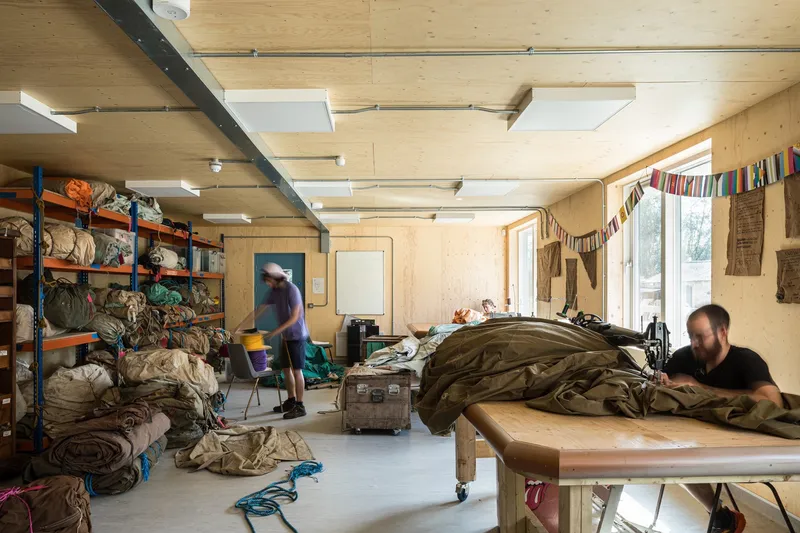
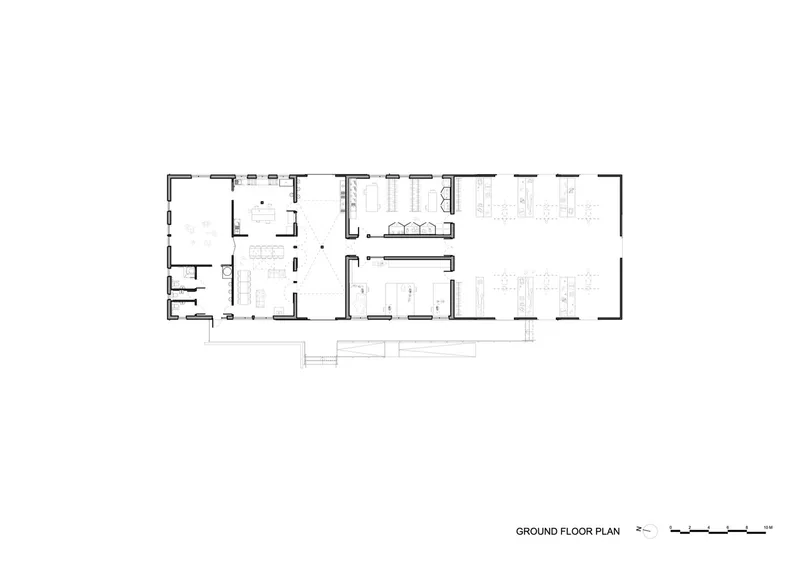
Inside, the main storage space accommodates camping equipment essential for FSC’s nationwide activities. Adjacent to this are insulated and heated communal areas, including a kitchen, dining area, and flexible training spaces. These areas are designed to foster a sense of community among volunteers and participants, reflecting the collaborative spirit of the charity.
Impact on the Community
Enhancing Operational Efficiency
The consolidation of storage and training facilities under one roof has significantly improved the operational efficiency of Forest School Camps. With better organization and increased capacity, FSC can now host more educational camps annually, impacting approximately 1,500 children each year.
Supporting Community Resilience
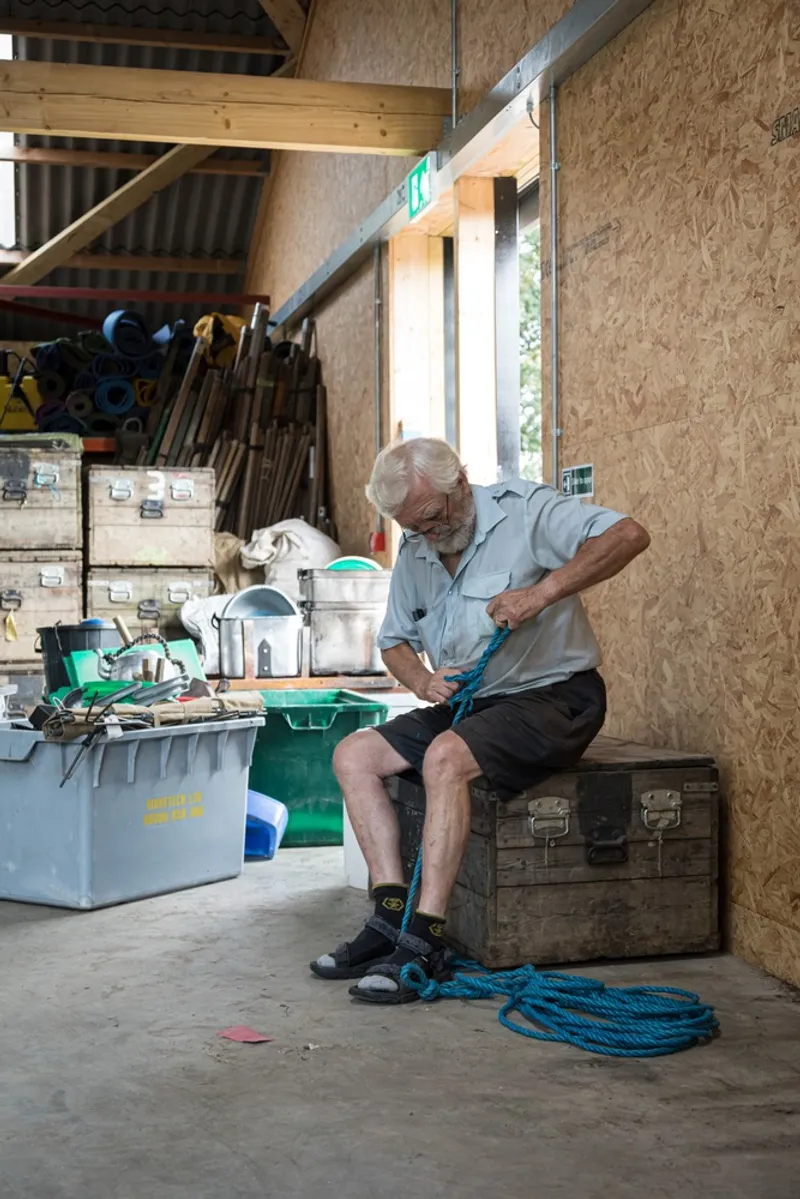
The Big Roof is not just a building; it's a community enhancer. Every stage of its development, from conception to completion, was driven by community involvement. The project has fostered a strong sense of identity and belonging among its users, demonstrating the power of architecture to support community resilience.

The Role of Architecture in Community and Sustainability
The Big Roof Storage and Training Center is a benchmark for sustainable community buildings in the UK, showcasing how thoughtful design can facilitate educational and social objectives while adhering to principles of sustainability and environmental consciousness. Projects like these inspire future developments and highlight the crucial role of architecture in building sustainable communities.
All photographs are work of David Butler


Popular Articles
Popular articles from the community

Opera by the Sea Estonia: Three Shells Dissolving Architecture into Tallinn's Coastline
A winning opera house proposal replaces monumental form with interconnected shells that blur the boundary between building, park and Baltic Sea.
Faces of the Soviet Avant-Garde: Turning Moscow's Street Names into an Open-Air Museum
A network of sculptural installations across a Moscow residential district transforms forgotten architect names into spatial encounters with cultural memor

Tsunami Convergenics: Turning Catastrophic Ocean Forces into Underwater Housing Infrastructure
A speculative underwater settlement off the coast of Onagawa, Japan, treats tsunamis and typhoons as energy sources rather than threats.

Opera on the Sea: Driftwood Logic Shapes a Timber Opera House on Estonia's Coast
Trevor Orgill's opera house translates the entangled drift of floating timber into a civic building where wood, water, and music converge.

Similar Reads
You might also enjoy these articles


Hodi-Mandai Geram
Project Function: Preservation and revitalization of the Intangible heritage and socio-spatial identity of the Hodi by Housing, Cultural Memory Center, Sacred Grove, landscape, local tourism economy


Olio Towers: A Mid-Rise for Performers That Fuses Housing, Rehearsal, and Stage
Located blocks from Houston's Theater District, this modular tower stacks living units around a central performance atrium.

Oasis: Modular Green Housing Carved into Dhaka's Urban Fabric
A shortlisted Plugin Housing entry reclaims unauthorized settlements in Dhaka with stepped concrete volumes, green roofs, and ventilation-driven design.

Black Hole: A Floating Megastructure for the Post-Physical Era
Emiliano Mazzarotto envisions a spherical, self-scaling arena where e-sports, digital hotels, and holographic stadiums replace traditional public space.

Explore Green Building Competitions
Discover active competitions in this discipline

Challenge to reimagine the Iron Throne

Photograph architecture without architects

Illustrate the lost glory of Angkor Wat - Render Challenge

Design challenge to reuse E-waste
Comments (0)
Please login or sign up to add comments
No comments yet. Be the first to comment!