

Sustainable Design in the Rural School of Oaxaca: A New Educational Space
The article explores the design and sustainability of the Rural School in Oaxaca, focusing on eco-friendly architecture and community integration.


Introduction to the Rural School in Oaxaca
Located in San Andrés Huayapam, Oaxaca, Mexico, the Rural School by Territorio Estudio embodies the fusion of modern educational spaces with sustainable architecture. The project was driven by a need for a functional, eco-friendly school that integrates the surrounding environment into the educational experience.

Concept and Design Philosophy
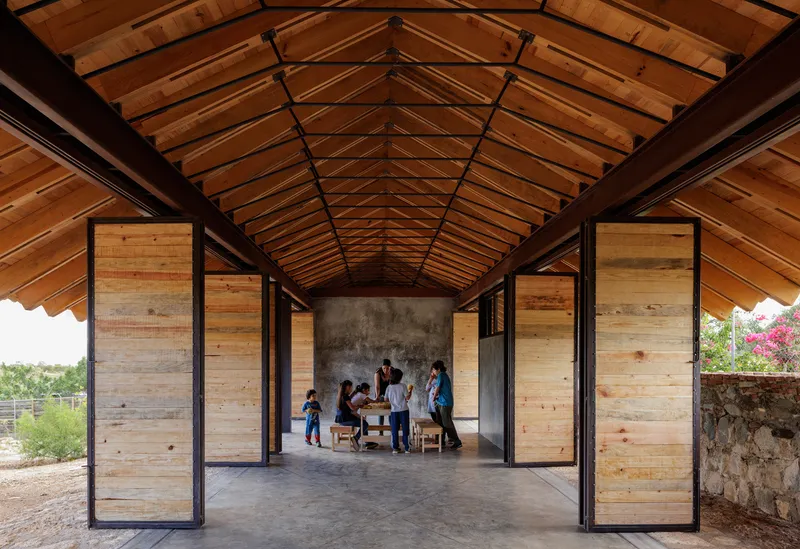
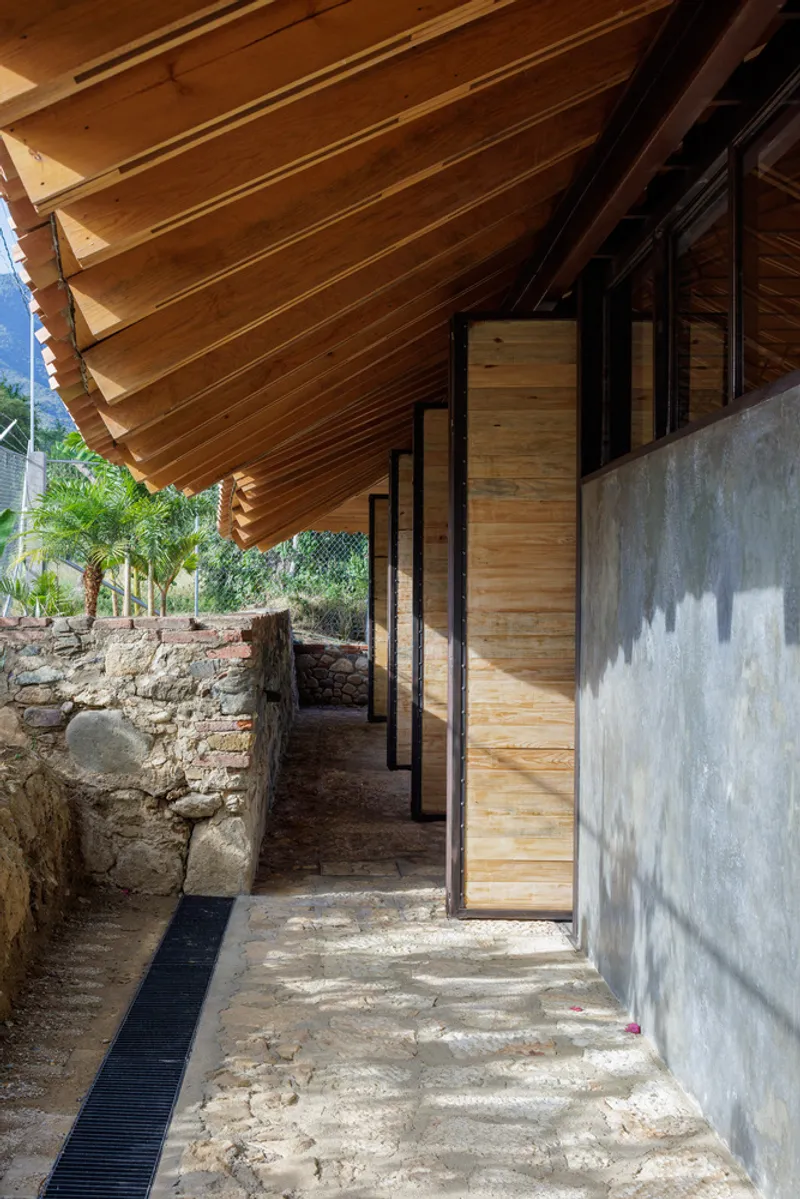
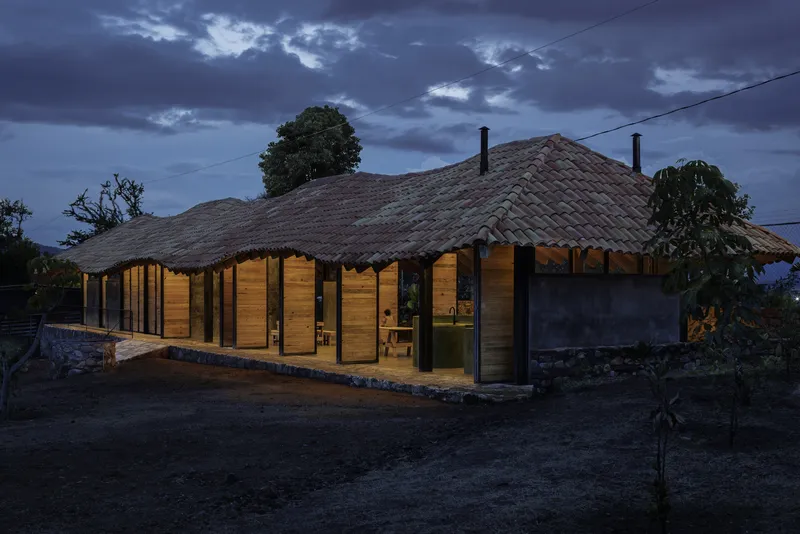
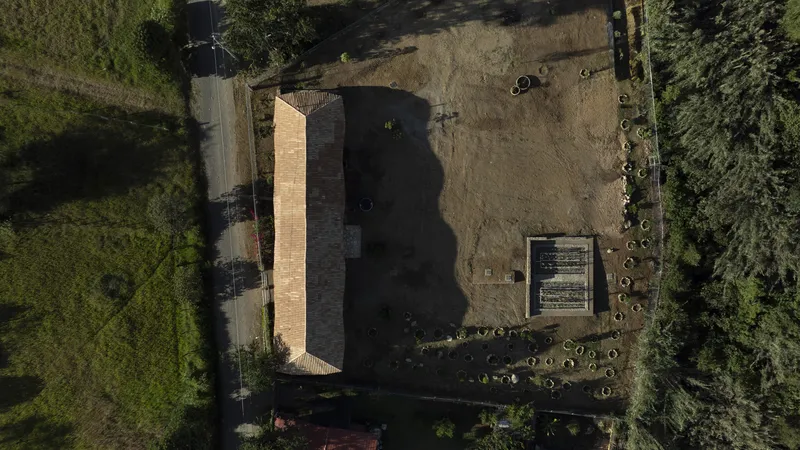
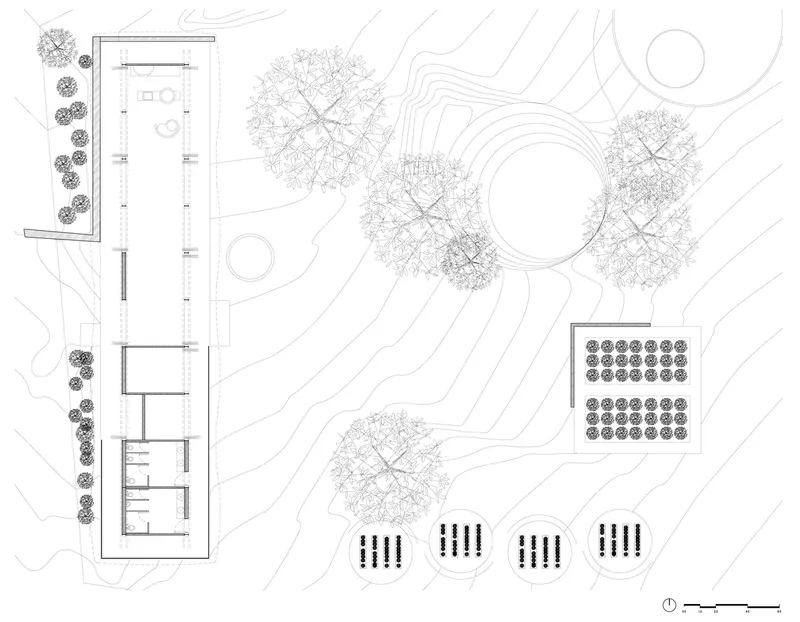
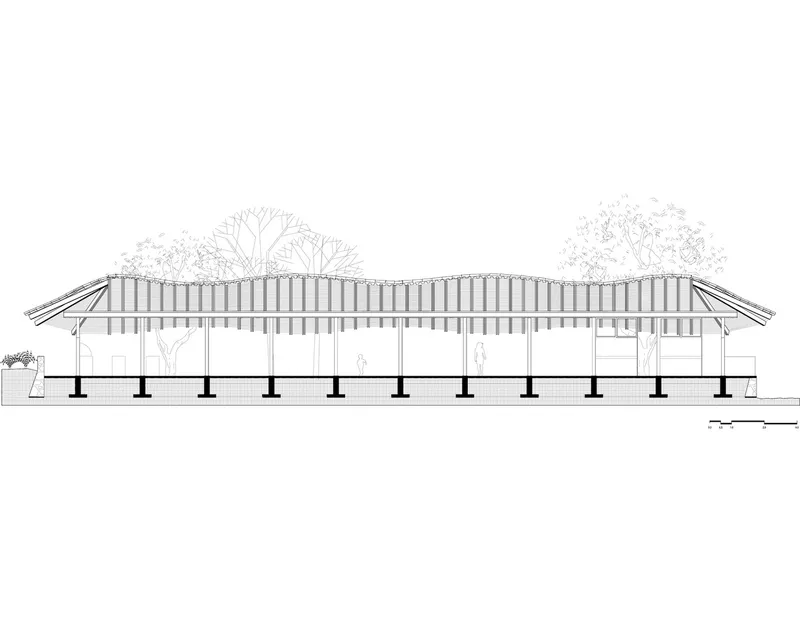
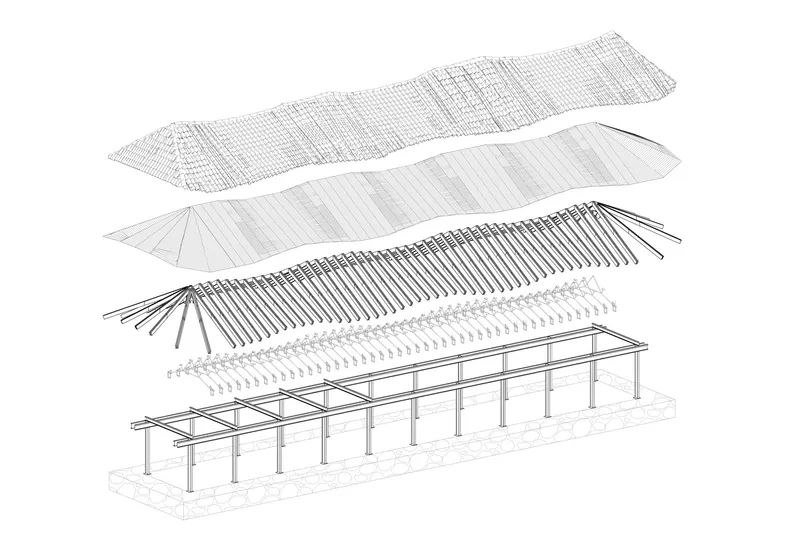
The design revolves around creating a shade-giving roof supported by a light and flexible structure, facilitating a seamless connection between people, nature, and architecture. By dissolving boundaries between indoor and outdoor spaces, this school fosters an open, communicative environment. The flexible, open structure also encourages a dynamic learning space that responds to the natural surroundings.


Eco-Friendly Materials and Sustainability
In line with its commitment to sustainability, the Rural School uses recycled materials and locally sourced materials, promoting a deeper connection between the community, students, and the natural landscape. The roof design is a key element that minimizes material usage while ensuring a comfortable internal temperature. The height of the roof allows air to circulate freely, offering natural ventilation and light while reducing energy consumption.


Engaging the Community and Students
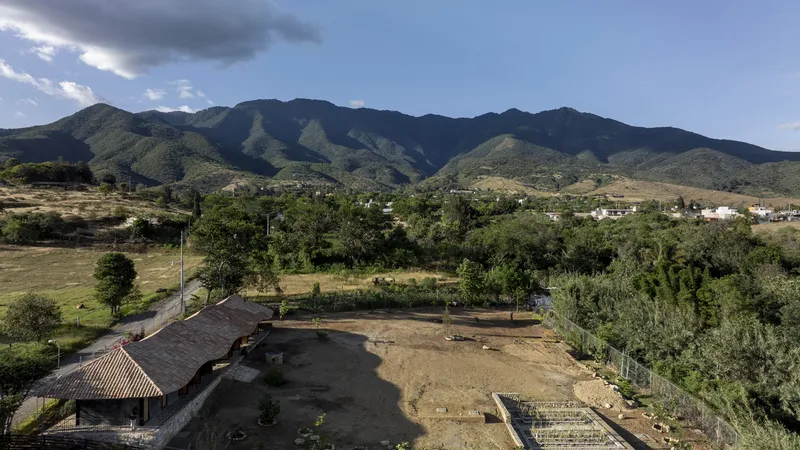
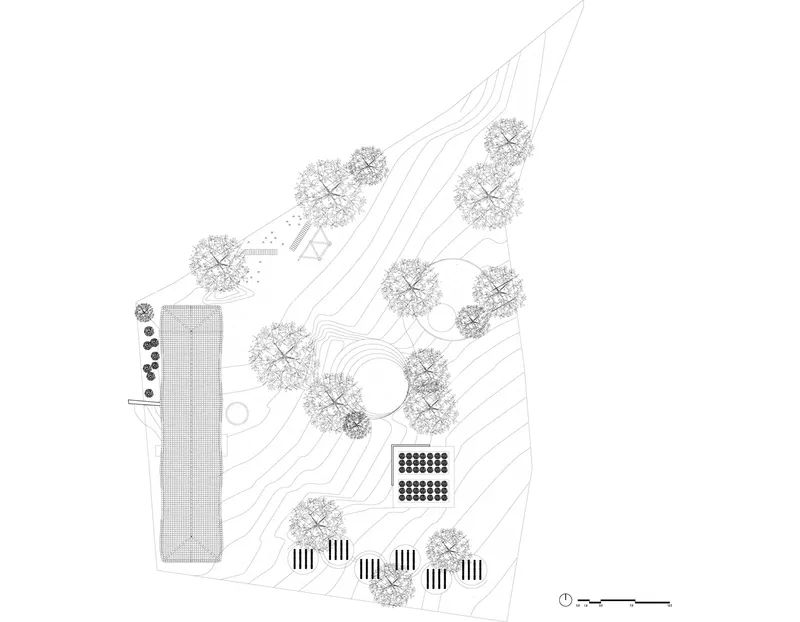
The school also includes a regenerative system, engaging students in educational processes related to sustainability. The school’s wetland system, community garden, compost area, and animal pens (including sheep and chickens) become part of the hands-on learning experience. This eco-centric approach brings students closer to nature, teaching them about environmental responsibility and sustainable practices in an integrated setting.

Social and Educational Impact
The design process considered worker conditions as well. The roof was built first, providing shade to the construction workers throughout the building process. This thoughtful approach ensured a more comfortable and efficient construction period, which reflects the same principles of sustainability applied in the school design. The teaching staff, largely from the local community, fosters a sense of connection between the school and the surrounding neighborhood, promoting social interaction and communal ties.


A Future-Forward Learning Environment
The Rural School in Oaxaca is an inspiring example of how sustainable architecture can transform education. By integrating environmental practices with a modern learning environment, the project reimagines the role of school buildings in shaping young minds while being mindful of the planet's future.



All Photographs are work of Sandra Pereznieto



Popular Articles
Popular articles from the community


Co-life: Sustainable Architecture for Age-Friendly Community Living
Co-life reimagines sustainable architecture for seniors through courtyards, rammed earth, shared gardens, and spaces designed for belonging.

The Earth Pod: 3D Printed Homes for Resilient Refugee Communities
The Earth Pod reimagines refugee housing through 3D printed homes made from clay, combining resilience, self-sufficiency, and rapid shelter.

The Ocean Hive: Sustainable Architecture for a Self-Sufficient Civilization at Sea
The Ocean Hive imagines sustainable architecture at sea, where modular habitats, algae, wave power and ocean waste sustain a growing colony.

The Musturak Paradise: Senior Living Architecture for a Connected Future in Temara, Morocco
The Musturak Paradise reimagines senior living architecture in Temara via private homes, social spaces, culture, community, and shared care.


Similar Reads
You might also enjoy these articles


Hodi-Mandai Geram
Project Function: Preservation and revitalization of the Intangible heritage and socio-spatial identity of the Hodi by Housing, Cultural Memory Center, Sacred Grove, landscape, local tourism economy


Olio Towers: A Mid-Rise for Performers That Fuses Housing, Rehearsal, and Stage
Located blocks from Houston's Theater District, this modular tower stacks living units around a central performance atrium.

Oasis: Modular Green Housing Carved into Dhaka's Urban Fabric
A shortlisted Plugin Housing entry reclaims unauthorized settlements in Dhaka with stepped concrete volumes, green roofs, and ventilation-driven design.

Black Hole: A Floating Megastructure for the Post-Physical Era
Emiliano Mazzarotto envisions a spherical, self-scaling arena where e-sports, digital hotels, and holographic stadiums replace traditional public space.


Explore Educational Building Competitions
Discover active competitions in this discipline



Challenge to design public laboratory


Challenge to reimagine the Iron Throne


Photograph architecture without architects


Illustrate the lost glory of Angkor Wat - Render Challenge
Comments (0)
Please login or sign up to add comments
No comments yet. Be the first to comment!