
Sustainable Farmhouse Renovation: The Mas Baudran House by PAREIL
A detailed exploration of Mas Baudran House, showcasing sustainable farmhouse renovation blending historical preservation, modern design, and eco-friendly practices.


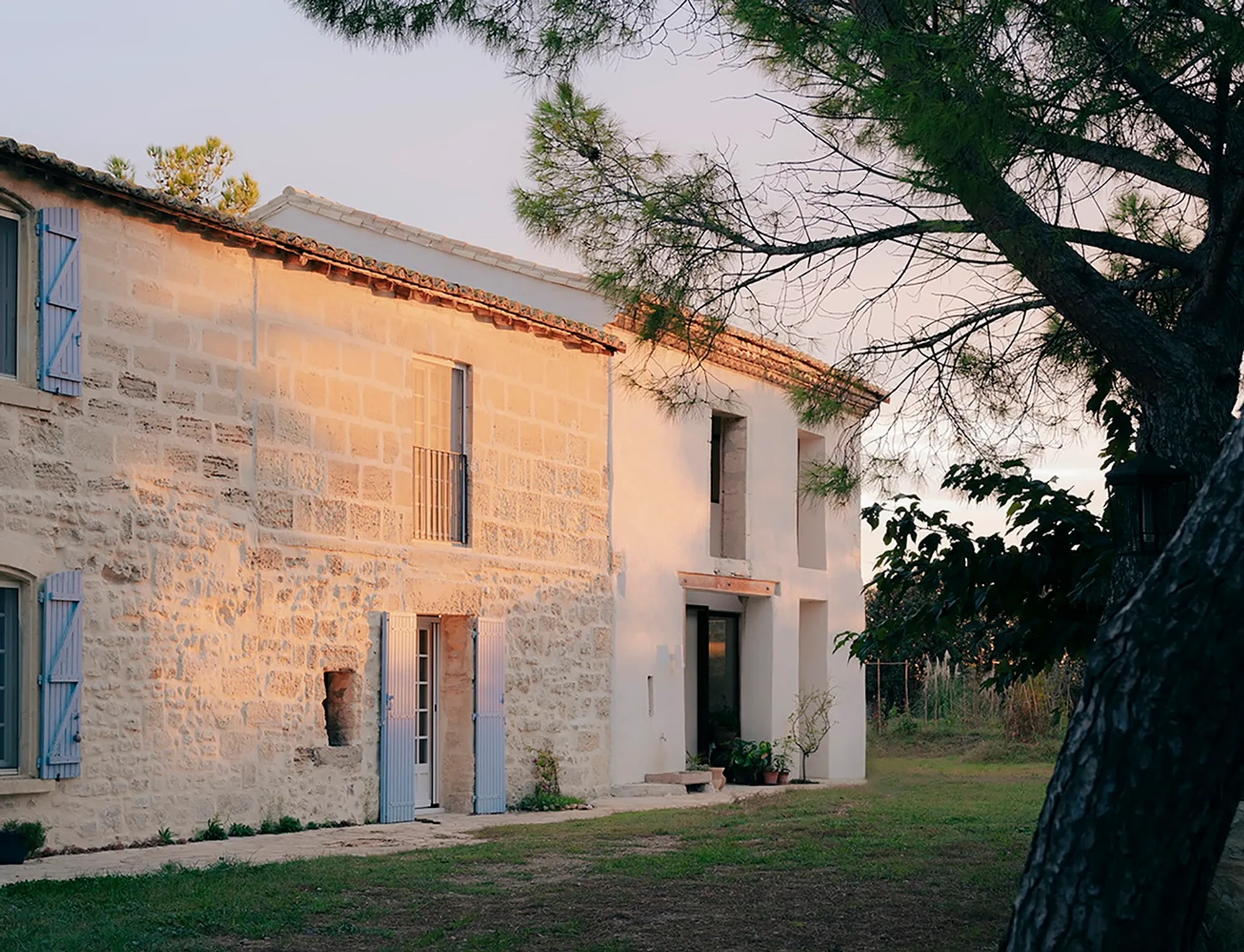
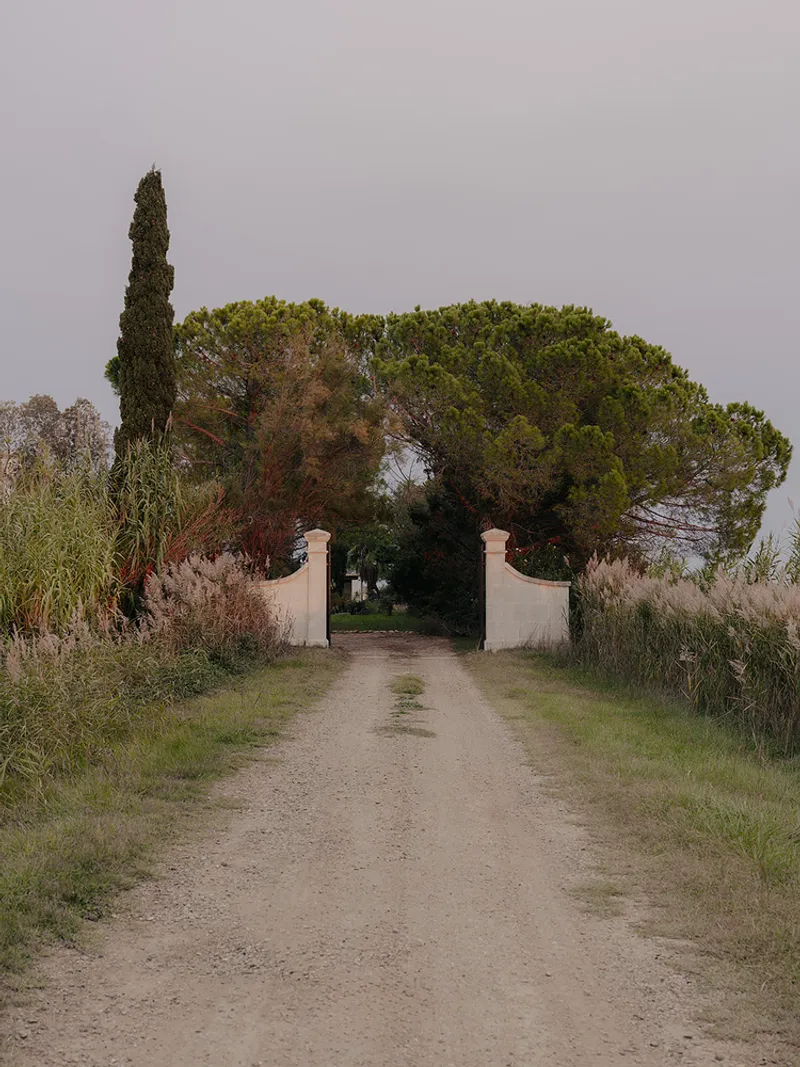
Nestled on a one-hectare agricultural estate near the northern gate of the Camargue Regional Natural Park in Arles, France, the Mas Baudran House is a masterpiece of sustainable renovation. Designed by thearchitectural firm PAREIL
, this historic 16th-century farmhouse has been transformed into a living space that harmonizes tradition, innovation, and ecological responsibility.
Preserving History Through Architecture
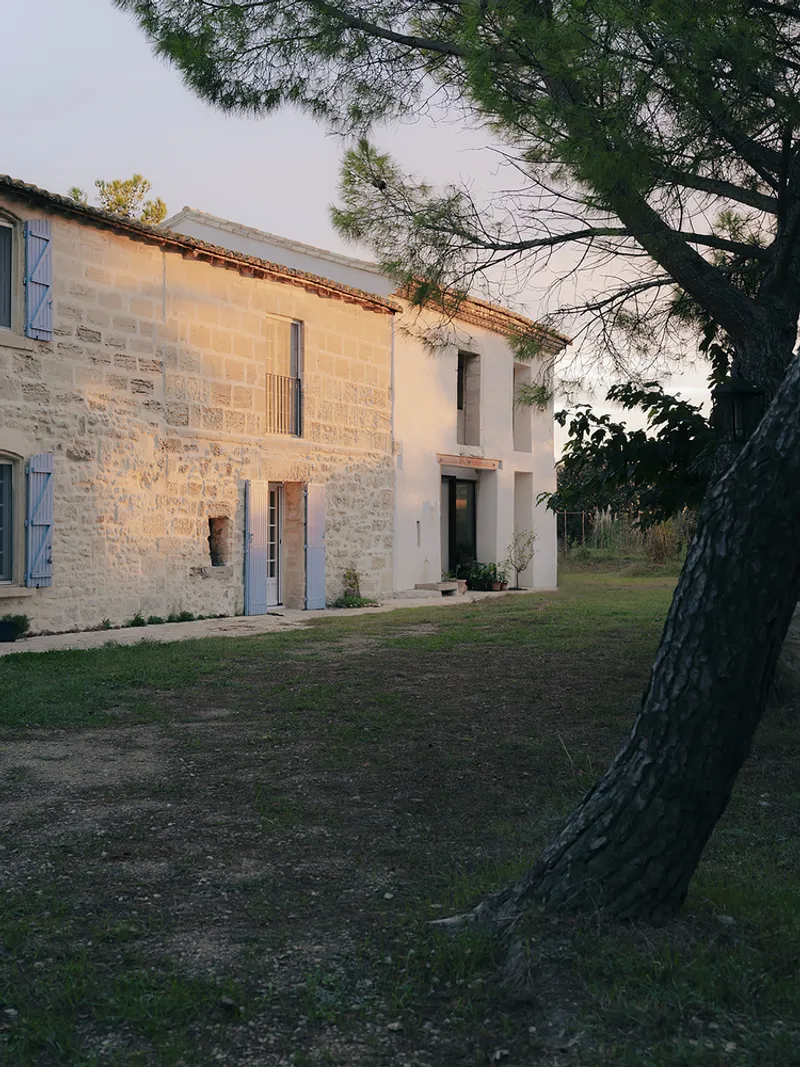
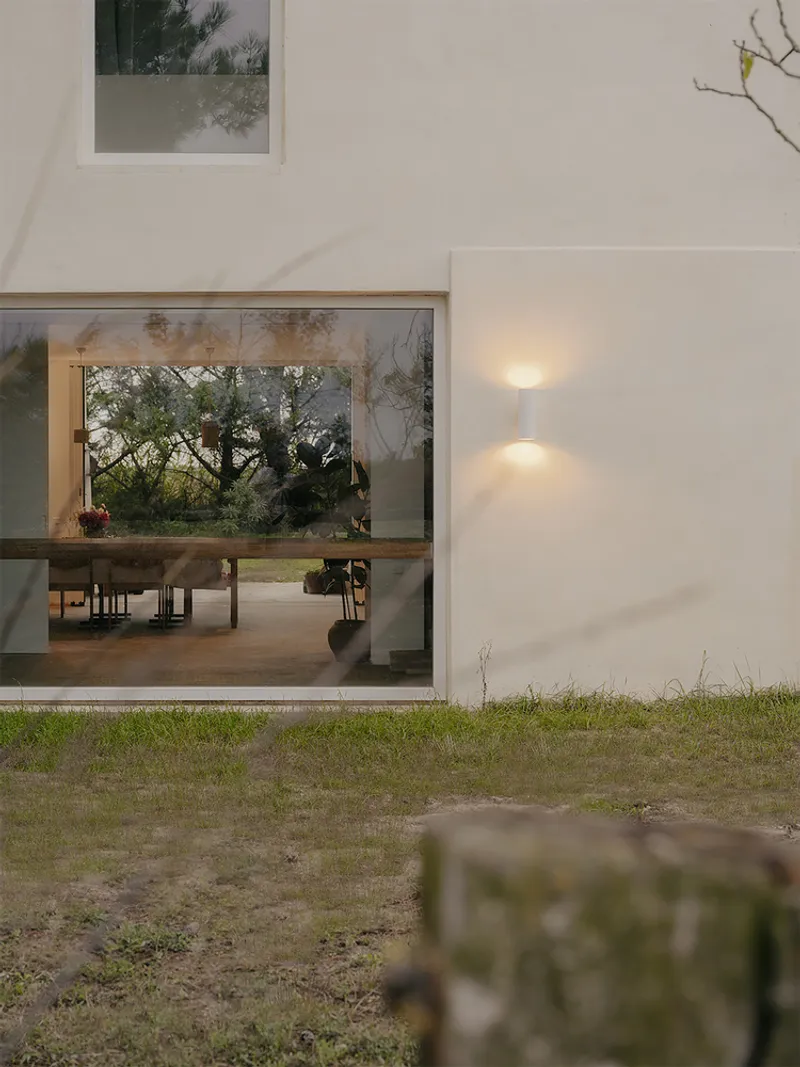
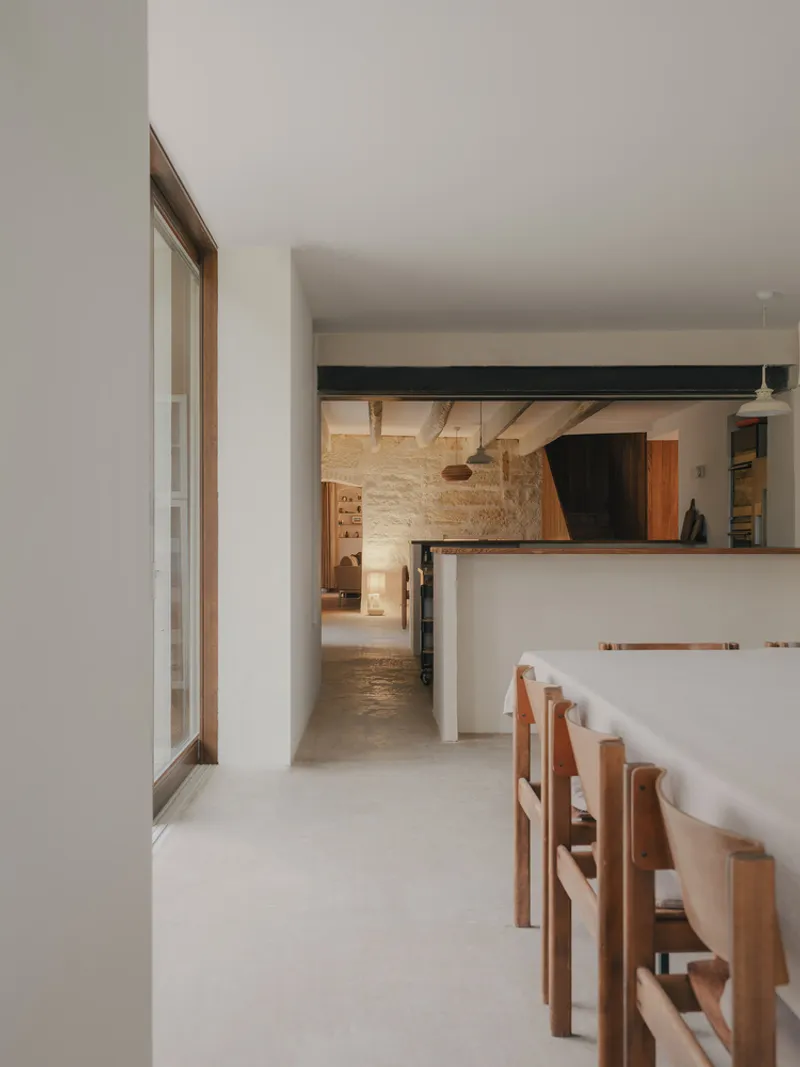
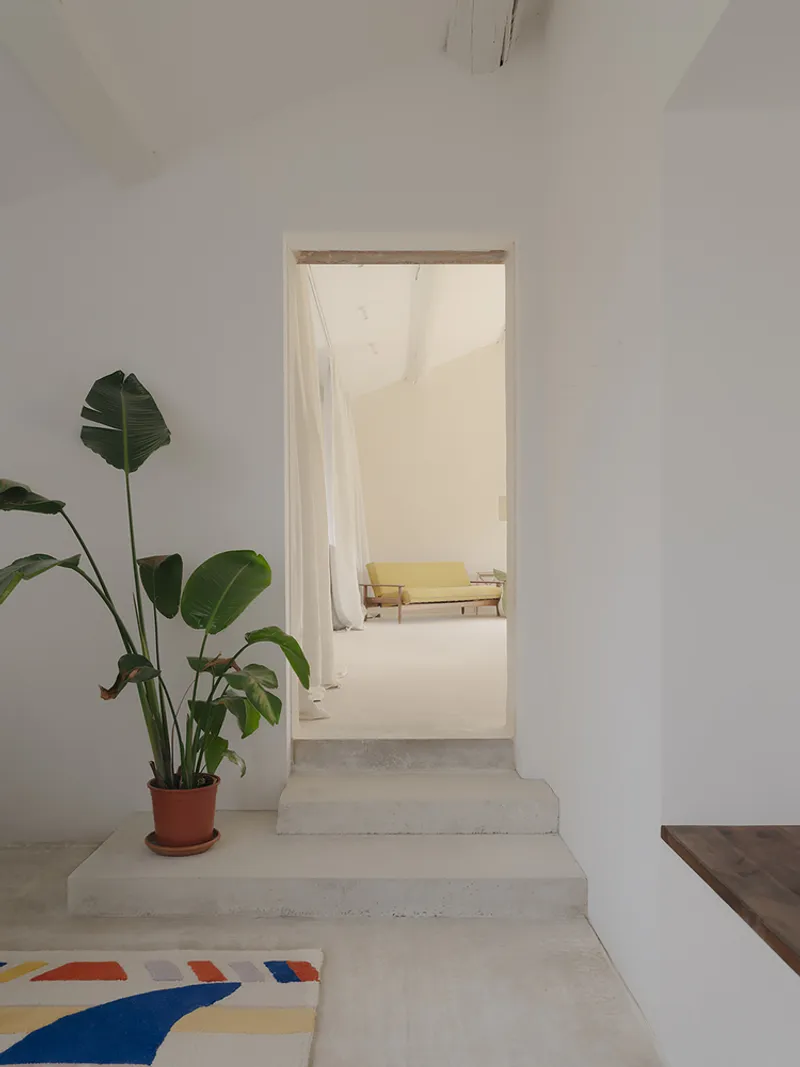
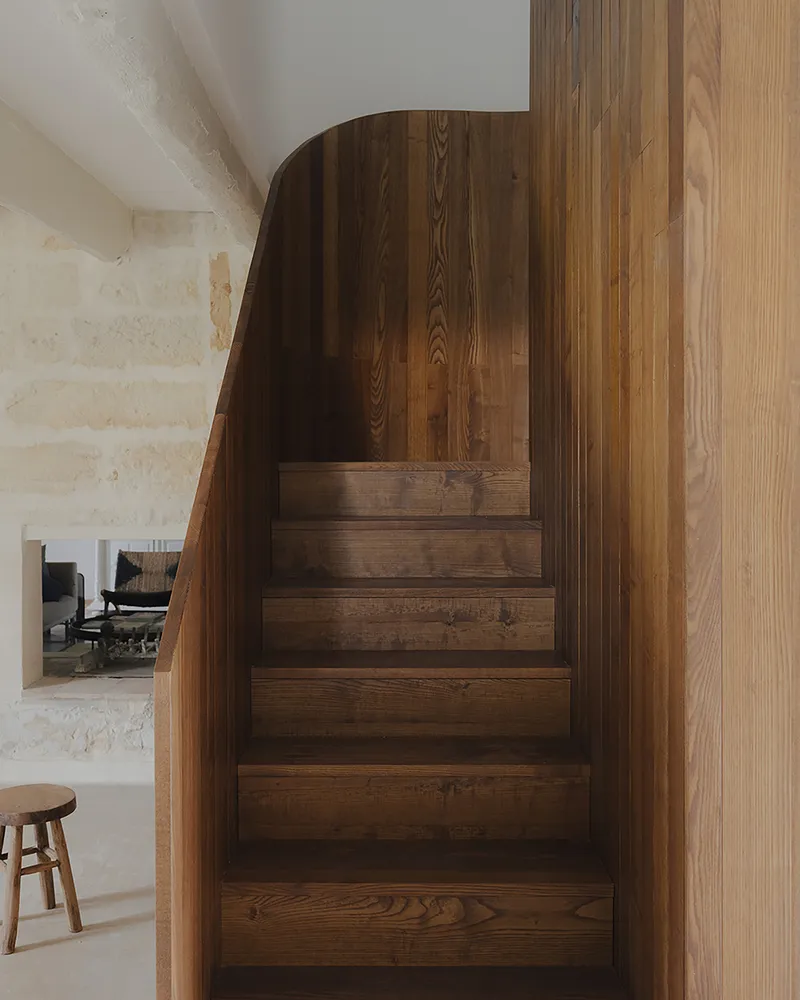
Mas Baudran House retains its rich history as a quintessential Camargue farmhouse. Over centuries, it expanded to accommodate the changing needs of the agricultural domain, incorporating elements such as the dovecote, barn, and attic.
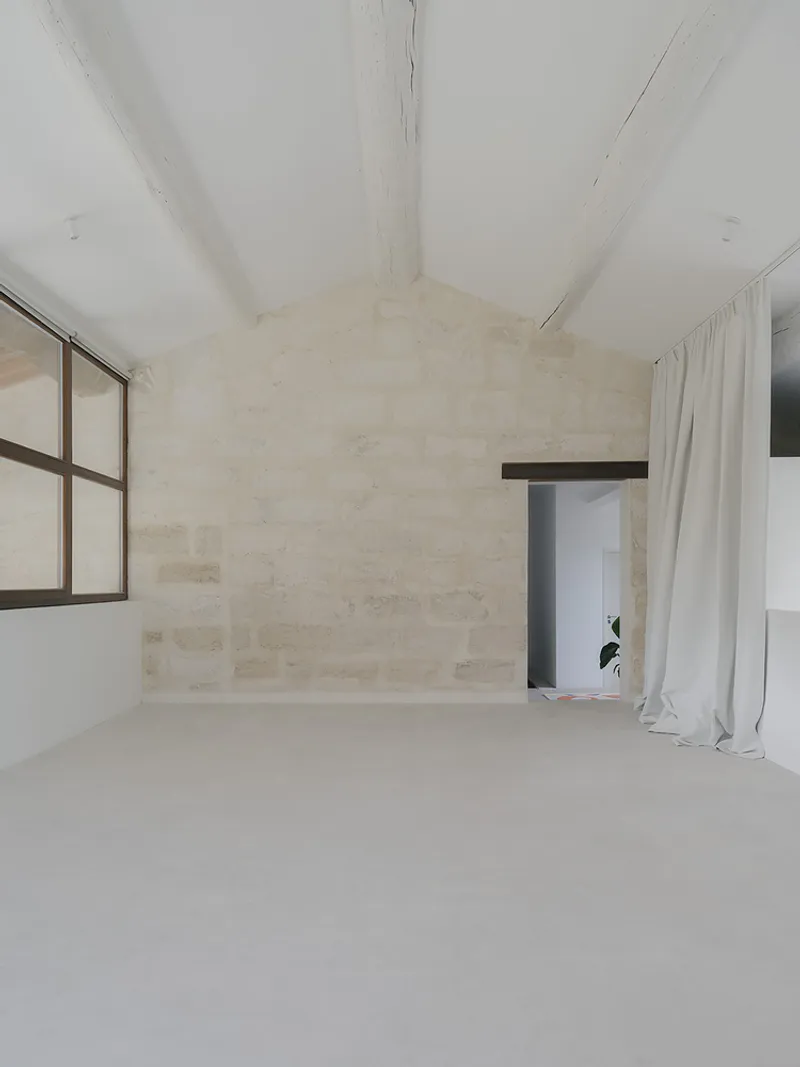
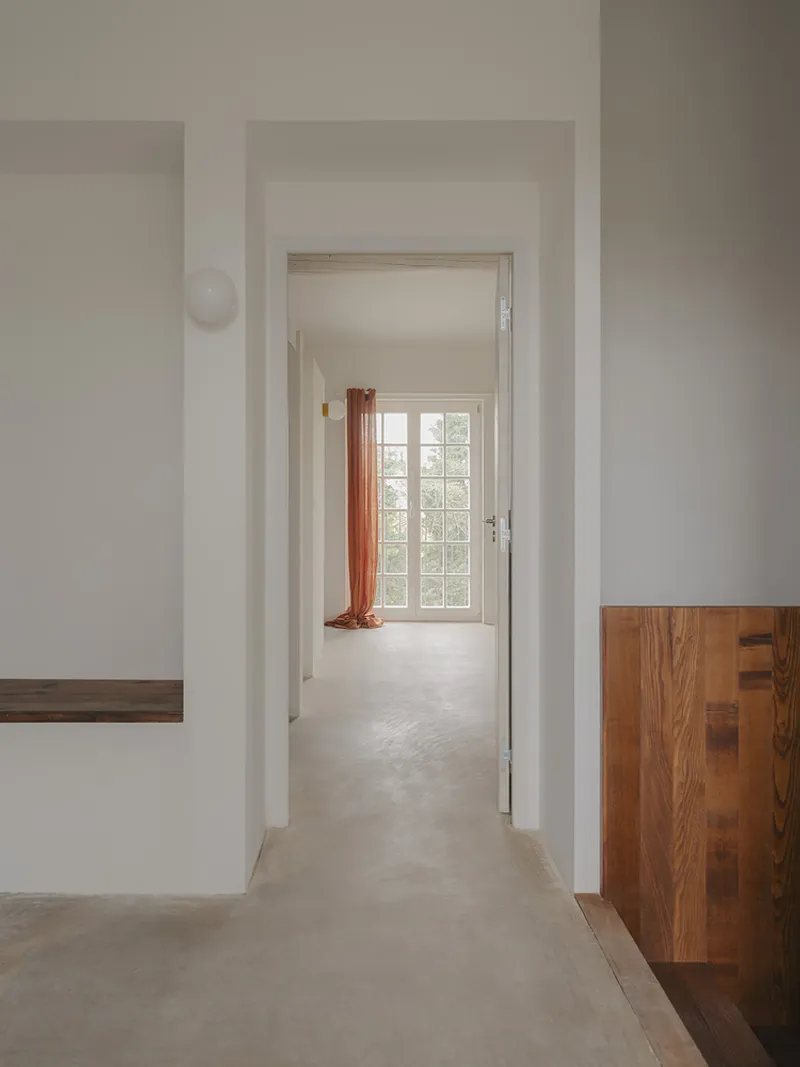
The renovation carefully integrates these historical layers, allowing visitors to read the building’s evolution while adapting it for contemporary uses. Key features of the project include:
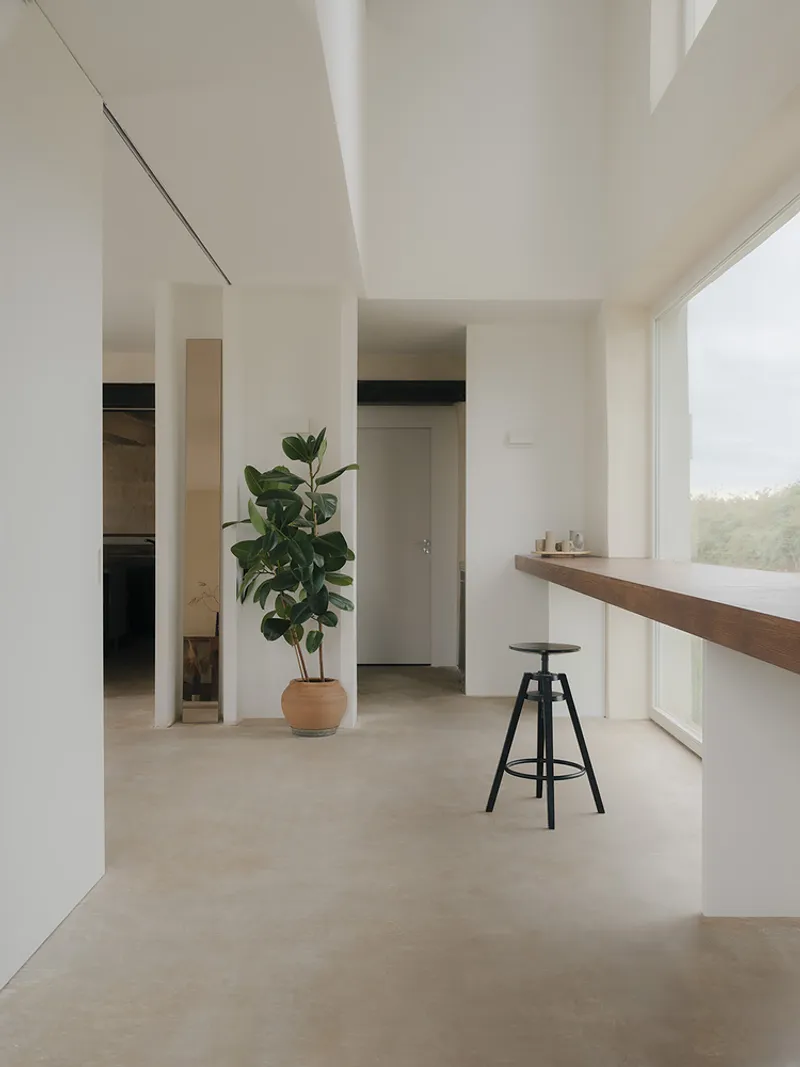
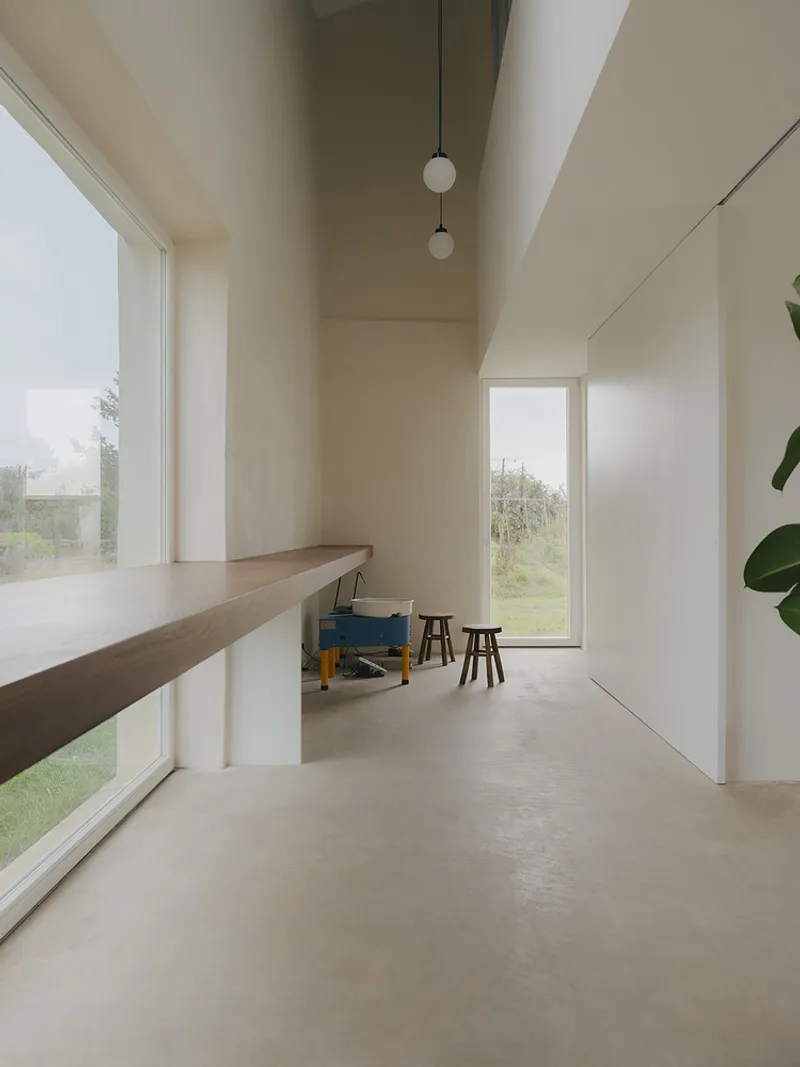
- A reception room and ceramic workshop for community engagement.
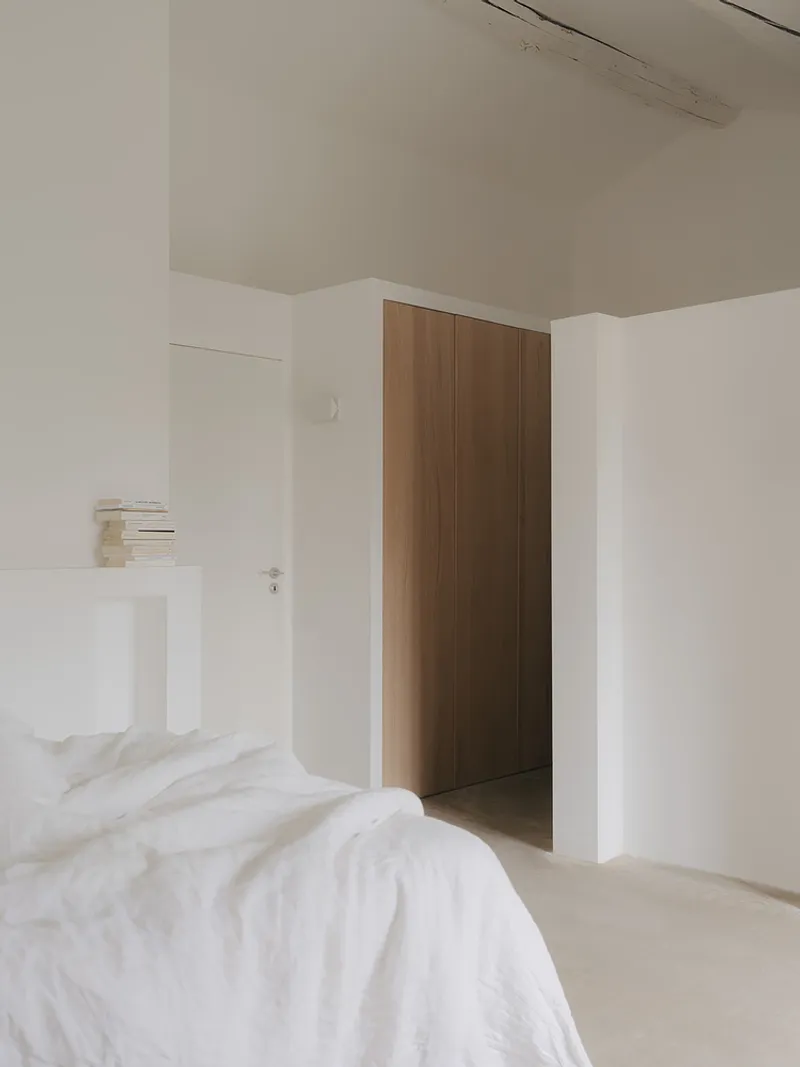
- A master suite designed for comfort while maintaining the building's rustic charm.
- A multi-use room to support artist residencies, fostering creativity and awareness around sustainability.
Embracing Bioclimatic Design
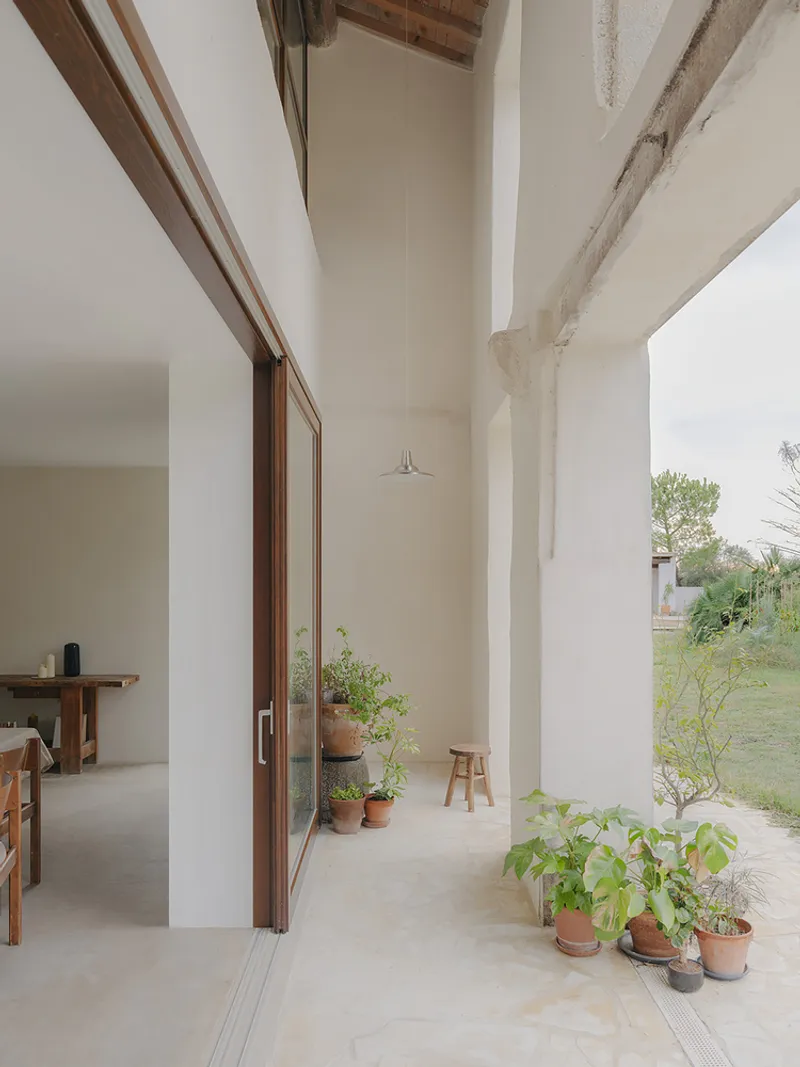
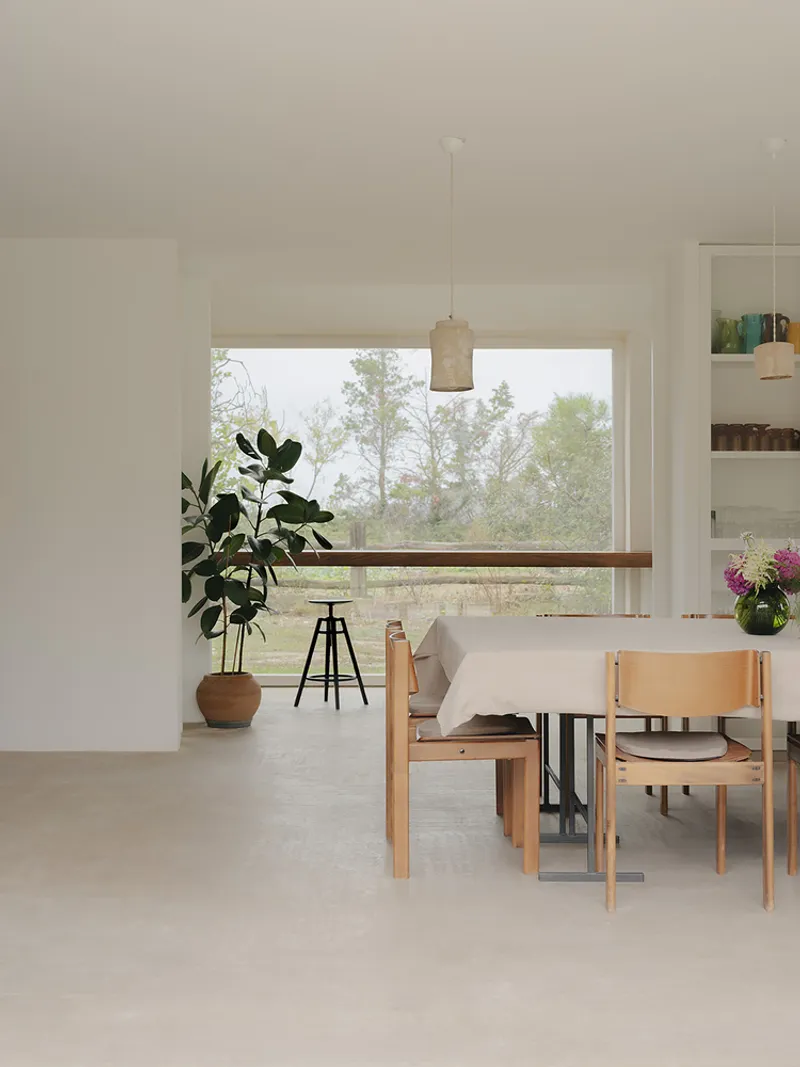
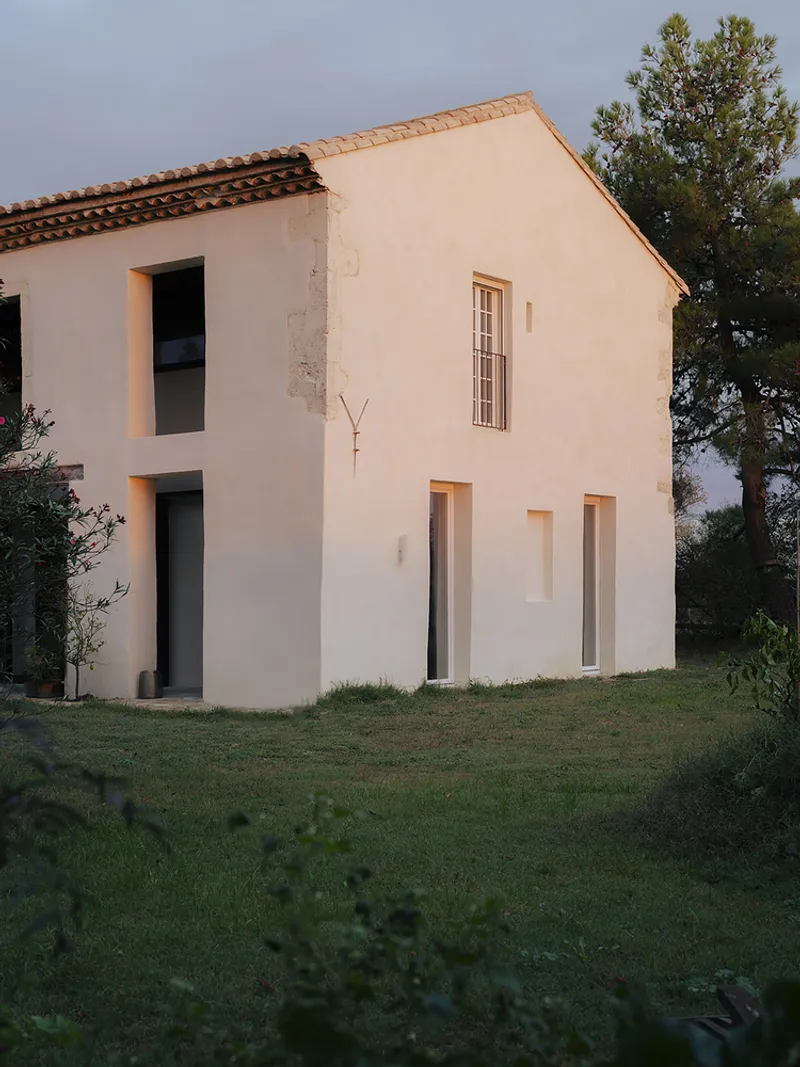
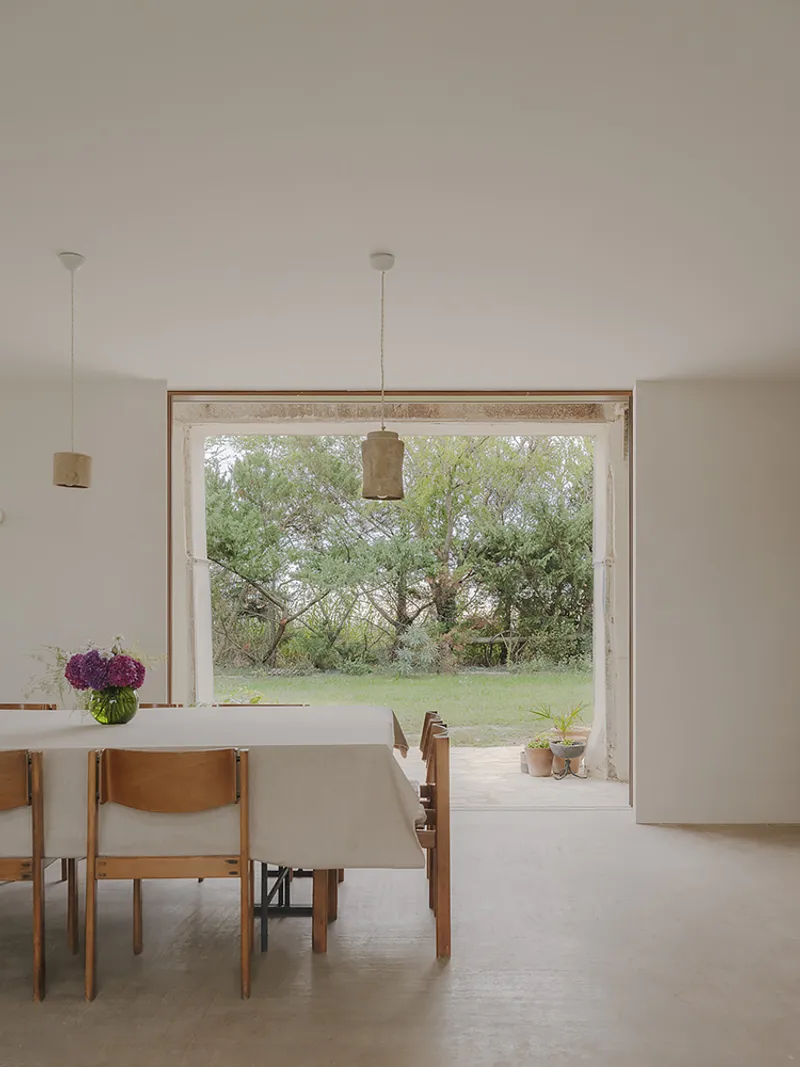
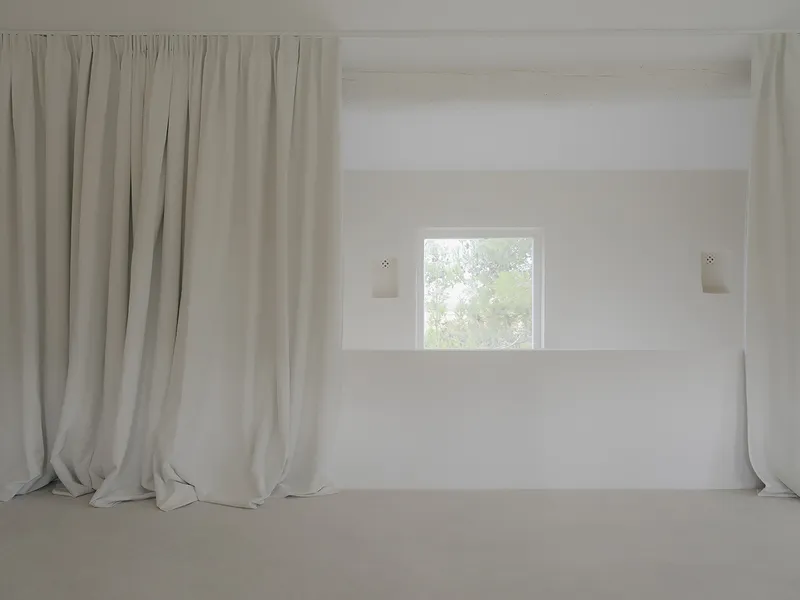
One of the standout elements of this sustainable farmhouse renovation is its bioclimatic approach. To mitigate the region’s intense summer heat and optimize energy efficiency, a secondary facade was introduced, creating a bioclimatic patio. This feature serves as both a thermal buffer and a seamless transition between indoor and outdoor spaces.
Other bioclimatic design strategies include:
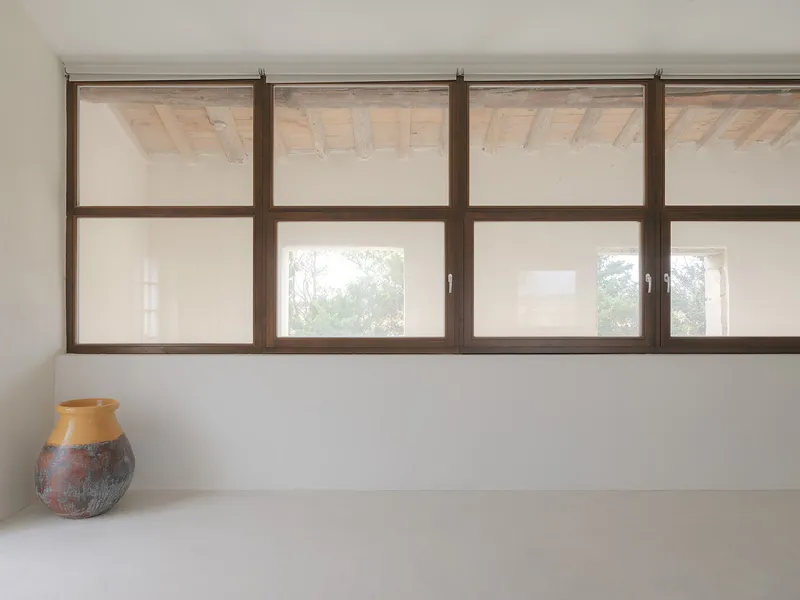
- Narrow fenestrations for cross-ventilation.
- Thick stone walls with high thermal inertia to maintain interior temperatures.
- Use of natural, locally sourced insulation, such as Camargue rice straw.
These features not only reduce the building's environmental footprint but also ensure comfort for its inhabitants year-round.
Sustainability at the Core
At Mas Baudran, sustainability extends beyond architecture into daily living practices. The house is designed to be self-sufficient in water and energy, making it a model for environmentally responsible living. Its outdoor spaces include:
- An edible garden operated through permaculture principles, aiming for complete food autonomy.
- Organic rice fields managed by local farmers, supporting biodiversity and sustainable agriculture.
These efforts reflect the project's overarching goal of creating a space that thrives in harmony with nature, even in the face of climate change challenges such as flooding and rising sea levels.
A Creative Hub for Artists
Mas Baudran House is more than a residence—it’s a hub for creativity and ecological dialogue. By hosting artist residencies, the space welcomes plastic artists, writers, and thinkers to explore themes of sustainability through their work. This initiative seeks to answer the profound question: “Can art contribute to repairing the living?”
Why Sustainable Farmhouse Renovation Matters
The Mas Baudran House serves as a beacon for the future of architectural conservation. It demonstrates how heritage properties can be adapted to meet modern needs while addressing urgent environmental concerns. By combining historical preservation with forward-thinking sustainability measures, this project exemplifies the potential of sustainable farmhouse renovations to inspire communities worldwide.
Key Takeaways from Mas Baudran House:
- Historical architecture can coexist with modern sustainable practices.
- Bioclimatic design enhances energy efficiency and occupant comfort.
- Integrating permaculture and self-sufficiency into design fosters a deeper connection with nature.
A Vision for the Future of Architecture
Mas Baudran House by PAREIL stands as a powerful example of how sustainable farmhouse renovation can balance cultural heritage and ecological innovation. Its thoughtful design, coupled with its commitment to self-sufficiency and artistic collaboration, makes it a model for future architectural projects.
By reimagining historical spaces for contemporary living, Mas Baudran not only preserves the past but also paves the way for a more sustainable and harmonious future.



Popular Articles
Popular articles from the community


The Musturak Paradise: Senior Living Architecture for a Connected Future in Temara, Morocco
The Musturak Paradise reimagines senior living architecture in Temara via private homes, social spaces, culture, community, and shared care.

The Earth Pod: 3D Printed Homes for Resilient Refugee Communities
The Earth Pod reimagines refugee housing through 3D printed homes made from clay, combining resilience, self-sufficiency, and rapid shelter.

Conexión: Biophilic Design Reimagines High-Rise Living in Hong Kong
Conexión reimagines high-rise living in Hong Kong through biophilic design, green facades, shared spaces, daylight, water and nature within.

The Ocean Hive: Sustainable Architecture for a Self-Sufficient Civilization at Sea
The Ocean Hive imagines sustainable architecture at sea, where modular habitats, algae, wave power and ocean waste sustain a growing colony.


Similar Reads
You might also enjoy these articles


Hodi-Mandai Geram
Project Function: Preservation and revitalization of the Intangible heritage and socio-spatial identity of the Hodi by Housing, Cultural Memory Center, Sacred Grove, landscape, local tourism economy


Olio Towers: A Mid-Rise for Performers That Fuses Housing, Rehearsal, and Stage
Located blocks from Houston's Theater District, this modular tower stacks living units around a central performance atrium.

Oasis: Modular Green Housing Carved into Dhaka's Urban Fabric
A shortlisted Plugin Housing entry reclaims unauthorized settlements in Dhaka with stepped concrete volumes, green roofs, and ventilation-driven design.

Black Hole: A Floating Megastructure for the Post-Physical Era
Emiliano Mazzarotto envisions a spherical, self-scaling arena where e-sports, digital hotels, and holographic stadiums replace traditional public space.

Explore Architecture Competitions
Discover active competitions in this discipline



Challenge to reimagine the Iron Throne


Photograph architecture without architects


Illustrate the lost glory of Angkor Wat - Render Challenge


Design challenge to reuse E-waste
Comments (0)
Please login or sign up to add comments
No comments yet. Be the first to comment!