
Sustainable Restaurant Design: Merging Tradition with Innovation
Exploring the Barn Small Bistro's sustainable design, blending traditional architecture with modern practices in Hungary.


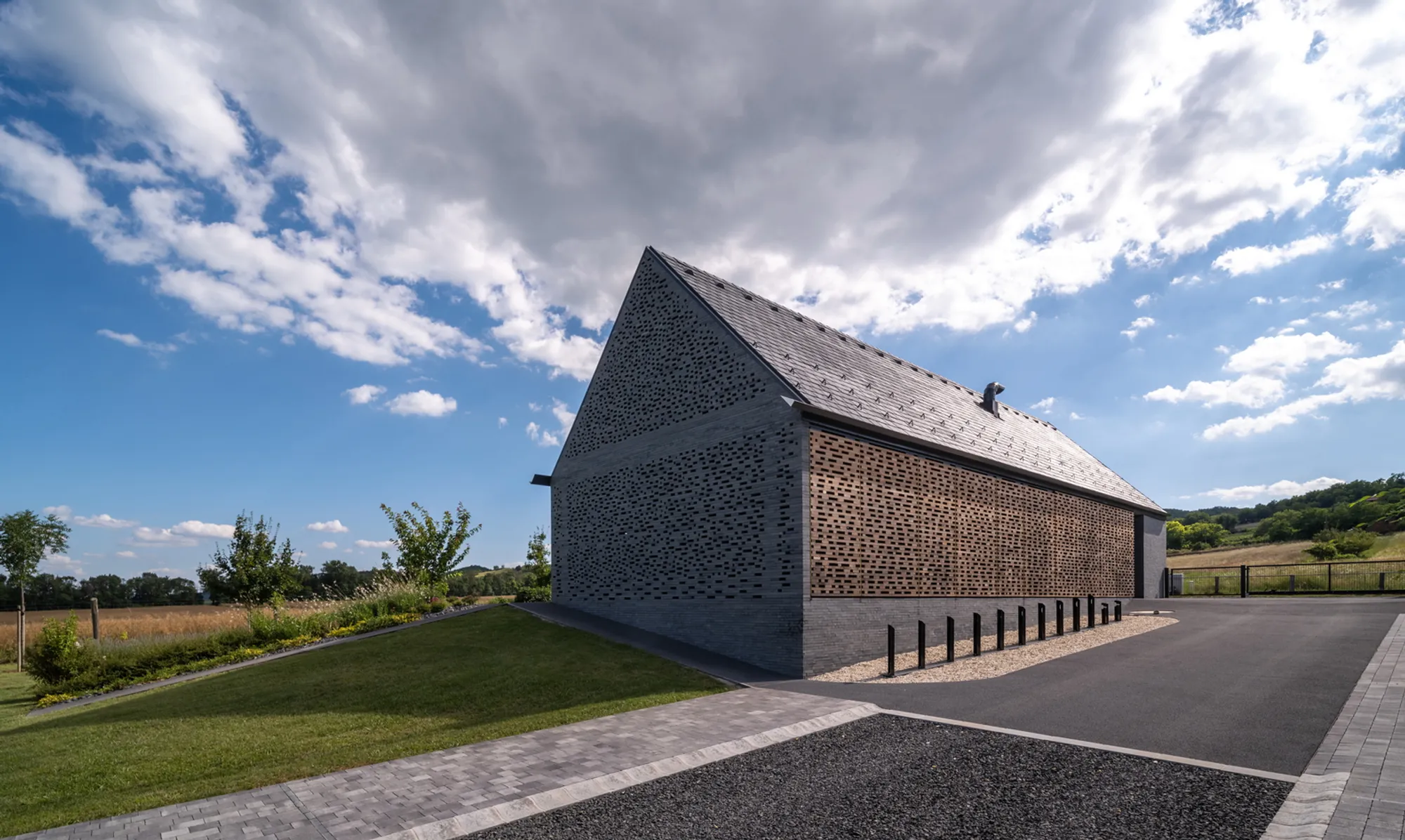
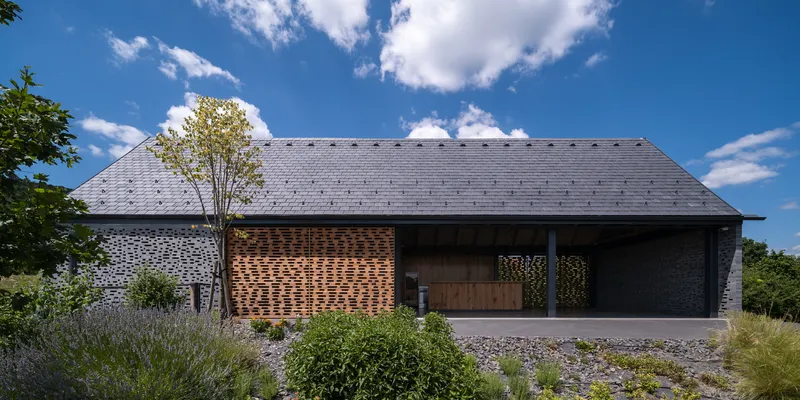
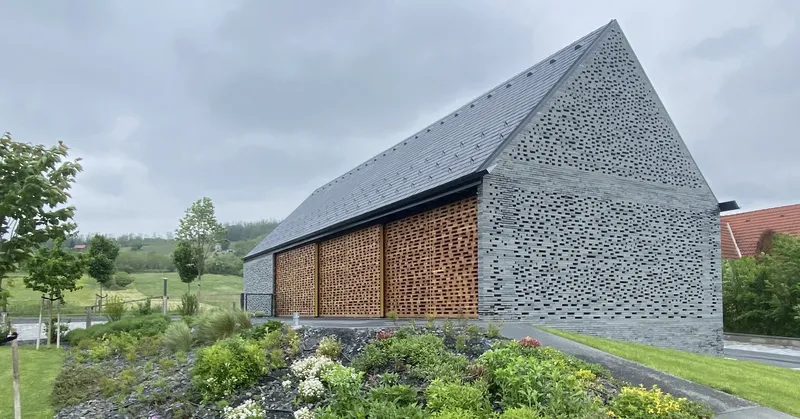
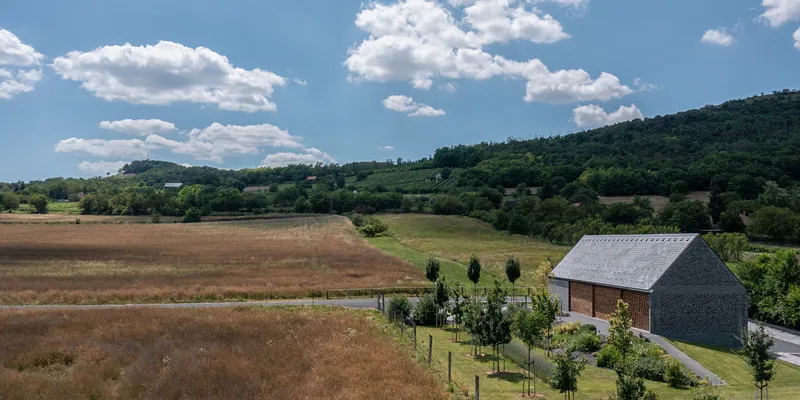
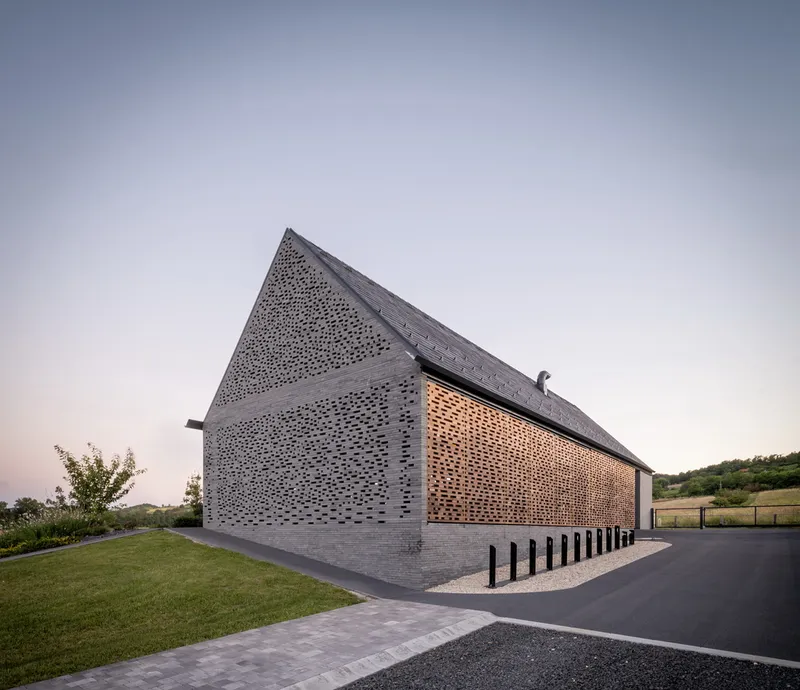
In the quaint village of Mindszentkálla, Hungary, a project that beautifully marries traditional architecture with modern sustainability practices stands as a testament to the innovative approach of SAGRA Architects. The Barn Small Bistro, a semi-open barn transformed into a small restaurant and wine terrace, exemplifies "Sustainable Restaurant Design" at its core. Through the use of natural materials such as oak, basalt, and slate, and a design that harmonizes with its natural surroundings, this establishment offers more than just a dining experience; it offers a lesson in sustainability and architectural reverence.

The Philosophy Behind the Design
The Barn Small Bistro is not just a building; it's a statement. It stands as a beacon of sustainable design, utilizing locally sourced materials that not only blend with the environment but also enhance the dining experience by bringing the outside in. The architects have taken a structure deeply rooted in the area's architectural heritage and infused it with modern design principles, creating a space that is both environmentally conscious and aesthetically pleasing.



A Symphony of Natural Materials
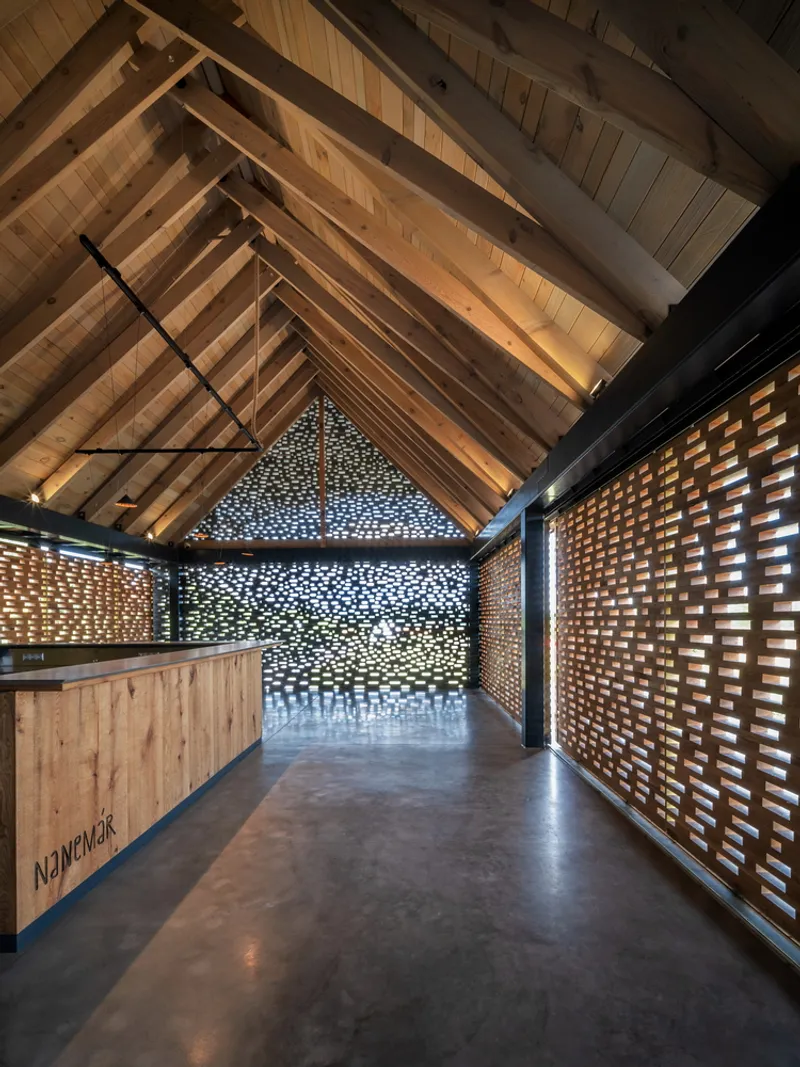
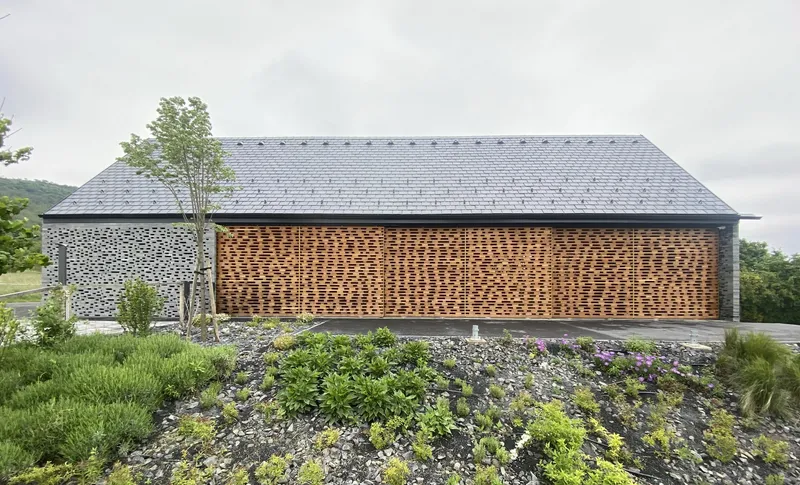
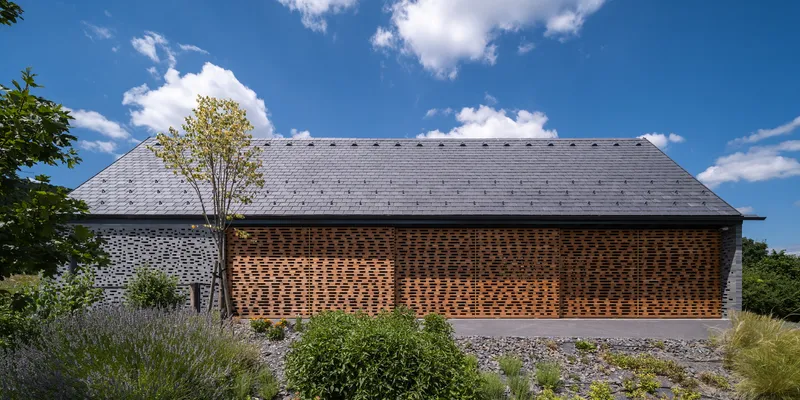
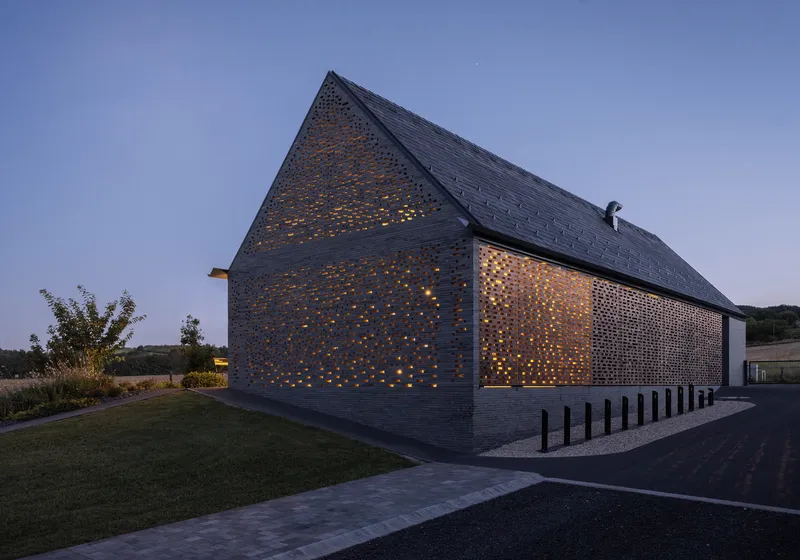
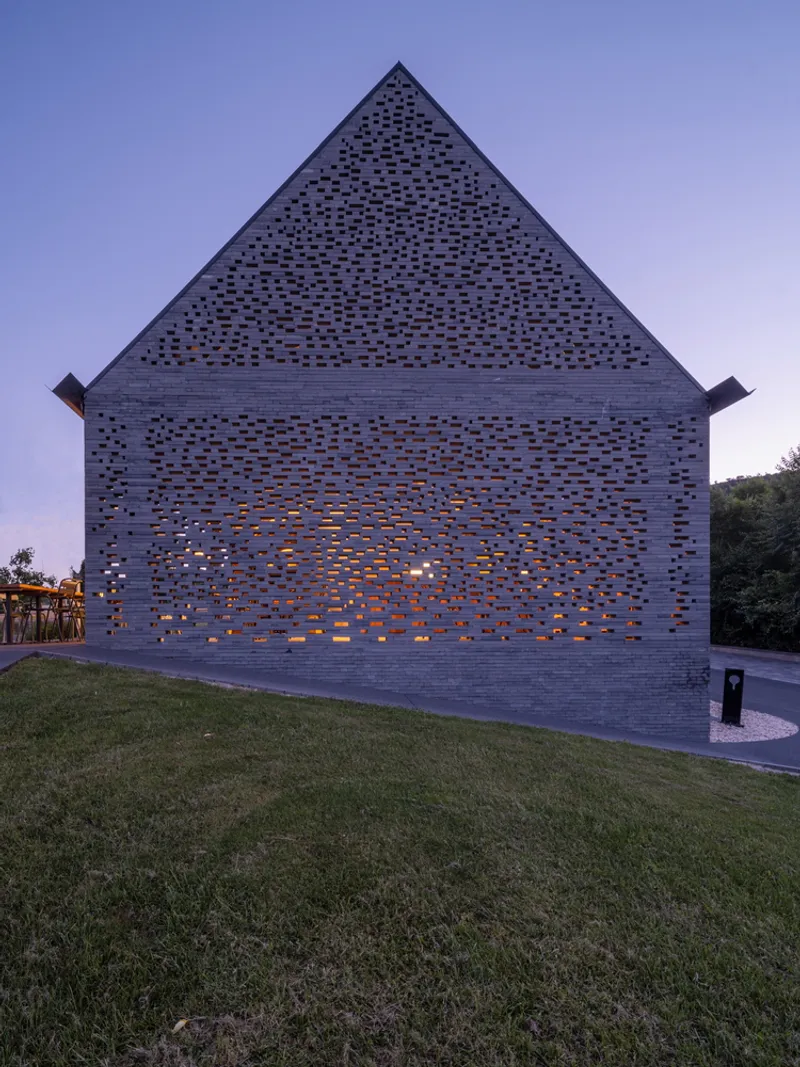
The choice of materials in the construction of the Barn Small Bistro speaks volumes about the project's commitment to sustainability. Oak, known for its durability and strength, forms the backbone of the large sliding walls that open up to nature, inviting the landscape into the dining space. Basalt, a volcanic rock, and slate are used in the walls and roof, respectively, drawing a direct connection to the natural world and ensuring that the building ages gracefully, adapting to the changing conditions around it.




Blending Tradition with Modernity
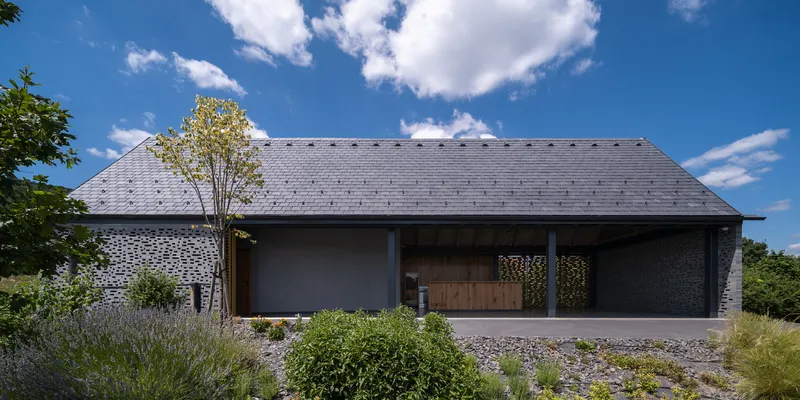
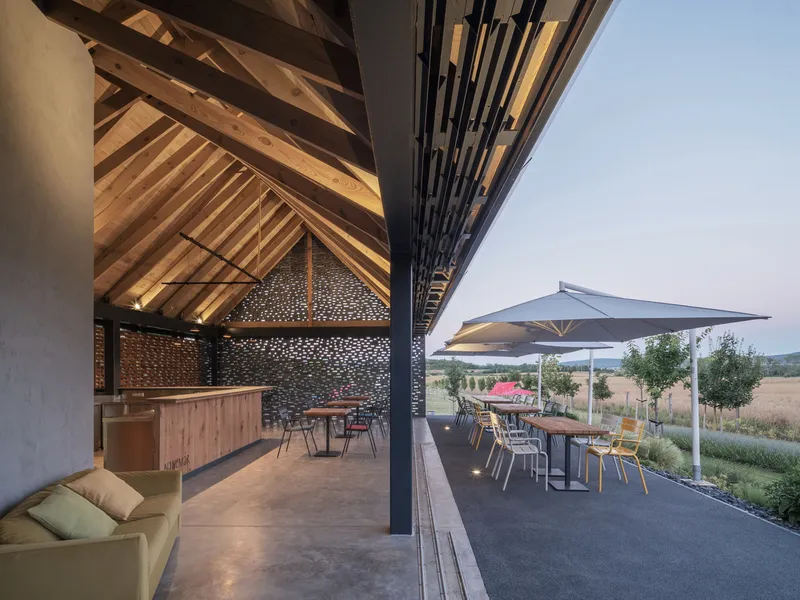
The architectural language of the Barn Small Bistro pays homage to the traditional barns of the area, with a contemporary twist. The use of dynamic arches in the roof and the strategic placement of beams not only provide structural integrity but also create a visually stunning interior space that is airy and filled with light. This blending of old and new is a hallmark of sustainable design, preserving the essence of traditional architecture while incorporating modern techniques and materials for energy efficiency and environmental stewardship.


Living in Harmony with Nature
The integration of the building with its surroundings is a critical aspect of its design. The semi-open structure allows for a seamless transition between the indoor and outdoor spaces, blurring the lines between the built and natural environments. This design choice not only enhances the dining experience by offering breathtaking views of the landscape but also promotes natural ventilation and lighting, reducing the need for artificial climate control and lighting solutions.
The Barn Small Bistro by SAGRA Architects is a prime example of how sustainable restaurant design can revive local architectural traditions, employ natural materials, and integrate seamlessly with the environment. It stands as a model for future projects, demonstrating that sustainability and beauty can go hand in hand, creating spaces that are both functional and inspirational. As we move forward in our architectural practices, let the Barn Small Bistro serve as a reminder of the importance of sustainability, tradition, and innovation in creating spaces that respect the past, embrace the present, and pave the way for a greener future.
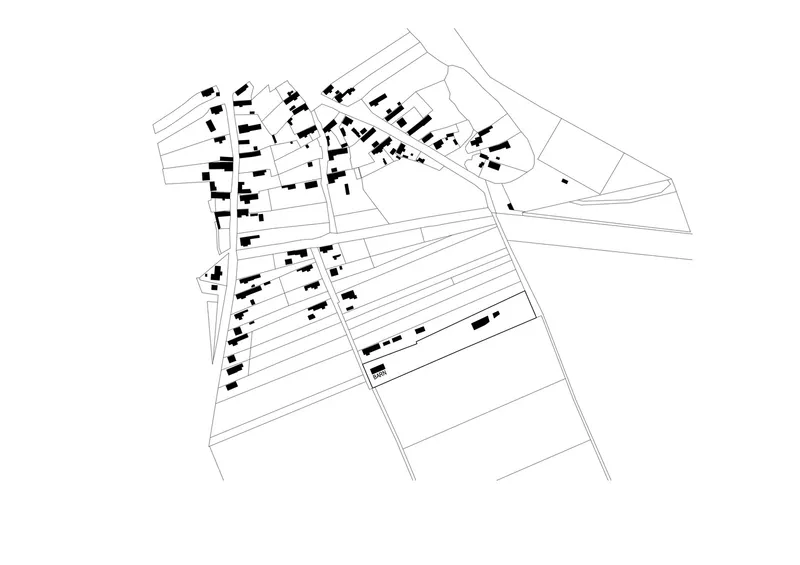


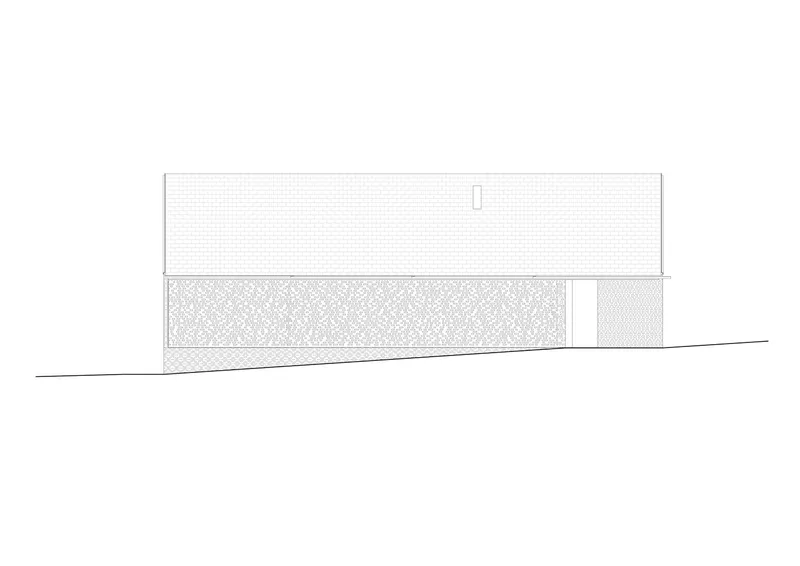

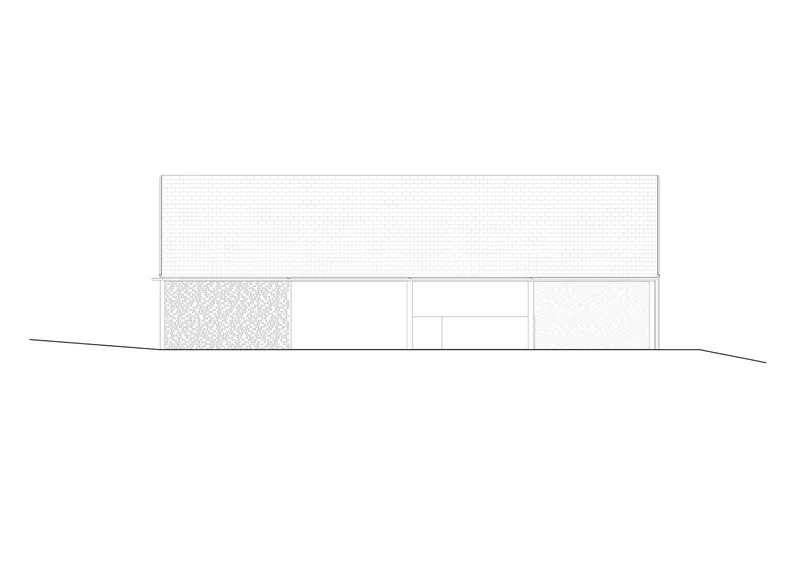
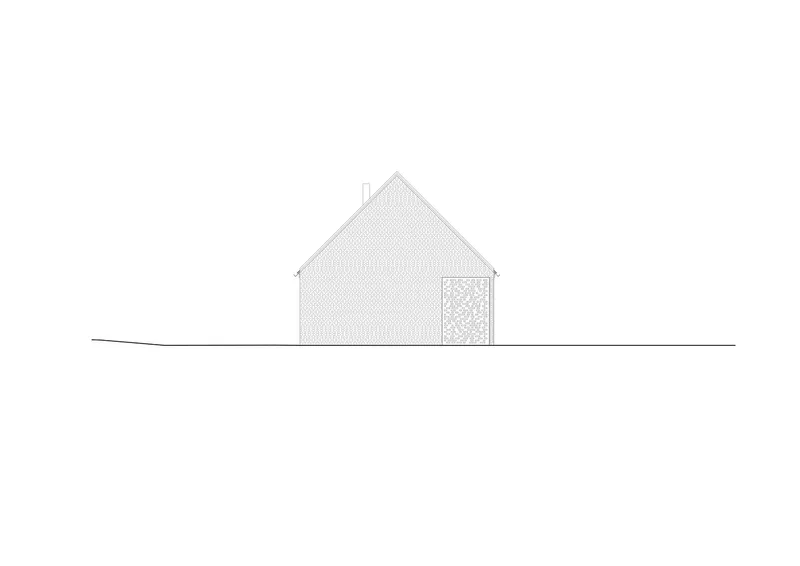
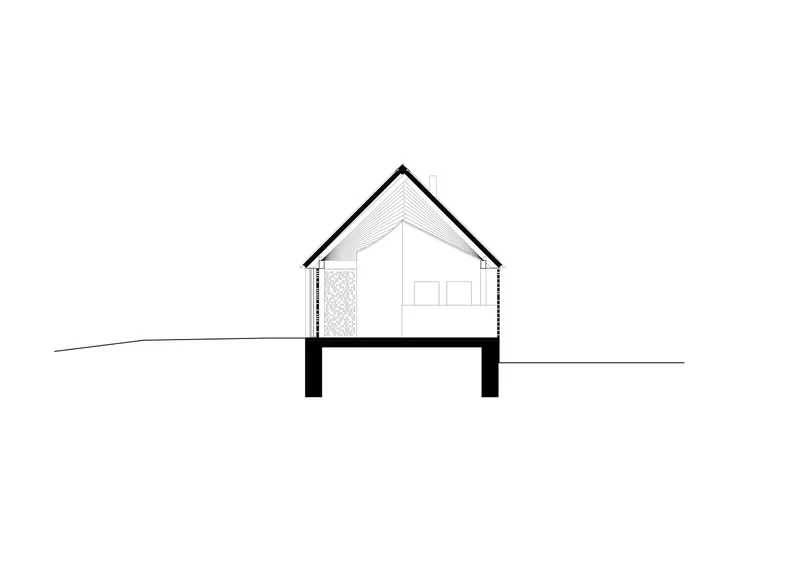
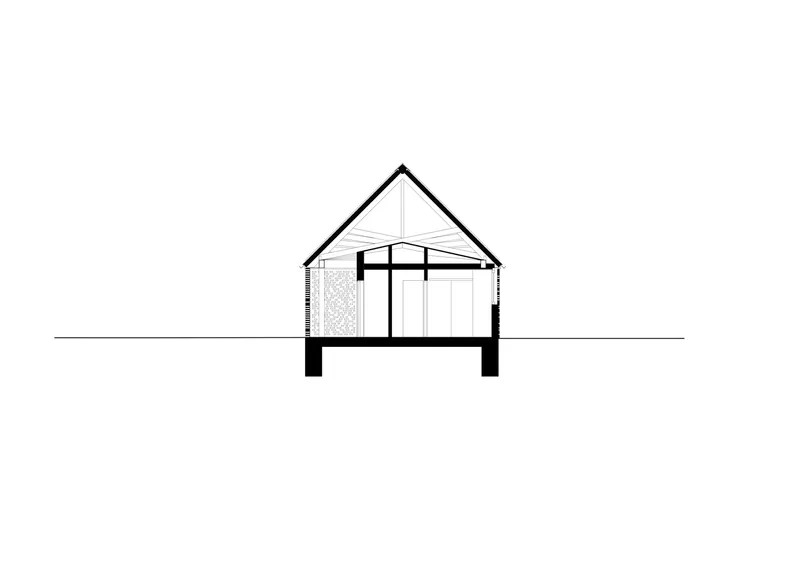

All photographs are work of Tamás Bujnovszky, Gábor Sajtos




Popular Articles
Popular articles from the community


The Ocean Hive: Sustainable Architecture for a Self-Sufficient Civilization at Sea
The Ocean Hive imagines sustainable architecture at sea, where modular habitats, algae, wave power and ocean waste sustain a growing colony.

Conexión: Biophilic Design Reimagines High-Rise Living in Hong Kong
Conexión reimagines high-rise living in Hong Kong through biophilic design, green facades, shared spaces, daylight, water and nature within.

Lunar Spiral: Space Architecture Shaped by the Mathematics of the Universe
Lunar Spiral reimagines space architecture through Fibonacci geometry, lunar regolith, levitating habitats, and self-sustaining Moon living.

Riyadh For All: Intergenerational Urban Design for Active Aging in Rabat
Riyadh For All reimagines urban design in Rabat with intergenerational co-living, adaptive courtyards, and Moroccan cultural exchange today.


Similar Reads
You might also enjoy these articles


Hodi-Mandai Geram
Project Function: Preservation and revitalization of the Intangible heritage and socio-spatial identity of the Hodi by Housing, Cultural Memory Center, Sacred Grove, landscape, local tourism economy


Olio Towers: A Mid-Rise for Performers That Fuses Housing, Rehearsal, and Stage
Located blocks from Houston's Theater District, this modular tower stacks living units around a central performance atrium.

Oasis: Modular Green Housing Carved into Dhaka's Urban Fabric
A shortlisted Plugin Housing entry reclaims unauthorized settlements in Dhaka with stepped concrete volumes, green roofs, and ventilation-driven design.

Black Hole: A Floating Megastructure for the Post-Physical Era
Emiliano Mazzarotto envisions a spherical, self-scaling arena where e-sports, digital hotels, and holographic stadiums replace traditional public space.


Explore Sustainable Farm Competitions
Discover active competitions in this discipline



Challenge to reimagine the Iron Throne


Photograph architecture without architects


Illustrate the lost glory of Angkor Wat - Render Challenge


Design challenge to reuse E-waste
Comments (0)
Please login or sign up to add comments
No comments yet. Be the first to comment!