
Sustainable Sports Architecture in France: Maison de la Fédération Française de Canoë Kayak by Le Studio Sanna Baldé
A sustainable sports architecture project in France blending ecological design, Olympic legacy, and community engagement at a lakeside venue.


A Landmark for Paddle Sports in Vaires-sur-Marne
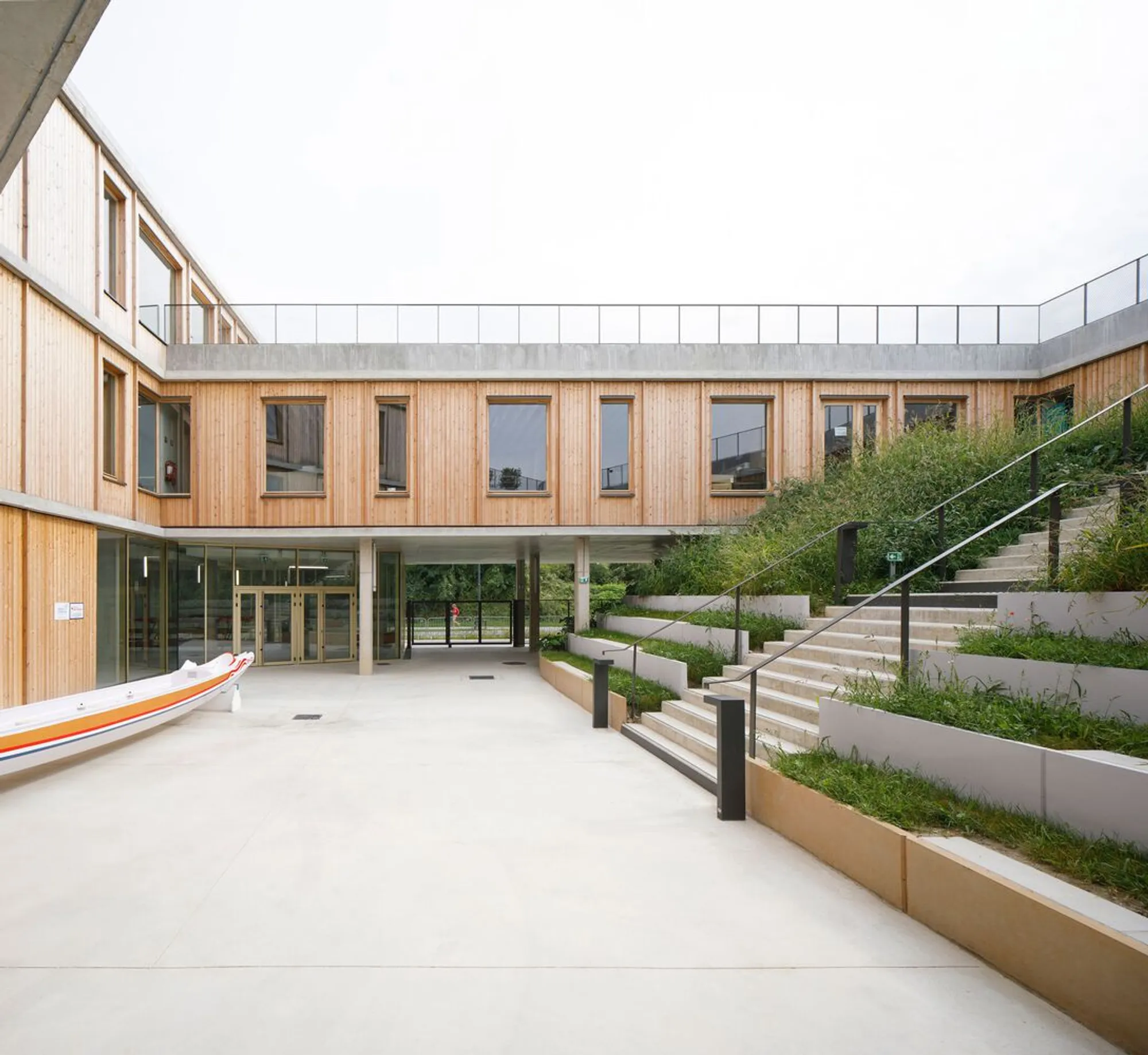
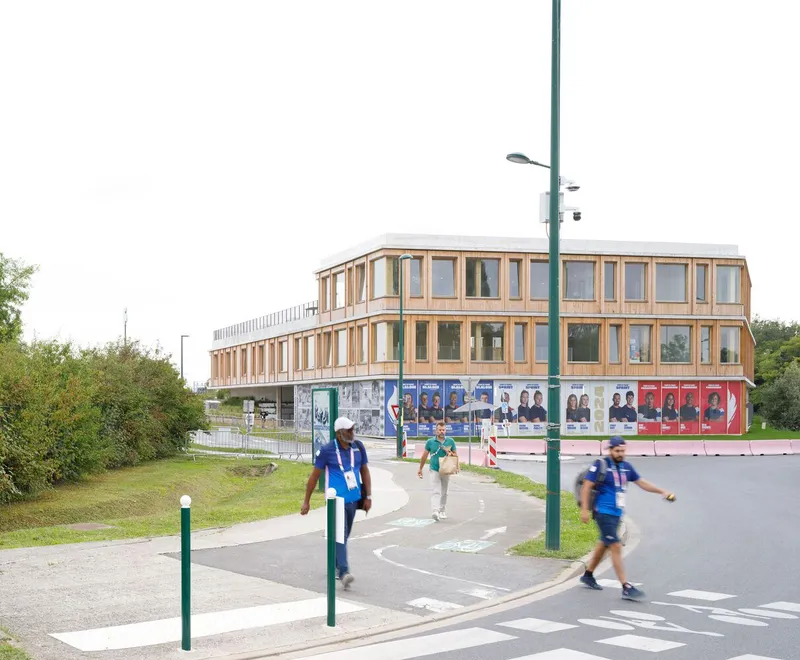
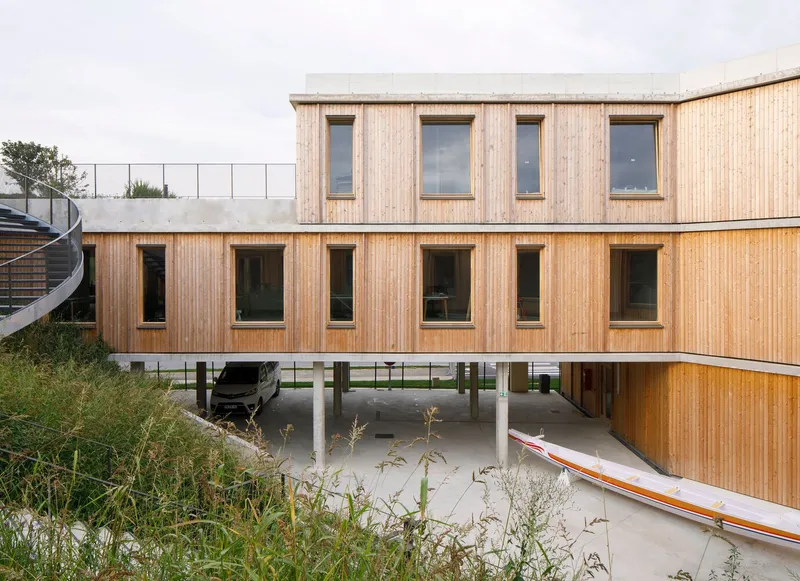
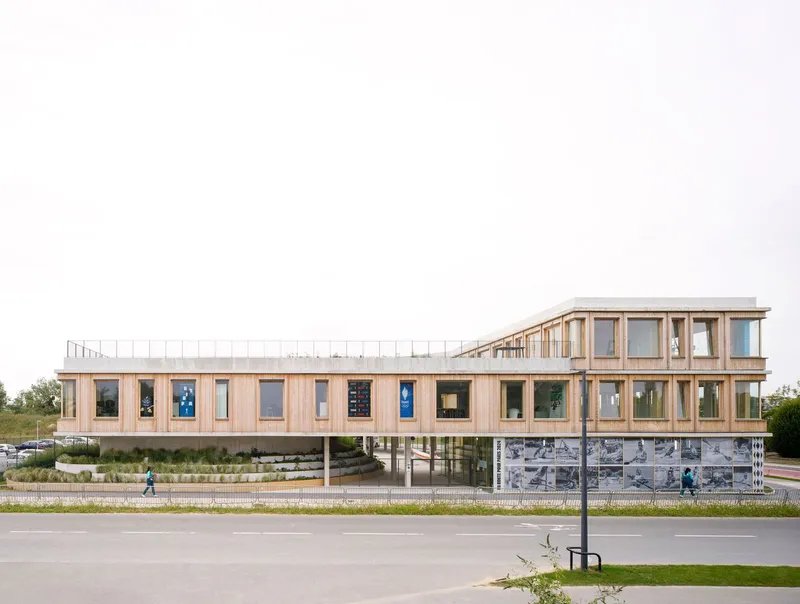
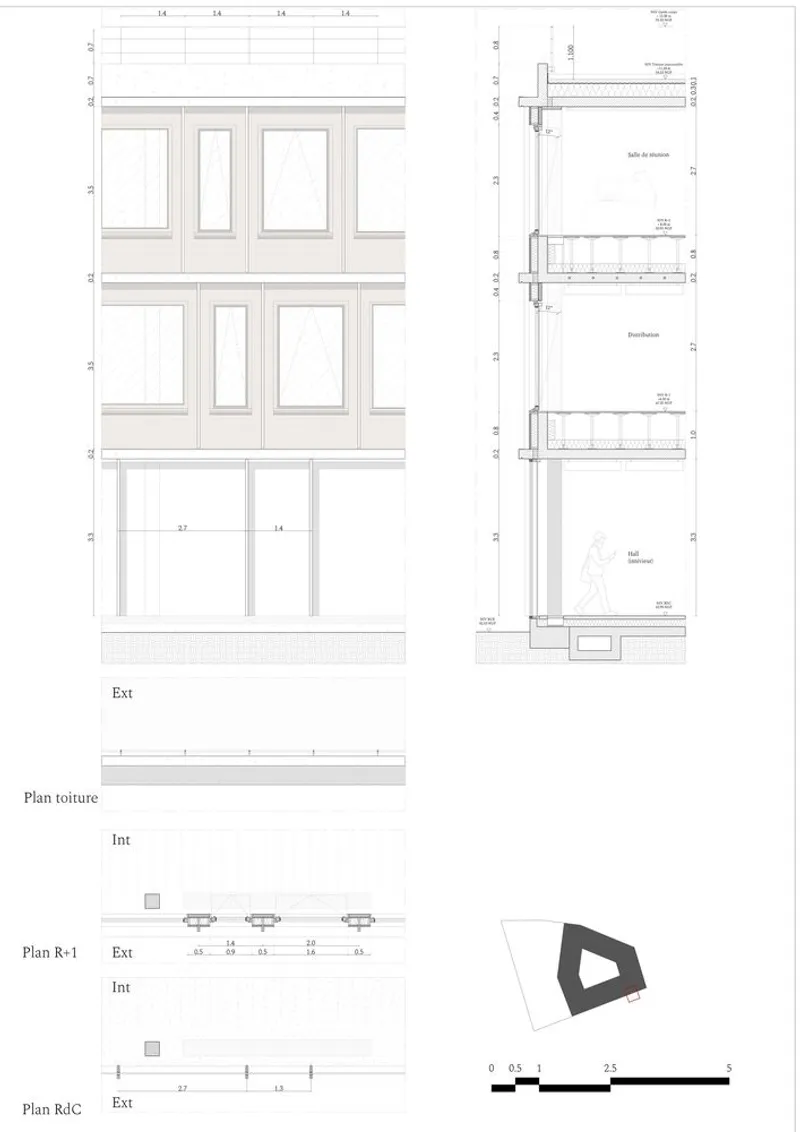
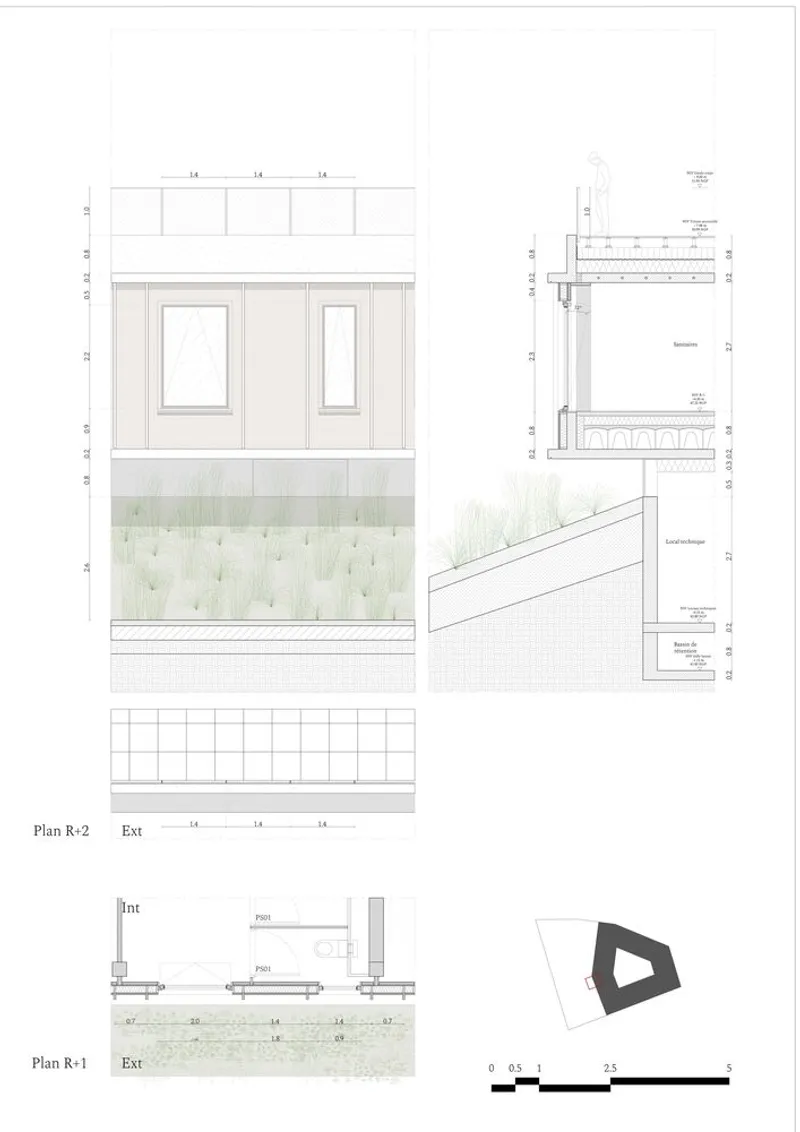
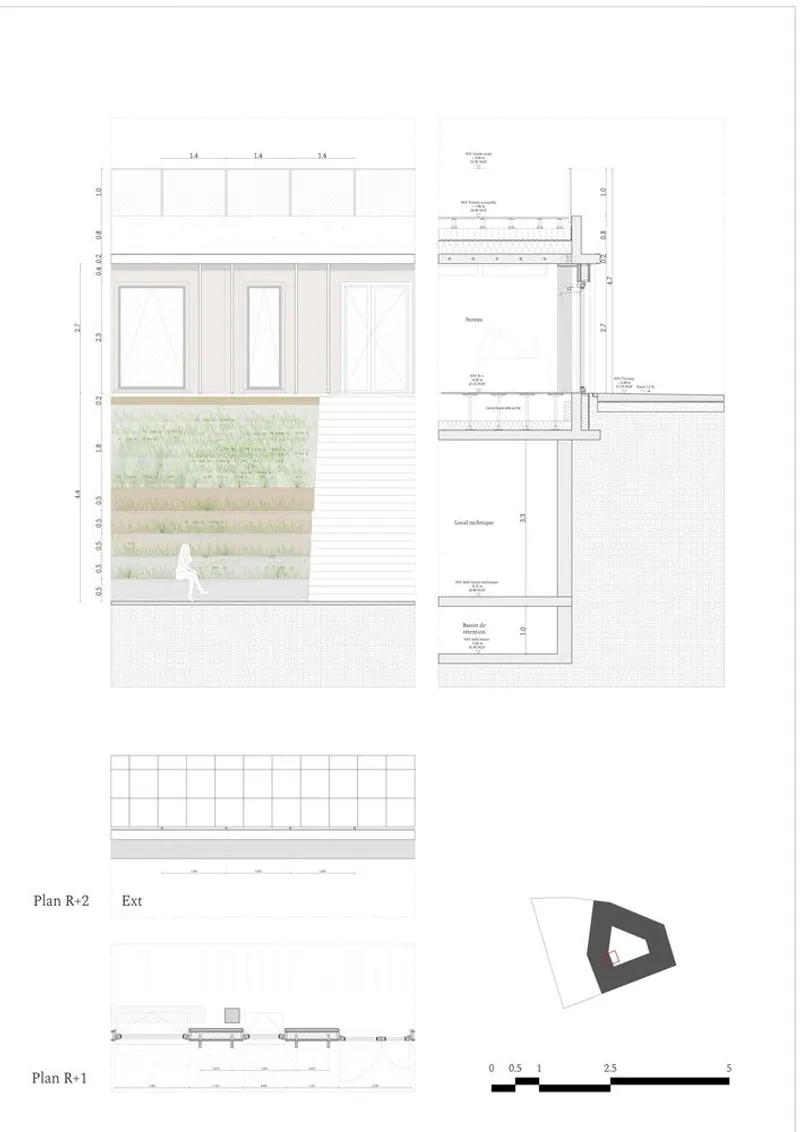
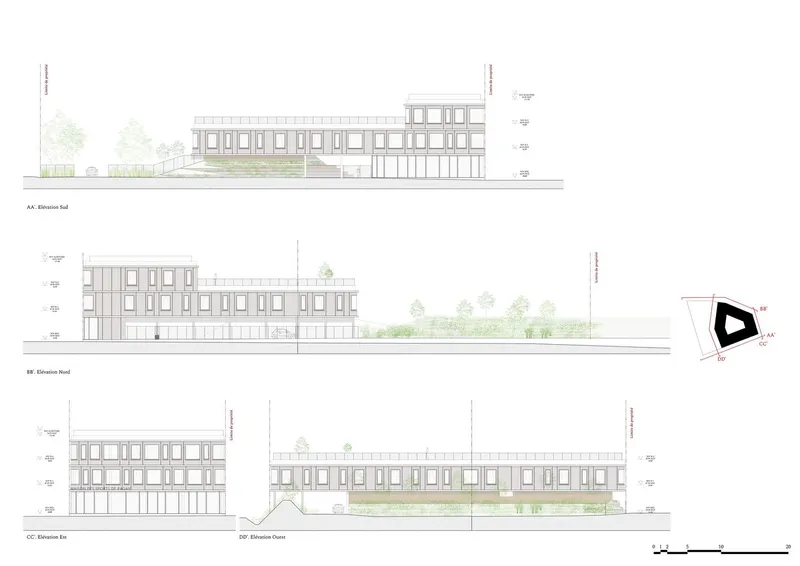
Positioned at the heart of Europe’s largest whitewater stadium in Vaires-sur-Marne, the Maison de la Fédération Française de Canoë Kayak et Sports de Pagaie represents a new era of sustainable sports architecture in France. Designed by Le Studio Sanna Baldé and completed in 2024, this 1,950-square-meter headquarters embodies the evolving relationship between athletic infrastructure, environmental stewardship, and community presence.
Architecture Anchored in Landscape and Community
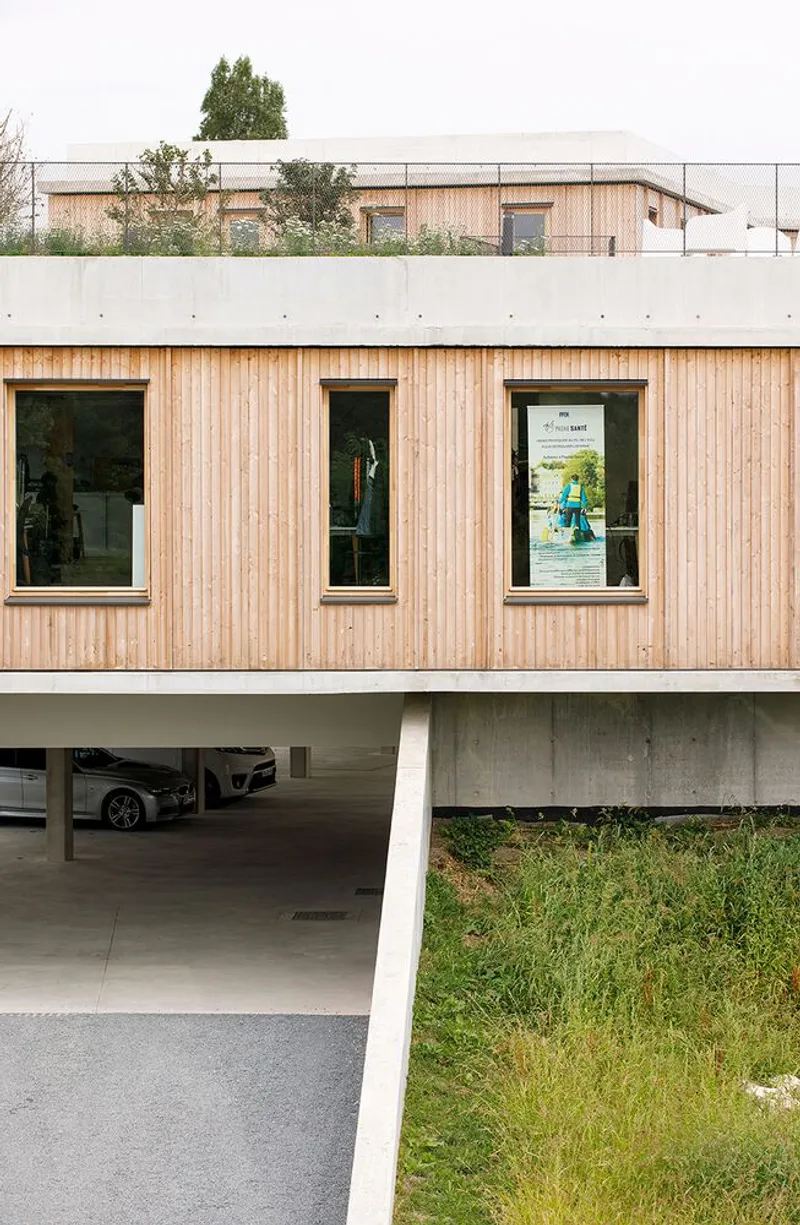
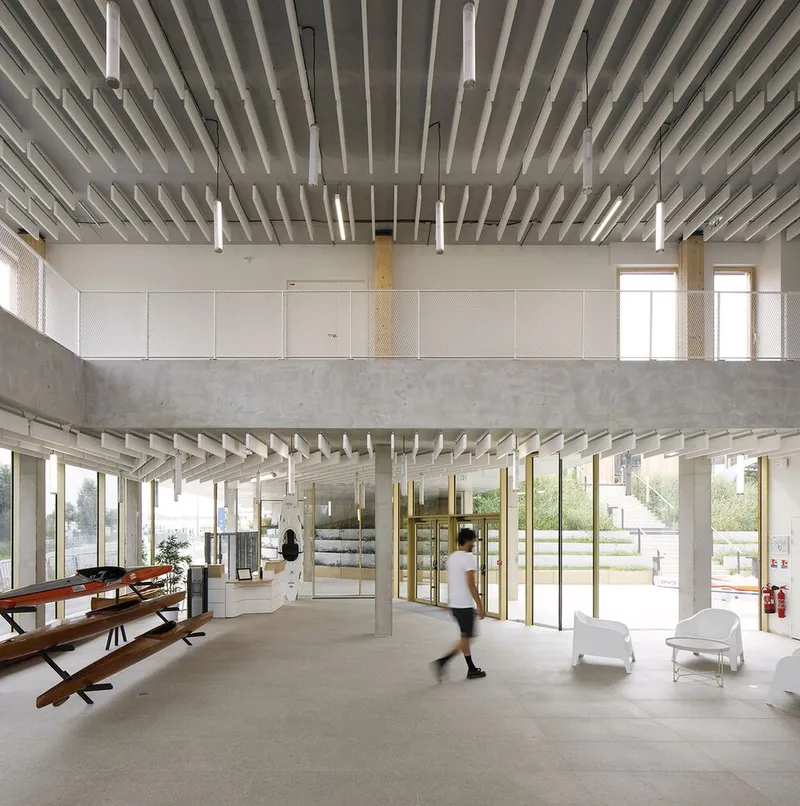
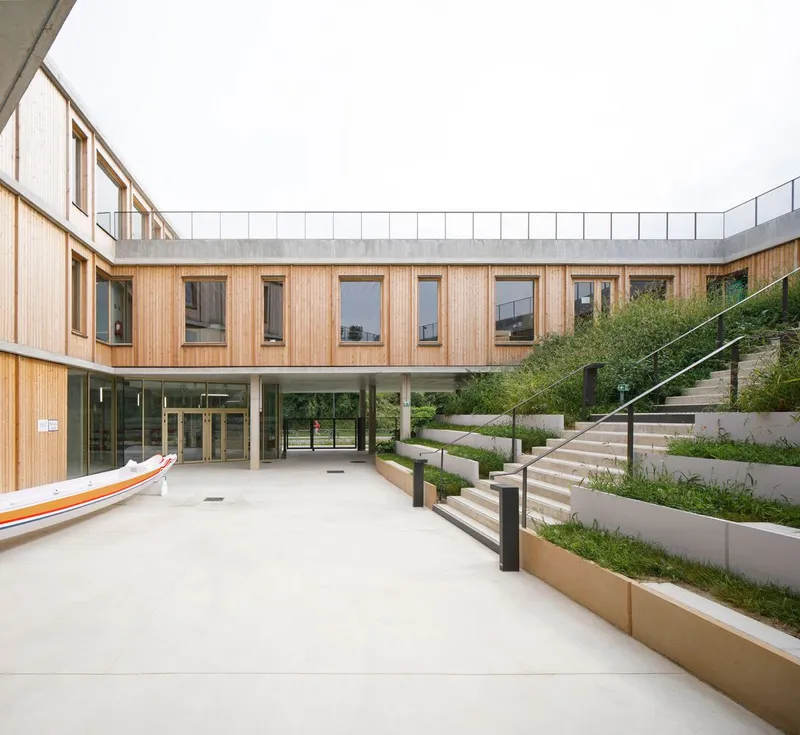
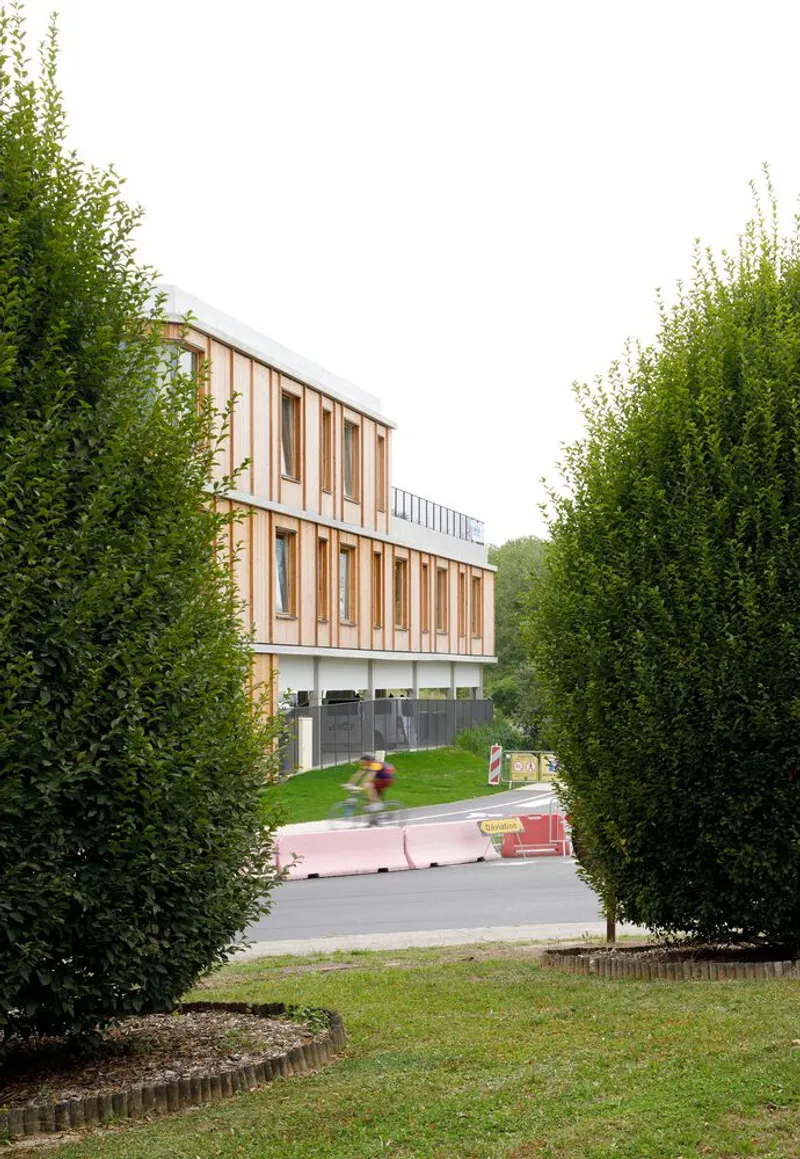
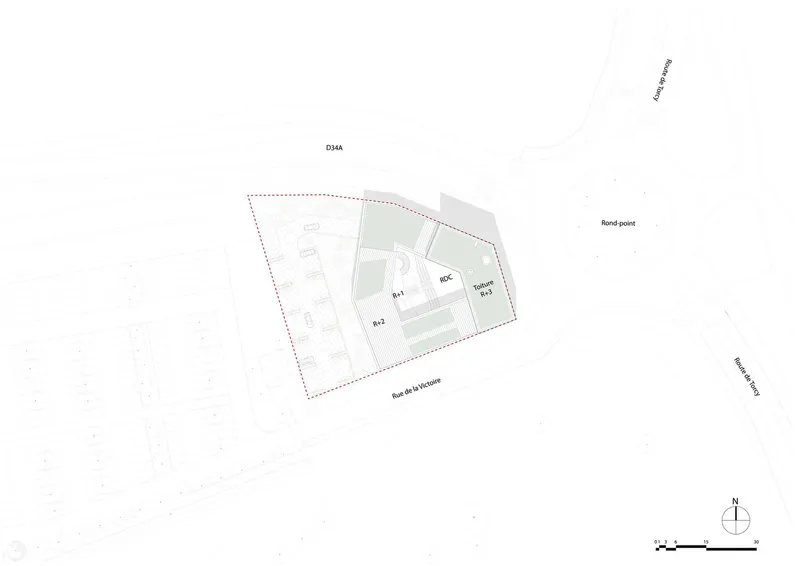
The project was conceived not only as an institutional headquarters but as a warm, inclusive home—open to both professional athletes and the public. Rather than standing apart, the building seamlessly integrates with the surrounding topography and the sporting culture of the lakefront venue. Emphasizing openness and visibility, it reinforces the identity of the Fédération Française de Canoë Kayak (FFCK) as a vital and accessible force in France’s sporting community.
A Model for Environmental Integration
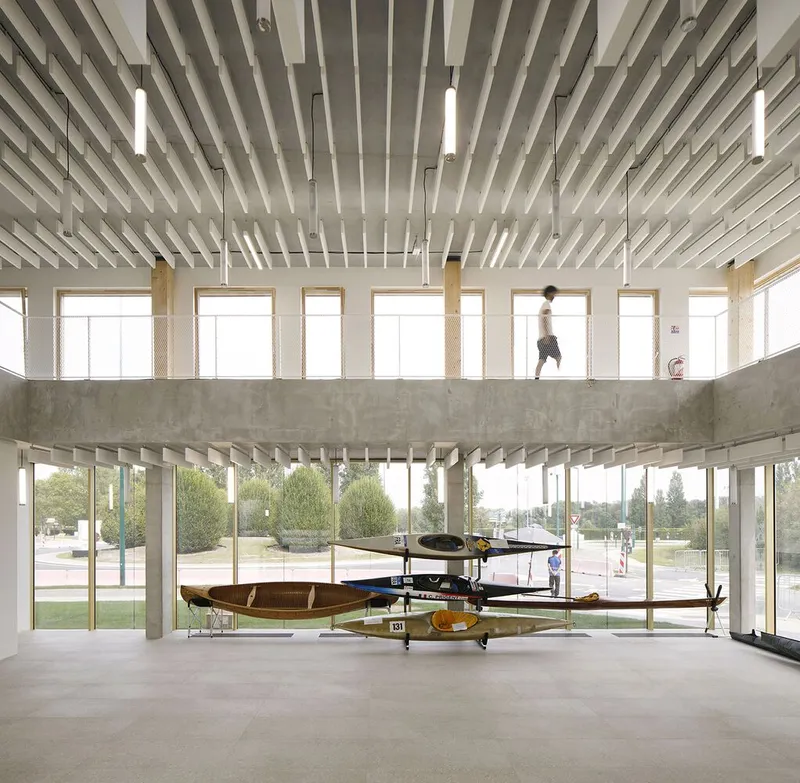
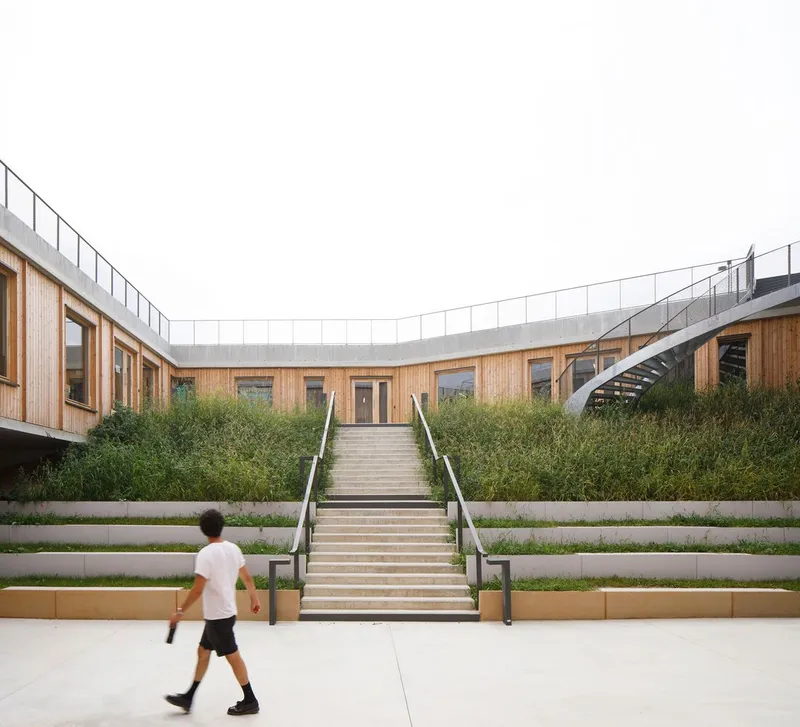
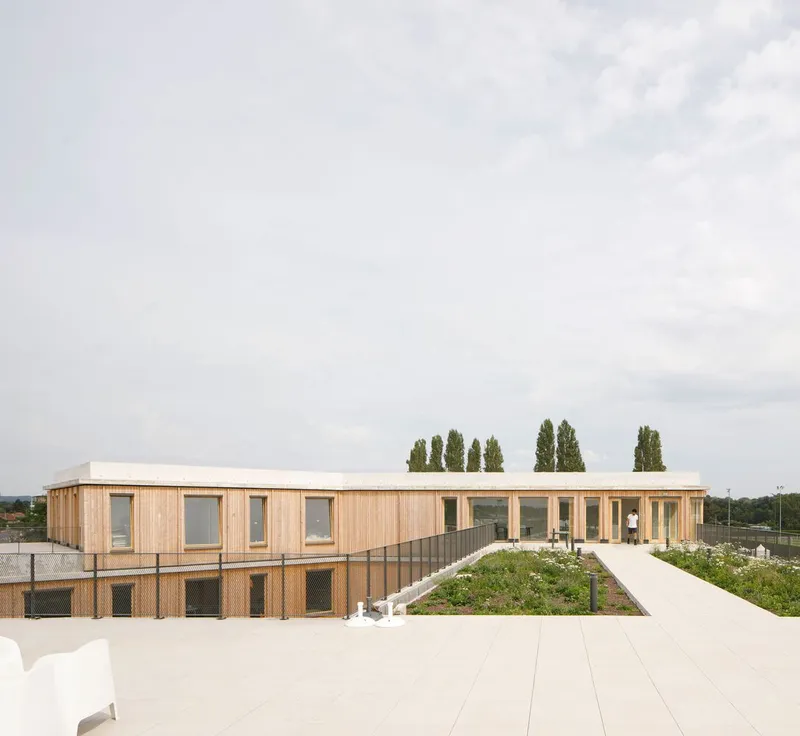
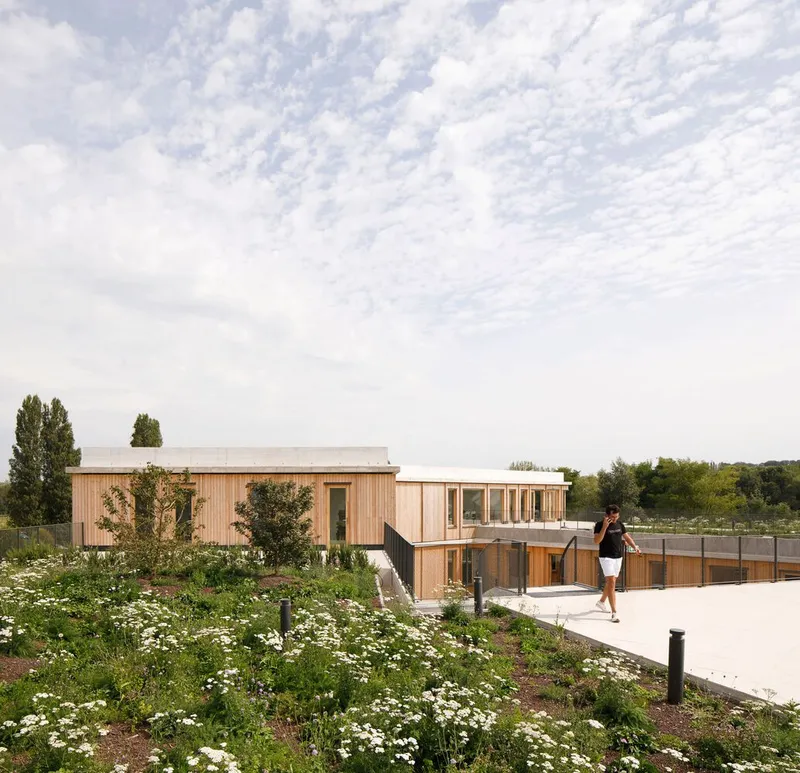
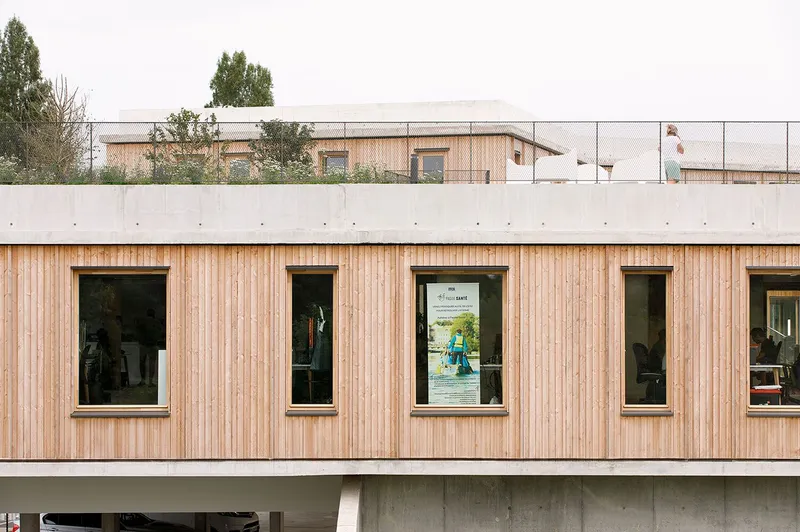
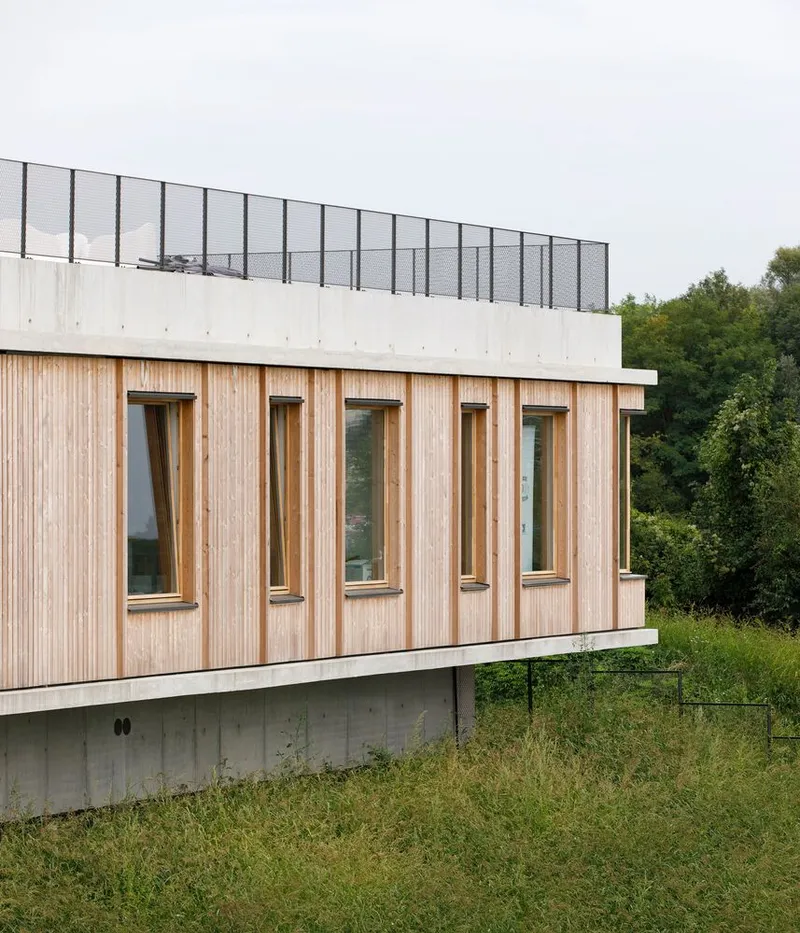
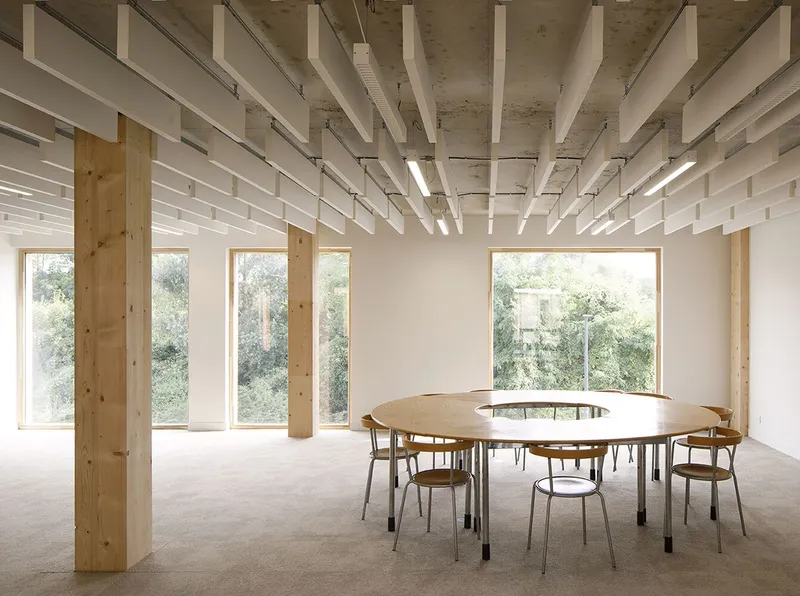
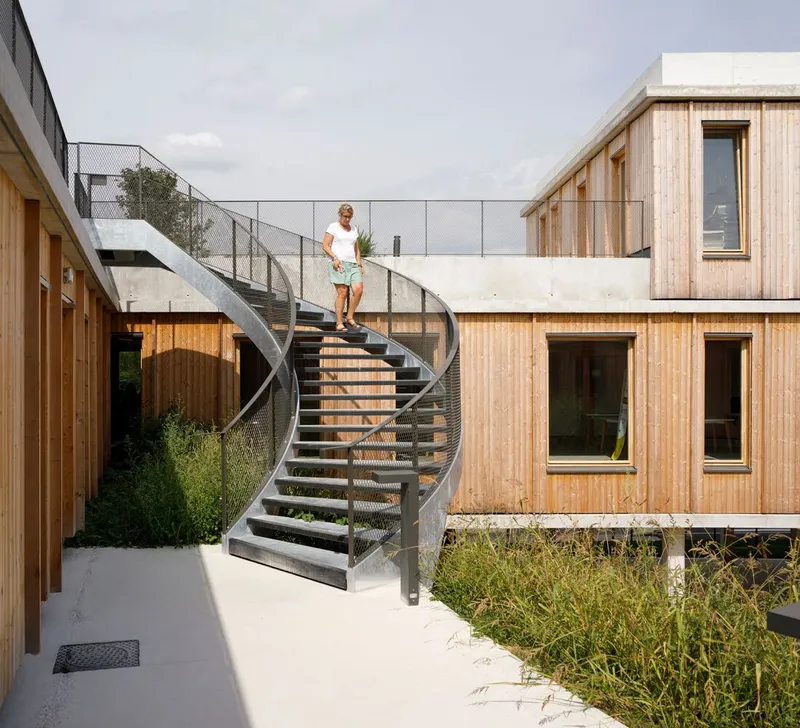
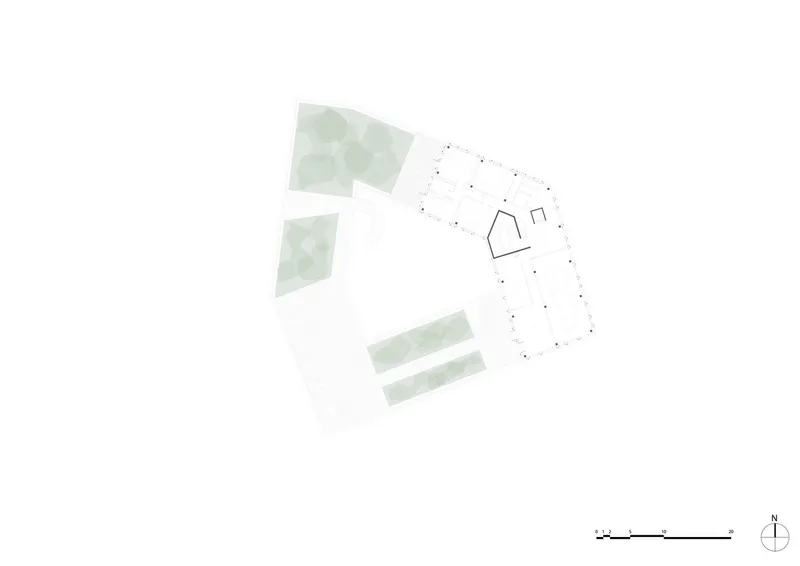
One of the key hallmarks of the project is its commitment to sustainability. The structure features a vegetated roof that contributes to thermal regulation and biodiversity, while its energy-efficient design incorporates geothermal systems to reduce environmental impact. A strong emphasis on wood as a primary construction material not only reduces the building’s carbon footprint but brings warmth and natural texture to its interiors and facades. These design decisions align with the FFCK’s ethos of ecological responsibility and reinforce the facility’s role as a flagship for sustainable sports architecture.
Panoramic Experiences and Functional Design
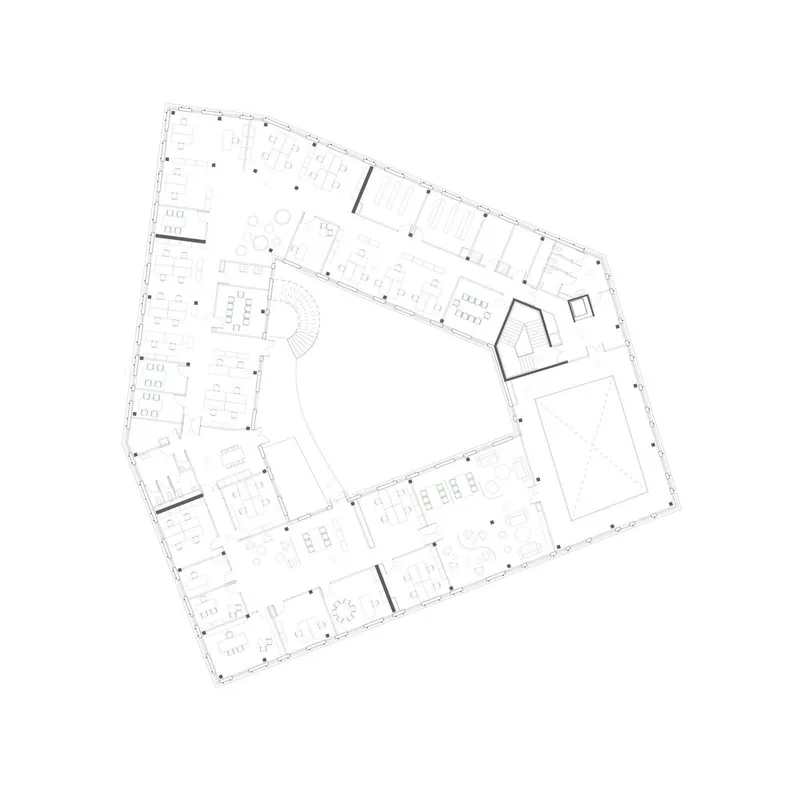
The building offers stunning panoramic views of the adjacent lake, blurring the boundary between interior and exterior. It is designed to host both day-to-day operations and larger public gatherings, with flexible spaces that support events, meetings, and social interactions. Outdoor terraces extend these functions into nature, providing athletes, visitors, and staff with a rich spatial experience that celebrates the sport’s relationship with water and landscape.
Olympic Legacy and Cultural Significance
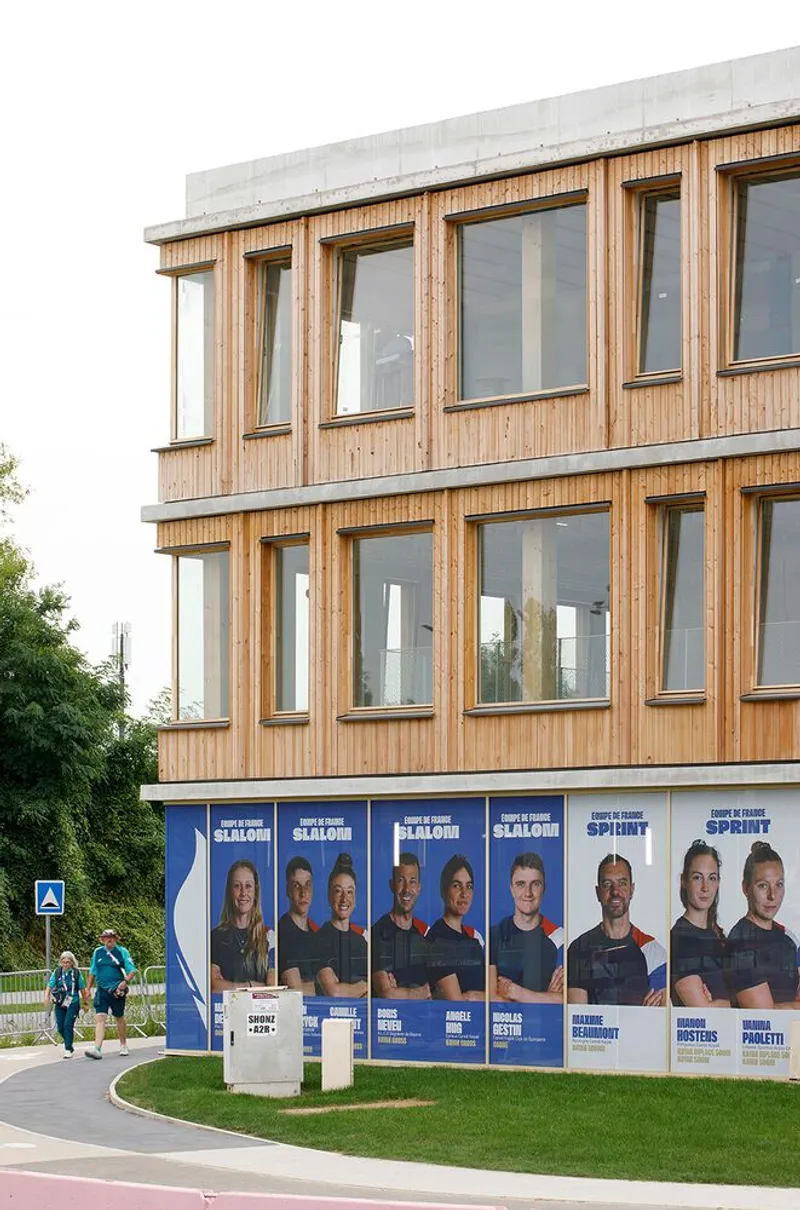
As the FFCK headquarters established ahead of the 2024 Olympic Games, the building not only fulfills practical functions but also contributes to a broader legacy. It serves as a testament to France’s investment in environmentally conscious architecture and community-centric design for its national sports infrastructure. Its architectural narrative underscores a vision where sport, nature, and sustainable living are fundamentally interconnected.
All Photographs are works of Clément Guillaume




Popular Articles
Popular articles from the community


Riyadh For All: Intergenerational Urban Design for Active Aging in Rabat
Riyadh For All reimagines urban design in Rabat with intergenerational co-living, adaptive courtyards, and Moroccan cultural exchange today.

The Ocean Hive: Sustainable Architecture for a Self-Sufficient Civilization at Sea
The Ocean Hive imagines sustainable architecture at sea, where modular habitats, algae, wave power and ocean waste sustain a growing colony.

The Musturak Paradise: Senior Living Architecture for a Connected Future in Temara, Morocco
The Musturak Paradise reimagines senior living architecture in Temara via private homes, social spaces, culture, community, and shared care.

Co-life: Sustainable Architecture for Age-Friendly Community Living
Co-life reimagines sustainable architecture for seniors through courtyards, rammed earth, shared gardens, and spaces designed for belonging.

Similar Reads
You might also enjoy these articles

FAMM Arquitectura Organizes Ten Villas Around Courtyards and Jungle in Nosara, Costa Rica
El Molino pairs two elongated volumes with deep overhangs and timber louvers to build a compact coastal community five minutes from the beach.
Oscar Niemeyer's Ibirapuera Park Pavilions Define São Paulo's Cultural Identity in Concrete and Curve
A constellation of modernist volumes set within São Paulo's most important urban park, conceived for the city's 400th anniversary in 1954.
How Henri Picq's 1889 Paris Pavilion Traveled 11,000 Kilometers to Become Santiago's Artequín Museum
A prefabricated iron and glass pavilion built for the Paris Universal Exposition found a second life as a children's art museum in Chile.
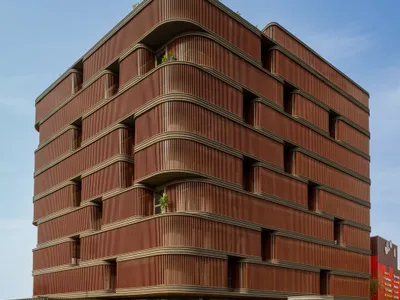
Sanjay Puri Architects Wraps a Jaipur Office Tower in Capsule-Shaped Green Buffers
A nine-level climate-responsive workplace near Jaipur Airport uses stacked planter terraces and aluminium screens to fight 40°C heat.

Explore Architecture Competitions
Discover active competitions in this discipline



Challenge to reimagine the Iron Throne


Photograph architecture without architects


Illustrate the lost glory of Angkor Wat - Render Challenge


Design challenge to reuse E-waste
Comments (0)
Please login or sign up to add comments
No comments yet. Be the first to comment!