
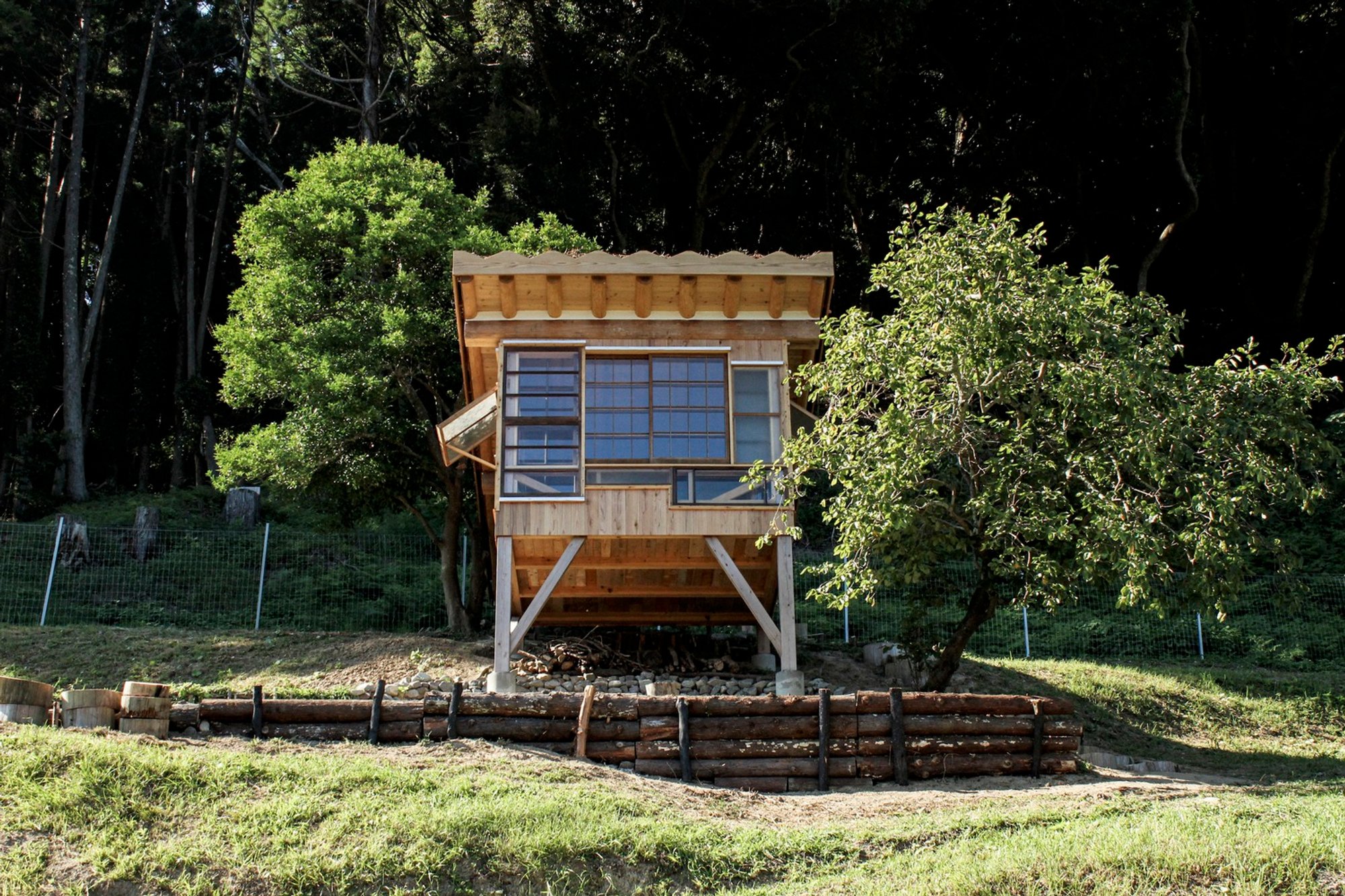
Sustainable Tiny House Design in Japan: TEKITEKI-AN by 6lines Studio
A sustainable tiny house in Japan, TEKITEKI-AN by 6lines Studio, integrates reclaimed materials and local craftsmanship to harmonize with nature.

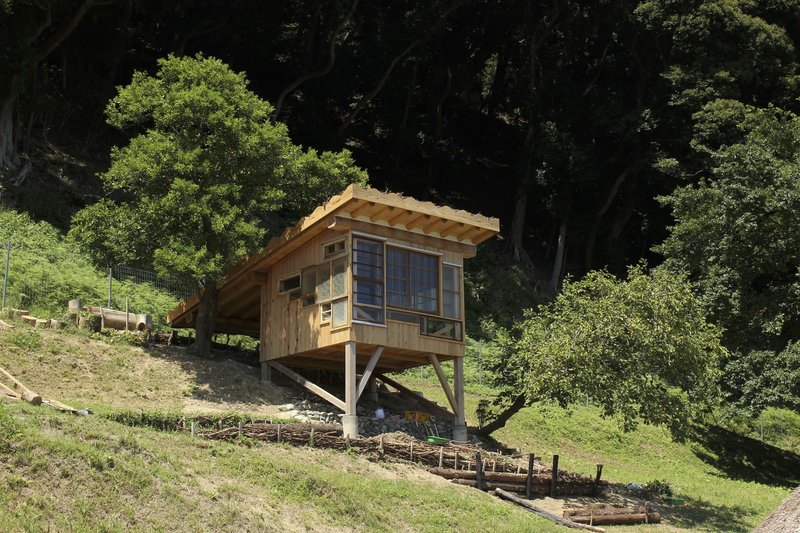
In the rural Satoyama village of Kamanuma, Japan, TEKITEKI-AN is a tiny house that embodies sustainable architecture and thoughtful design. Created by 6lines Studio in 2023, this 9m² structure functions as a multifunctional retreat, inspired by the traditional Japanese "Hojo," or tea house. The house draws deeply from its natural environment and community, both in its design and construction methods. TEKITEKI-AN not only provides a tranquil space for work or relaxation but also stands as a testament to resource-conscious, sustainable tiny house design in Japan.
Sustainable Design Inspired by Nature
The Concept of "TEKITEKI-AN": Honoring the Water Cycle
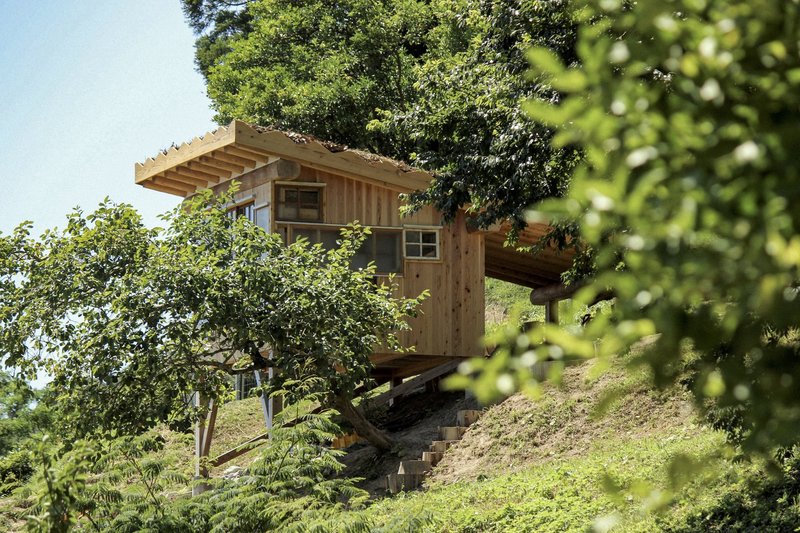
TEKITEKI-AN takes its name from the Japanese term "TEKITEKI," symbolizing the steady water cycle, and "AN," meaning a small traditional house. This concept reflects the cyclical nature of water in the mountains, from rainfall to evaporation. Located on the sloping terrain of Satoyama, the tiny house mimics this natural flow, incorporating sustainable practices that celebrate the local ecosystem. Its presence in Kamanuma highlights the interconnectedness of architecture and the environment, creating a sustainable, respectful space in tune with the village’s agrarian rhythms.
Integration with Satoyama: Sustainable Village Living
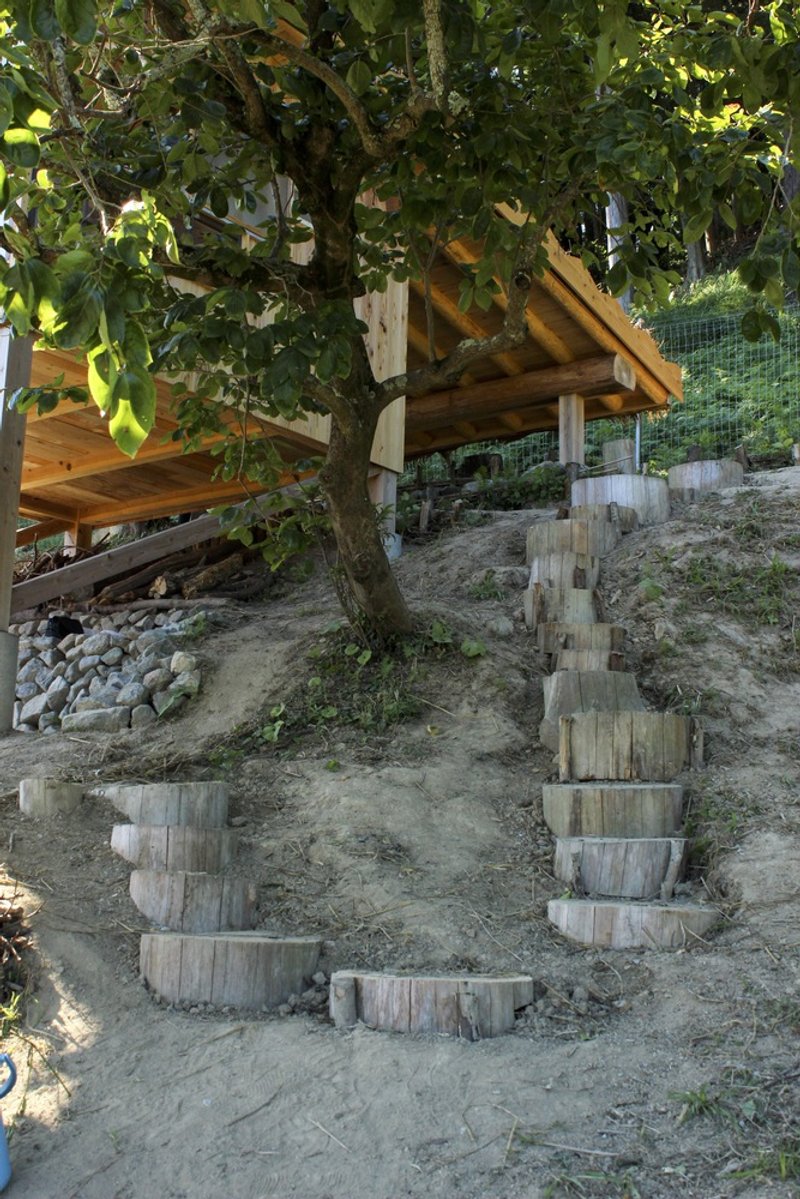
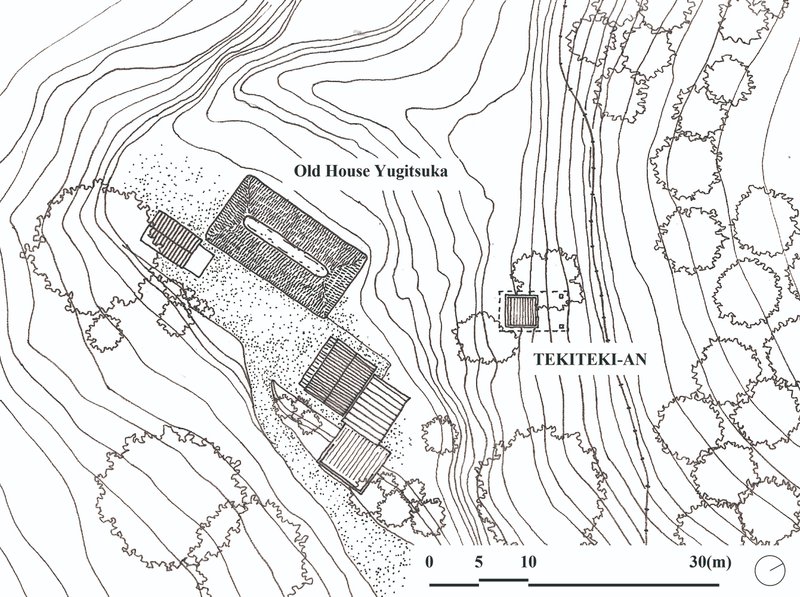
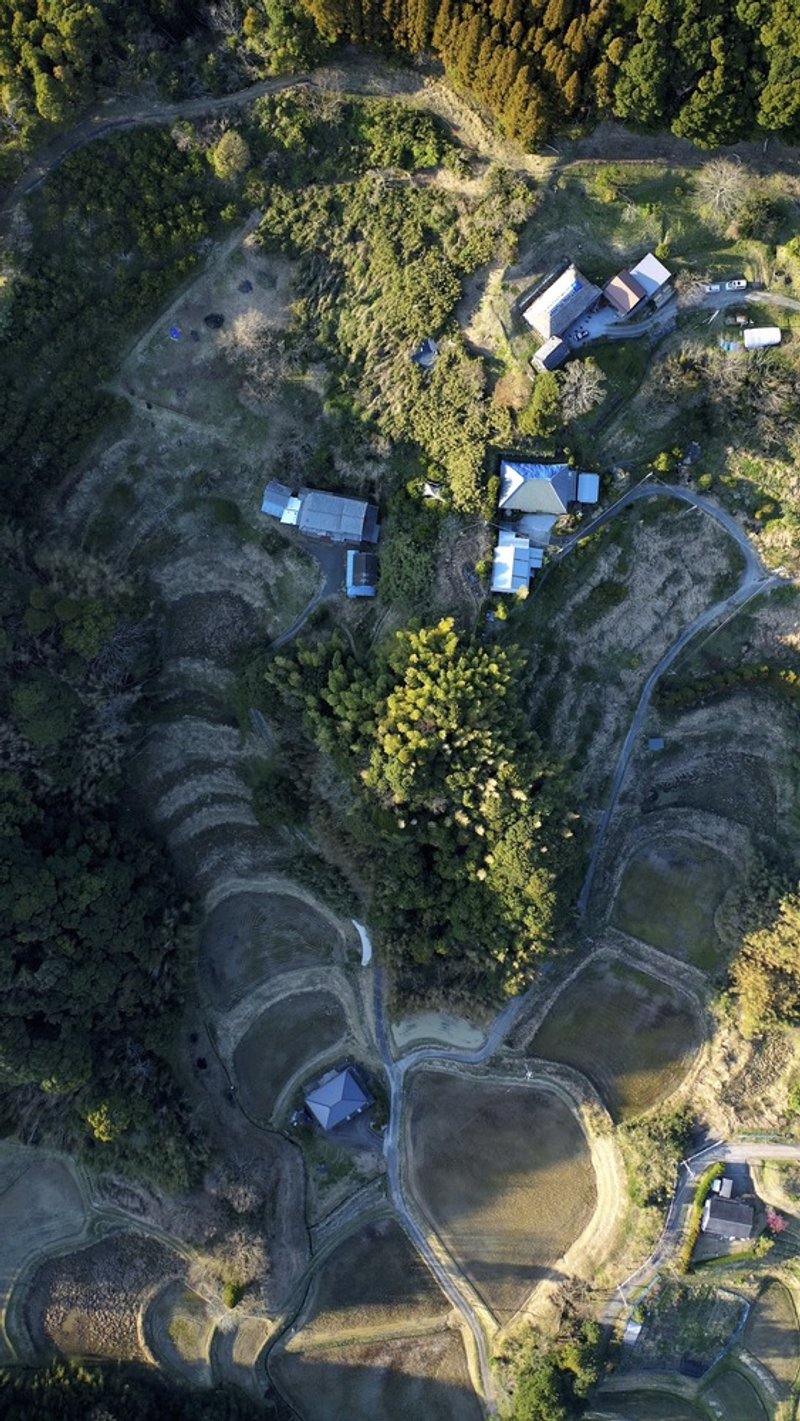
Kamanuma, a Satoyama village two hours from Tokyo, is characterized by a mix of mountain forests and farmlands. Known for its close ties to nature and sustainable land use, Satoyama communities carefully manage resources, contributing to ecosystem preservation. The aging population and challenges in maintaining these ecosystems have led to urban-rural initiatives that encourage community involvement in agriculture and land care. TEKITEKI-AN, part of this broader effort, was constructed without traditional infrastructure and acts as an extension of an existing home, “Yugitsuka,” serving as a welcoming space for community and urban visitors alike.
Unique Features of TEKITEKI-AN's Sustainable Architecture
1. Eco-Friendly Building Materials and Techniques
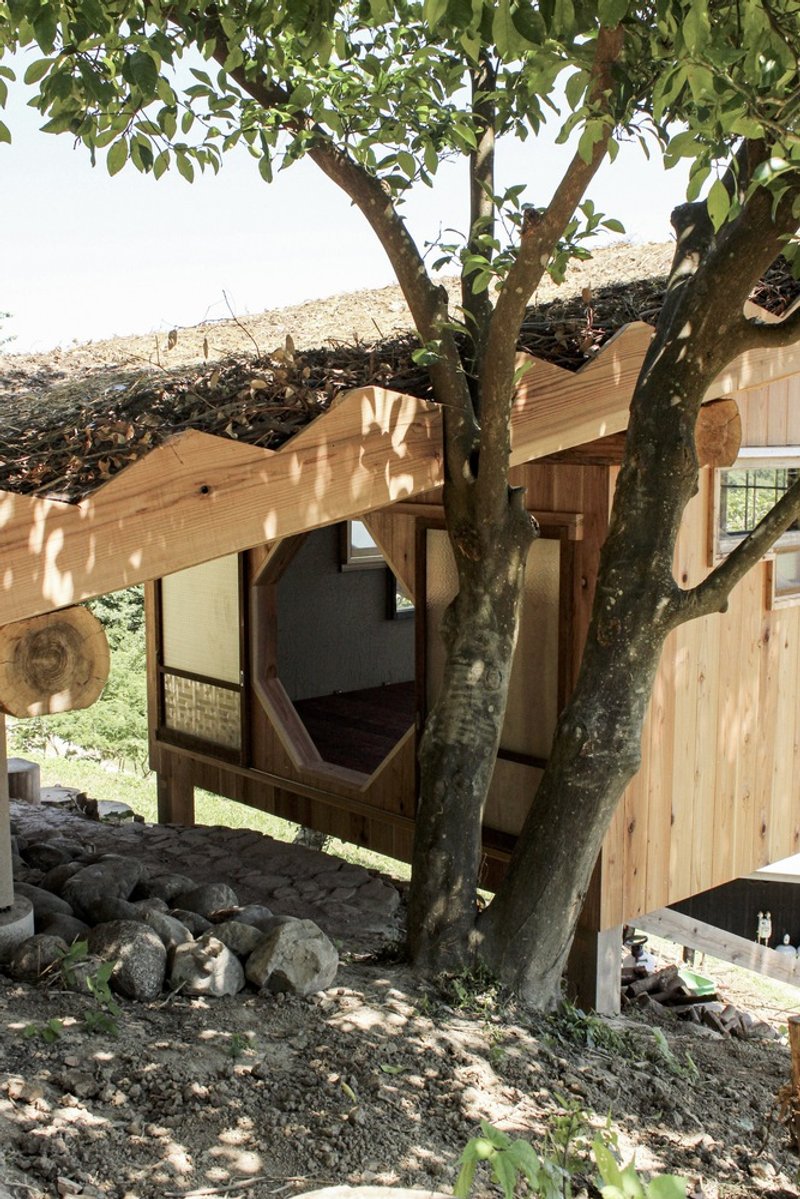
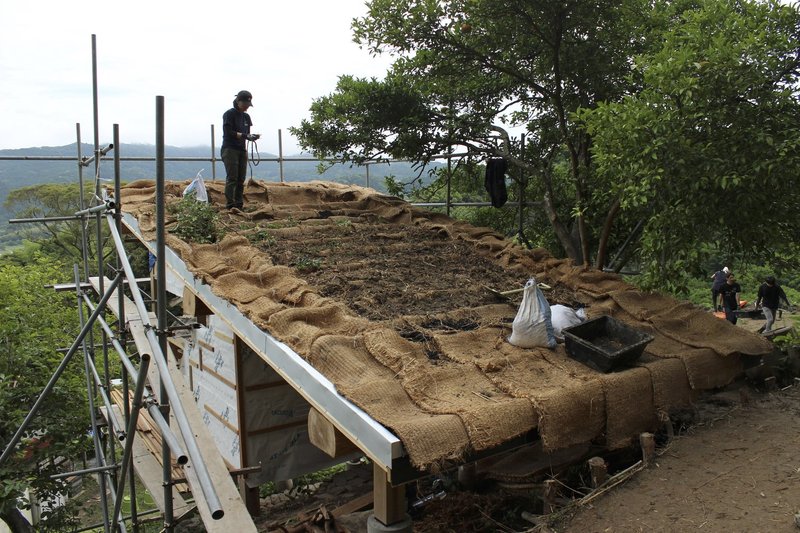
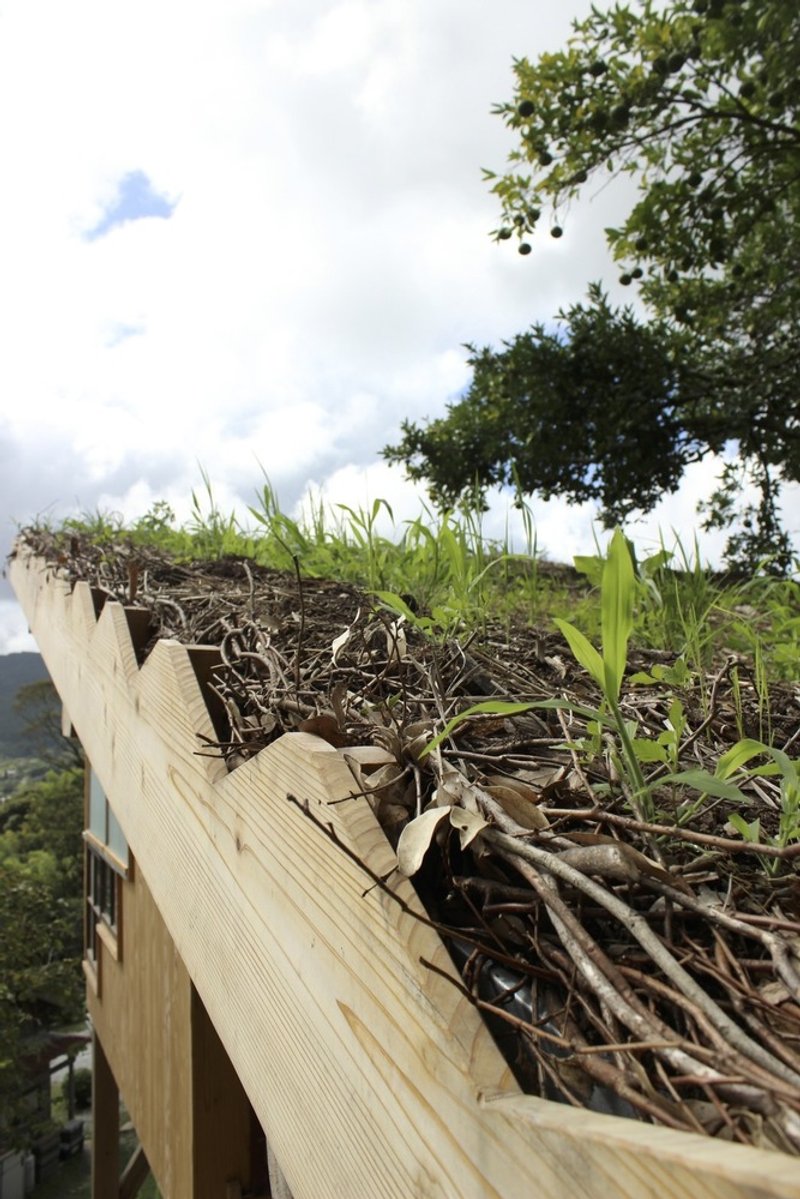
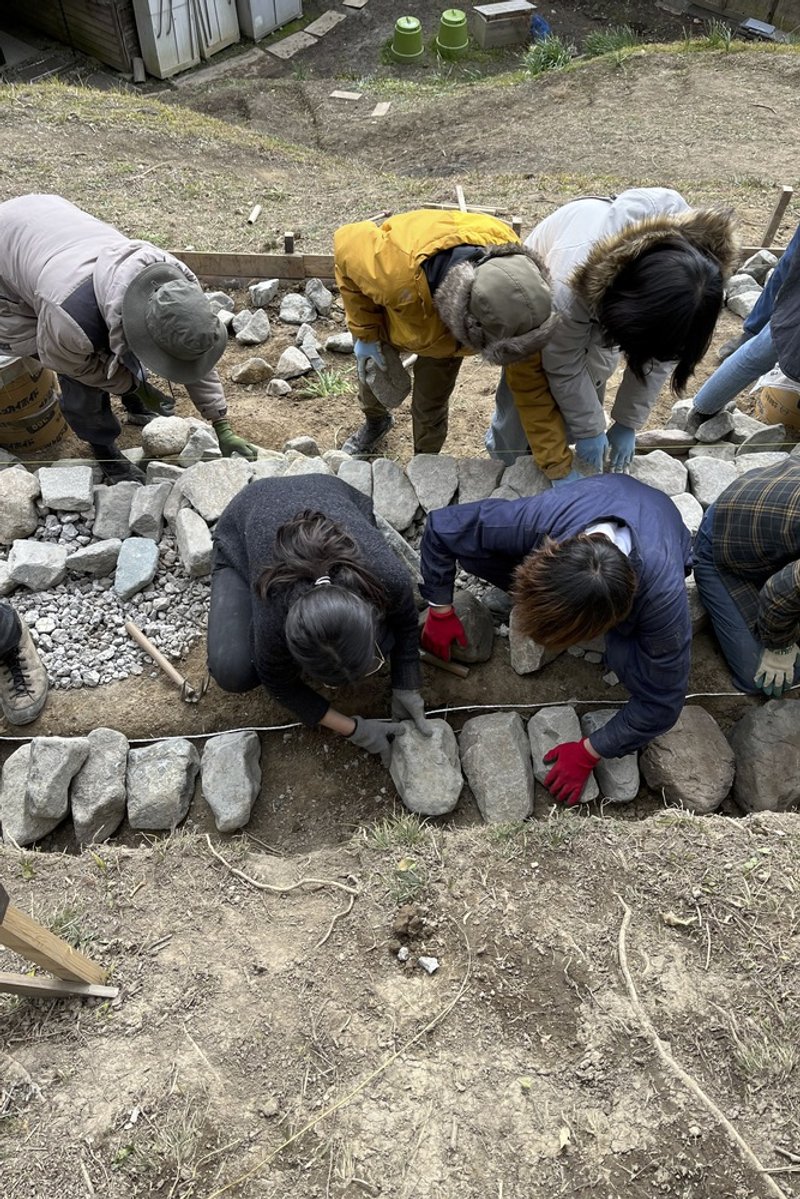
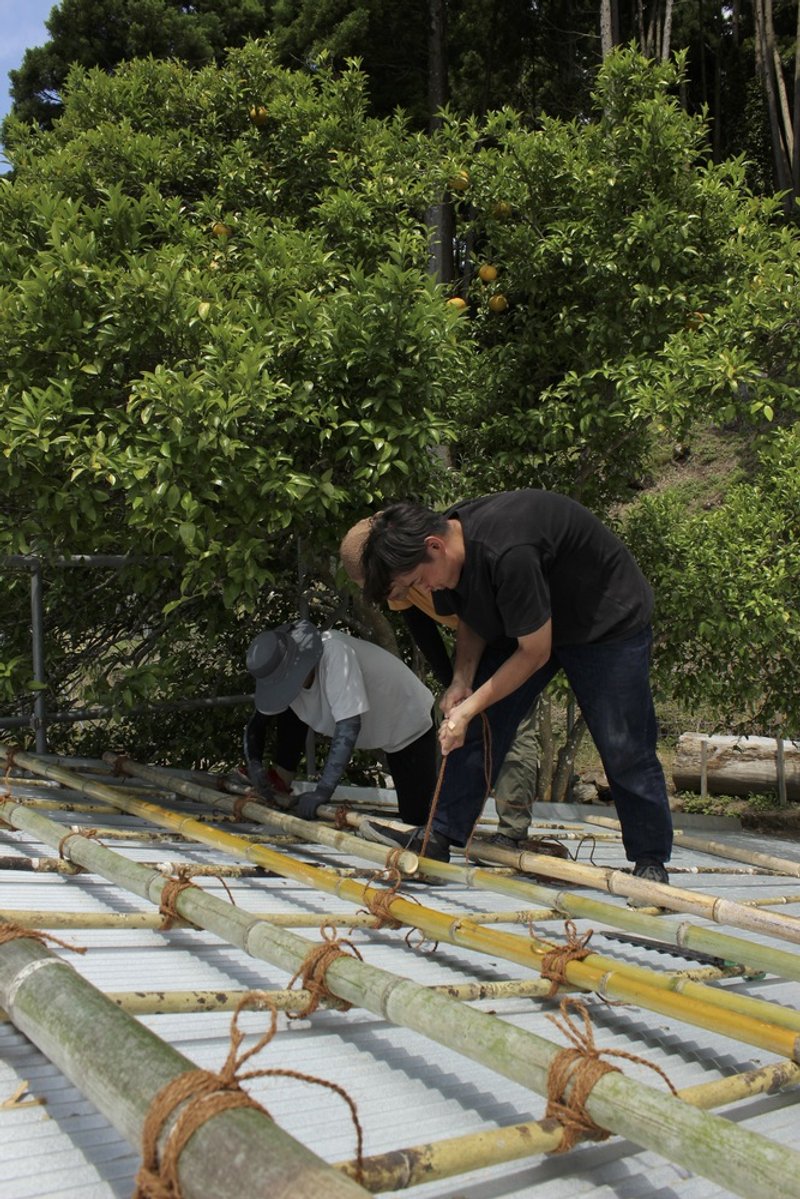
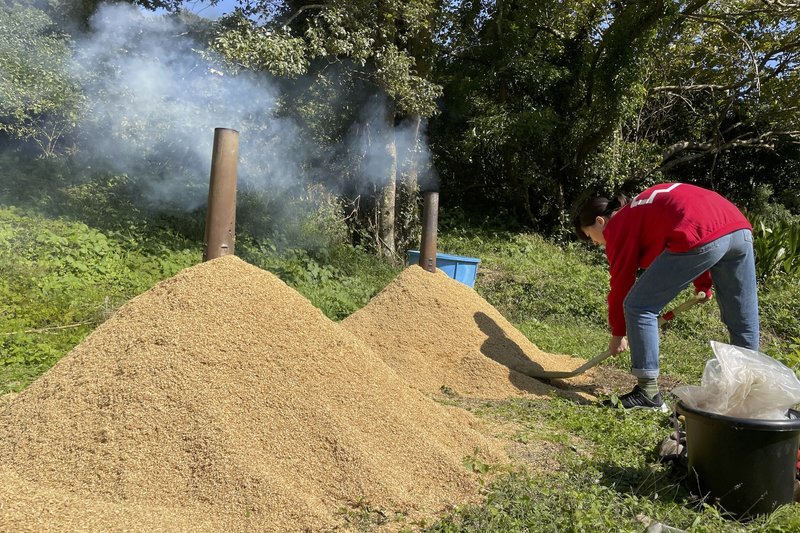
TEKITEKI-AN was built with the help of local residents, students from Tsukamoto Laboratory at Tokyo Institute of Technology, and local artisans. Constructed over six months without outsourcing, the project utilized sustainable, locally-sourced materials, including soil, bamboo, tree branches, and straw bags. Its green roof, composed of grasses from the surrounding environment, provides insulation and can be accessed for picking fruits or enjoying the view. Smoked rice husks, a common agricultural byproduct, were repurposed as insulation under the floor, adding to the house’s energy efficiency.
2. Reclaimed Windows: A Patchwork of Light and History
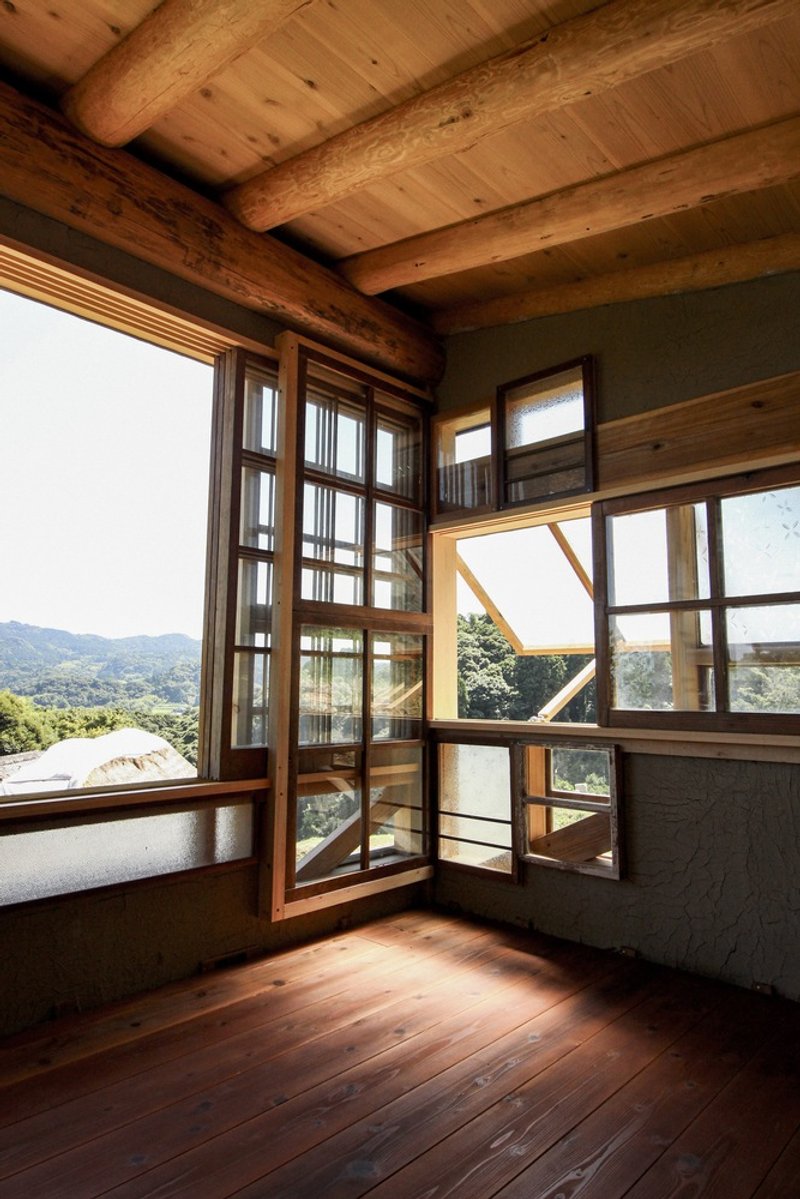
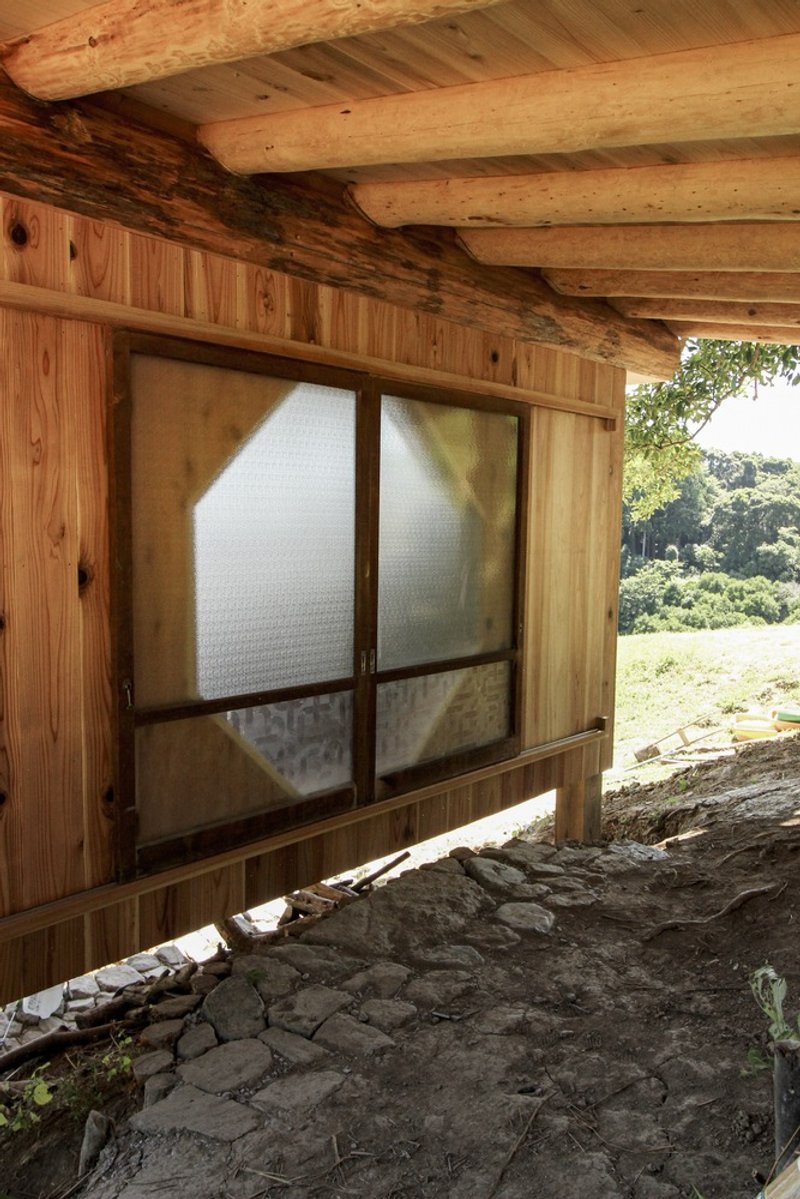
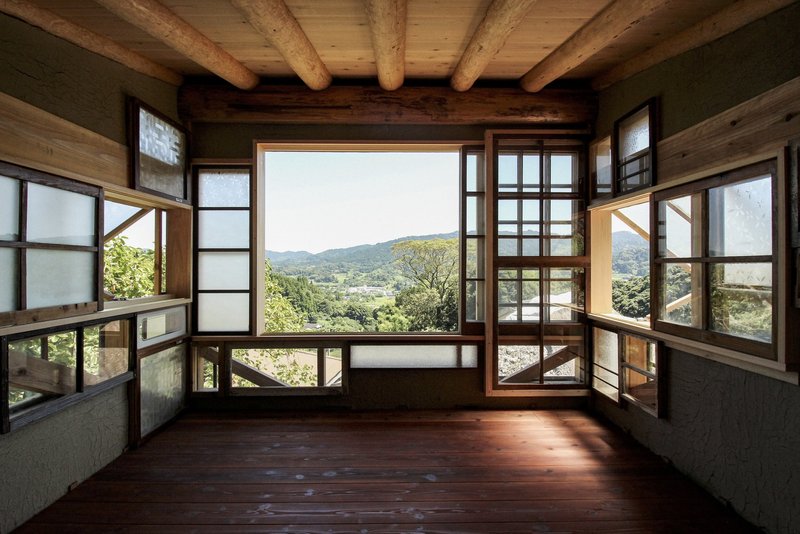
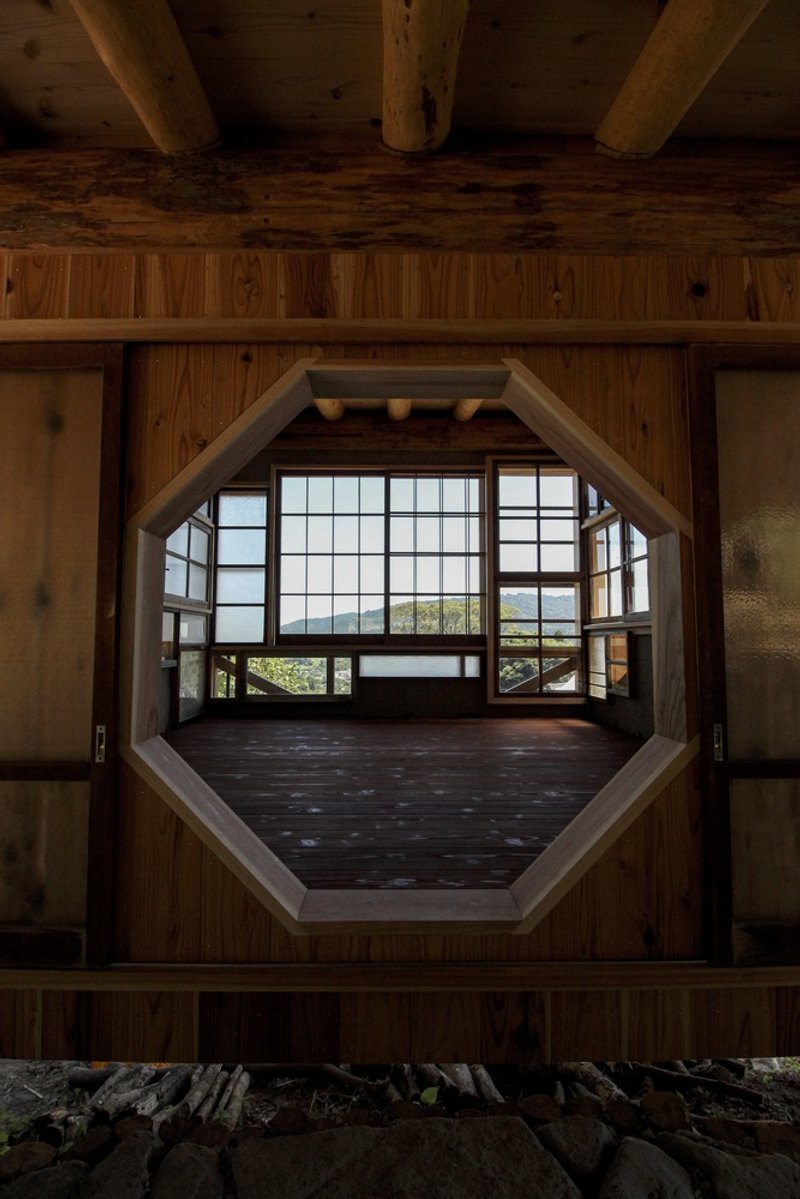
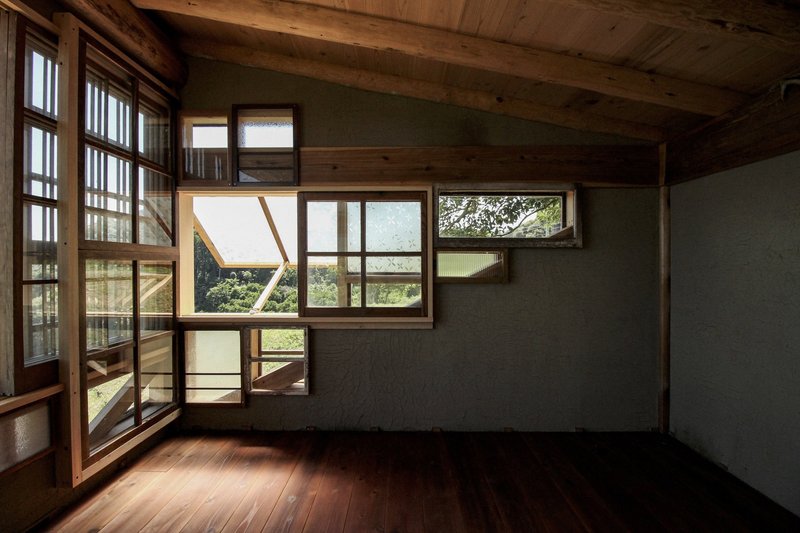
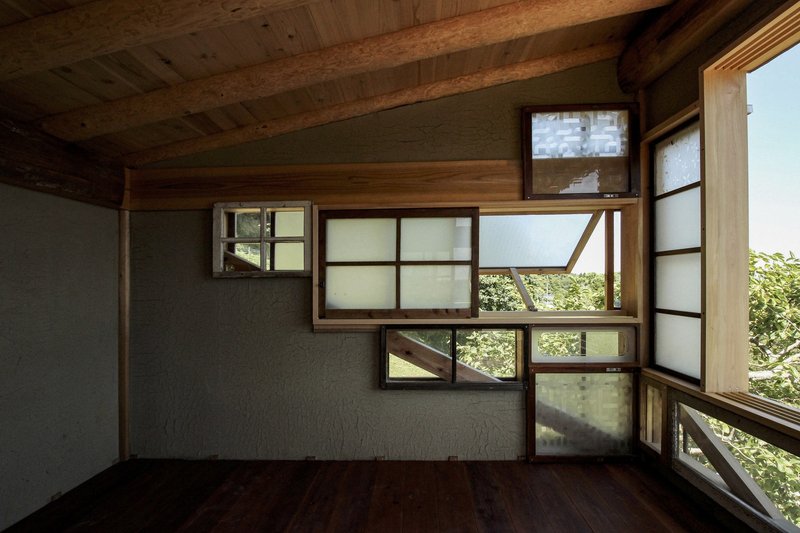
One of the most visually striking features of TEKITEKI-AN is its double-layered patchwork of reclaimed windows. These windows, salvaged from demolished homes in the area, were carefully chosen and installed, creating a tapestry of glass that allows natural light to flood the space. Each window tells its own story, bringing a sense of history and character into the home. This approach not only reduces waste but also highlights the studio's commitment to reusing materials, turning discarded items into integral design elements.
3. Minimalist 3m x 3m Layout for a Versatile Tiny Space
TEKITEKI-AN is designed with a minimalist 3m x 3m floor plan, reflecting the classic Hojo tea house layout. This versatile 9m² space offers a setting for relaxation, remote work, or small gatherings with an expansive view of the surrounding landscape. Although compact, TEKITEKI-AN connects with the broader Satoyama ecosystem, embodying a blend of Japanese minimalism and environmental integration.
Sustainable Tiny House Living: Benefits of TEKITEKI-AN's Design Approach
Environmentally Conscious, Community-Driven Construction
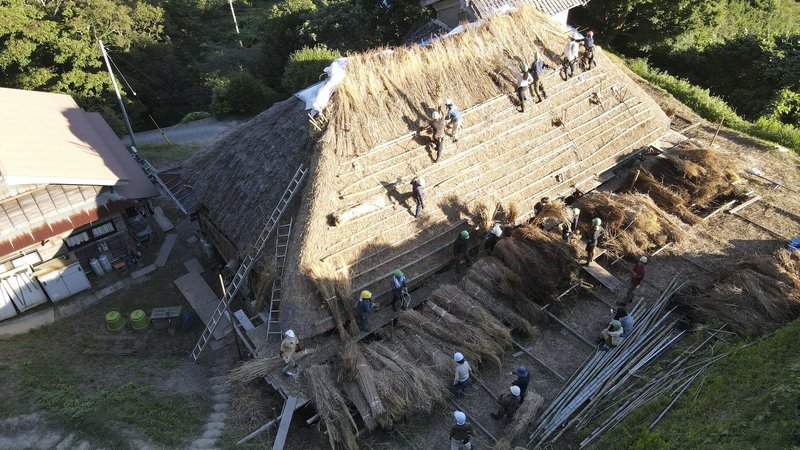
TEKITEKI-AN is more than just a tiny house—it’s a project rooted in collaboration and sustainability. The construction process provided a unique opportunity for local community members, university students, and traditional artisans to work together, drawing on local knowledge and sustainable building techniques. Every step in the design process, from material sourcing to construction, was guided by eco-conscious practices that reduced the need for industrial materials and minimized waste.
Promoting a Connection with Nature and Community
TEKITEKI-AN’s design and location encourage visitors to reconnect with nature and local culture. As a space for both solitude and community, it supports the ongoing mission to revitalize Kamanuma village by fostering urban-rural exchange. Through this tiny house, urban residents can experience the values of Satoyama—sustainable resource management, biodiversity, and community collaboration. Visitors not only enjoy a unique accommodation experience but also contribute to preserving the village’s environment and heritage.
The Legacy of TEKITEKI-AN: A Model for Sustainable Tiny House Design
TEKITEKI-AN demonstrates how tiny houses can serve as sustainable, multifunctional spaces that benefit both individuals and communities. This project challenges the boundaries of tiny house architecture by integrating the local culture, environment, and community into every element of its design. By drawing on reclaimed materials, promoting low-impact building methods, and fostering a connection with nature, TEKITEKI-AN stands as a powerful example of sustainable tiny house design in Japan.
Final Thoughts on the Future of Tiny House Architecture
As the demand for eco-friendly living spaces grows, TEKITEKI-AN offers an inspiring model for sustainable architecture. It reminds us that with careful planning, respect for tradition, and resource-conscious design, we can create homes that serve both human needs and the natural world. The success of this tiny house in Kamanuma illustrates the potential for future tiny house designs to harmonize with their surroundings, ensuring that modern architecture can coexist with the planet’s ecosystems.
All photographs are work of Ryo Oyama, Tsukamoto Laboratory




Popular Articles
Popular articles from the community

RDTH architekti Rips Out Nearly Every Wall in a Prague Apartment and Replaces Them with Furniture
A 101-square-meter post-war flat in Prague trades rigid partitions for a single rotated furniture block, curtains, and glass concrete.
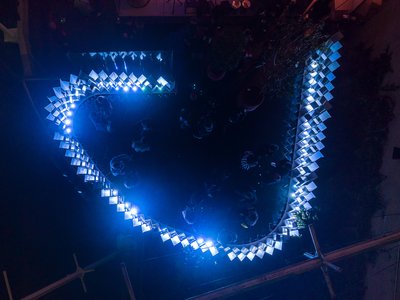
Rojkind Arquitectos and Think Parametric Build a Glueless Pavilion from 67 Interlocking Panels
A serpentine fiber-cement installation in Chapultepec Park celebrates a decade of architectural media in Mexico City.
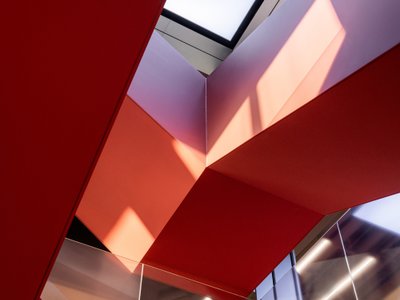
Ippolito Fleitz Group Identity Architects Turn Eight Floors in Shanghai into a Vertical Creative City
Publicis Groupe's new headquarters in Xintiandi reimagines the office as a courtyard-driven urban landscape stacked across eight floors.
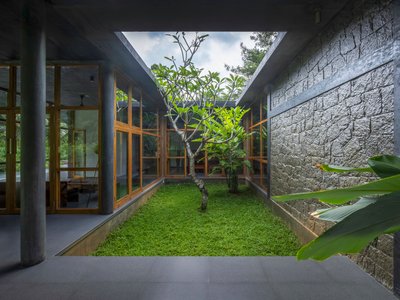
3dor Concepts Wraps a Kerala Home in Mirrored Concrete Arcs Around a Courtyard Tree
In the Western Ghats foothills of Thamarassery, a 270 m² single-story house uses two curved volumes to frame nature as its center.


Similar Reads
You might also enjoy these articles

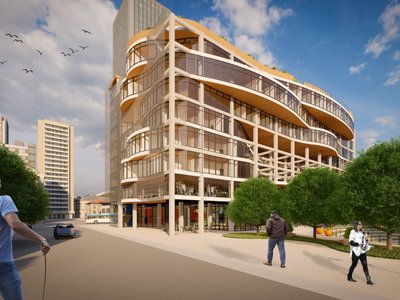
Olio Towers: A Mid-Rise for Performers That Fuses Housing, Rehearsal, and Stage
Located blocks from Houston's Theater District, this modular tower stacks living units around a central performance atrium.
Oasis: Modular Green Housing Carved into Dhaka's Urban Fabric
A shortlisted Plugin Housing entry reclaims unauthorized settlements in Dhaka with stepped concrete volumes, green roofs, and ventilation-driven design.

Black Hole: A Floating Megastructure for the Post-Physical Era
Emiliano Mazzarotto envisions a spherical, self-scaling arena where e-sports, digital hotels, and holographic stadiums replace traditional public space.
Compact & Sustainable Living in Piraeus: A Four-Level Family Home Built Around Light and Air
A narrow townhouse in one of Greece's densest port cities uses a central atrium and passive strategies to house three generations under one roof.


Explore Housing Competitions
Discover active competitions in this discipline




The International Standard for Design Portfolios


The Global Benchmark for Architecture Dissertation Awards


The Global Benchmark for Graduation Excellence


Challenge to reimagine the Iron Throne
Comments (0)
Please login or sign up to add comments
No comments yet. Be the first to comment!