

Taller Atemporal by Quinta Fachada | Arquitectura Consciente: A Minimalist, Sustainable, and Context-Responsive Workshop in Ibarra, Ecuador
A compact, sustainable 18 m² workspace blending wood, light, and landscape to create a flexible, minimalist, and environmentally conscious architectural studio.


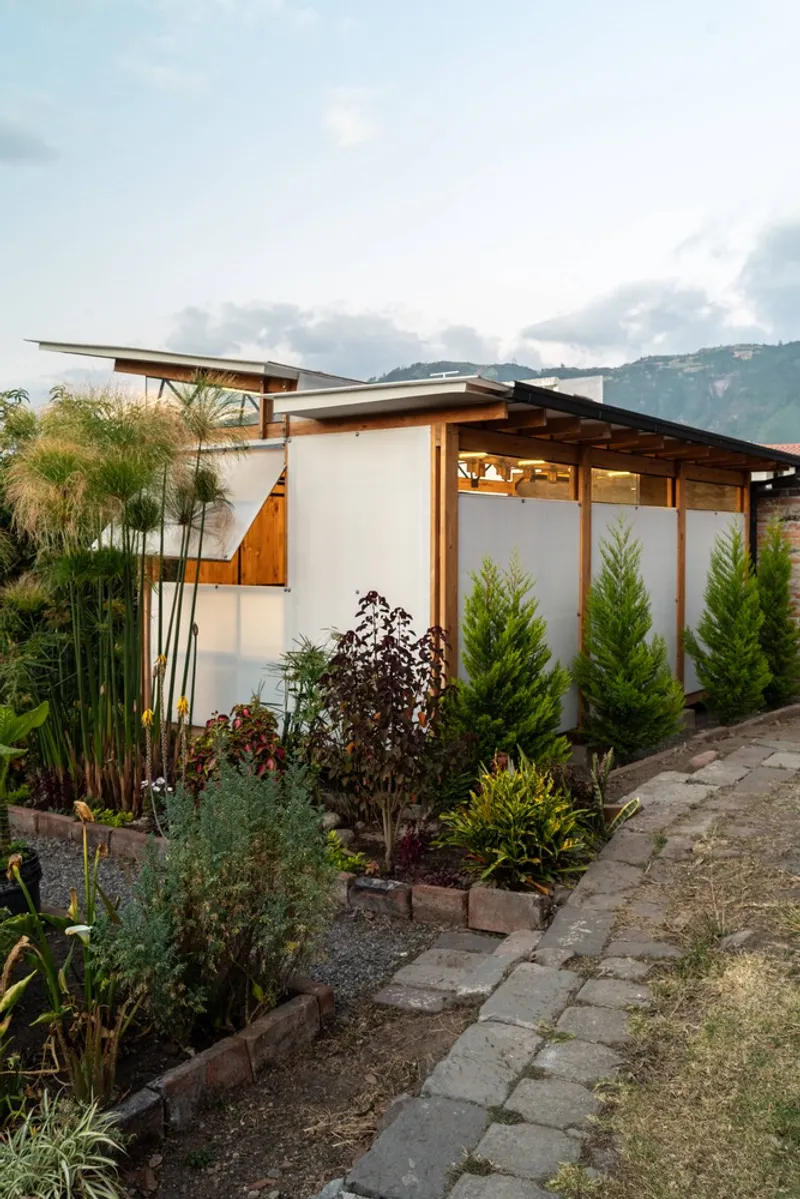
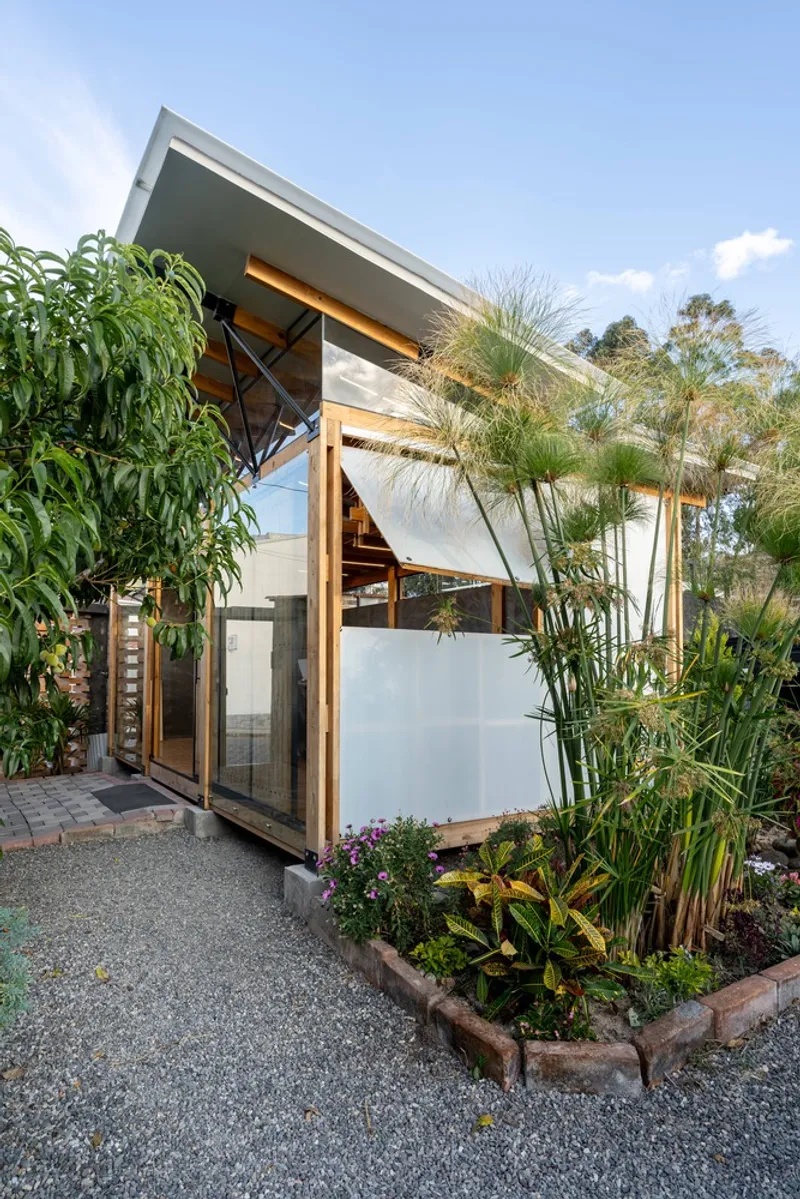
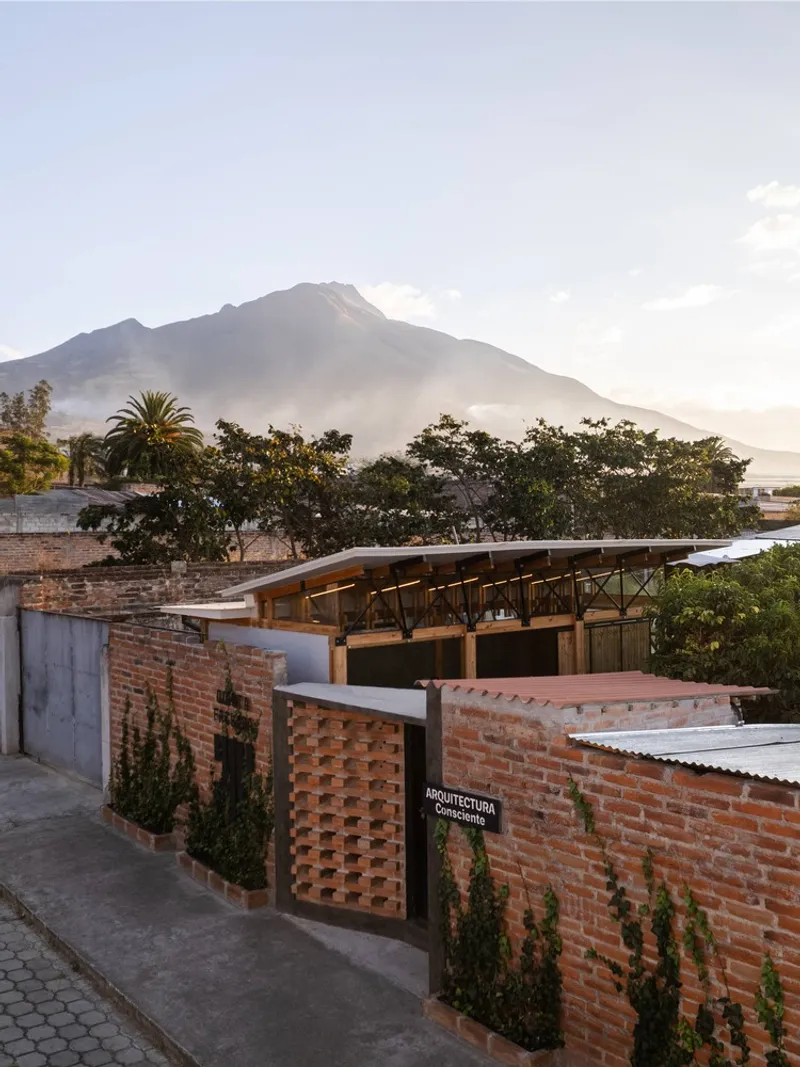
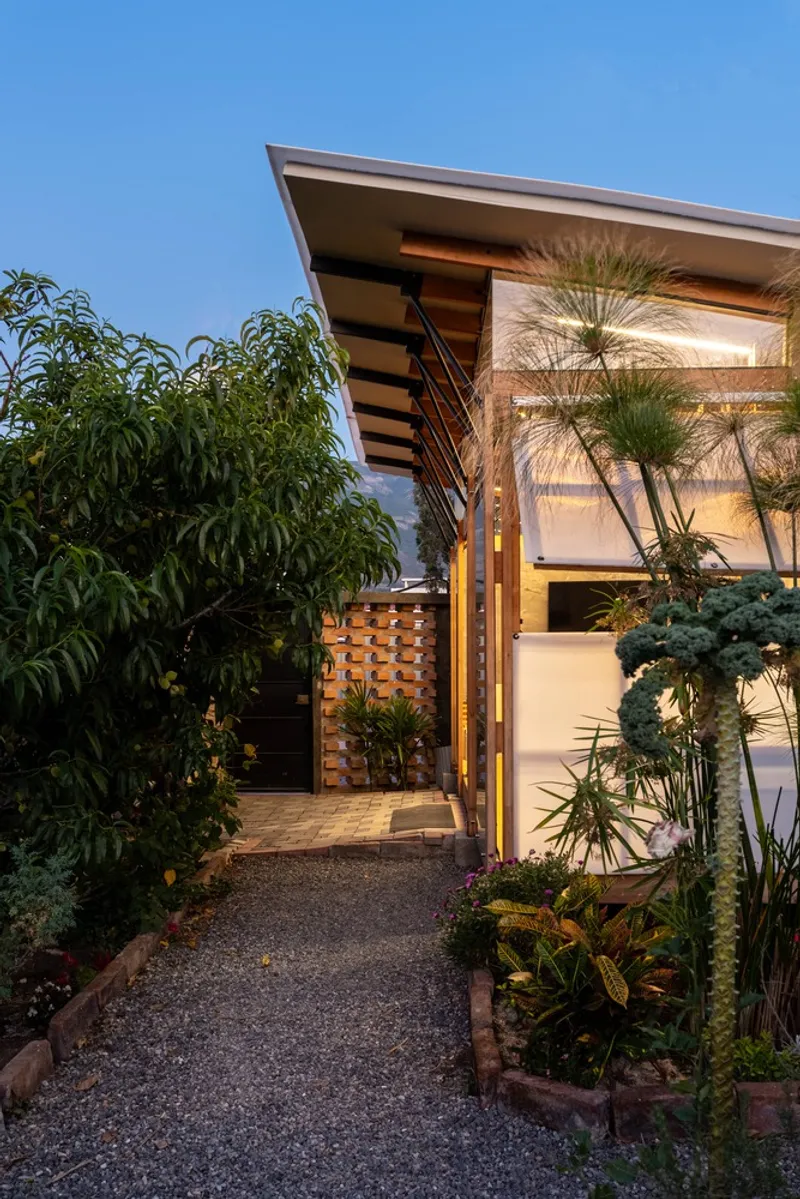
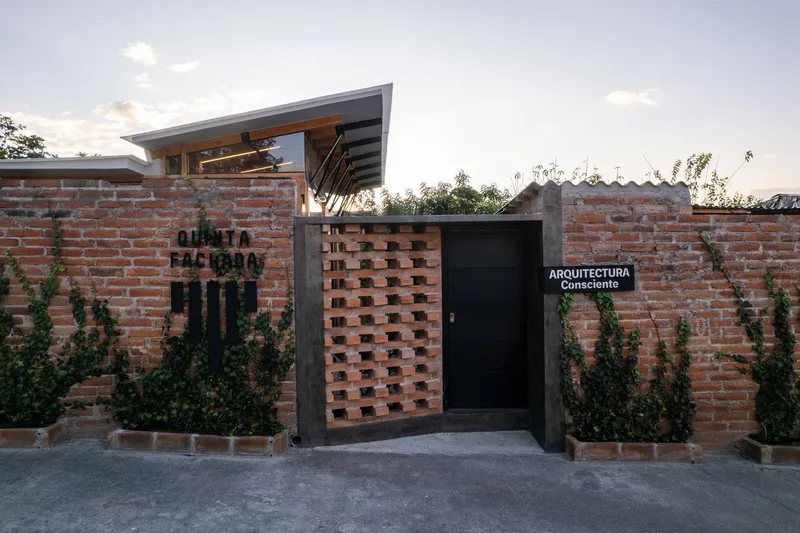
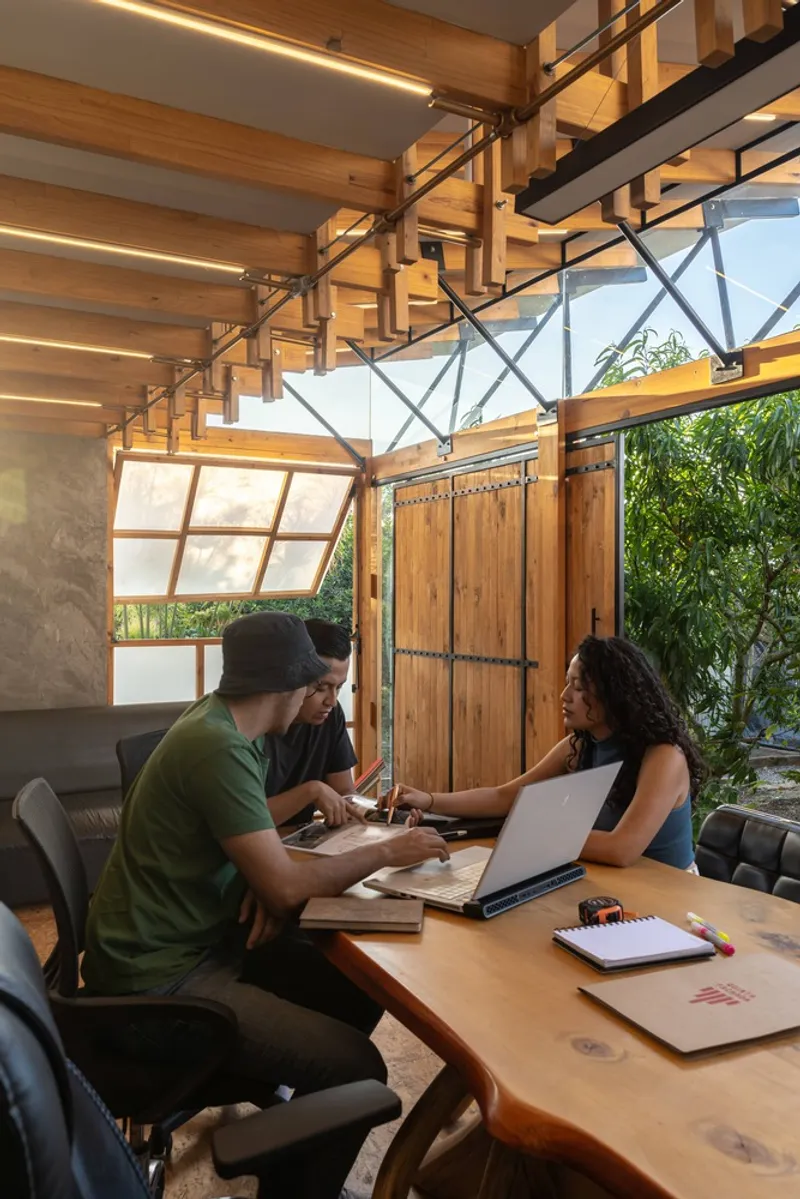
Taller Atemporal, designed by Quinta Fachada | Arquitectura Consciente, is a compact yet highly versatile 18 m² architectural intervention in Ibarra, Ecuador. Completed in 2023, this project redefines how small-scale architecture can engage with its surroundings through sustainable materials, adaptive spatial design, and a strong dialogue with nature. Far from being an isolated object, the workshop is conceived as an extension of its landscape—integrated, responsive, and environmentally conscious.
A Flexible Workspace Rooted in Context
The project emerges as a conscious response to contemporary urban complexities, particularly in residential neighborhoods where architectural additions must respect local identity. Taller Atemporal serves multiple functions within its compact footprint:
- coworking space
- showroom
- project workshop
- the architects’ own office
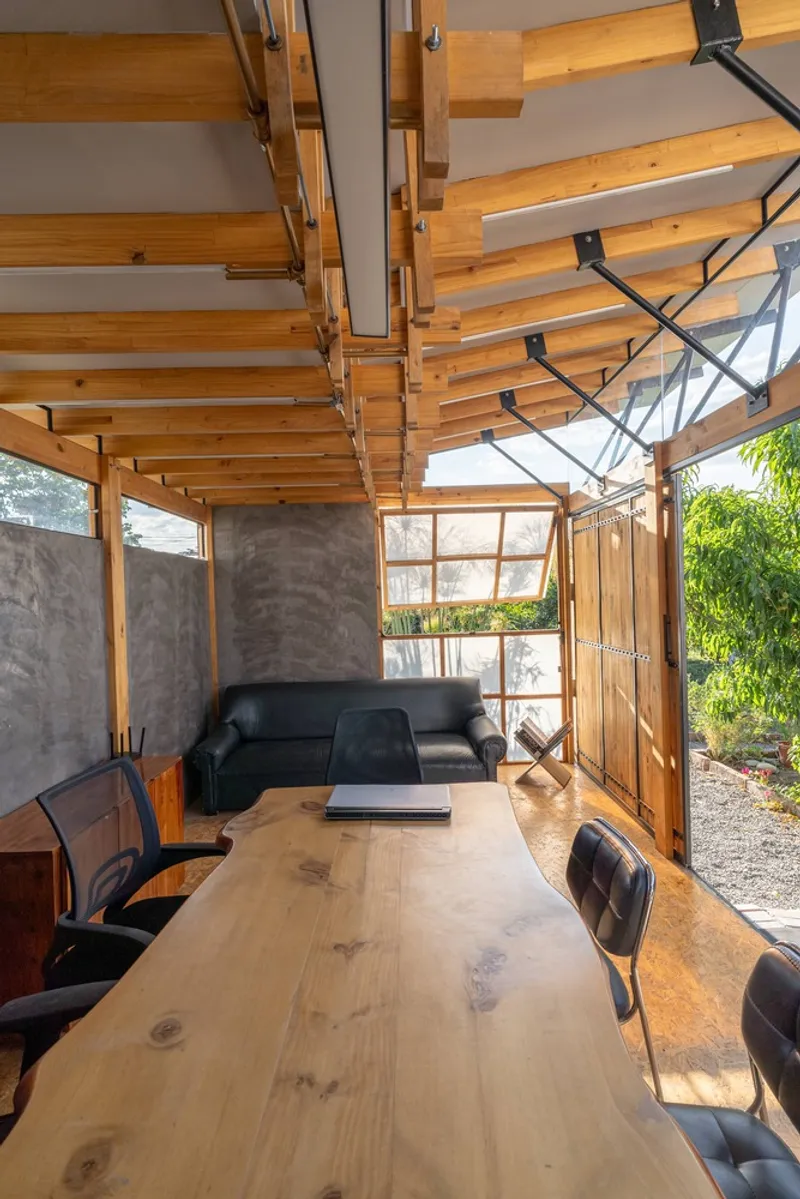
Its spatial versatility allows these uses to coexist without physical reconfiguration, underscoring a design philosophy based on adaptability, minimal intervention, and efficient resource use.
Through its clean lines, reduced material palette, and emphasis on natural light, the space fosters a human-centered experience, encouraging a closer connection with the surrounding natural environment and reducing its ecological footprint through both construction and long-term operation.
Design Concept: The Roof as a Spatial Anchor
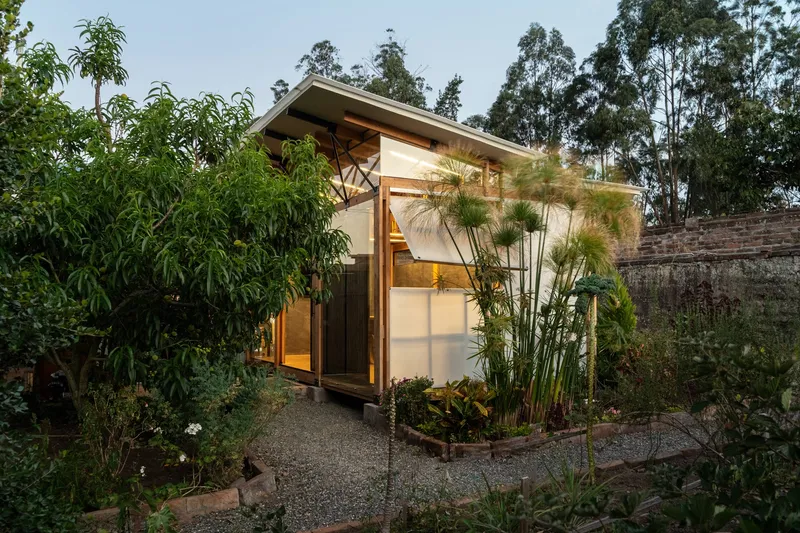
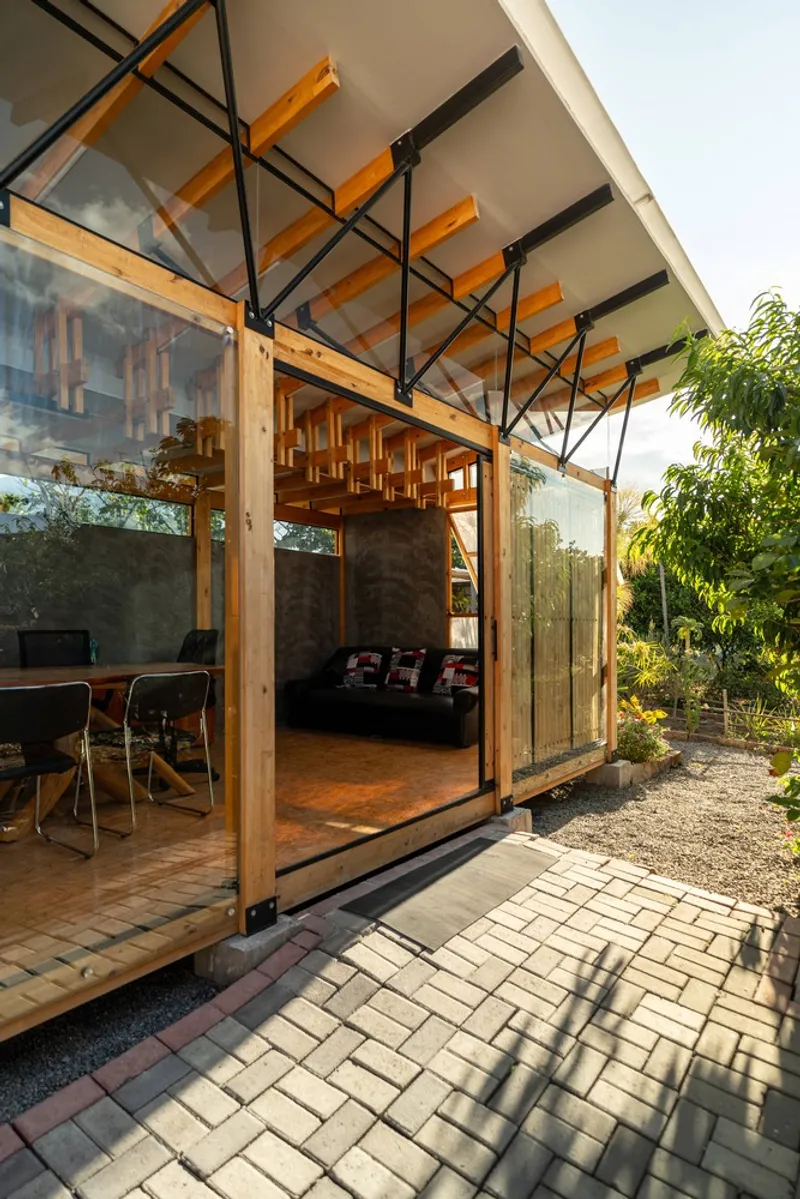
At the core of Taller Atemporal’s architectural identity is its single open-space layout, where the roof becomes the principal structural and symbolic element. By elevating the roof to a defining design feature, the architects free the interior floor plan and craft a light-filled environment that changes throughout the day.
Natural light becomes the project’s primary design tool, shaping the interior atmosphere and strengthening the visual and spatial relationship between the workshop and the outdoor landscape. This interplay blurs the boundaries between interior and exterior, aligning with the architects’ vision of architecture as a continuation of nature.
Sustainable Construction With a Minimalist Approach
The project employs a strategic combination of ecological materials that balance performance, warmth, and environmental responsibility. Central to the structure is laminated wood, chosen for its:
- low carbon footprint
- warmth and natural aesthetic
- durability and energy efficiency
- prefabrication advantages that reduce construction time and costs
Sourced from certified responsibly managed forests, the laminated wood expresses the firm’s commitment to building with social and environmental awareness.
High-Performance Facade Materials
To enhance thermal and acoustic comfort, the facades incorporate:
- Polycarbonate panels that introduce diffused natural light
- Biomaterial insulation made from rice straw for improved sustainability and efficiency
Inside, OSB panels coated with microcement provide a durable, maintenance-friendly finish that complements the minimalist aesthetic. A full-height tempered glass facade frames the surrounding landscape, offering uninterrupted views and reinforcing the project’s intention to merge indoor and outdoor environments.
Climate-Responsive and Resource-Efficient
The design optimizes its orientation to harness natural solar gain, reducing mechanical energy demands and improving year-round comfort. Every material and design decision reflects a broader philosophy of resource optimization, local climatic responsiveness, and conscious construction.
Taller Atemporal embodies architecture that is both a creator of built environments and a reflection of urban and ecological complexities, seamlessly integrating into its context without disturbing the existing balance.
Taller Atemporal stands as a model for small-scale, sustainable architecture—a space where adaptability, material honesty, and environmental sensitivity come together in just 18 m². By merging architectural expression with natural context, it demonstrates how thoughtful design can create meaningful connections between living space, landscape, and urban identity.
All photographs are works of Alex Santander


Popular Articles
Popular articles from the community


Opera on the Sea: Driftwood Logic Shapes a Timber Opera House on Estonia's Coast
Trevor Orgill's opera house translates the entangled drift of floating timber into a civic building where wood, water, and music converge.


ETEH Reworks the Shared Spaces of São Domingos School in Brazil Around Timber, Color and Hanging Plants
At São Domingos School in Brazil, 436 m² of hall, refectory and library are recast with timber joinery, a yellow and blue code and trailing greenery.

Cube Design Draws an Ecological Corridor Between Two Shenzhen Hills with the Nankai Building
Beside Shenzhen's container docks, the Nankai Building pairs stacked balconies with a climbing green screen to connect two hillsides across its height.

graciastudio Turns a Viewless Tijuana Lot Inward Around a Courtyard of Concrete, Timber and Trees
In Tijuana, Jorge Gracia's GA2 House stacks a timber-clad private floor over exposed concrete and replaces a missing view with a planted interior patio.

Similar Reads
You might also enjoy these articles


Hodi-Mandai Geram
Project Function: Preservation and revitalization of the Intangible heritage and socio-spatial identity of the Hodi by Housing, Cultural Memory Center, Sacred Grove, landscape, local tourism economy


Olio Towers: A Mid-Rise for Performers That Fuses Housing, Rehearsal, and Stage
Located blocks from Houston's Theater District, this modular tower stacks living units around a central performance atrium.

Oasis: Modular Green Housing Carved into Dhaka's Urban Fabric
A shortlisted Plugin Housing entry reclaims unauthorized settlements in Dhaka with stepped concrete volumes, green roofs, and ventilation-driven design.

Black Hole: A Floating Megastructure for the Post-Physical Era
Emiliano Mazzarotto envisions a spherical, self-scaling arena where e-sports, digital hotels, and holographic stadiums replace traditional public space.

Explore Taller 5 Centro De Diseño Competitions
Discover active competitions in this discipline

Challenge to reimagine the Iron Throne

Photograph architecture without architects

Illustrate the lost glory of Angkor Wat - Render Challenge

Design challenge to reuse E-waste
Comments (0)
Please login or sign up to add comments
No comments yet. Be the first to comment!