
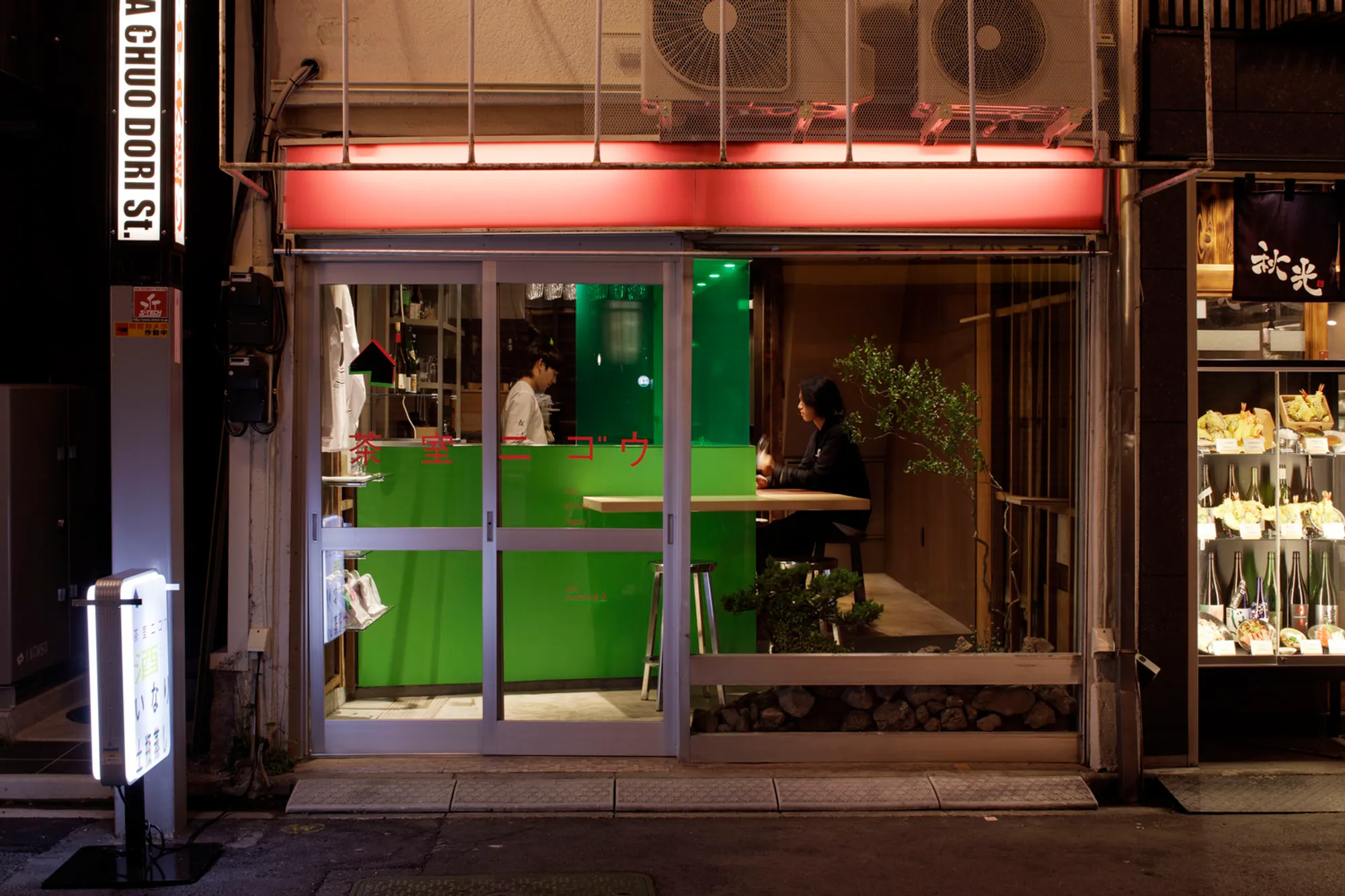
Tearoom Nigo by G Architects Studio: A Harmonious Blend of Tradition and Modern Expression
Tearoom Nigo blends traditional Japanese architecture with modern design, transforming a historic Tokyo building into a symbolic, immersive teahouse.


A Symbiosis of Past and Present in Tokyo’s Asakusa District
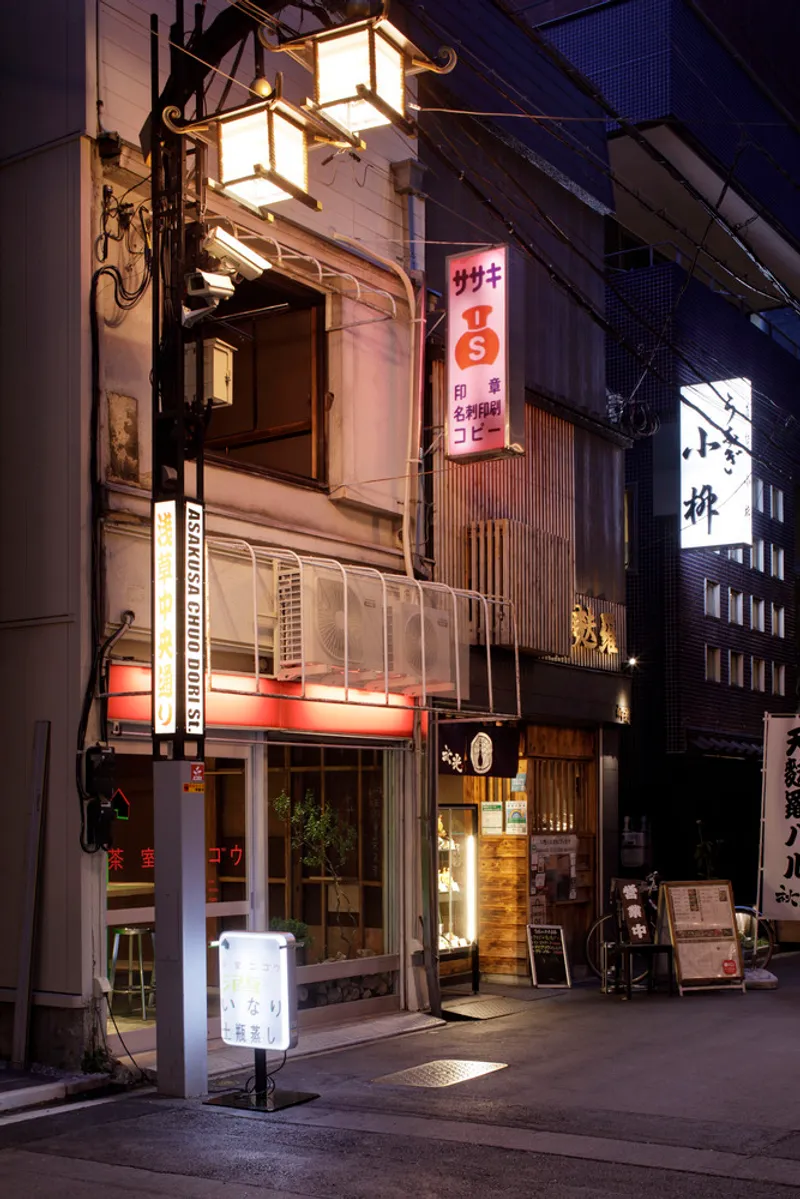
Located in the historic heart of Asakusa, Tokyo—a vibrant neighborhood known for the iconic 1,400-year-old Sensō-ji Temple—Tearoom Nigo by G architects studio transforms a 70-year-old former stamp shop into a modern tea room and restaurant with a layered cultural narrative. The project lies just off a bustling tourist street and was carefully inserted into a narrow alley, embracing the architectural legacy of the wooden two-story structure while injecting it with a minimalist, symbolic design language that reflects both tradition and contemporary design aesthetics.
Preserving Memory, Introducing Identity
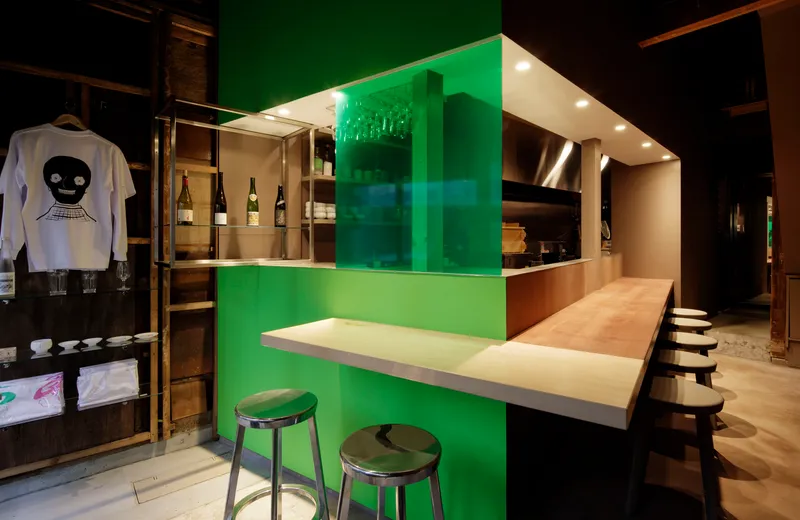
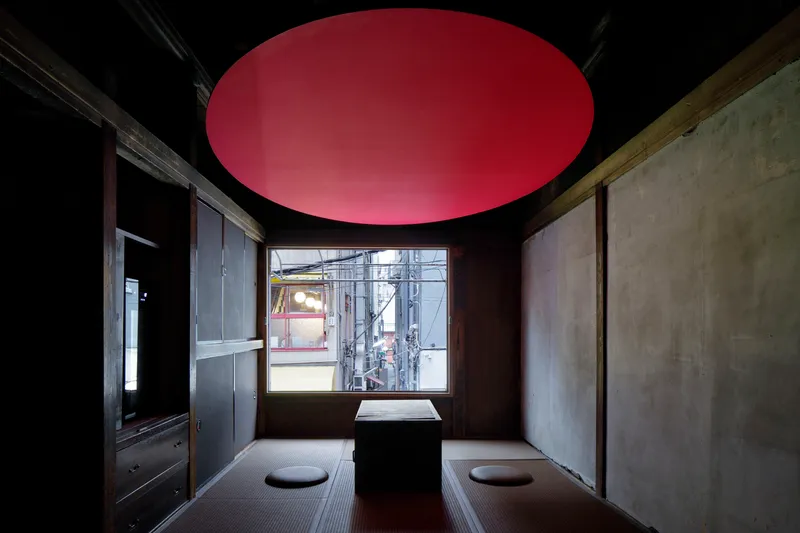
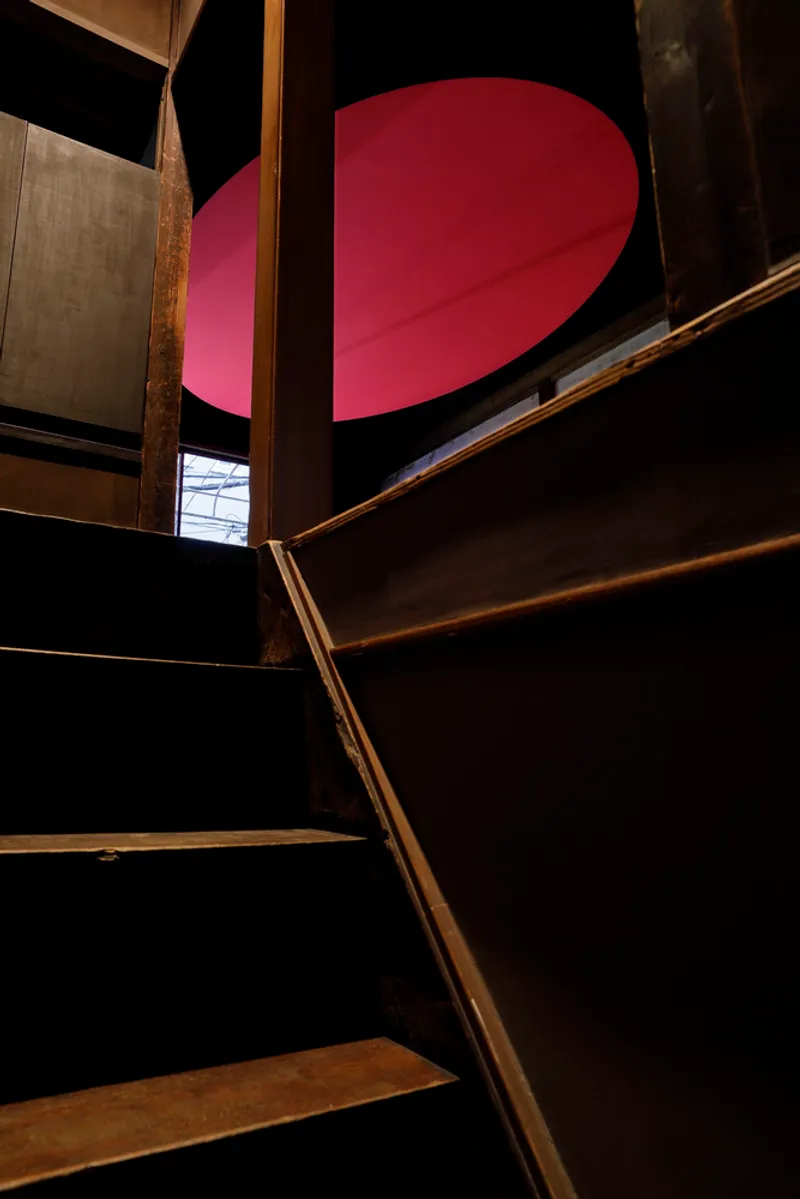
Rather than replacing the aging building, the architects chose to retain and reinterpret its existing structure, preserving the architectural memory of the area. The project introduces two strong geometric insertions: vibrant green walls on the ground level and a pink ellipsoid ceiling feature on the first floor. These elements are not only visual highlights but also functional components that address structural needs and evoke cultural connotations, blending the old-world charm of Japanese architecture with modern-day interpretations.
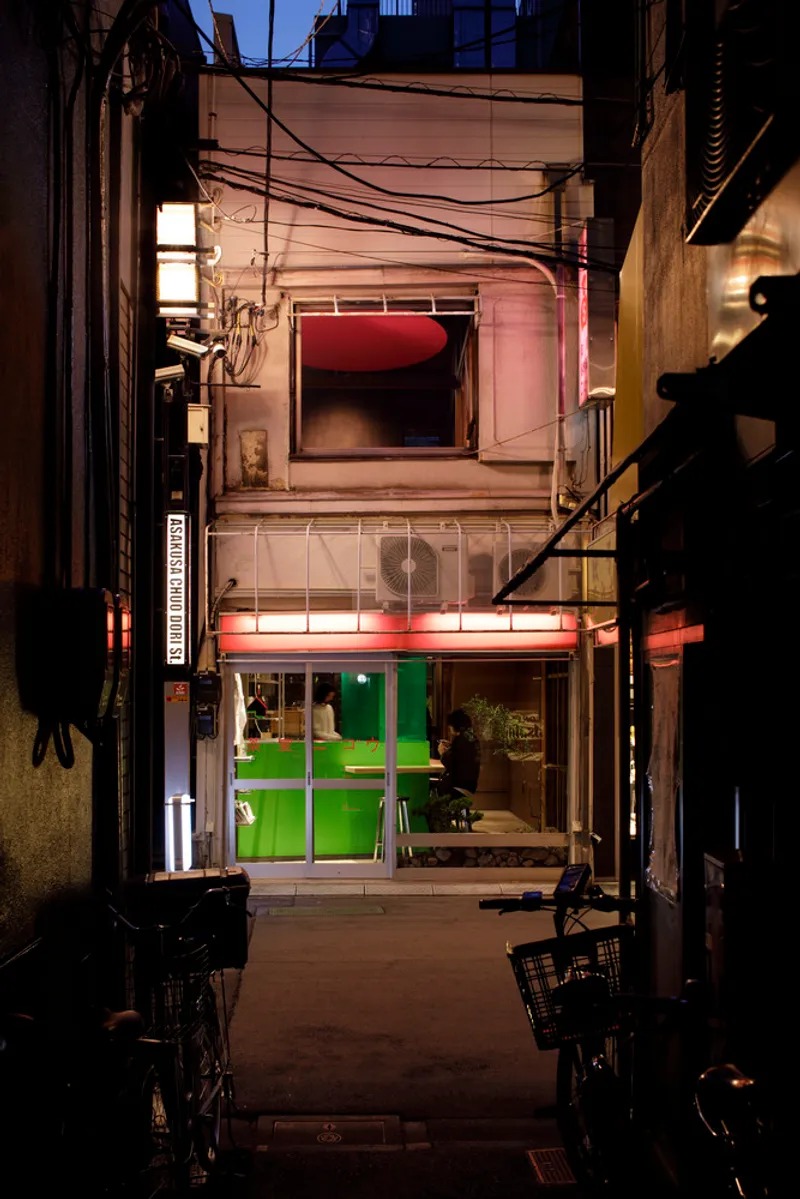
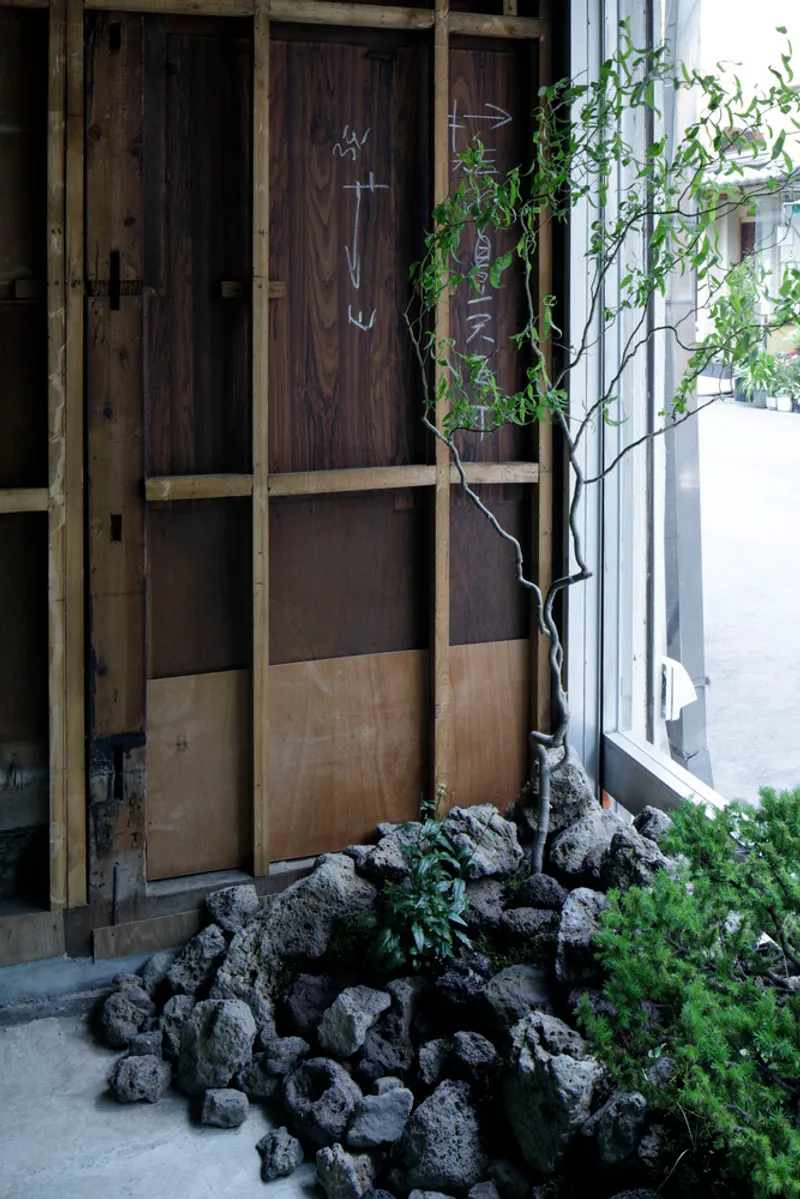
The green walls double as bearing structures, installed after the adjacent building was demolished, offering both support and symbolic reference to lush Japanese gardens. Their presence immediately draws attention from passersby, transforming the once-unassuming facade into a dynamic architectural statement.
A New Take on the Traditional Tearoom
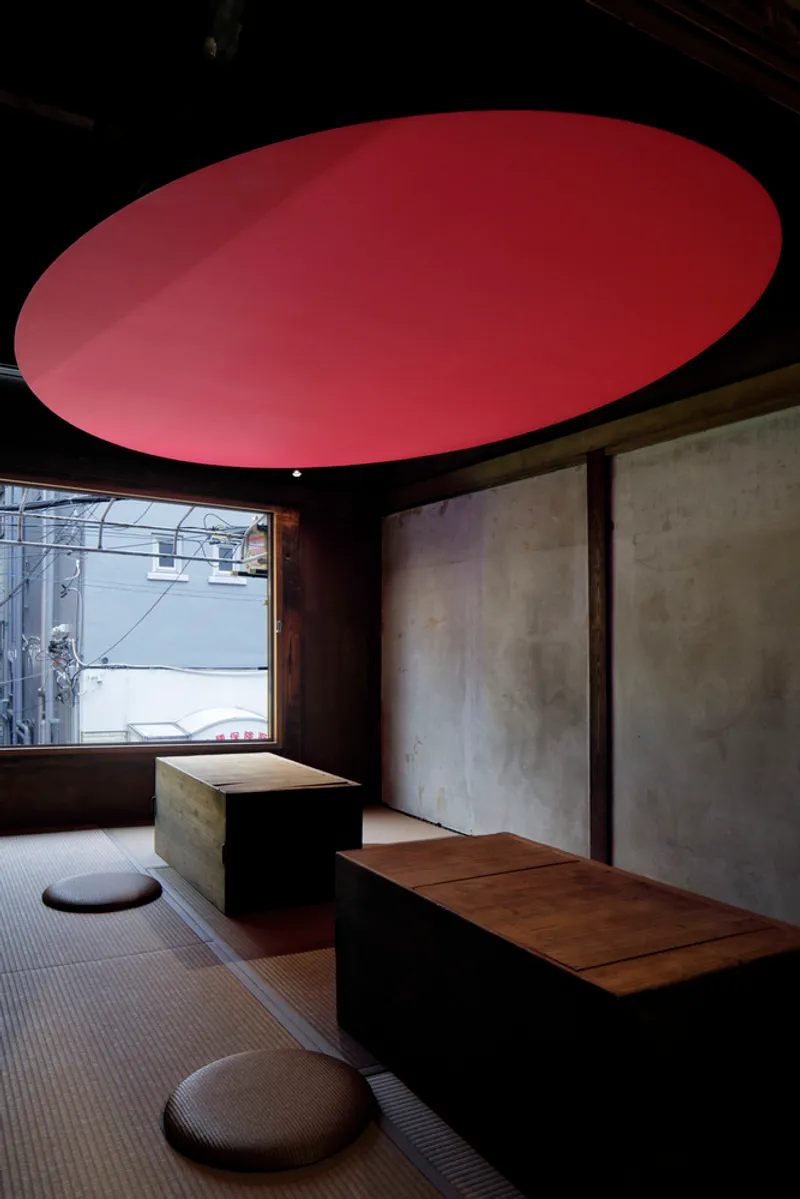
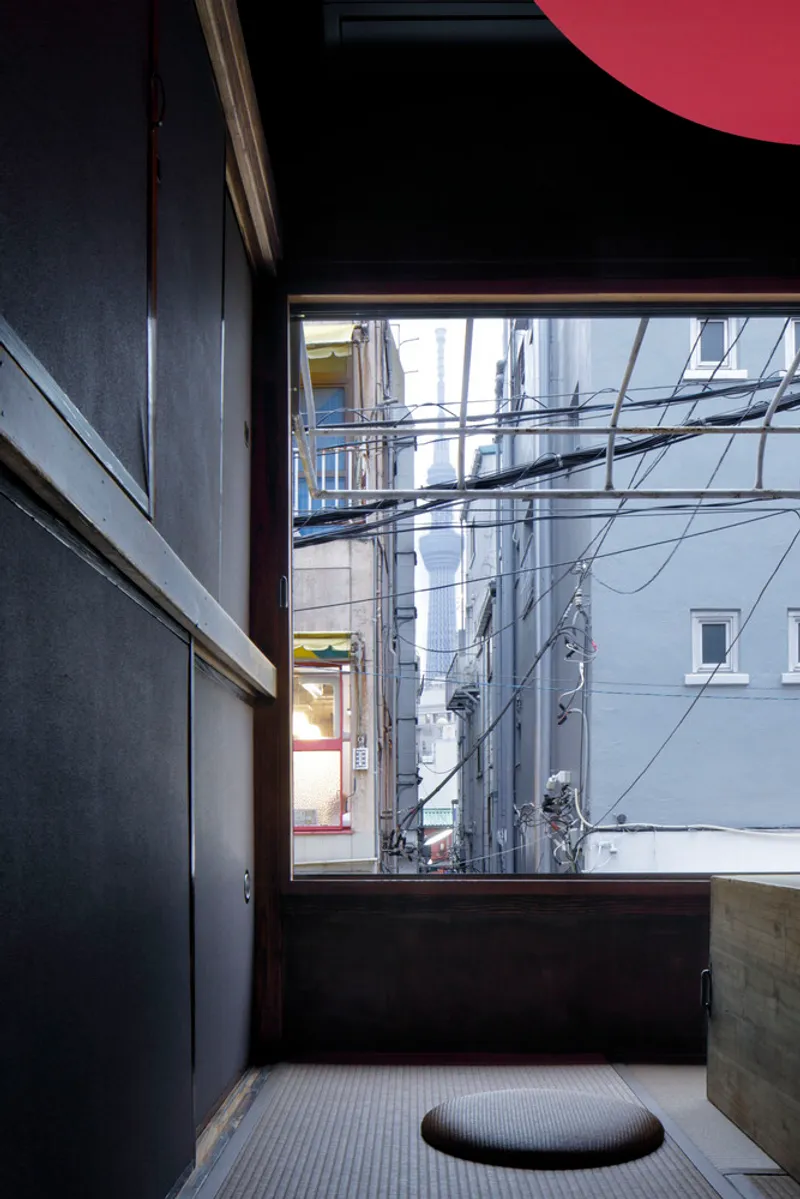
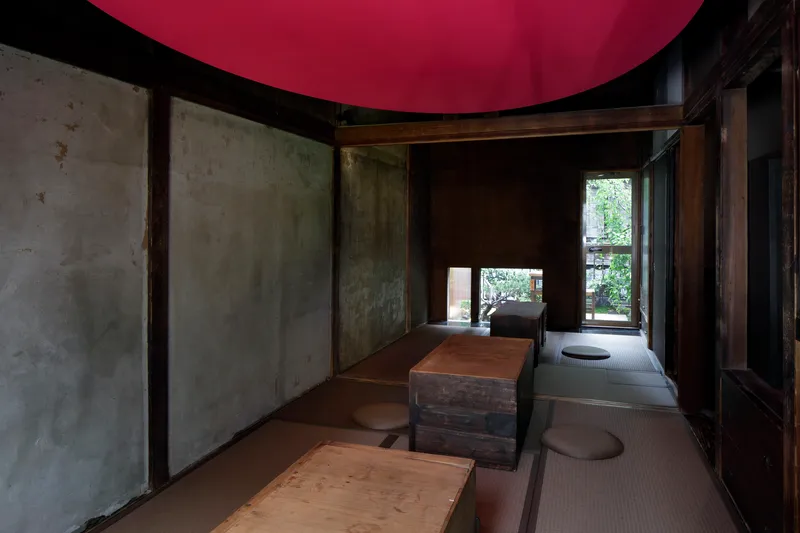
Upstairs, the pink ellipsoid ceiling element becomes the centerpiece of the space. Inspired by the traditional Japanese chashitsu (tearoom), the architects abstracted the conventional circular form into an elongated ellipsoid to fit the room’s dimensions. Suspended just 1.85 meters from the tatami mat floor, the structure envelops visitors in a surreal, intimate space. As one looks up while seated, the color distortion and curvature of the form challenge spatial perception, blurring the lines between ceiling, room, and the sensory experience.
This spatial manipulation introduces a sense of theatrical tension and sacred calm—qualities essential to the traditional tea ceremony, reimagined through a modern architectural lens.
Architecture as Urban Storytelling
Tearoom Nigo is not just a place for culinary experience; it also serves as a local tourist information center, reconnecting visitors with the often-overlooked Oku-Asakusa area. Known historically as a red-light district—including the famed Yoshiwara—Oku-Asakusa has a rich, layered social history. The symbolic use of color (green and pink) throughout the space hints at these narratives: green for growth and connection, pink for sensuality and the spirit of play. Together, they create an immersive atmosphere that subtly communicates the area’s complex past and its evolving identity.
The Garden as an Architectural Lens: Practicing “Shakkei”
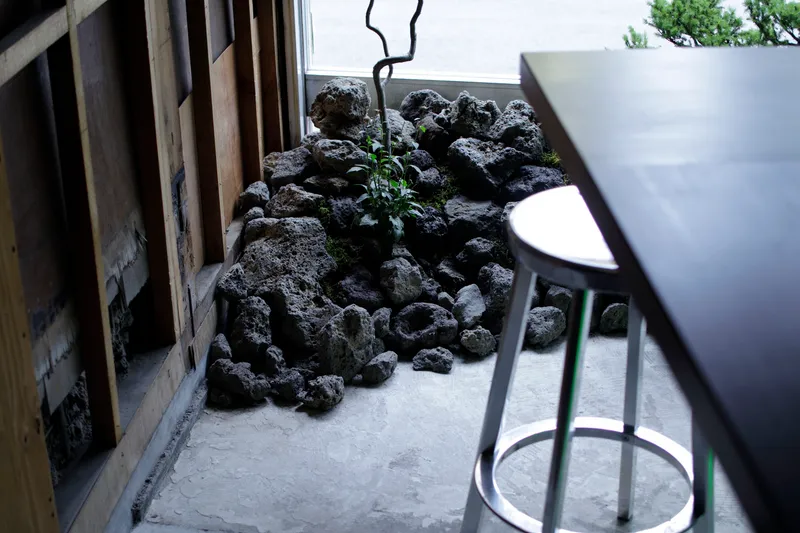
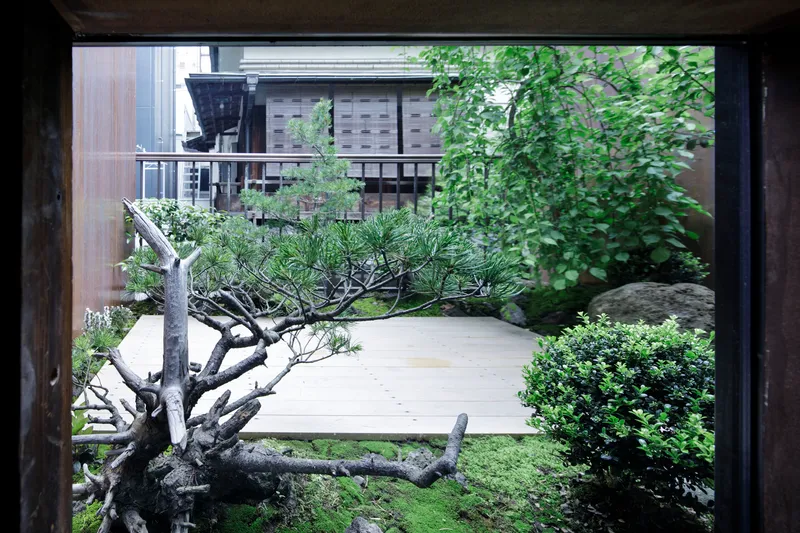
A standout feature of Tearoom Nigo is its embrace of “shakkei”, the Japanese concept of borrowed scenery. The architects curated views to both the traditional and the contemporary Tokyo: a small tsuboniwa (courtyard garden) at the entrance gently transitions visitors from the street into the tearoom, while framed views from the windows open onto neighboring traditional homes and the distant silhouette of Tokyo Skytree, a new urban landmark. This juxtaposition becomes a quiet architectural meditation on time—past, present, and future—seen through the lens of space and nature.
Upcycled Craftsmanship and Interior Detail
Interior materials and finishes reflect a restrained, minimalist aesthetic that amplifies the architectural interventions. The use of bare wood, polished concrete, and muted color palettes allows the geometrical forms and surrounding environment to shine. Tables, shelves, and seating were carefully selected and positioned to enhance the ceremonial experience while maintaining the flexibility needed for a functioning restaurant.
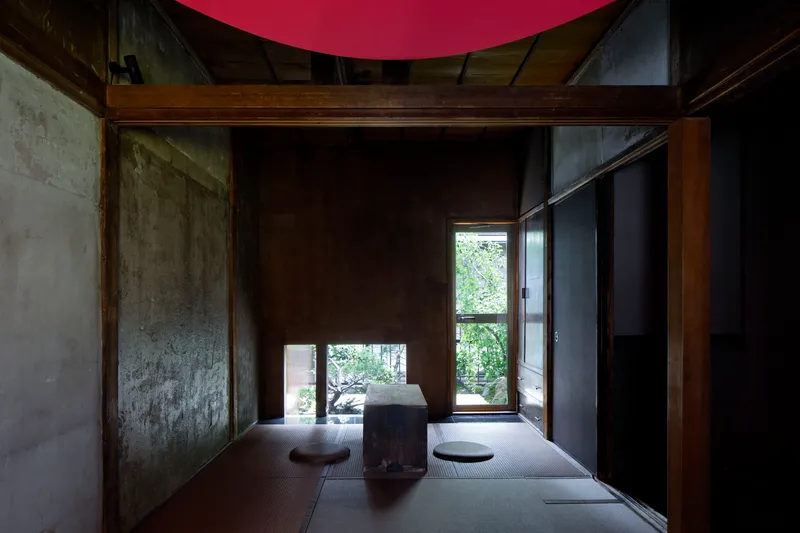
All the photographs are works of Daisuke Shima




Popular Articles
Popular articles from the community


Hill & Cross Opera: Sculptural Opera House Architecture Shaped by Tallinn’s Landscape and Identity
Hill & Cross Opera reimagines opera house architecture in Tallinn through its sculptural hill, civic plaza, glass wave and a luminous cross.

The Musturak Paradise: Senior Living Architecture for a Connected Future in Temara, Morocco
The Musturak Paradise reimagines senior living architecture in Temara via private homes, social spaces, culture, community, and shared care.
EW PARK: Sustainable Architecture Reimagines the Future of Urban Parking
EW PARK reimagines city parking as a modular wooden tower combining automation, solar energy, electric mobility, and adaptable urban design.

The Ocean Hive: Sustainable Architecture for a Self-Sufficient Civilization at Sea
The Ocean Hive imagines sustainable architecture at sea, where modular habitats, algae, wave power and ocean waste sustain a growing colony.


Similar Reads
You might also enjoy these articles


Hodi-Mandai Geram
Project Function: Preservation and revitalization of the Intangible heritage and socio-spatial identity of the Hodi by Housing, Cultural Memory Center, Sacred Grove, landscape, local tourism economy


Olio Towers: A Mid-Rise for Performers That Fuses Housing, Rehearsal, and Stage
Located blocks from Houston's Theater District, this modular tower stacks living units around a central performance atrium.

Oasis: Modular Green Housing Carved into Dhaka's Urban Fabric
A shortlisted Plugin Housing entry reclaims unauthorized settlements in Dhaka with stepped concrete volumes, green roofs, and ventilation-driven design.

Black Hole: A Floating Megastructure for the Post-Physical Era
Emiliano Mazzarotto envisions a spherical, self-scaling arena where e-sports, digital hotels, and holographic stadiums replace traditional public space.


Explore Japanese Architecture Competitions
Discover active competitions in this discipline



Challenge to reimagine the Iron Throne


Photograph architecture without architects


Illustrate the lost glory of Angkor Wat - Render Challenge


Design challenge to reuse E-waste
Comments (0)
Please login or sign up to add comments
No comments yet. Be the first to comment!