
TENT Whiskey Bar 2nd by Plainoddity: A Contemporary Tribute to Joseon Nobility and Korean Craftsmanship
A modern whiskey bar in Seoul blending Joseon-era elegance with minimalist design, curved ceilings, and immersive, culturally inspired interiors.


A Bar Where Tradition Meets Modern Sophistication
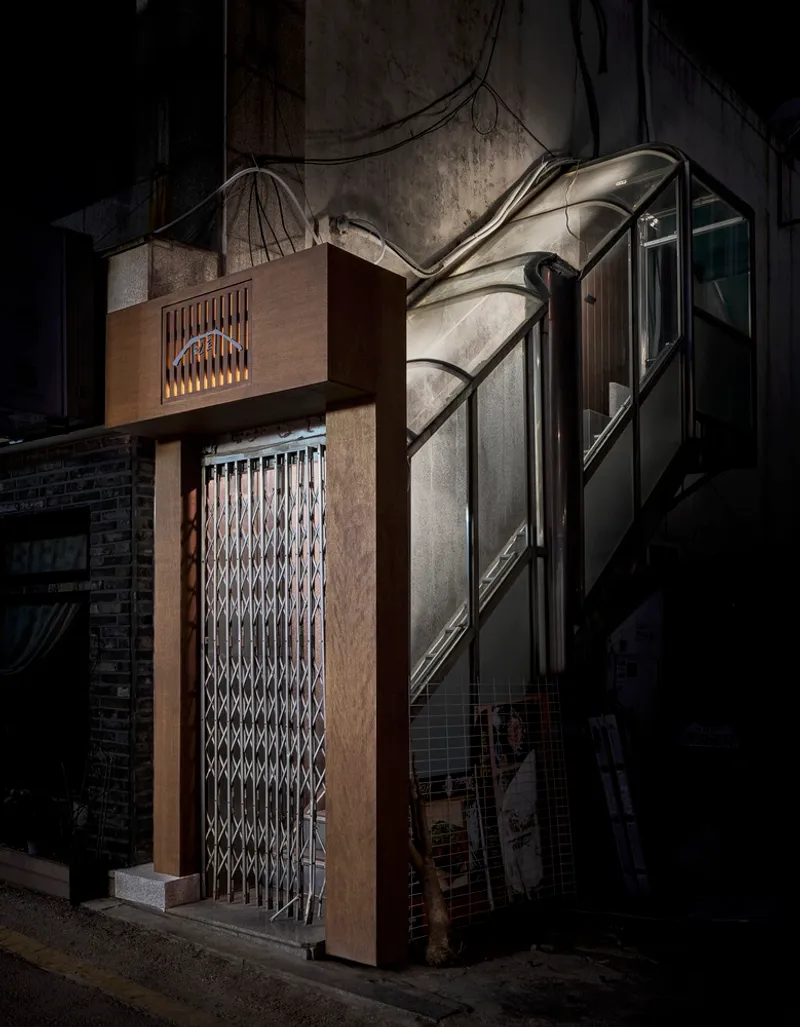
Nestled in the vibrant district of Chungmuro, Seoul, TENT Whiskey Bar 2nd by Plainoddity presents a captivating fusion of tradition and contemporary design. Following the concept of its predecessor, the first TENT Whiskey Bar, this second location builds upon the narrative—this time with a deeper exploration of Korean heritage, particularly drawing inspiration from the Daegamma, the noble class of the Joseon Dynasty.

Where the first bar was inspired by the aging process of whiskey—its earthy tones and oak-barrel symbolism—TENT 2nd shifts focus to spatial storytelling rooted in cultural memory. It channels the spirit of old Korean nobility through subtle architectural cues, marrying history with a modern bar atmosphere.


Design Concept: “Under the Noble Roof”
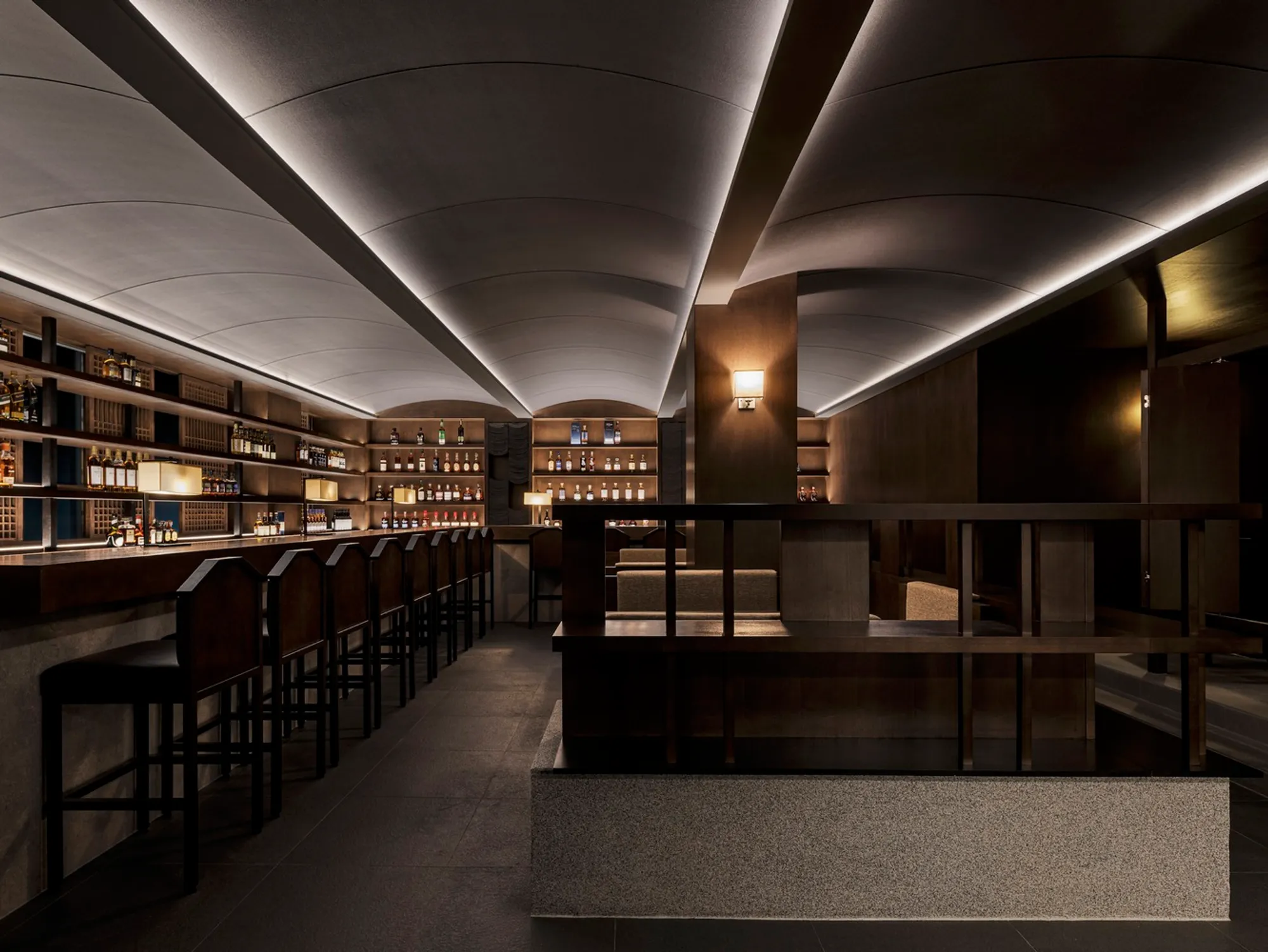
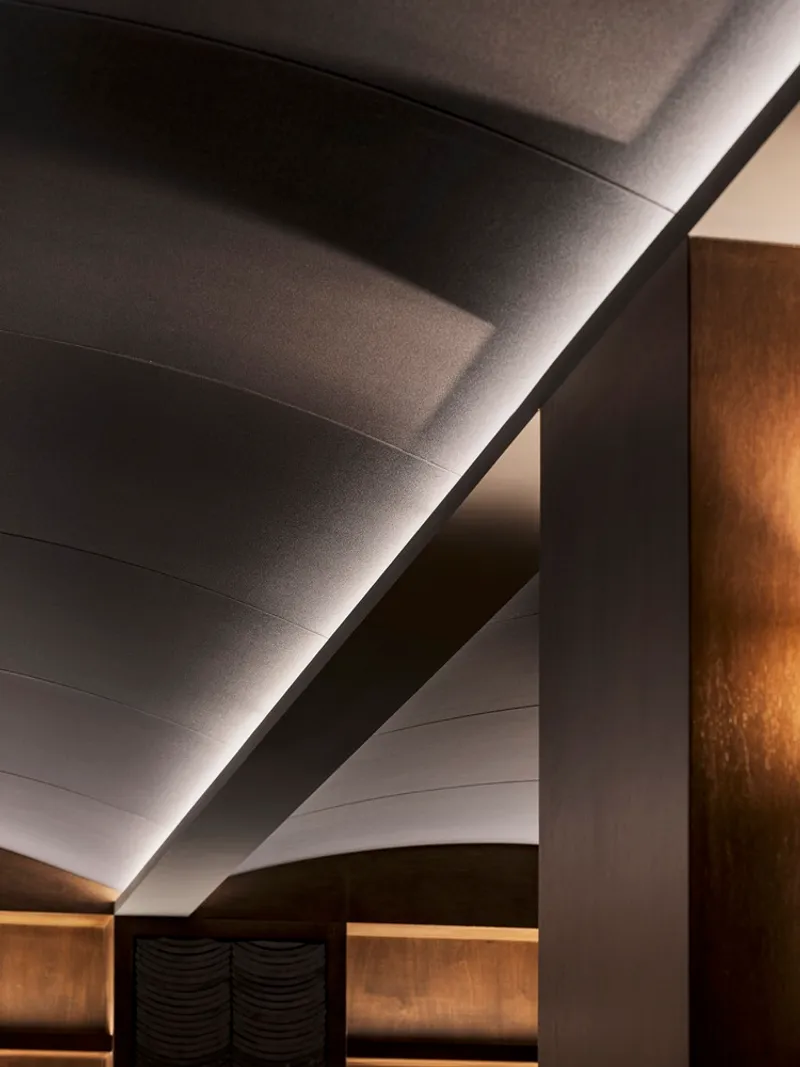
The spatial concept is structured around the idea of drinking whiskey beneath the shelter of tradition—literally and symbolically. A striking feature of the interior is the three-curve ceiling, designed as an abstracted, oversized interpretation of traditional Korean roof tiles. This undulating canopy not only anchors the space visually but creates a cozy, sheltering atmosphere reminiscent of gathering under the eaves of a nobleman’s house.

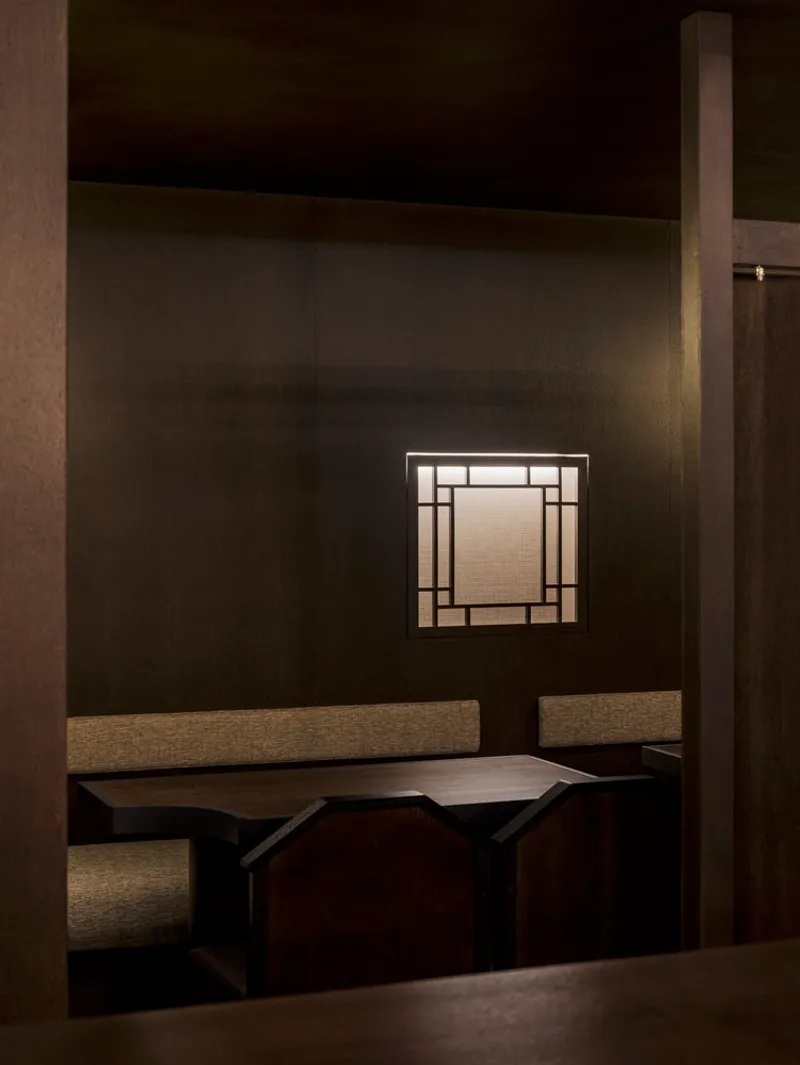
Strategic elements such as stone-like foundational detailing, delicate wooden lattice windows, and classic bookshelf patterns further reinforce the reference to the Joseon aesthetic. Yet, they’re translated in a minimalist, clean, and modern way that avoids kitsch and speaks to design purists and whiskey lovers alike.

Materials and Layout: Honesty, Elegance, and Craft
True to the design studio’s ethos, materials used throughout the space celebrate texture, craft, and authenticity. A muted palette of warm woods, soft lighting, and structural stone accents evoke a sense of grounded luxury. The visual rhythm of wood grain and shelf repetition echoes traditional libraries and scholar’s homes, subtly hinting at the refined lifestyle of the Joseon elite.
The layout is built around a long ‘ㄱ’-shaped bar, where guests can enjoy intimate service while surrounded by low shelving and built-in furniture. Each piece of furniture is functional yet sculptural, with cabinetry and even coat hangers designed to reflect the metaphor of a cornerstone—the foundation of stability and elegance.
Light, Shelves, and Whiskey Display
Near the windows, a ten-meter-long two-tiered shelf elegantly stages the bar’s whiskey collection. Its staggered configuration allows bottles to be viewed from all angles, acting both as a display and a visual centerpiece. To preserve privacy while letting in natural light, traditional wooden latticework partially covers the windows, filtering sunlight in a manner reminiscent of old Korean hanoks.


This interplay of light and shadow, coupled with the layered shelving and ceiling curves, creates a warm, immersive environment—quietly theatrical, yet deeply rooted in spatial poetry.

A Private Experience Within a Public Space
Guests seeking more privacy can ascend two subtle steps to enter a semi-enclosed group seating area. This space features a lower ceiling, enhancing the feeling of intimacy. Four sliding wooden doors provide flexibility—open them for a communal experience or close them for a private retreat. These partitions draw clear lines between openness and seclusion, echoing traditional Korean architecture’s adaptable approach to space division.
Even the journey to the restroom is an experience: along a path of stepping stones, a thoughtfully placed artwork captures the guest’s attention—serving as a visual “tasting note” in this immersive spatial experience.

A Modern Homage to Time, Taste, and Place
With TENT Whiskey Bar 2nd, Plainoddity doesn’t just design a bar—they craft a cultural narrative. It’s a place where whiskey, design, and Korean history converge, where architecture tells stories of nobility, refinement, and timeless taste. Every element—from the undulating roof to the minimalist shelving—serves as a reminder that the past and present can exist in perfect harmony, just like the layers of flavor in a well-aged whiskey.


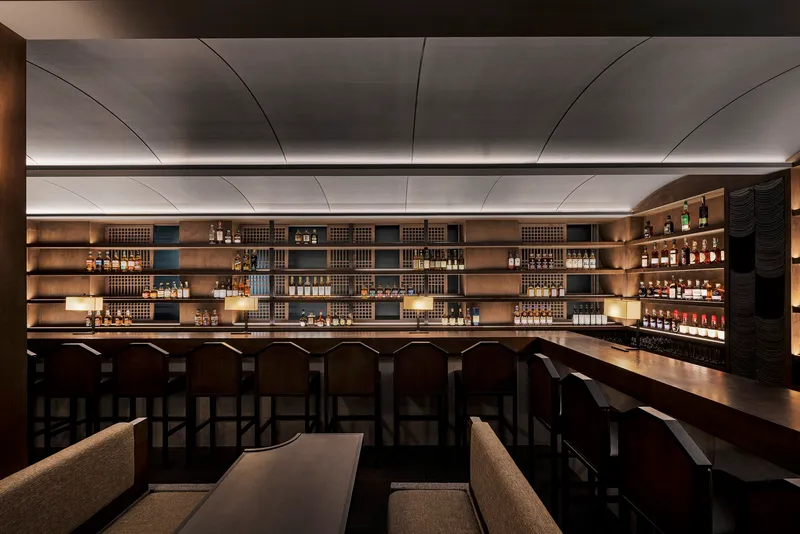
All the photographs are works of Yongjoon Choi


Popular Articles
Popular articles from the community


Riyadh For All: Intergenerational Urban Design for Active Aging in Rabat
Riyadh For All reimagines urban design in Rabat with intergenerational co-living, adaptive courtyards, and Moroccan cultural exchange today.

The Earth Pod: 3D Printed Homes for Resilient Refugee Communities
The Earth Pod reimagines refugee housing through 3D printed homes made from clay, combining resilience, self-sufficiency, and rapid shelter.
AL-JANNAH: Sustainable Architecture and Permaculture for Afghan Widows
AL-JANNAH uses sustainable architecture and permaculture to create resilient oasis of housing, learning, work and renewal for Afghan widows.

Hill & Cross Opera: Sculptural Opera House Architecture Shaped by Tallinn’s Landscape and Identity
Hill & Cross Opera reimagines opera house architecture in Tallinn through its sculptural hill, civic plaza, glass wave and a luminous cross.


Similar Reads
You might also enjoy these articles


Hodi-Mandai Geram
Project Function: Preservation and revitalization of the Intangible heritage and socio-spatial identity of the Hodi by Housing, Cultural Memory Center, Sacred Grove, landscape, local tourism economy


Olio Towers: A Mid-Rise for Performers That Fuses Housing, Rehearsal, and Stage
Located blocks from Houston's Theater District, this modular tower stacks living units around a central performance atrium.

Oasis: Modular Green Housing Carved into Dhaka's Urban Fabric
A shortlisted Plugin Housing entry reclaims unauthorized settlements in Dhaka with stepped concrete volumes, green roofs, and ventilation-driven design.

Black Hole: A Floating Megastructure for the Post-Physical Era
Emiliano Mazzarotto envisions a spherical, self-scaling arena where e-sports, digital hotels, and holographic stadiums replace traditional public space.

Explore Hospitality Building Competitions
Discover active competitions in this discipline



Challenge to reimagine the Iron Throne


Photograph architecture without architects


Illustrate the lost glory of Angkor Wat - Render Challenge


Design challenge to reuse E-waste
Comments (0)
Please login or sign up to add comments
No comments yet. Be the first to comment!