

Thatched Brick Pavilion by RØNNOW LETH & GORI + CINARK: A Carbon-Conscious Prototype Rooted in Tradition
Thatched Brick Pavilion explores sustainable architecture using clay and reeds, merging traditional Danish craftsmanship with low-carbon, breathable construction techniques.


A New Architectural Language for a Low-Carbon Future
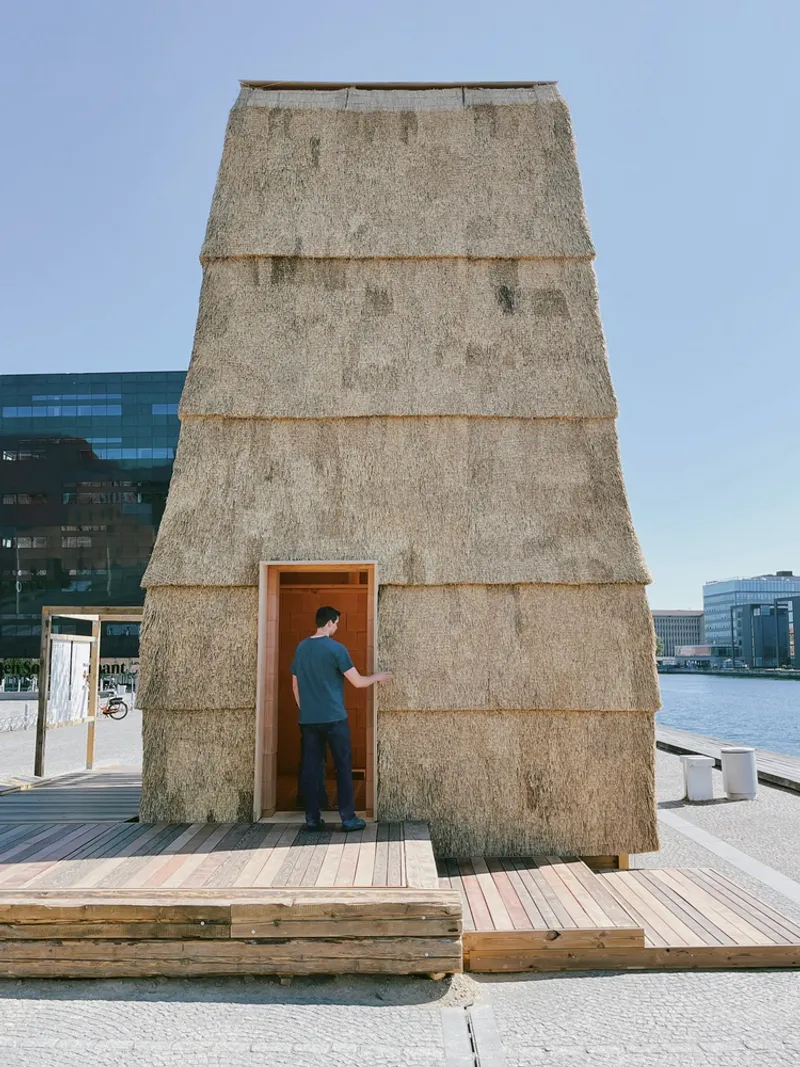
The Thatched Brick Pavilion, designed by RØNNOW LETH & GORI in collaboration with CINARK (Center for Industrialized Architecture), represents a bold architectural statement within the global conversation around sustainable building practices and low-carbon construction. Conceived as part of the ‘Housing Construction from 4 to 1 Planet’initiative by Danish foundations Realdania and Villum Fonden, the pavilion serves as a prototype for next-generation architecture—merging traditional craftsmanship with innovative ecological strategies.
A Sustainable Showcase at the UIA World Congress 2023
Unveiled during the UIA World Congress of Architects in Copenhagen in July 2023, the pavilion was one of three experimental structures that showcased different sustainable construction strategies. This particular project explores the use of natural, low-impact materials—clay and reeds—to reimagine construction in the face of climate change.
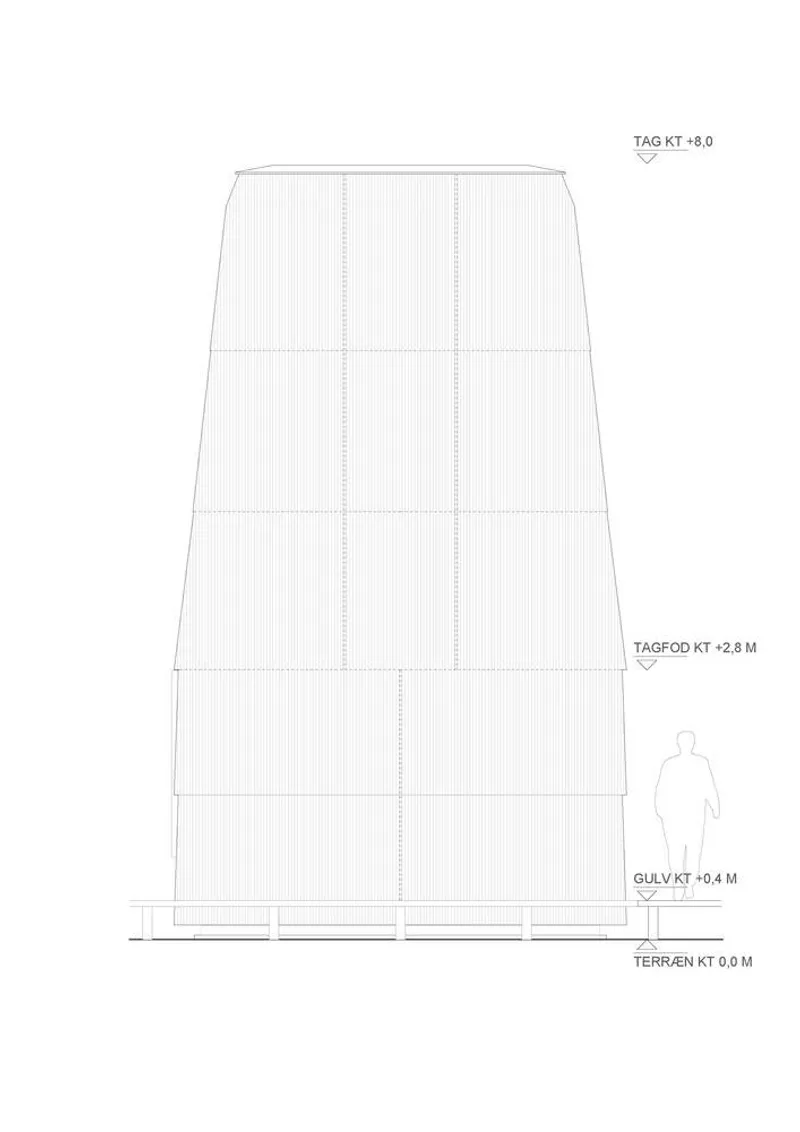
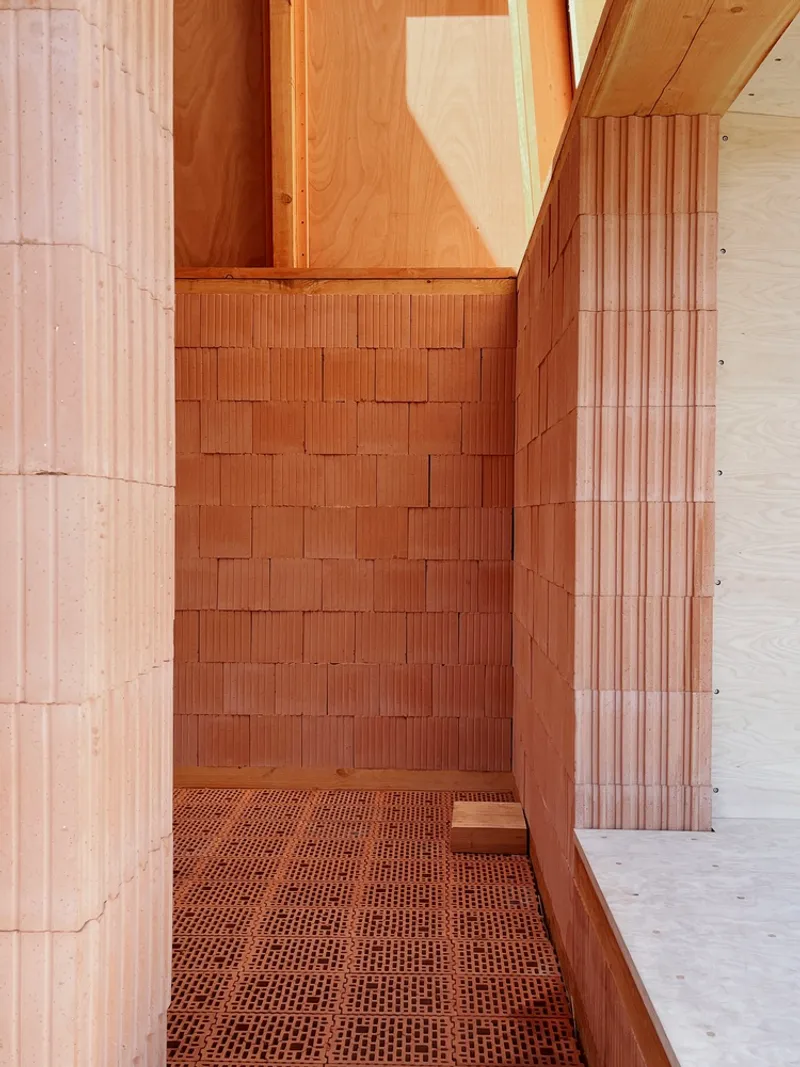
The resulting structure is a 22-square-meter monolithic pavilion made with poroton insulating bricks and prefabricated thatched panels. Its small footprint is intentionally powerful—demonstrating that scale is no barrier to architectural innovation or environmental responsibility.
Exploring Traditional Danish Materials in a Contemporary Way
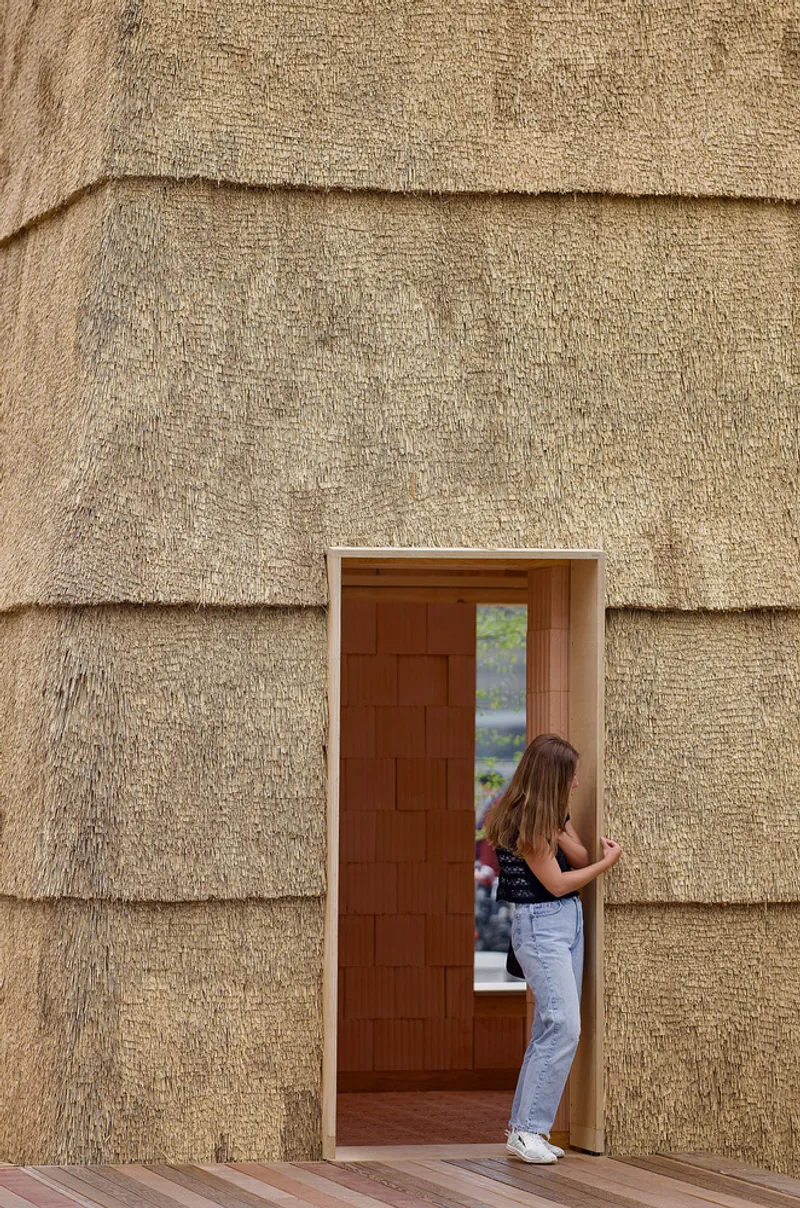
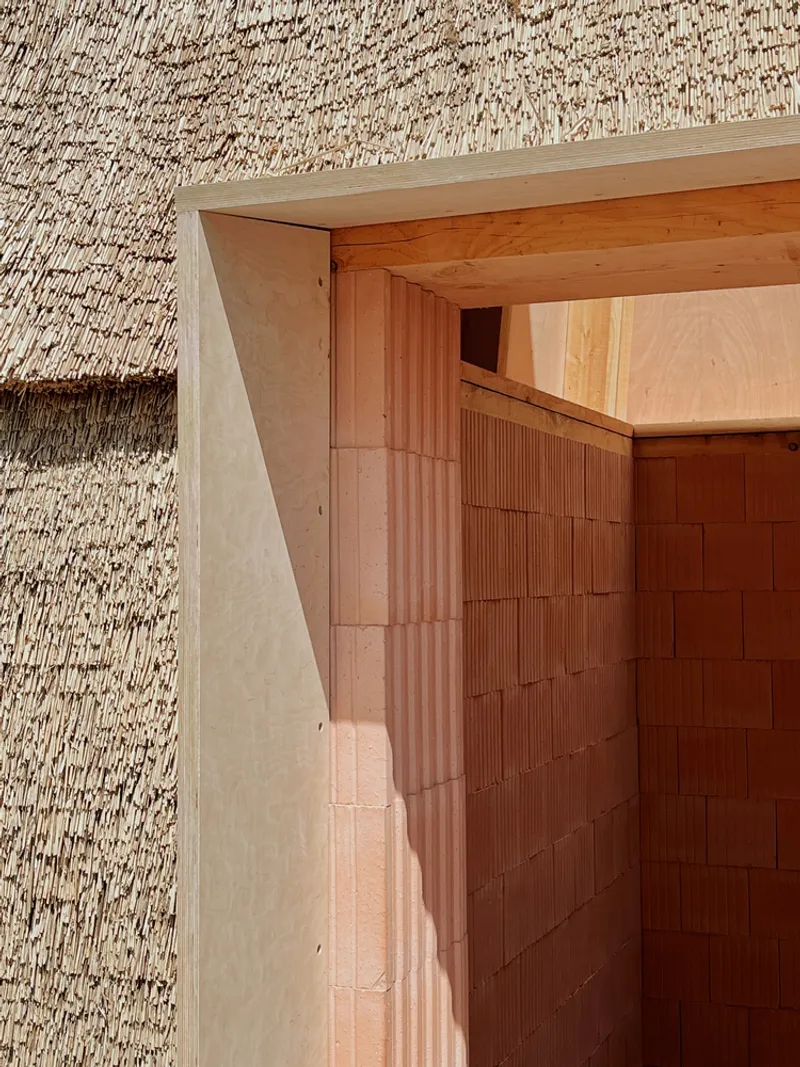
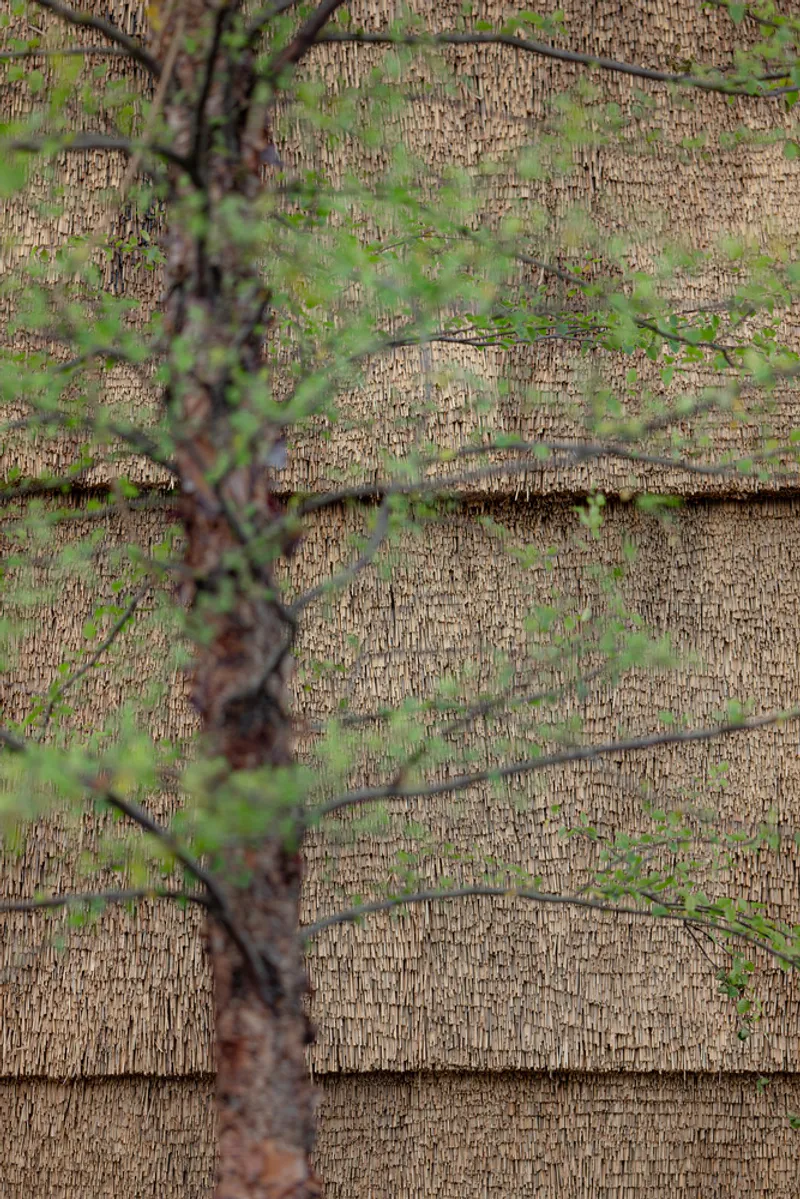
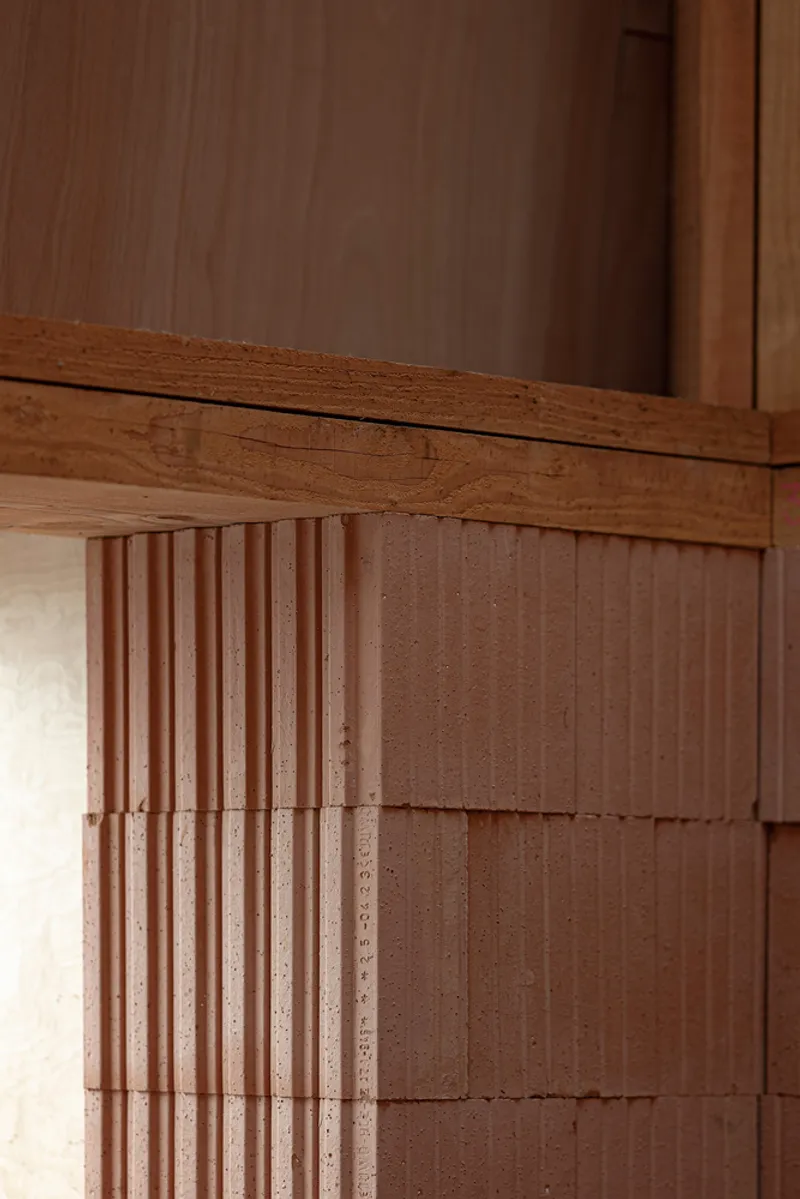
The project investigates the potential of reinterpreting historic Danish materials—brick and thatch—for modern construction. The poroton blocks, a type of insulating clay masonry, serve as both load-bearing structure and thermal insulator. Cladding these walls are thatched reed panels, which enhance the building’s thermal performance, weather resistance, and tactile identity.
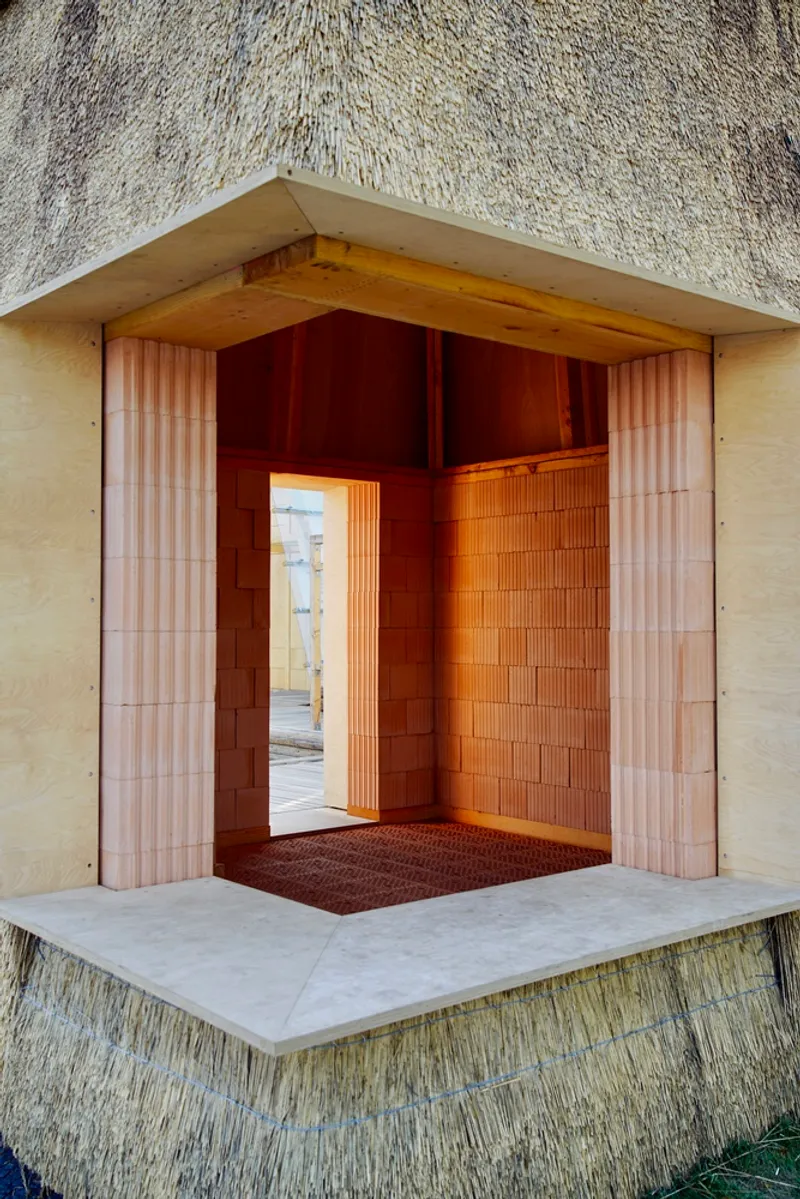
These materials are not only bio-based and breathable, but also fully recyclable. The hybrid construction enables a mono-material system that satisfies industry benchmarks for strength, fire safety, and insulation, without relying on synthetic compounds or high-carbon production.
A Dialogue Between Longevity and Adaptability
While brick is known for its centuries-long durability, thatch requires periodic maintenance and eventual replacement. This juxtaposition becomes a poetic narrative embedded into the building’s visible construction. The design allows for easy access to the thatched façade elements, making the structure inherently maintainable, adaptable, and repairableover time.
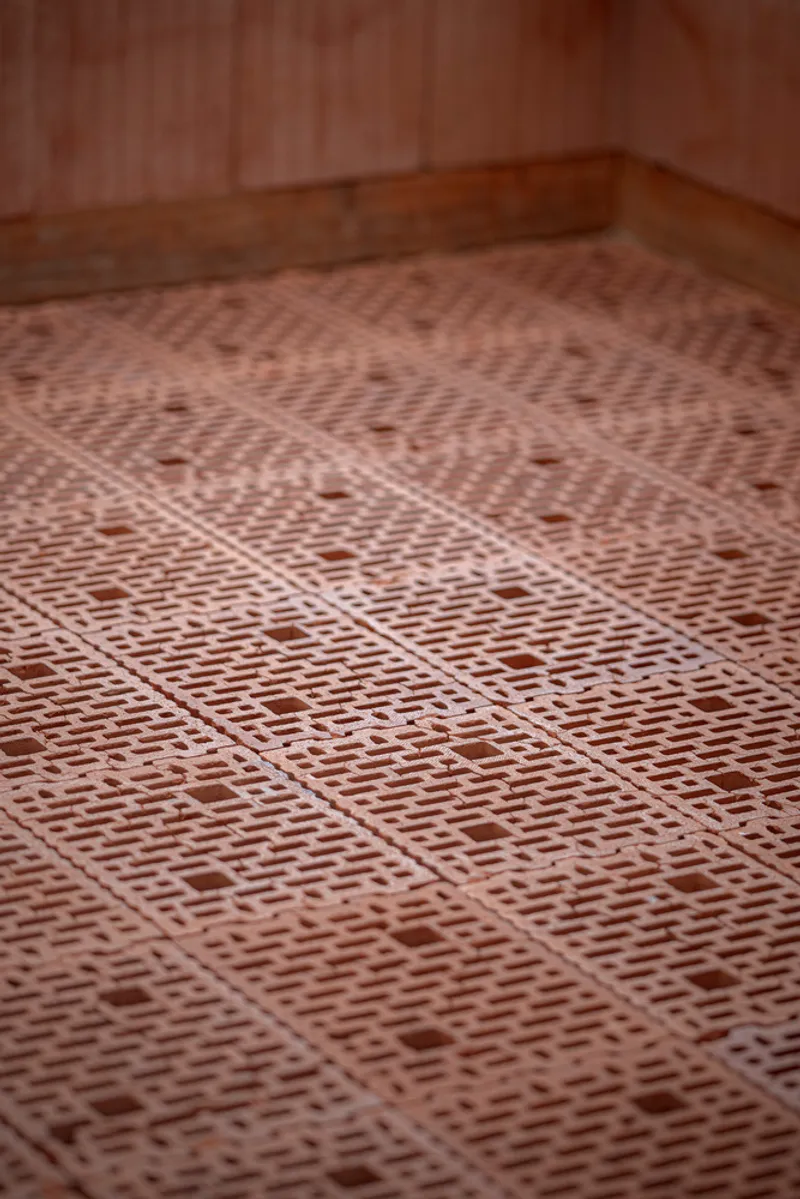
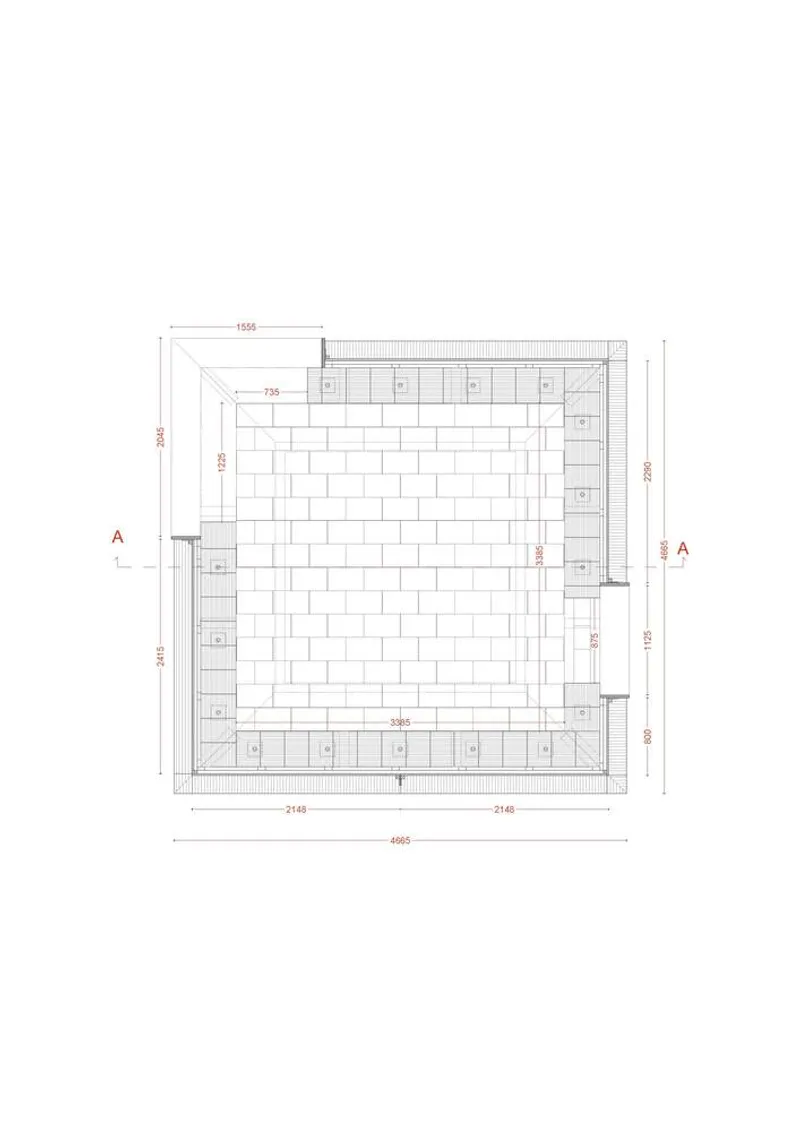
Through its exposed structure, the pavilion visually expresses the lifespan of each material, encouraging viewers to understand architecture not as static, but as cyclical and evolving. It invites a tactile and cognitive engagement with materiality, age, and environmental impact.
Toward Scalable Solutions for Sustainable Housing
Though small in size, the Thatched Brick Pavilion offers scalable potential for multi-story housing solutions. The robustness of the poroton-and-thatch system allows it to be applied across various residential typologies, especially in projects aiming to minimize embodied carbon and prioritize passive design strategies.
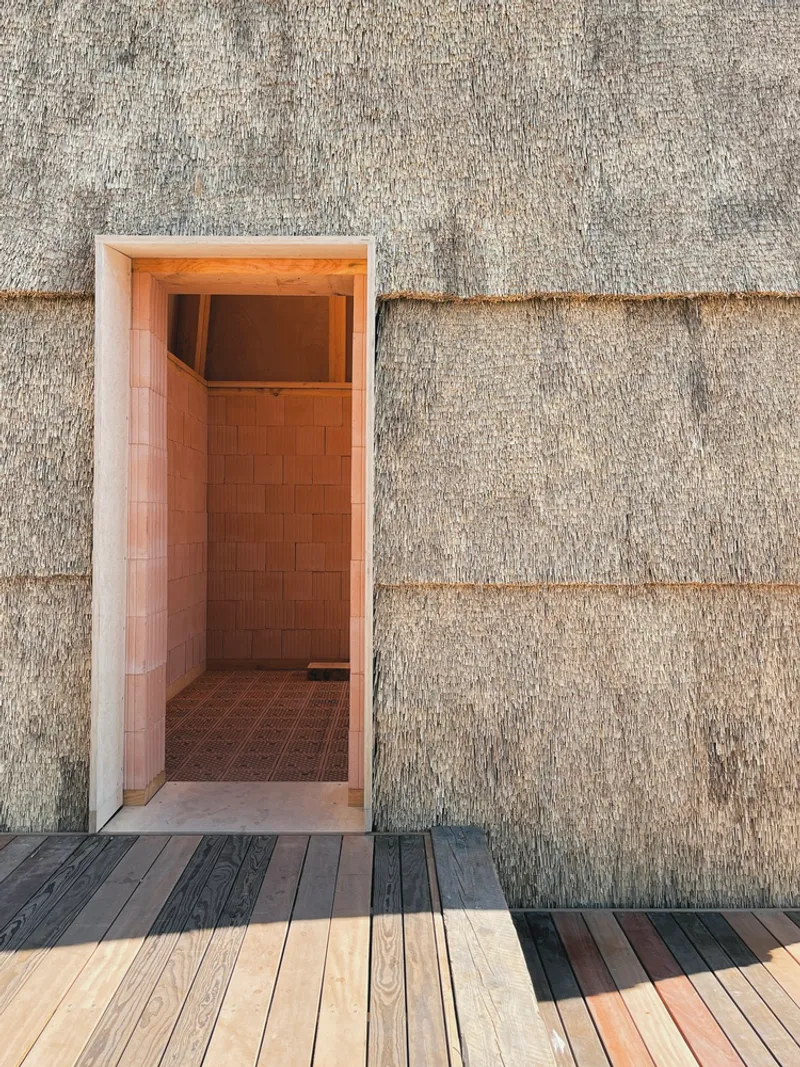
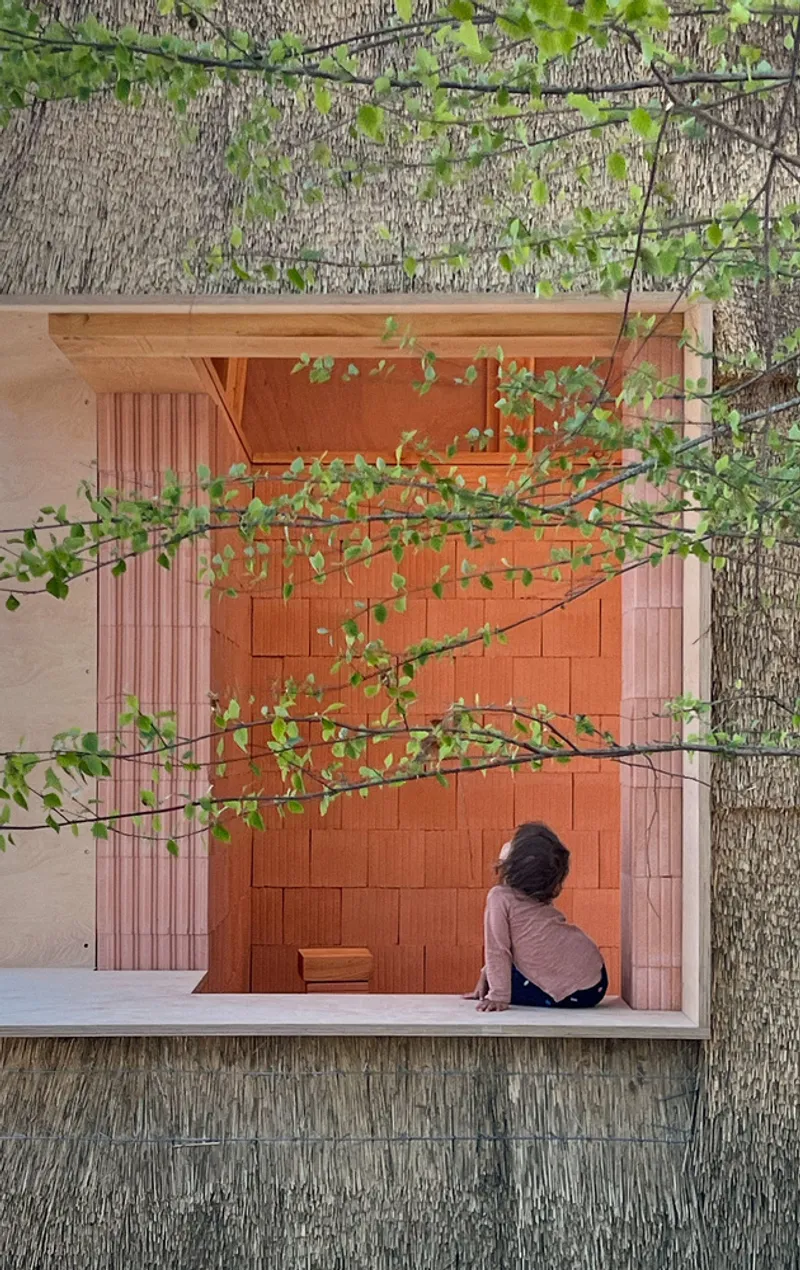
By using renewable and regionally sourced materials, the pavilion sets a benchmark for climate-resilient architecturethat is locally rooted, materially expressive, and future-ready.
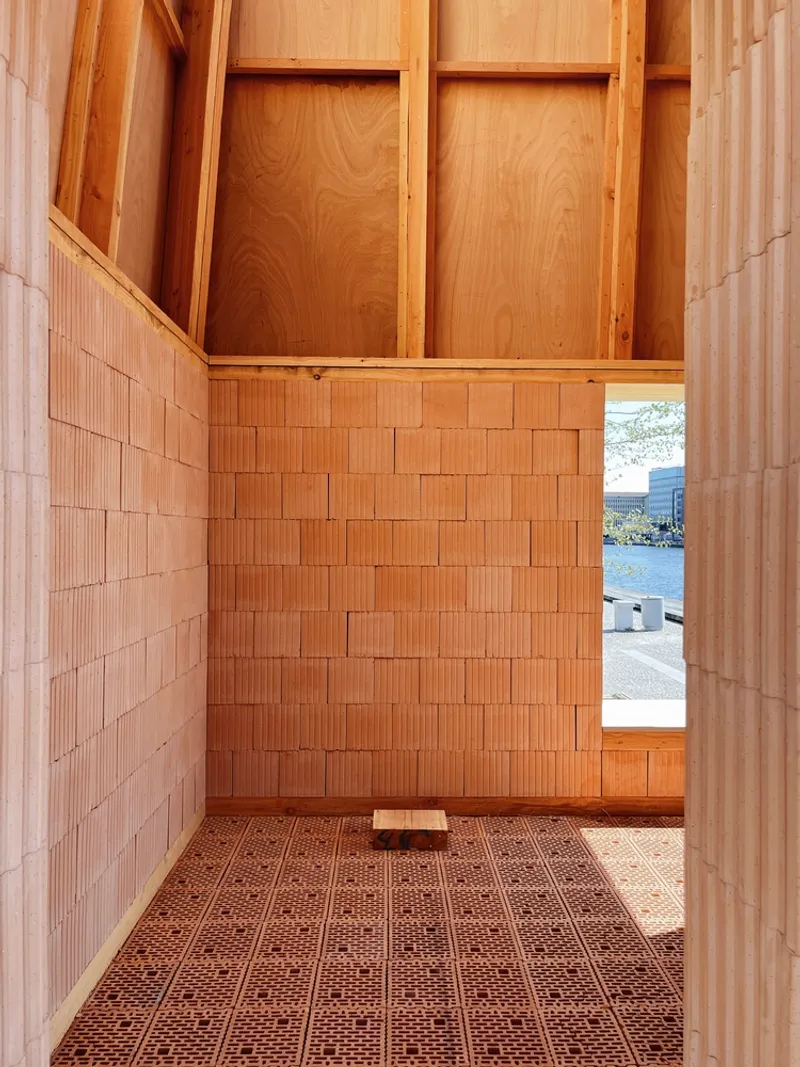
All the photographs are works of Sandra Gonon, Kim Høltermand, Jens Lindhe, Hampus Berndtson



Popular Articles
Popular articles from the community


Riyadh For All: Intergenerational Urban Design for Active Aging in Rabat
Riyadh For All reimagines urban design in Rabat with intergenerational co-living, adaptive courtyards, and Moroccan cultural exchange today.

Hill & Cross Opera: Sculptural Opera House Architecture Shaped by Tallinn’s Landscape and Identity
Hill & Cross Opera reimagines opera house architecture in Tallinn through its sculptural hill, civic plaza, glass wave and a luminous cross.

The Earth Pod: 3D Printed Homes for Resilient Refugee Communities
The Earth Pod reimagines refugee housing through 3D printed homes made from clay, combining resilience, self-sufficiency, and rapid shelter.

Lunar Spiral: Space Architecture Shaped by the Mathematics of the Universe
Lunar Spiral reimagines space architecture through Fibonacci geometry, lunar regolith, levitating habitats, and self-sustaining Moon living.

Similar Reads
You might also enjoy these articles


Hodi-Mandai Geram
Project Function: Preservation and revitalization of the Intangible heritage and socio-spatial identity of the Hodi by Housing, Cultural Memory Center, Sacred Grove, landscape, local tourism economy


Olio Towers: A Mid-Rise for Performers That Fuses Housing, Rehearsal, and Stage
Located blocks from Houston's Theater District, this modular tower stacks living units around a central performance atrium.

Oasis: Modular Green Housing Carved into Dhaka's Urban Fabric
A shortlisted Plugin Housing entry reclaims unauthorized settlements in Dhaka with stepped concrete volumes, green roofs, and ventilation-driven design.

Black Hole: A Floating Megastructure for the Post-Physical Era
Emiliano Mazzarotto envisions a spherical, self-scaling arena where e-sports, digital hotels, and holographic stadiums replace traditional public space.

Explore Nordic Sustainable Architecture Competitions
Discover active competitions in this discipline



Challenge to reimagine the Iron Throne


Photograph architecture without architects


Illustrate the lost glory of Angkor Wat - Render Challenge


Design challenge to reuse E-waste
Comments (0)
Please login or sign up to add comments
No comments yet. Be the first to comment!