
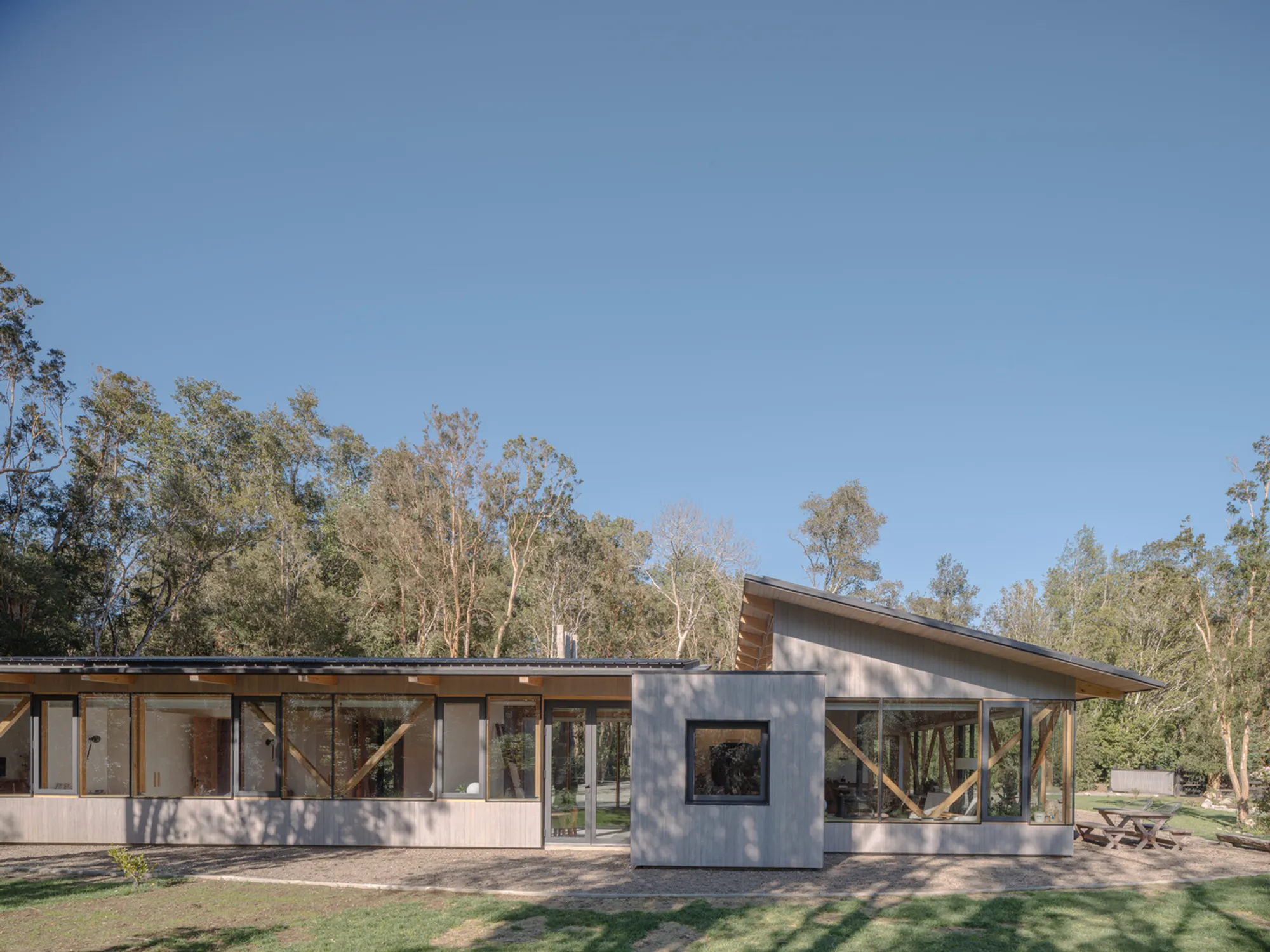
The Arboreto House by Camila Pineda Arquitectura — A Forest-Immersed Home Rooted in Chilean Tradition
A timber home immersed in Chilean forest, blending traditional galleries, natural light, and minimal-impact design to create a serene, contemplative refuge.


A Contemporary Chilean House Immersed in Native Forest
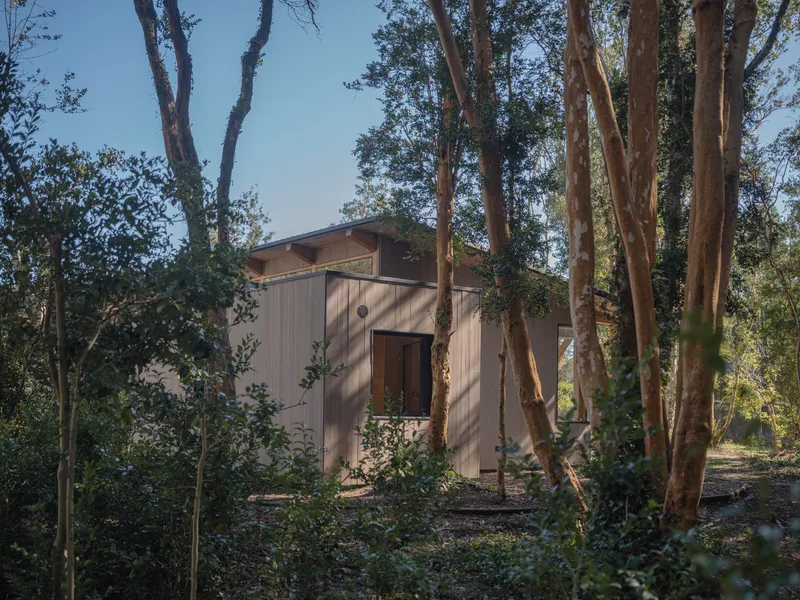
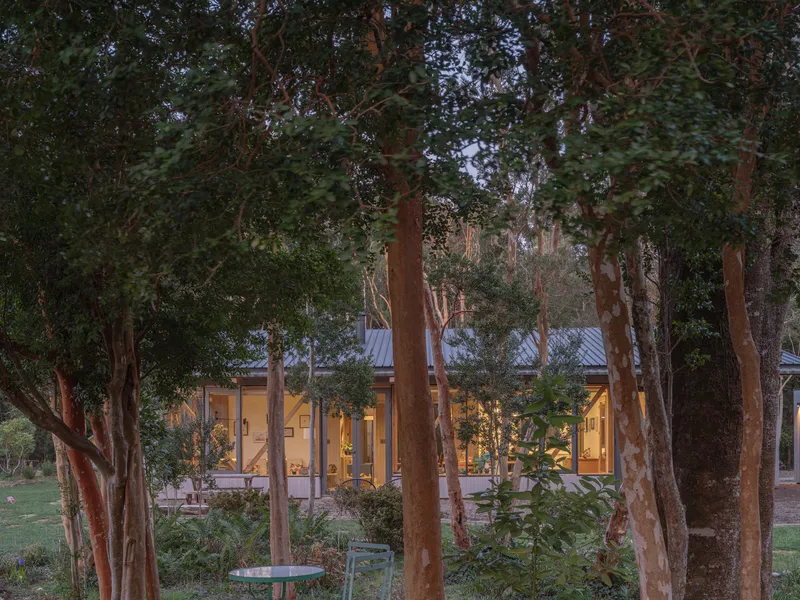
The Arboreto House by Camila Pineda Arquitectura is a 220 m² residence located on the outskirts of Puerto Varas, Chile, designed in 2021 and photographed by Marcos Zegers. Set within a dense forest of Arrayanes and Melíes, the project proposes a contemporary yet deeply introspective way of living in nature. The design concept stems from the desire to create a home that feels inwardly peaceful while remaining visually and emotionally connected to its surrounding landscape. The architects achieve this balance through the thoughtful use of traditional Chilean galleries, allowing diffused forest light to filter softly into the interior and transforming the house into a contemplative refuge.
Architecture that Responds to Environmental Pressure
The site is located in a rapidly densifying territory where subdivision and soil compaction have caused notable environmental stress. In response, the project takes a minimal-impact approach by occupying as little ground as possible, allowing the majority of the native landscape to remain untouched. This strategy preserves biodiversity while reinforcing the home’s role as a visitor within the forest, rather than an intervention that imposes itself on the land. The result is an architecture that respects ecological balance while offering a serene domestic environment.
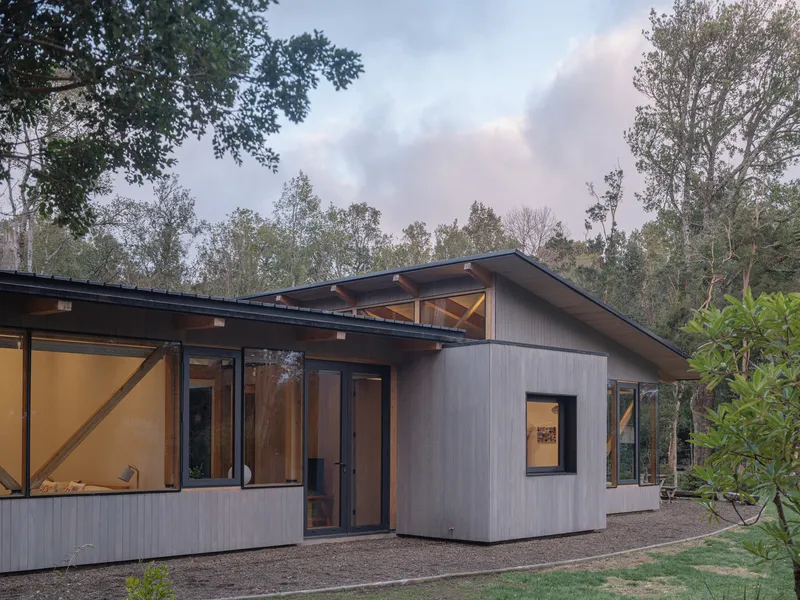
A House Structured Around Galleries and Functional Boxes
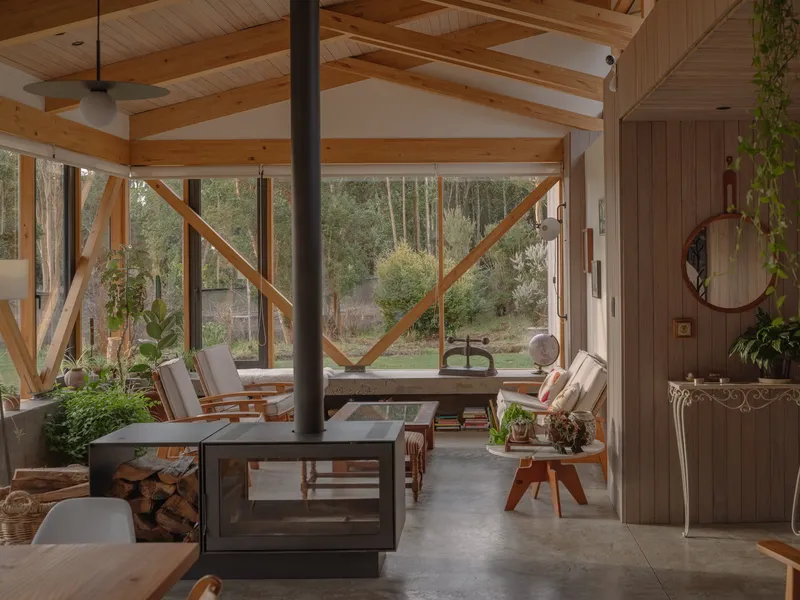
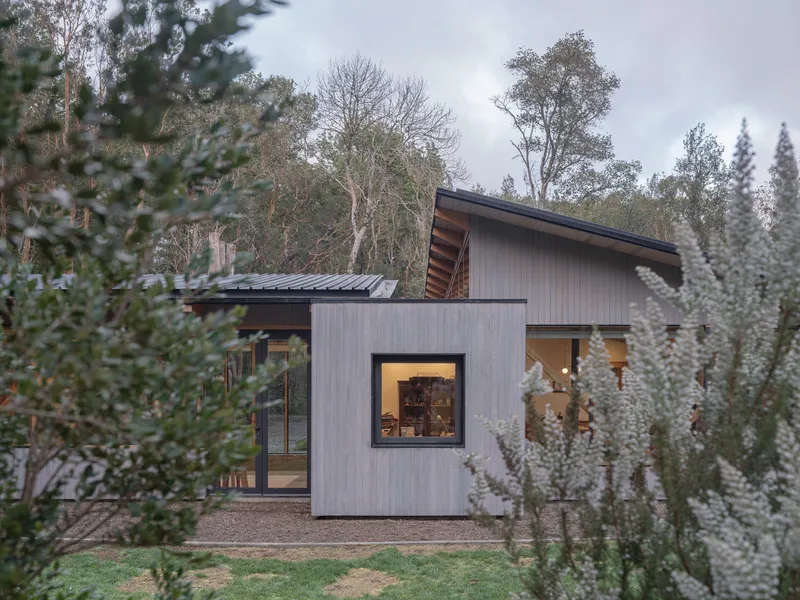
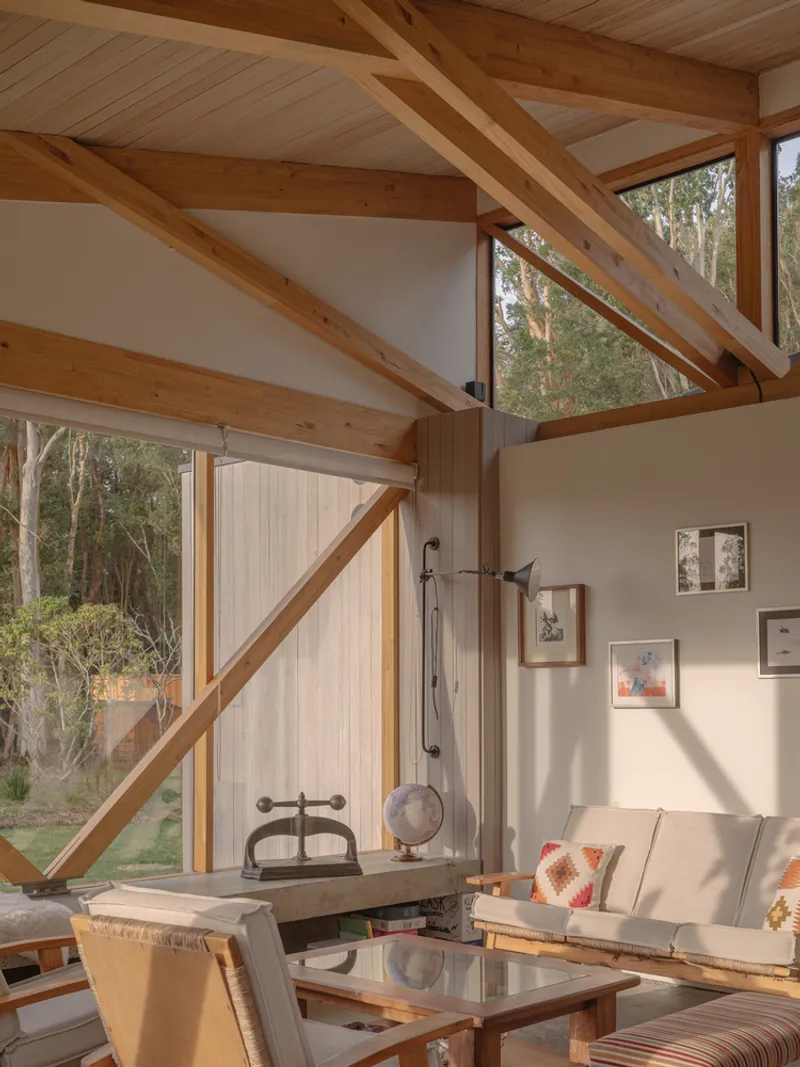
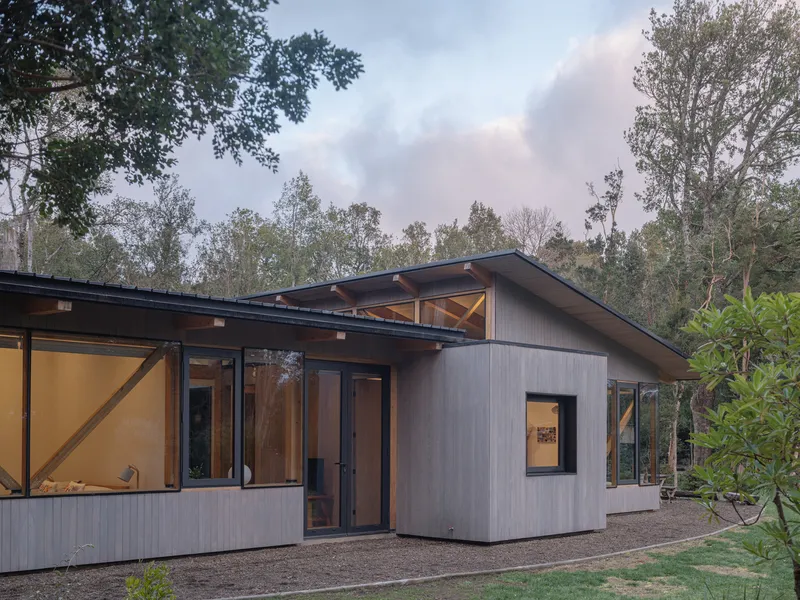
The architectural layout organizes the home around two expansive galleries that act as transitional spaces between the landscape and the interior. These galleries frame and protect a series of enclosed wooden volumes—referred to as “boxes”—each dedicated to specific functions such as the kitchen, office, bathrooms, and laundry. In contrast to these practical spaces, the galleries house areas for rest, social life, and recreation, including the living room, dining area, barbecue pavilion, family room, and the bedrooms. This duality between functional boxes and open gallery spaces creates a rhythmic spatial experience that shifts between enclosed intimacy and open exposure to the forest.
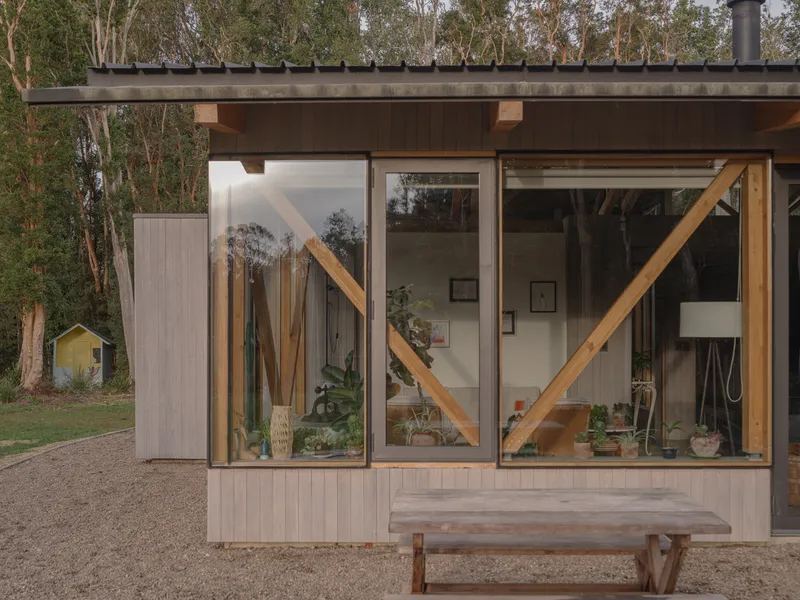
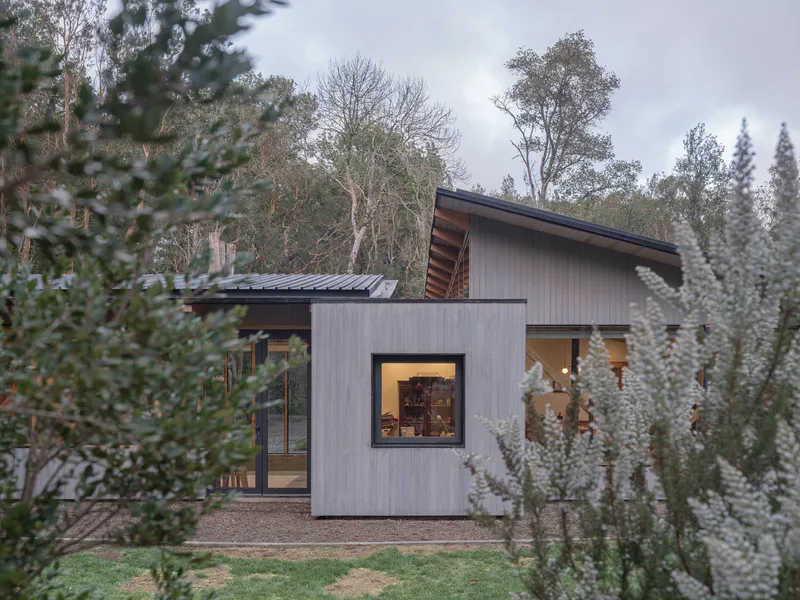
Light, Orientation, and Passive Design
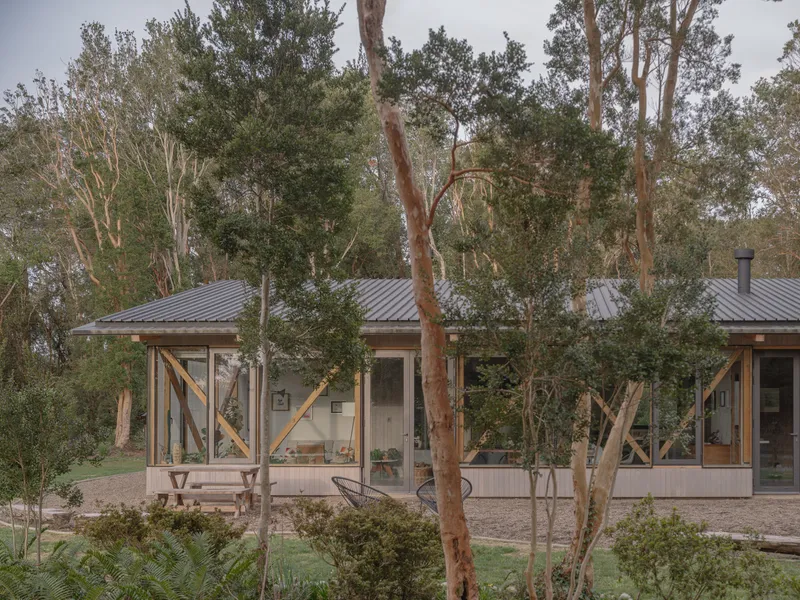
The orientation of the house carefully responds to the site’s climatic and environmental conditions. Service spaces face the southeastern side, where the dense forest provides natural protection from intense afternoon sunlight. This placement improves thermal comfort, enhances energy efficiency, and ensures privacy. The northern and western facades open toward the forest, allowing bedrooms and communal spaces to receive abundant natural light while framing expansive views of the surrounding landscape. The house therefore establishes a meaningful dialogue between interior and exterior, encouraging residents to inhabit the forest visually and spatially without disturbing its natural rhythms.
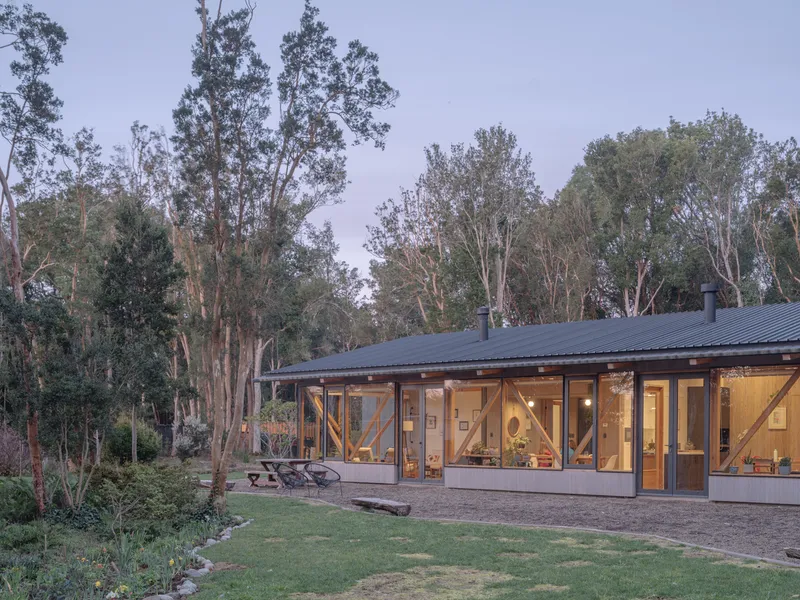
A Wood Structure that Shapes Atmosphere and Light
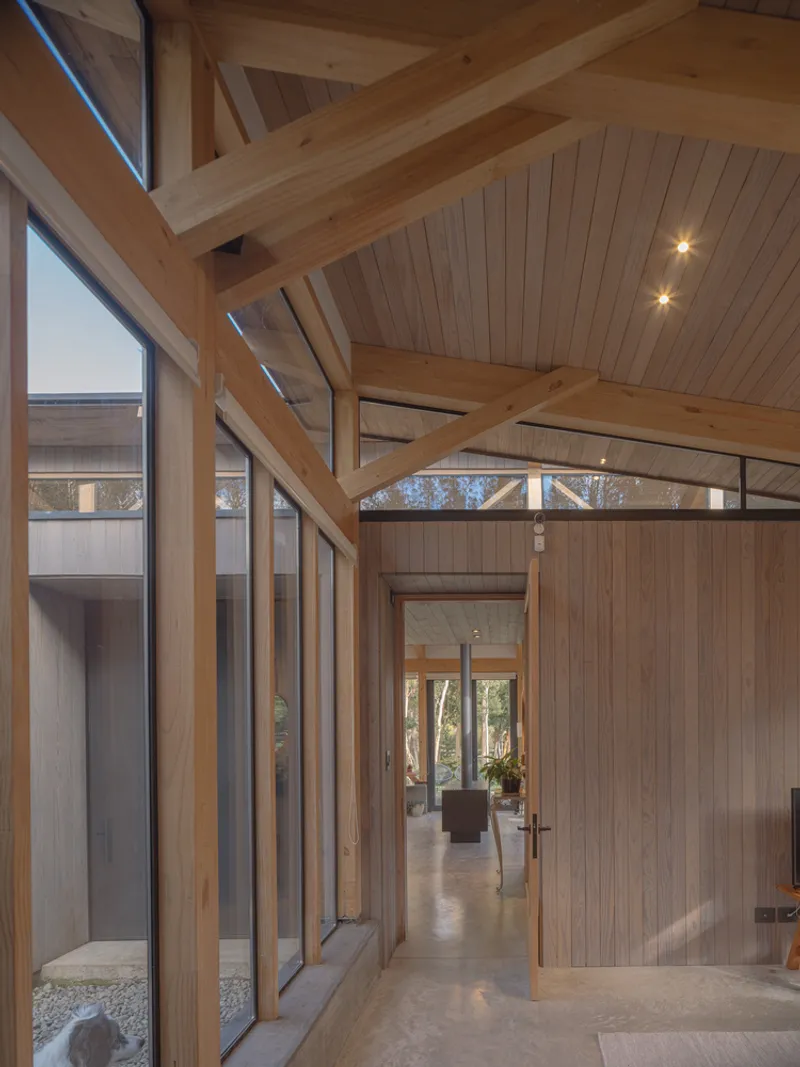
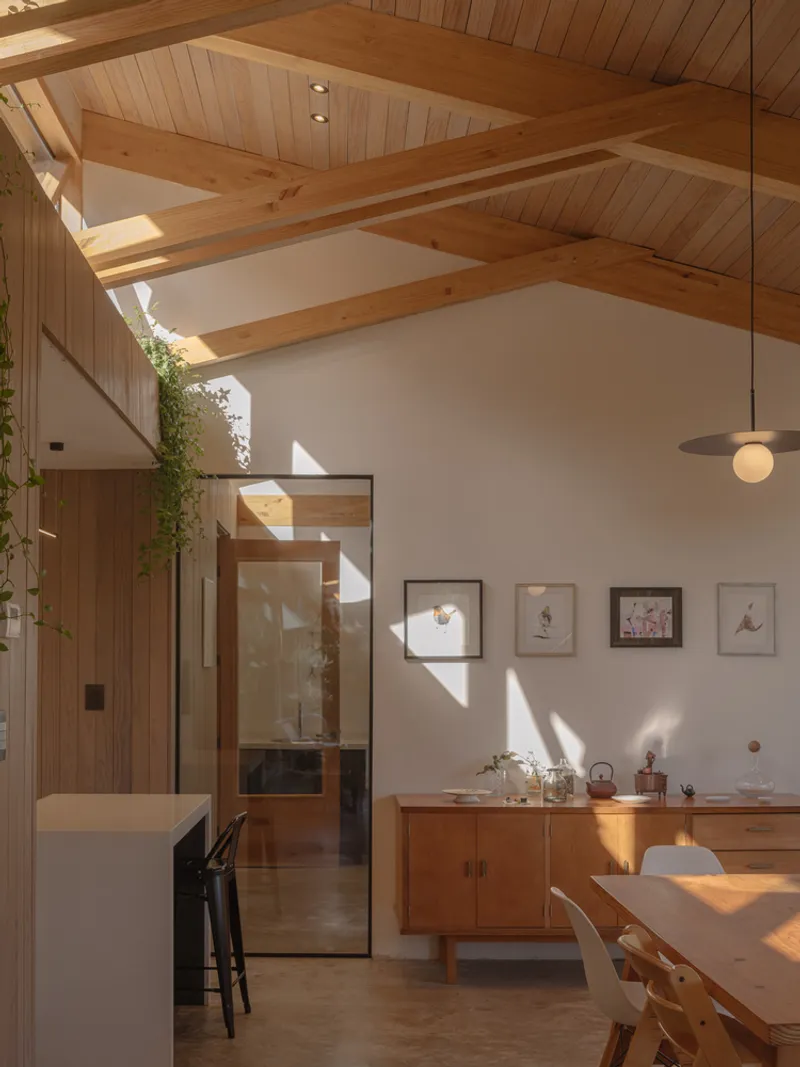
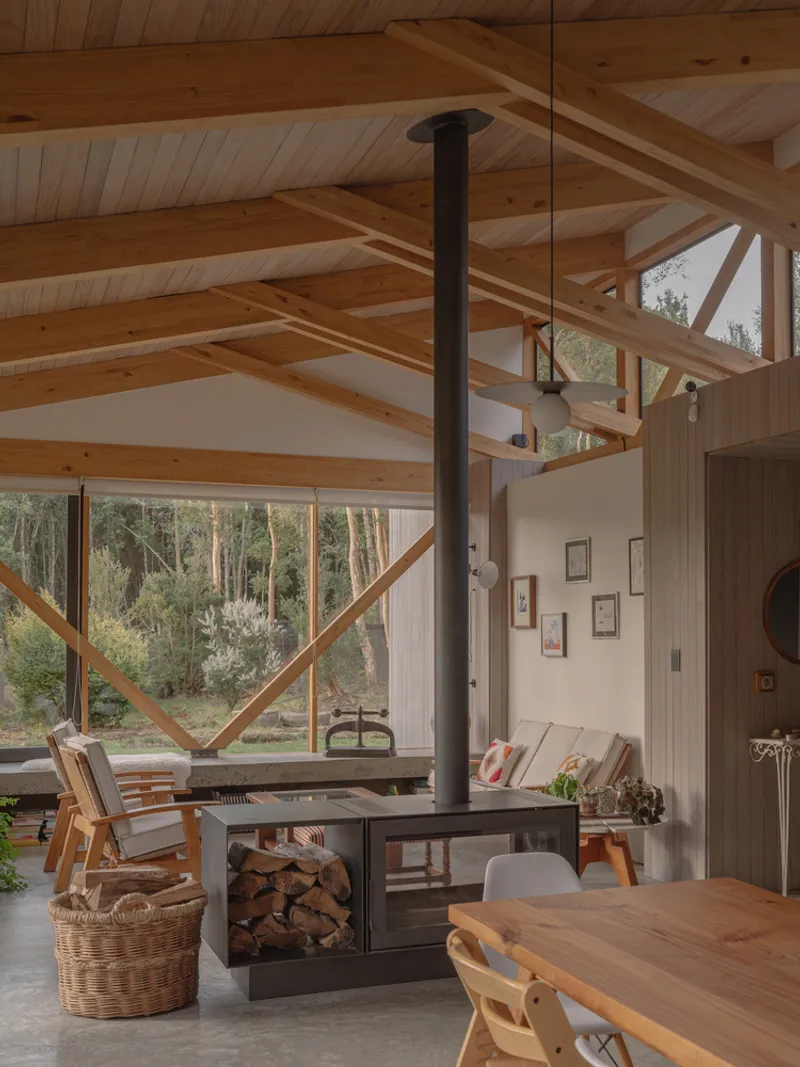
The structural system reinforces the conceptual clarity of the project. Mechanized laminated wood supports the galleries through a repetitive sequence of columns, beams, and diagonal elements placed every 1.8 meters. This modular rhythm ensures durability while defining the character of light within the home. Indirect light filters through the upper openings of the wooden boxes, while direct sunlight washes across the galleries throughout the day. As the sun moves, the atmosphere inside the house shifts, allowing the architecture to express the changing qualities of time and nature.
Materiality Rooted in Landscape and Climate
Material choices emphasize natural textures, durability, and continuity between interior and exterior. Thermally treated wood cladding maintains aesthetic cohesion while enhancing thermal performance through a ventilated façade system. The entire wooden envelope is protected with Cutek wood treatment, ensuring long-term resistance to the region’s humid climate. Continuous concrete flooring provides thermal inertia that helps regulate indoor temperature and supports the home’s passive heating strategy. Integrated wooden benches and built-in features underscore the project’s functional clarity while offering subtle moments of rest, storage, and spatial transition.
A Home that Celebrates Contemplation, Craft, and Nature
The Arboreto House stands as an example of architecture that is both respectful and expressive—an introspective retreat that amplifies the beauty of its surrounding forest. By combining Chilean architectural tradition with modern sustainable principles, Camila Pineda Arquitectura creates a home that honors craft, encourages reflection, and allows nature to remain the dominant presence. Through its careful material palette, low environmental impact, and poetic handling of light, the house offers a serene way of inhabiting one of Chile’s most unique natural landscapes.
All photographs are works of Marcos Zegers




Popular Articles
Popular articles from the community


The Earth Pod: 3D Printed Homes for Resilient Refugee Communities
The Earth Pod reimagines refugee housing through 3D printed homes made from clay, combining resilience, self-sufficiency, and rapid shelter.

Co-Life: Senior Housing Design That Reconnects Older Adults With the City
Co-Life reimagines senior housing design through healing gardens, shared streets, workshops, and a sustainable community across generations.

Riyadh For All: Intergenerational Urban Design for Active Aging in Rabat
Riyadh For All reimagines urban design in Rabat with intergenerational co-living, adaptive courtyards, and Moroccan cultural exchange today.

The Ocean Hive: Sustainable Architecture for a Self-Sufficient Civilization at Sea
The Ocean Hive imagines sustainable architecture at sea, where modular habitats, algae, wave power and ocean waste sustain a growing colony.


Similar Reads
You might also enjoy these articles


Hodi-Mandai Geram
Project Function: Preservation and revitalization of the Intangible heritage and socio-spatial identity of the Hodi by Housing, Cultural Memory Center, Sacred Grove, landscape, local tourism economy


Olio Towers: A Mid-Rise for Performers That Fuses Housing, Rehearsal, and Stage
Located blocks from Houston's Theater District, this modular tower stacks living units around a central performance atrium.

Oasis: Modular Green Housing Carved into Dhaka's Urban Fabric
A shortlisted Plugin Housing entry reclaims unauthorized settlements in Dhaka with stepped concrete volumes, green roofs, and ventilation-driven design.

Black Hole: A Floating Megastructure for the Post-Physical Era
Emiliano Mazzarotto envisions a spherical, self-scaling arena where e-sports, digital hotels, and holographic stadiums replace traditional public space.


Explore Architecture Competitions
Discover active competitions in this discipline



Challenge to reimagine the Iron Throne


Photograph architecture without architects


Illustrate the lost glory of Angkor Wat - Render Challenge


Design challenge to reuse E-waste
Comments (0)
Please login or sign up to add comments
No comments yet. Be the first to comment!