
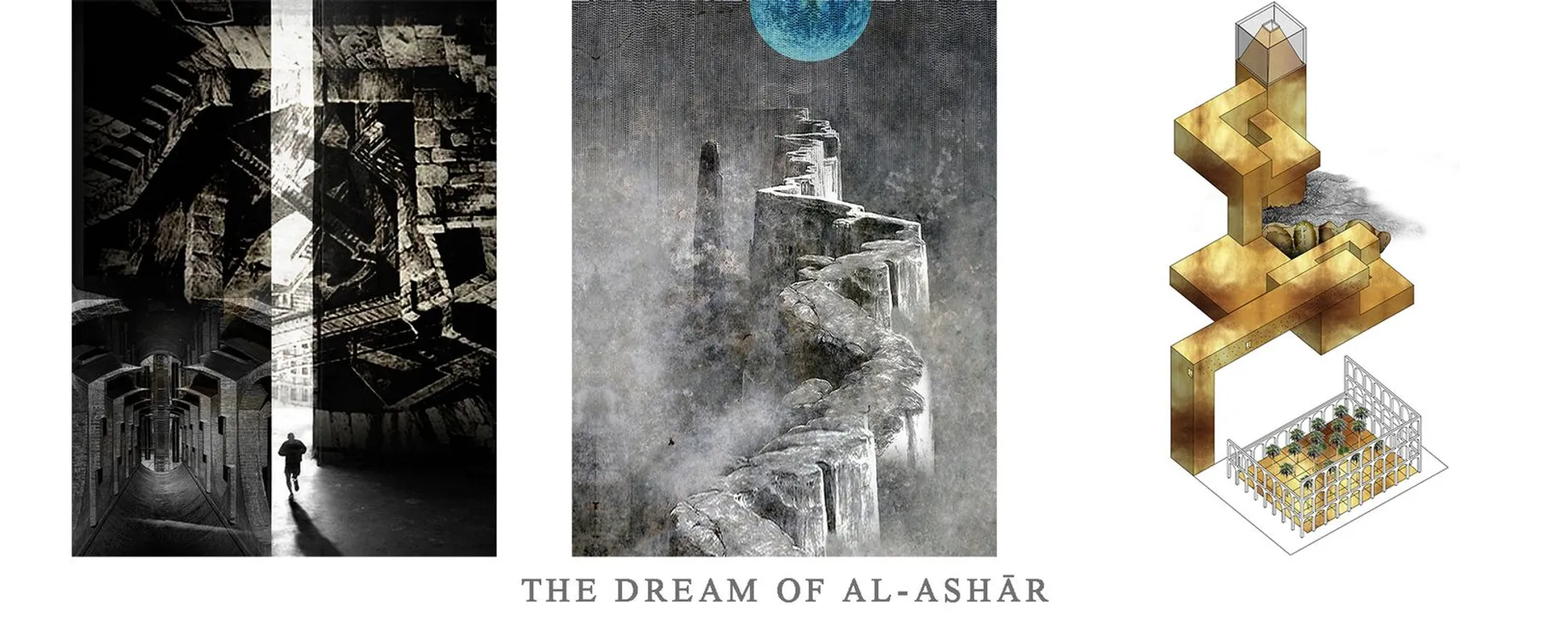
The Dream of al-Ashā-R: Architectural Memory Path
Reconstructing Dreams into Reality: Building Hope, Healing, and Resilience in the Heart of Aleppo


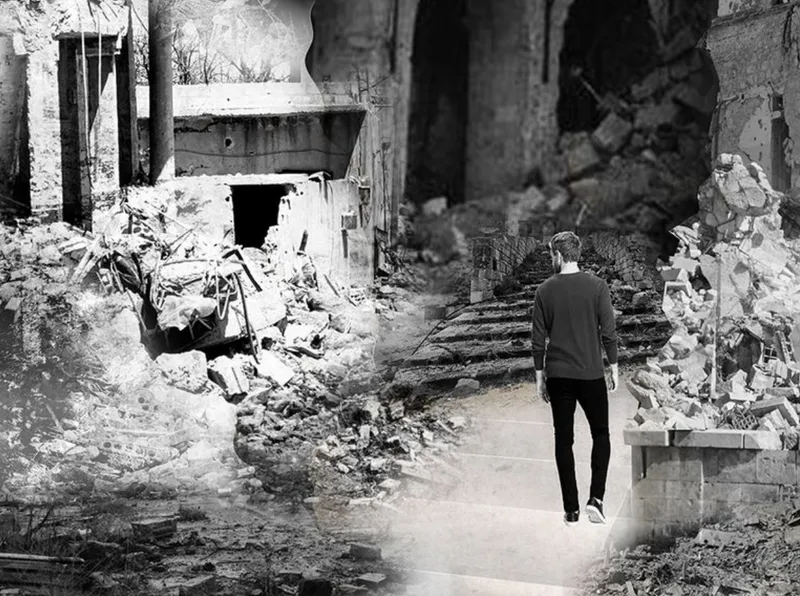
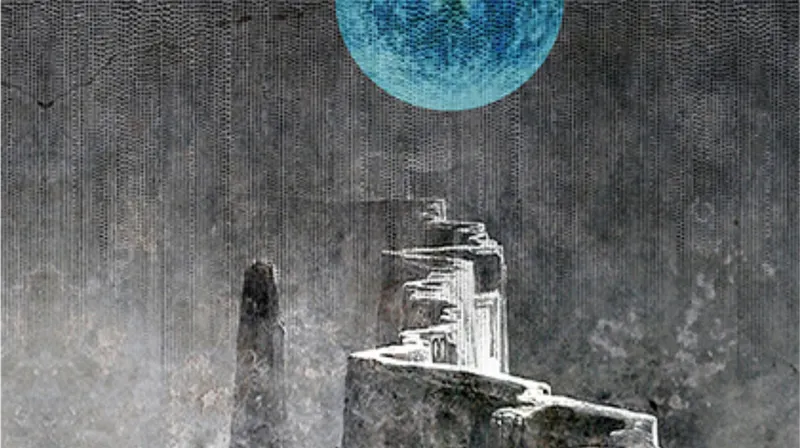
White dust from a ruined wall shines with suffering like sun rays on the desert sands. Memories carried in people's minds often hide the darkest emotions. The world can collapse, allowing us to feel pain, loss, and the experience of what hovers like a fog that spreads to every corner, blurring the boundaries of the real world and the world of dreams. This architectural memorial allows us to perceive reality as a dream we cannot awake from. We start to understand this specific medium as a source of human experience—a structure that becomes the voice of memory and dreams, counterbalancing cruel experiences. Most importantly, it is a metaphor for awakening.
The Memorial is a personal and collective structure that commemorates forgotten people and creates a recognizable landmark of great emotional power. This empathic architecture actively involves the victims in constructing the building throughout its lifecycle. Located in Aleppo, the building is designed to inspire peace and facilitate the city's reconstruction.

A Path Through Memory
The architectural memory path symbolizes the journey from despair to hope, chronicling stages of human resilience:
- Cave (Falling Asleep): The starting point of introspection and emotional withdrawal.
- Eden (Relaxation): A phase of tranquility and healing, symbolizing the possibilities of rebirth.
- Path (Essentiality): Representing the essential steps in reconstructing identity and purpose.
- Abyss (Suffering): An acknowledgment of pain and the depths of human struggle.
- Void (Helplessness): The empty spaces, echoing the vast emotional toll of destruction.
- Bridge (Regeneration): A crossing toward hope and collective rebuilding.
- Oasis (New Beginning): The ultimate stage, representing hope, community, and a green future.

Phases of Reconstruction
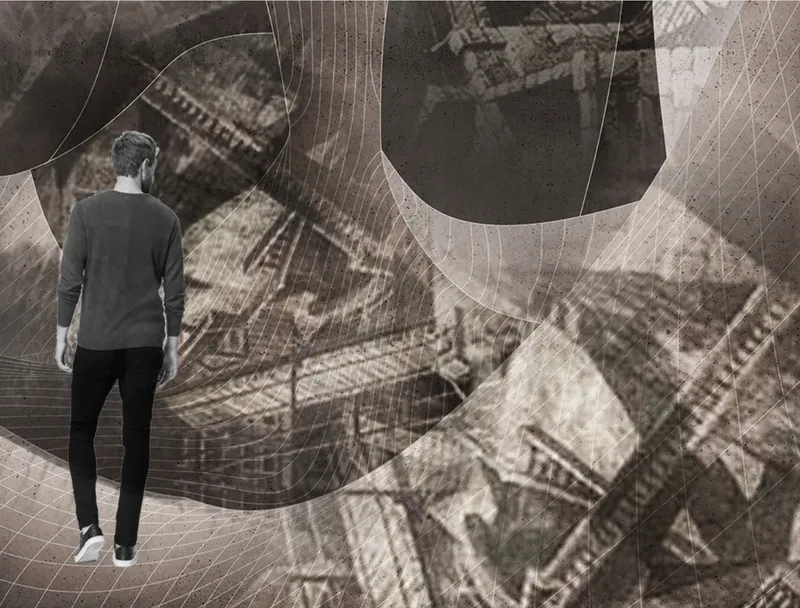
This project is conceptualized in five progressive stages:
- Memory Preservation: Ruins are maintained as a testament to transformation, preserving collective history.
- Memory Through Architecture: Temporary structures are created with a focus on a memory path.
- Building Under Human Impact: Using local materials, residents create further structures to meet social needs.
- Courtyard Archetypes: These structures reflect traditional Arab courtyards while embracing modern design.
- Reconstructed City-Stillness: The completed memorial fills the void, merging memory with vibrant urban life.
A Tribute to Aleppo
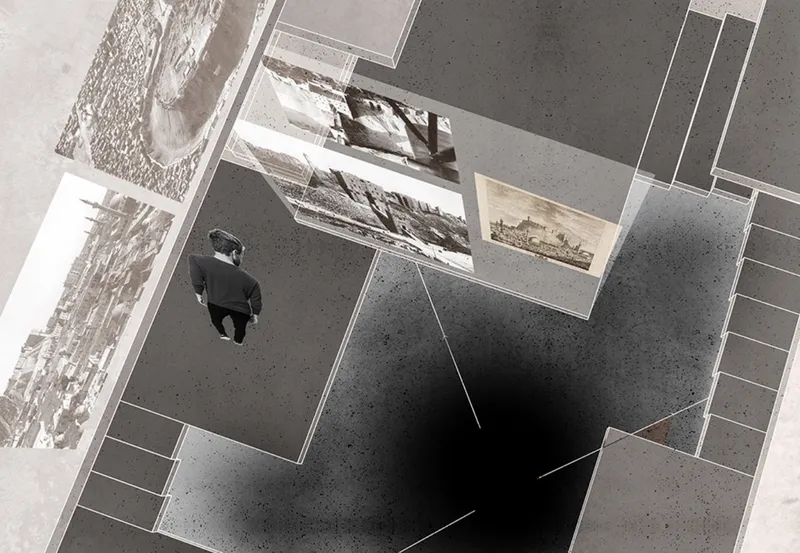
Dominika Nikiel’s "The Dream of al-Ashā-R" was a shortlisted entry in the Memory competition. This visionary project reimagines the scars of war as an architectural journey, transforming them into a hopeful future for Aleppo's citizens. By integrating the emotional landscape with architectural spaces, it bridges the past and the future.
The architectural memory path weaves together the fragmented stories of a city, offering a sanctuary for remembrance, healing, and growth. It stands as a beacon for peace, symbolizing resilience and the enduring human spirit.




Popular Articles
Popular articles from the community


Co-Life: Senior Housing Design That Reconnects Older Adults With the City
Co-Life reimagines senior housing design through healing gardens, shared streets, workshops, and a sustainable community across generations.

Riyadh For All: Intergenerational Urban Design for Active Aging in Rabat
Riyadh For All reimagines urban design in Rabat with intergenerational co-living, adaptive courtyards, and Moroccan cultural exchange today.

Hill & Cross Opera: Sculptural Opera House Architecture Shaped by Tallinn’s Landscape and Identity
Hill & Cross Opera reimagines opera house architecture in Tallinn through its sculptural hill, civic plaza, glass wave and a luminous cross.
EW PARK: Sustainable Architecture Reimagines the Future of Urban Parking
EW PARK reimagines city parking as a modular wooden tower combining automation, solar energy, electric mobility, and adaptable urban design.


Similar Reads
You might also enjoy these articles


Hodi-Mandai Geram
Project Function: Preservation and revitalization of the Intangible heritage and socio-spatial identity of the Hodi by Housing, Cultural Memory Center, Sacred Grove, landscape, local tourism economy


Olio Towers: A Mid-Rise for Performers That Fuses Housing, Rehearsal, and Stage
Located blocks from Houston's Theater District, this modular tower stacks living units around a central performance atrium.

Oasis: Modular Green Housing Carved into Dhaka's Urban Fabric
A shortlisted Plugin Housing entry reclaims unauthorized settlements in Dhaka with stepped concrete volumes, green roofs, and ventilation-driven design.

Black Hole: A Floating Megastructure for the Post-Physical Era
Emiliano Mazzarotto envisions a spherical, self-scaling arena where e-sports, digital hotels, and holographic stadiums replace traditional public space.

Explore Urban Design Competitions
Discover active competitions in this discipline



Challenge to design locus for the upliftment of human rights


Design challenge to reuse E-waste
Comments (0)
Please login or sign up to add comments
No comments yet. Be the first to comment!