

The Gray Race House: Regeneration, Craft, and Contemporary Living in the Italian Alps
The Gray Race House redefines sustainable renovation in Italy, transforming an existing structure into a fossil-free, contemporary home rooted in place.


Completed in 2025, The Gray Race House by Rinaldo Del Nero stands as a compelling example of architectural regeneration in contemporary Italy. Located in Sondrio, at the foot of the Orobie Alps in the lower Valtellina Valley, the project demonstrates how renovation can become a meaningful alternative to demolition—preserving complexity, memory, and material value while achieving high environmental performance and spatial quality.
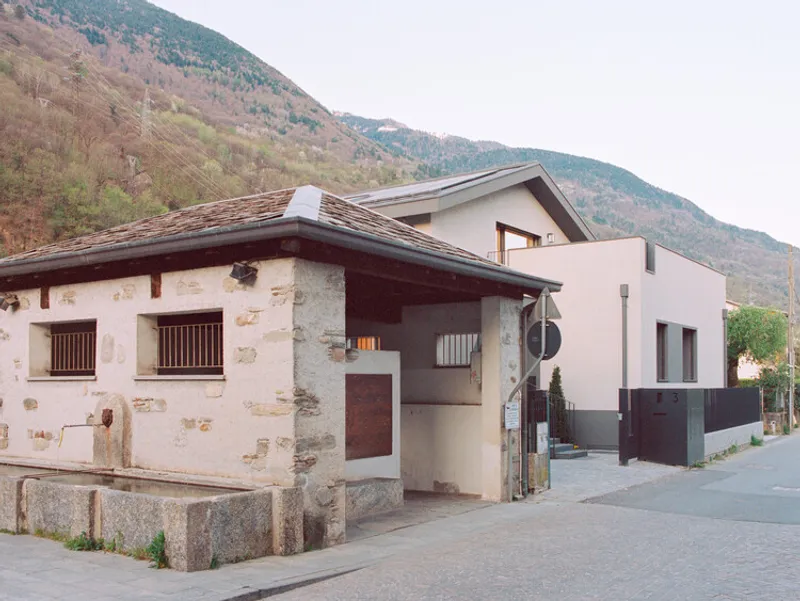
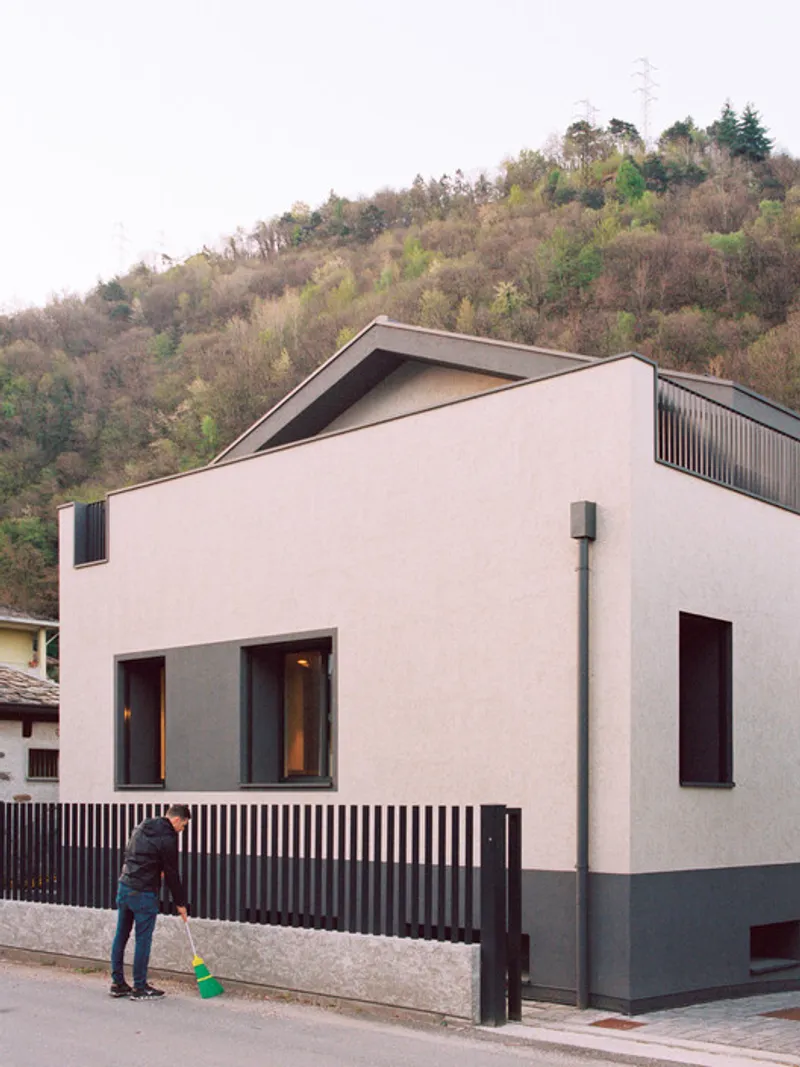
Rather than erasing the past in favor of standardized efficiency, the project embraces transformation through care, precision, and restraint. The result is a house that bridges eras, cultures, and construction philosophies, offering a quietly radical response to the excesses of contemporary building practice.
Between Historic Fabric and Contemporary Growth
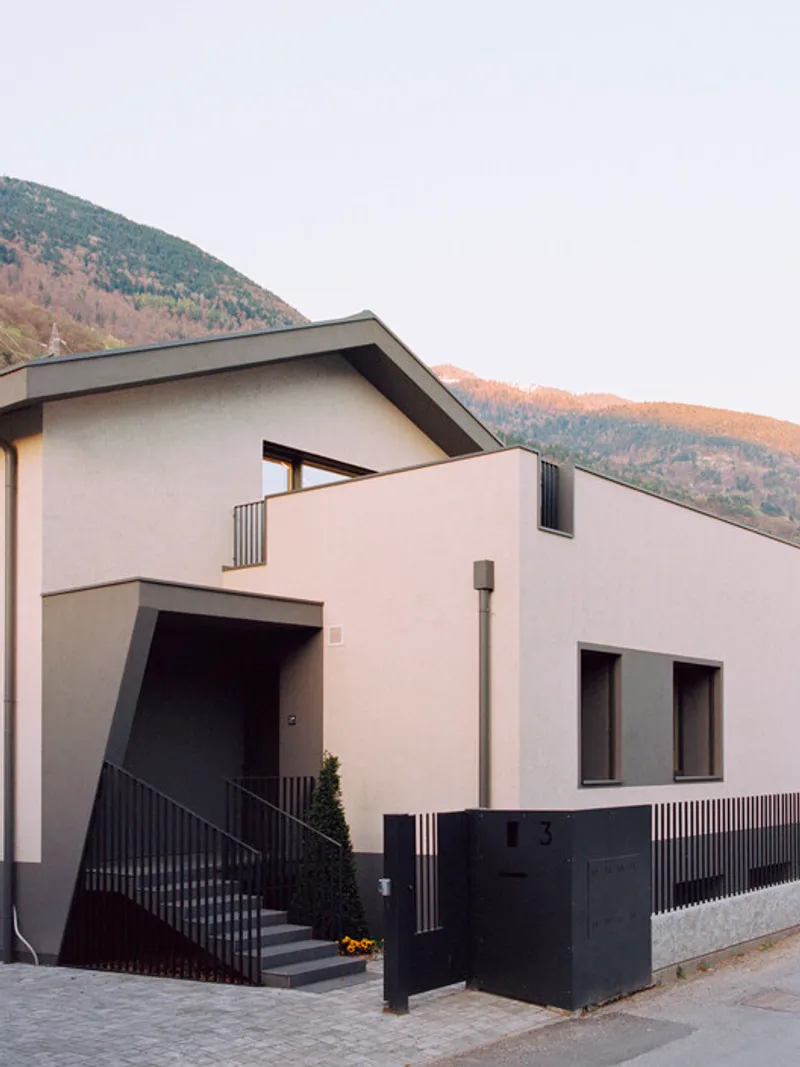
The Gray Race House occupies a sensitive urban position on the edge of Sondrio’s historic center, near a public fountain once used for communal washing. This setting places the building at a literal and symbolic threshold—between the dense, layered fabric of the old town and the looser residential developments that followed.
Rather than asserting dominance or retreating into nostalgia, the renovated house acts as a mediator between these contexts. Its architectural language respects the scale and rhythm of its surroundings while subtly redefining them through contemporary materials, proportions, and detailing. The project does not seek visibility through spectacle, but through coherence and depth.
Renovation as an Act of Recovery
At the outset, the house was structurally fragile, energy-inefficient, and spatially outdated. The common response in such cases—demolition followed by reconstruction—was deliberately rejected. Instead, the architect adopted a strategy of recovery and enhancement, recognizing that the existing structure contained both embodied energy and cultural value.
The renovation included:
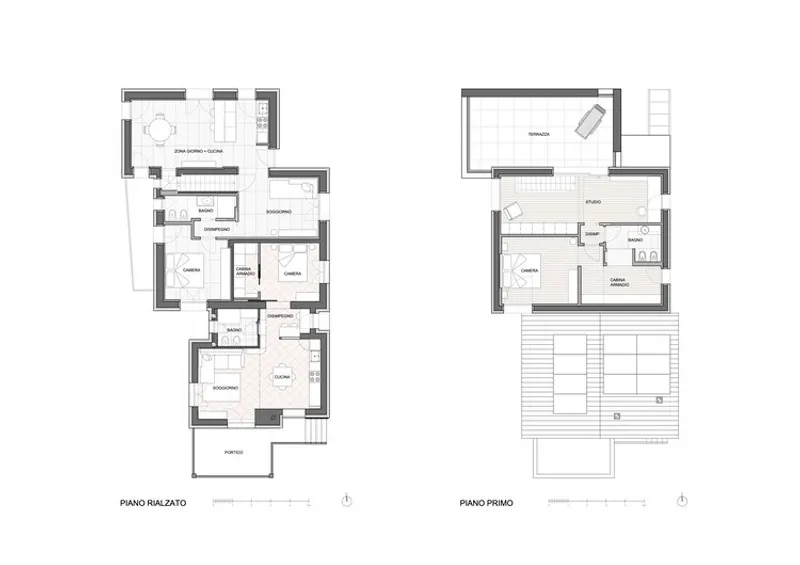
- The addition of a new upper floor
- A completely rebuilt roof
- Continuous thermal insulation, applied both internally and externally
- A full reconfiguration of the interior layout
- A comprehensive rethinking of material expression and spatial hierarchy
Crucially, these interventions were not intended to overwrite the building’s past, but to guide it toward a more thoughtful present—one that aligns contemporary living standards with long-term sustainability and architectural integrity.
Quality in the Age of Incentives
The project was carried out during Italy’s Superbonus 110% incentive program, a policy designed to promote energy efficiency but often criticized for encouraging speed, repetition, and superficial solutions. In this context, The Gray Race House stands apart.
Rather than exploiting the incentive for maximum short-term gain, the project used it as an opportunity to invest in craftsmanship, design intelligence, and technical rigor. This approach culminated in the achievement of CasaClima R certification, a notable distinction during a period marked by generic, carbon-copy renovations.
The house demonstrates that financial incentives do not inevitably lead to architectural compromise—provided that design leadership and long-term thinking guide the process.
A Fossil-Free Domestic Environment
From a technical standpoint, The Gray Race House has been transformed into a fully fossil-fuel-free dwelling, integrating advanced systems without allowing them to dominate the architectural experience.
Key sustainability features include:
- An air-to-water heat pump
- Underfloor heating
- Controlled mechanical ventilation with heat recovery and dehumidification
- A 6 kW photovoltaic system with battery storage
- An electric vehicle charging station
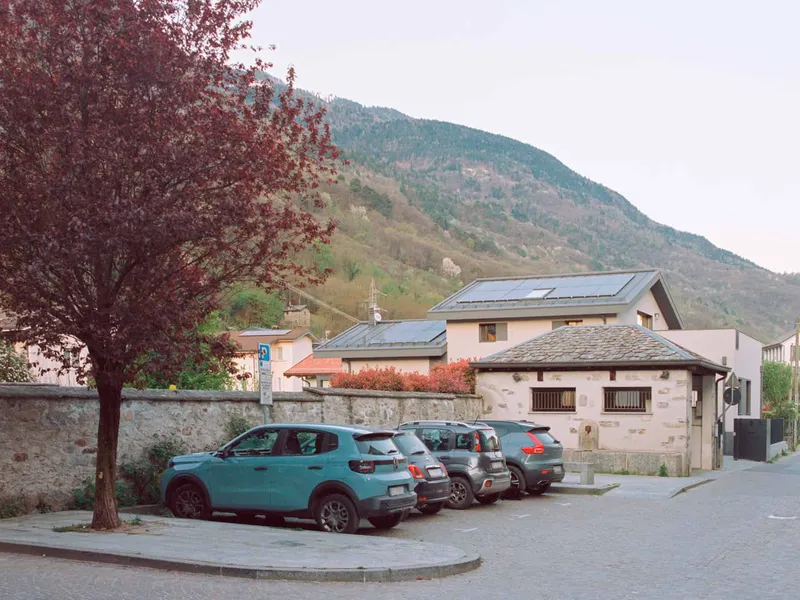
These technologies are discreetly embedded within the architectural framework, ensuring that performance enhancements support—rather than disrupt—the spatial and aesthetic coherence of the house. Sustainability here is not treated as an add-on, but as an intrinsic design parameter.
Exterior Expression: Strength Through Restraint
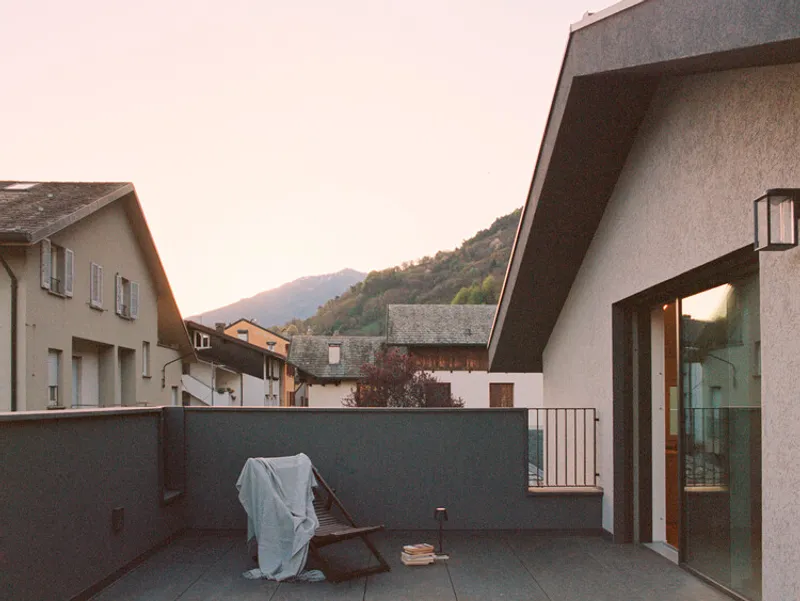
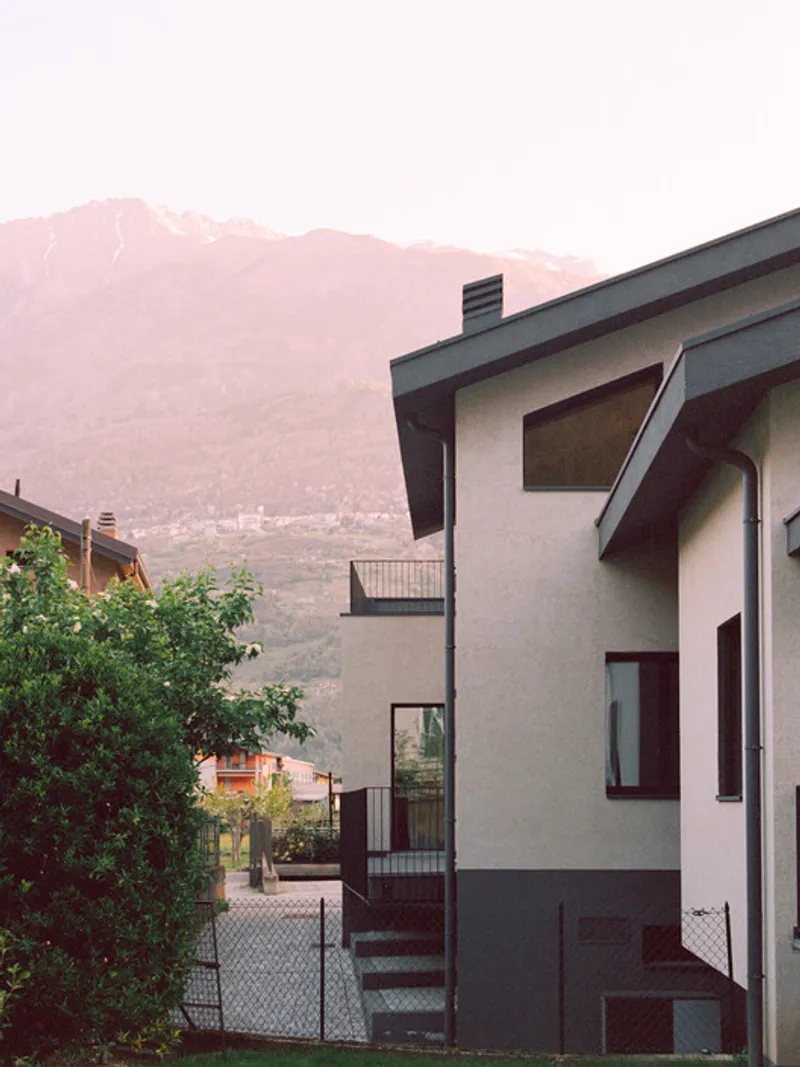
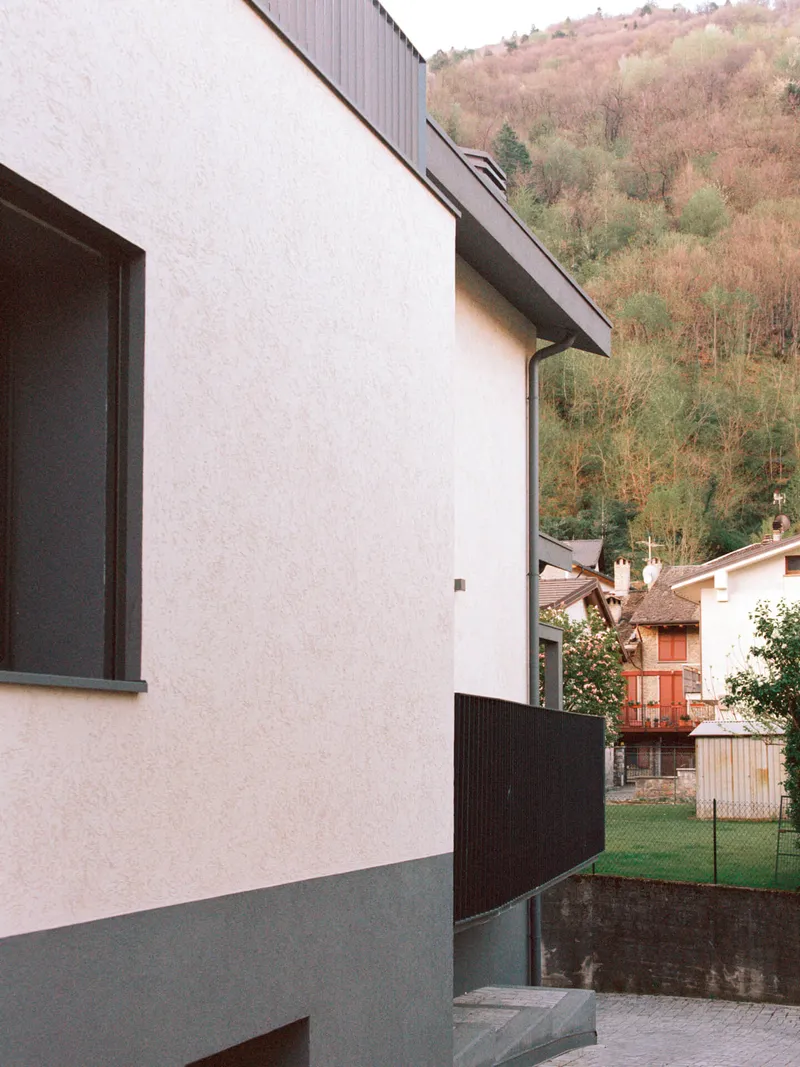
The exterior of The Gray Race House reflects its transformation through measured material choices and carefully calibrated proportions. Concrete surfaces, refined balconies, and understated openings articulate a contemporary identity without severing ties to the local architectural language.
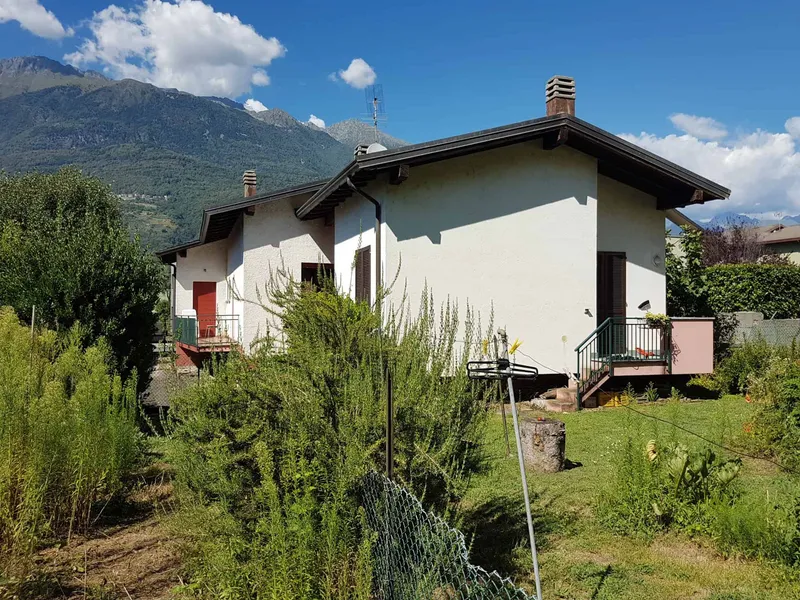
The façade does not seek visual dominance. Instead, it communicates solidity, permanence, and calm—qualities that resonate with the alpine landscape and the stone-based traditions of the region. Subtle shifts in depth and texture animate the elevations, allowing light and shadow to articulate the building over the course of the day.
Interior Spaces: Contemporary Living with Memory
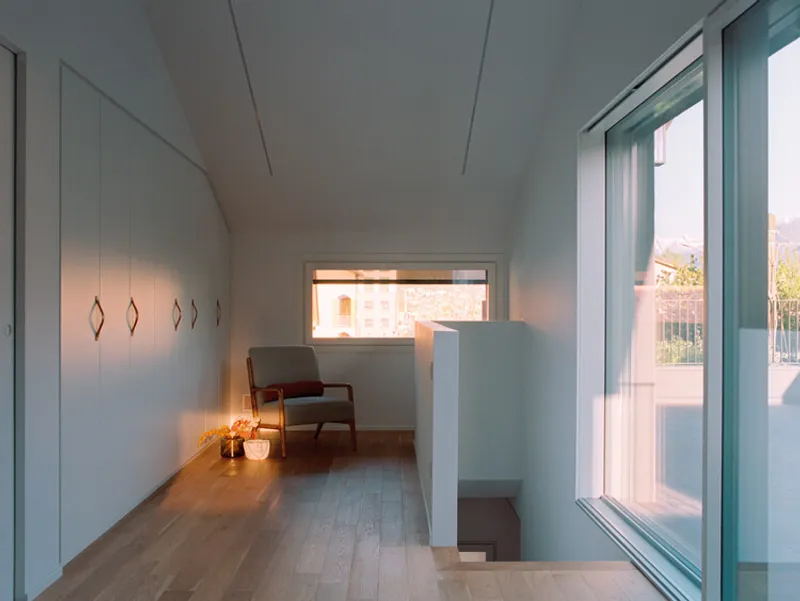
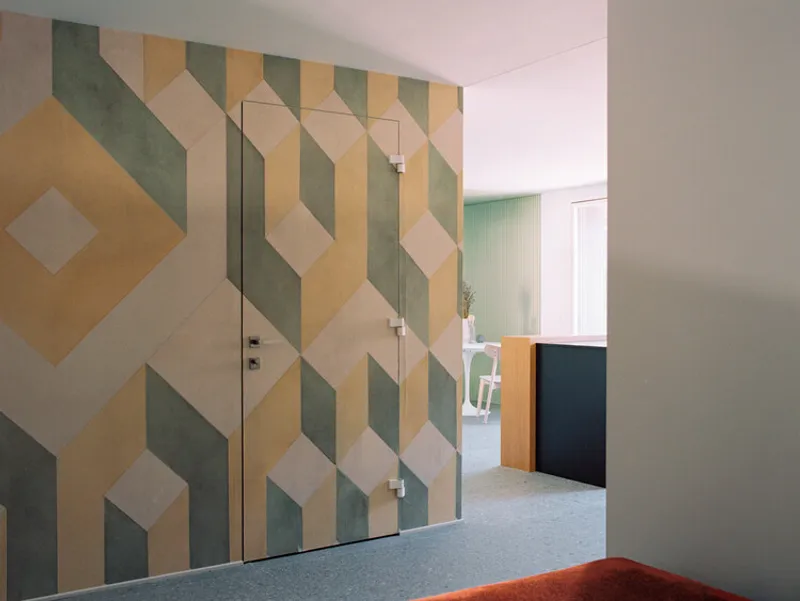
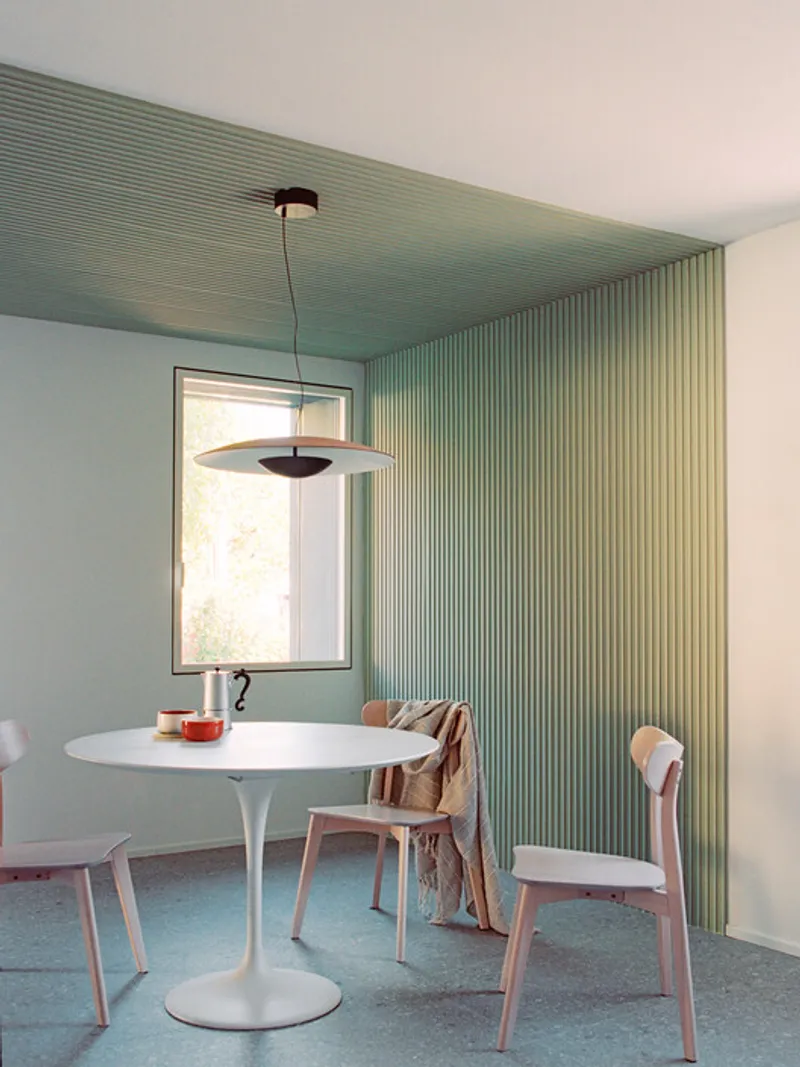
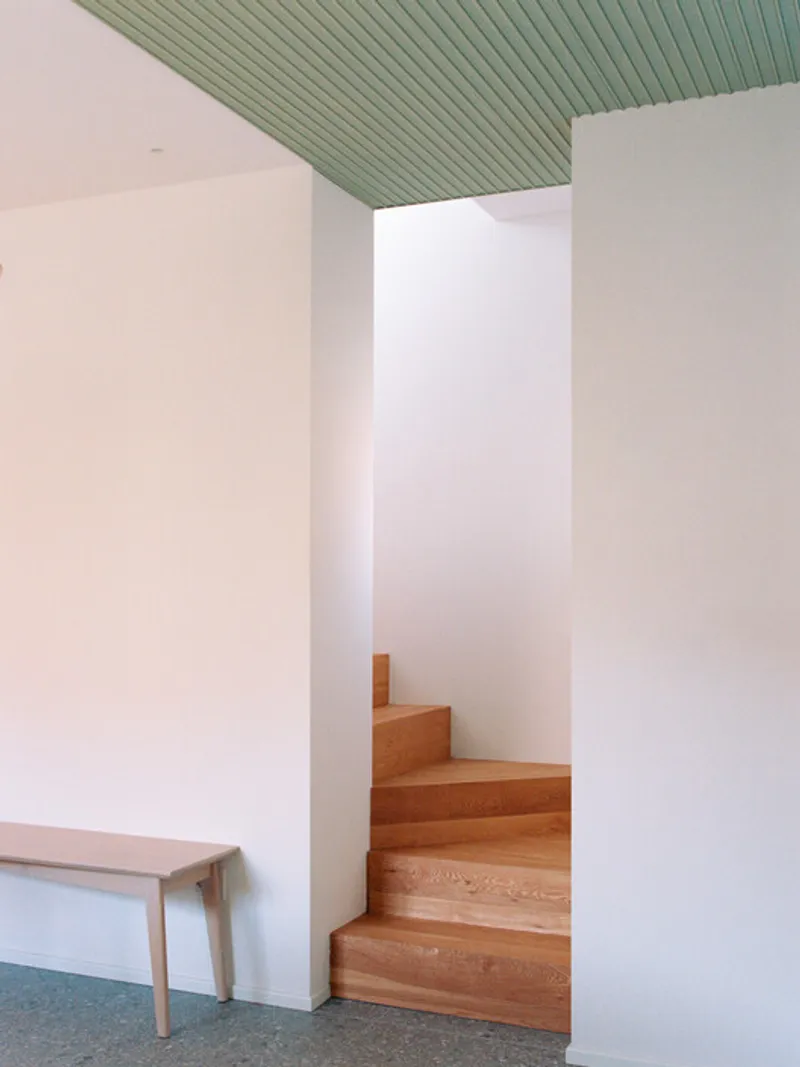
Inside, the house has been entirely reimagined to support modern patterns of living while retaining a sense of continuity with its origins. Spaces are clear, flexible, and light-filled, organized to enhance daily rituals rather than impose rigid hierarchies.
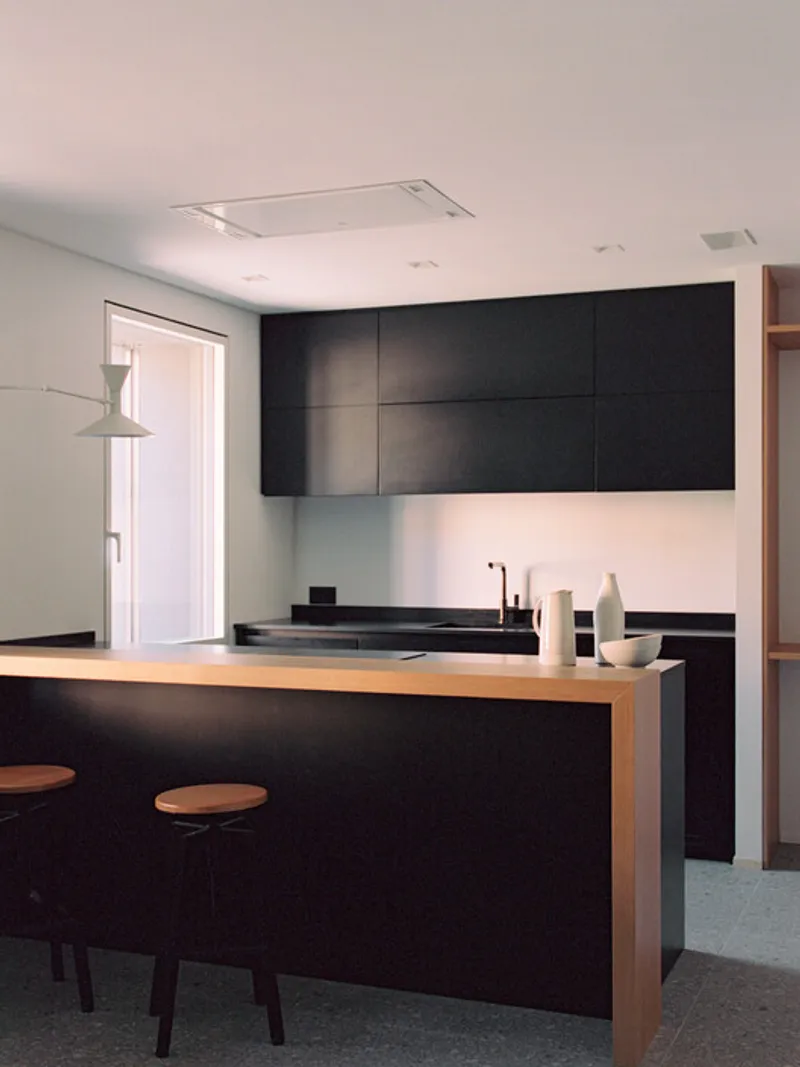
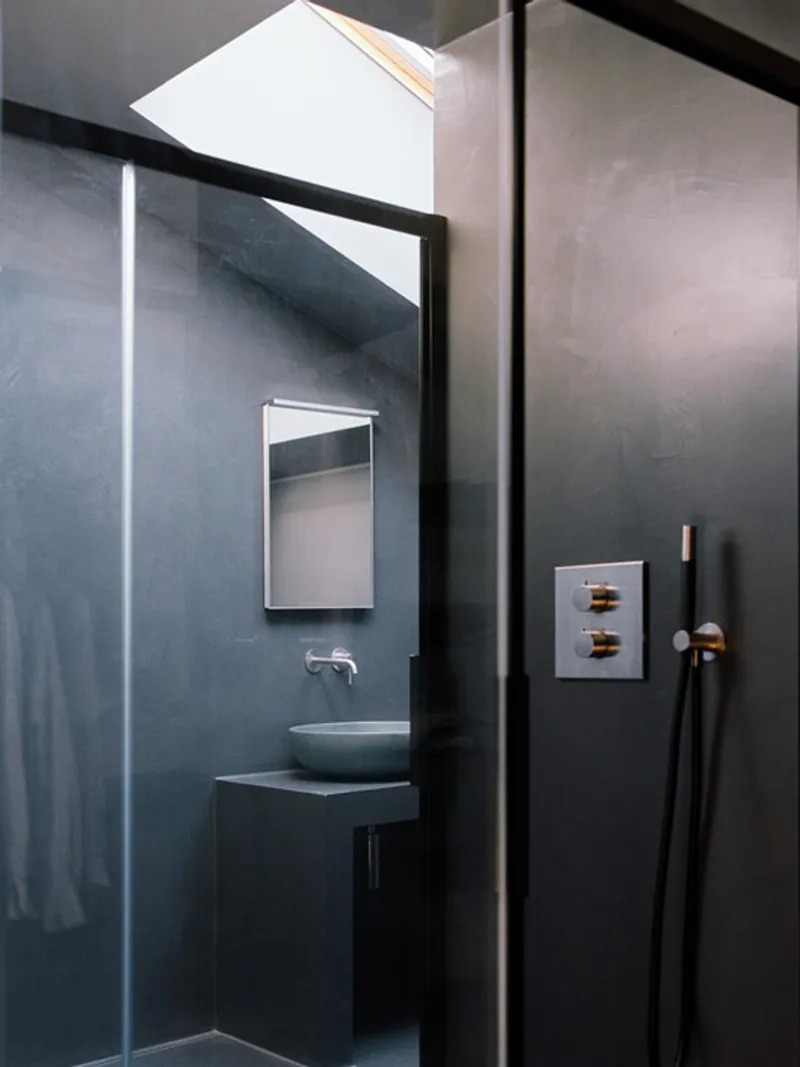
Materials play a central role in this balance. Warm woods, refined surfaces, and carefully selected finishes create an atmosphere that is neither nostalgic nor aggressively modern. Instead, the interiors feel grounded and timeless, capable of adapting to future needs without losing coherence.
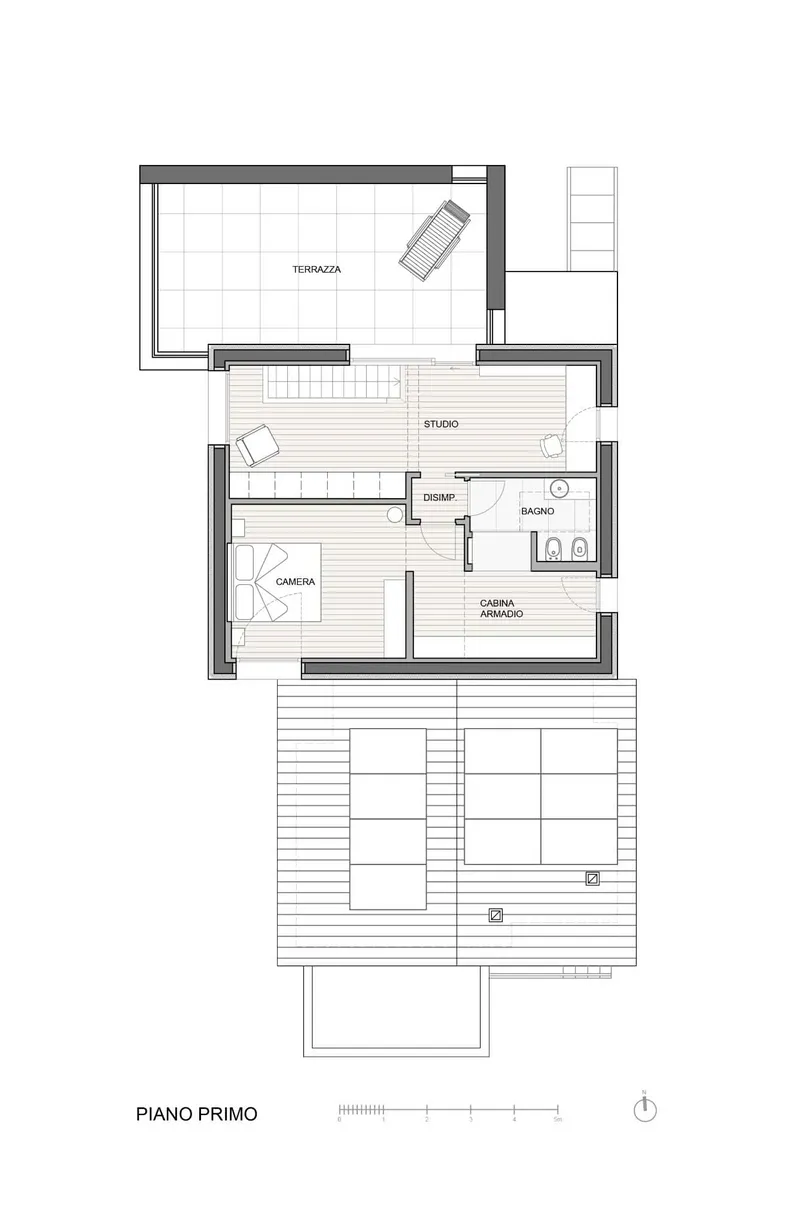
Furniture, lighting, and detailing—from brands such as Bega, Marset, Nemo Lighting, Florim, and Cielo—are integrated with restraint, reinforcing the idea that design quality lies in composition rather than accumulation.
Architecture Against Standardization
One of the most compelling aspects of The Gray Race House is its resistance to standardization. In a construction culture increasingly dominated by prefabricated solutions and aesthetic formulas, the project asserts the value of site-specific thinking and architectural authorship.
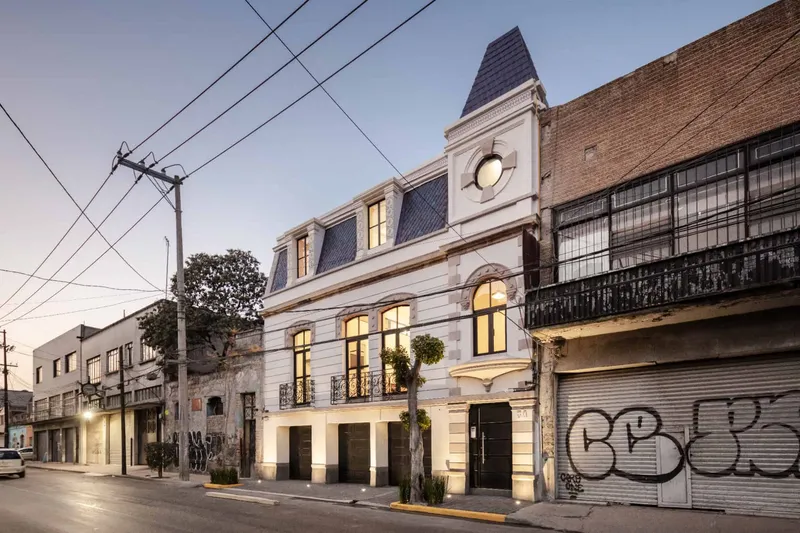
The house is not a nostalgic reconstruction of what once was, nor an abstract object detached from its surroundings. Instead, it is a living structure, regenerated through dialogue between old and new, performance and memory, technique and emotion.
This approach results in architecture that feels authentic—deeply rooted in its place, yet fully attuned to contemporary life.
All the Photographs are works of Marcello Mariana


Popular Articles
Popular articles from the community


David Macias Steps a Doorless Stone and Plaster House Down a Tropical Colombian Hillside
In the humid hills of Colombia, Threshold House replaces the front door with an open void and terraces its 850 m² down the slope instead of fighting it.

GROUP A Strips a 1969 Rotterdam Harbor Headquarters to Its Frame and Wraps It in Timber Louvers
In Rotterdam's M4H harbor district, Ferro Offices reuses a 1969 frame, adds one timber storey and reaches BREEAM-NL Outstanding.

longwave studio Reorganizes a 112 m² Tainan Apartment Around the Daily Routines of a Family and Two Cats
In Tainan, Taiwan, birch plywood, rust-red furniture and a freestanding plaster wall link arrival, storage, work and family life in one apartment.

Juan García Correa, John González and Claudia Rueda Sink a Circular Amphitheater into a Manizales Engineering Building
On the La Nubia campus in Manizales, Colombia, the S1 Building folds labs and offices into a hillside of ramped lawns that double as a campus route.

Similar Reads
You might also enjoy these articles


Hodi-Mandai Geram
Project Function: Preservation and revitalization of the Intangible heritage and socio-spatial identity of the Hodi by Housing, Cultural Memory Center, Sacred Grove, landscape, local tourism economy


Olio Towers: A Mid-Rise for Performers That Fuses Housing, Rehearsal, and Stage
Located blocks from Houston's Theater District, this modular tower stacks living units around a central performance atrium.

Oasis: Modular Green Housing Carved into Dhaka's Urban Fabric
A shortlisted Plugin Housing entry reclaims unauthorized settlements in Dhaka with stepped concrete volumes, green roofs, and ventilation-driven design.

Black Hole: A Floating Megastructure for the Post-Physical Era
Emiliano Mazzarotto envisions a spherical, self-scaling arena where e-sports, digital hotels, and holographic stadiums replace traditional public space.

Explore Architecture Competitions
Discover active competitions in this discipline

Challenge to reimagine the Iron Throne

Photograph architecture without architects

Illustrate the lost glory of Angkor Wat - Render Challenge

Design challenge to reuse E-waste
Comments (0)
Please login or sign up to add comments
No comments yet. Be the first to comment!