
THE LU
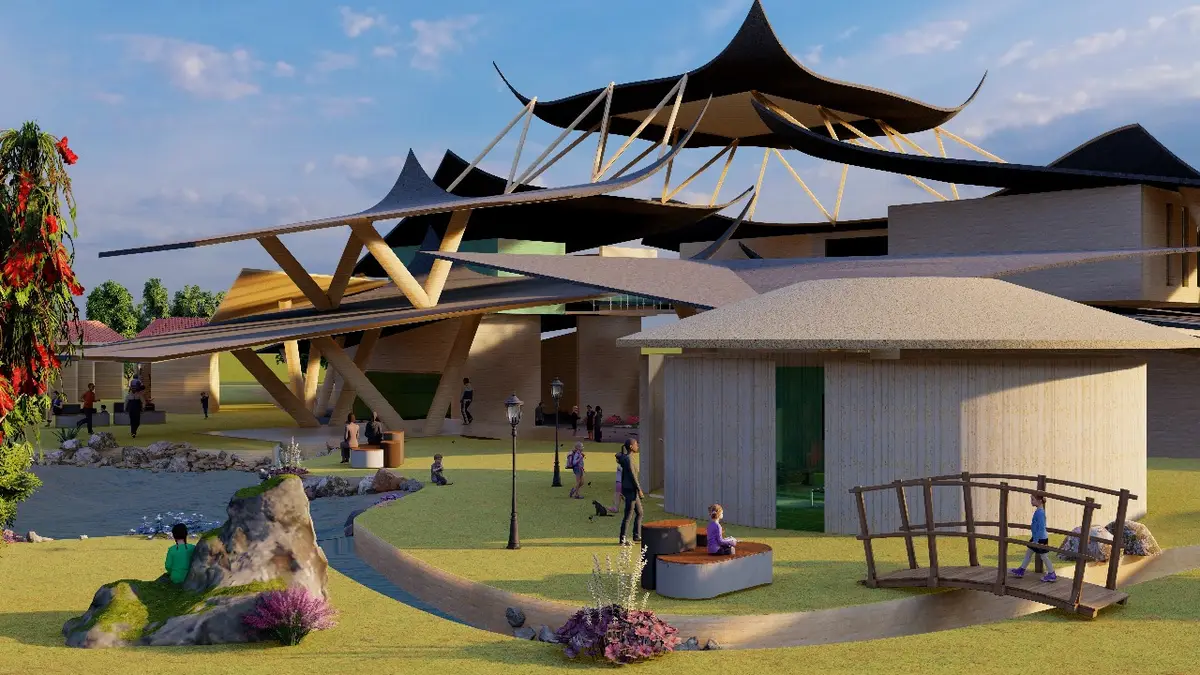
Blurring the lines between tradition and modern innovation, 'The Lu' converges in a tapestry of nature, architecture and sustainability with profound balance and connection

Delving deeper into the symbiotic relationship between traditional Chinese architecture and our modern design ethos, the project unfolds as a testament to the artful interplay between nature, cultural heritage, and contemporary functionality. The synthesis of these elements not only presents an architectural marvel but also fosters a holistic environment that resonates with a sense of purpose and identity.
The infusion of Chinese garden principles into the design goes beyond mere aesthetics; it becomes a narrative that encapsulates the delicate dance between nature and human intervention. Courtyards, meticulously landscaped water features, and abundant greenery are more than ornamental choices; they serve as deliberate elements aimed at creating an immersive experience where the natural world becomes an integral part of the built environment.
The guiding philosophy of Qi, deeply rooted in Chinese thought, takes on a tangible form within the design. It dictates not just the placement of structures but influences the entire spatial experience. As visitors traverse the LU , the exterior landscape unfolds in harmony with the principles of Qi, offering a journey that is not just visual but engages the senses, creating a profound connection between individuals and their surroundings.
Ventilation and cooling strategies are not just pragmatic solutions but integral elements of the architectural narrative. The atrium, strategically positioned, transcends its functional role, becoming a dynamic channel for fresh air. The water body within the building's core serves as more than a cooling mechanism; it becomes a reflective pool, embodying the fluidity and balance of nature within the constructed space.
Sustainability, a cornerstone of our design philosophy, manifests in various forms. Rammed earth pillars, in addition to their aesthetic appeal, symbolize a commitment to eco-friendly construction practices. The vertical farm, meticulously placed on the north-west side, not only optimizes sunlight for cultivation but also embraces a sustainable approach, minimizing the energy required for cooling. These sustainable elements not only contribute to environmental consciousness but also serve as educational facets, inviting occupants and visitors to engage with the ecological narrative embedded in the architecture.
The integration of traditional Chinese curved roofs is a deliberate nod to architectural heritage. Beyond their visual allure, these roofs become functional entities, offering shade and protection from the elements. Each curve is a nod to tradition, a subtle reminder that modernity need not forsake the wisdom embedded in centuries-old architectural practices.
Functionality extends beyond mere convenience; it becomes a narrative of thoughtful design. The underground parking, ingeniously designed for direct vehicle access, is a testament to the commitment to an uninterrupted architectural experience. This approach not only minimizes disruptions but also adds a layer of exclusivity, allowing the architectural brilliance to unfold without the intrusion of vehicular movements.
In essence, our architectural narrative transcends the boundaries of design; it becomes a story. It tells a tale of cultural reverence, environmental stewardship, and a vision for a harmonious coexistence between the built and the natural. As occupants navigate the space, they are not just traversing physical structures; they are engaging with a narrative that seamlessly weaves together tradition and modernity, creating an architectural symphony that resonates with the soul of a space.

Popular Articles
Popular articles from the community


Juan García Correa, John González and Claudia Rueda Sink a Circular Amphitheater into a Manizales Engineering Building
On the La Nubia campus in Manizales, Colombia, the S1 Building folds labs and offices into a hillside of ramped lawns that double as a campus route.


The Amber Palace Opera: A Geological Fiction Surfaces on Tallinn's Baltic Waterfront
Pierre Brillard reimagines a Baltic legend as a public landscape, opera house, and waterfront promenade rooted in Tallinn's coastal identity.

LT2A and OPEN Architectes Thread a Brick and Glass High School Through a Wooded Belgian Campus
In Braine-l'Alleud, a 3,000 m² wing for Collège Cardinal Mercier pairs pale brick with a glazed colonnade, deferring to a small chapel and a dense wood.

David Ortega Stacks a Two-Story Mexico City Penthouse Around a Steel Stair and a Pergola-Shaded Roof Terrace
In Colonia Roma, a 300 m² penthouse uses oak joinery, a planted steel stair and a slatted roof pergola to make a new-build apartment feel like a house.

Similar Reads
You might also enjoy these articles
The Rhythm of Seasons
A Farmers' Market Connecting Nature and the City

More Than a Building-Designing a Living System
More Than a Building-Designing a Living System
Base Beyond
DESERT COMPOUND ARID: TOURISM OF ABSENCE AND ABUNDANCE

Explore Chinese Small Scale Architecture Competitions
Discover active competitions in this discipline


Challenge to design public laboratory

Challenge to reimagine the Iron Throne

Photograph architecture without architects

Illustrate the lost glory of Angkor Wat - Render Challenge
Comments (0)
Please login or sign up to add comments
No comments yet. Be the first to comment!