

The M50 Bird Water Tower's Industrial Architecture Renovation
This article explores the innovative renovation of the M50 Bird Water Tower in Shanghai, blending industrial heritage with modern design.


In the bustling urban landscape of Shanghai’s M50 Creative Park, the M50 Bird Water Tower stands as a testament to the innovative fusion of historical preservation and modern design. Spearheaded by FLIP studio, this project exemplifies a top-tier industrial architecture renovation, breathing new life into a once-abandoned structure. The transformation of the water tower not only showcases a unique blend of the old and the new but also integrates contemporary art into its very fabric.
Historical Background and Architectural Significance
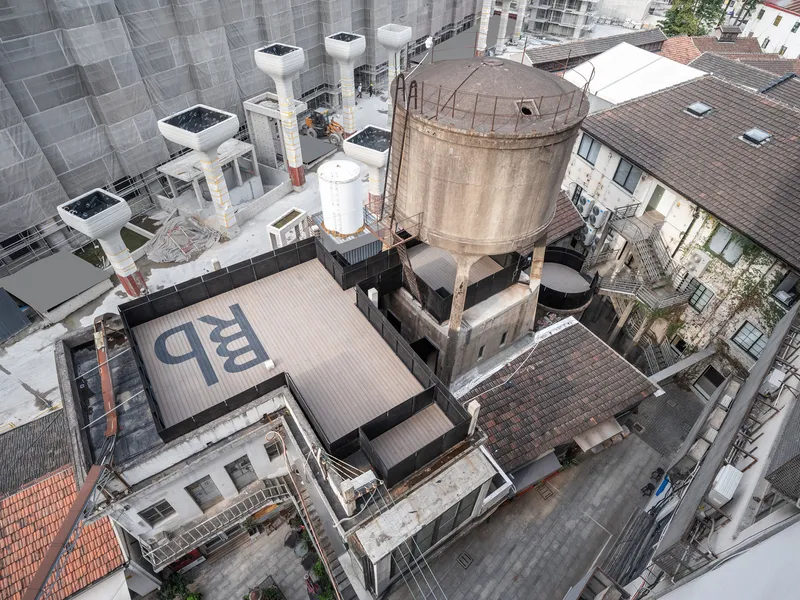
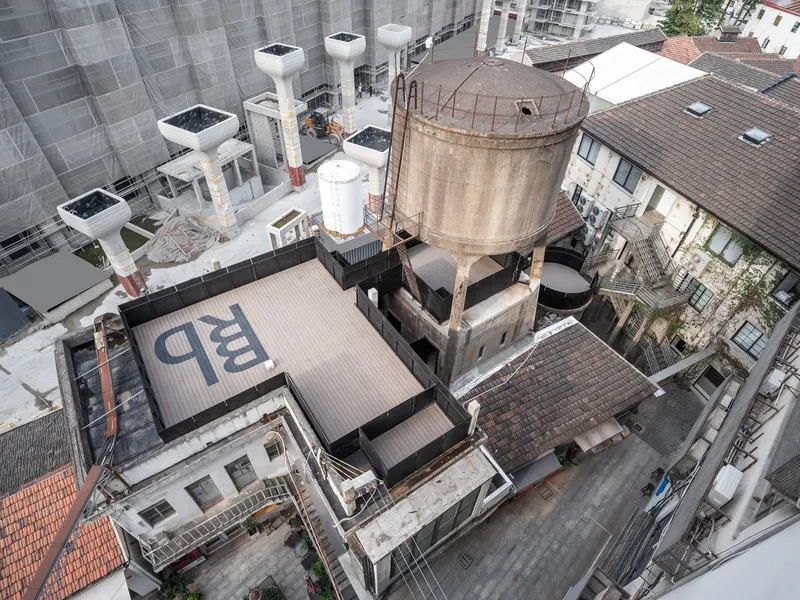
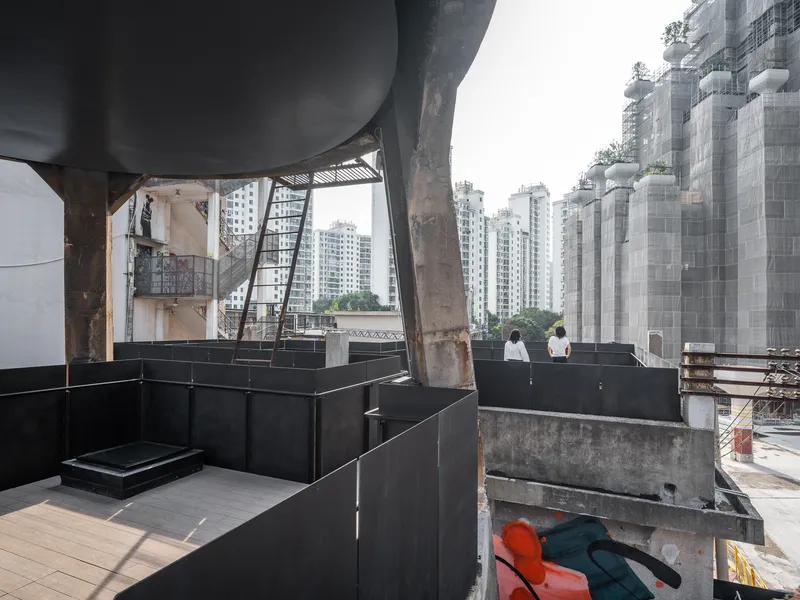
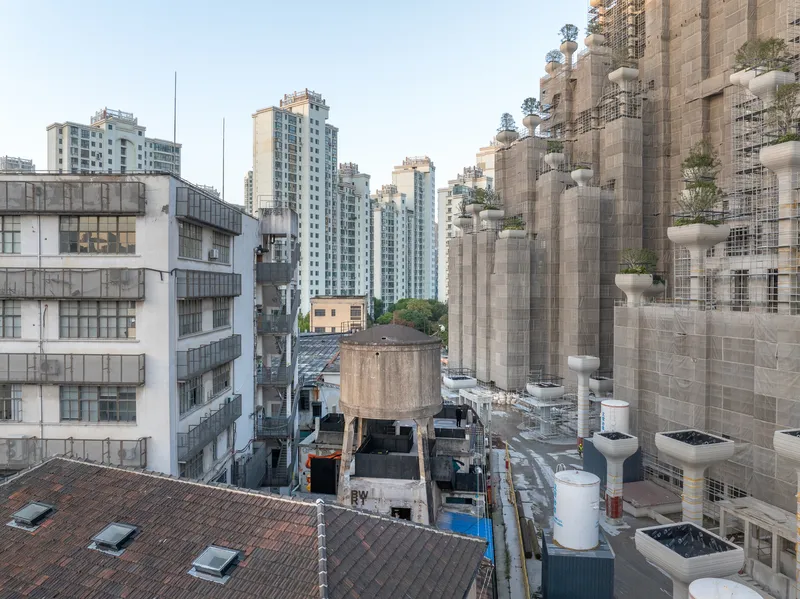
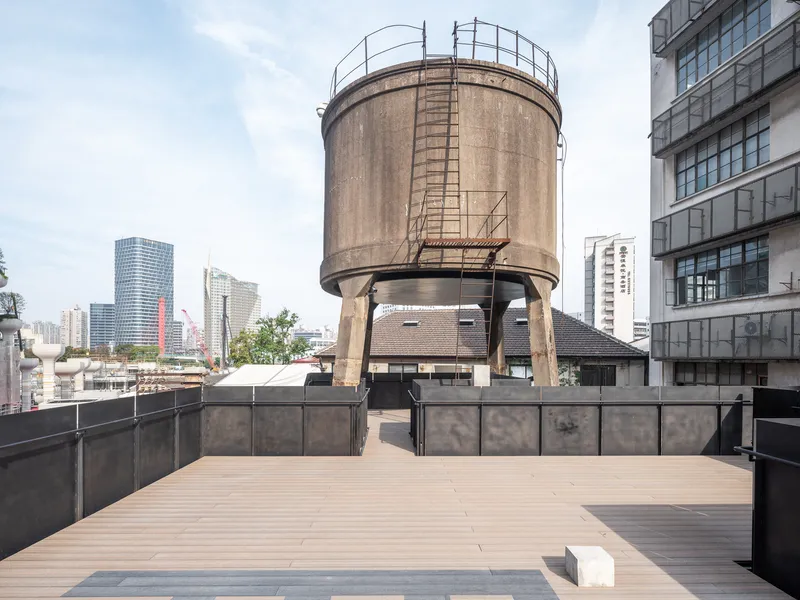
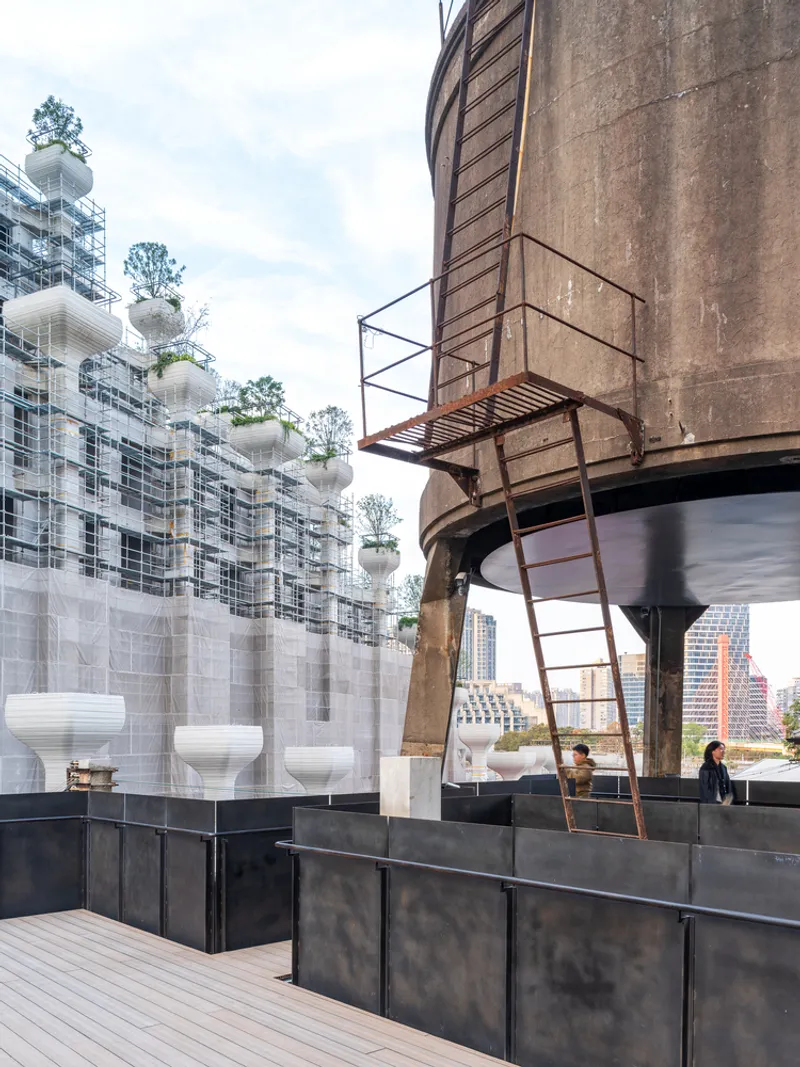
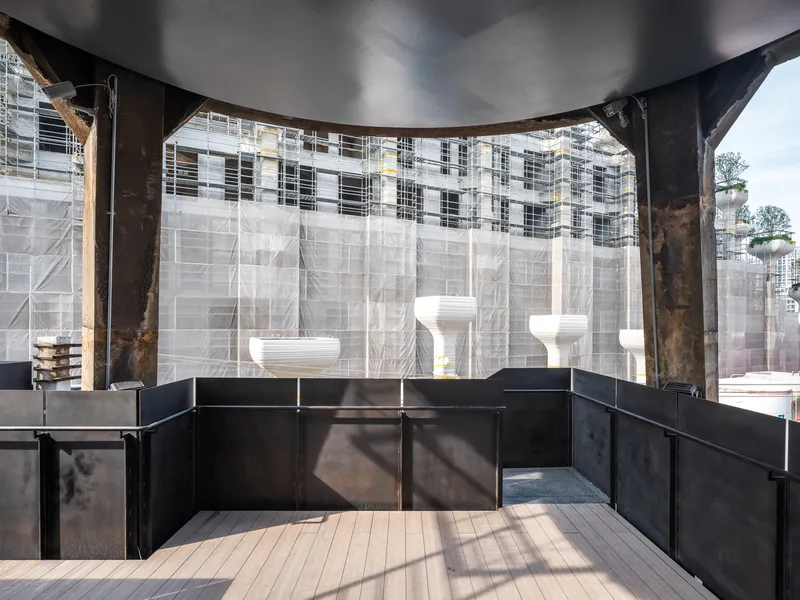
Originally an industrial water tower with a rich history spanning half a century, this structure previously served as the studio of renowned artist and curator Bing Su. Post-abandonment, the FLIP studio embarked on an ambitious journey to reinvent the space while paying homage to its industrial roots. Situated near Heatherwick's iconic 1000 Trees Phase II, the water tower’s location is pivotal, adding to its allure and historical narrative.
Design Strategy and Spatial Experience
Exterior Design Features
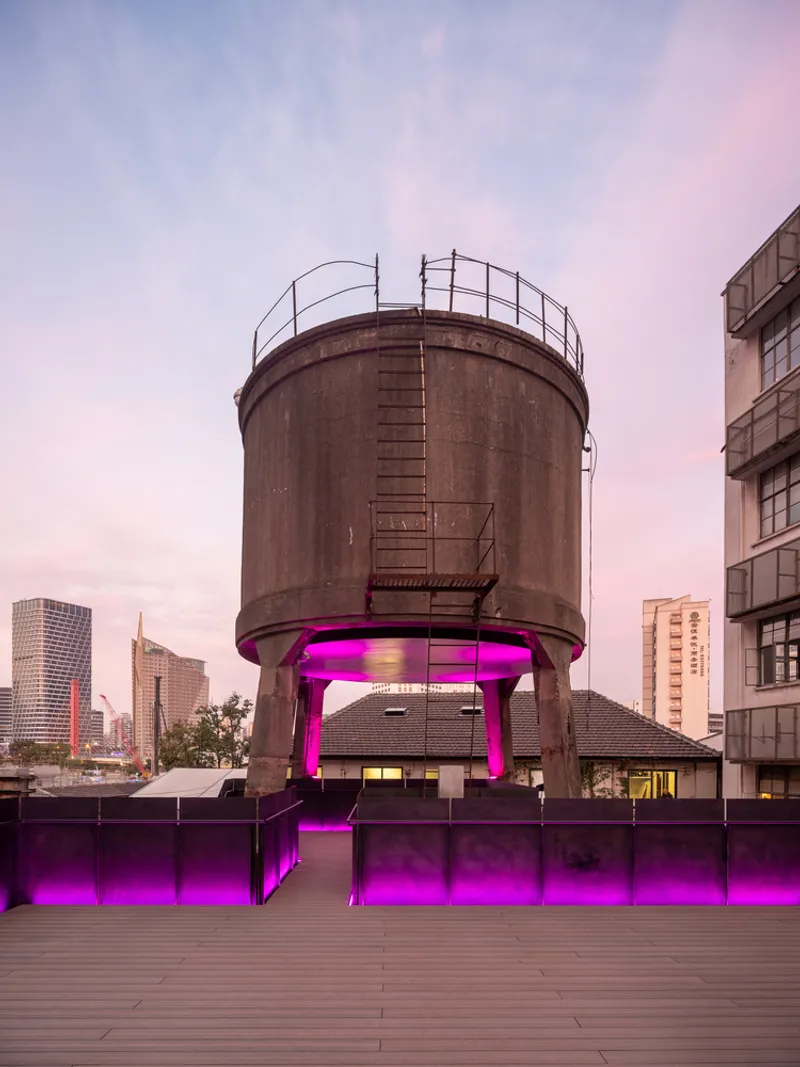
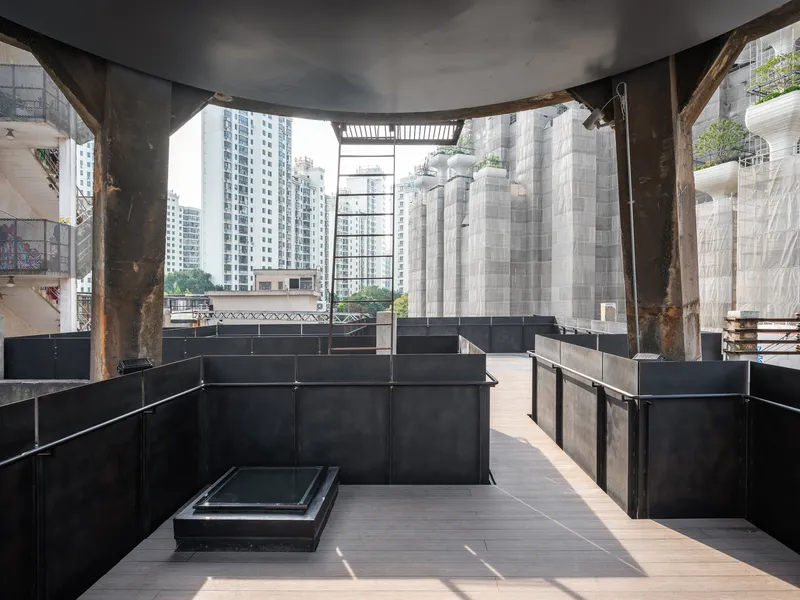
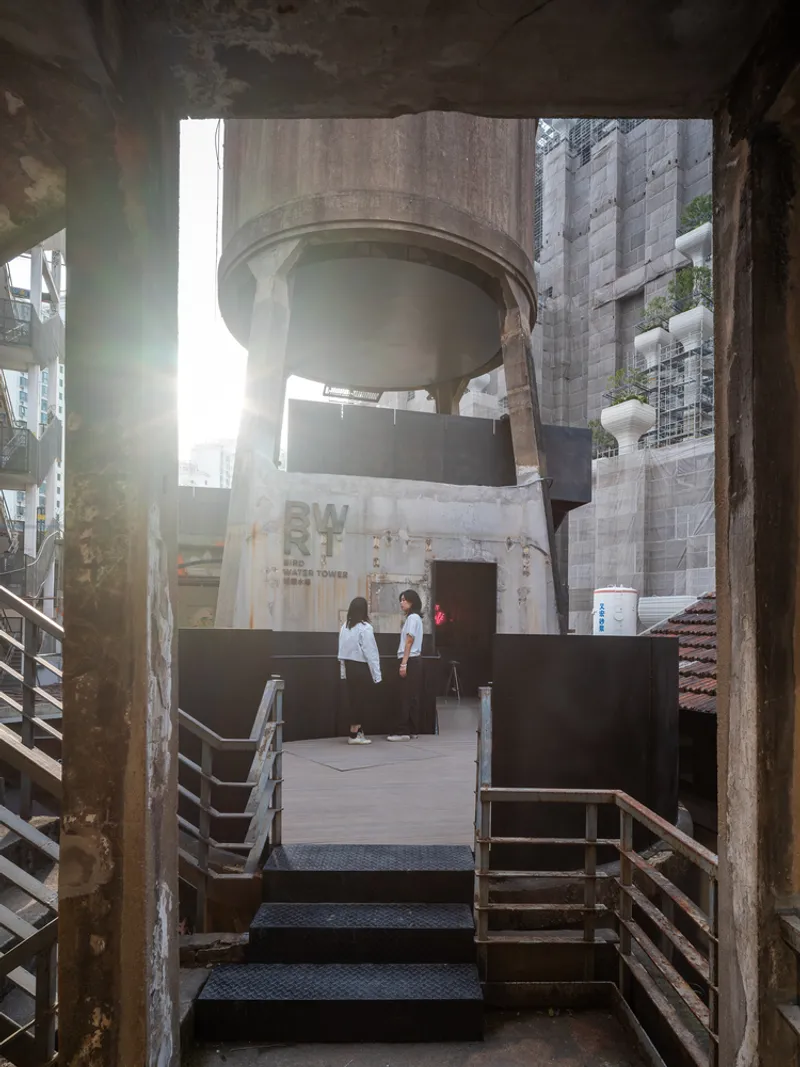
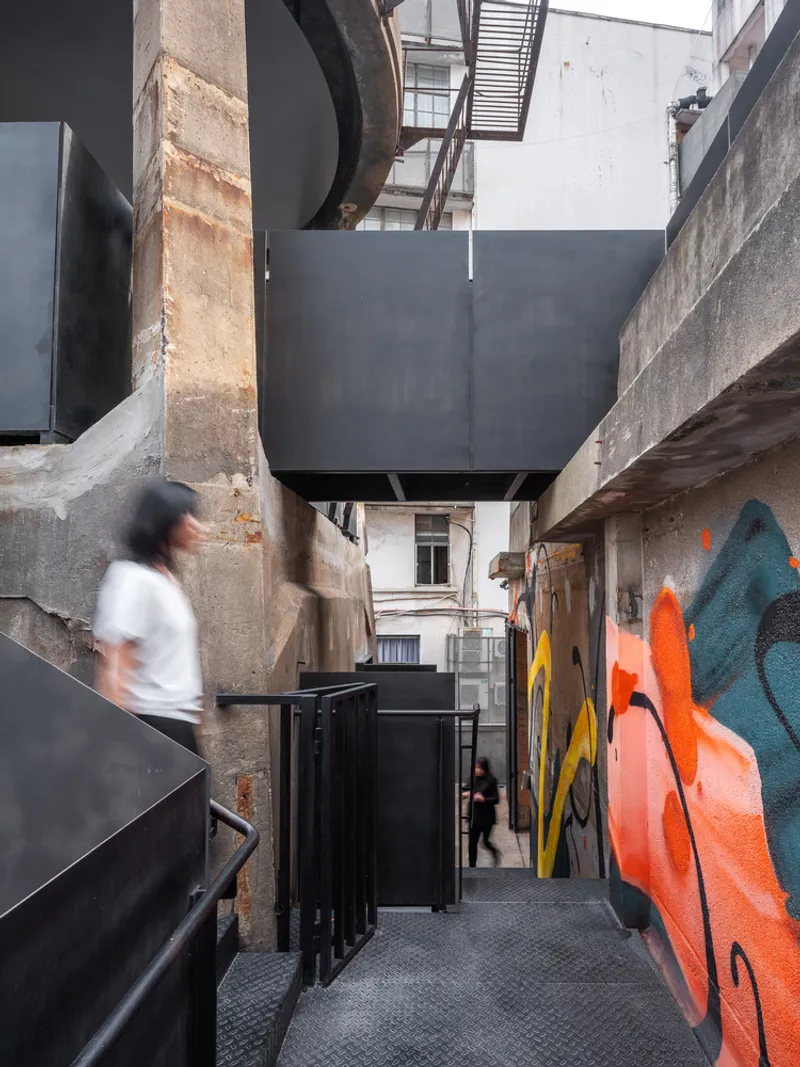
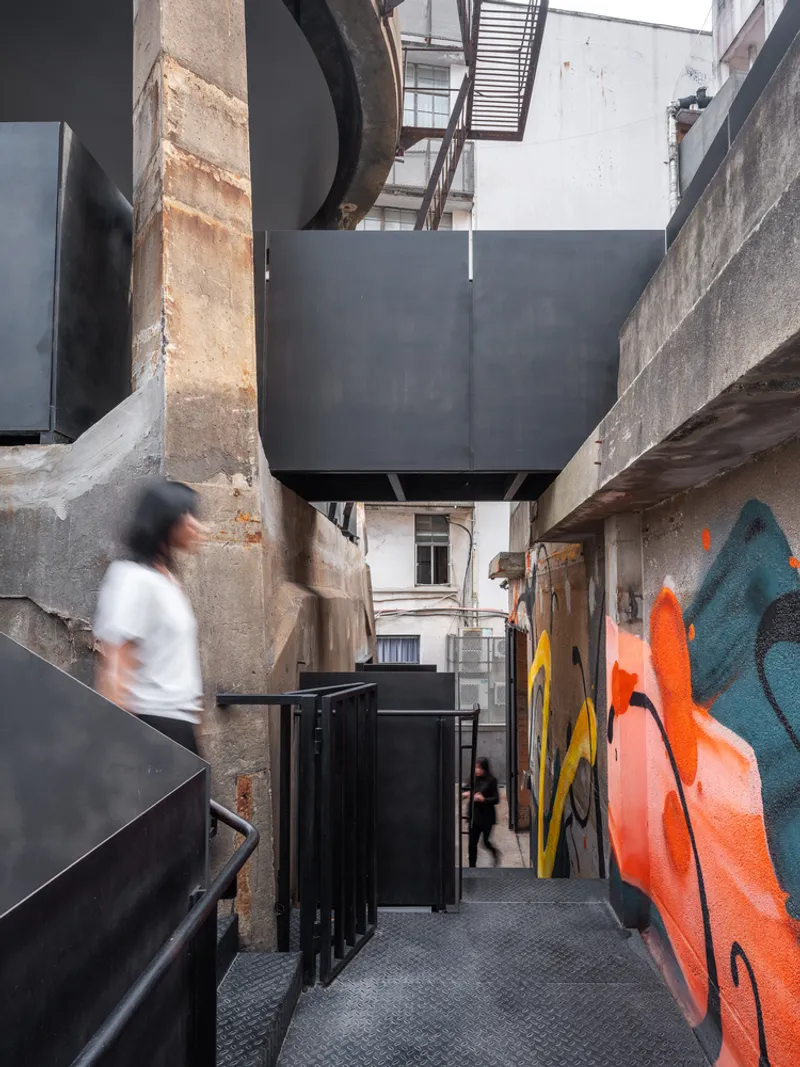
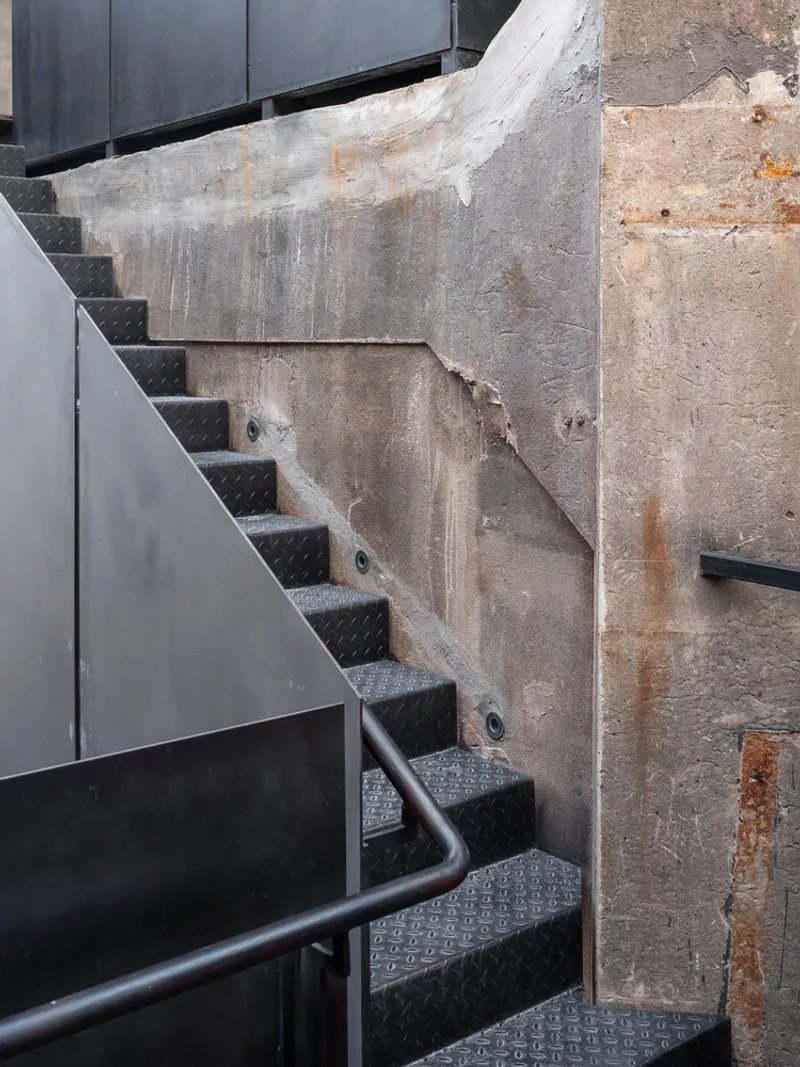
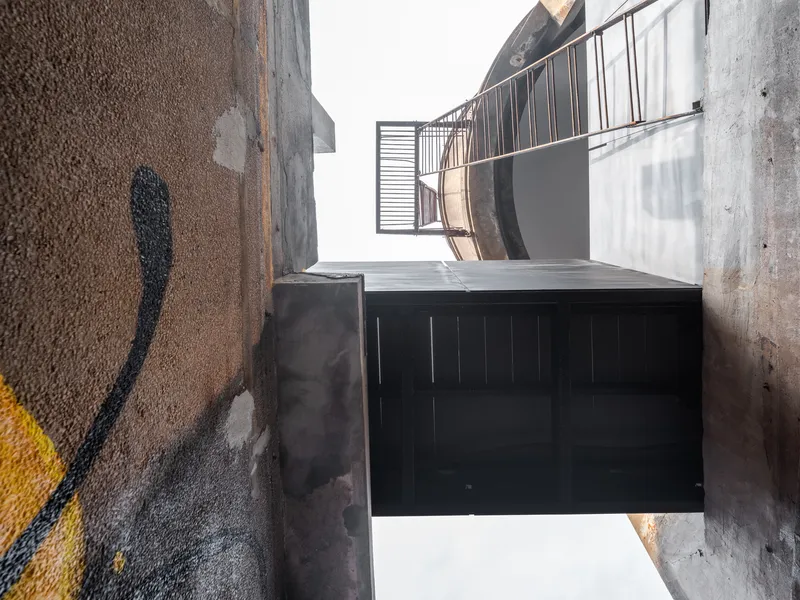
The exterior of the M50 Bird Water Tower incorporates a series of strategically placed platforms, bridges, and stairs, which not only enhance accessibility but also create a dynamic circulation around the tower. The incorporation of black rusted steel handrails and balustrades adds a contemporary edge, clearly demarcating the old from the new. These features are crucial in guiding visitors through a journey between different eras of architecture.
Interior Transformation
The Dual Hall Configuration
Inside, the tower is divided into two primary spaces: a square hall and a rectangular hall, each designed with a distinct purpose and aesthetic. The square hall, destined to become a public cafe, reveals the original dark gray cement walls — a nod to the tower's industrial past. In contrast, the rectangular hall is transformed into a multi-functional space capable of hosting receptions, exhibitions, or dining events. This space features a "white box" insert, providing a stark, modern contrast to the exposed historical elements of the structure.
Integrating Contemporary Art
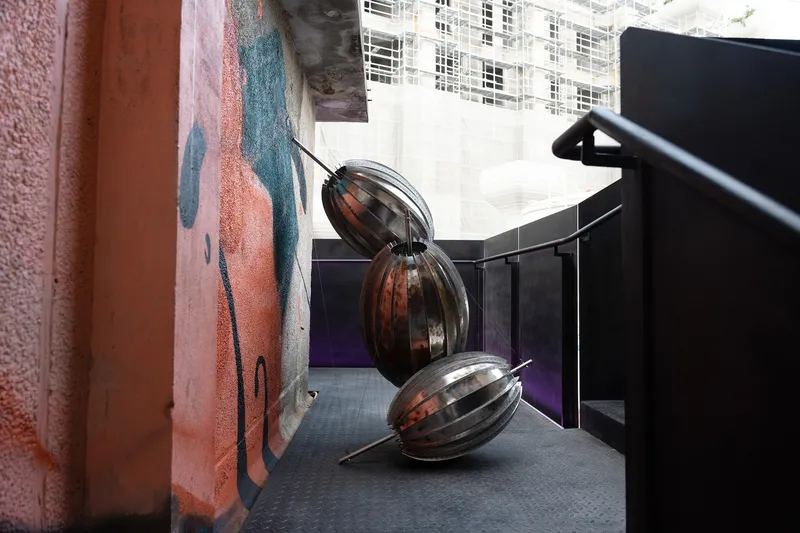
Art plays a pivotal role in the renovation, with strategic placements throughout the tower that engage and guide visitors. The inclusion of various art forms, from graffiti to digital installations, enriches the visitor experience, making art a core element of the spatial design.
The Role of Lighting and Materials
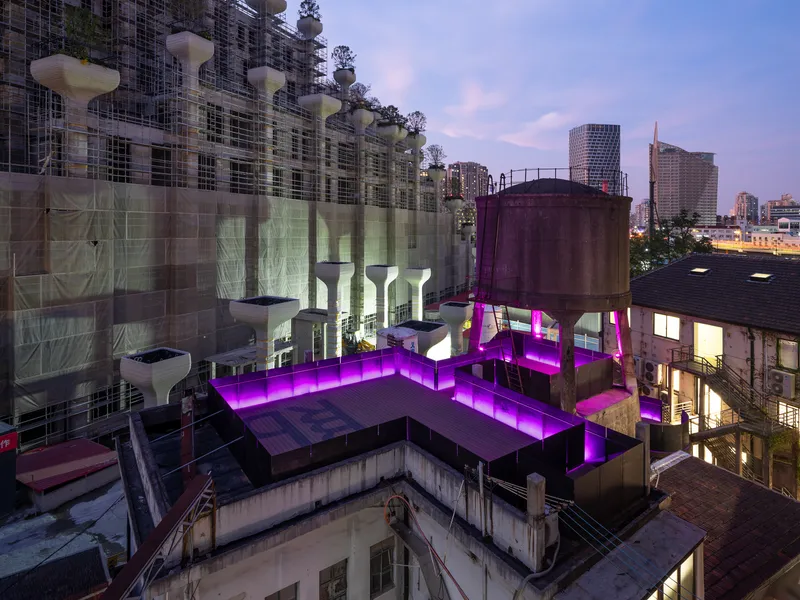
The use of lighting and materials in the M50 Bird Water Tower is instrumental in defining the atmosphere of each space. Pink neon lights illuminate the old industrial walls, creating a surreal, immersive environment that blurs the lines between past and present. Materials such as brushed stainless steel and painted OSB are used to further emphasize the industrial theme while adding a modern touch.
A Beacon of Industrial Architecture Renovation
As night falls, the M50 Bird Water Tower transforms into a luminous beacon, with vibrant neon lights and dynamic projections that make it a landmark in M50 park. This project stands as a prime example of how industrial architecture renovation can preserve historical integrity while embracing modern design principles.
Through meticulous design and thoughtful integration of art, FLIP studio has not only preserved a piece of Shanghai's industrial heritage but has also created a space that resonates with contemporary cultural dynamics. The M50 Bird Water Tower is more than just a building; it is a cultural phenomenon that redefines the boundaries of architectural renovation.
All the photographs are work of Fangfang Tian




Popular Articles
Popular articles from the community


The Earth Pod: 3D Printed Homes for Resilient Refugee Communities
The Earth Pod reimagines refugee housing through 3D printed homes made from clay, combining resilience, self-sufficiency, and rapid shelter.

Co-Life: Senior Housing Design That Reconnects Older Adults With the City
Co-Life reimagines senior housing design through healing gardens, shared streets, workshops, and a sustainable community across generations.

Co-life: Sustainable Architecture for Age-Friendly Community Living
Co-life reimagines sustainable architecture for seniors through courtyards, rammed earth, shared gardens, and spaces designed for belonging.

Conexión: Biophilic Design Reimagines High-Rise Living in Hong Kong
Conexión reimagines high-rise living in Hong Kong through biophilic design, green facades, shared spaces, daylight, water and nature within.


Similar Reads
You might also enjoy these articles

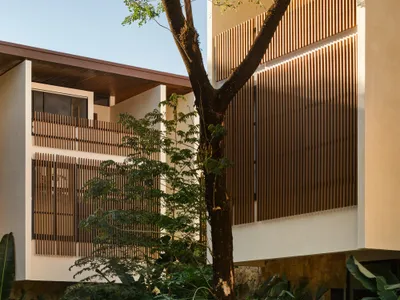
FAMM Arquitectura Organizes Ten Villas Around Courtyards and Jungle in Nosara, Costa Rica
El Molino pairs two elongated volumes with deep overhangs and timber louvers to build a compact coastal community five minutes from the beach.
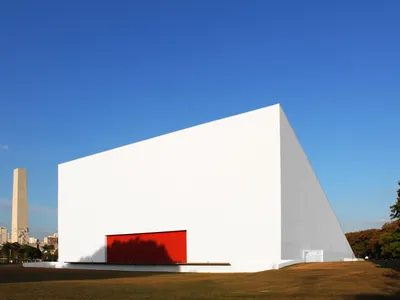
Oscar Niemeyer's Ibirapuera Park Pavilions Define São Paulo's Cultural Identity in Concrete and Curve
A constellation of modernist volumes set within São Paulo's most important urban park, conceived for the city's 400th anniversary in 1954.
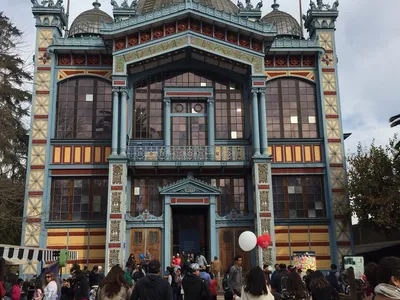
How Henri Picq's 1889 Paris Pavilion Traveled 11,000 Kilometers to Become Santiago's Artequín Museum
A prefabricated iron and glass pavilion built for the Paris Universal Exposition found a second life as a children's art museum in Chile.
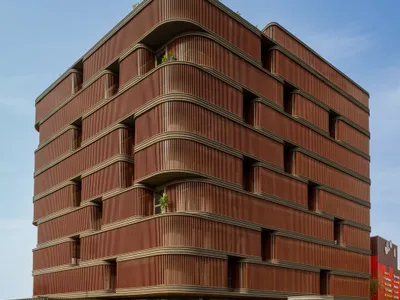
Sanjay Puri Architects Wraps a Jaipur Office Tower in Capsule-Shaped Green Buffers
A nine-level climate-responsive workplace near Jaipur Airport uses stacked planter terraces and aluminium screens to fight 40°C heat.

Explore Water Tower Competitions
Discover active competitions in this discipline



Challenge to reimagine the Iron Throne


Photograph architecture without architects


Illustrate the lost glory of Angkor Wat - Render Challenge


Design challenge to reuse E-waste
Comments (0)
Please login or sign up to add comments
No comments yet. Be the first to comment!