
The Pyramid Cabin: A Prefabricated Wilderness Retreat in Huanggang, China
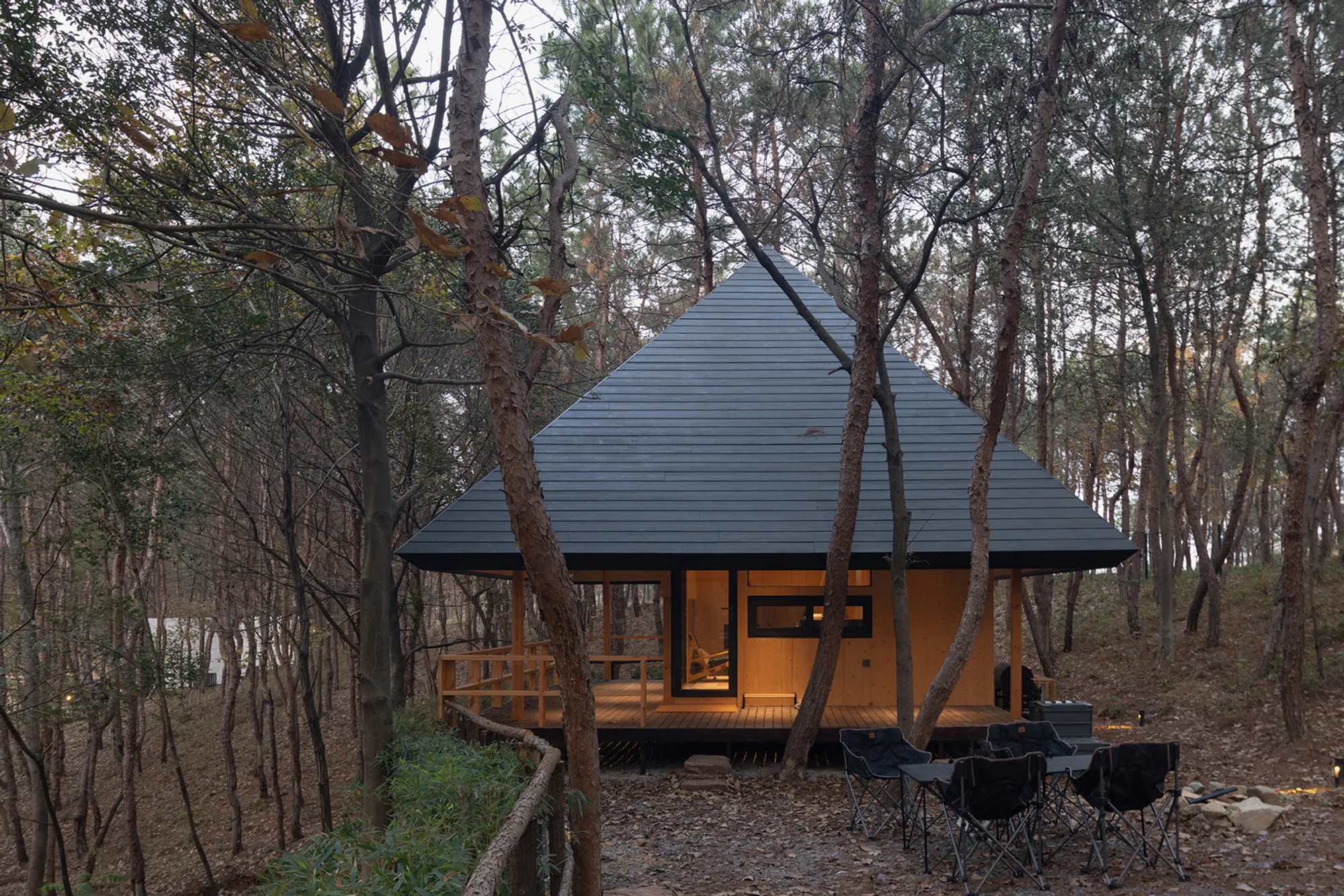
The Pyramid Cabin is a modular wooden retreat in Huanggang, merging sustainable design, immersive forest living, intimate spaces, and natural harmony.


Nestled within the serene forests of Huanggang City, Hubei Province, The Pyramid Cabin is an innovative natural home designed collaboratively by Wiki World and Advanced Architecture Lab [AaL]. Part of the Wiki World Co-Building Plan, this series of unique wilderness dwellings explores human habitation within untouched landscapes while emphasizing sustainability, modular construction, and a harmonious relationship with the surrounding environment.
Immersed in Nature
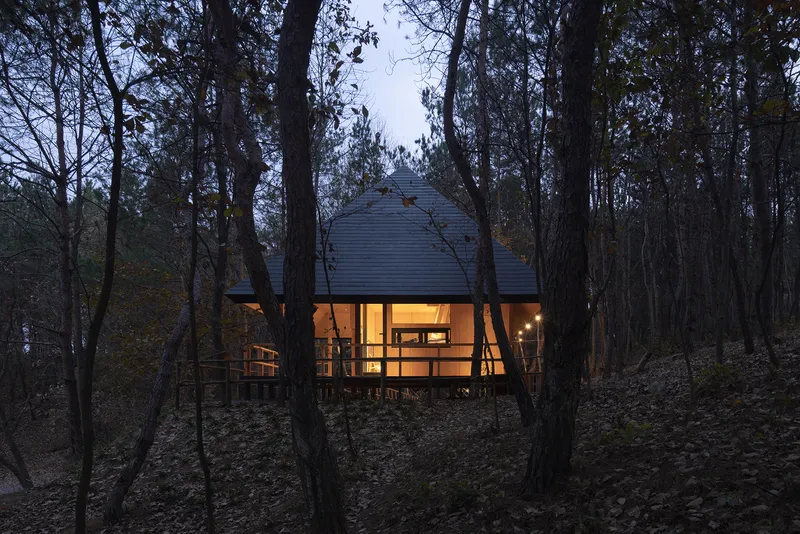
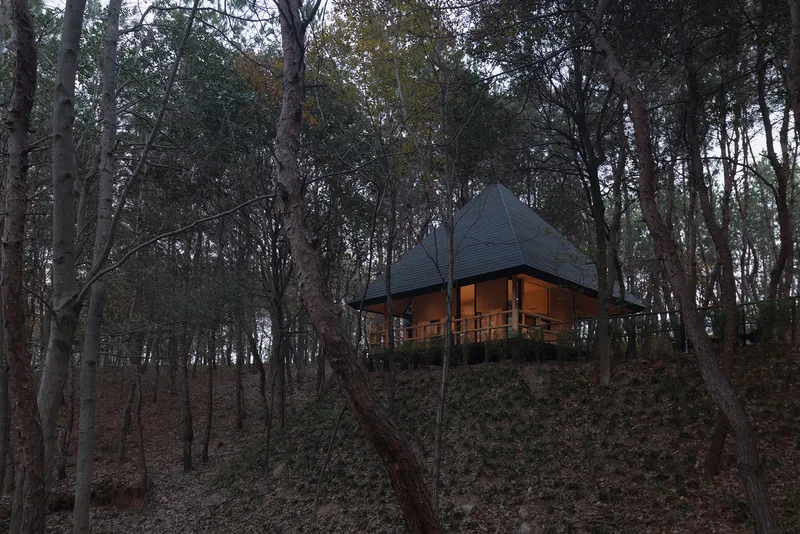
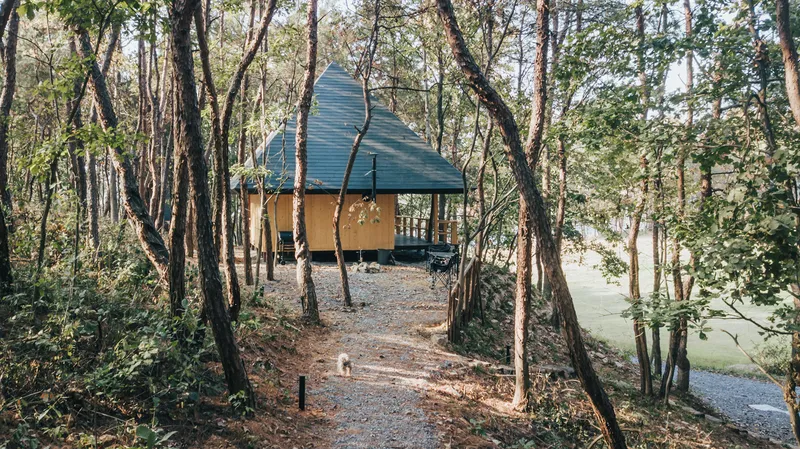
The Pyramid Cabin is located in the tranquil “Fragrant Lake” area, where the hillside forest remains untouched by artificial development. Here, the soundscape is dominated by the chirping of birds, rustling pine needles, and the gentle breeze. By situating the cabin in such a secluded environment, the architects sought to reconnect residents with the primal essence of home: fostering safety, comfort, and serenity amidst the wilderness.
Architectural Form and Design
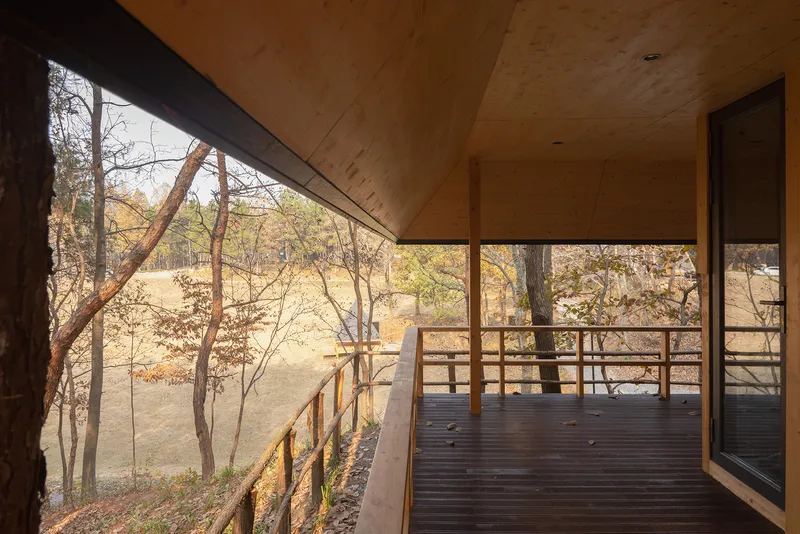
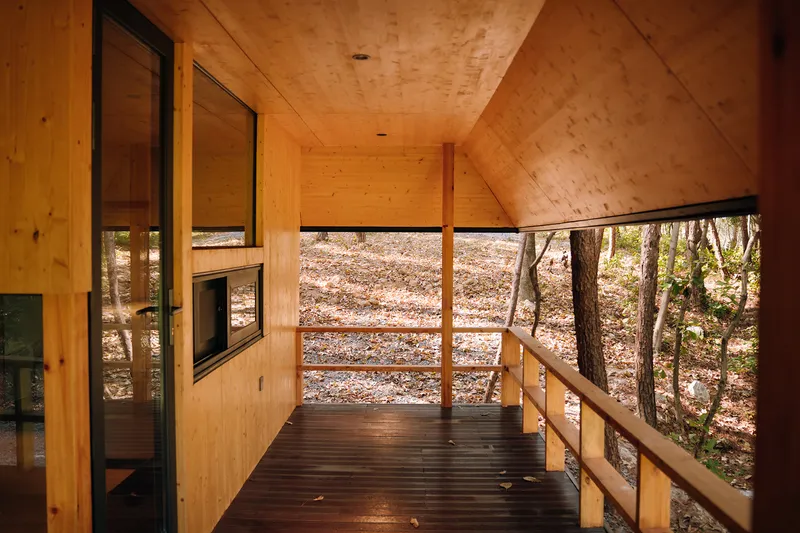
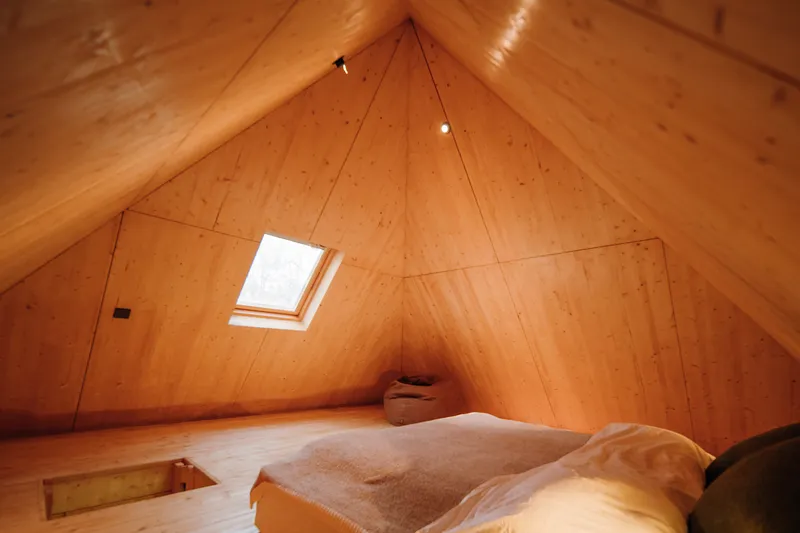
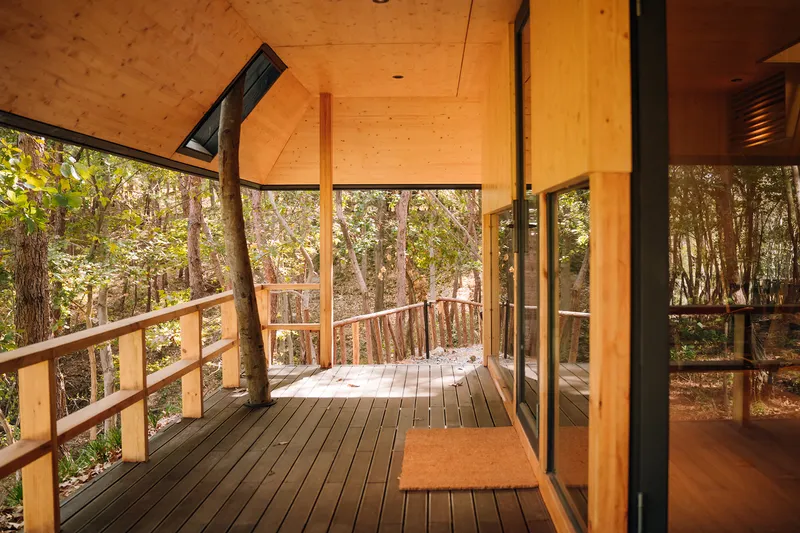
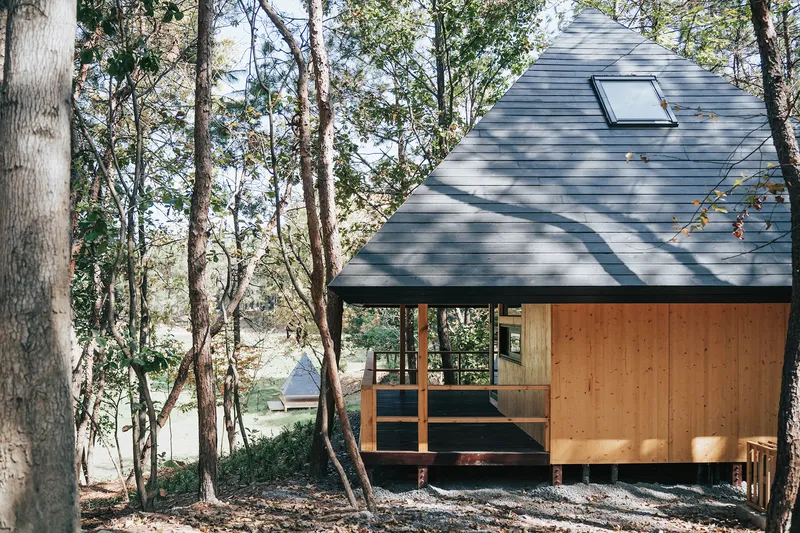
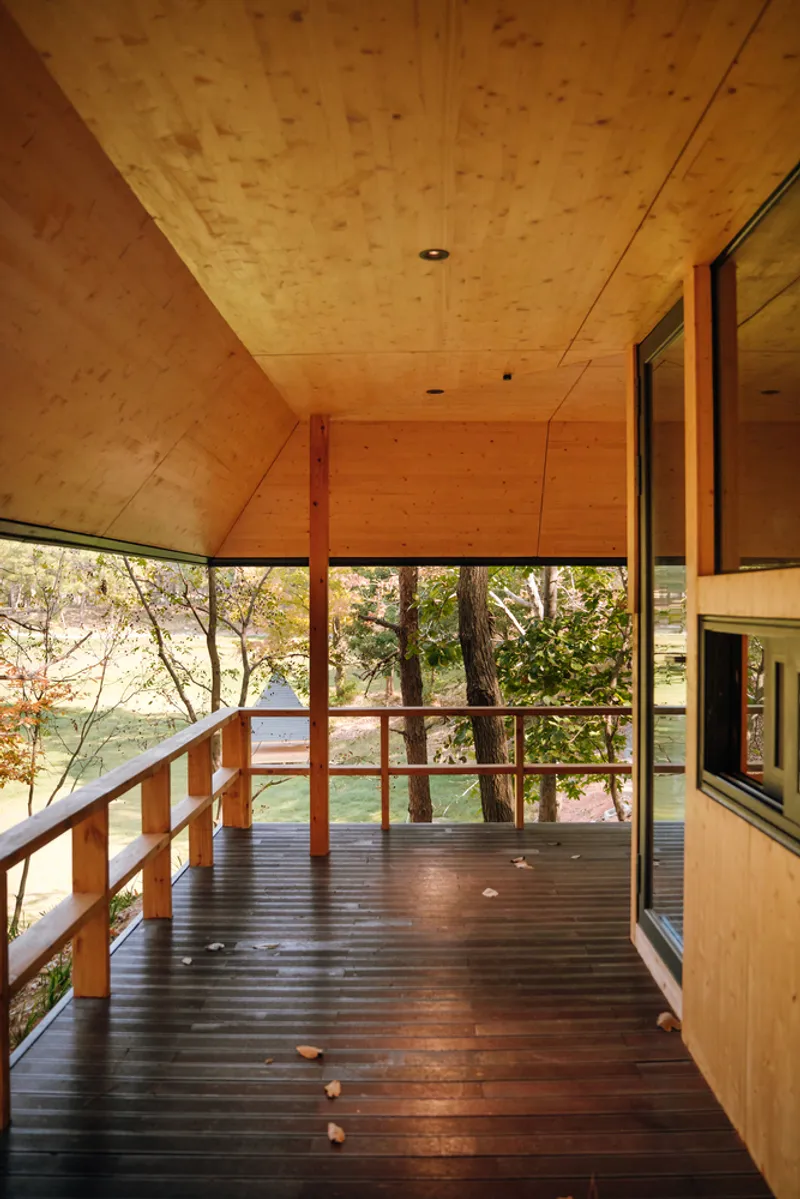
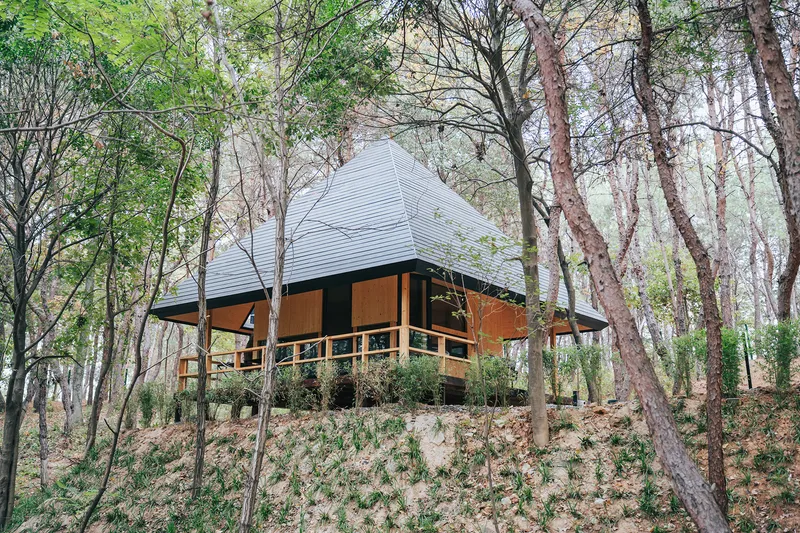
The cabin’s form is inspired by a black pyramid, with a large, sloping roof that conveys a protective presence. The interior includes a loft-style bedroom, while the first floor houses half of the living area and a bathroom. The remaining roof section functions as an outdoor terrace, sheltered by the extended eaves. By limiting the eave height to 1.6 meters, the design enhances a sense of intimacy and security, while creating a horizontal view that seamlessly integrates with the natural surroundings.
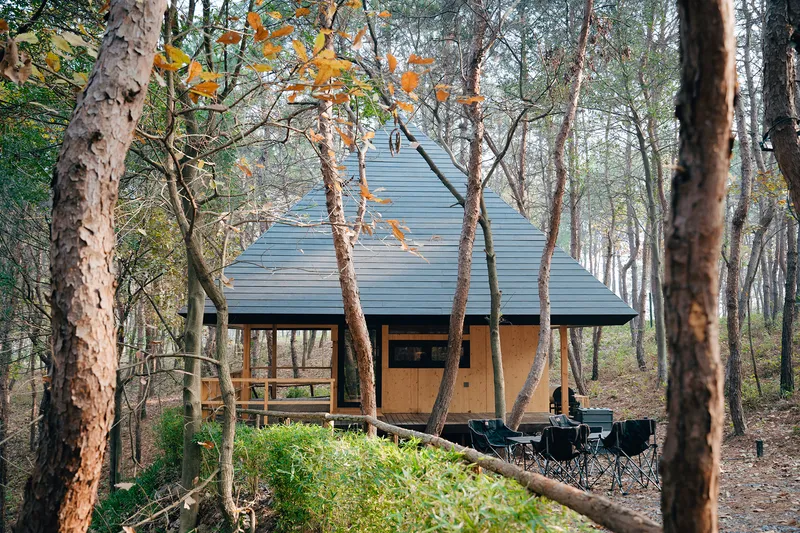
Measuring eight meters per side with a six-meter vertex height, the cabin is built entirely from laminated wood. Each irregular component is digitally designed and prefabricated, ensuring a fully modular and assembly-friendly structure. Native burnt wood is used on the roof to maintain a low visual impact, allowing the cabin to blend naturally into the dim forest environment while adding a sense of mystery.
Materials and Sustainability
Under the black exterior, the cabin interior exudes warmth through natural wood, releasing a subtle, comforting fragrance. The construction retains every existing tree on site and preserves the original woodland and farmland textures. All cabins are prefabricated wooden structures, built collaboratively by the project team and future users, reflecting Wiki World’s commitment to sustainable, natural construction techniques.
Origins and Community Engagement
The Pyramid Cabin’s concept evolved from the Wiki World Co-Building Plan’s natural building festival. During the COVID-19 pandemic, a community built a ceremonial meditation installation called the Black Pyramid. Its popularity inspired the larger cabin design, scaled and strengthened to provide a permanent wilderness home that evokes the same sense of security and ritual experience.
Experiential Living
The cabin embodies the philosophy of “Build Small, Dream Big.” By emphasizing small-scale construction, residents can form a closer connection to materials, environment, and natural behaviors. Walking barefoot on the terrace, listening to the crunch of leaves, and engaging directly with the forest encourages a sensory reconnection to the wilderness.
Modular and Prefabricated Construction
The Pyramid Cabin functions as a modular, prefabricated dwelling. Each cabin is constructed like a large-scale building block, using carbonized wood boards for the exterior and small, reusable metal components for assembly. Elevated above the ground, these cabins avoid artificial landscapes, allowing nature itself to serve as the surrounding package. The design emphasizes minimal intervention while maximizing harmony with the site’s natural rhythms.
The Pyramid Cabin is more than a retreat: it’s a philosophy of living that merges architecture with environmental sensitivity, human scale, and immersive nature experiences. Through its innovative design, prefabrication, and sustainable construction, it exemplifies the future of wilderness habitation while maintaining the intimacy, security, and tactile beauty of natural materials.
All photograhs are works of
Arch EXIST


Popular Articles
Popular articles from the community


The Ocean Hive: Sustainable Architecture for a Self-Sufficient Civilization at Sea
The Ocean Hive imagines sustainable architecture at sea, where modular habitats, algae, wave power and ocean waste sustain a growing colony.

Play: Fragments of Their World
Familiar architecture becomes modular playground design, creating safe spaces where displaced children can learn, connect, imagine and play.

The Musturak Paradise: Senior Living Architecture for a Connected Future in Temara, Morocco
The Musturak Paradise reimagines senior living architecture in Temara via private homes, social spaces, culture, community, and shared care.

Lunar Spiral: Space Architecture Shaped by the Mathematics of the Universe
Lunar Spiral reimagines space architecture through Fibonacci geometry, lunar regolith, levitating habitats, and self-sustaining Moon living.


Similar Reads
You might also enjoy these articles

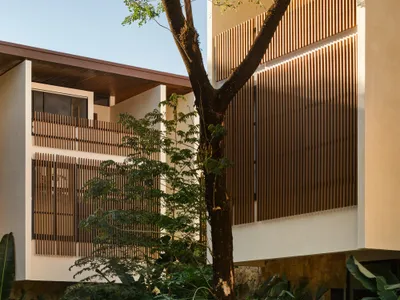
FAMM Arquitectura Organizes Ten Villas Around Courtyards and Jungle in Nosara, Costa Rica
El Molino pairs two elongated volumes with deep overhangs and timber louvers to build a compact coastal community five minutes from the beach.
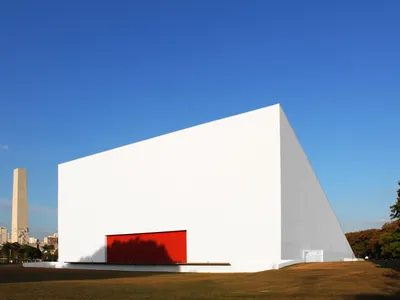
Oscar Niemeyer's Ibirapuera Park Pavilions Define São Paulo's Cultural Identity in Concrete and Curve
A constellation of modernist volumes set within São Paulo's most important urban park, conceived for the city's 400th anniversary in 1954.
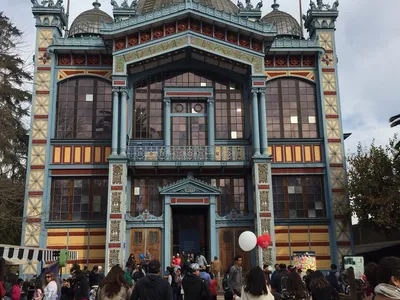
How Henri Picq's 1889 Paris Pavilion Traveled 11,000 Kilometers to Become Santiago's Artequín Museum
A prefabricated iron and glass pavilion built for the Paris Universal Exposition found a second life as a children's art museum in Chile.
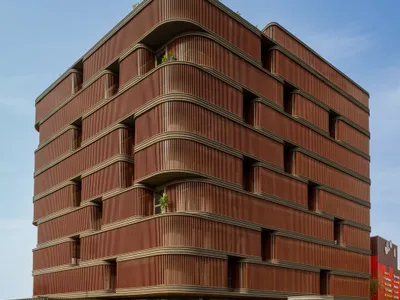
Sanjay Puri Architects Wraps a Jaipur Office Tower in Capsule-Shaped Green Buffers
A nine-level climate-responsive workplace near Jaipur Airport uses stacked planter terraces and aluminium screens to fight 40°C heat.


Explore Architecture Competitions
Discover active competitions in this discipline



Challenge to reimagine the Iron Throne


Photograph architecture without architects


Illustrate the lost glory of Angkor Wat - Render Challenge


Design challenge to reuse E-waste
Comments (0)
Please login or sign up to add comments
No comments yet. Be the first to comment!