
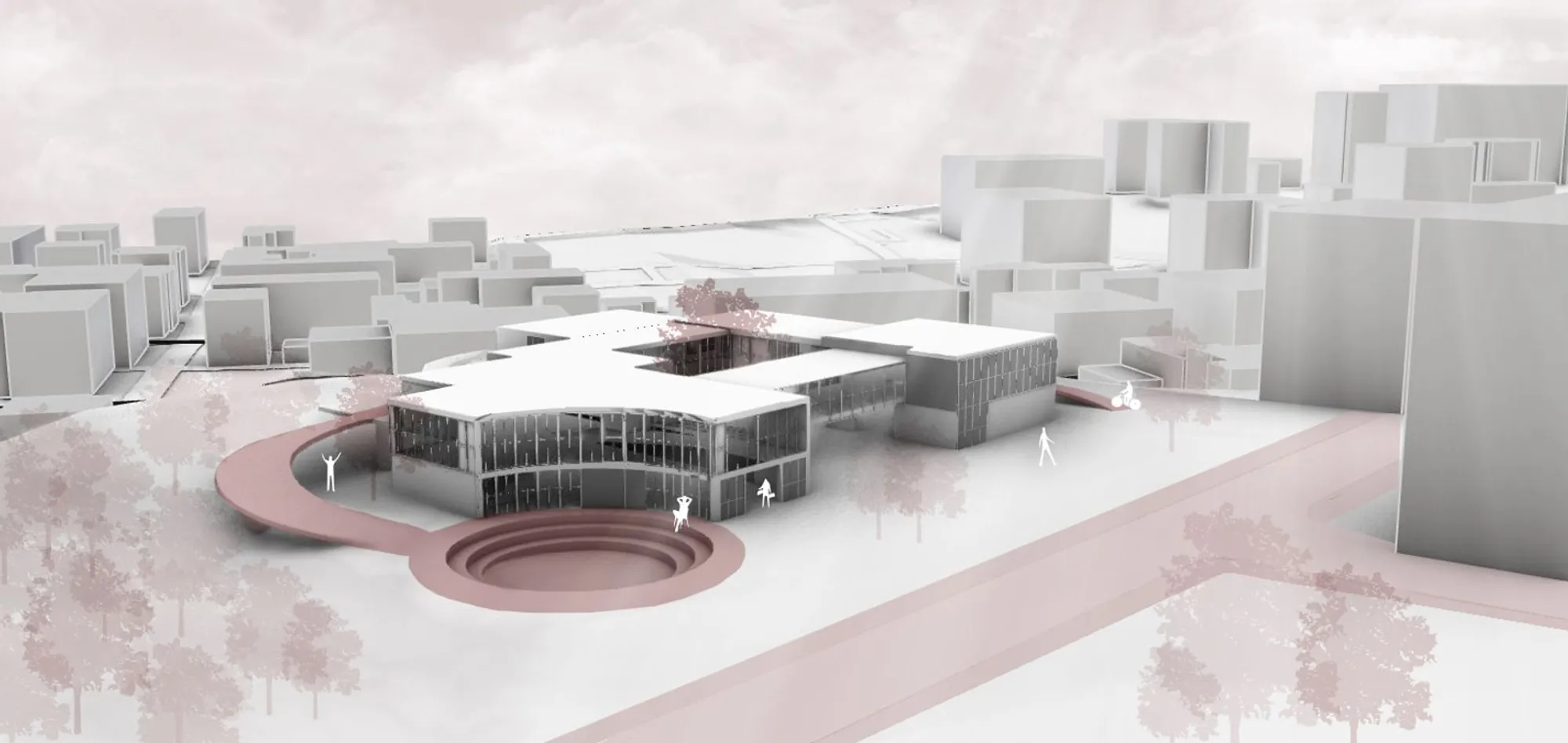
The Ramp: Reimagining the Workspace for Joy and Connection
An award-winning architectural design fosters community and happiness in a public office setting.


The modern workspace is often criticized for its sterility and lack of social engagement. But what if an office could be more than just a place to work? What if it could be a catalyst for joy, connection, and community building? This is the question explored by "The Ramp," an innovative architectural design by Paria Ashrafi and Begum Eski. This People's Choice Award entry in the Child's Perspective competition reimagines the public workspace, transforming it into an inviting hub that bridges the gap between the mundane and the vibrant.

Breaking Down Barriers: The Ramp as a Symbol of Inclusivity
The defining feature of this design is, of course, the ramp. More than just an architectural element, the ramp serves as a powerful symbol of accessibility and invitation. It gently draws people in from the street, blurring the lines between the public and private realms. This seamless transition fosters a sense of welcome and encourages spontaneous interaction among those who use the space.
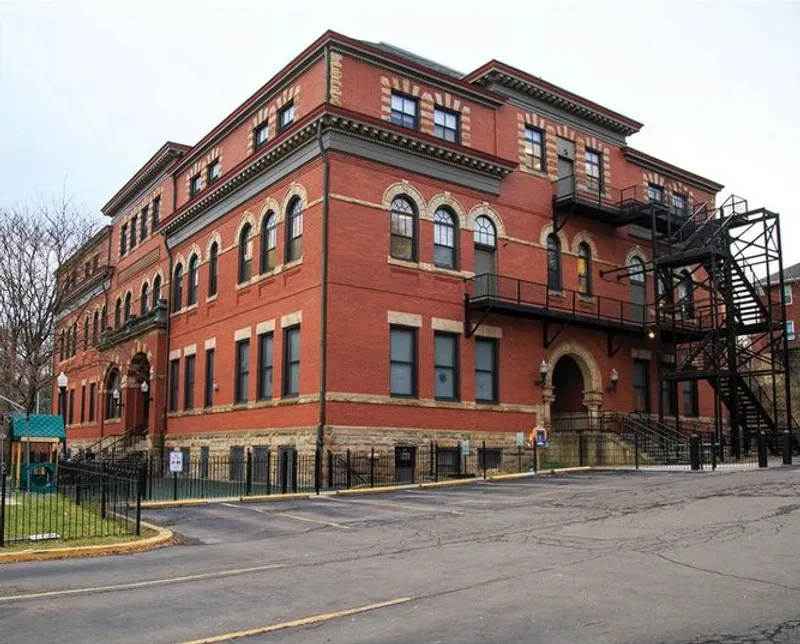
Fostering Connection: Design that Encourages Social Interaction
"The Ramp" challenges the conventional notion of the isolated workspace. The design prioritizes social interaction without sacrificing individual needs for personal space. Open areas encourage chance encounters and collaboration, while strategically placed nooks and corners offer opportunities for quiet reflection or focused work.
This balance between communal and individual needs is crucial in today's world. As our lives become increasingly digital, the need for real-world connections becomes even more vital. "The Ramp" provides a space where people can come together, share ideas, and build relationships, combating the social isolation that often pervades modern society.

Beyond Functionality: Integrating Play, Learning, and Happiness
Inspired by a child's perspective on the meaning of "office," the design incorporates elements of playfulness and learning. The architects have envisioned a space where work and leisure intertwine, where creativity is nurtured, and where happiness is prioritized.
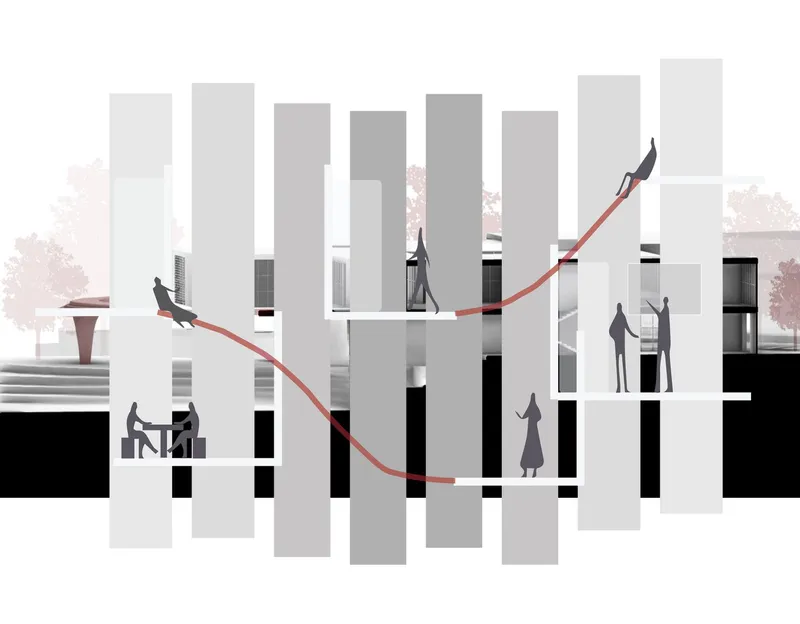
This philosophy is reflected in the design's emphasis on natural light, green spaces, and flexible areas that can adapt to various activities. Whether it's a spontaneous brainstorming session, a casual lunch with colleagues, or a moment of quiet contemplation amidst greenery, "The Ramp" offers a diverse range of experiences that cater to the multifaceted needs of its users.
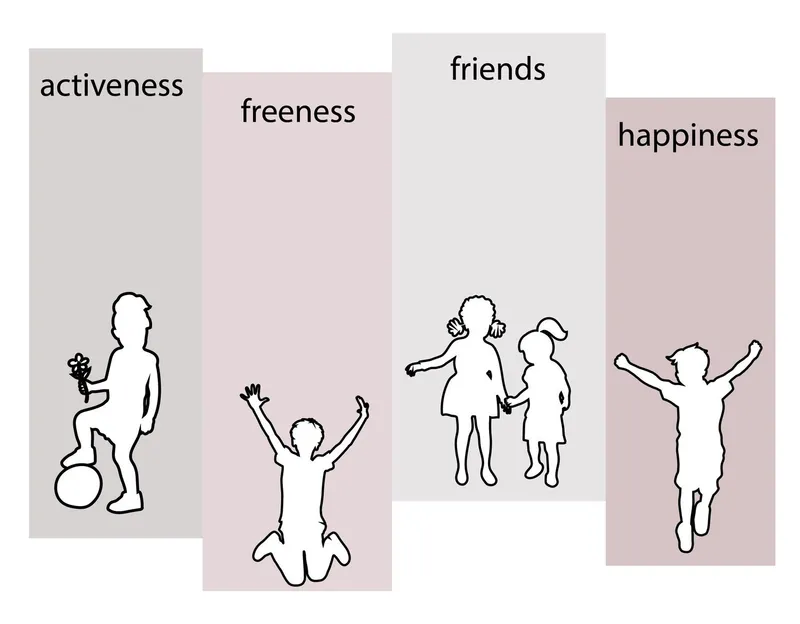
A Response to Societal Needs: Addressing the Lack of Joy and Engagement
"The Ramp" is more than just an architectural concept; it's a response to a societal need for spaces that foster joy, connection, and a sense of belonging. In a world where individuals often feel disconnected and overwhelmed, this design offers a sanctuary – a place to recharge, connect, and find meaning beyond the confines of traditional work.

By prioritizing human connection and well-being, "The Ramp" sets a new standard for workspace design. It demonstrates how architecture can be a powerful tool for social change, creating environments that nurture not only productivity but also happiness and a sense of community.



Popular Articles
Popular articles from the community


The Musturak Paradise: Senior Living Architecture for a Connected Future in Temara, Morocco
The Musturak Paradise reimagines senior living architecture in Temara via private homes, social spaces, culture, community, and shared care.

Co-life: Sustainable Architecture for Age-Friendly Community Living
Co-life reimagines sustainable architecture for seniors through courtyards, rammed earth, shared gardens, and spaces designed for belonging.

Riyadh For All: Intergenerational Urban Design for Active Aging in Rabat
Riyadh For All reimagines urban design in Rabat with intergenerational co-living, adaptive courtyards, and Moroccan cultural exchange today.
EW PARK: Sustainable Architecture Reimagines the Future of Urban Parking
EW PARK reimagines city parking as a modular wooden tower combining automation, solar energy, electric mobility, and adaptable urban design.


Similar Reads
You might also enjoy these articles

Day and Night Park: A Time-Based Urban Newsstand in Beijing
A temporary urban newsstand in Beijing blending travel, light, and reading through poetic colors, compact form, and community-focused design.

Modernist Patio Renovation in El Masnou, Barcelona by Oliver Segura Arquitectura + Cebrià Arquitectura
Modernist patio renovation blending tradition and innovation with a movable pool, leveled floors, and Catalan materials in El Masnou.

Alto Residencial Coop: Cooperative Housing Development in Santiago de Compostela by Carbajo Barrios Arquitectos
A linear cooperative housing complex blending white volumes and perforated metal façades, enhancing community living, natural light, privacy, and urban integration.

Vil Genis School by BPA ARCHITECTURE – Massy, France
Vil Genis School in Massy, France, features sustainable design, south-facing classrooms, community integration, accessible spaces, and modern educational architecture.


Comments (0)
Please login or sign up to add comments
No comments yet. Be the first to comment!