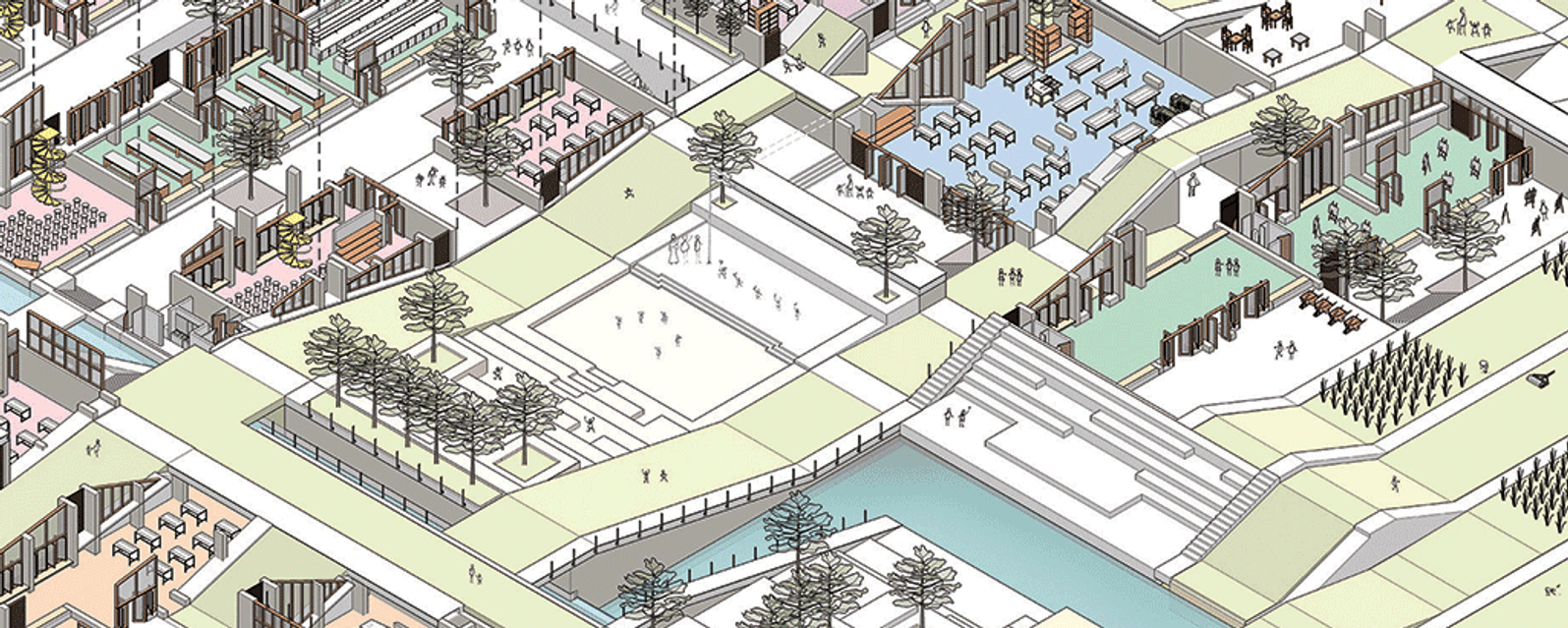
The School of Life: Reimagining Educational Architecture as a Living Learning Environment
Reimagining educational architecture through philosophy, play, and spatial freedom, where schools become living environments for holistic learning.


The word school originates from the Greek term scholē, meaning leisure: a space for reflection, dialogue, and intellectual freedom. Over time, this essence has been overshadowed by rigid systems, standardized classrooms, and institutional discipline. The School of Life, a thesis project by Achal Dadhania, revisits this forgotten meaning by exploring how educational architecture can once again become a catalyst for curiosity, growth, and holistic development.
Rather than treating schools as enclosed containers for instruction, the project positions the built environment as an active participant in the learning process. Architecture here is not neutral: it teaches, guides, and nurtures alongside educators and peers.
Architecture as the Third Teacher
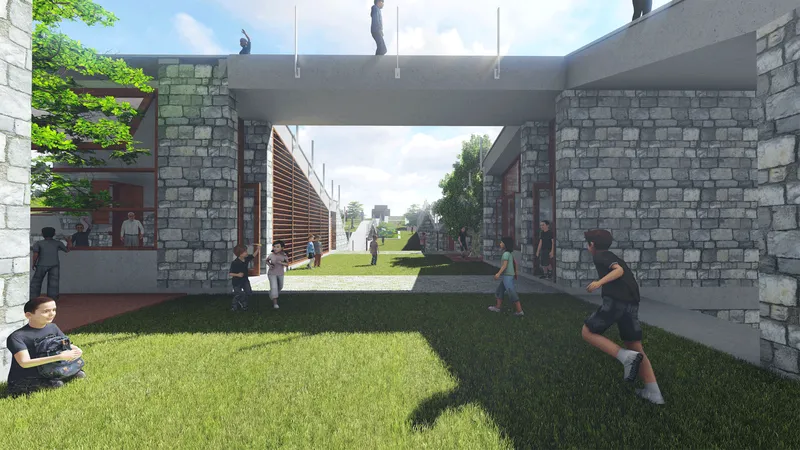
Inspired by the Reggio Emilia philosophy, the project embraces the idea that there are three teachers in a child’s life: adults, other children, and the physical environment. Educational architecture therefore becomes a silent yet powerful educator, shaping behavior, interaction, and imagination through spatial qualities.
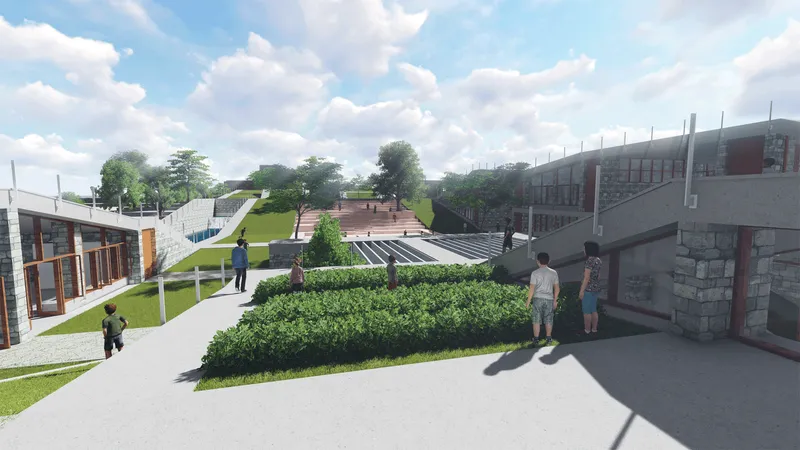
The design challenges the conventional classroom model by dissolving rigid boundaries between learning, play, and social life. Open courtyards, transitional thresholds, porous circulation, and flexible interiors together form a learning landscape rather than a static institution.
Philosophical Foundations of Learning Spaces
The project draws from multiple educational thinkers whose philosophies directly inform spatial organization:
- Maria Montessori emphasized independence and self‑directed exploration, translated here into scaled spaces, open classrooms, and fluid indoor‑outdoor connections.
- Rudolf Steiner (Waldorf) viewed learning as a developmental journey, inspiring age‑responsive spatial typologies and evolving classroom arrangements.
- Sri Aurobindo & The Mother advocated integral education—physical, mental, and spiritual—reflected through integration of nature, light, and contemplative spaces.
- Prakash Nair promoted learner‑centric environments, influencing the use of learning suites, shared commons, and non‑hierarchical layouts.
Together, these philosophies shape an educational architecture that prioritizes experience over instruction and exploration over enforcement.
Spatial Organization and Campus Structure
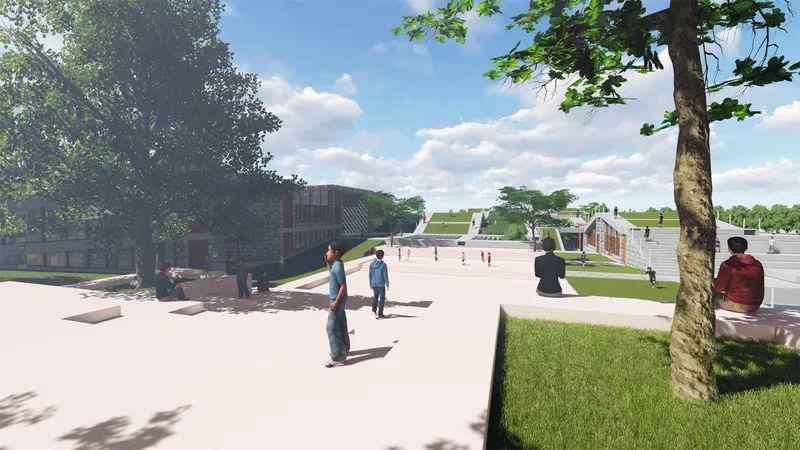
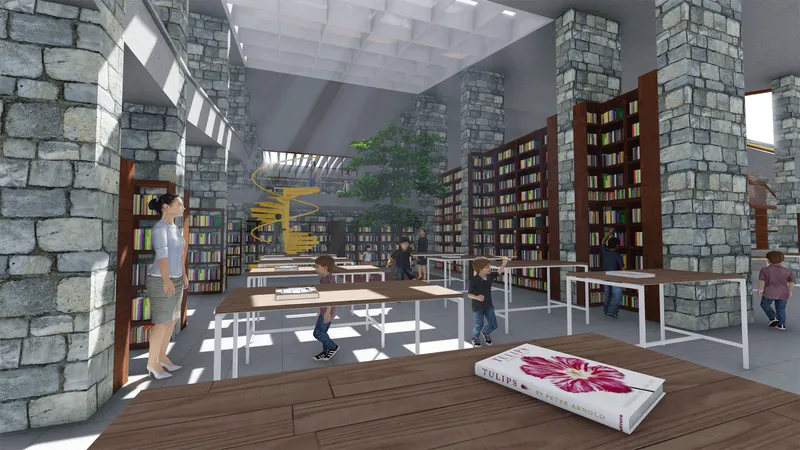
The campus is conceived as a series of interconnected clusters rather than linear blocks. Classrooms, workshops, libraries, and play areas are organized around shared courtyards, encouraging visual connectivity and spontaneous interaction.
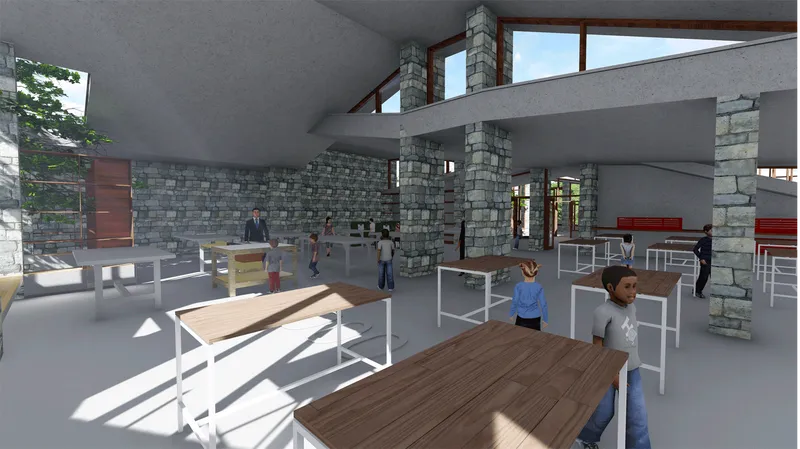
Circulation is intentionally porous. Corridors become learning streets, staircases double as social amphitheaters, and courtyards function as outdoor classrooms. The architecture promotes movement, choice, and discovery, allowing children to learn through engagement with space itself.
Material choices such as stone, wood, and concrete provide tactile richness while ensuring durability. Natural light, shaded walkways, and landscaped greenscapes create a calm yet stimulating environment that adapts to both structured learning and informal play.
Learning Beyond the Classroom
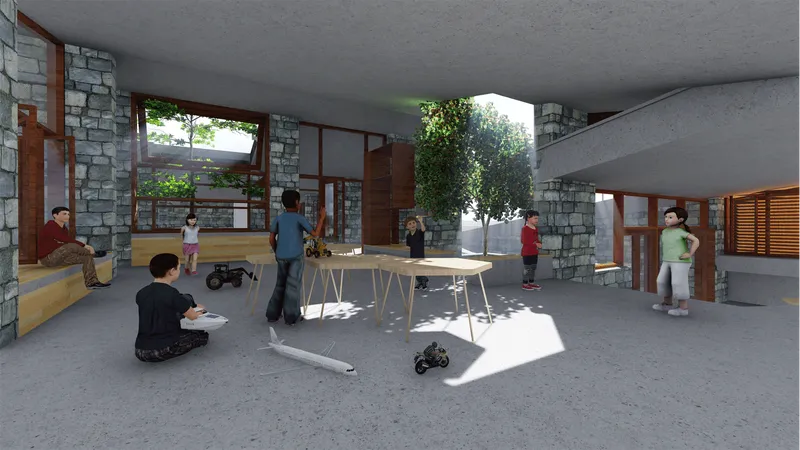
A key aim of this educational architecture thesis is to dissolve the strict boundary between classroom and playground. Learning extends into courtyards, terraces, libraries, and transitional zones. These spaces support collaborative learning, storytelling, observation, and reflection, activities often excluded from conventional school layouts.
Interior spaces remain flexible, allowing reconfiguration as pedagogies evolve. Furniture, partitions, and open spans encourage adaptability rather than permanence, ensuring the school grows alongside its users.
Case Studies and Architectural Inferences
The project references notable examples of progressive school architecture, analyzing how spatial openness, scale, and circulation influence learning outcomes. Comparative studies of classrooms reveal that reduced built density and increased access to open spaces enhance social interaction and cognitive engagement.
Architectural inferences derived from these studies inform the final design, particularly in the use of courtyards as communal anchors, shaded thresholds as transitional learning zones, and modular classroom typologies that respond to different age groups.
The School of Life redefines educational architecture as a living system: one that evolves with pedagogy, supports emotional and social development, and restores the original meaning of school as a place of intellectual leisure.
By embedding philosophy into form, and learning into landscape, the project demonstrates how architecture can move beyond shelter to become an educator in its own right. In doing so, it proposes a future where schools are not institutions of control, but environments of freedom, imagination, and life‑long learning.




Popular Articles
Popular articles from the community


Conexión: Biophilic Design Reimagines High-Rise Living in Hong Kong
Conexión reimagines high-rise living in Hong Kong through biophilic design, green facades, shared spaces, daylight, water and nature within.

Play: Fragments of Their World
Familiar architecture becomes modular playground design, creating safe spaces where displaced children can learn, connect, imagine and play.

Co-life: Sustainable Architecture for Age-Friendly Community Living
Co-life reimagines sustainable architecture for seniors through courtyards, rammed earth, shared gardens, and spaces designed for belonging.

The Earth Pod: 3D Printed Homes for Resilient Refugee Communities
The Earth Pod reimagines refugee housing through 3D printed homes made from clay, combining resilience, self-sufficiency, and rapid shelter.

Similar Reads
You might also enjoy these articles

Eco Chapel: A Green Architecture Pavilion Designed in Symbiosis with the Forest
Eco Chapel uses green architecture to weave prayer, learning and reuse into a forest pavilion shaped by modular hexagonal canopies for life.
Kaffeebühnen: Coffee Shop Architecture Designed as a Civic Stage Between Vienna’s City and Park
Kaffeebühnen turns coffee shop architecture into a civic stage, linking Vienna’s park edge, urban life, warm timber yards, and coffee craft.
Healing Façade: Sustainable Architecture for Reforestation, Community, and Sacred Ecology in Ethiopia
Healing Façade reimagines sustainable architecture as a living wall that restores soil, catches water and renews Ethiopia's forest churches.


Urban Forest: A Vertical Ecosystem for 5,000 Workers in Singapore's Changi Business Park
Radially stacked pods and layered green decks turn a 7-acre plot into 47 acres of ecological workspace projected for 2040.


Explore Mes School Of Architecture Competitions
Discover active competitions in this discipline



Challenge to design public laboratory


Challenge to reimagine the Iron Throne


Photograph architecture without architects


Illustrate the lost glory of Angkor Wat - Render Challenge
Comments (0)
Please login or sign up to add comments
No comments yet. Be the first to comment!