

The Surprising Truth: Why the Easiest Task is Actually the Most Challenging!
Have you ever wondered why easy tasks feel so difficult? Here's why "The Simplest Thing is the Hardest to Do" and how to overcome it!


Laercio Redondo's site-specific installation at the Mies van der Rohe Pavilion in Barcelona is not only an intervention in architecture but also an exploration of history and memory. This artistic display is presented in collaboration with Ana Mas Projects and Fundació Mies van der Rohe as part of the Barcelona Gallery Weekend. Redondo's work is a delicate and subtle intervention, aiming to produce almost invisible disruptions in space that magnify the effacements and gaps in the Pavilion's construction and reconstruction.
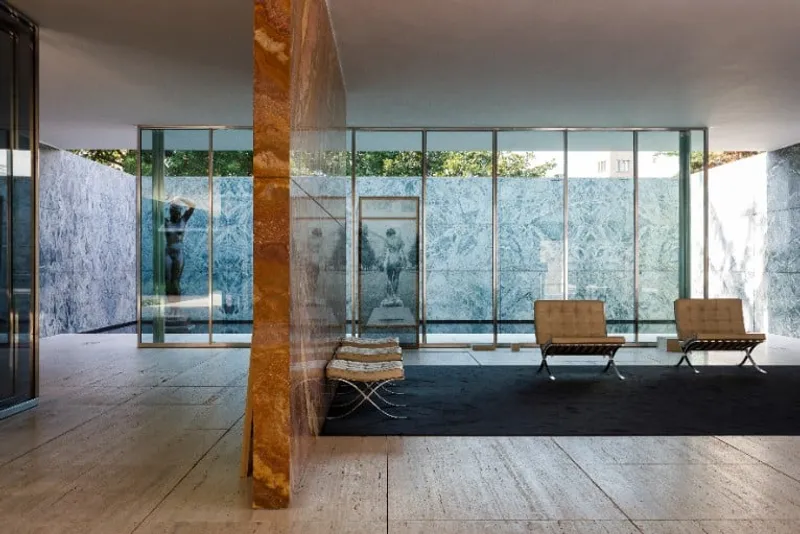
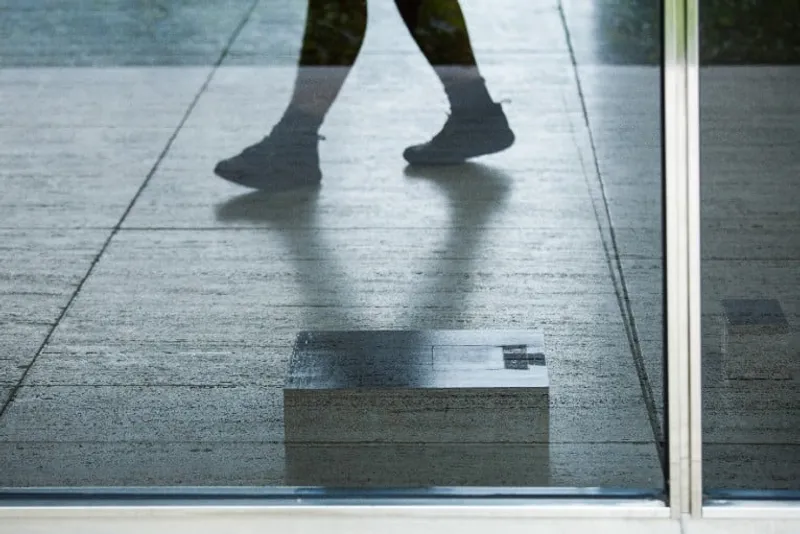
The installation includes a set of translucent displays made of silk, meticulously distributed along the glass panels, depicting surviving photographs of the original building. These models serve as a backdrop for the Pavilion's reconstruction and superimpose past and present, offering a composite perspective on the building and the outside garden. Redondo's work also includes a set of prints on plywood displayed on supports that use the same kind of travertine stone as the Pavilion's floor. At first glance, they appear to be completely black monochromes, but they depend on the spectator's movement and gaze to reveal themselves in tenuous contrast.

Redondo's interest in the Mies van der Rohe Pavilion arose from his artistic production, where architecture is a recurrent topic. His work often engages extensively with collective memory and its erasure in society, based on the interpretation of specific events in relation to the city, architecture, and historical representation. The site-specific interventions by visual artists that take place at the Mies van der Rohe Pavilion are short-term installations or exhibitions that aim to stimulate critical reflection and generate new perspectives on the Pavilion, promoting it as a space for inspiration, experimentation, and innovation.
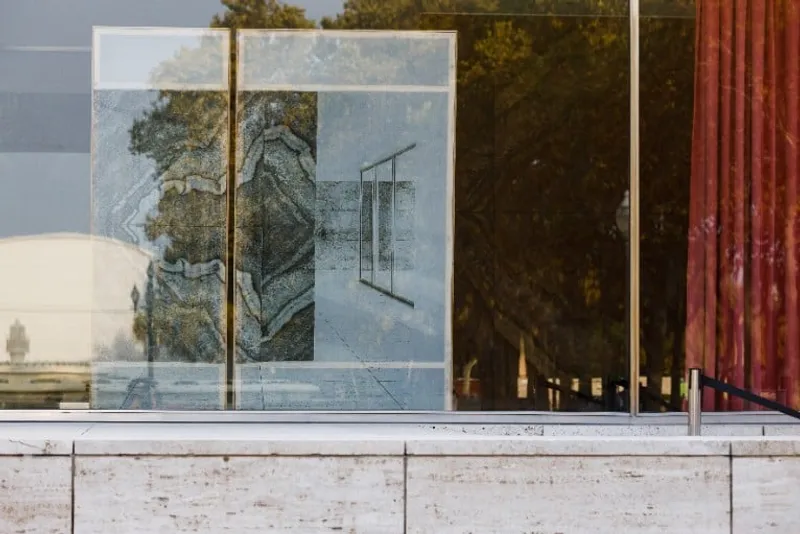
This installation at the Pavilion offers visitors a chance to rethink their relationship with history and the built environment. Redondo's use of silk, a material not directly used in the construction of the Pavilion, highlights the role of the textile industry in Mies and Reich's transformation of Montjuïc's mountain, representing German industries. This intervention provides a unique opportunity to view the Pavilion through a different lens, as a narrative device that reflects the dominant ideology and historical interpretations of its time.




Popular Articles
Popular articles from the community


Singing Woman: An Opera House That Performs Before the Curtain Rises
Ovidiu Cristian Pavel's conceptual opera house translates Estonia's choral identity into a sculpted waterfront landmark facing the Baltic Sea.
Faces of the Soviet Avant-Garde: Turning Moscow's Street Names into an Open-Air Museum
A network of sculptural installations across a Moscow residential district transforms forgotten architect names into spatial encounters with cultural memor

The Amber Palace Opera: A Geological Fiction Surfaces on Tallinn's Baltic Waterfront
Pierre Brillard reimagines a Baltic legend as a public landscape, opera house, and waterfront promenade rooted in Tallinn's coastal identity.

Opera on the Sea: Driftwood Logic Shapes a Timber Opera House on Estonia's Coast
Trevor Orgill's opera house translates the entangled drift of floating timber into a civic building where wood, water, and music converge.

Similar Reads
You might also enjoy these articles
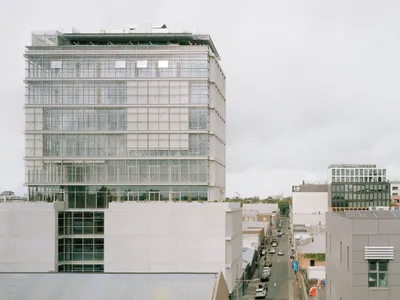
116 Rokeby Building, Collingwood
Sustainable Collingwood office building featuring double-skin façade, natural ventilation, rooftop amenities, and carbon-neutral design focused on wellbeing and longevity.
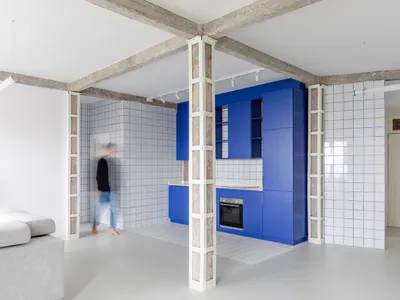
Contemporary Apartment Renovation in Spain: RV House by BIAN Opens Up to the Sea
A minimalist 1930s apartment in Santander is transformed into a flexible, sea-facing home through contemporary Spanish renovation.
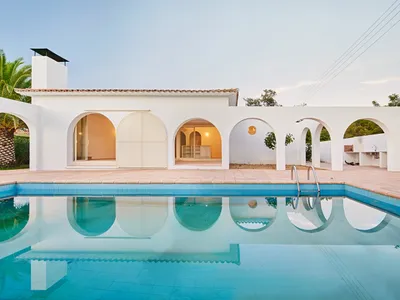
3 Marías House: A Contemporary Mediterranean Courtyard Retreat by Bajet Giramé + Burckhardt
Mediterranean courtyard home blending traditional architecture with modern design, terracotta flooring, flexible interiors, sustainable climate strategies, and garden integration.
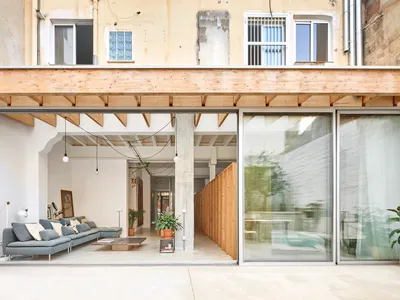
NZ10 Apartment by auba studio: Adaptive Reuse in Palma de Mallorca
Adaptive reuse apartment transforms bakery into light-filled home with patios, privacy layers, and wood interiors enhancing urban living experience.

Explore Architecture Competitions
Discover active competitions in this discipline


Challenge to reimagine the Iron Throne

Photograph architecture without architects

Illustrate the lost glory of Angkor Wat - Render Challenge

Design challenge to reuse E-waste
Comments (0)
Please login or sign up to add comments
No comments yet. Be the first to comment!