

The Unity Circle: A Beacon of Innovative Religious Architecture
This article discusses The Unity Circle, a project redefining communal and religious spaces in architecture.


In an era dominated by digital connections, the essence of physical togetherness often fades into the background. Recognizing this gap, the innovative architectural project "The Unity Circle" emerges as a cornerstone in redefining communal spaces within urban landscapes. Designed by Yi Li, this architectural marvel Winner entry in the Congregate competition with its unique approach to spiritual and communal integration, setting a new benchmark in innovative religious architecture.
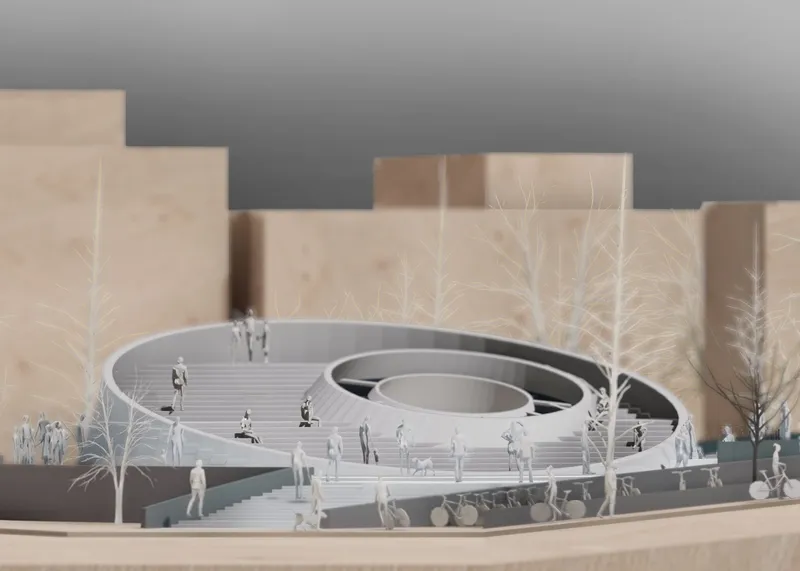
Concept and Design
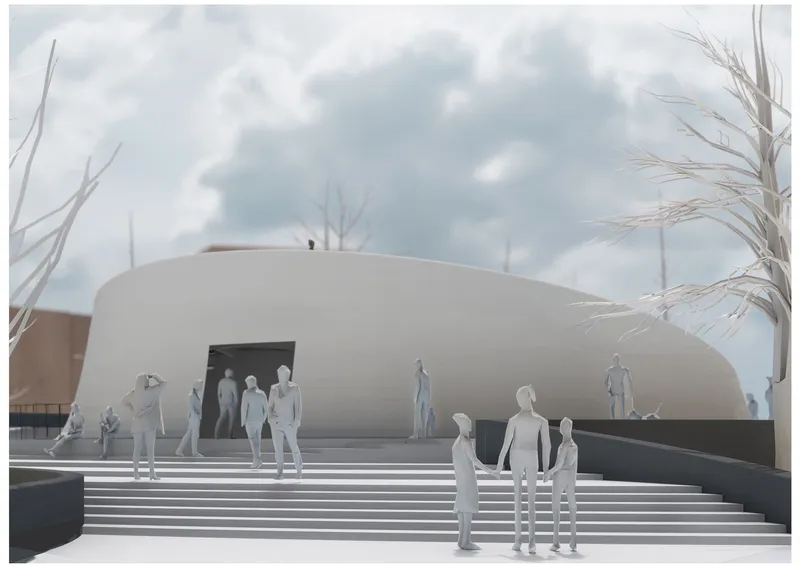
The Unity Circle is strategically nestled in the bustling heart of Ho Chi Minh City, Vietnam—a location known for its rich tapestry of cultural and religious diversity. The design of The Unity Circle is a testament to the philosophy of unity and peace across different faiths. Its circular form, devoid of sharp corners or edges, symbolizes eternal harmony and facilitates a continuous flow of energy and interaction among its users.
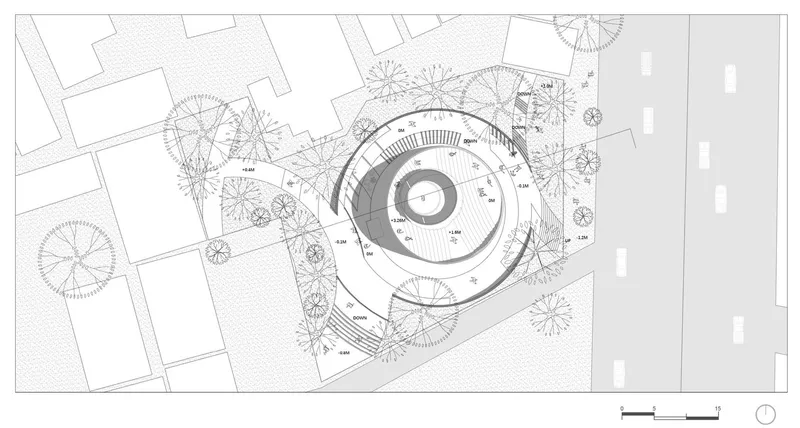
Architectural Layout
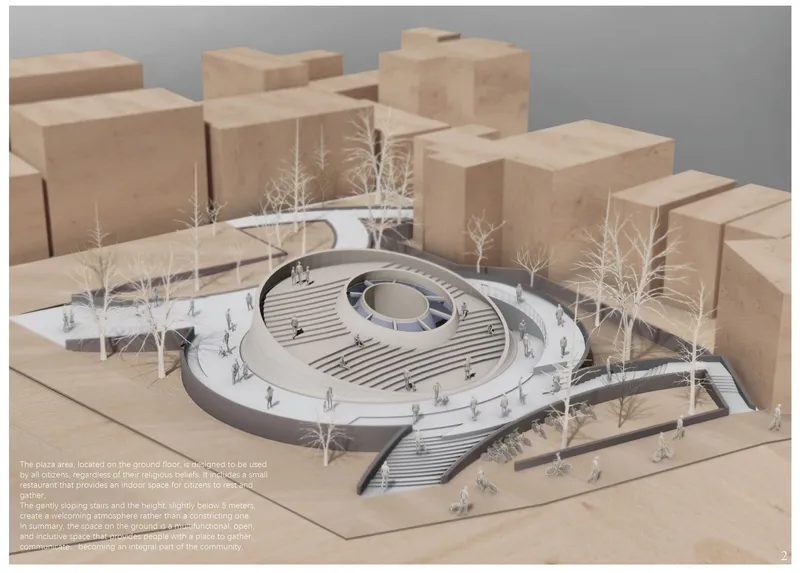
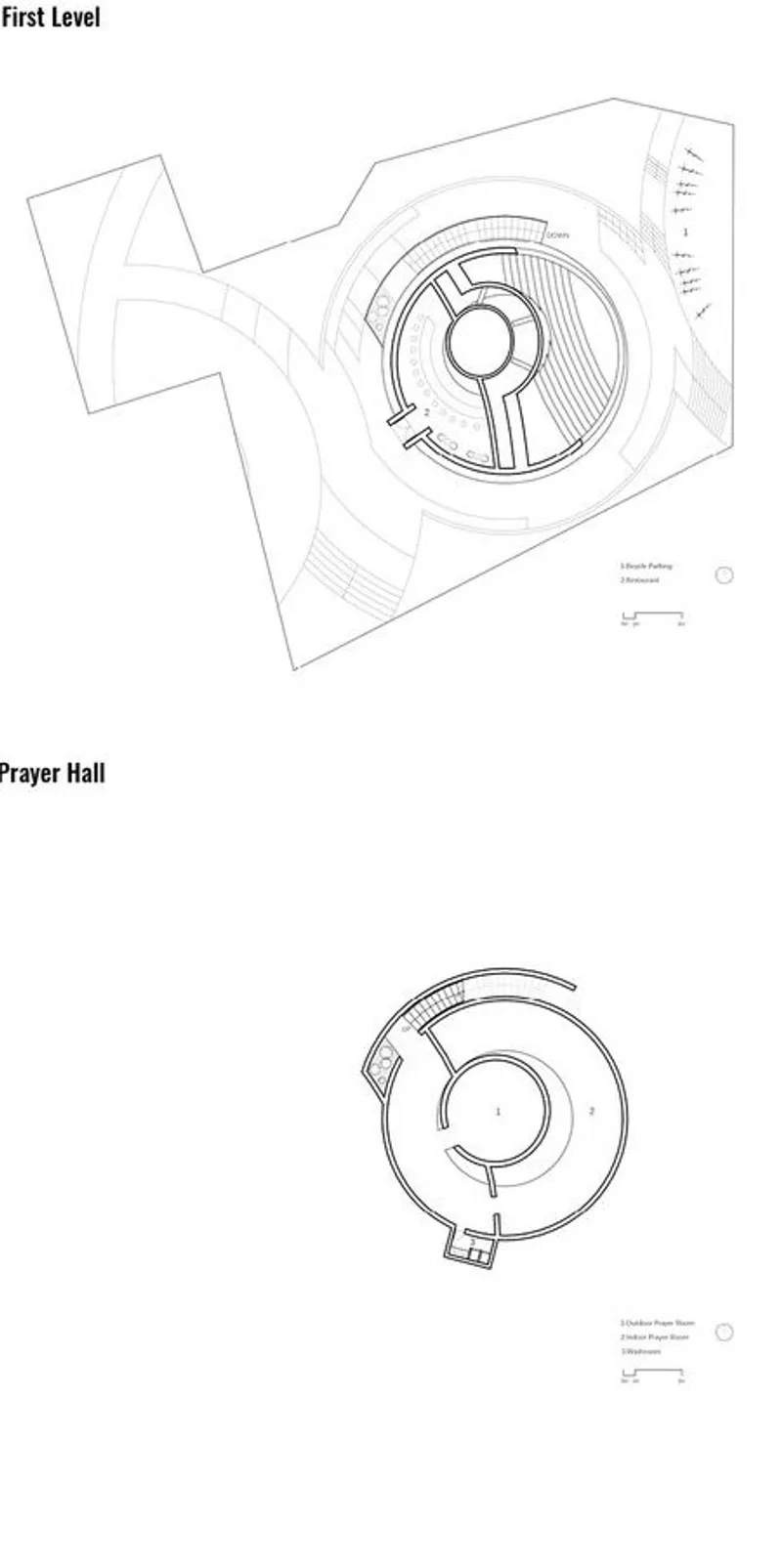
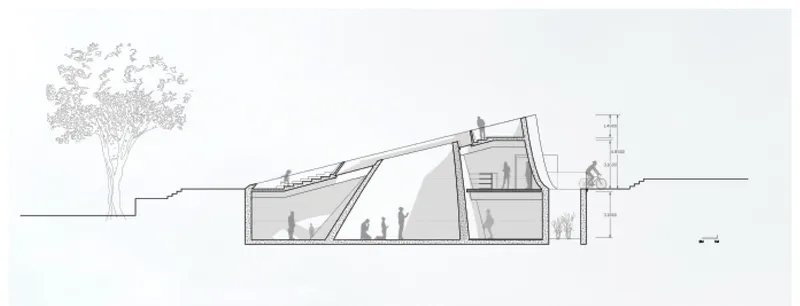
At the ground level, The Unity Circle features a plaza designed to welcome individuals from all walks of life, irrespective of their religious beliefs. This area includes a quaint restaurant and open spaces that encourage communal gatherings and personal reflection. Gently sloping stairs lead visitors beneath the surface to the prayer hall, a serene underground sanctuary bathed in natural light from skylights above, emphasizing tranquility and reverence.
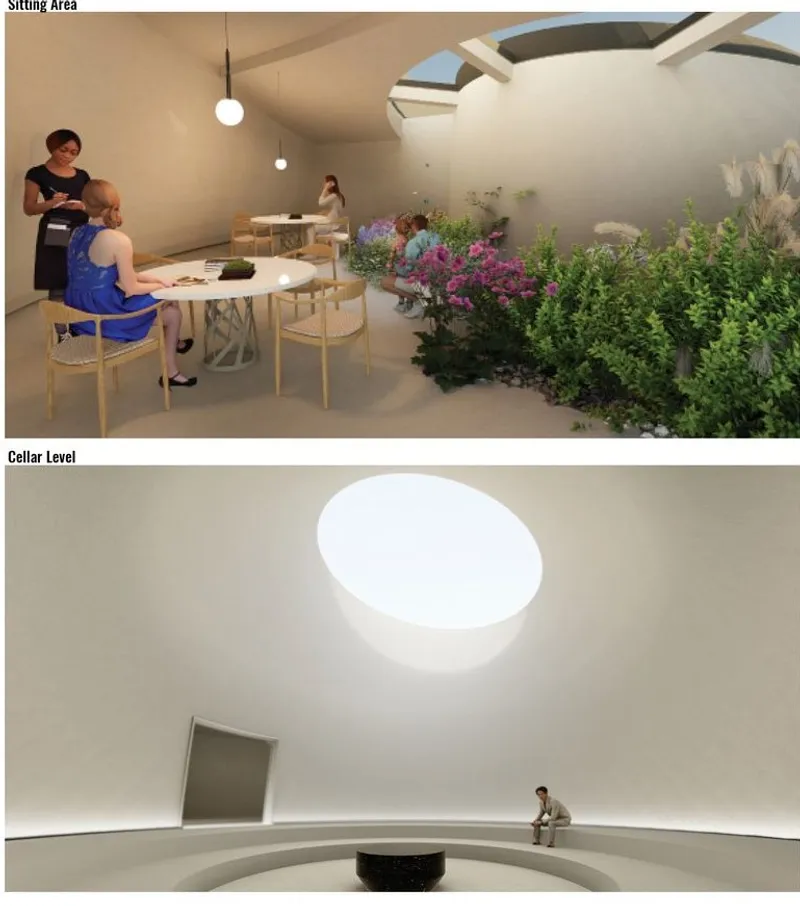
Interior Design
The prayer hall is the core of The Unity Circle, where individuals engage in silent prayer and meditation. The design ensures privacy while fostering a collective spiritual atmosphere, highlighted by the subtle interplay of light and shadow on the white concrete walls. The acoustics are finely tuned to capture the softest whispers of devotion, creating a symphony of sounds that enhances the contemplative experience.
The Impact of Design on Community
The Unity Circle transcends traditional architectural roles by not only serving as a prayer space but also as a hub for cultural exchange and mutual understanding. The design encourages people from different backgrounds to converge, share experiences, and build respect for diverse spiritual practices. Over time, this architectural space has facilitated the crumbling of barriers and prejudices, fostering a community united in its diversity.
Community Integration
The integration of diverse groups within The Unity Circle’s inviting architecture has led to a profound impact on community relations. Regular visitors and newcomers alike find themselves part of an ongoing dialogue of faiths, contributing to a more inclusive society. The architecture itself promotes peace through its open design and the seamless flow of its internal spaces.
Sustainability and Innovation
A hallmark of modern architectural practices, sustainability is at the core of The Unity Circle’s design. The use of eco-friendly materials and incorporation of natural elements not only reduces the environmental footprint but also enhances the spiritual ambiance of the prayer hall. The innovative use of skylights and natural ventilation systems minimizes energy consumption, embodying principles of sustainable design.
The Unity Circle by Yi Li stands as a pioneering example of innovative religious architecture, reshaping the landscape of communal and spiritual buildings. It serves as a powerful reminder of architecture’s potential to unite people under the common goals of harmony and understanding. As cities continue to grow and diversify, projects like The Unity Circle will play a crucial role in fostering communal ties and promoting a collective spiritual wellbeing, making it a landmark not only in architectural achievement but also in community development.
Through this architectural marvel, Yi Li has not only created a space for prayer and reflection but has also crafted a blueprint for future developments in the realm of innovative religious architecture. This project exemplifies how thoughtful design can transform urban spaces into sanctuaries of peace and unity, proving that in the heart of a bustling city, there can indeed be a place for everyone to find solace and communal spirit.


Popular Articles
Popular articles from the community

Opera by the Sea Estonia: Three Shells Dissolving Architecture into Tallinn's Coastline
A winning opera house proposal replaces monumental form with interconnected shells that blur the boundary between building, park and Baltic Sea.
Tsunami Convergenics: Turning Catastrophic Ocean Forces into Underwater Housing Infrastructure
A speculative underwater settlement off the coast of Onagawa, Japan, treats tsunamis and typhoons as energy sources rather than threats.

Manzana Morphosis: Stretching Barcelona's Grid into a Living Landscape for 2050
A radical reworking of the Eixample manzana turns density into a tool for generous public space, vertical ecology, and environmental performance.

Singing Woman: An Opera House That Performs Before the Curtain Rises
Ovidiu Cristian Pavel's conceptual opera house translates Estonia's choral identity into a sculpted waterfront landmark facing the Baltic Sea.

Similar Reads
You might also enjoy these articles

Shakur's House: Exposed Brick as an Interior Organiser in a 168 m² Mashhad Residence
Brick moves indoors in this Mashhad residence, where masonry walls, glass partitions and teal planes sequence a compact home without closing it off.

Day and Night Park: A Time-Based Urban Newsstand in Beijing
A temporary urban newsstand in Beijing blending travel, light, and reading through poetic colors, compact form, and community-focused design.

Modernist Patio Renovation in El Masnou, Barcelona by Oliver Segura Arquitectura + Cebrià Arquitectura
Modernist patio renovation blending tradition and innovation with a movable pool, leveled floors, and Catalan materials in El Masnou.

Alto Residencial Coop: Cooperative Housing Development in Santiago de Compostela by Carbajo Barrios Arquitectos
A linear cooperative housing complex blending white volumes and perforated metal façades, enhancing community living, natural light, privacy, and urban integration.

Explore Congregational Space Competitions
Discover active competitions in this discipline

Challenge to design locus for the upliftment of human rights

Challenge to reimagine the Iron Throne

Photograph architecture without architects

Illustrate the lost glory of Angkor Wat - Render Challenge
Comments (0)
Please login or sign up to add comments
No comments yet. Be the first to comment!