
Three Little Pigs House by EME157 Renovation
Three Little Pigs House by EME157 Renovation: A Modern Transformation in Madrid


The Three Little Pigs House by EME157 is a remarkable renovation project located on the outskirts of Madrid, Spain. Originally built in the 1990s, this house has been transformed by architects Silvia Méndez-Vigo Chillida and Gerardo Macarrón Jaqueti into a contemporary dwelling that seamlessly blends with its natural surroundings. This article delves into the architectural design, materials used, and the sustainable features that make this renovation project stand out.
Architectural Design and Concept
Exterior Transformation
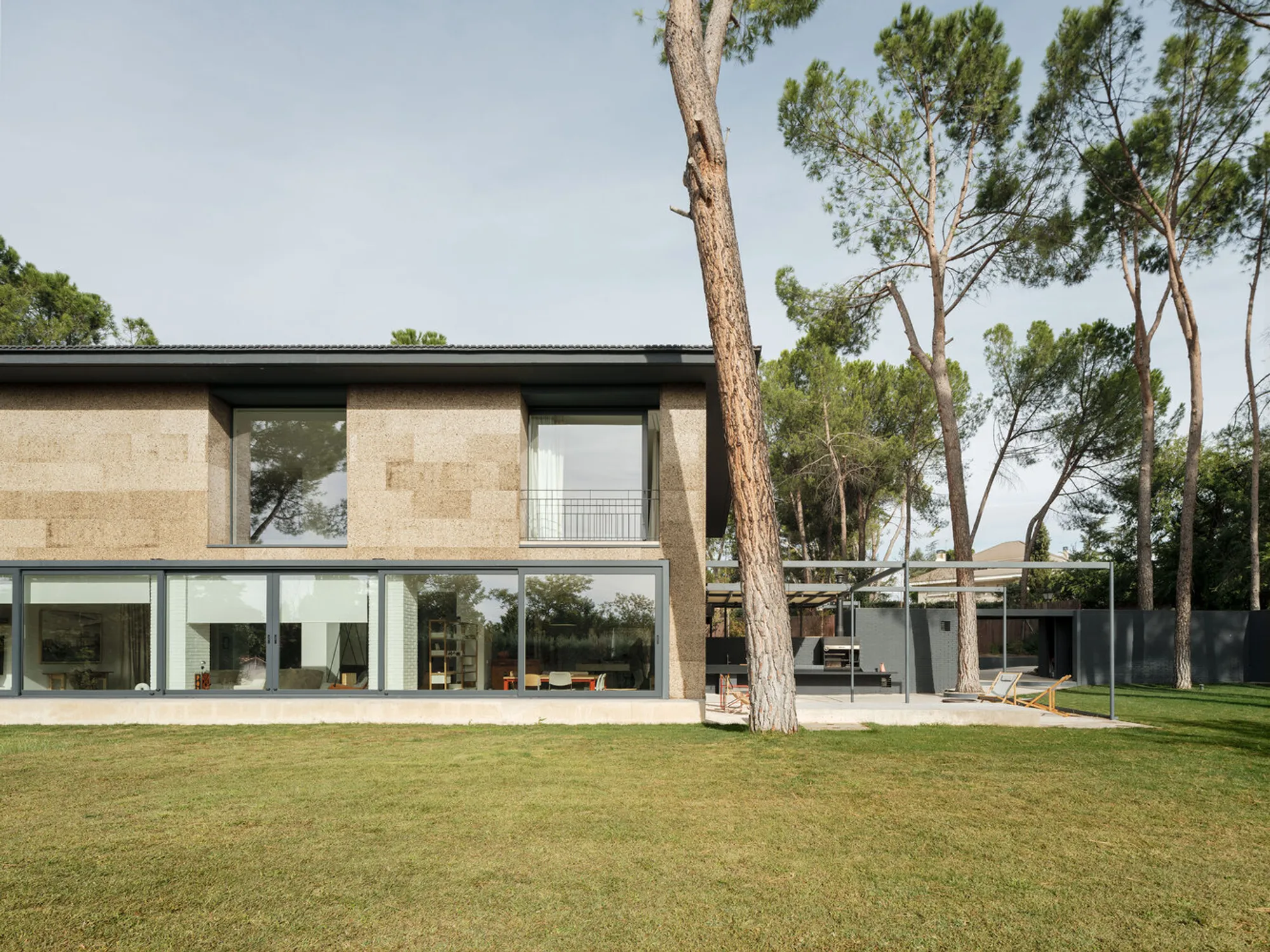
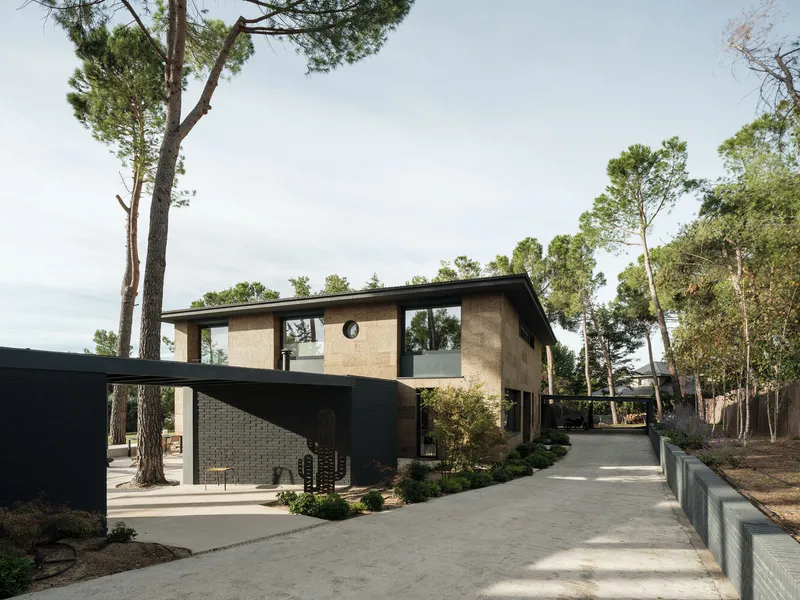
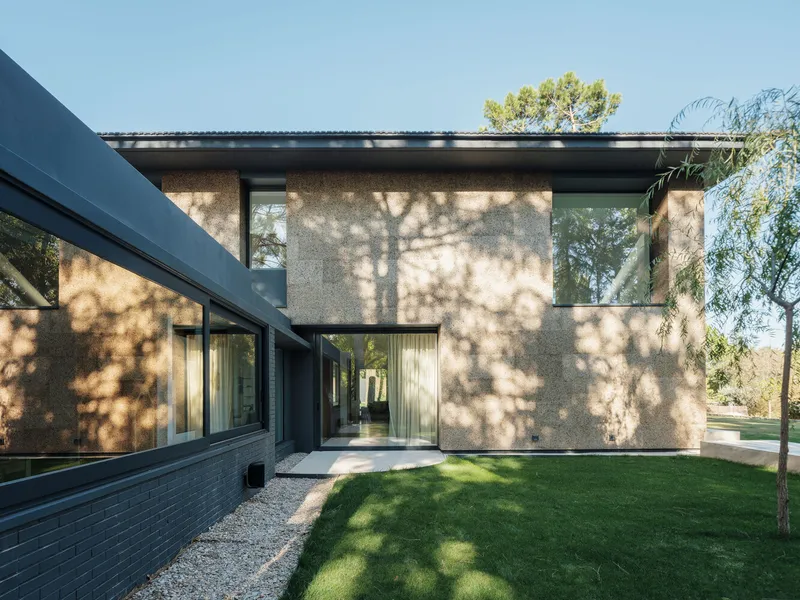
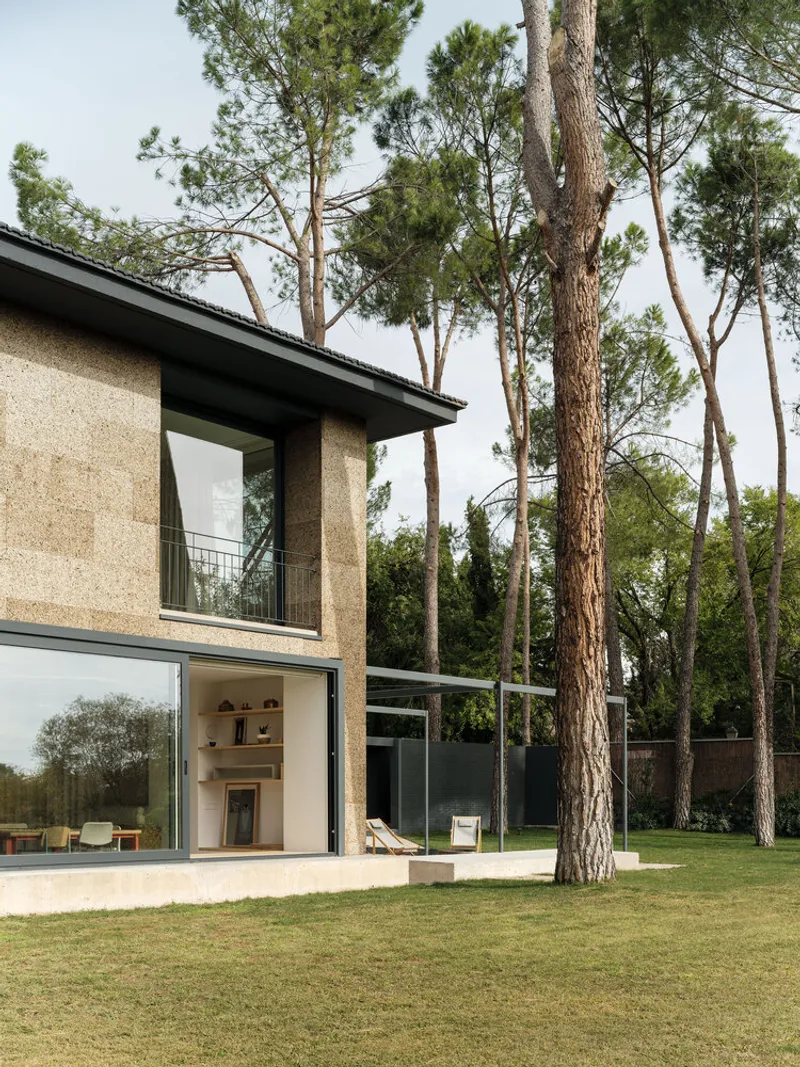
The original structure of the Three Little Pigs House was a cubical volume made of red brick with a flat tiled hipped roof. One of the distinctive features was the double-height oblique porch in the southwest corner. The renovation aimed to modernize this design while maintaining harmony with the surrounding hundred-year-old pine trees.
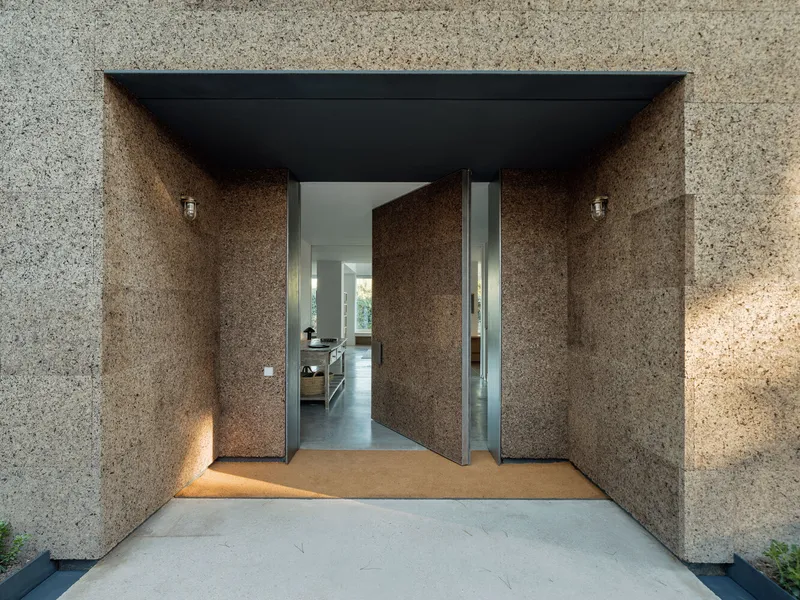
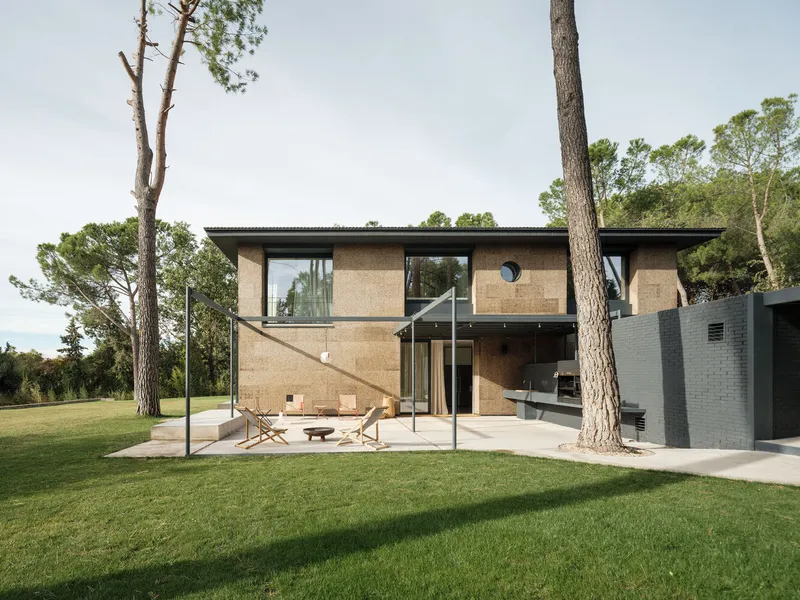
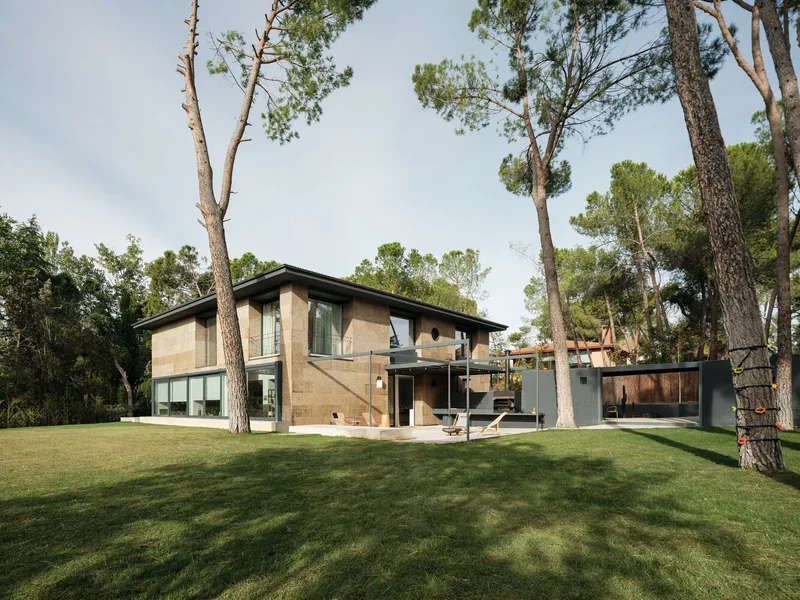
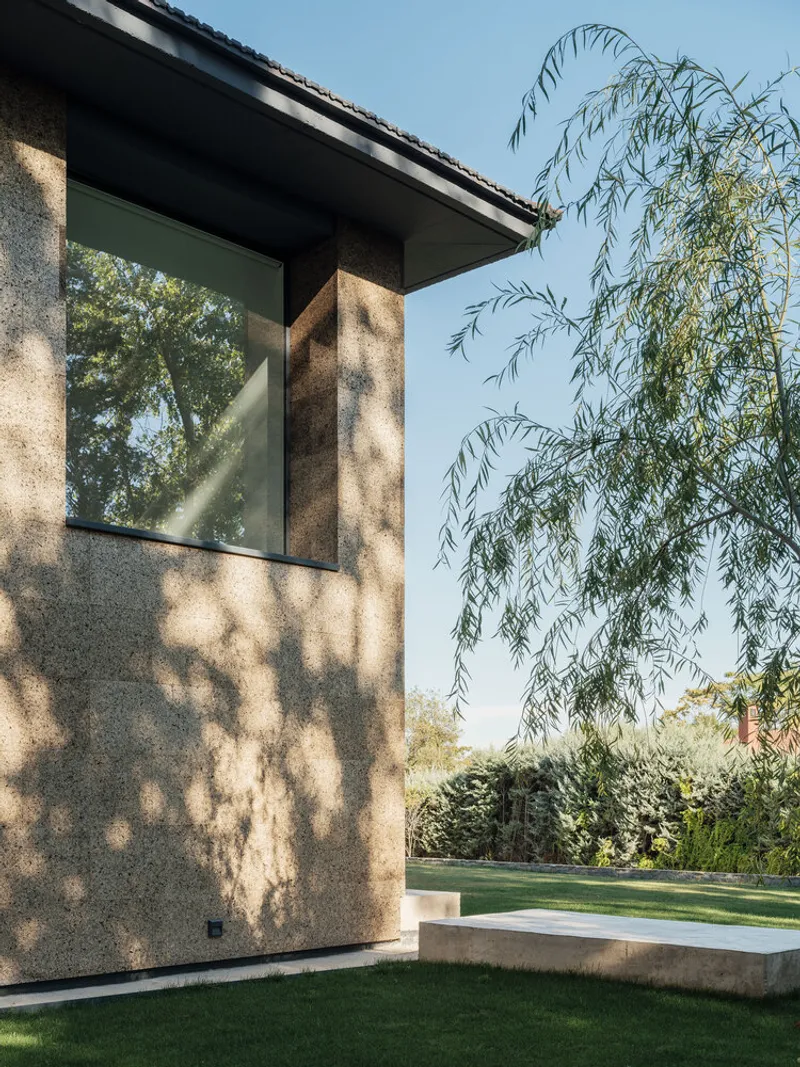
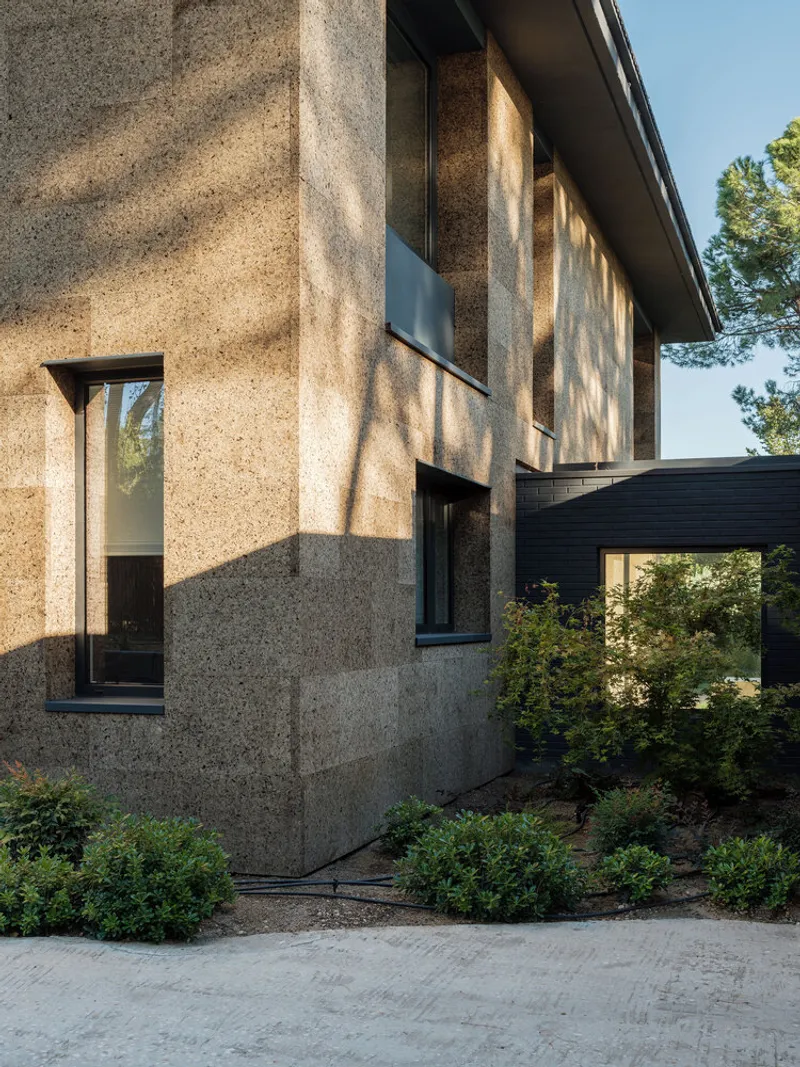
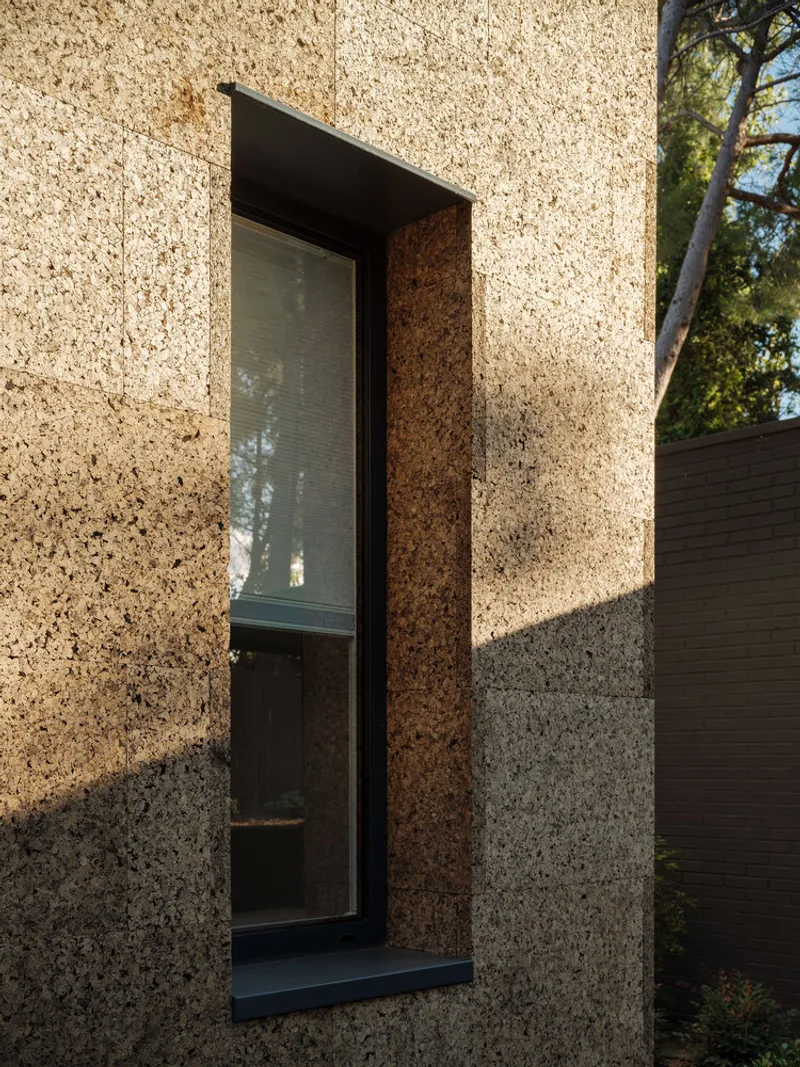
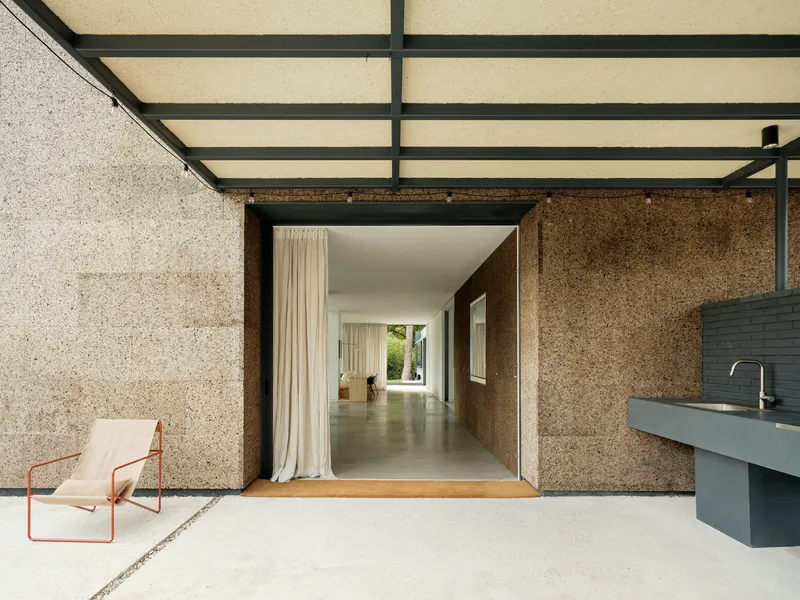
The decision to line the house with cork was a pivotal aspect of the design. This material not only blends with the bark of the nearby trees but also ensures durability and improves the thermal properties of the façade. The cork façade provides a stone-like appearance that is warmer and lighter. This treatment was applied only to the main cube, while the auxiliary constructions retained their brick, painted black to contrast with the main volume.
Interior Layout and Design
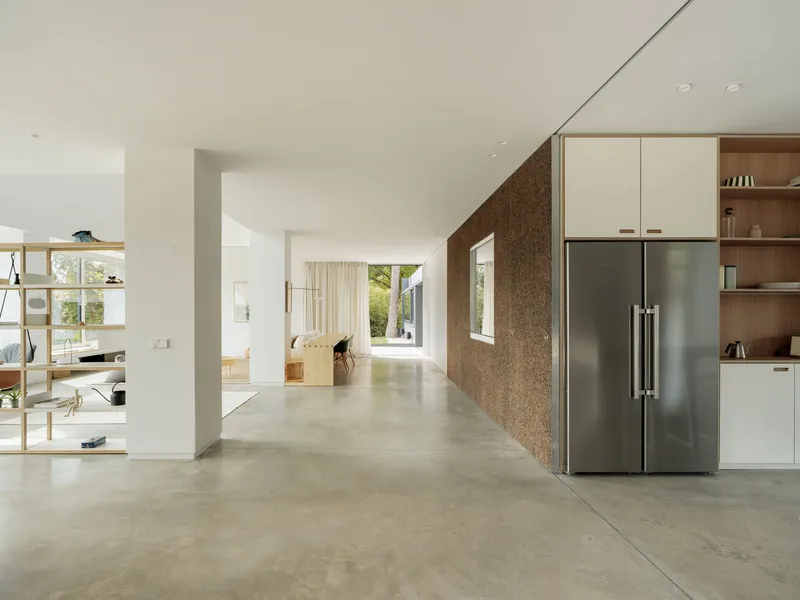
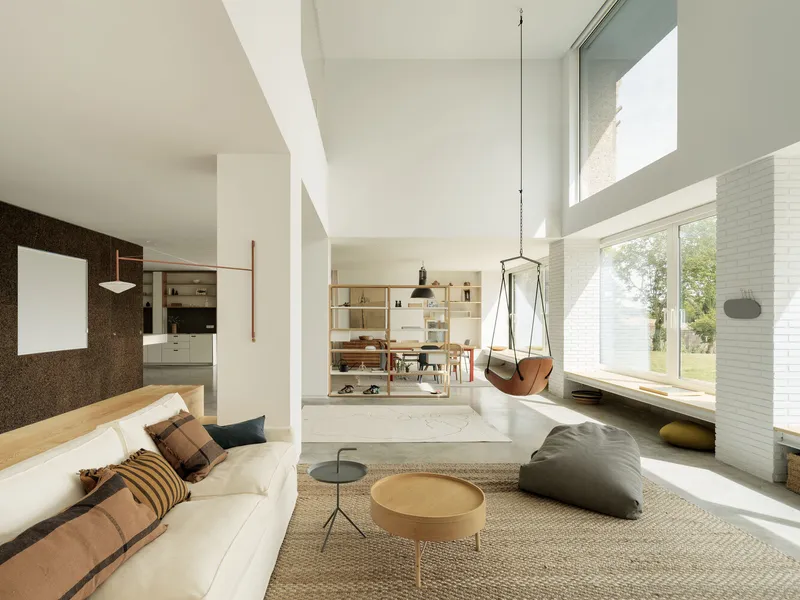
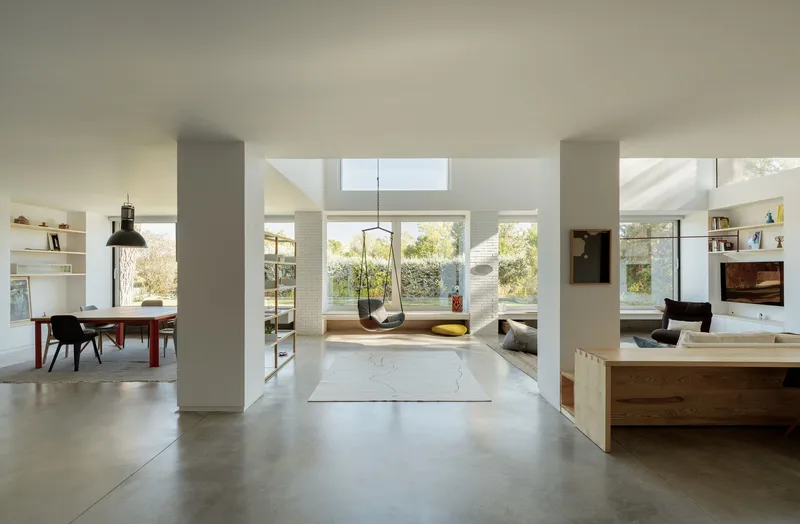
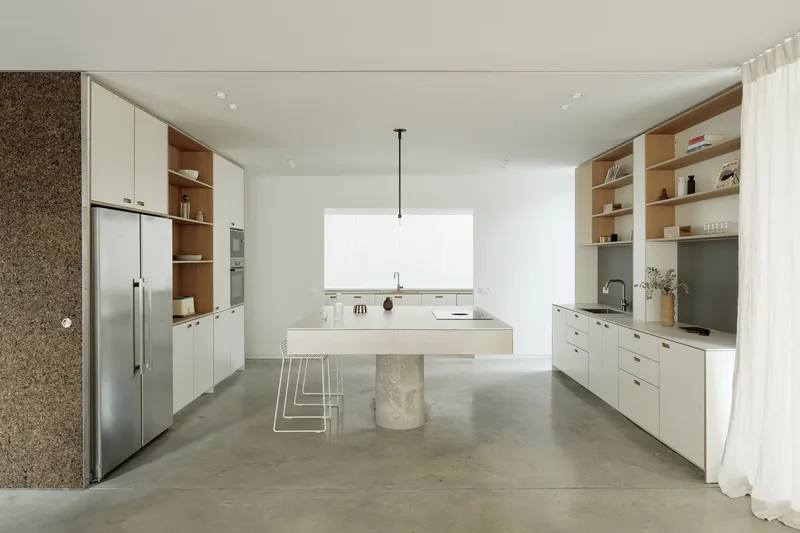
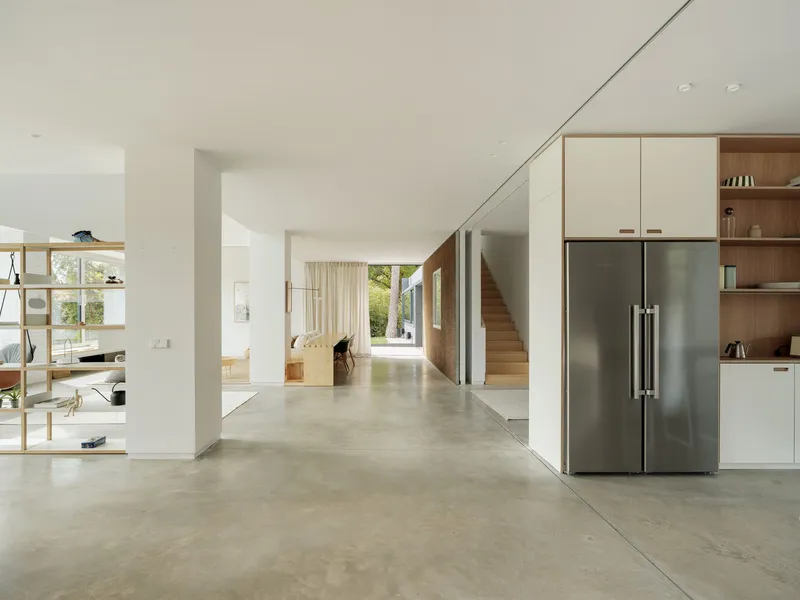
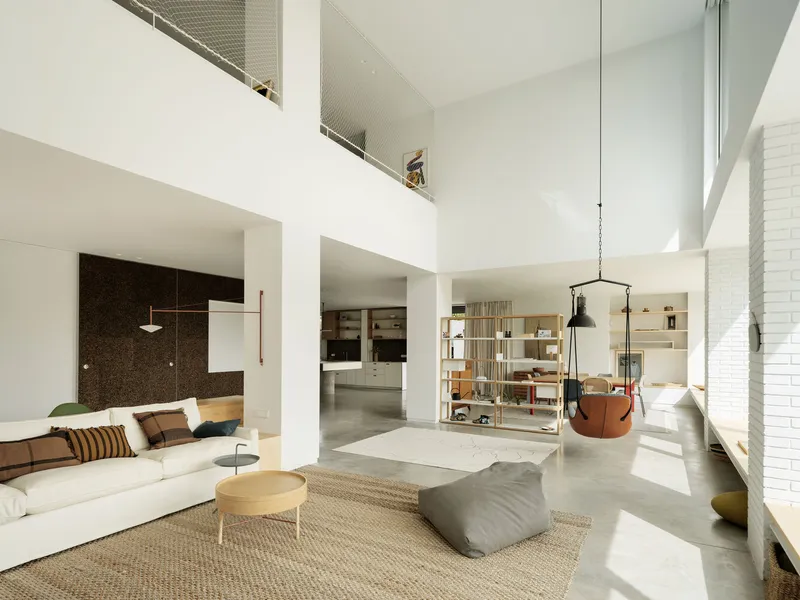
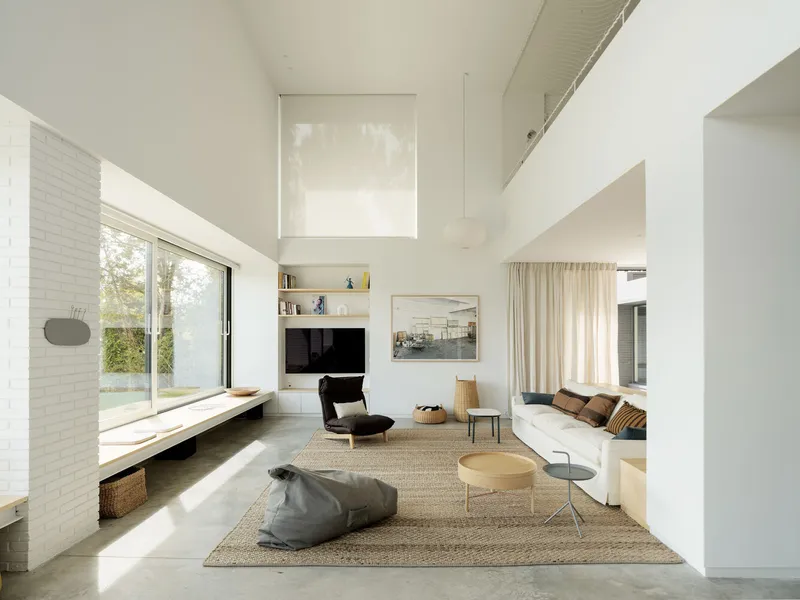
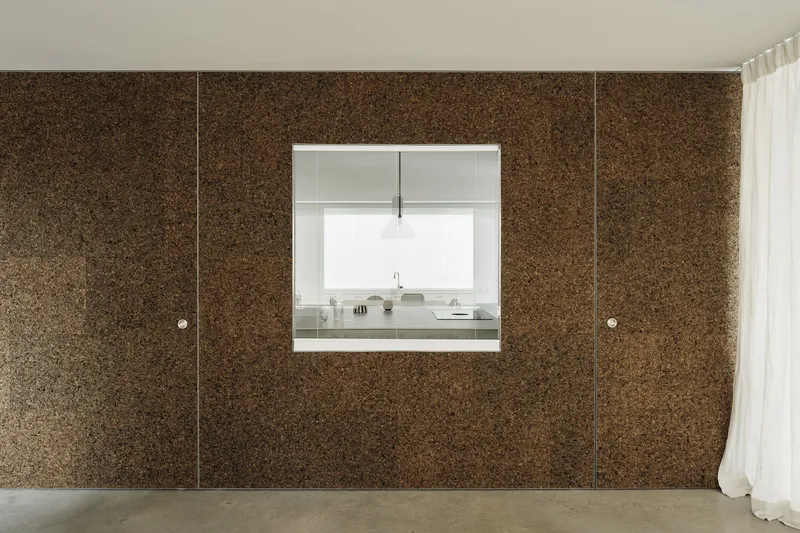
The interior design of the Three Little Pigs House features a minimalist approach with a sliding cork door that runs the length of the house, creating a flexible and dynamic space. On one side of the door are the hall, stairs, kitchen, and a service bedroom, while on the other side, a single room with four columns and a double-height ceiling is divided into six quadrants.
The first three quadrants, near the sliding windows, serve as the dining and living rooms, offering a warm and inviting space for family gatherings. The other three quadrants function as a large corridor, connecting different parts of the house and the garden, and can be adapted for various uses depending on the time of day and the needs of the occupants.
Sustainable Features and Materials
Cork Façade
The cork used for the façade is not only aesthetically pleasing but also highly sustainable. Cork is a renewable material that provides excellent insulation, both thermally and acoustically. It enhances the energy efficiency of the house, reducing the need for artificial heating and cooling.
Interior Materials
The interior materials were chosen for their durability and aesthetic appeal. Polished concrete floors, wooden tables, benches, and countertops, stainless steel, and white laminate in the kitchen, and plaster showers and bathtubs create a cohesive and elegant look. These materials are not only functional but also contribute to the overall sustainability of the house.
Landscaping and Outdoor Spaces
Integration with Nature
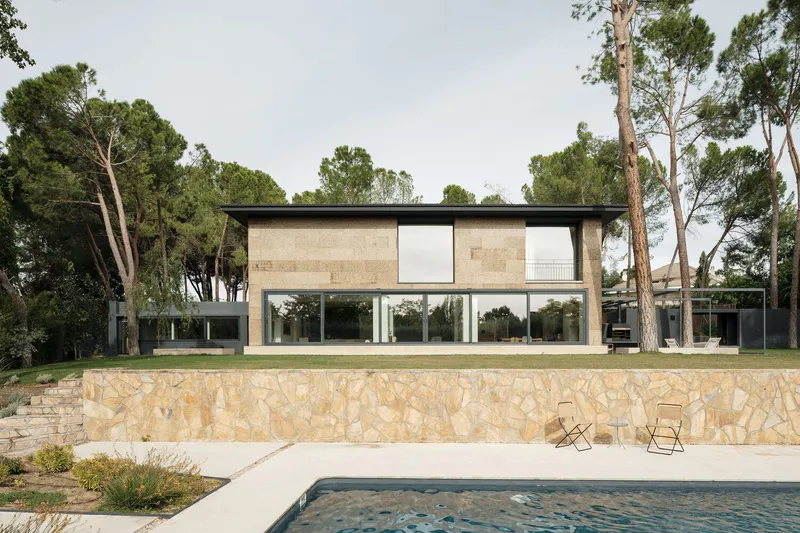
The landscaping around the Three Little Pigs House was carefully designed to preserve the existing natural elements, such as the pine trees and grassy esplanade. The exterior grid of the house extends into the garden, forming additional quadrants embraced by a concrete bench and brick wall. This design blurs the boundaries between the interior and exterior, creating a harmonious flow.
Swimming Pool Area
The renovation also included updating the lower platform dedicated to the swimming pool, making it an integral part of the outdoor living space. The pool area complements the overall design, providing a relaxing retreat that blends seamlessly with the natural surroundings.
The Three Little Pigs House by EME157 is a testament to the power of thoughtful renovation. By combining modern design elements with sustainable materials and a deep respect for the natural environment, architects Silvia Méndez-Vigo Chillida and Gerardo Macarrón Jaqueti have created a home that is both beautiful and functional. This project highlights the potential for innovative architectural solutions to transform existing structures into contemporary masterpieces.
All photographs are work of Luis Diaz Diaz




Popular Articles
Popular articles from the community


Conexión: Biophilic Design Reimagines High-Rise Living in Hong Kong
Conexión reimagines high-rise living in Hong Kong through biophilic design, green facades, shared spaces, daylight, water and nature within.

Play: Fragments of Their World
Familiar architecture becomes modular playground design, creating safe spaces where displaced children can learn, connect, imagine and play.

Lunar Spiral: Space Architecture Shaped by the Mathematics of the Universe
Lunar Spiral reimagines space architecture through Fibonacci geometry, lunar regolith, levitating habitats, and self-sustaining Moon living.

The Ocean Hive: Sustainable Architecture for a Self-Sufficient Civilization at Sea
The Ocean Hive imagines sustainable architecture at sea, where modular habitats, algae, wave power and ocean waste sustain a growing colony.


Similar Reads
You might also enjoy these articles

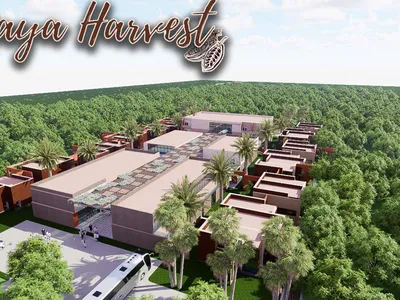
Maya Harvest: A Cacao Resort Village Rooted in Mayan Tradition and Local Craft
Situated within a Tabasco cacao plantation, this shortlisted resort proposal merges vernacular materials with hands-on cultural immersion.
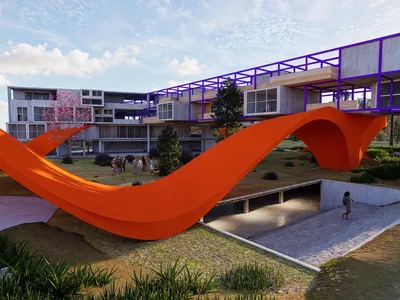
Harmonia: A River-Shaped Community That Grows Over Decades in Boa Vista
Curved pathways and modular grid structures along the Branco River create a phased settlement designed to evolve from 2030 to 2050.
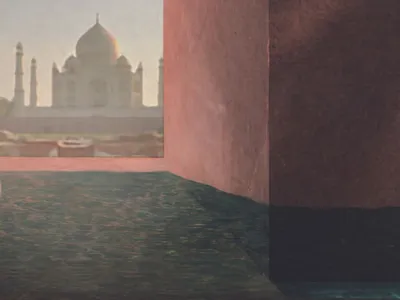
The Architecture of Bathing: A Mughal Hammam Reimagined Across the Yamuna
Charlotte May's honorable mention entry for The Black Taj reinterprets Agra's bathing rituals through red sandstone, water, and framed views of the Taj Mah
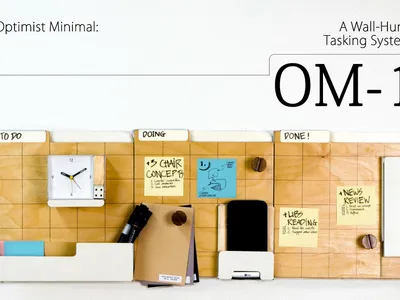
Om-1: A Wall-Hung System That Moves Your Workspace Off the Desk
Modular plywood boards, magnetic pegs, and utility elements migrate clutter from the horizontal surface to the vertical plane.


Explore Housing Competitions
Discover active competitions in this discipline



Challenge to reimagine the Iron Throne


Photograph architecture without architects


Illustrate the lost glory of Angkor Wat - Render Challenge


Design challenge to reuse E-waste
Comments (0)
Please login or sign up to add comments
No comments yet. Be the first to comment!