

Transforming History into Modernity: Adaptive Reuse Coffee Shop Design
The article describes the transformation of a dilapidated building into Café goodly, emphasizing adaptive reuse and modern design in South Korea.


In the heart of Gangbuk-Gu, South Korea, lies Café goodly, a perfect embodiment of adaptive reuse coffee shop design. This project by MTT architects showcases how old structures can be revitalized into vibrant new spaces, combining historical charm with contemporary design.
Background and Location
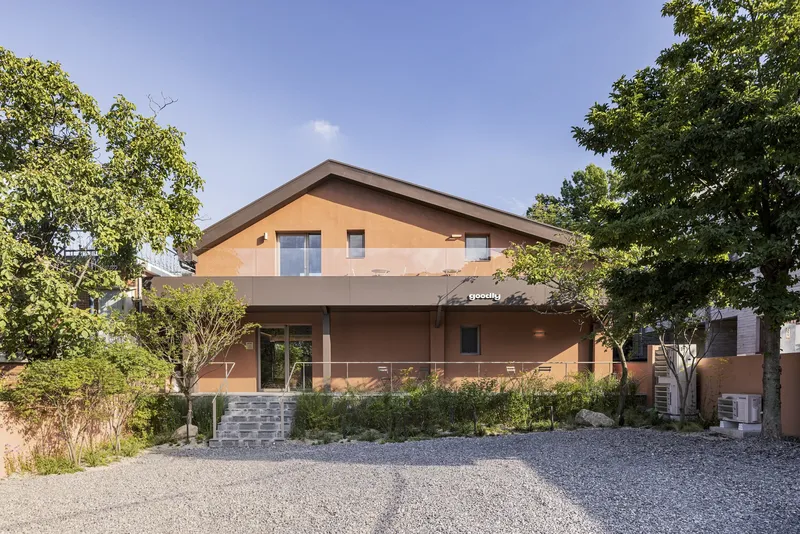
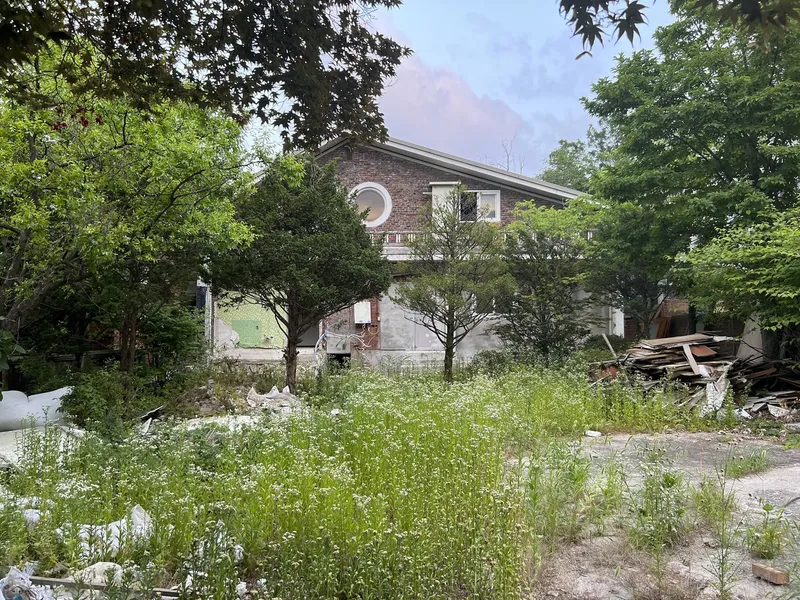
Originally a brick house built in 1968, the building had stood vacant and neglected before being chosen for renovation. Positioned at the eastern end of Bukhansan, it offers panoramic views and proximity to tranquil hiking trails, making it a cherished local hideaway.
Challenges and Architectural Solutions
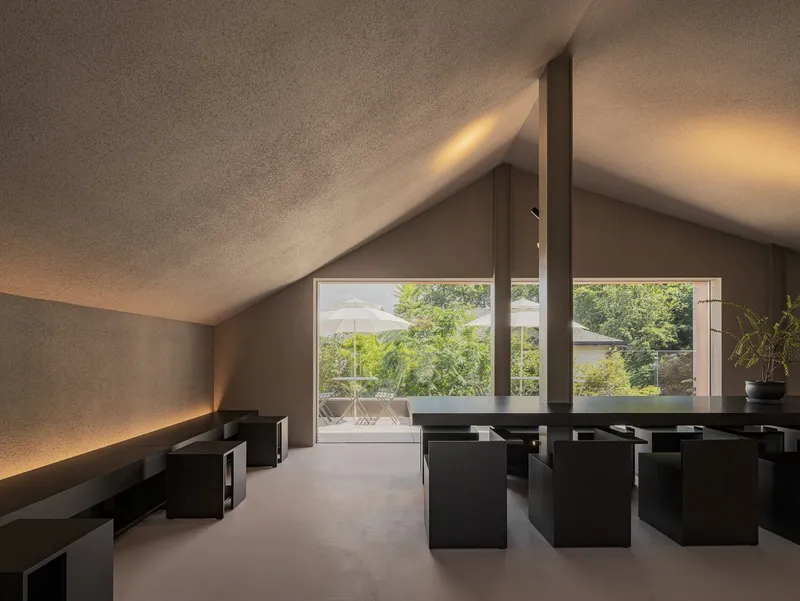
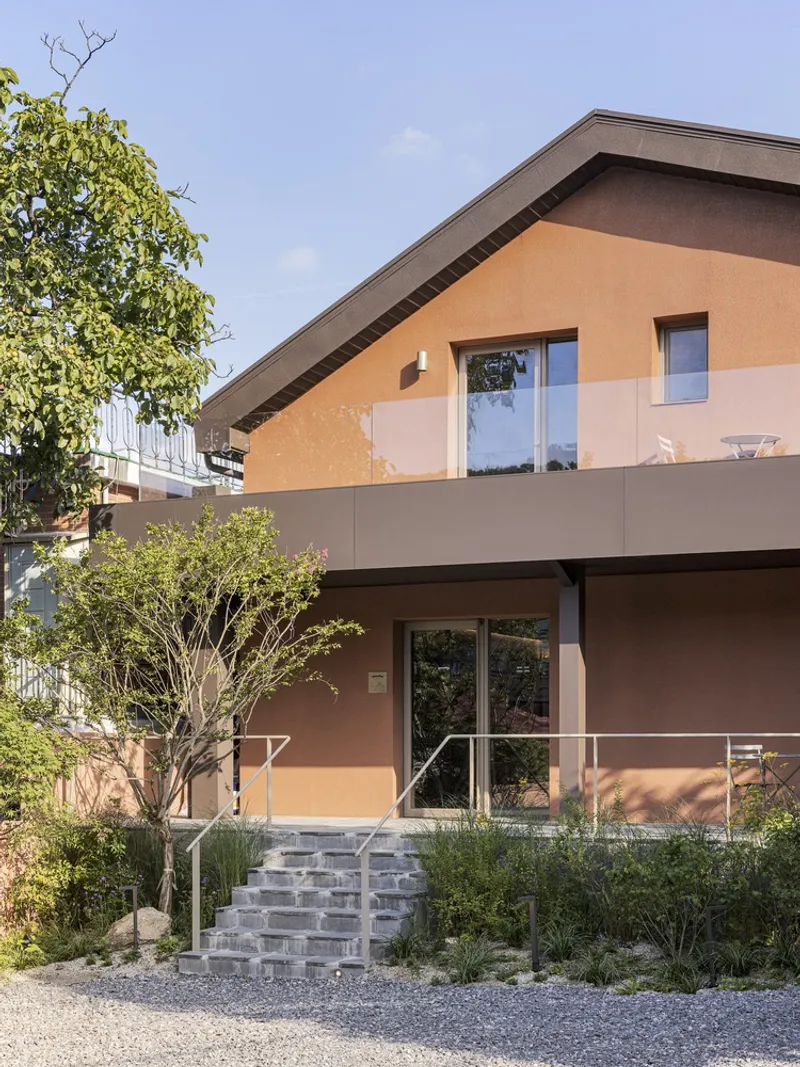
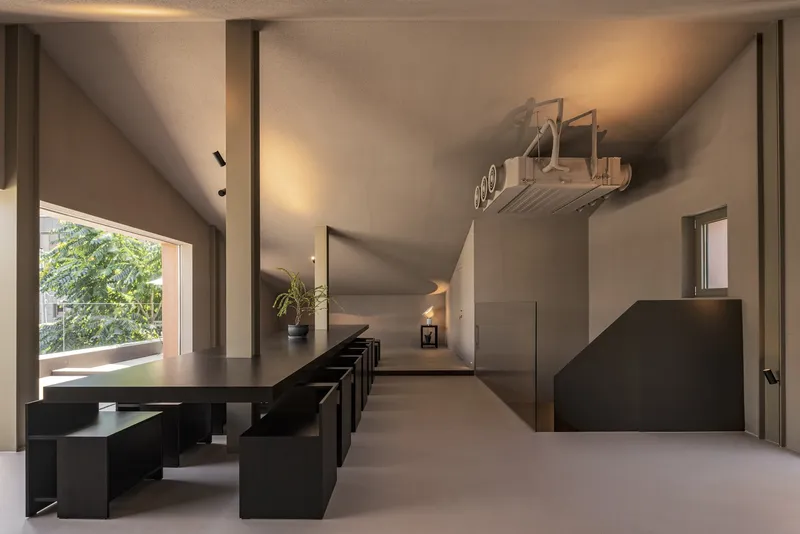
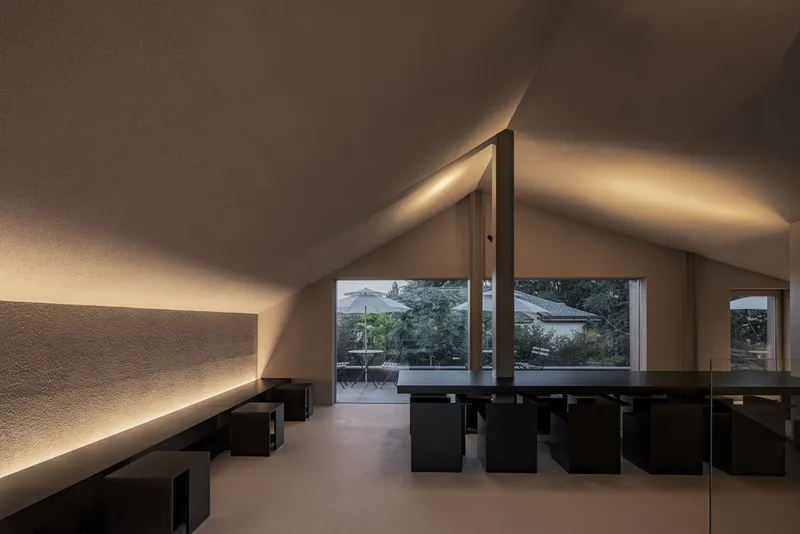
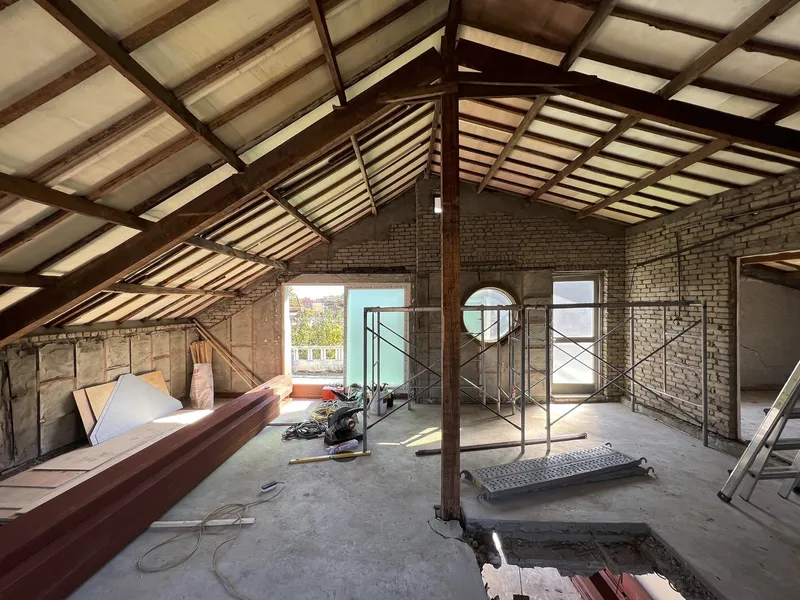
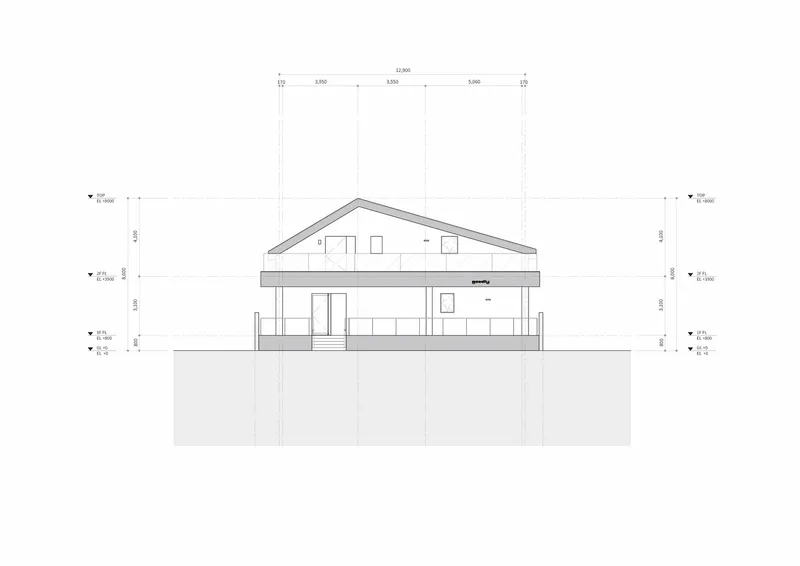
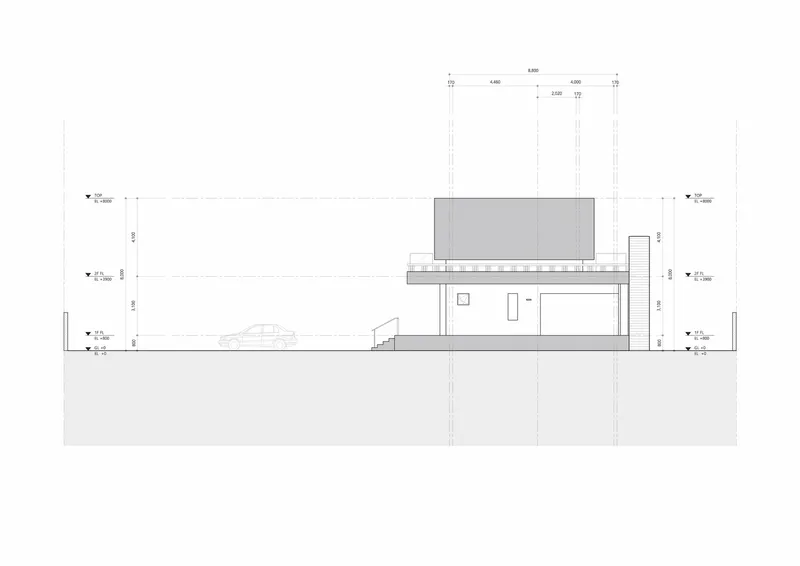
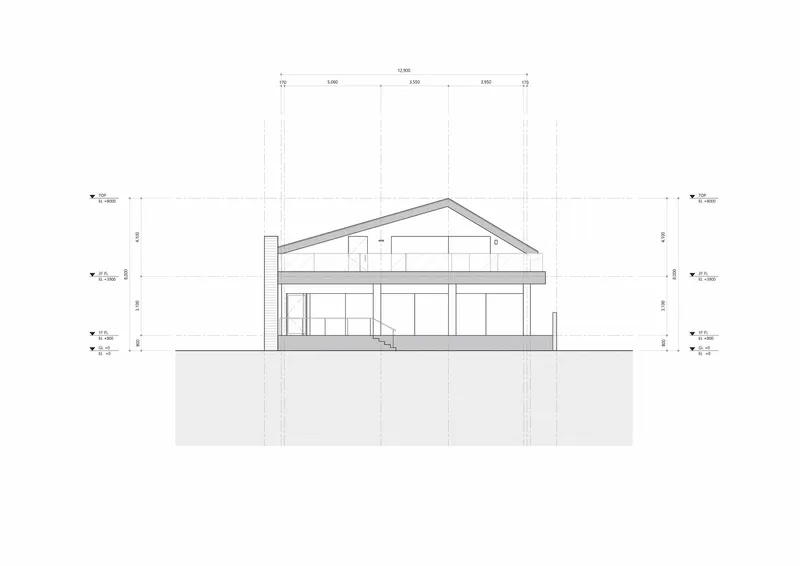
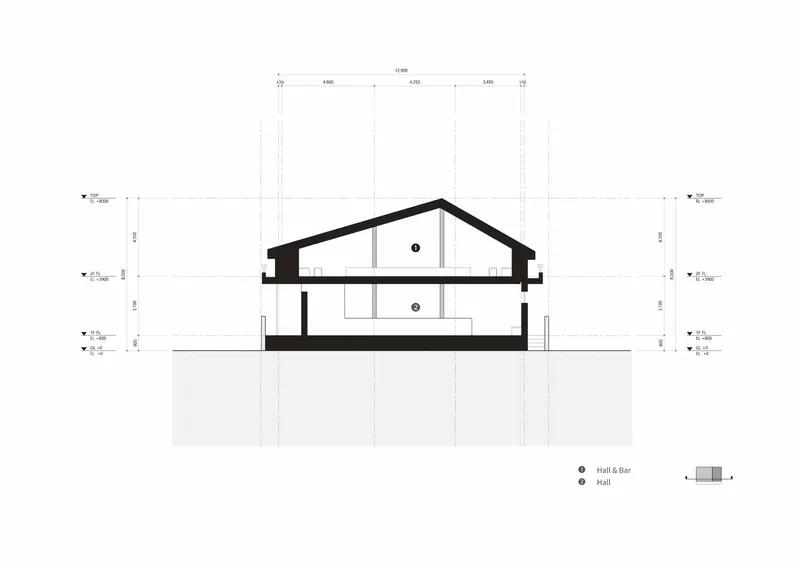
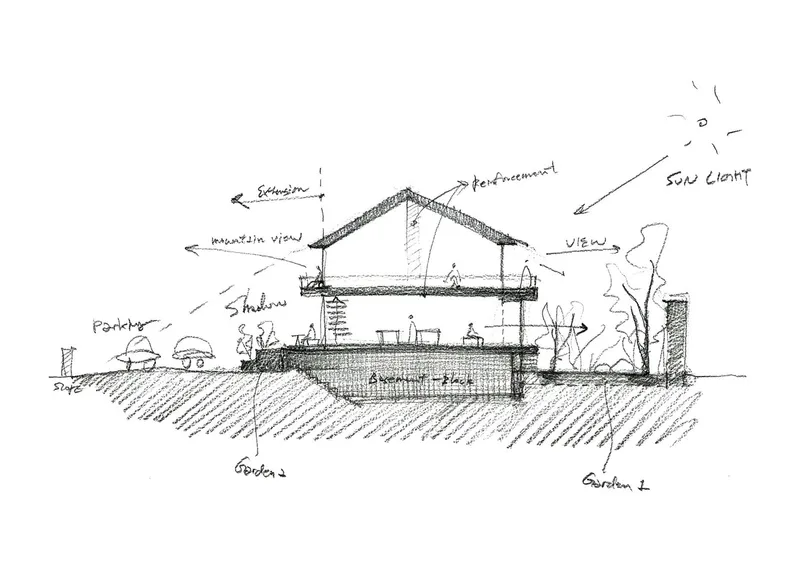
The renovation posed significant challenges due to the building's deteriorated condition. To preserve the essence of the original structure while ensuring safety, extensive reinforcement was necessary. The transformation involved stripping back to the primary structure and integrating modern materials and techniques, like steel beams, to support the open design.
Design Philosophy and Execution
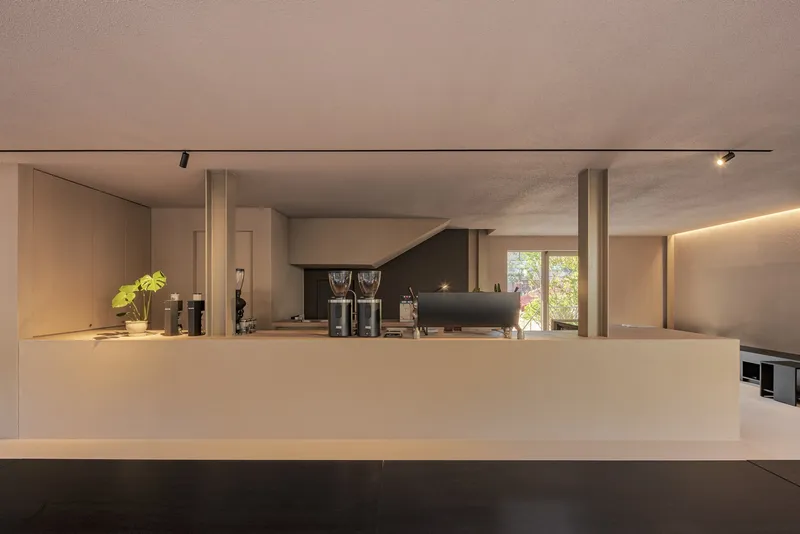
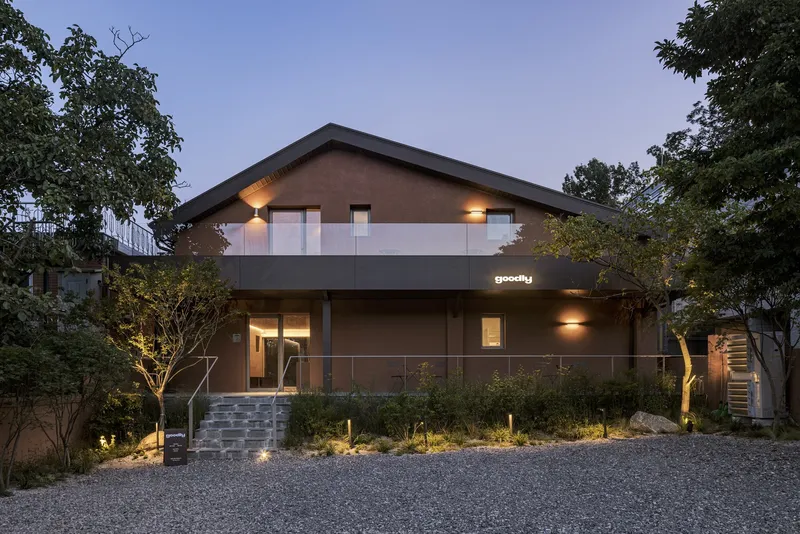
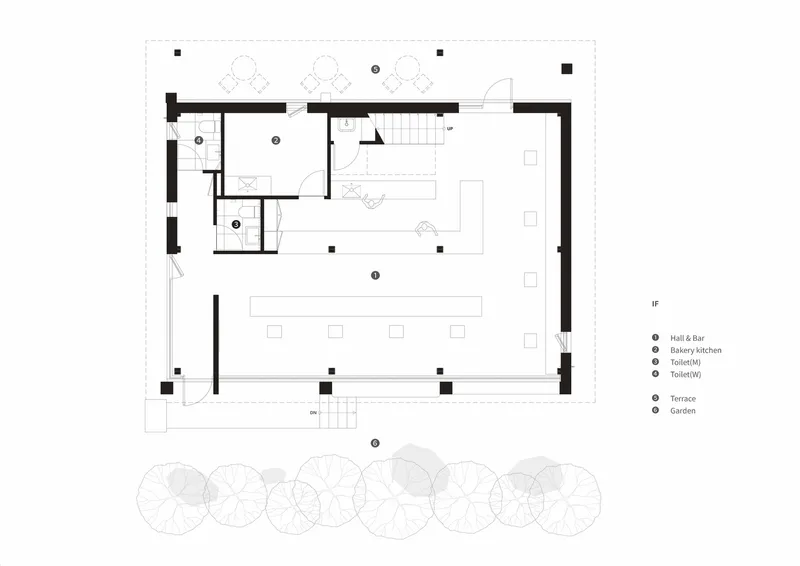
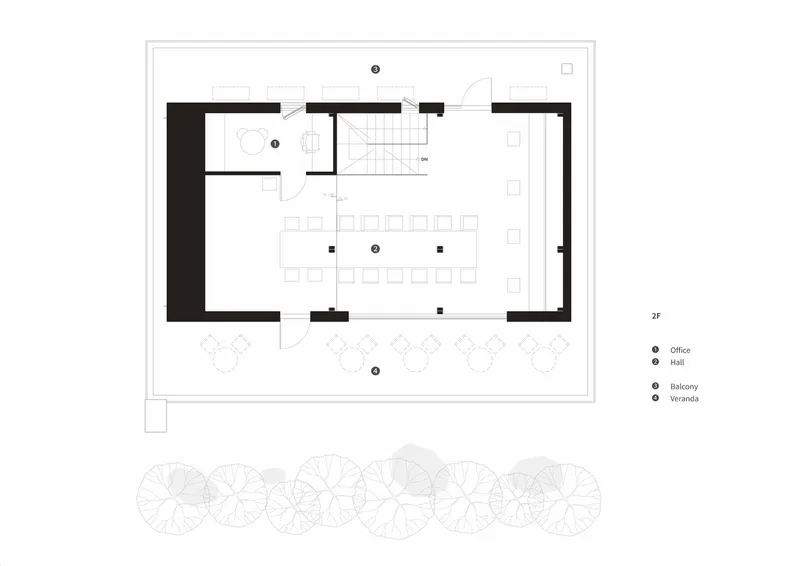
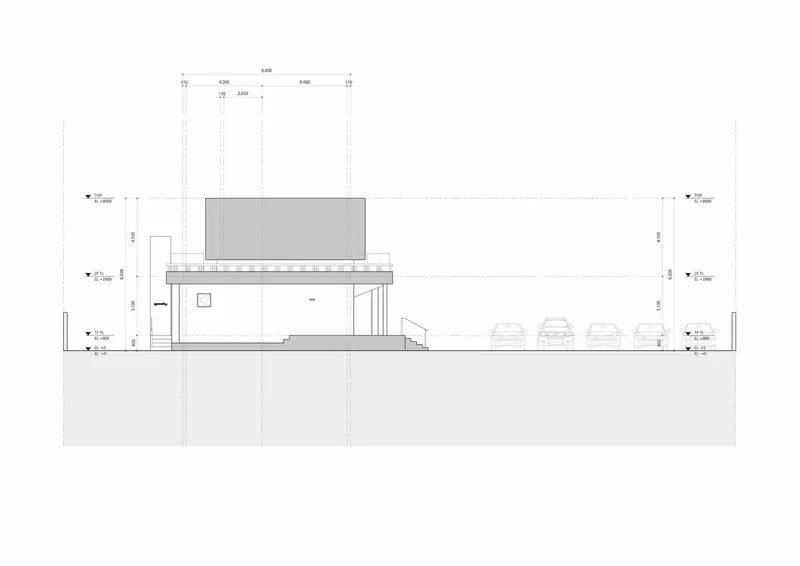
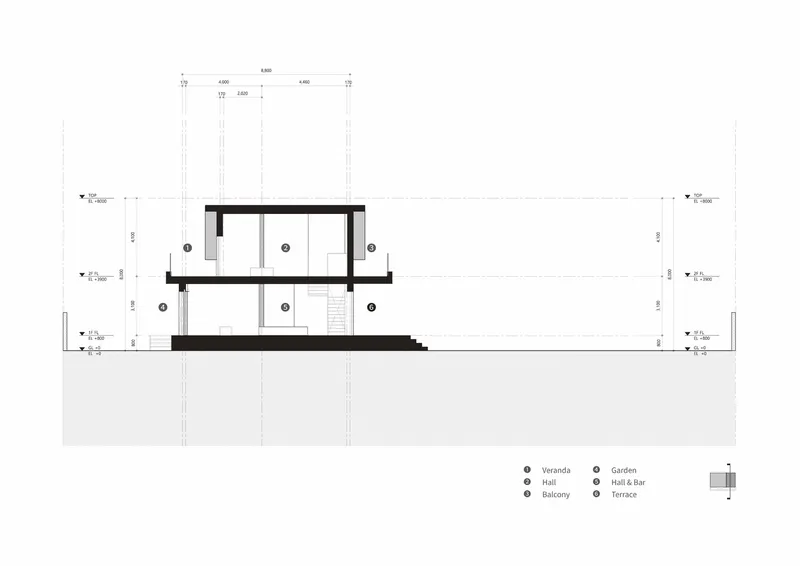
The design of Café goodly is deeply rooted in the concept of adaptive reuse coffee shop design, emphasizing minimal environmental impact while enhancing customer experience. The architects retained the original layout to respect the building's heritage but adapted it to modern business needs by altering the use of front and back spaces for customer access and parking.
Spatial Layout and Customer Experience
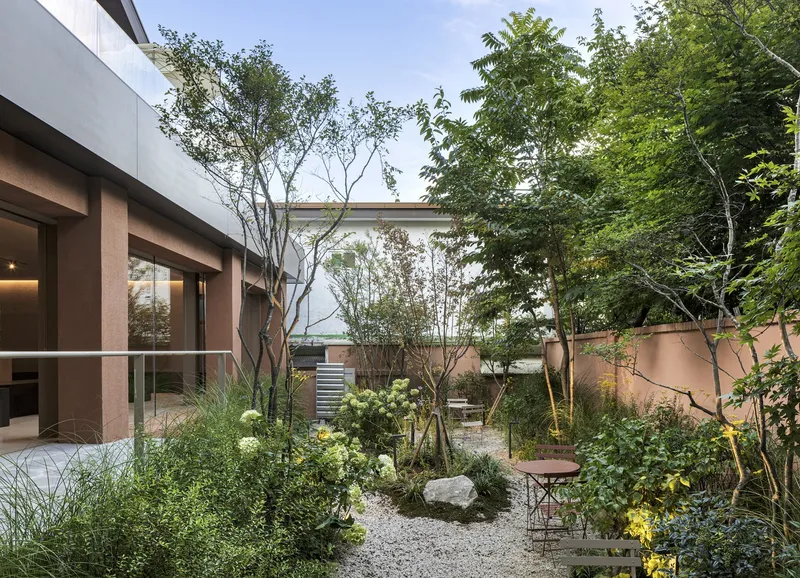
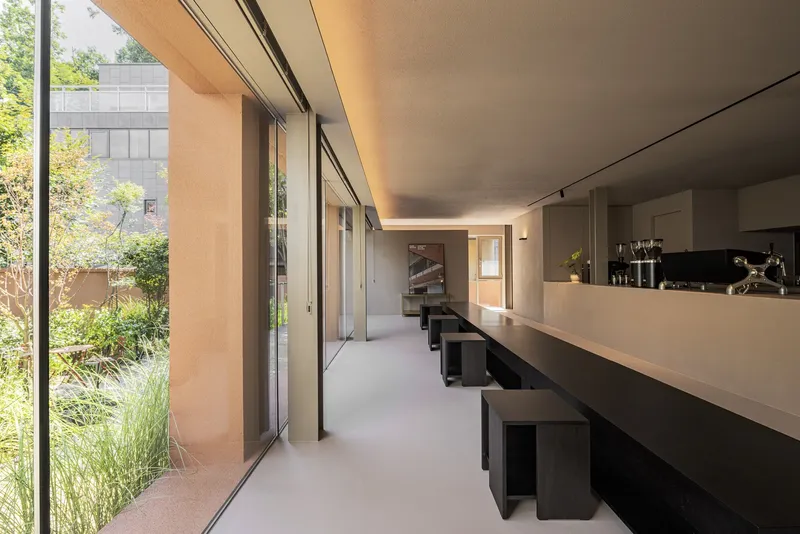
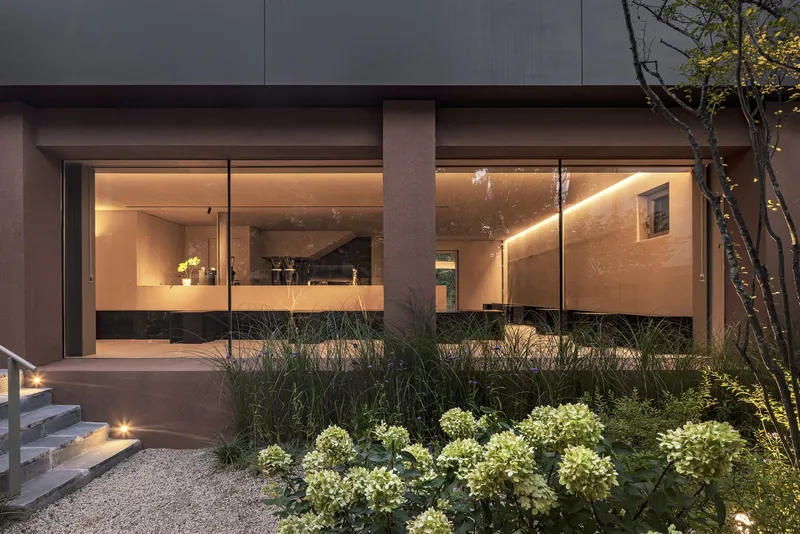
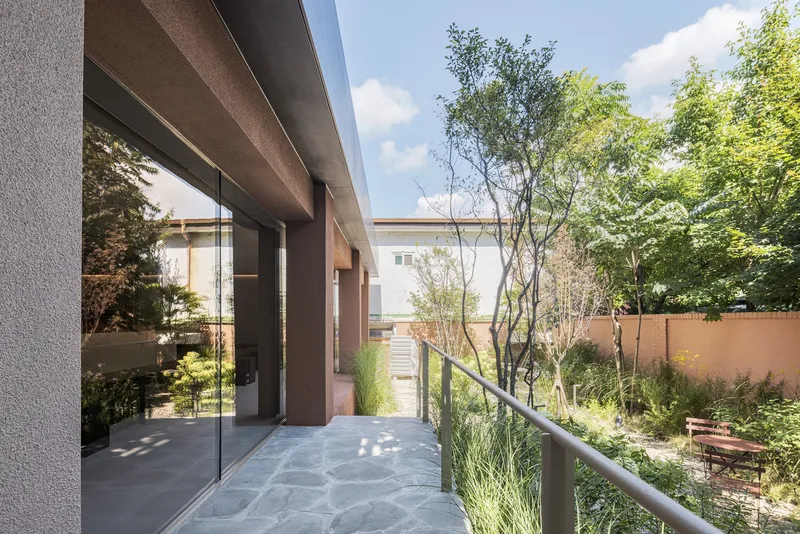
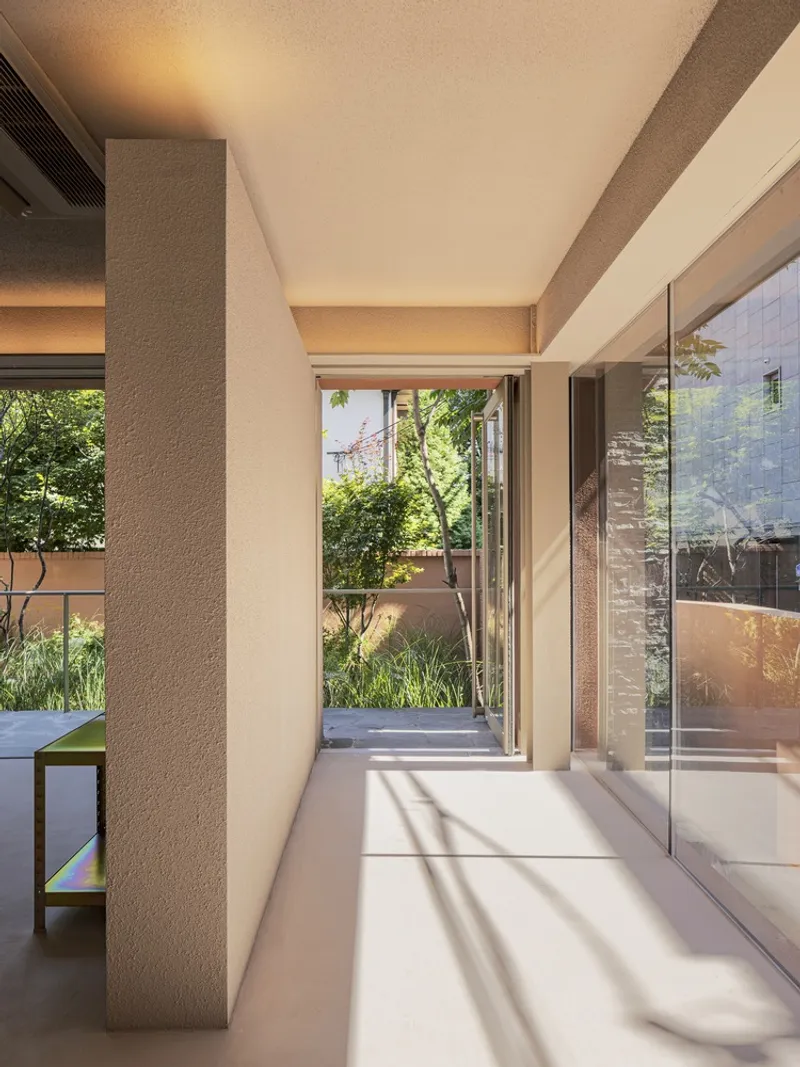
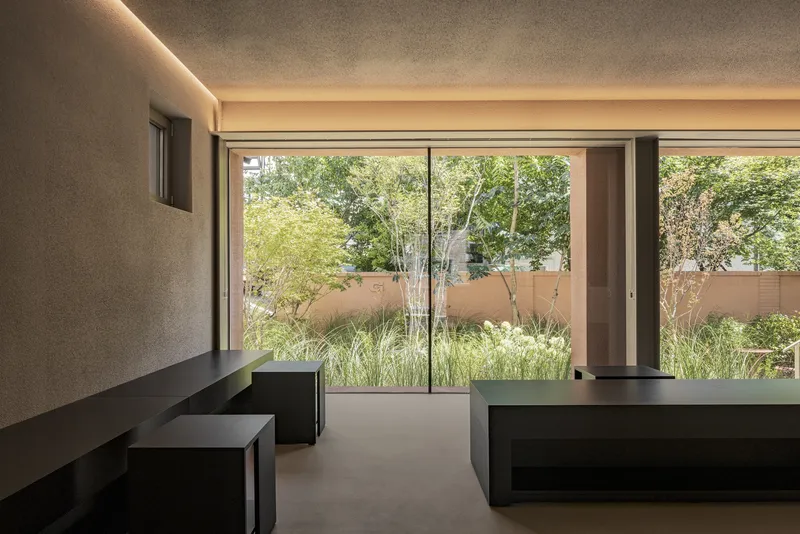
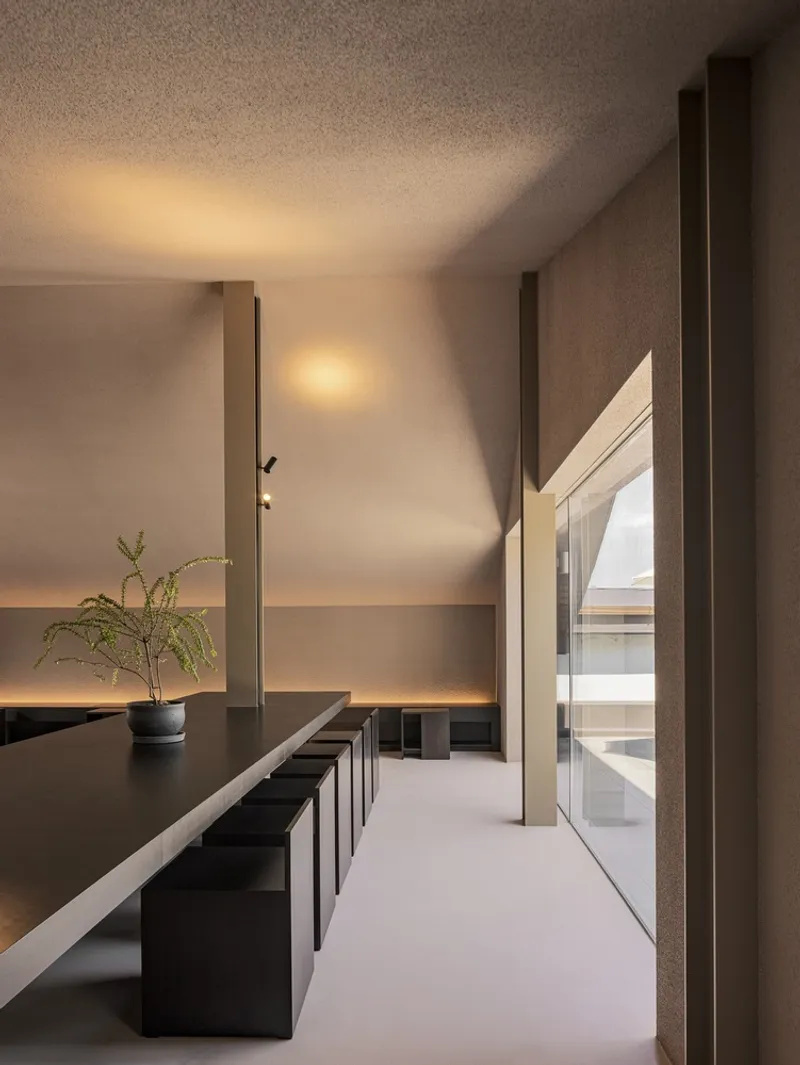
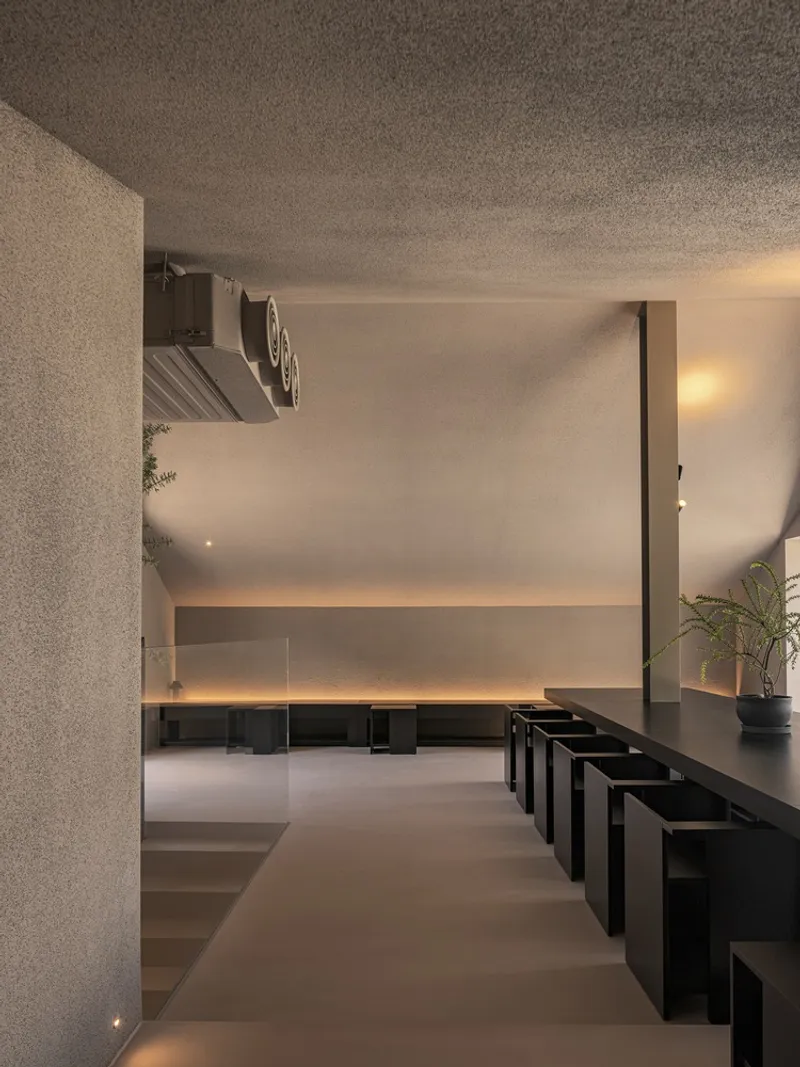
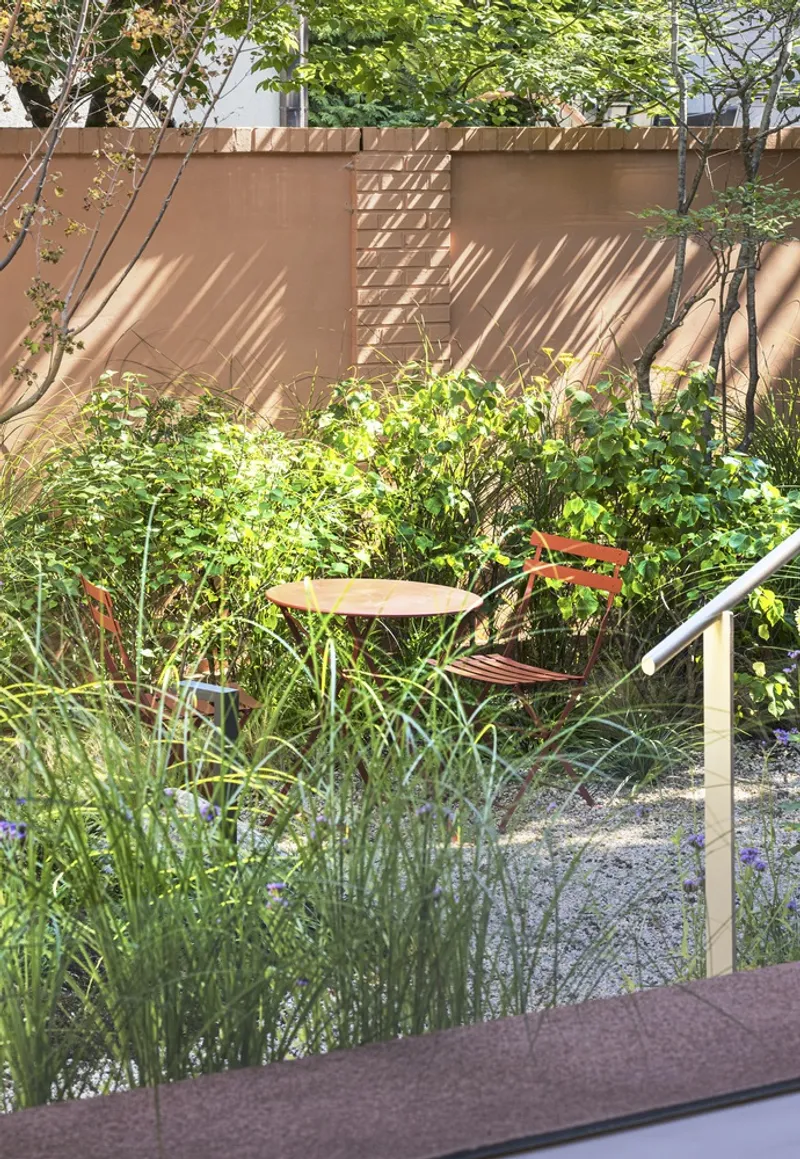
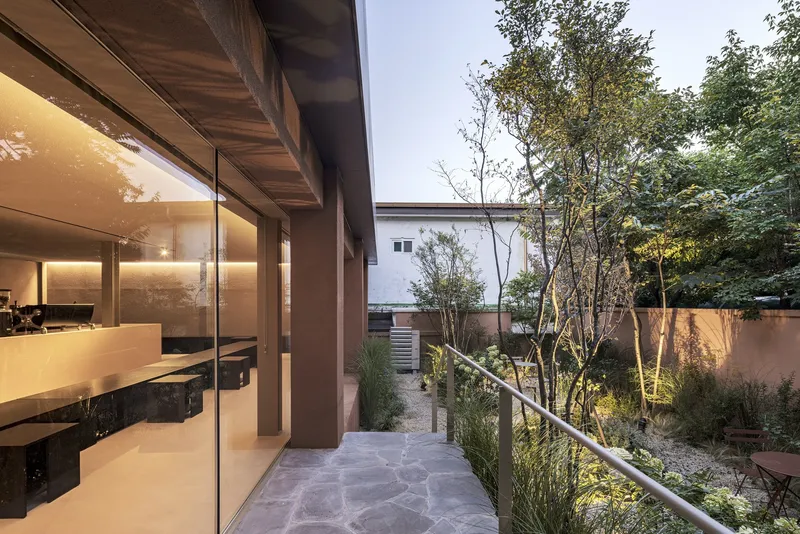
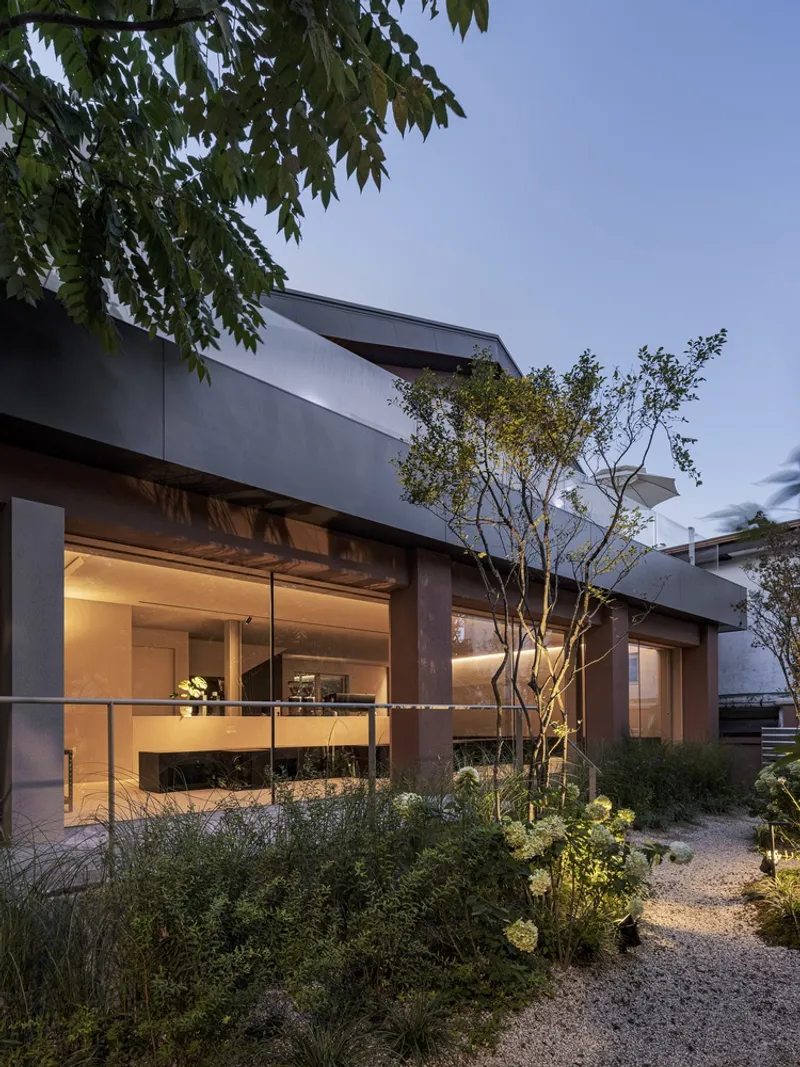
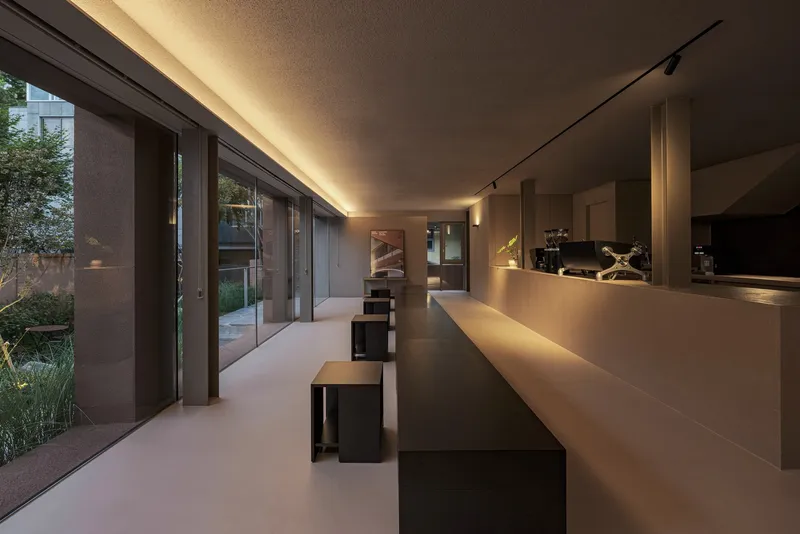
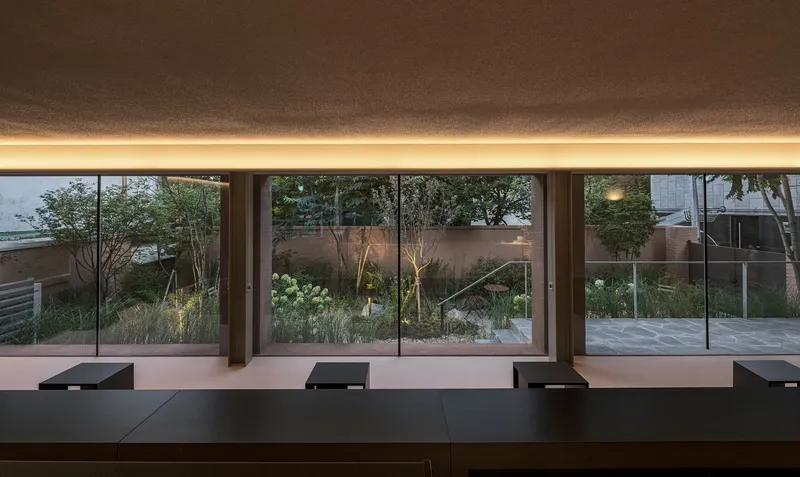
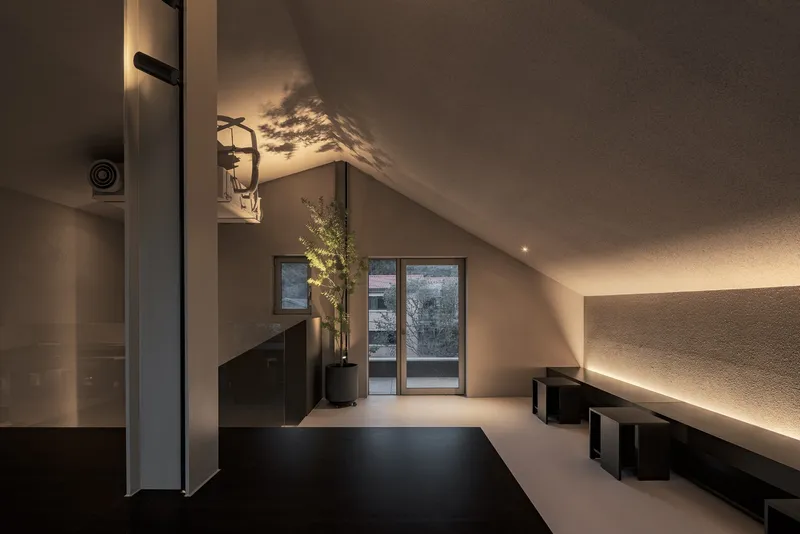
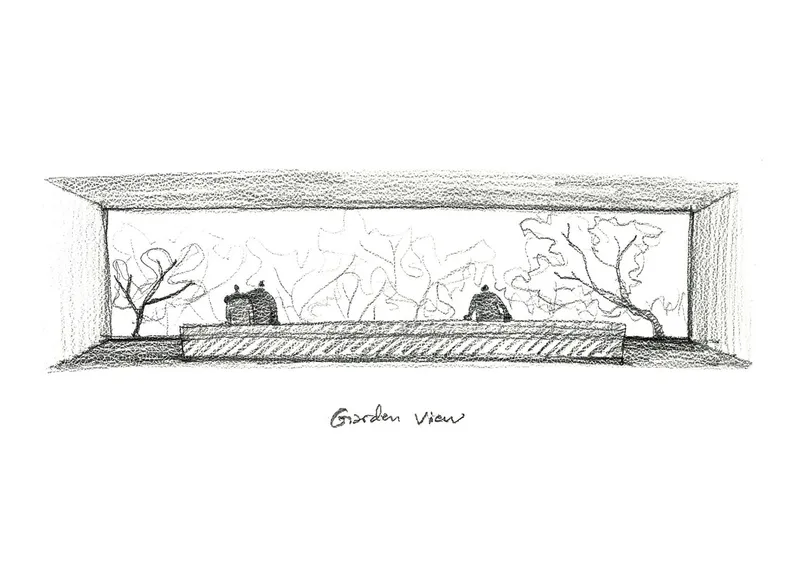
Inside, the café boasts a layout that harmonizes with its surroundings. The redesign allows for ample parking, crucial for accessibility, while the internal spaces are thoughtfully planned to enhance functionality and aesthetics. The courtyard, transformed from a former parking lot, now serves as a serene garden that complements the café's tranquil setting.
Interior Design and Material Use
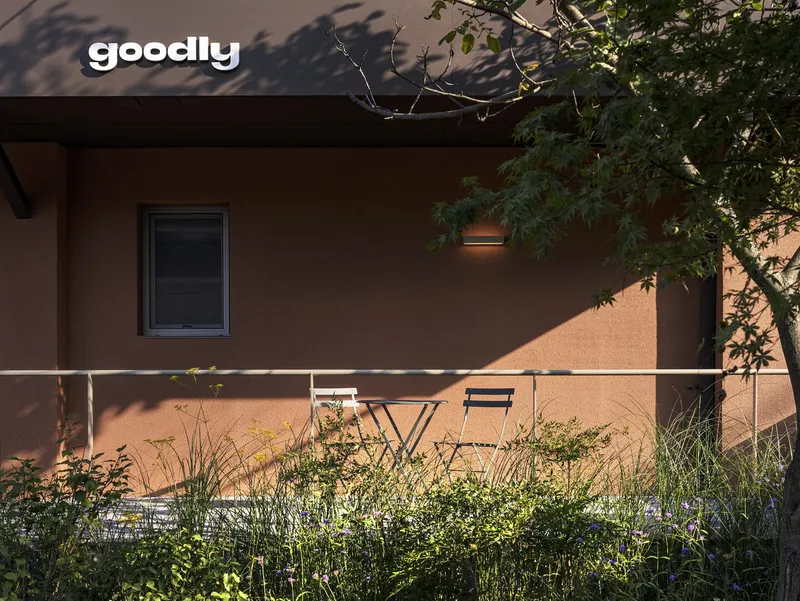
A key feature of this project is its focus on materials that reflect the local landscape. A red tint was selected as the main color to echo the natural hues of Bukhansan and to preserve the emotional resonance of the original brick. This choice underscores the adaptive reuse approach, where new elements are carefully integrated to highlight historical features.
Sustainable Practices and Community Impact
Adopting sustainable practices, Café goodly contributes positively to the community by providing a space that respects its environmental and cultural context. The project not only revitalizes a neglected structure but also offers a model for sustainable development in urban settings.
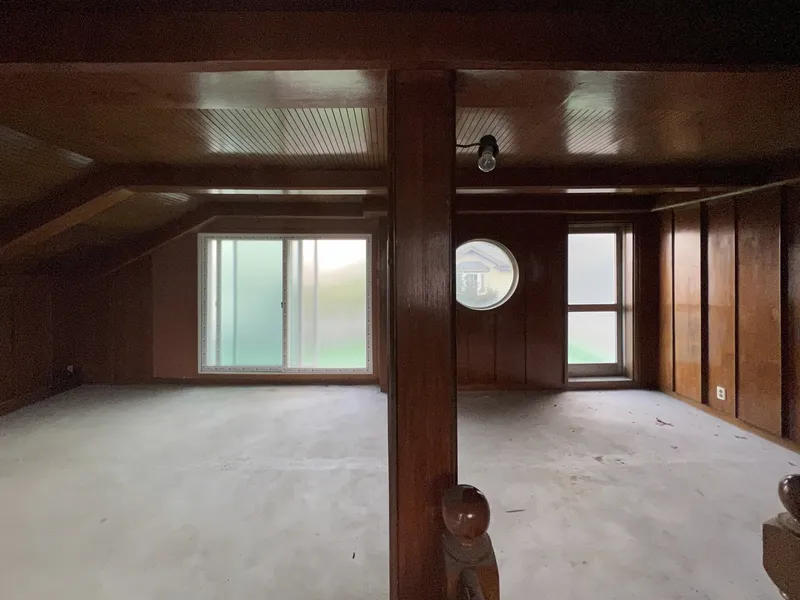
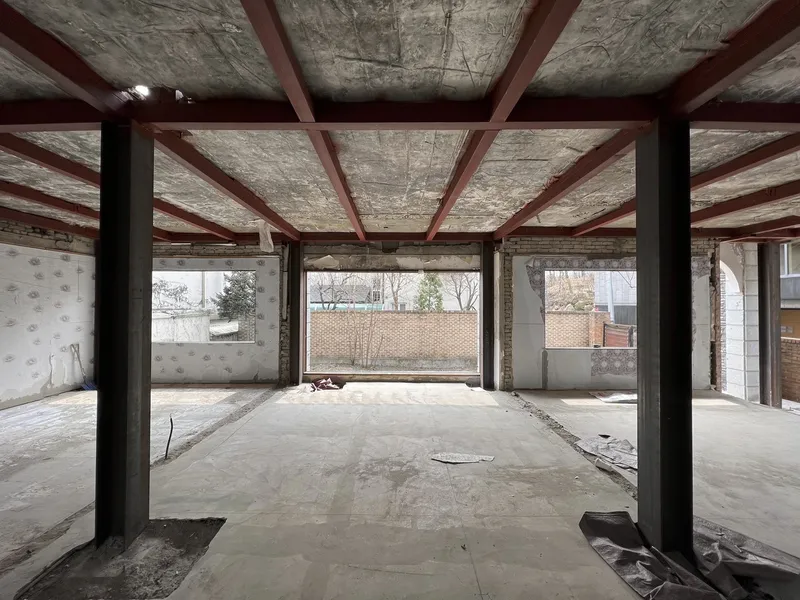
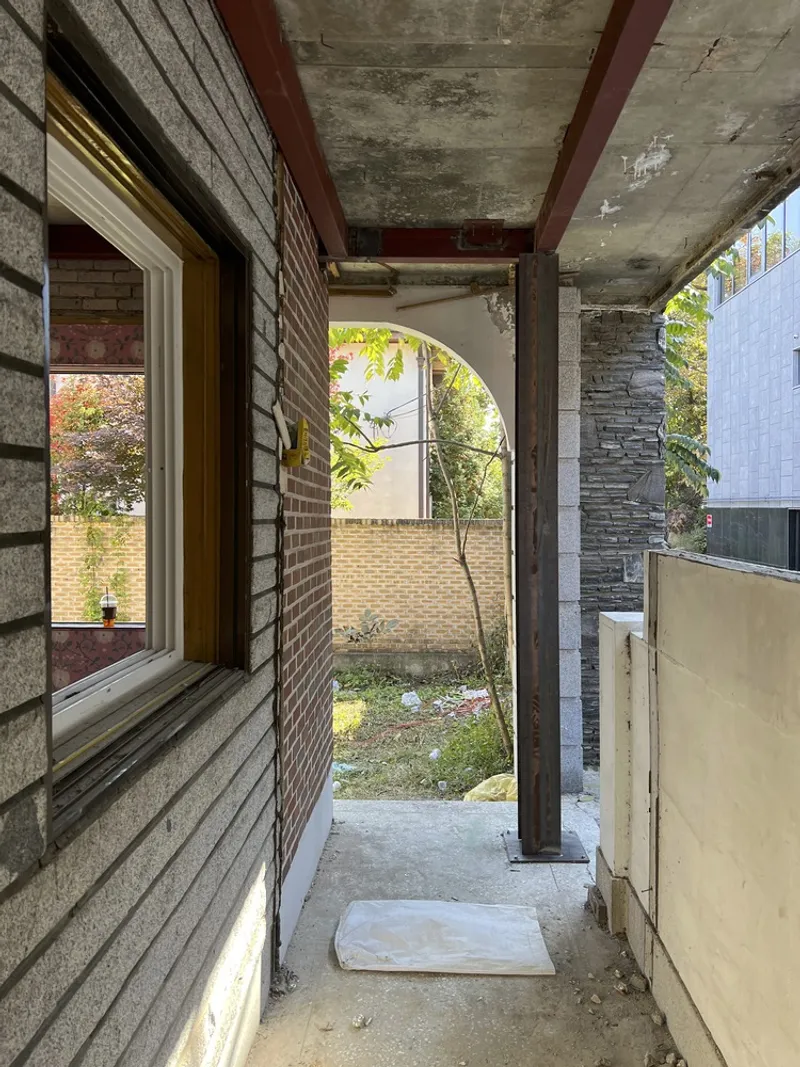
Café goodly stands as a testament to the potential of adaptive reuse coffee shop design to transform underutilized buildings into vibrant community hubs. Through careful preservation and innovative design, MTT architects have created a space that resonates with history and modernity, offering a blueprint for future projects worldwide.
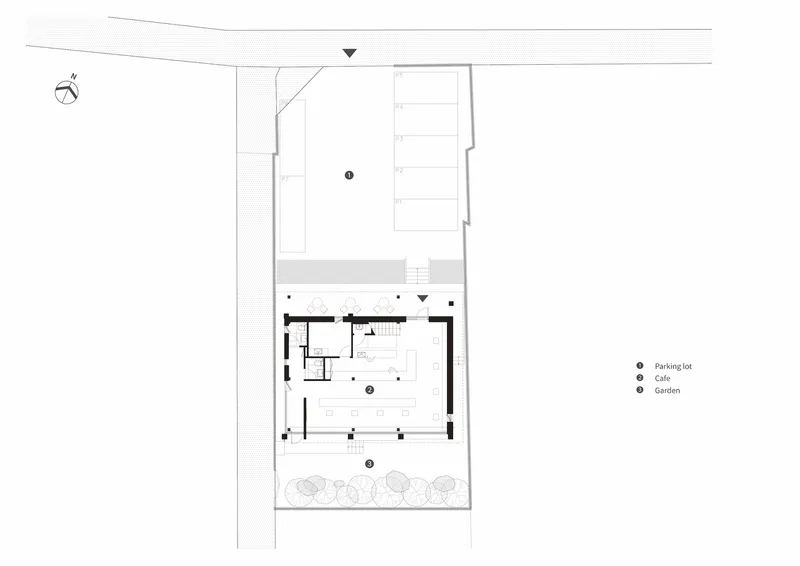
All photographs are work of Choi Young Joon


Popular Articles
Popular articles from the community


U.GA Architects Wraps an Oval Rooftop Pool in Curved Board-Formed Concrete on Busan's Jeollidan-gil
In Busan's Jeonpo-dong, a 454 m² mixed-use block stacks a neighborhood facility, guest rooms and an oval rooftop pool inside spiraling concrete walls.

Jaramillo Van Sluys Arquitectura and Urbanismo Turn a Demolished Registry Lot in Quito into an Orchard Plaza
In Quito's Centro Histórico, a 2,800 m² plaza exposes the San Agustín convent wall and redraws its lost Augustinian orchard in volcanic stone.

David Macias Steps a Doorless Stone and Plaster House Down a Tropical Colombian Hillside
In the humid hills of Colombia, Threshold House replaces the front door with an open void and terraces its 850 m² down the slope instead of fighting it.

Cube Design Draws an Ecological Corridor Between Two Shenzhen Hills with the Nankai Building
Beside Shenzhen's container docks, the Nankai Building pairs stacked balconies with a climbing green screen to connect two hillsides across its height.

Similar Reads
You might also enjoy these articles


Hodi-Mandai Geram
Project Function: Preservation and revitalization of the Intangible heritage and socio-spatial identity of the Hodi by Housing, Cultural Memory Center, Sacred Grove, landscape, local tourism economy


Olio Towers: A Mid-Rise for Performers That Fuses Housing, Rehearsal, and Stage
Located blocks from Houston's Theater District, this modular tower stacks living units around a central performance atrium.

Oasis: Modular Green Housing Carved into Dhaka's Urban Fabric
A shortlisted Plugin Housing entry reclaims unauthorized settlements in Dhaka with stepped concrete volumes, green roofs, and ventilation-driven design.

Black Hole: A Floating Megastructure for the Post-Physical Era
Emiliano Mazzarotto envisions a spherical, self-scaling arena where e-sports, digital hotels, and holographic stadiums replace traditional public space.

Explore Hospitality Building Competitions
Discover active competitions in this discipline

Challenge to reimagine the Iron Throne

Photograph architecture without architects

Illustrate the lost glory of Angkor Wat - Render Challenge

Design challenge to reuse E-waste
Comments (0)
Please login or sign up to add comments
No comments yet. Be the first to comment!