
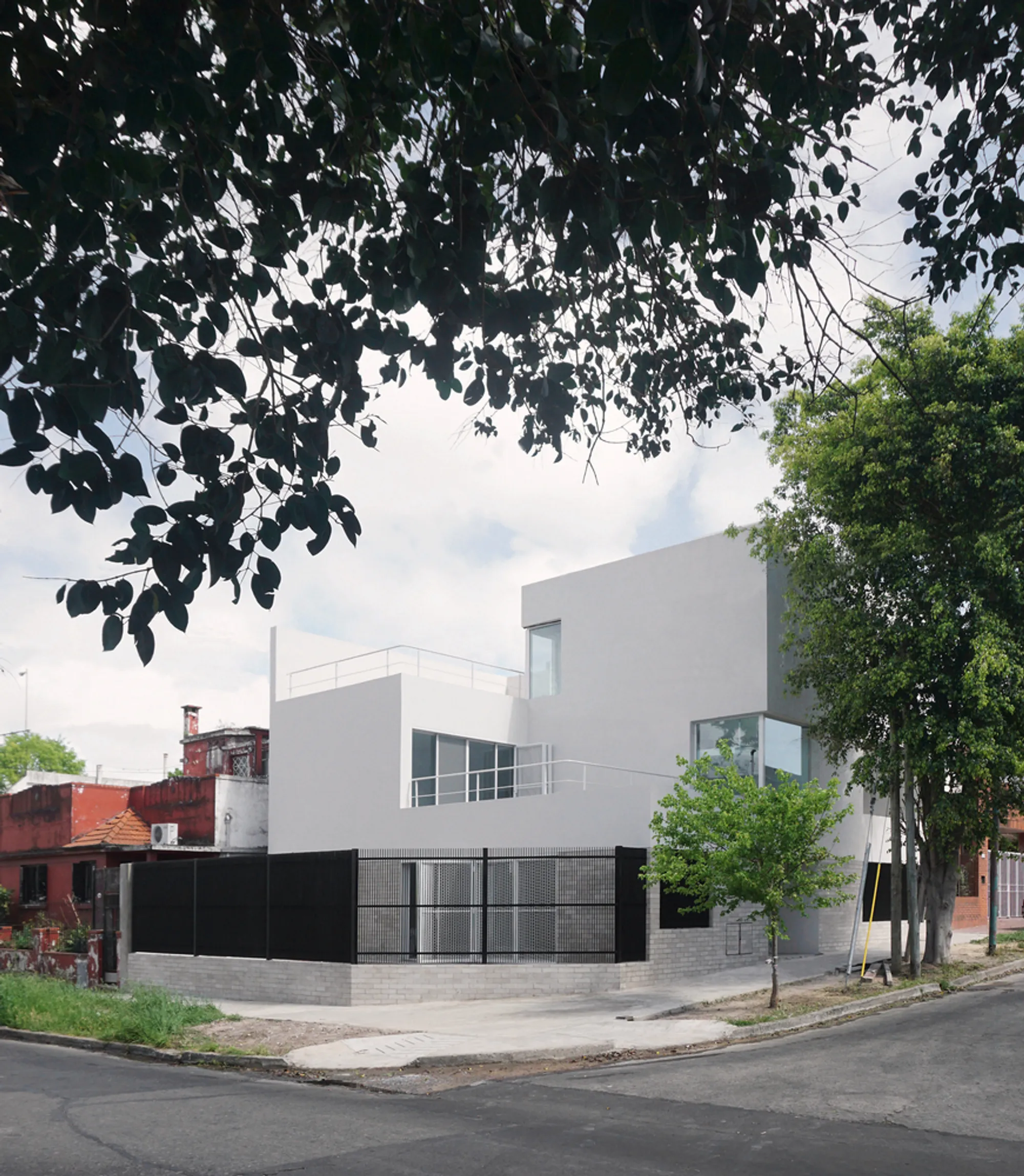
Two Houses by Prisma Arquitectura: A Unified Architectural Approach in Vicente López
A compact urban project blending individuality and unity, redefining modern living with innovative design and materiality.


Rethinking Urban Living
The Two Houses project by Prisma Arquitectura, located on a compact corner plot in Vicente López, Argentina, reimagines the dynamics of urban residential design. The architects tackled the challenge of uniting two homes on a 16x8 meter site, crafting a coherent architectural language while preserving the unique identities of each space. Through thoughtful design and innovative use of materials, the project exemplifies a harmonious blend of individuality and unity.


Design Context: Maximizing a Compact Plot
Situated in a dense urban area, the project required careful planning to maximize both surface area and volume. By embracing operational rationality, the architects optimized the limited space, ensuring functional, accessible homes that cater to contemporary living needs. The design strategy not only met the constraints of the plot but also enhanced the spatial experience for the residents.


Innovative Use of Space
Rotated Volumes and Outdoor Connectivity
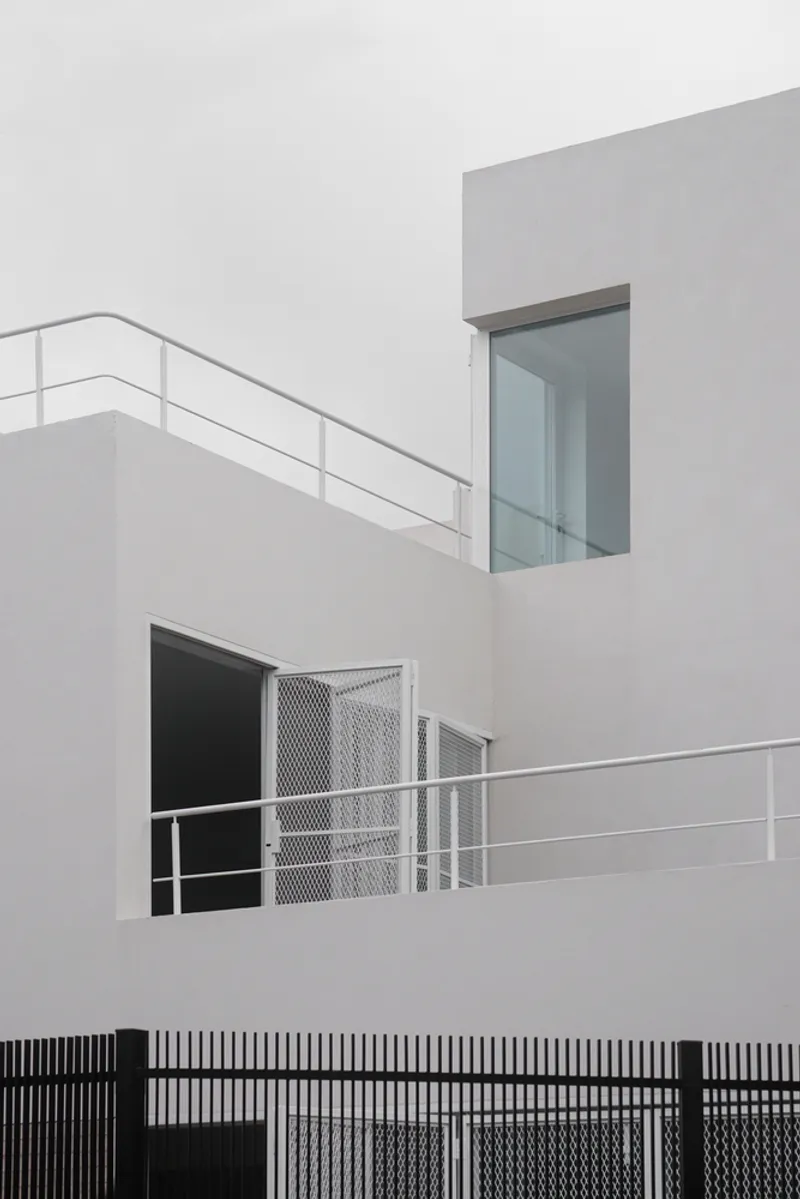
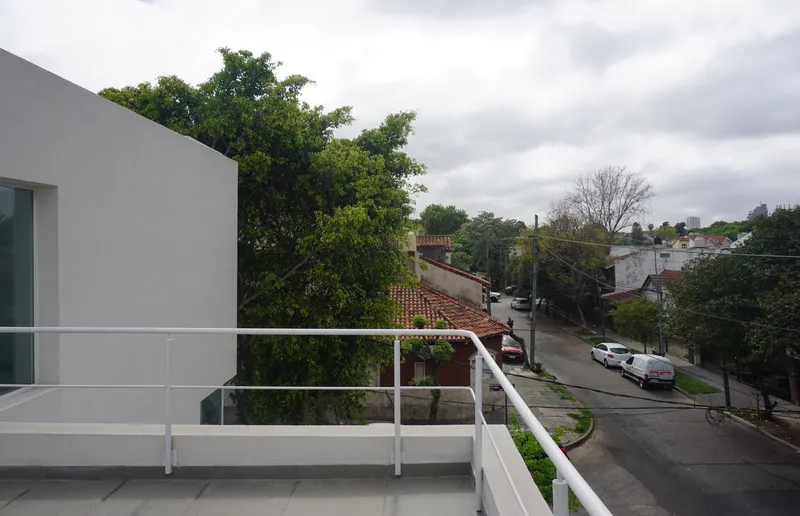
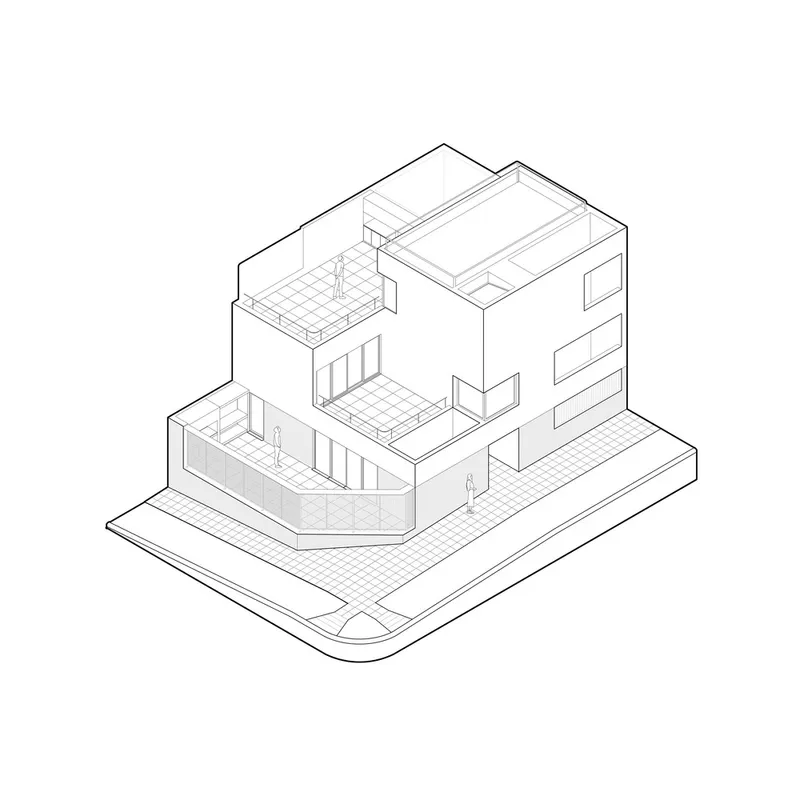
A defining feature of the project is the use of rotated volumes that create patios and terraces, enhancing privacy while fostering indoor-outdoor relationships. Public spaces, such as living and dining areas, are positioned along the perimeter of the homes, while private areas like bedrooms are oriented inward. The mandatory 4x4-meter setback is transformed into a central patio, serving as a communal anchor for both residences.

Materiality: Balancing Lightness and Texture
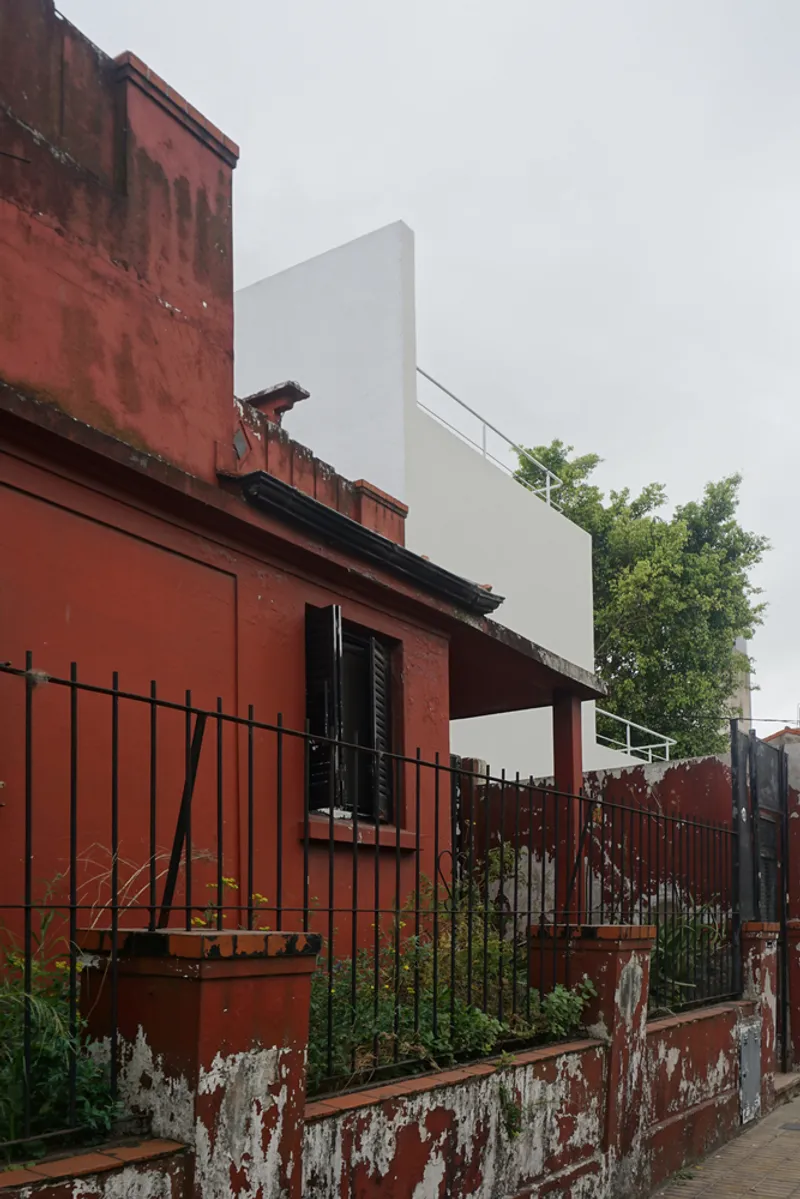
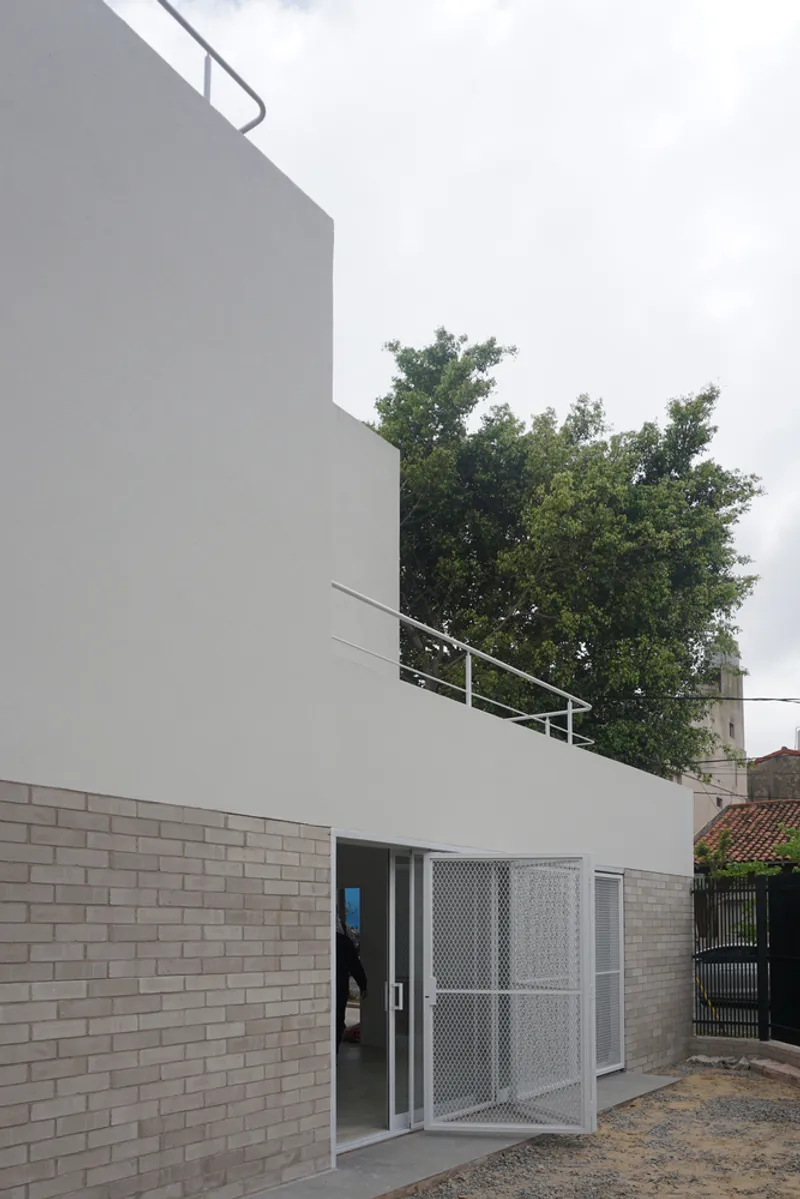
The duality of the design is expressed through the use of contrasting materials. The ground floor is constructed with cement bricks, imparting a sense of weight and texture. In contrast, the upper floor features a white finish that emphasizes lightness and clarity. This material distinction creates a visual rhythm that unites the two homes while maintaining their individuality.

Architectural Form: A Perforated Mass
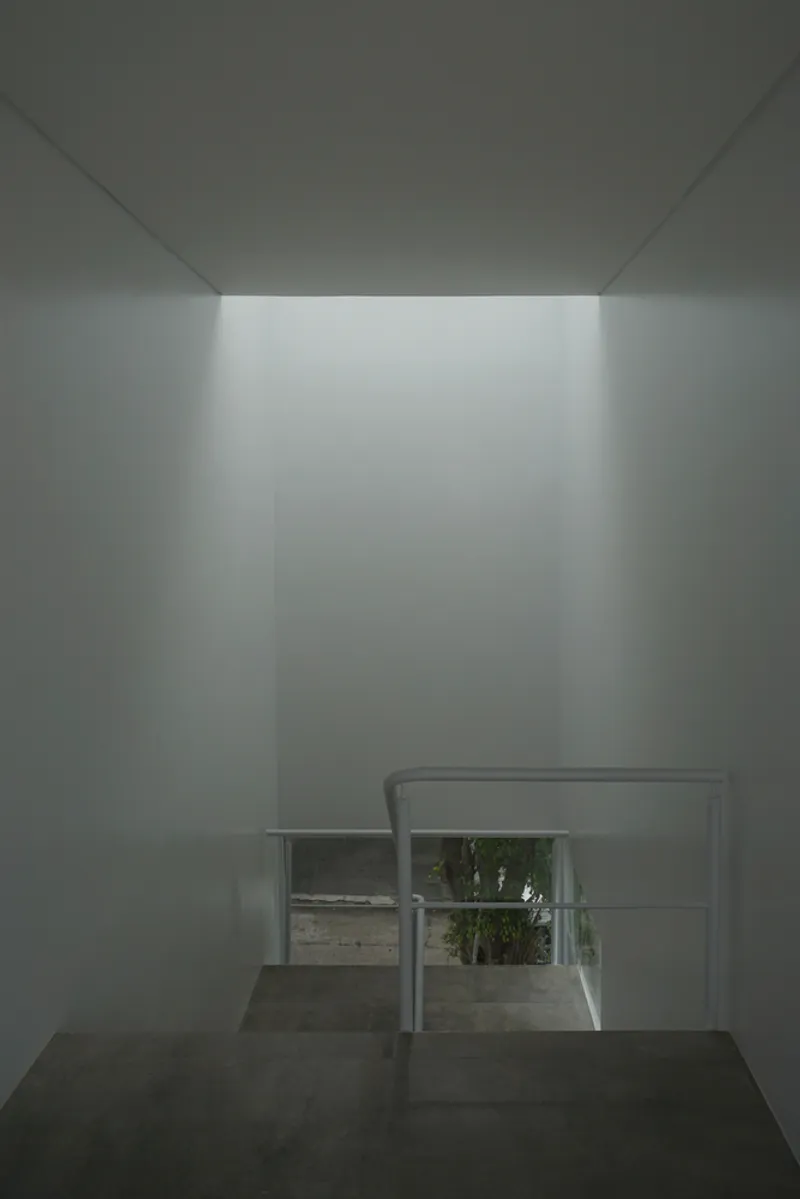
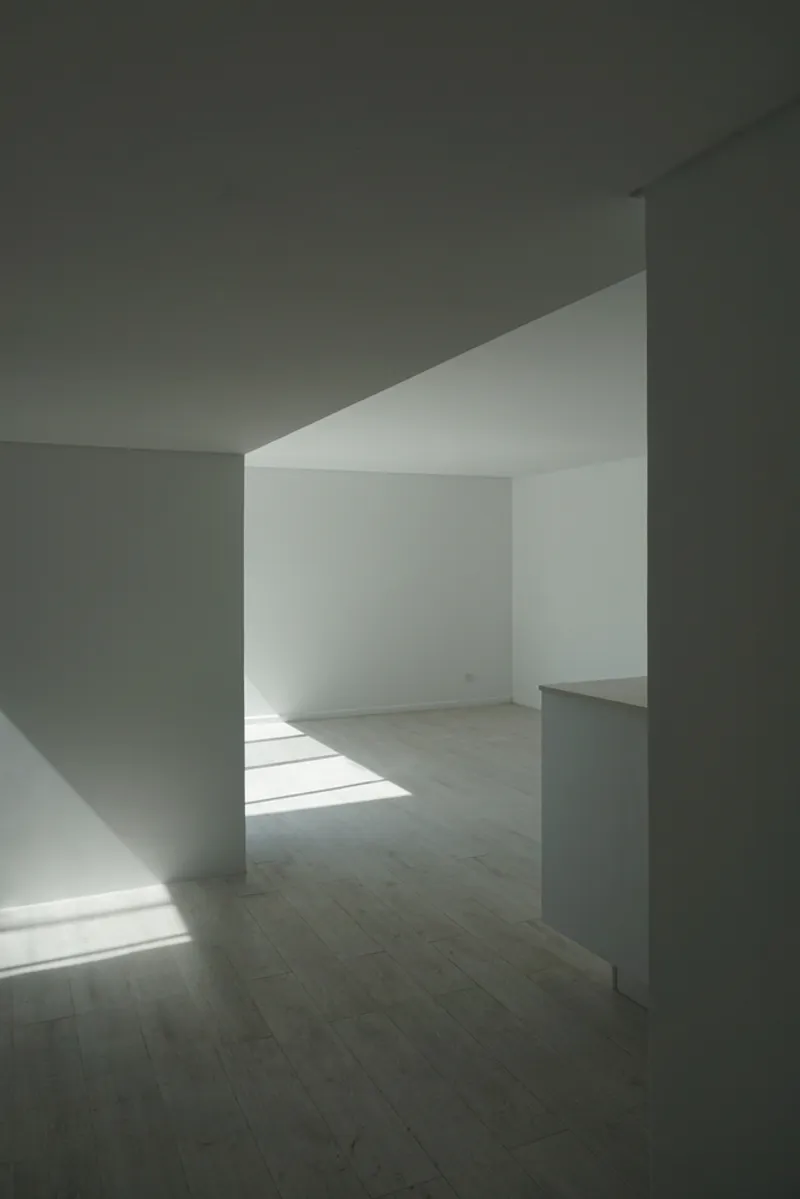
The architectural ensemble is conceived as a perforated mass, allowing for natural light and ventilation while fostering a connection between the interior and exterior spaces. The interplay of solid and void enhances the functionality of the design, ensuring that every corner of the compact plot is utilized effectively.

Reinterpreting Contemporary Coexistence
The Two Houses project demonstrates how efficient architectural interventions can transform constrained spaces into meaningful living environments. By reinterpreting the traditional notion of residential coexistence, the design fosters a sense of community while respecting the individuality of each home.

A Vision for Urban Living
Prisma Arquitectura's Two Houses stands as a testament to the potential of architecture to address modern urban challenges. The project not only maximizes spatial efficiency but also offers a fresh perspective on how two residences can coexist harmoniously within a unified architectural framework. Through thoughtful design and materiality, the homes strike a balance between functionality, aesthetics, and context.


All Photographs are work of Fabian Dejtiar



Popular Articles
Popular articles from the community


The Musturak Paradise: Senior Living Architecture for a Connected Future in Temara, Morocco
The Musturak Paradise reimagines senior living architecture in Temara via private homes, social spaces, culture, community, and shared care.

Riyadh For All: Intergenerational Urban Design for Active Aging in Rabat
Riyadh For All reimagines urban design in Rabat with intergenerational co-living, adaptive courtyards, and Moroccan cultural exchange today.

The Earth Pod: 3D Printed Homes for Resilient Refugee Communities
The Earth Pod reimagines refugee housing through 3D printed homes made from clay, combining resilience, self-sufficiency, and rapid shelter.

The Ocean Hive: Sustainable Architecture for a Self-Sufficient Civilization at Sea
The Ocean Hive imagines sustainable architecture at sea, where modular habitats, algae, wave power and ocean waste sustain a growing colony.
Similar Reads
You might also enjoy these articles

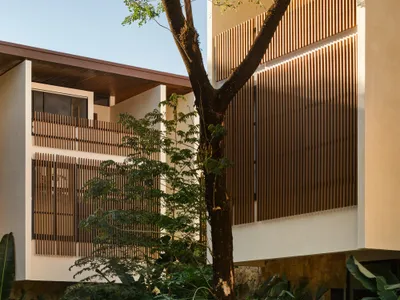
FAMM Arquitectura Organizes Ten Villas Around Courtyards and Jungle in Nosara, Costa Rica
El Molino pairs two elongated volumes with deep overhangs and timber louvers to build a compact coastal community five minutes from the beach.
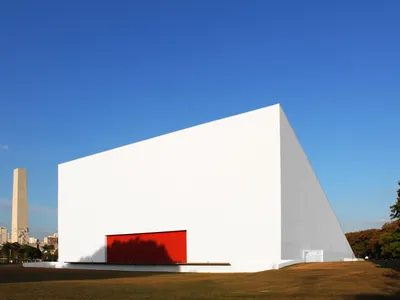
Oscar Niemeyer's Ibirapuera Park Pavilions Define São Paulo's Cultural Identity in Concrete and Curve
A constellation of modernist volumes set within São Paulo's most important urban park, conceived for the city's 400th anniversary in 1954.
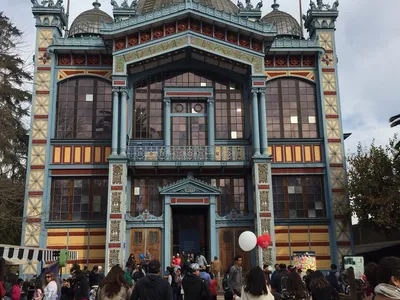
How Henri Picq's 1889 Paris Pavilion Traveled 11,000 Kilometers to Become Santiago's Artequín Museum
A prefabricated iron and glass pavilion built for the Paris Universal Exposition found a second life as a children's art museum in Chile.
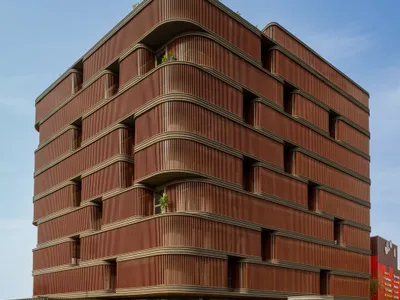
Sanjay Puri Architects Wraps a Jaipur Office Tower in Capsule-Shaped Green Buffers
A nine-level climate-responsive workplace near Jaipur Airport uses stacked planter terraces and aluminium screens to fight 40°C heat.


Explore Latin American Houses Competitions
Discover active competitions in this discipline


Challenge to design mud housing for contemporary communities


Challenge to reimagine the Iron Throne


Photograph architecture without architects


Illustrate the lost glory of Angkor Wat - Render Challenge
Comments (0)
Please login or sign up to add comments
No comments yet. Be the first to comment!