

Type-less Building Center for Handy Skills by ZAV Architects: A Model for Sustainable Adaptability
The Type-less Building Center for Handy Skills by ZAV Architects is a sustainable, adaptable structure utilizing local materials, fostering community engagement, and promoting circular design on Hormu


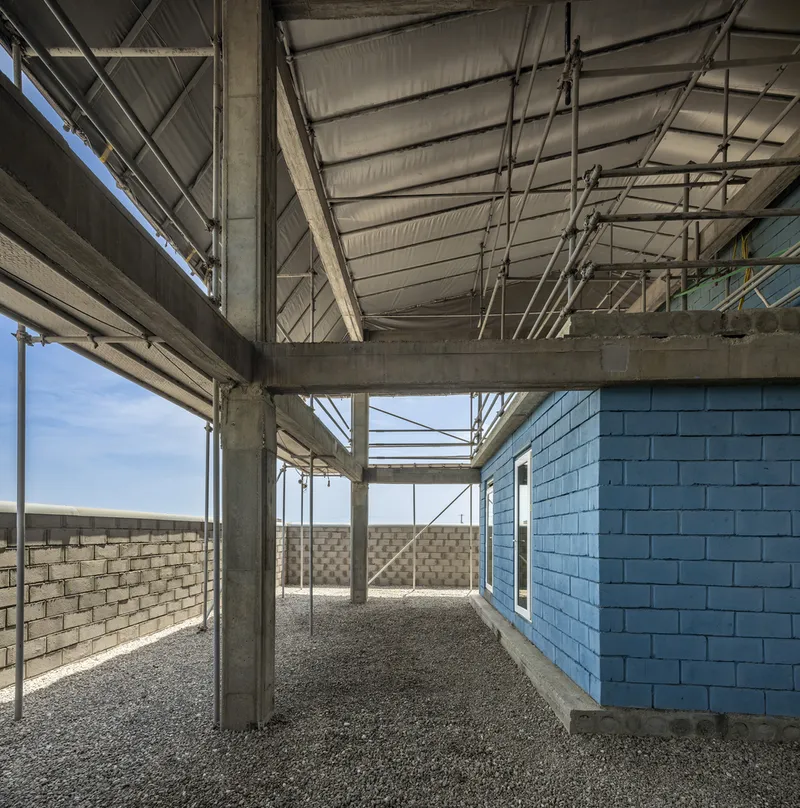
The Type-less Building Center for Handy Skills, designed by ZAV Architects, is an architectural innovation situated on Hormuz Island in the Persian Gulf, Iran. This project embodies an adaptive and sustainable approach to architecture, using locally available materials and flexible spatial configurations to accommodate future transformations. The 572 m², two-story structure, completed in 2021, serves as an educational and skill-building hub, fostering community engagement and resource-conscious construction methods.
Reviving Sustainable Practices in Architecture
Iran has a long-standing tradition of repurposing available materials to create functional and valuable objects, such as carpets—crafted from wool, dyed using natural plant residues, and woven into intricate designs. Historically, such sustainable practices defined Iran’s material culture. However, with the discovery of oil, a shift towards resource-intensive industrialization led to excessive imports and environmentally detrimental construction methods. The Type-less Building seeks to counteract this trend by reintroducing circular economy principles, emphasizing recycling, zero-waste construction, and community-driven design.
A Prototype for Adaptable Architecture
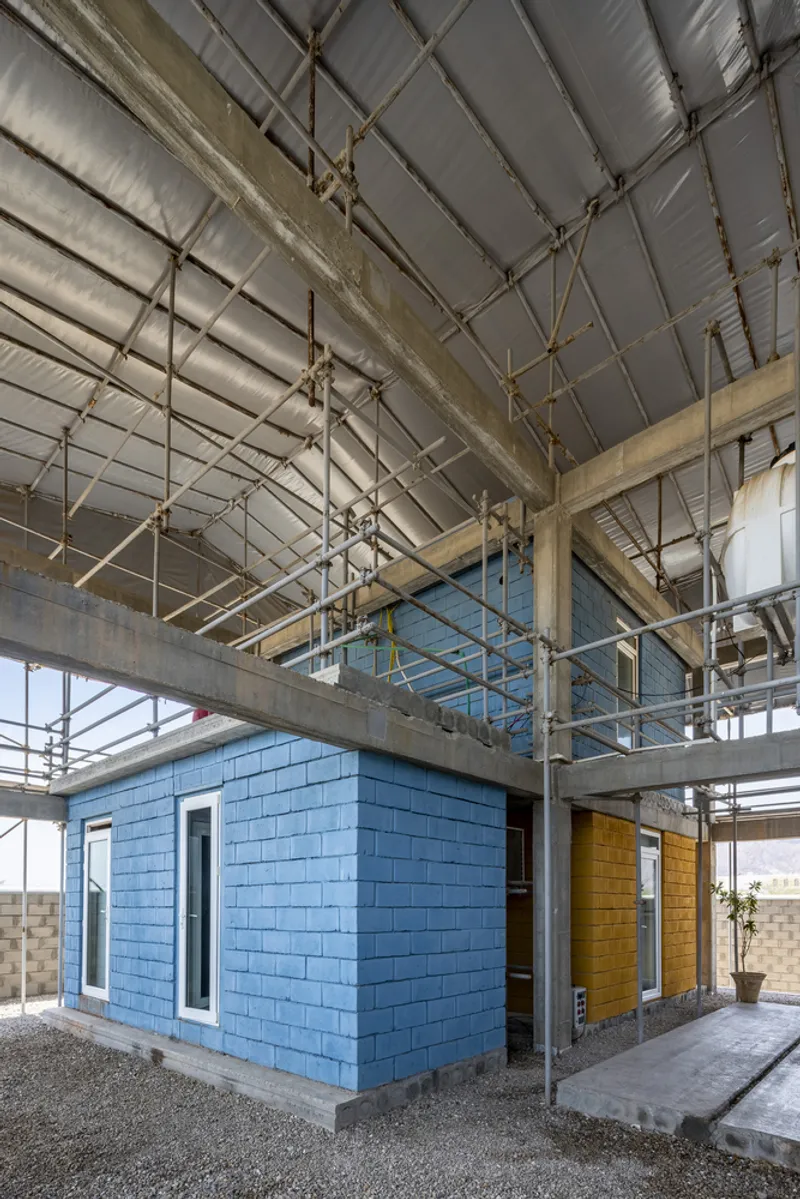
The Type-less Building is a prototype that experiments with adaptability, prioritizing flexible design, low-tech construction techniques, and material efficiency. The most abundant construction material on Hormuz Island is cement blocks, widely used by the local workforce. Recognizing this, ZAV Architects designed the building using cement blocks, alongside concrete structures and scaffoldings, creating a dynamic and reconfigurable architectural framework.

Key Architectural Features:
- Concrete Structural Support: The building’s unified slab foundation ensures stability, enabling spatial elements to be adjusted without extensive demolition.
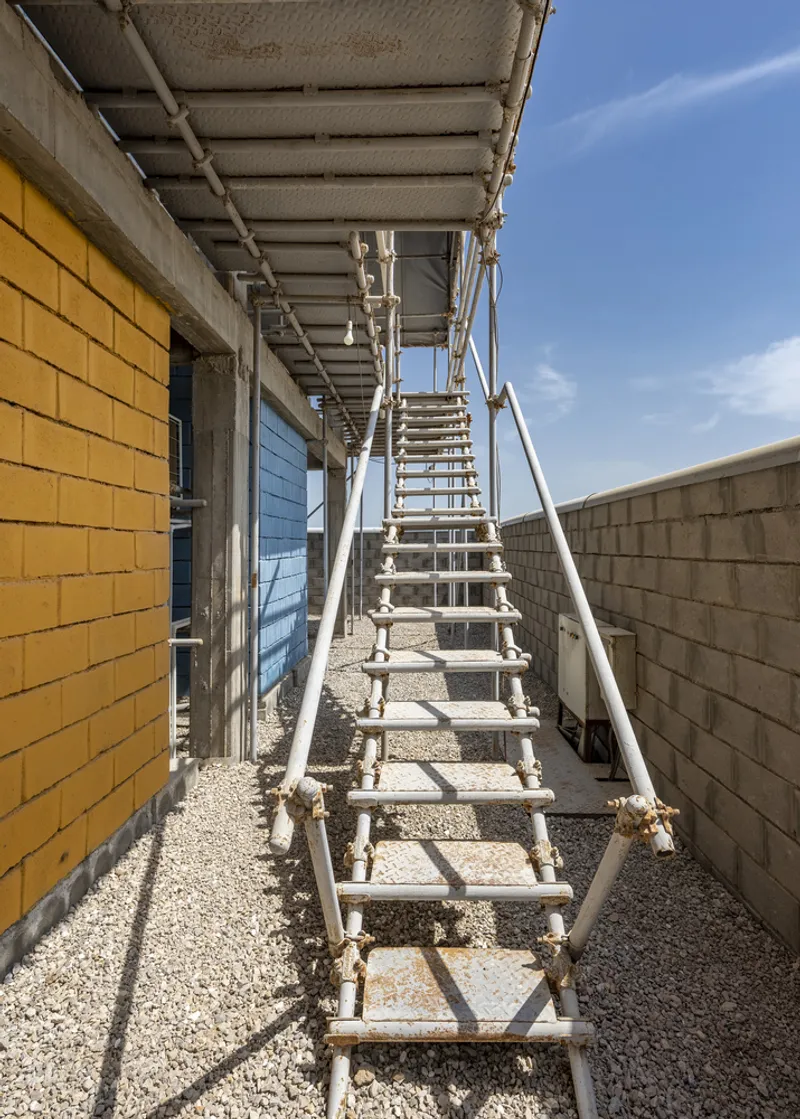
- Independent Circulation System: A scaffolding-based circulation system allows users to access any section of the building, making it adaptable for different uses.
- Canopy Roof for Climate Adaptation: The umbrella-like canopy shields the interior from rain and harsh sunlight, eliminating the need for excessive insulation.
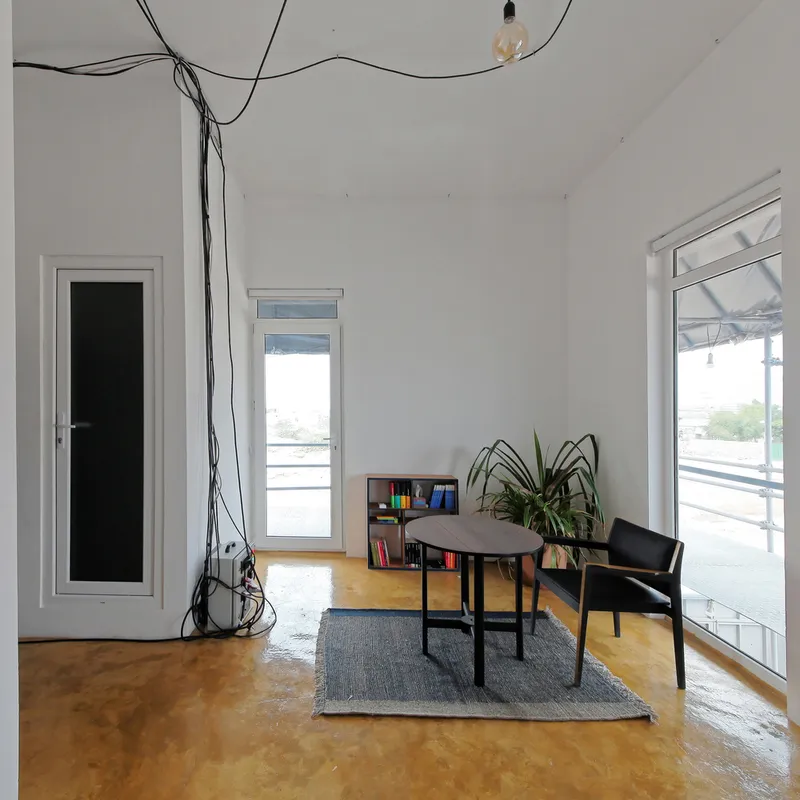
- Modular Utility Channels: Adjustable electrical and mechanical elements provide flexible service distribution across various spatial configurations.
- Natural Ventilation and Climate Control: Open corridors between enclosed spaces enhance airflow, reducing indoor temperatures by up to 14°C in the island’s extreme climate.

Aesthetic and Functional Evolution
By embracing organic design evolution, the Type-less Building remains open to future transformations, allowing modifications based on user needs. This approach fosters a symbiotic relationship between architecture and its users, reinforcing the idea that built environments should evolve rather than remain static. The building’s raw and unfinished aesthetic symbolizes an adaptive architectural philosophy, where spaces continuously respond to societal and environmental demands.

Impact on Sustainable Urban Development
The Type-less Building Center for Handy Skills serves as an educational prototype, demonstrating how architecture can be:
- Resource-efficient by using locally available materials.
- Community-centric by leveraging local craftsmanship and workforce.
- Environmentally responsible through passive cooling strategies and adaptable infrastructure.
This project aligns with global sustainable architecture trends, advocating for low-impact construction and self-sustaining urban models.
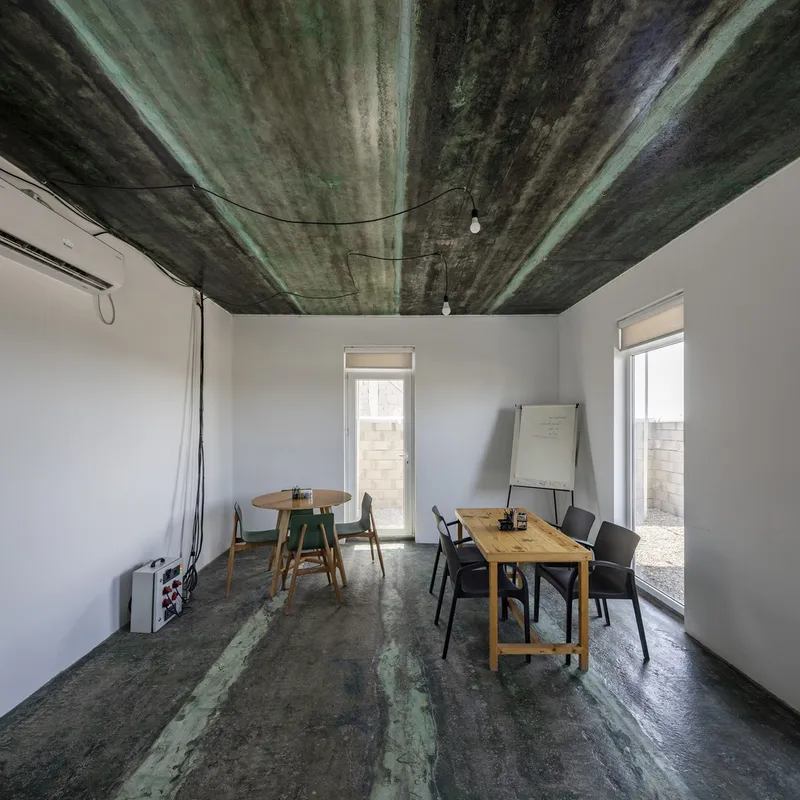
ZAV Architects’ Type-less Building is more than an architectural project—it is a manifesto for circular design, demonstrating how buildings can adapt, evolve, and sustain communities. By integrating local materials, modular design principles, and climate-responsive strategies, this project serves as a model for future-forward, sustainable architecture in resource-limited environments.




Popular Articles
Popular articles from the community


The Earth Pod: 3D Printed Homes for Resilient Refugee Communities
The Earth Pod reimagines refugee housing through 3D printed homes made from clay, combining resilience, self-sufficiency, and rapid shelter.

Hill & Cross Opera: Sculptural Opera House Architecture Shaped by Tallinn’s Landscape and Identity
Hill & Cross Opera reimagines opera house architecture in Tallinn through its sculptural hill, civic plaza, glass wave and a luminous cross.

The Ocean Hive: Sustainable Architecture for a Self-Sufficient Civilization at Sea
The Ocean Hive imagines sustainable architecture at sea, where modular habitats, algae, wave power and ocean waste sustain a growing colony.
AL-JANNAH: Sustainable Architecture and Permaculture for Afghan Widows
AL-JANNAH uses sustainable architecture and permaculture to create resilient oasis of housing, learning, work and renewal for Afghan widows.

Similar Reads
You might also enjoy these articles


Hodi-Mandai Geram
Project Function: Preservation and revitalization of the Intangible heritage and socio-spatial identity of the Hodi by Housing, Cultural Memory Center, Sacred Grove, landscape, local tourism economy


Olio Towers: A Mid-Rise for Performers That Fuses Housing, Rehearsal, and Stage
Located blocks from Houston's Theater District, this modular tower stacks living units around a central performance atrium.

Oasis: Modular Green Housing Carved into Dhaka's Urban Fabric
A shortlisted Plugin Housing entry reclaims unauthorized settlements in Dhaka with stepped concrete volumes, green roofs, and ventilation-driven design.

Black Hole: A Floating Megastructure for the Post-Physical Era
Emiliano Mazzarotto envisions a spherical, self-scaling arena where e-sports, digital hotels, and holographic stadiums replace traditional public space.

Explore Sustainable Design Competitions
Discover active competitions in this discipline



Challenge to reimagine the Iron Throne


Photograph architecture without architects


Illustrate the lost glory of Angkor Wat - Render Challenge


Design challenge to reuse E-waste
Comments (0)
Please login or sign up to add comments
No comments yet. Be the first to comment!