
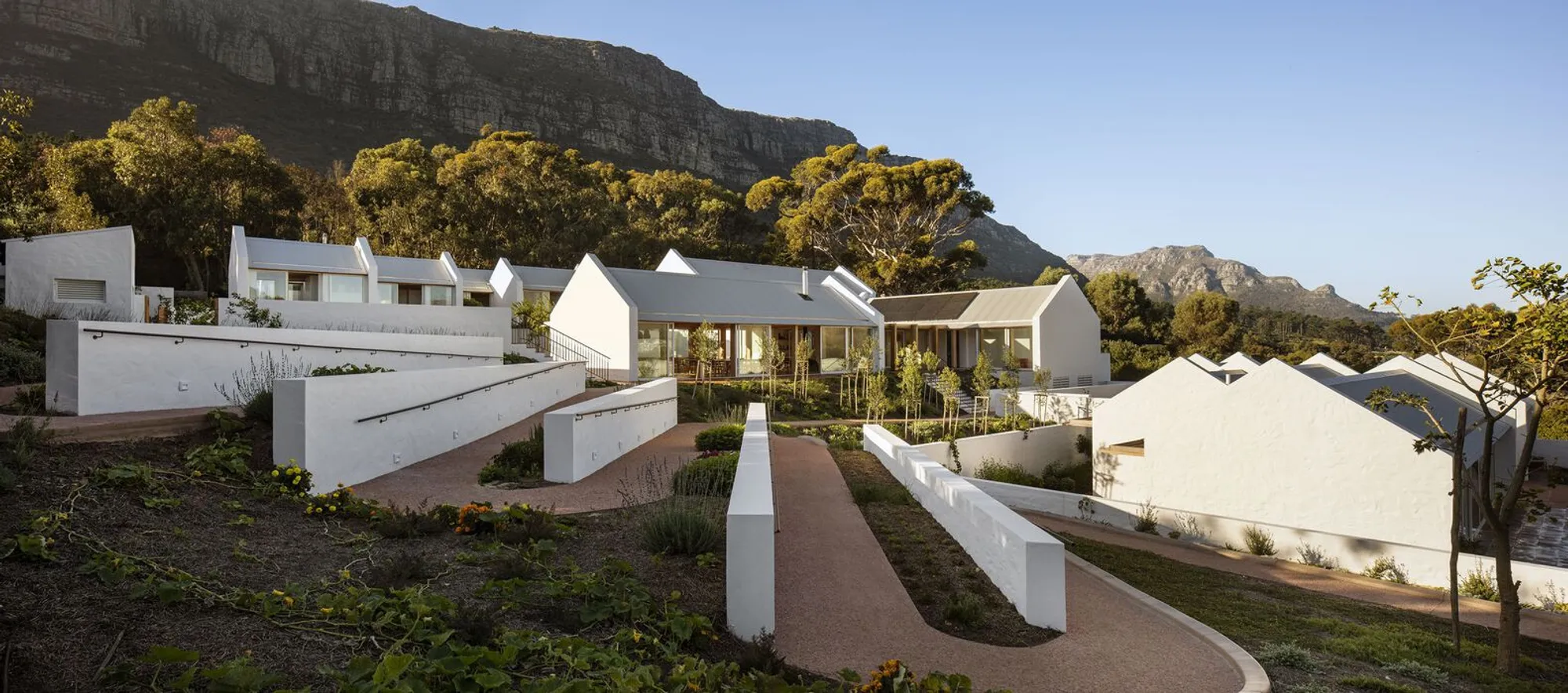
Umoya Boutique Hotel: A Sustainable Haven in Cape Town by SkreinStudios
Umoya Boutique Hotel in Cape Town blends sustainable design, local materials, community engagement, and stunning Table Mountain views for eco-luxury hospitality.


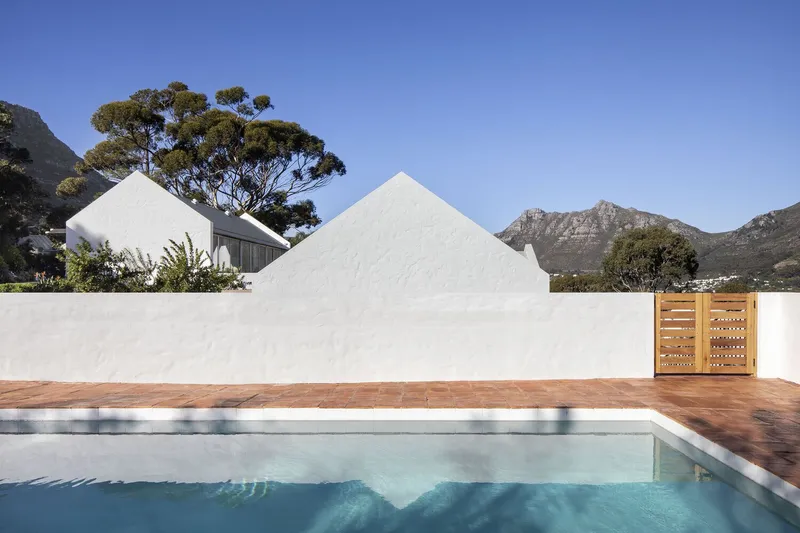
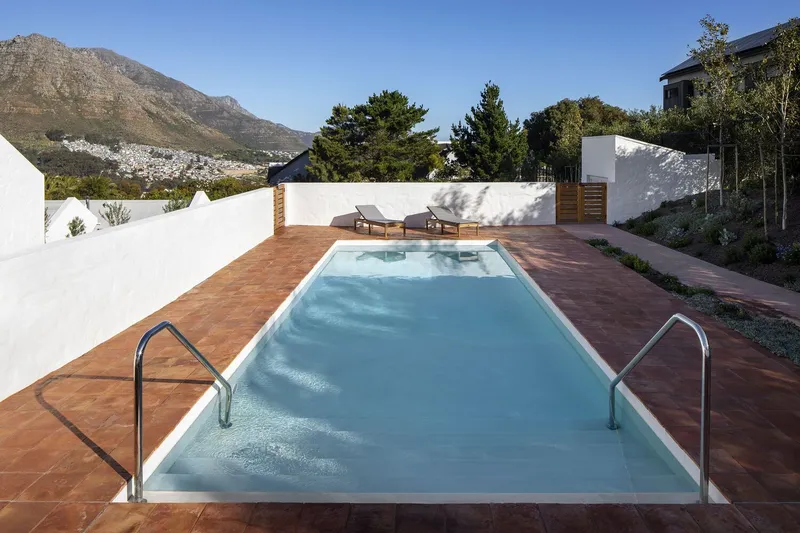
Nestled against the iconic backdrop of Table Mountain and the sparkling Cape Town bay, Umoya Boutique Hotel by SkreinStudios is a pioneering example of sustainable luxury hospitality. Completed in 2024, this 4,000 m² boutique hotel merges eco-conscious design, community engagement, and architectural elegance, offering guests a serene and immersive experience in harmony with South Africa’s natural beauty.
Sustainable and Contextual Architecture
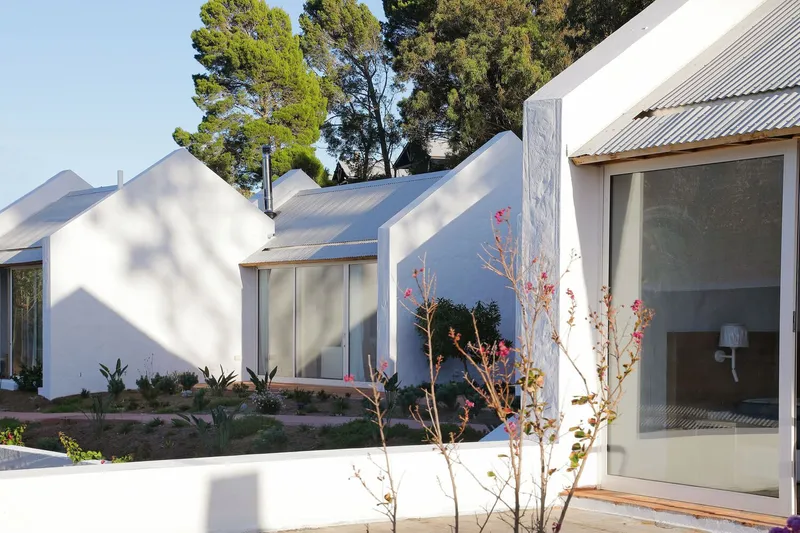
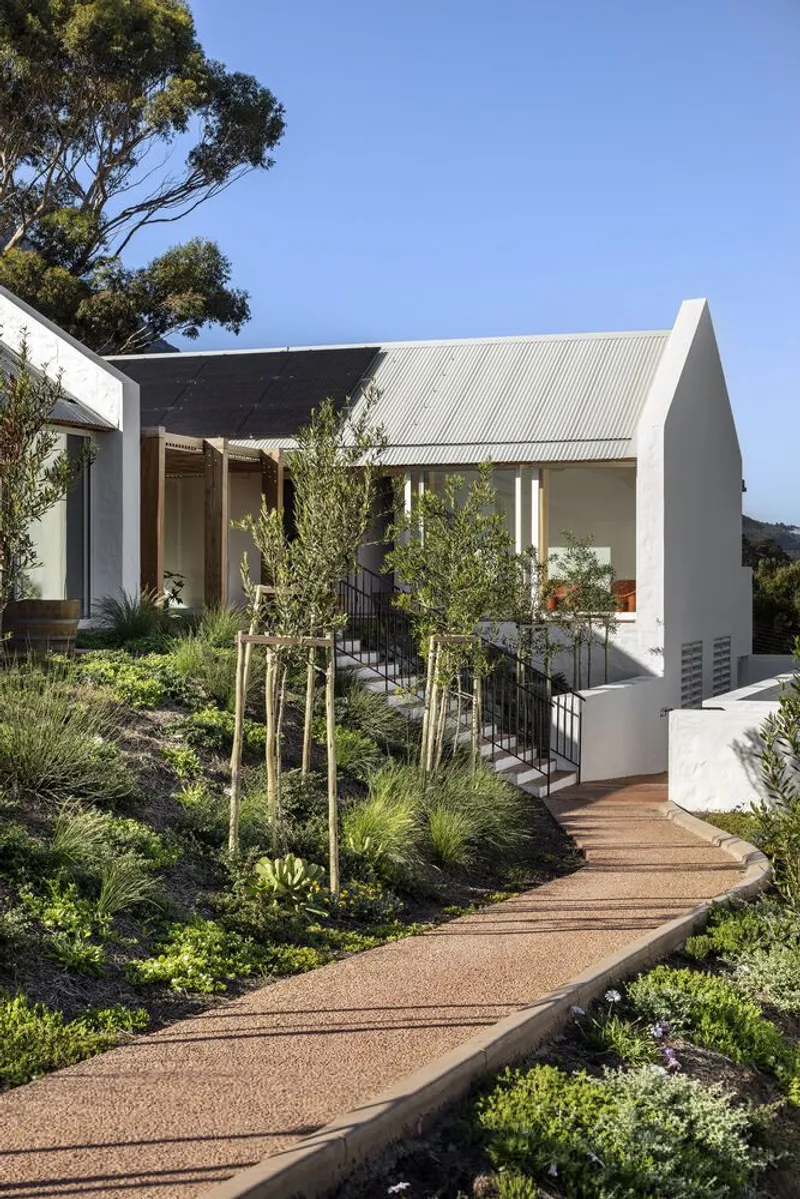
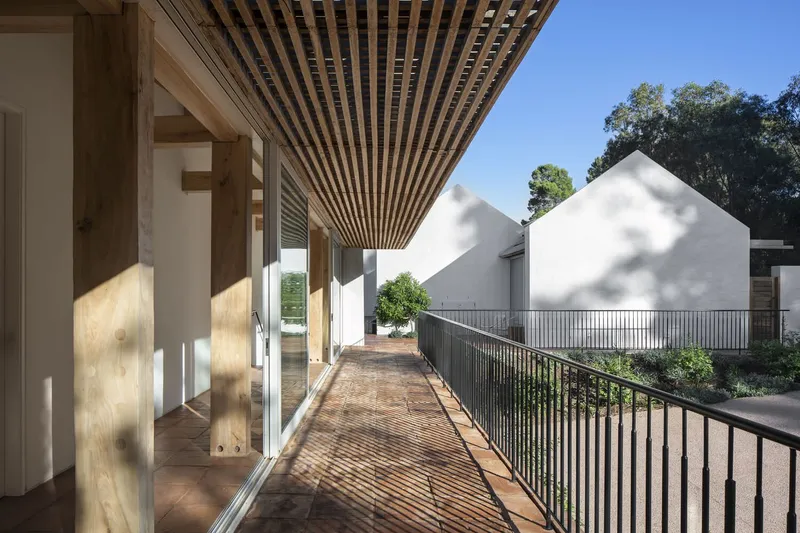
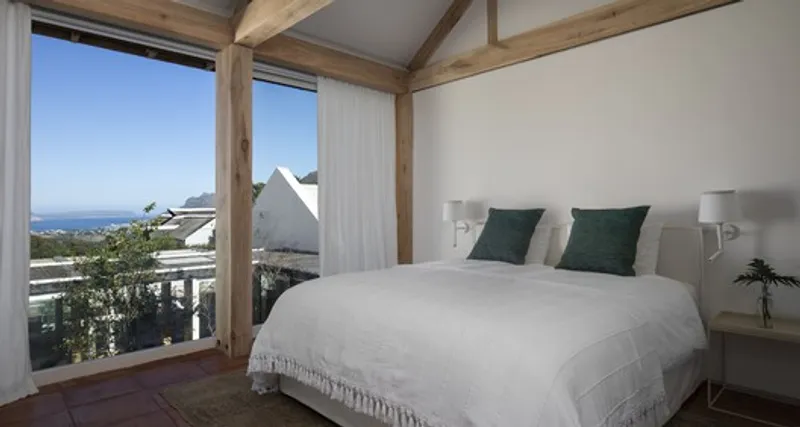
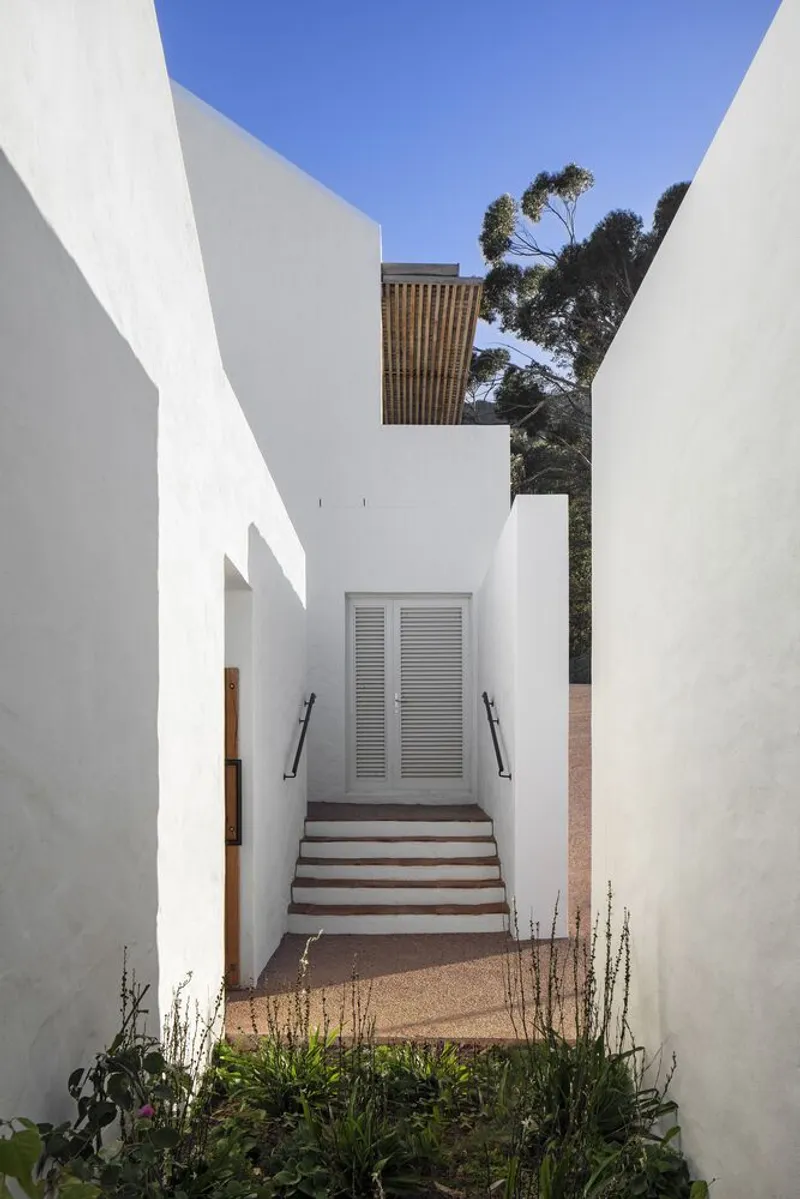
Designed with self-sufficiency in mind, Umoya Boutique Hotel integrates cutting-edge green technologies while maintaining a deep connection to its natural surroundings. The layout strategically incorporates courtyards, providing shade from the African sun and protection from coastal winds. Seamless transitions between interior and exterior spaces enhance the guest experience, creating a fluid connection with the environment.
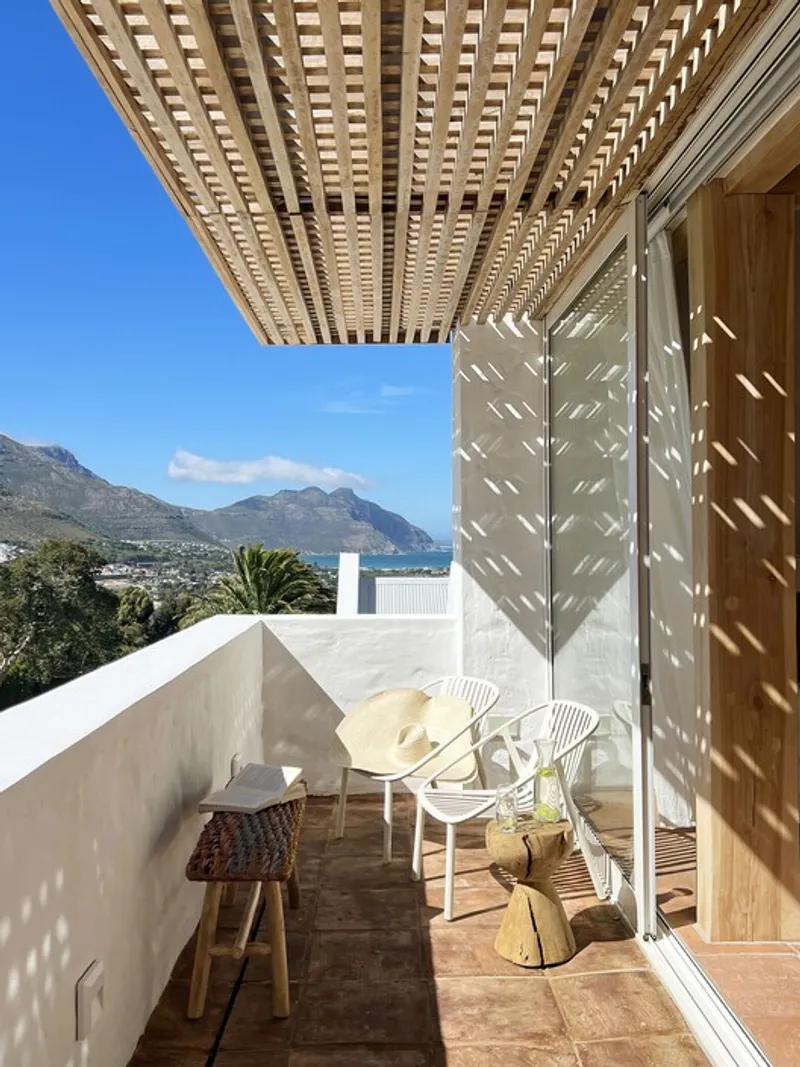
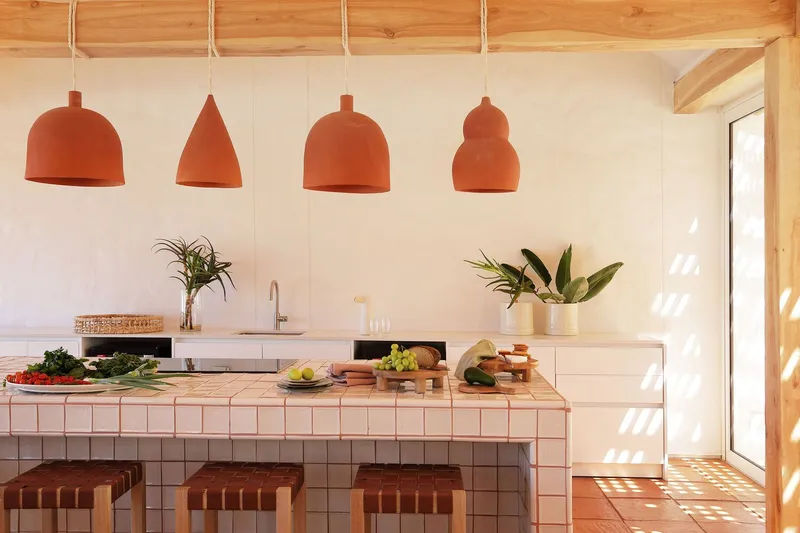
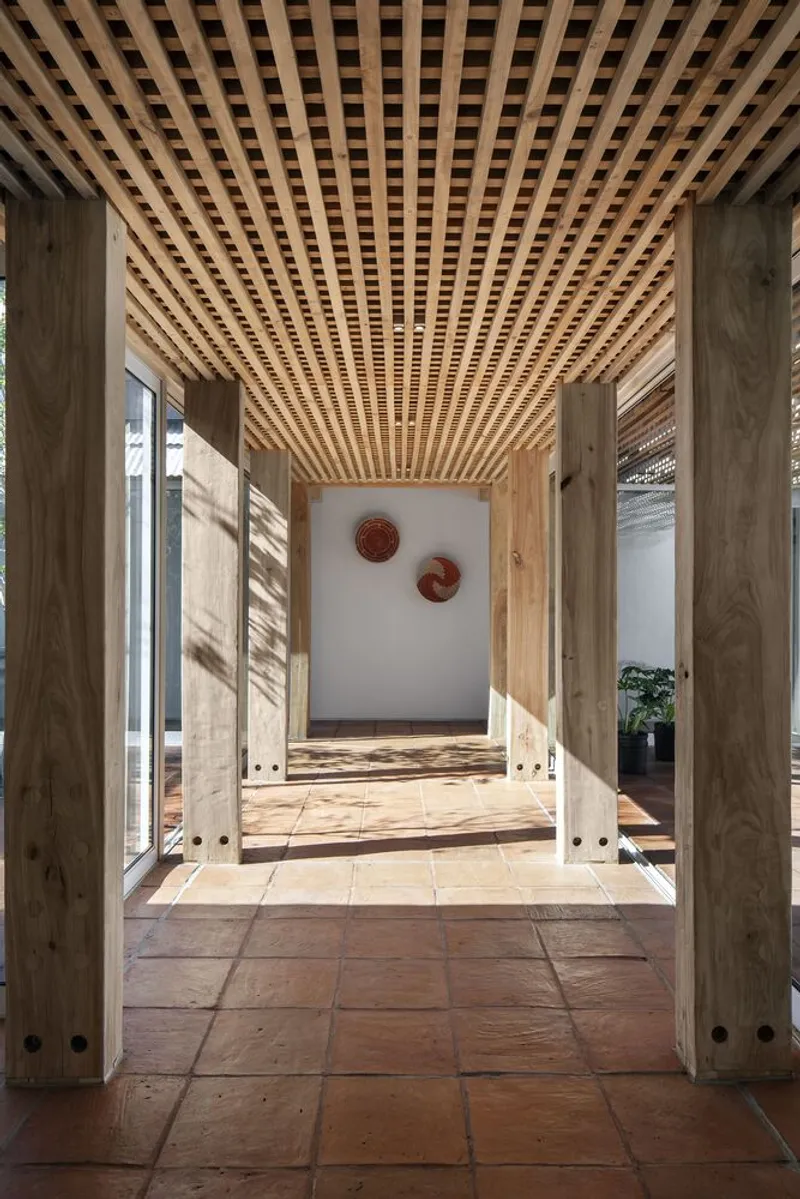
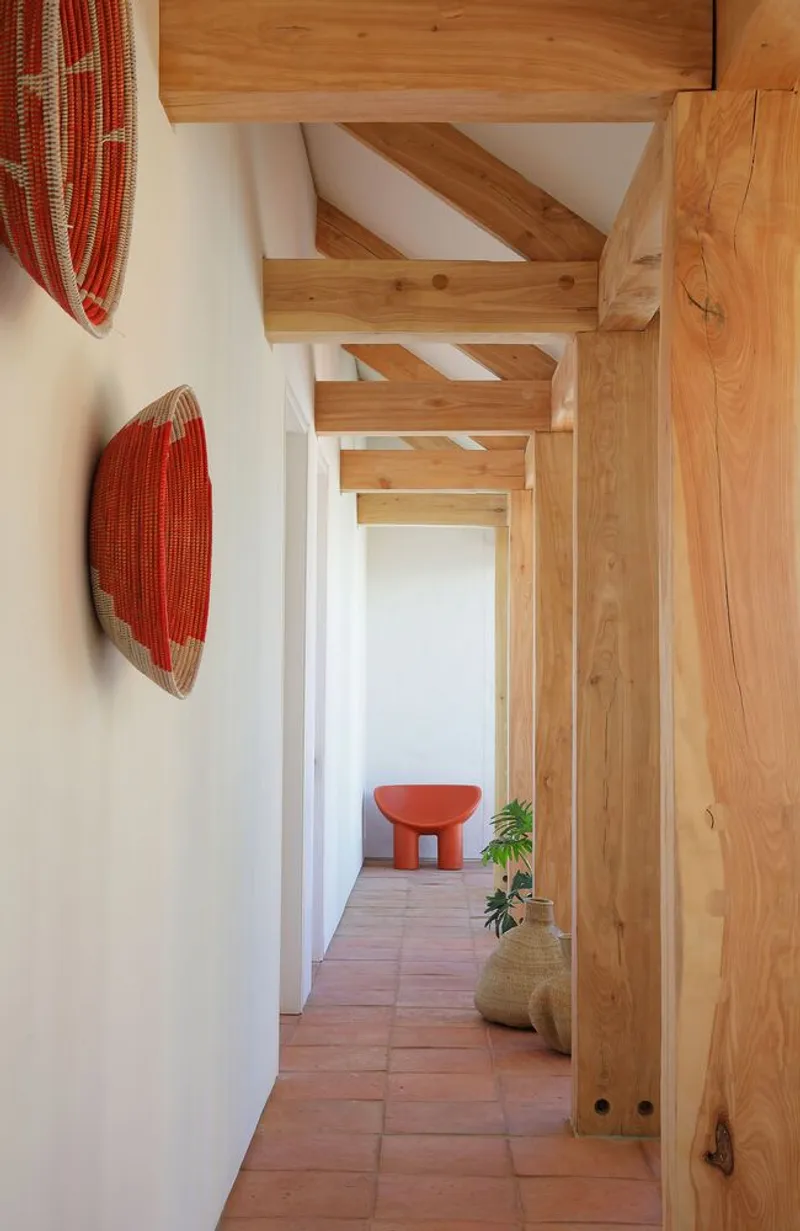
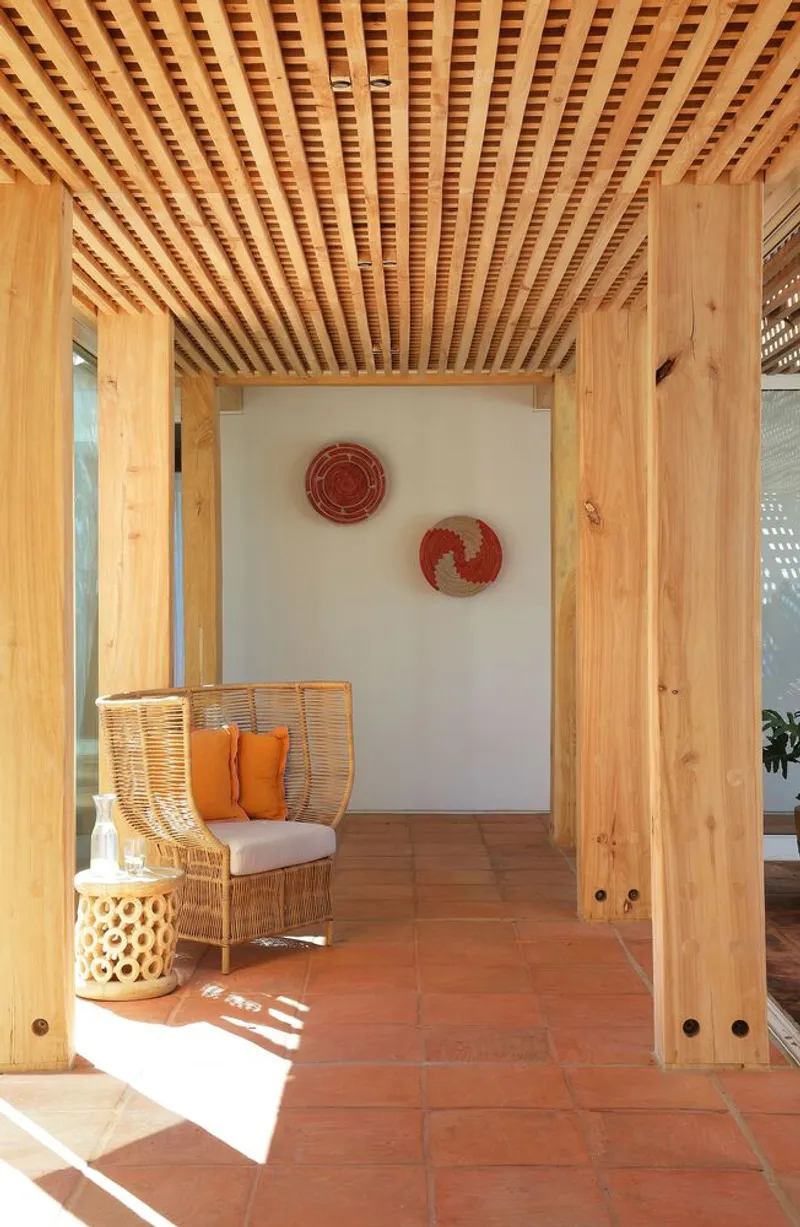
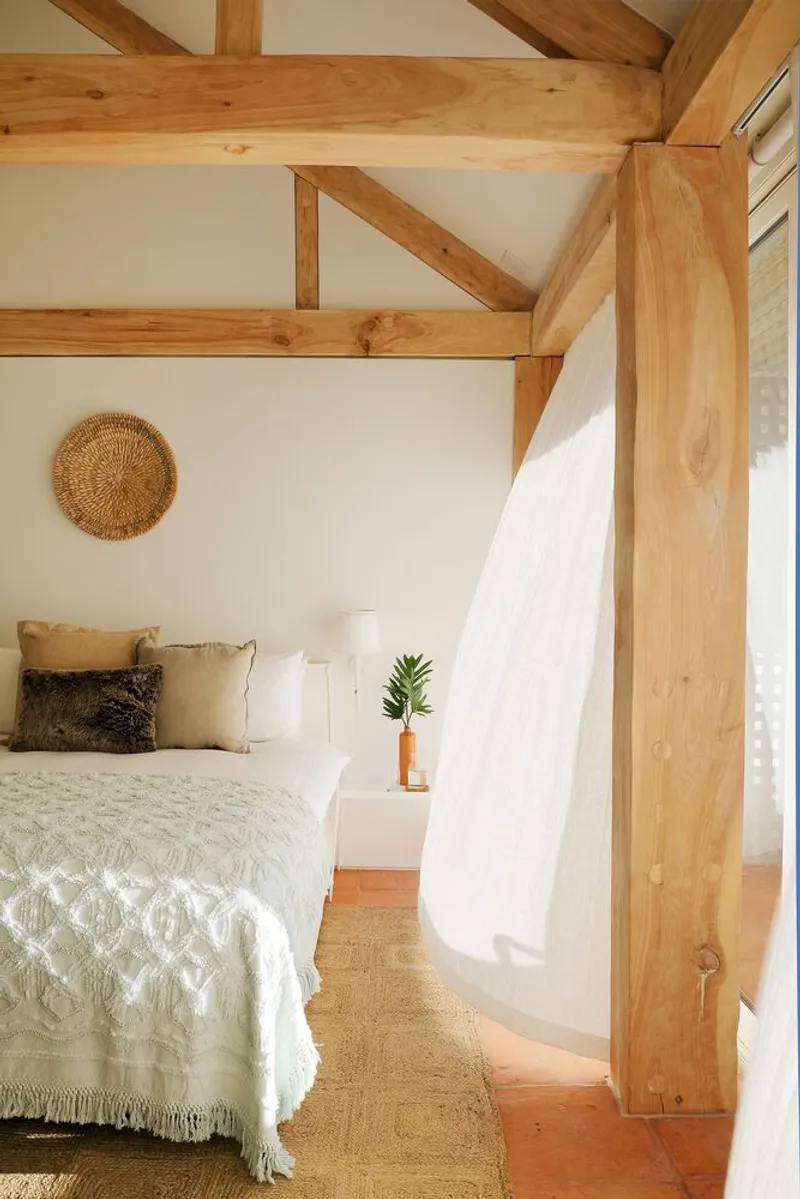
Natural terracotta tiles, ergonomic furniture, and locally sourced materials reflect a commitment to sustainability and regional traditions. Timber structures utilize repurposed alien tree species, reducing water consumption, while double-layered brick walls echo the Cape Dutch architectural heritage and provide superior thermal performance.
Optimized Outdoor and Indoor Comfort
Advanced Computational Fluid Dynamics (CFD) analyses informed the hotel's outdoor design, optimizing wind flow and seasonal comfort for tranquil, nature-focused experiences. North-facing photovoltaic panels supply daytime energy and store excess energy in battery packs for nighttime use. Thermal energy stored in building slabs, combined with passive ventilation and solar design principles, minimizes energy consumption while maintaining guest comfort. Foundations and retaining walls were constructed using low-carbon GGBF concrete, cutting embodied carbon emissions by up to 60%.
Social Responsibility and Community Integration
The project places strong emphasis on social consciousness, employing local contractors and staff to foster community involvement and economic growth. Back-of-house facilities, including kitchens and staff areas, were thoughtfully designed for staff well-being while maintaining visual and spatial connections to public areas, encouraging interaction between guests and employees. Accessibility features such as ramps, handrails, and wider doorways ensure inclusivity for all visitors.
Landscaping and Local Sourcing
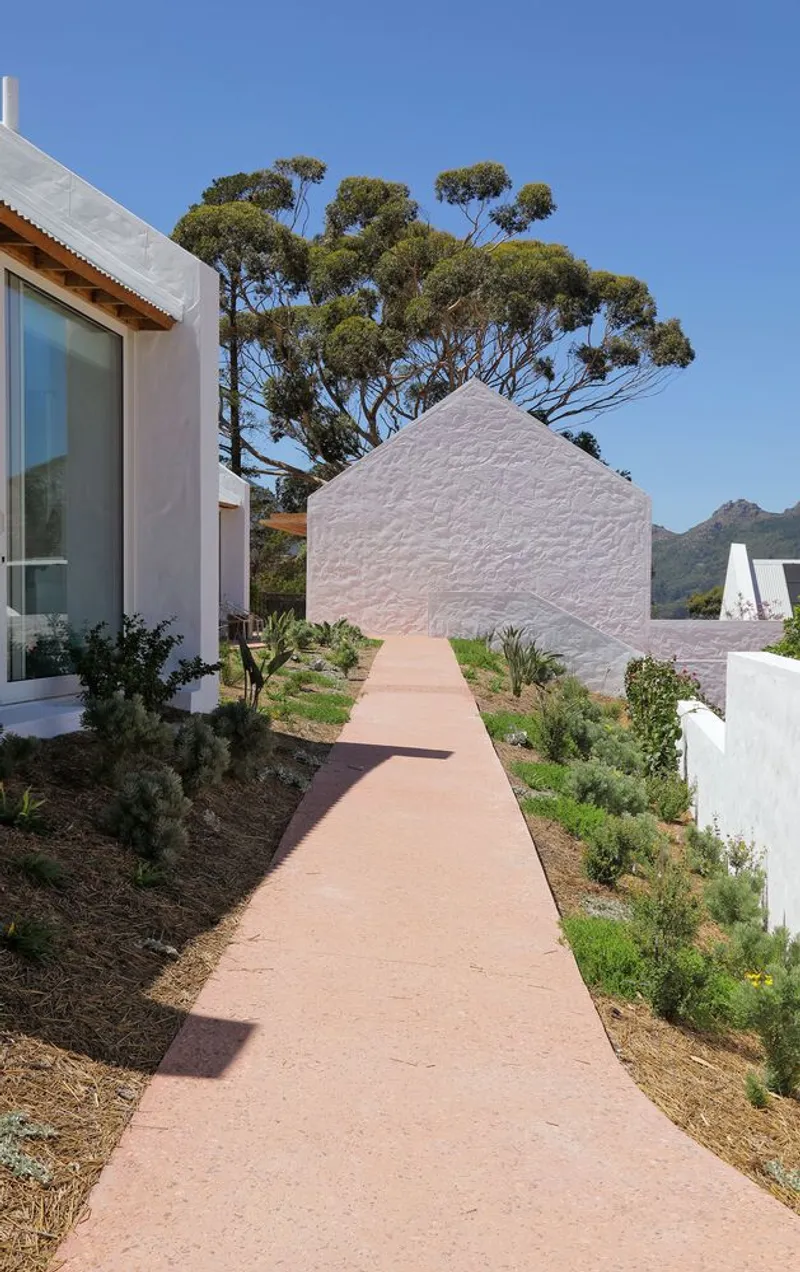
The hotel's landscaping prioritizes indigenous flora, highlighting the biodiversity of the Western Cape. Partnerships with local farmers and on-site gardens ensure fresh produce while supporting the regional economy. This approach reinforces Umoya Boutique Hotel’s commitment to ethical hospitality, environmental stewardship, and community enrichment.
Design Highlights
- Location & Views: Panoramic vistas of Table Mountain and Cape Town bay
- Sustainable Materials: Locally sourced bricks, repurposed timber, low-carbon concrete
- Energy Efficiency: Photovoltaic system, passive ventilation, solar-optimized design
- Comfort & Wellness: Ergonomic furniture, terracotta flooring, thermal slab storage
- Community & Accessibility: Local staff, indigenous landscaping, inclusive design
- Umoya Boutique Hotel exemplifies the seamless integration of luxury, sustainability, and social responsibility. By combining advanced energy strategies, environmentally conscious materials, and community-focused operations, the project sets a new standard for boutique hospitality in South Africa and beyond.
All photographs are works of Henrique Wilding, Adam Letch




Popular Articles
Popular articles from the community


Hill & Cross Opera: Sculptural Opera House Architecture Shaped by Tallinn’s Landscape and Identity
Hill & Cross Opera reimagines opera house architecture in Tallinn through its sculptural hill, civic plaza, glass wave and a luminous cross.

AL-JANNAH: Sustainable Architecture and Permaculture for Afghan Widows
AL-JANNAH uses sustainable architecture and permaculture to create resilient oasis of housing, learning, work and renewal for Afghan widows.

Co-Life: Senior Housing Design That Reconnects Older Adults With the City
Co-Life reimagines senior housing design through healing gardens, shared streets, workshops, and a sustainable community across generations.

The Ocean Hive: Sustainable Architecture for a Self-Sufficient Civilization at Sea
The Ocean Hive imagines sustainable architecture at sea, where modular habitats, algae, wave power and ocean waste sustain a growing colony.


Similar Reads
You might also enjoy these articles


Hodi-Mandai Geram
Project Function: Preservation and revitalization of the Intangible heritage and socio-spatial identity of the Hodi by Housing, Cultural Memory Center, Sacred Grove, landscape, local tourism economy


Olio Towers: A Mid-Rise for Performers That Fuses Housing, Rehearsal, and Stage
Located blocks from Houston's Theater District, this modular tower stacks living units around a central performance atrium.

Oasis: Modular Green Housing Carved into Dhaka's Urban Fabric
A shortlisted Plugin Housing entry reclaims unauthorized settlements in Dhaka with stepped concrete volumes, green roofs, and ventilation-driven design.

Black Hole: A Floating Megastructure for the Post-Physical Era
Emiliano Mazzarotto envisions a spherical, self-scaling arena where e-sports, digital hotels, and holographic stadiums replace traditional public space.


Explore Hospitality Building Competitions
Discover active competitions in this discipline



Challenge to reimagine the Iron Throne


Photograph architecture without architects


Illustrate the lost glory of Angkor Wat - Render Challenge


Design challenge to reuse E-waste
Comments (0)
Please login or sign up to add comments
No comments yet. Be the first to comment!