
Unlock the Potential: Discover 15 Inspiring Accessory Dwelling Units (ADUs) Maximizing Space
How can Accessory Dwelling Units (ADUs) transform the way we utilize residential spaces?


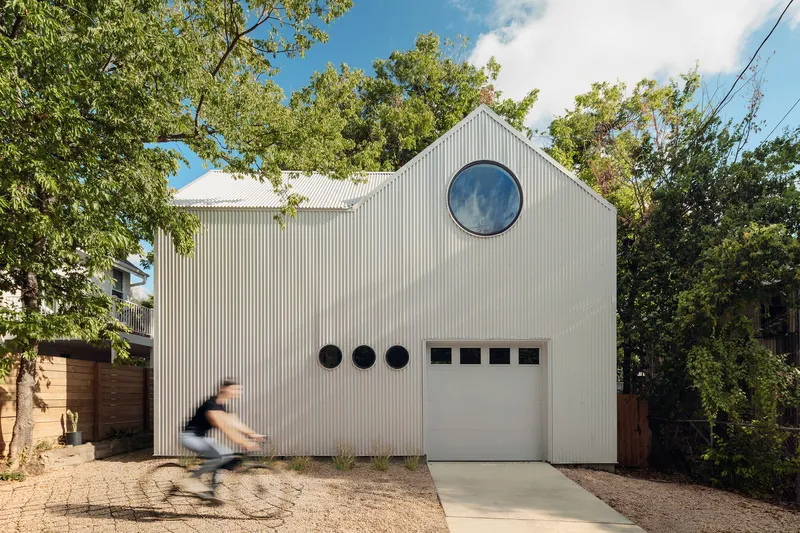
In today's ever-evolving housing landscape, Accessory Dwelling Units (ADUs) have emerged as the latest trend to enhance the functionality and versatility of homes. Unlike fleeting fashion trends, ADUs provide a practical solution to various housing challenges, such as the scarcity of affordable housing, changing perceptions of shared living spaces, and the need for flexible work environments. With their ability to expand usable residential areas without the regulatory complexities of extensive renovations, ADUs have become an attractive option for homeowners seeking to improve their living conditions.
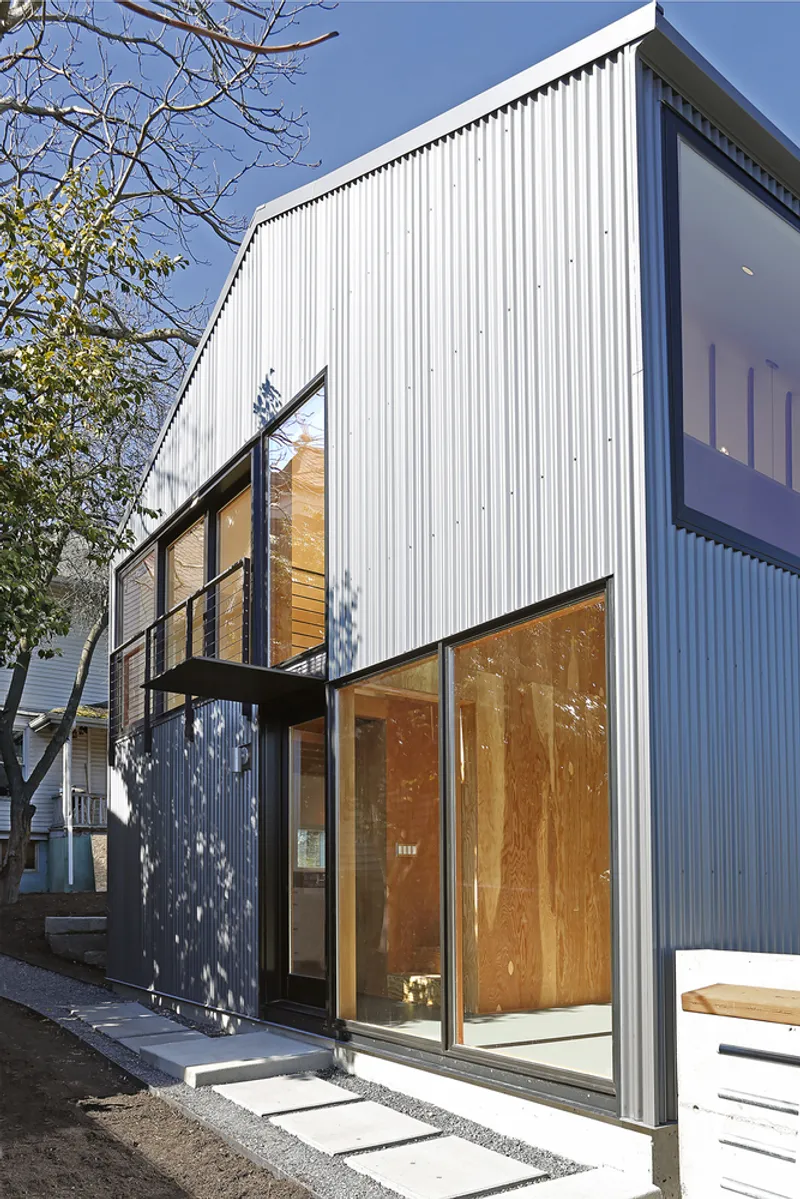
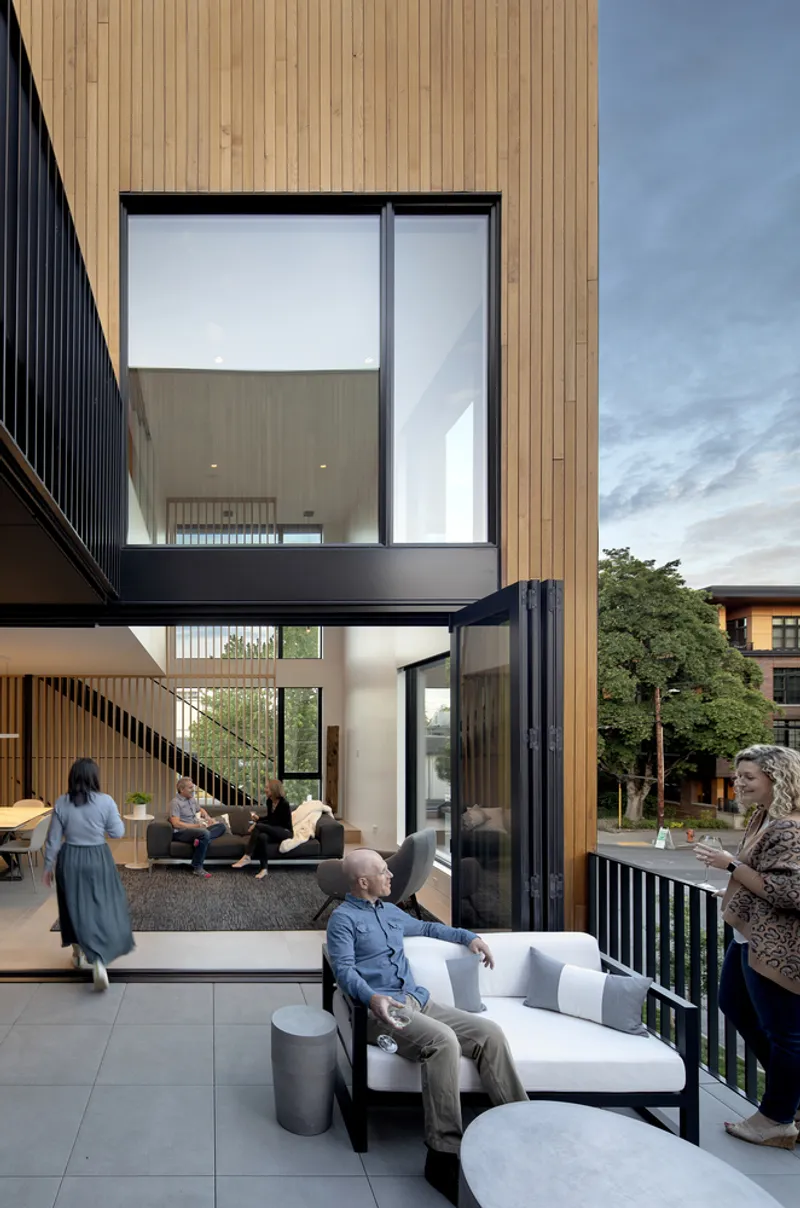
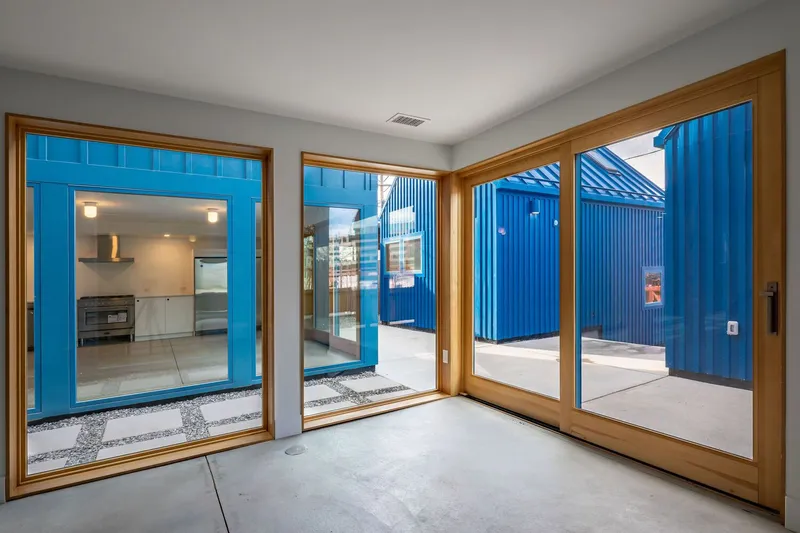
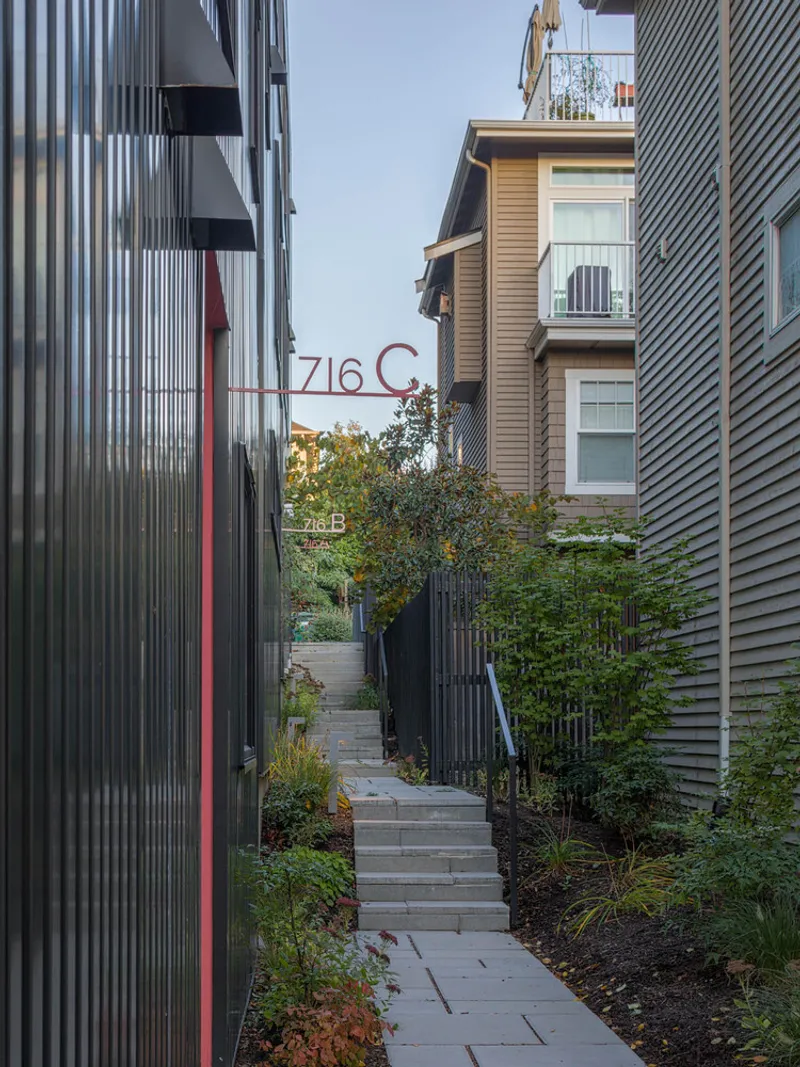
With the increasing prevalence of multi-generational households, where parents, grandparents, and young adults coexist under one roof, the demand for additional living spaces has grown exponentially. ADUs offer a transformative solution by creating detached structures with private entrances, off-street parking, and dedicated garden spaces. These architectural gems effortlessly convert underutilized sections of property into rentable residences. Whether they encompass an entire floor or a separate section within an existing home, ADUs provide the perfect answer to the space constraints faced by modern families.
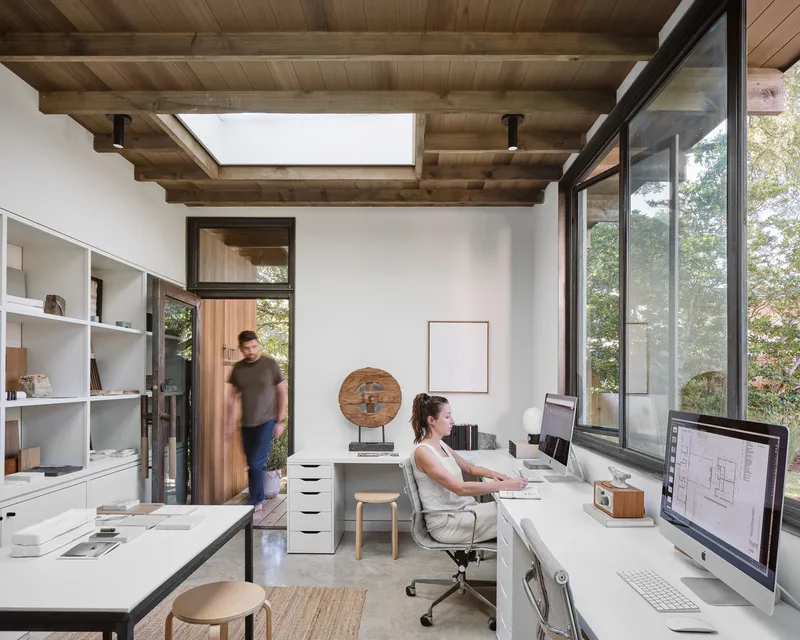
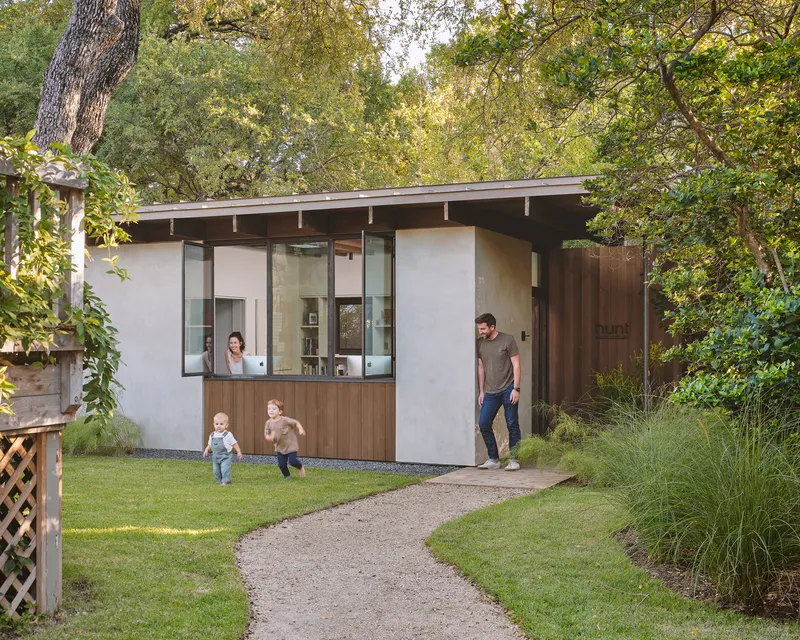
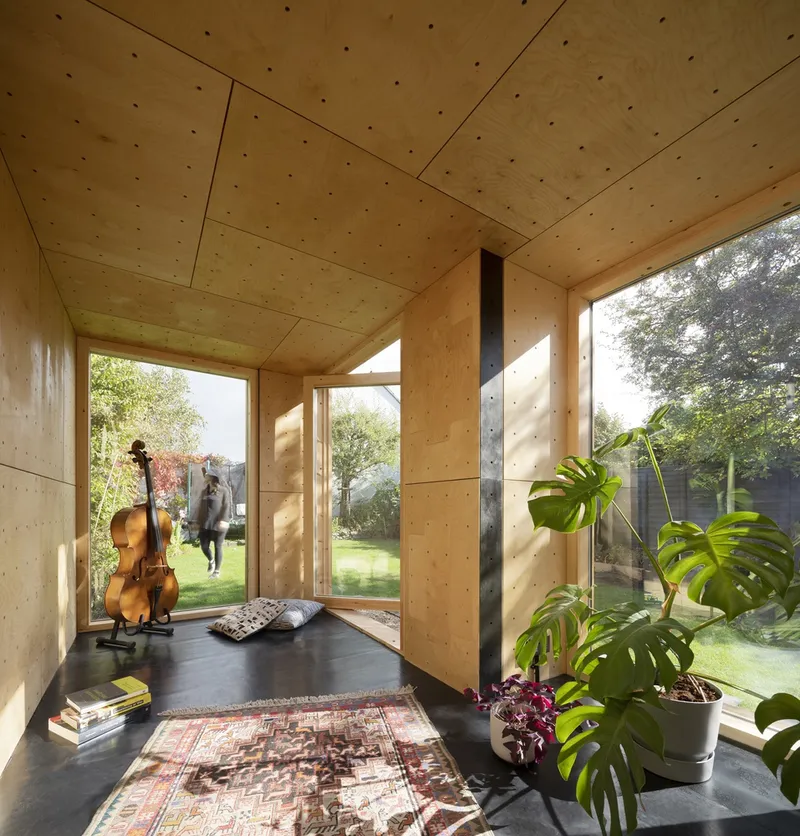
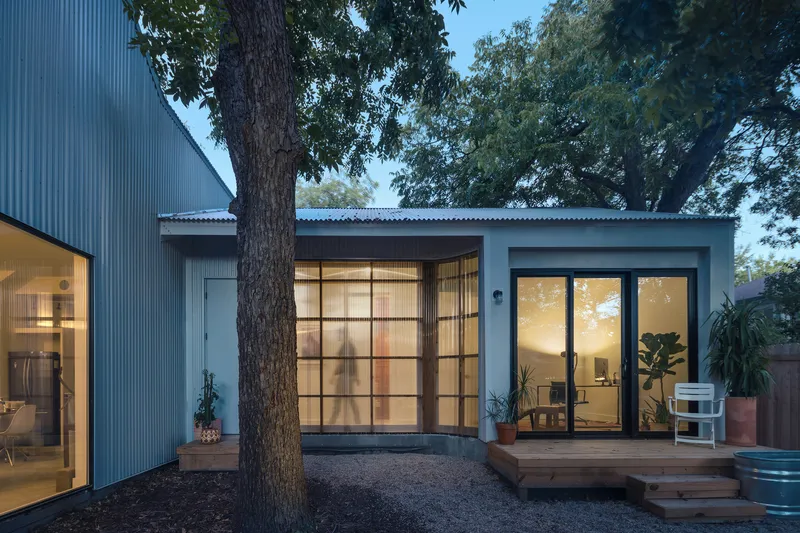
The COVID-19 pandemic has further accelerated the need for adaptable living spaces that accommodate remote work. The integration of home and office has become a pressing concern for many households. Hunt Architecture, a renowned family-oriented architectural practice, found itself facing this very challenge. Lacking space within their own home for both their growing family and a burgeoning business, they turned to their garden for a solution. The Hunt Studio ADU was born—a remarkable space that houses a guest bedroom on one side and an interconnected office for four on the other. Bathed in natural light from a large skylight and adorned with steel windows overlooking the garden, this airy and inviting office has become a sanctuary for productivity while keeping a close eye on family life.
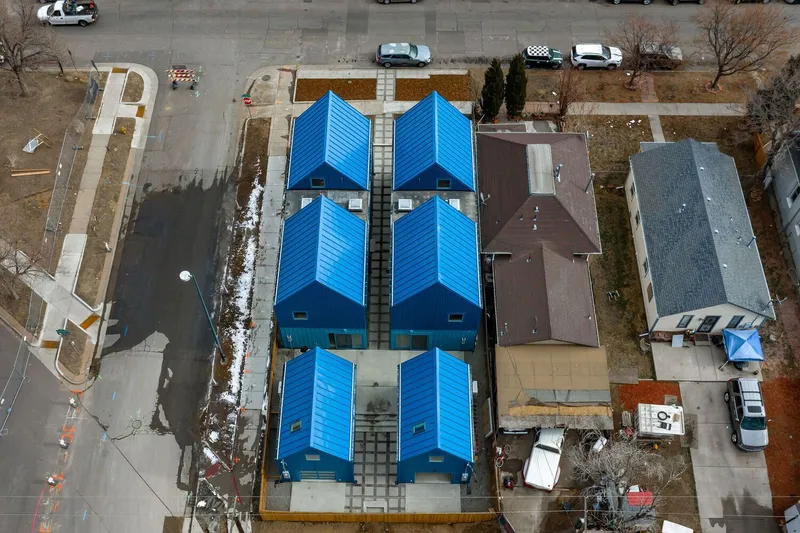
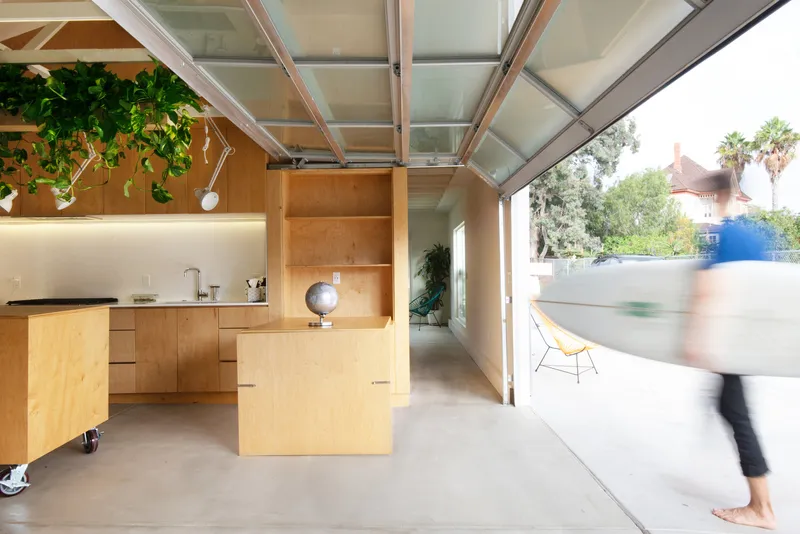
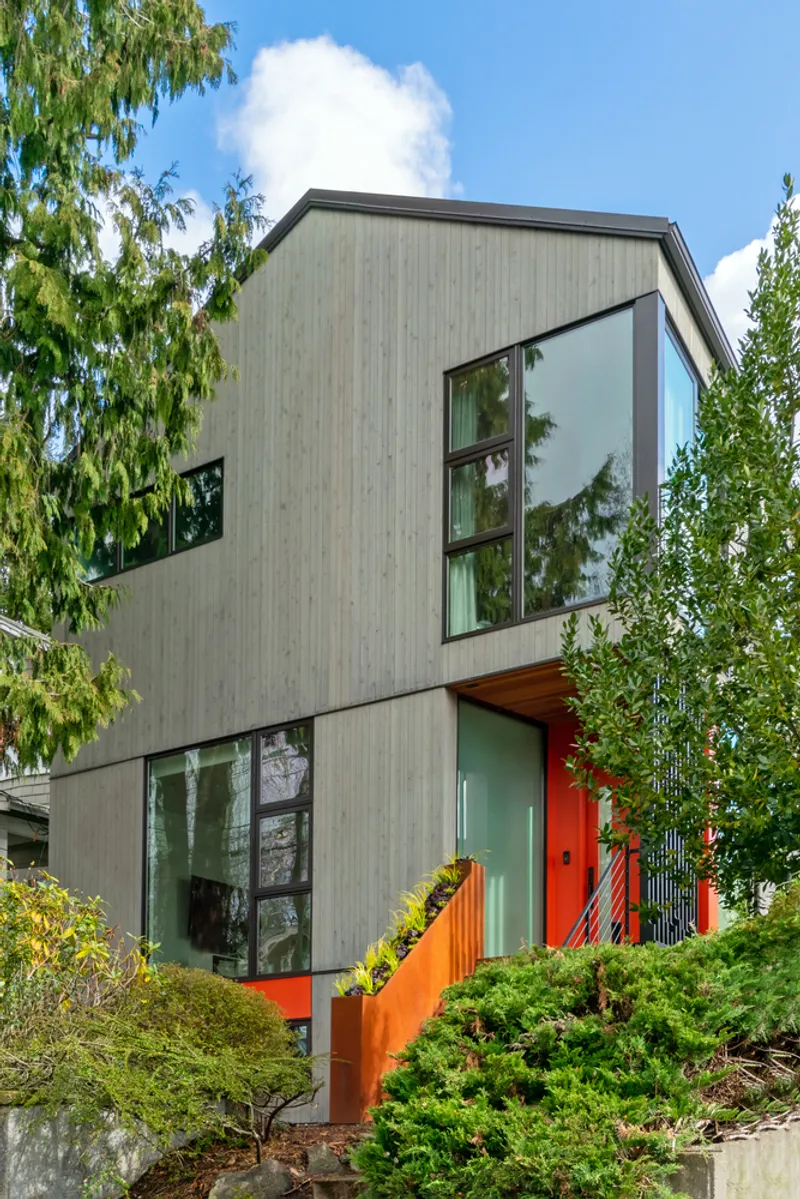
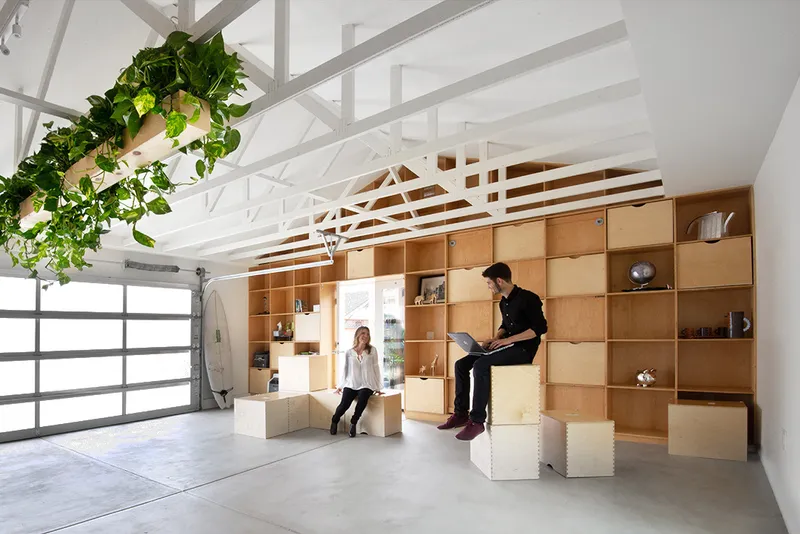
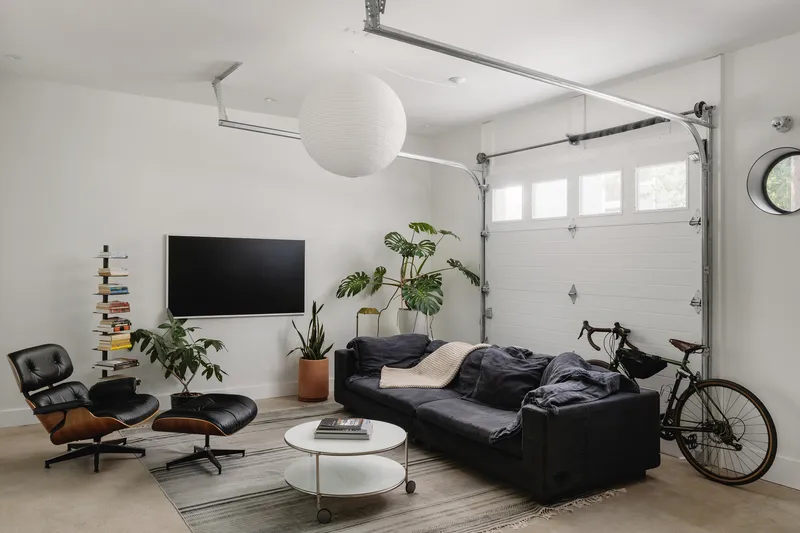
To facilitate comfortable multi-generational living, ADUs can be seamlessly incorporated into existing floorplans, even in homes without available outdoor space. Basements and garages can be repurposed into separate guest living spaces with dedicated facilities, often referred to as "granny annexes." Projects like the Exposition Heights House and the San Diego Garage Conversion exemplify this approach, providing independent living spaces for ageing parents or young adults while maintaining close proximity to the main household. Garages, with their convenient street-level access, offer an excellent opportunity to create fully independent homes complete with their own entrances, mailboxes, and gardens. For homeowners seeking future investments and a steady stream of passive income, the allure of ADUs as rentable properties is hard to resist.
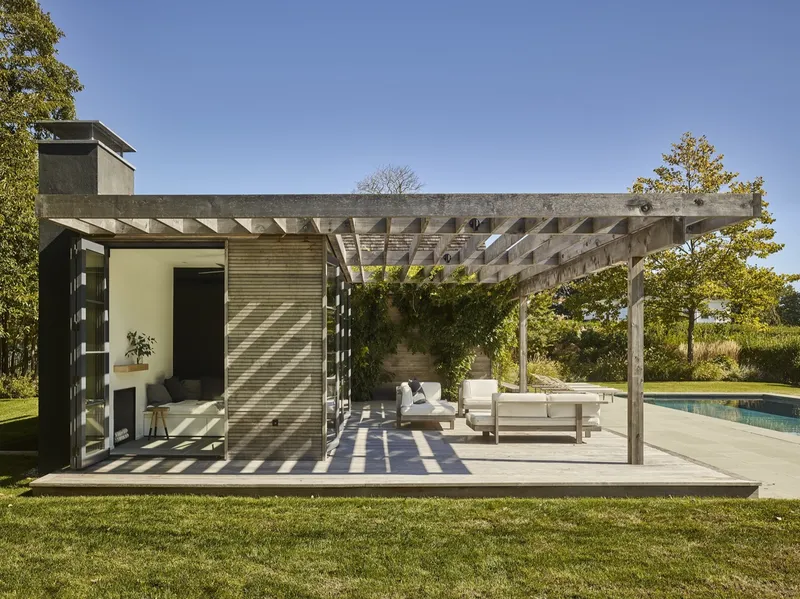
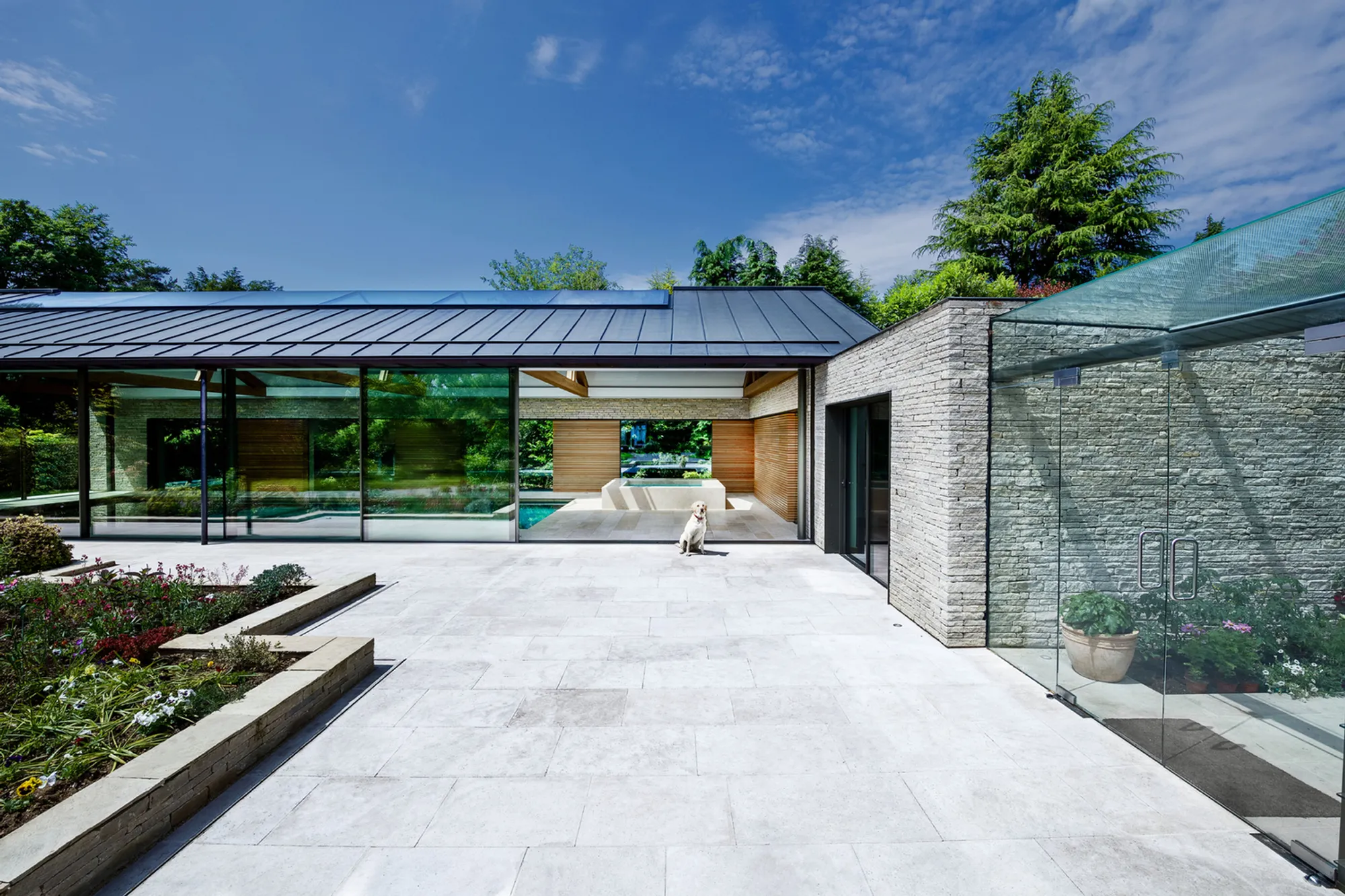
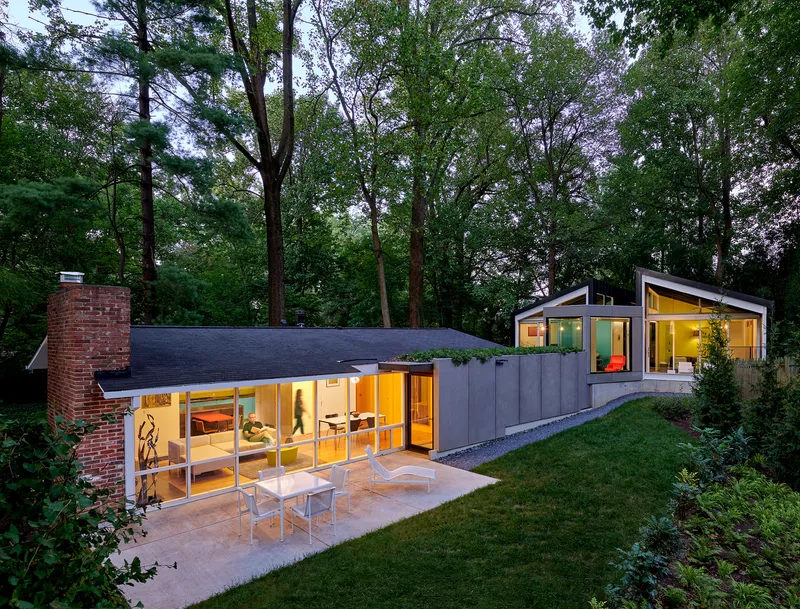
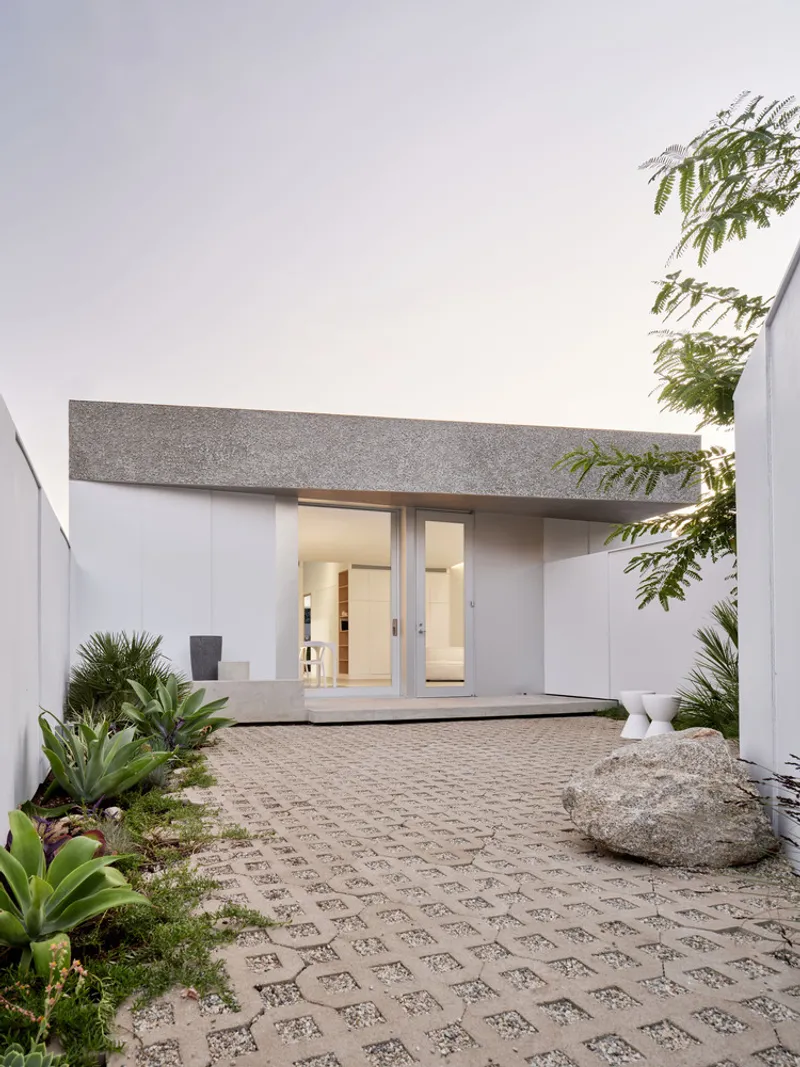
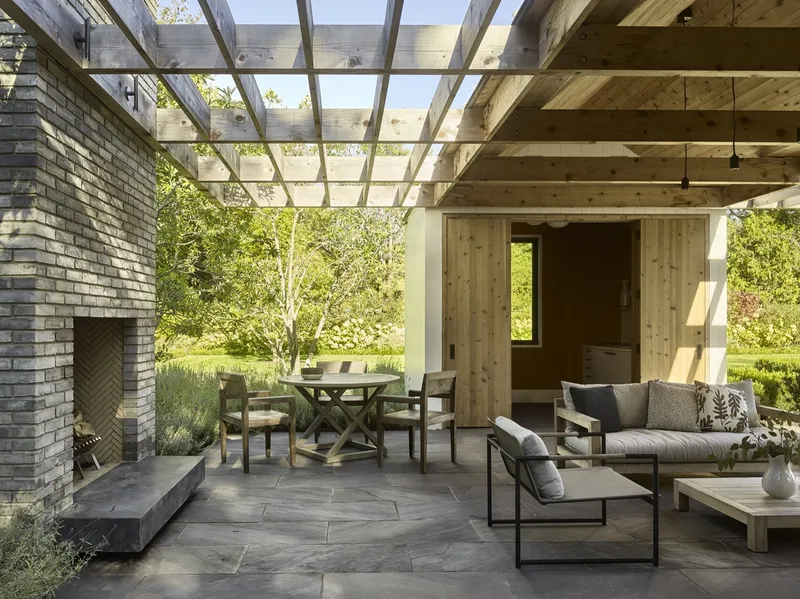
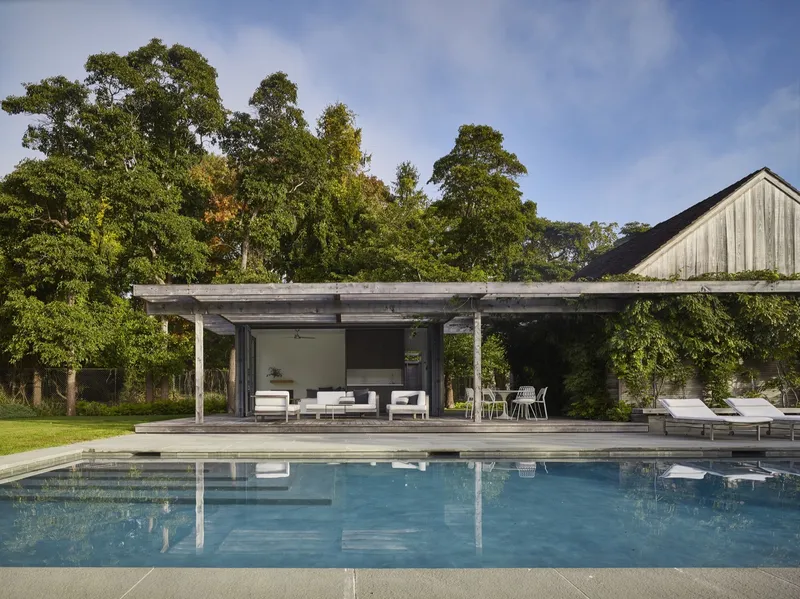
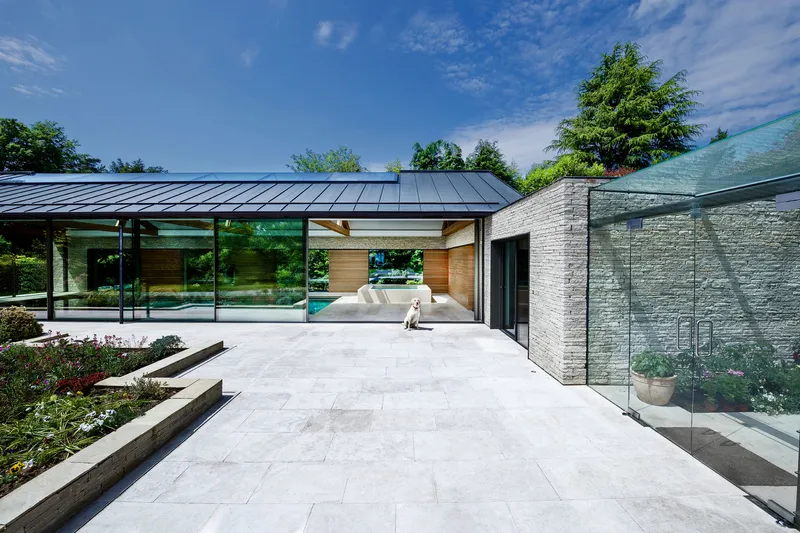
Architects have also begun exploring the potential of pool houses as ADUs, expanding their functionality beyond mere storage or shaded resting spots. By equipping them with running water, electricity, and insulation for year-round stays, pool house ADUs have become desirable living spaces. The Further Lane Pool House in East Hampton and the Pool House in Amagansett, both situated on Long Island, exemplify this concept. These thoughtfully designed ADUs feature bathrooms, kitchenettes, lounges, and sleeping spaces, offering a perfect blend of indoor and outdoor living for relaxation and entertaining by the pool.
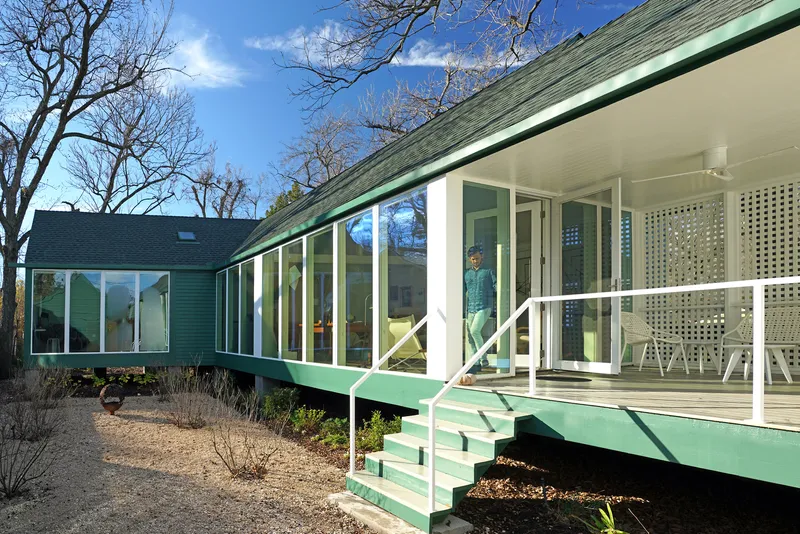
As housing needs continue to evolve, it is evident that ADUs have become a game-changer in the architectural landscape. They provide a practical and flexible solution to the challenges of multi-generational living, home offices, and the constraints of the housing market. By transforming underutilized spaces into fully functional living areas.




Popular Articles
Popular articles from the community


The Earth Pod: 3D Printed Homes for Resilient Refugee Communities
The Earth Pod reimagines refugee housing through 3D printed homes made from clay, combining resilience, self-sufficiency, and rapid shelter.

Riyadh For All: Intergenerational Urban Design for Active Aging in Rabat
Riyadh For All reimagines urban design in Rabat with intergenerational co-living, adaptive courtyards, and Moroccan cultural exchange today.

Lunar Spiral: Space Architecture Shaped by the Mathematics of the Universe
Lunar Spiral reimagines space architecture through Fibonacci geometry, lunar regolith, levitating habitats, and self-sustaining Moon living.

The Ocean Hive: Sustainable Architecture for a Self-Sufficient Civilization at Sea
The Ocean Hive imagines sustainable architecture at sea, where modular habitats, algae, wave power and ocean waste sustain a growing colony.


Similar Reads
You might also enjoy these articles

Day and Night Park: A Time-Based Urban Newsstand in Beijing
A temporary urban newsstand in Beijing blending travel, light, and reading through poetic colors, compact form, and community-focused design.

Modernist Patio Renovation in El Masnou, Barcelona by Oliver Segura Arquitectura + Cebrià Arquitectura
Modernist patio renovation blending tradition and innovation with a movable pool, leveled floors, and Catalan materials in El Masnou.

Alto Residencial Coop: Cooperative Housing Development in Santiago de Compostela by Carbajo Barrios Arquitectos
A linear cooperative housing complex blending white volumes and perforated metal façades, enhancing community living, natural light, privacy, and urban integration.
Vil Genis School by BPA ARCHITECTURE – Massy, France
Vil Genis School in Massy, France, features sustainable design, south-facing classrooms, community integration, accessible spaces, and modern educational architecture.


Explore Temporary Dwelling Competitions
Discover active competitions in this discipline



Challenge to reimagine the Iron Throne


Photograph architecture without architects


Illustrate the lost glory of Angkor Wat - Render Challenge


Design challenge to reuse E-waste
Comments (0)
Please login or sign up to add comments
No comments yet. Be the first to comment!