
Unlocking Urban Elegance: Discover the Nobori Building by Florian Busch Architects!
Is the Nobori Building by Florian Busch Architects Redefining Modern Skyscrapers with Elegance and Innovation?

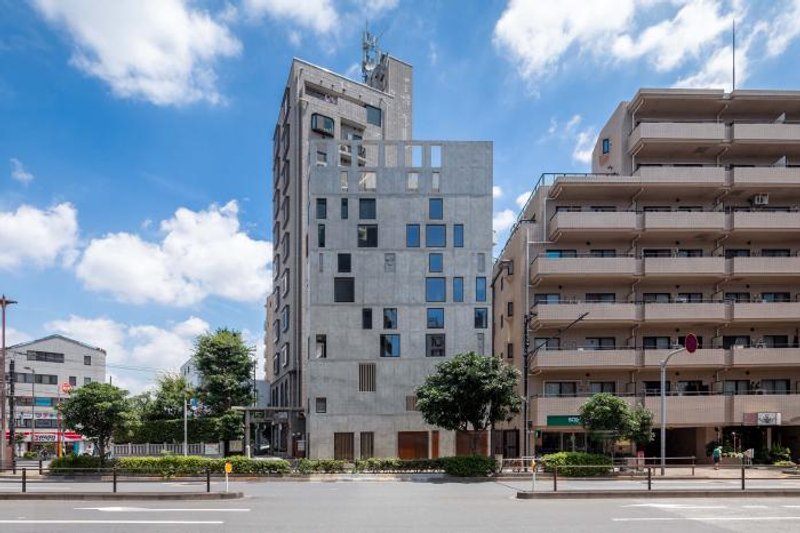
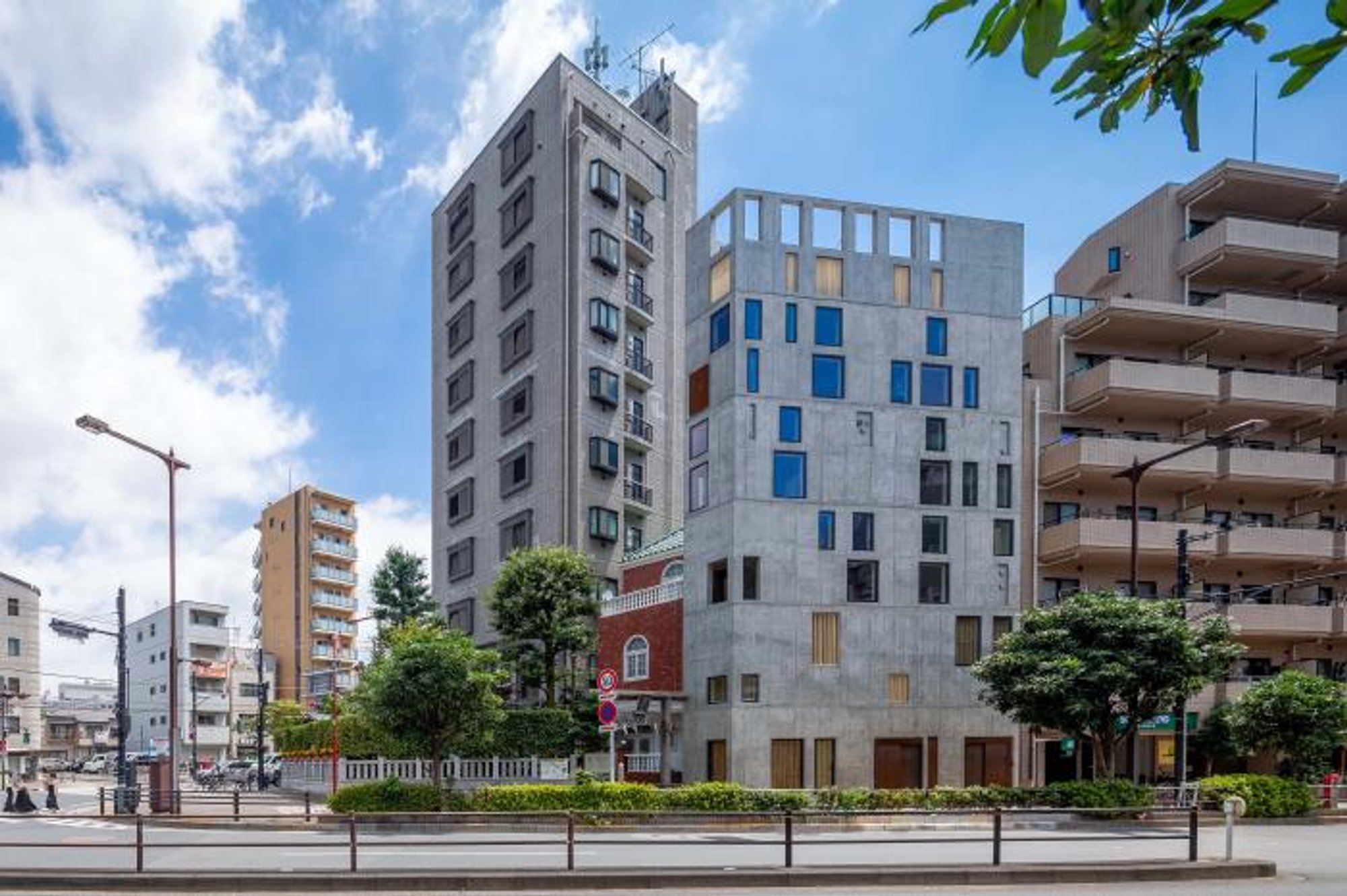
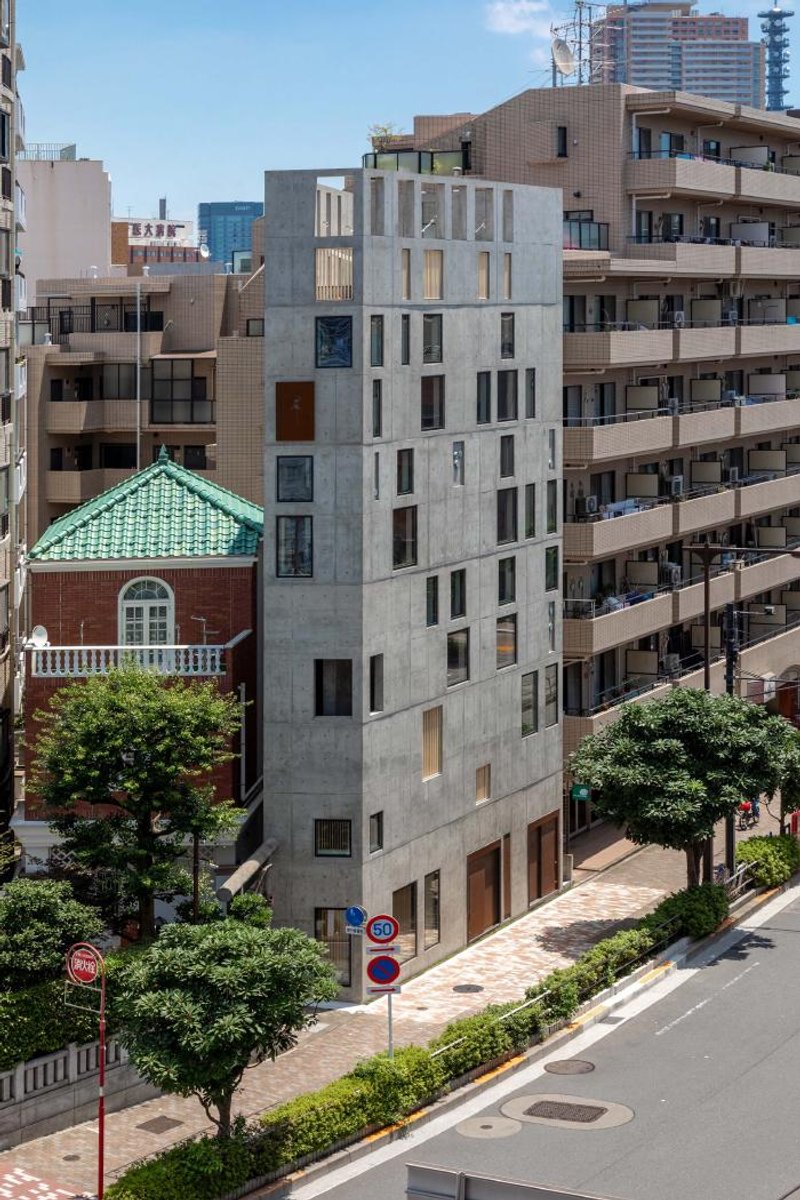
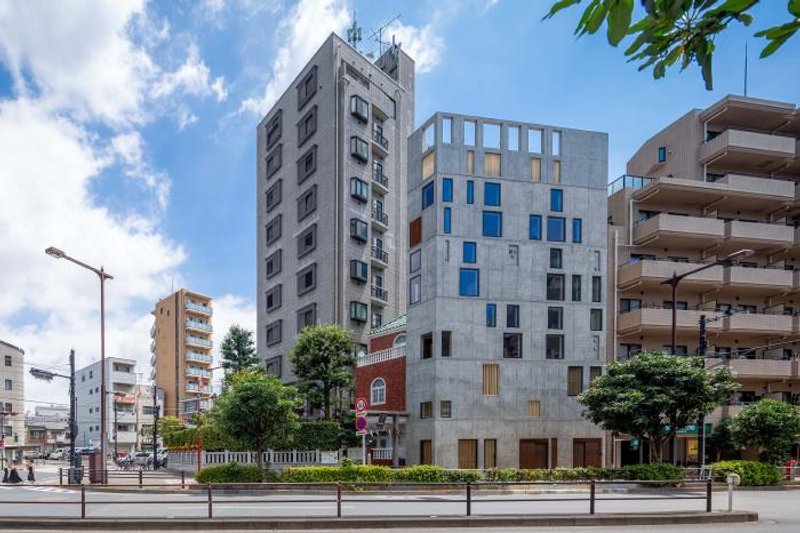
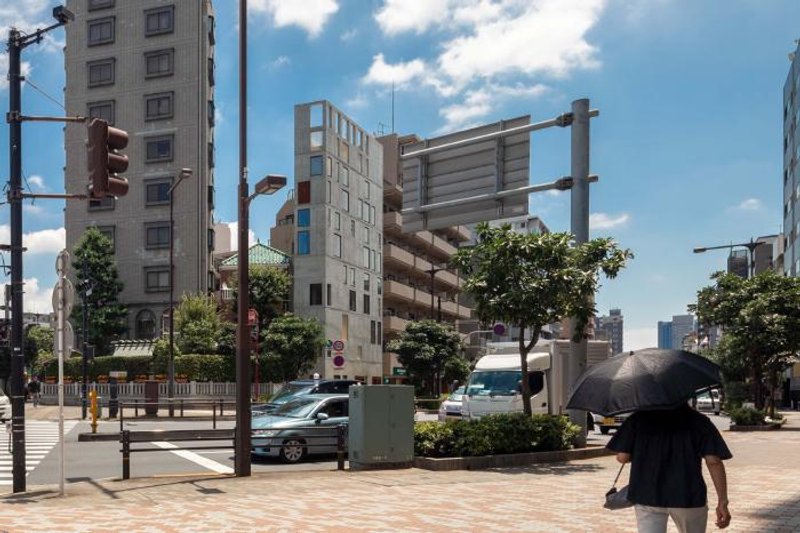
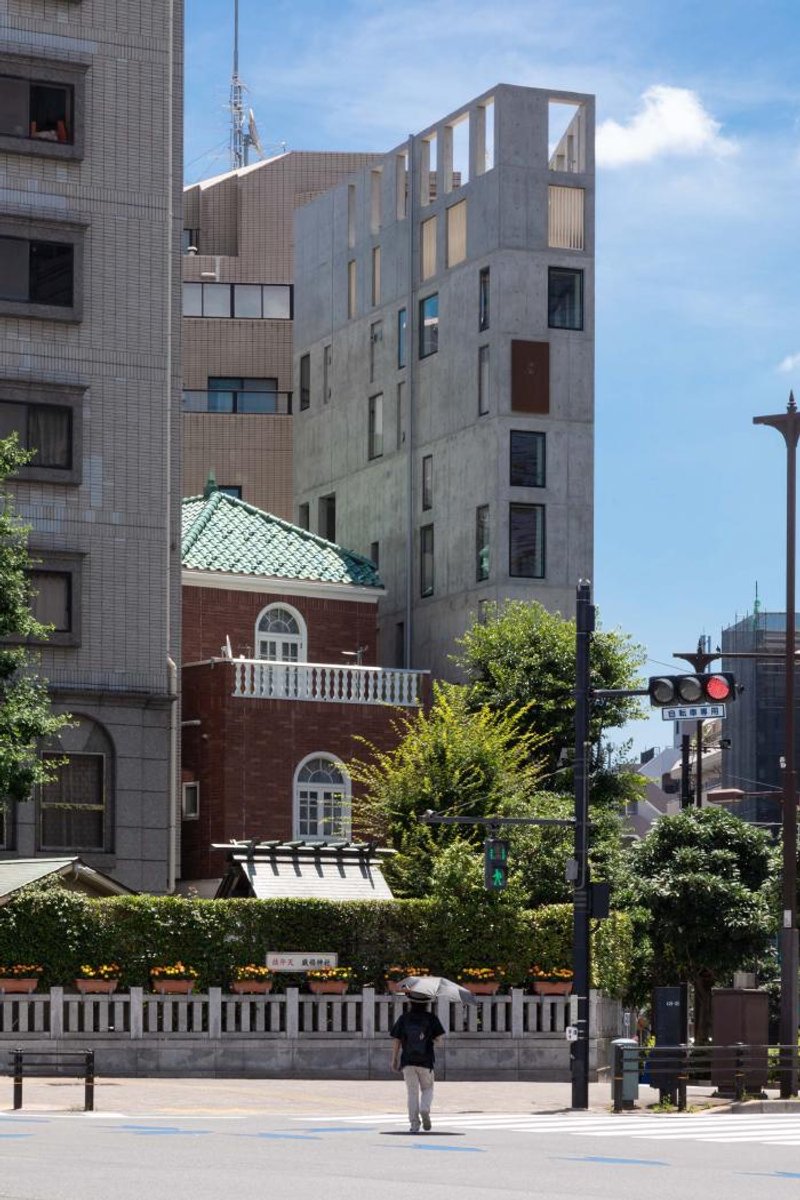
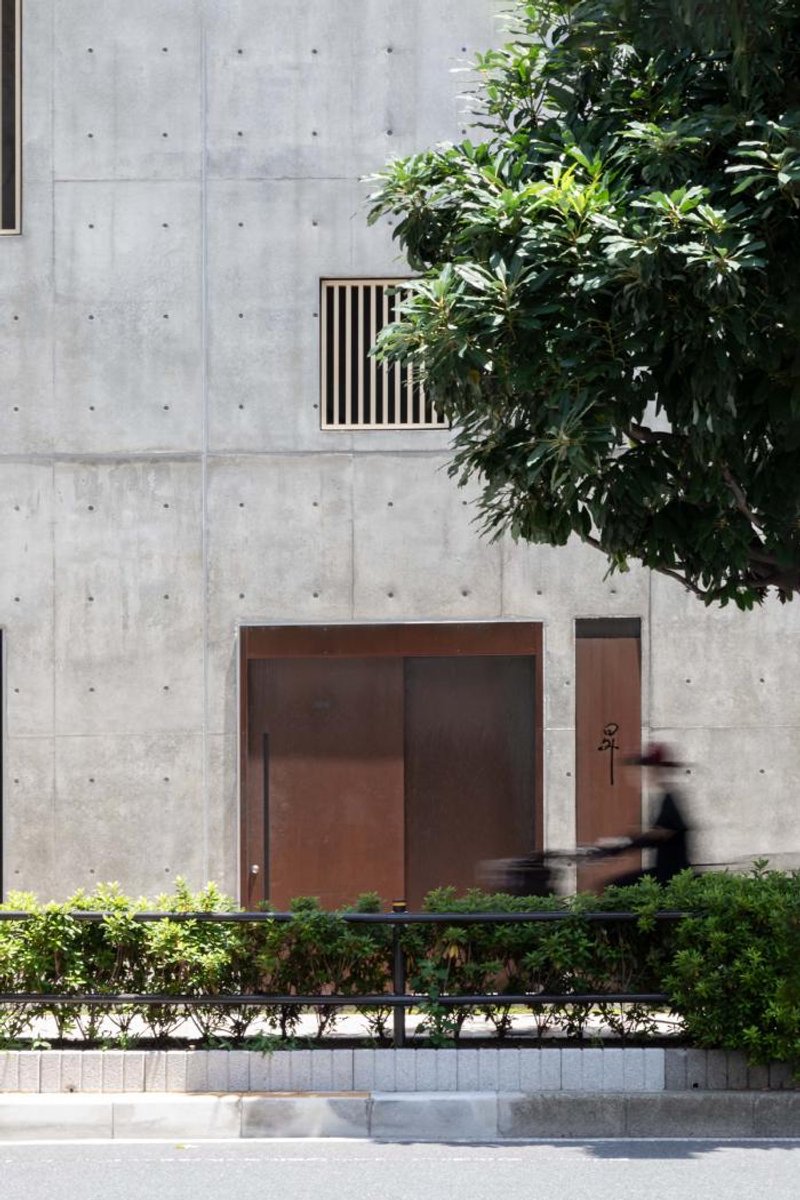
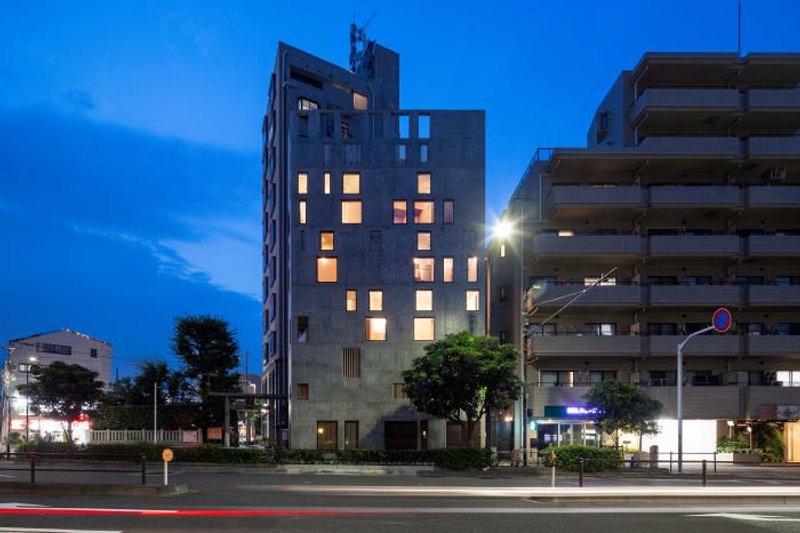
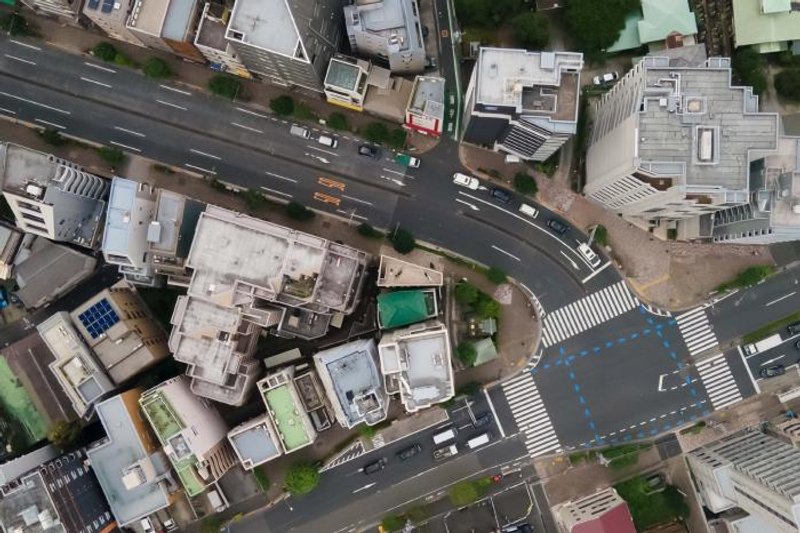
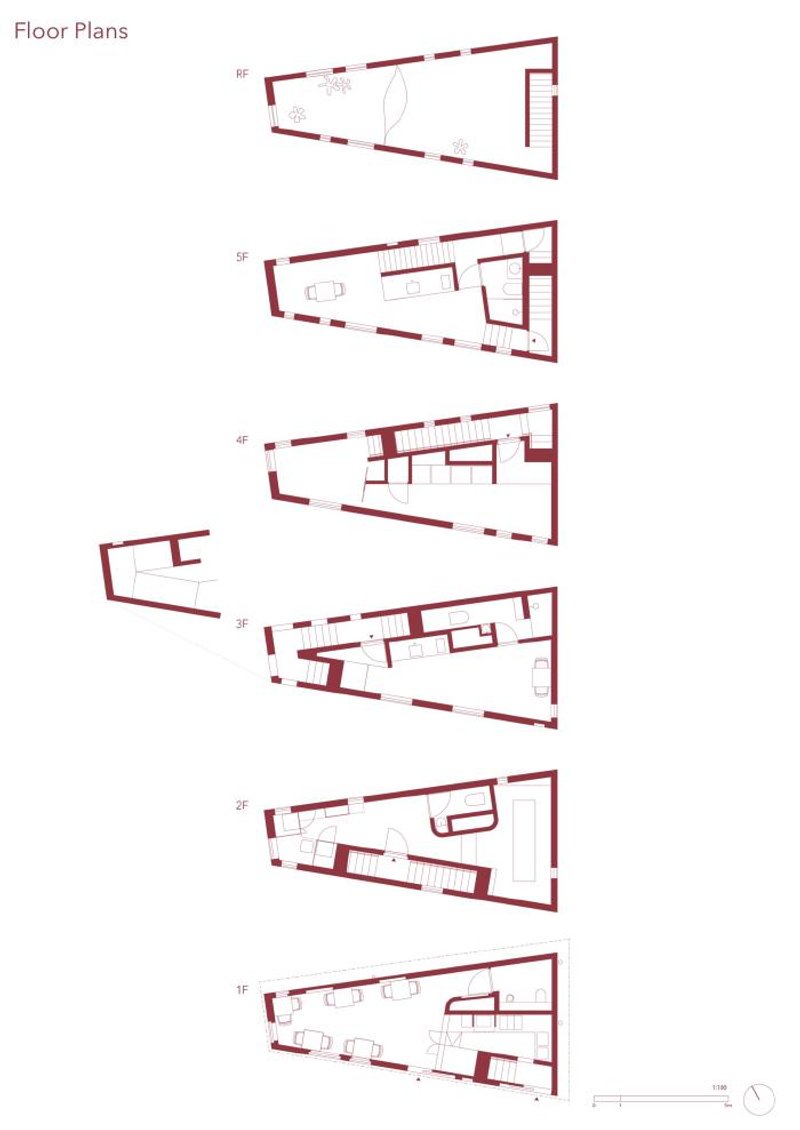
Nestled atop the sloping path leading to Tokyo's historic Nukebenten, the unassuming Itsukushima Shrine conceals a modern architectural marvel with a rich historical backdrop. Known as the Nobori Building, this ingenious structure stands on a mere 48 m² trapezoid plot adjacent to the shrine, combining contemporary design with a nod to its past.
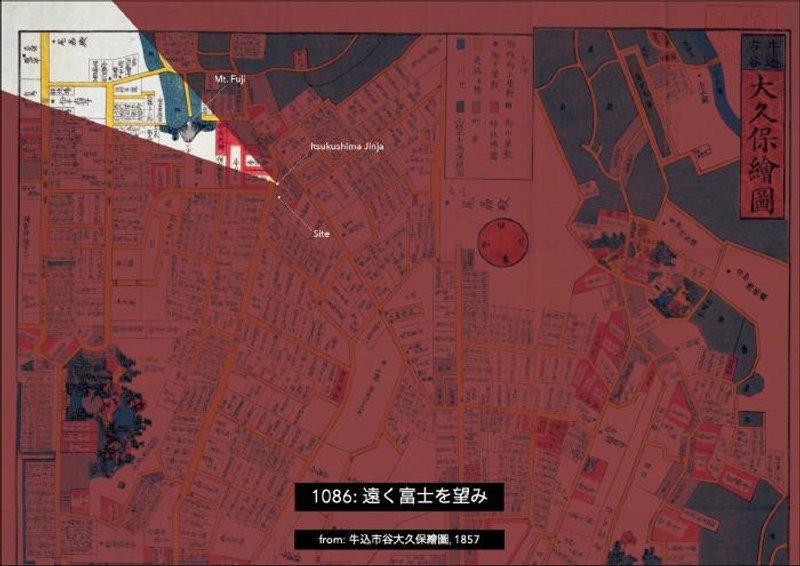
The genesis of the Itsukushima Shrine dates back to 1086 when Minamoto no Yoshiie, a prominent military leader, chose this elevated location as a temporary army camp during his journey to Mutsu. Recognizing its strategic advantages, including panoramic views of Mt. Fuji and a vantage point to detect potential threats, Yoshiie laid the foundation for the shrine, which endures to this day.
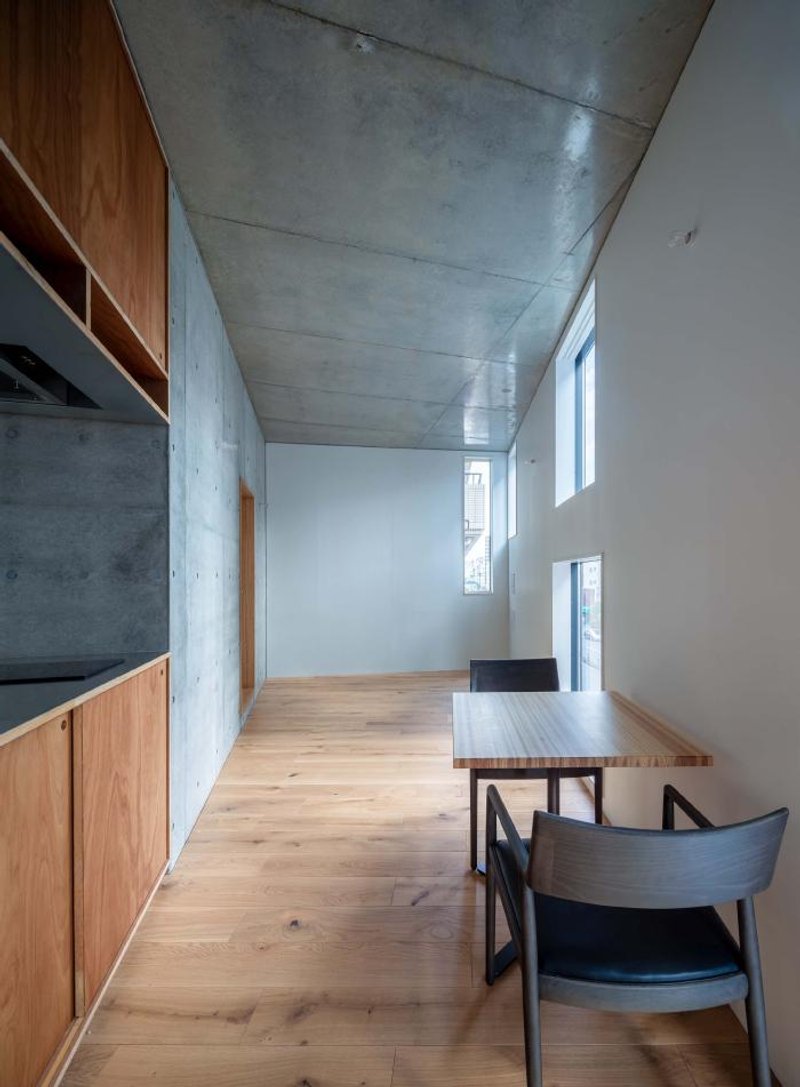
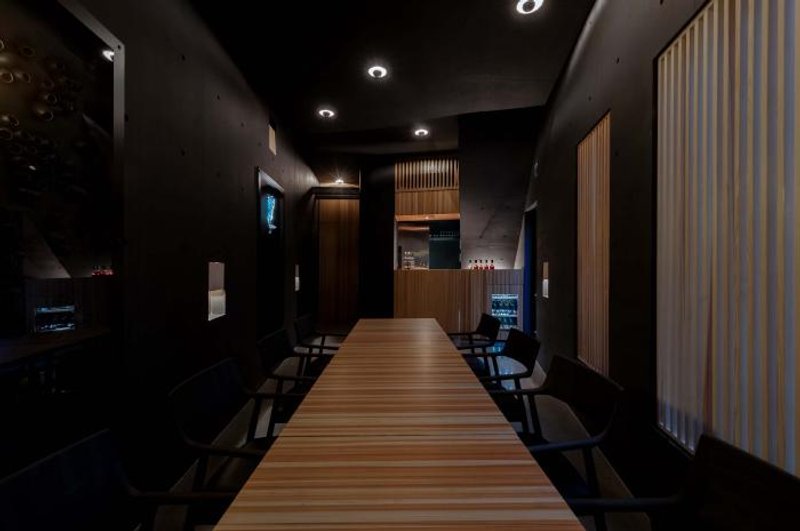
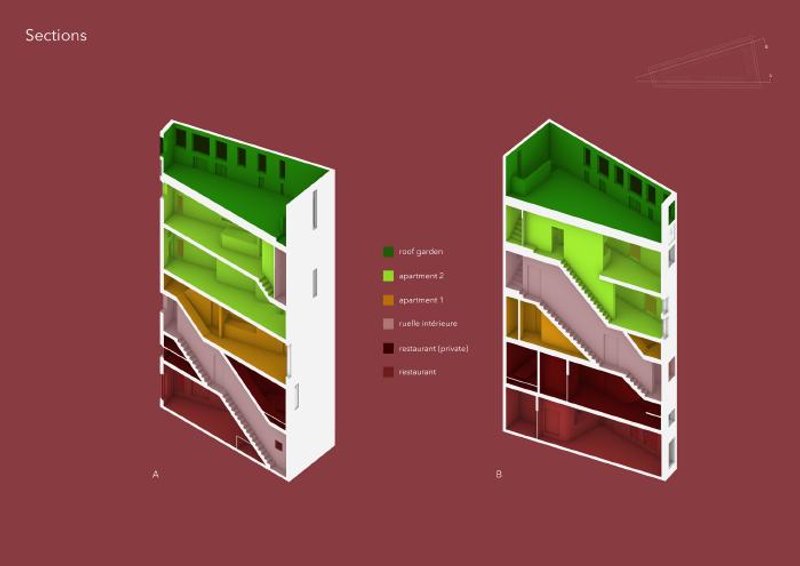
Challenges often inspire creativity, and the Nobori Building's name itself, meaning "to rise" or "to climb," reflects the project's ambitious spirit. With a restricted 80% maximum footprint on the small site, the architects faced the task of accommodating a restaurant and multiple apartments. Their strategy was to extrude the maximum footprint vertically, maximizing the use of space while embracing "vertical generosity."
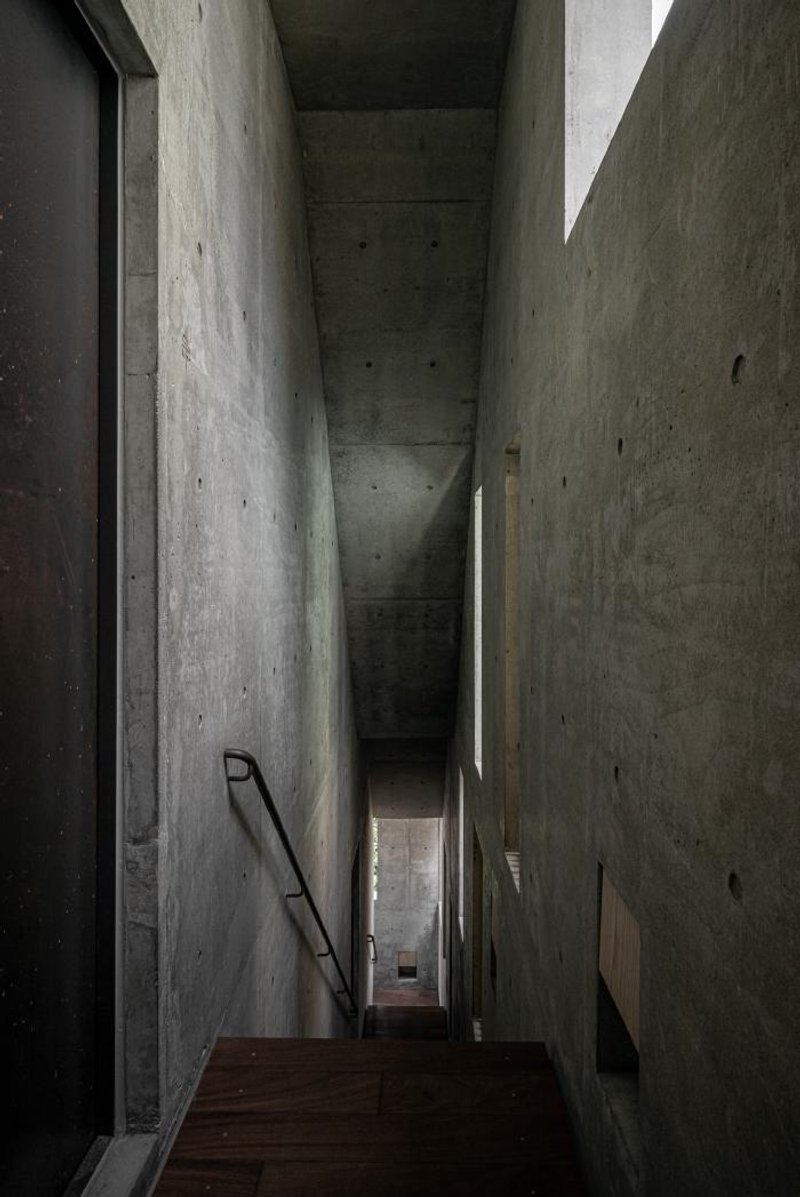
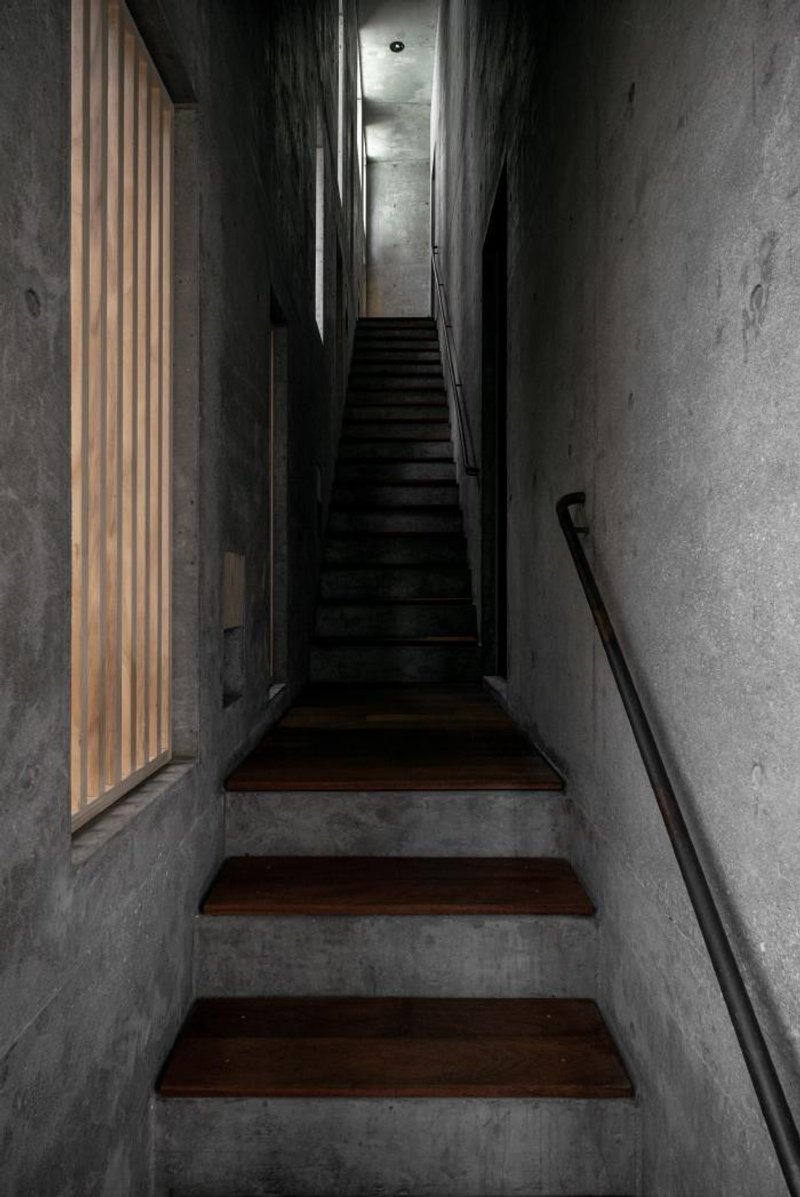
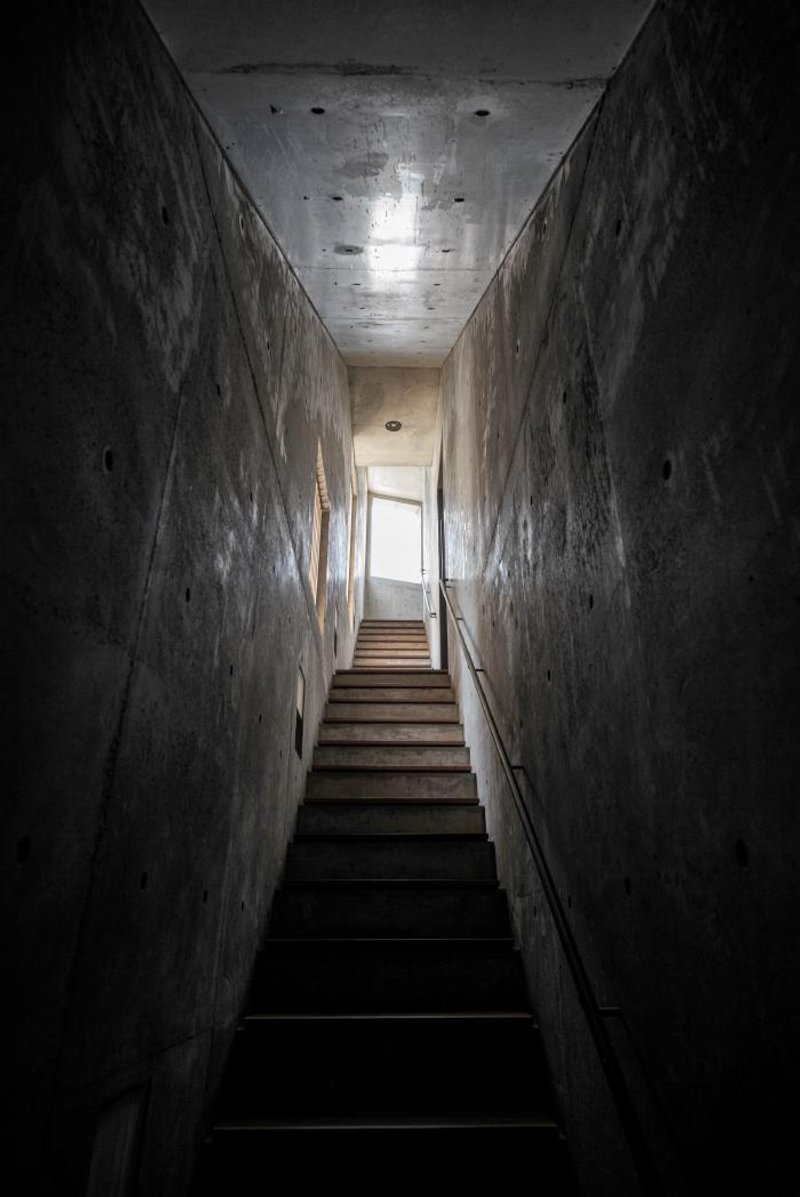
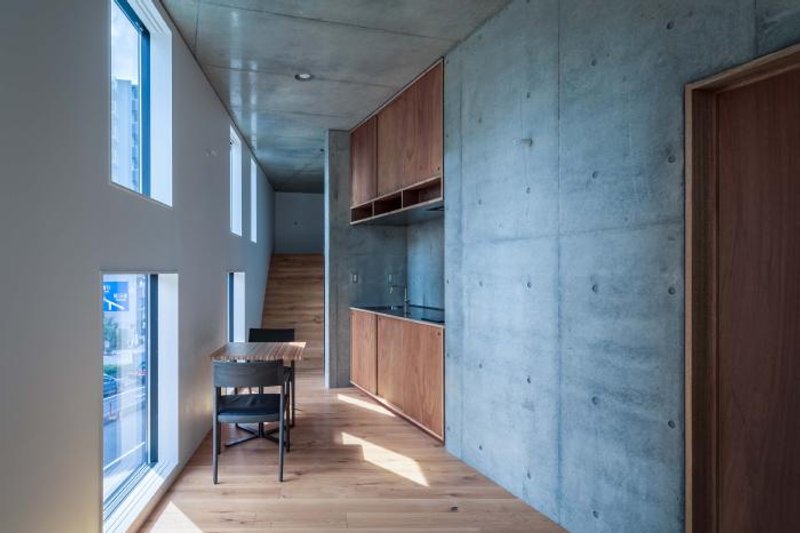
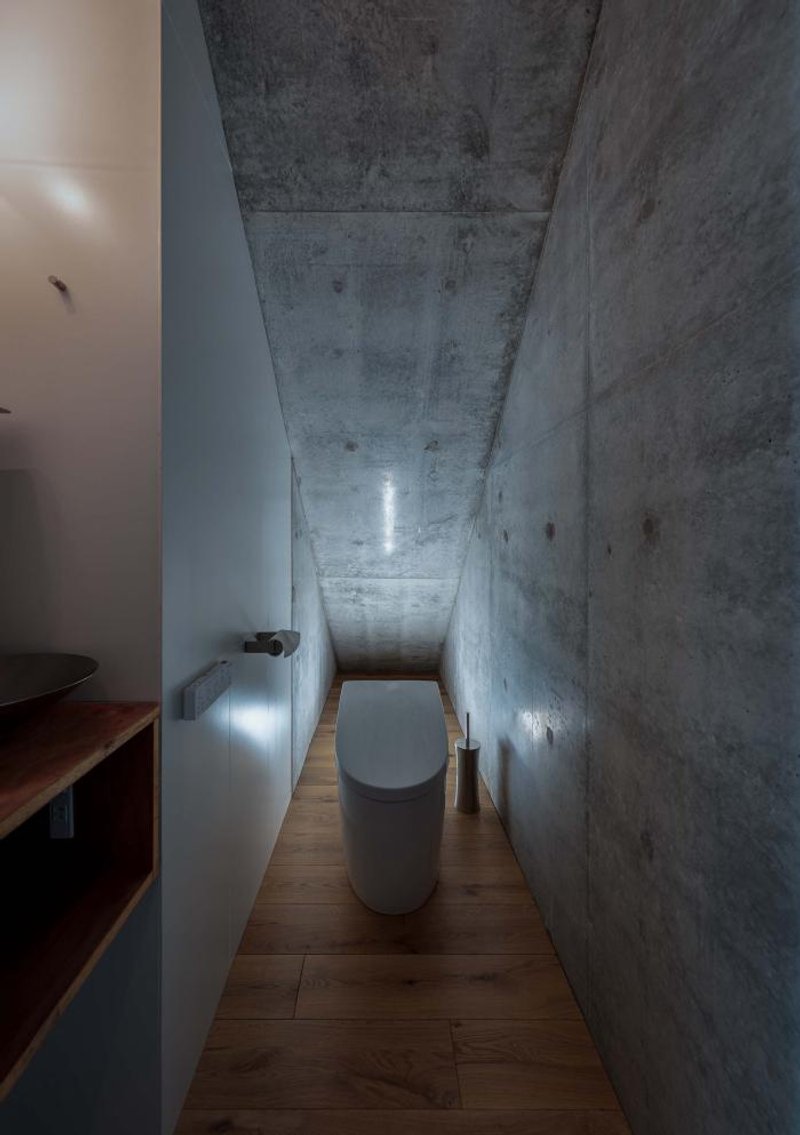
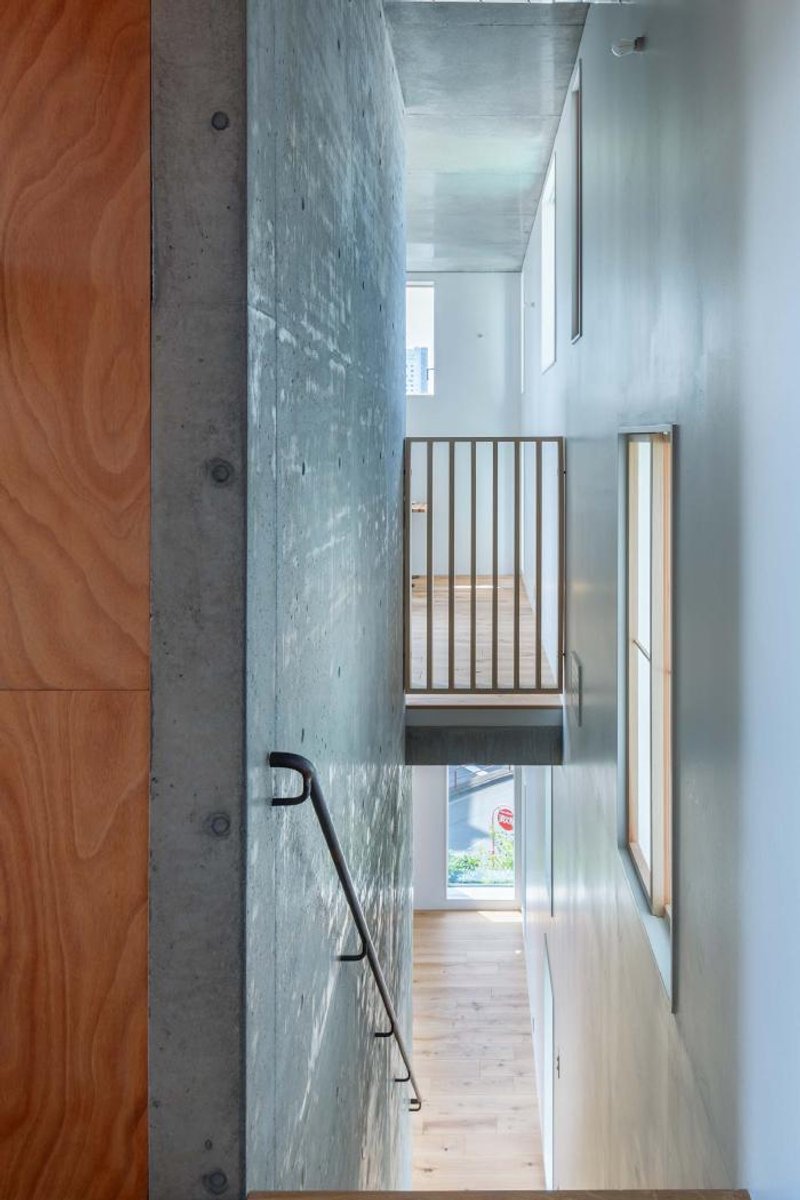
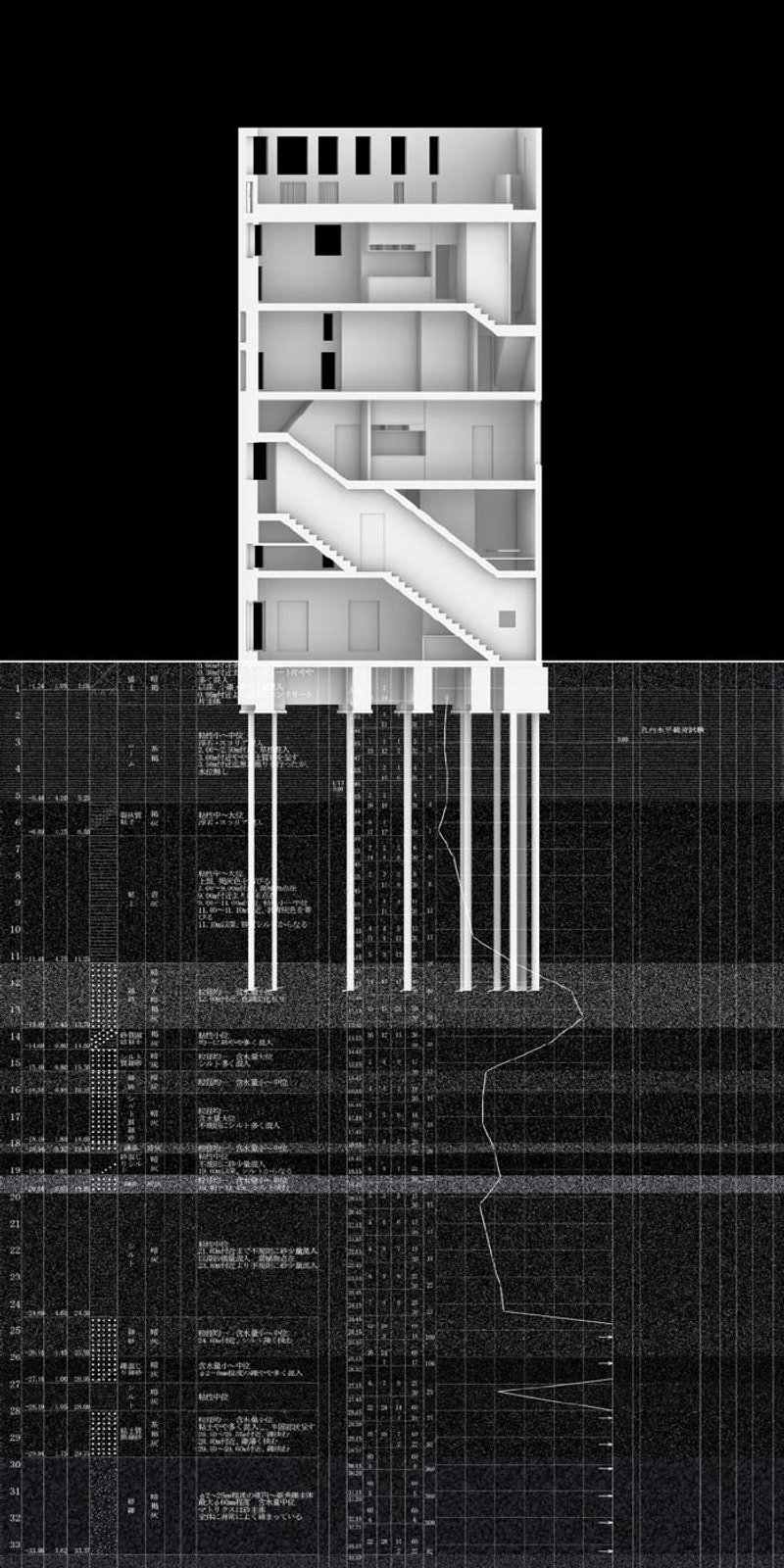
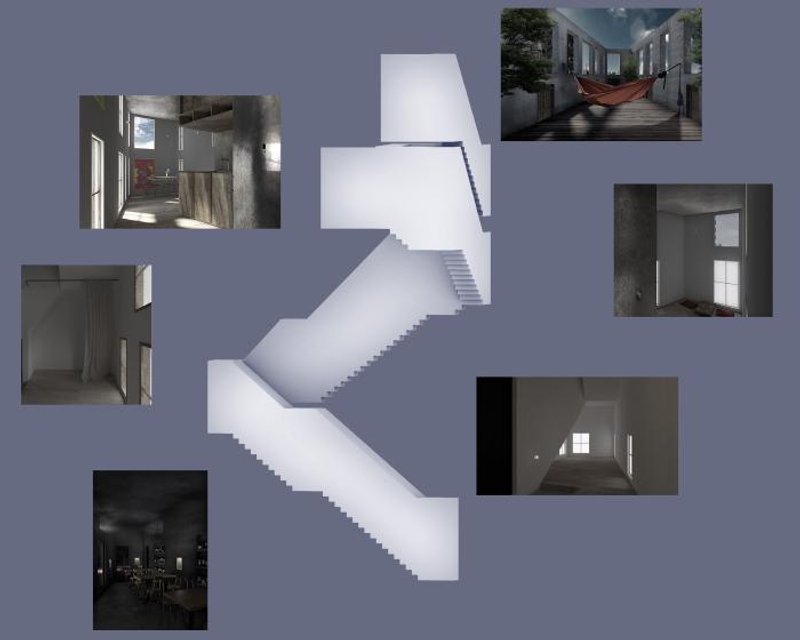
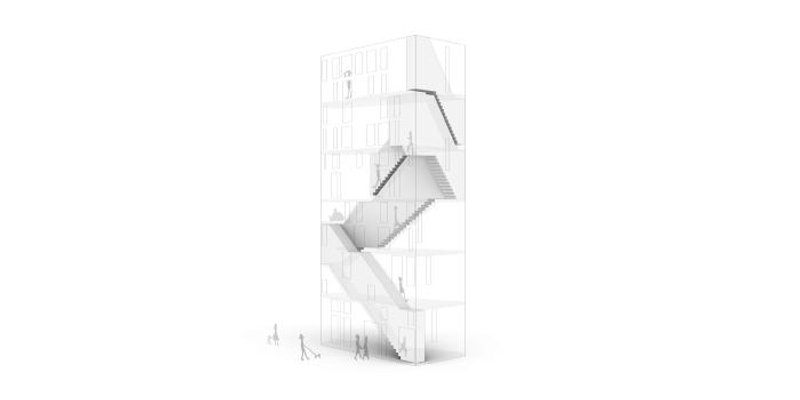
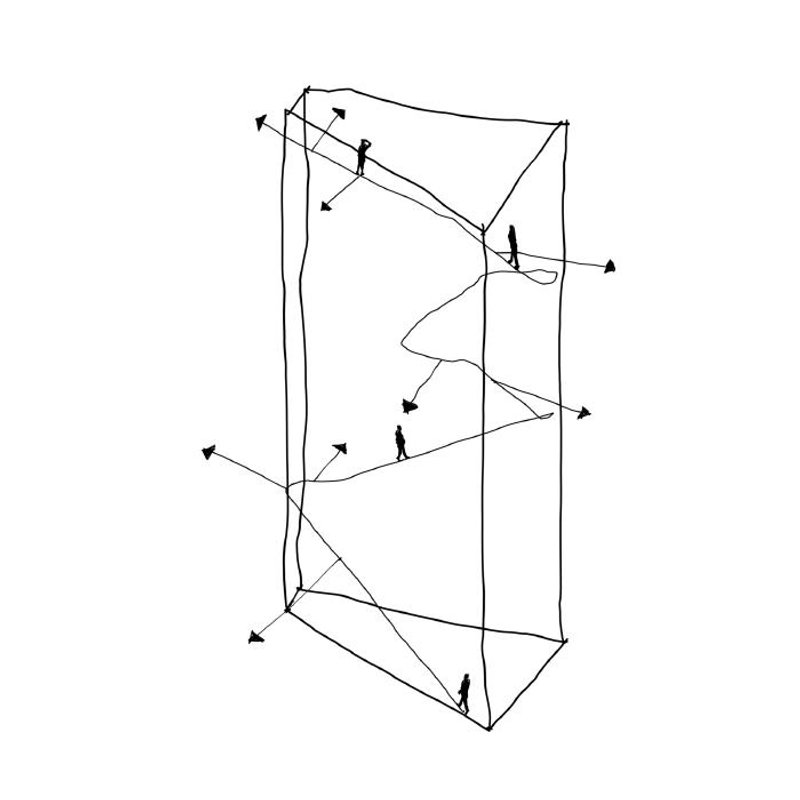
Unconventionally, the architects dissolved the traditional core structure to give rise to an inventive circulation system. Stairs ascend and descend around the building's periphery, offering an experience akin to wandering through Tokyo's residential back alleys that bridge the city's diverse scales. This approach transforms the building's entrance into a journey of exploration.
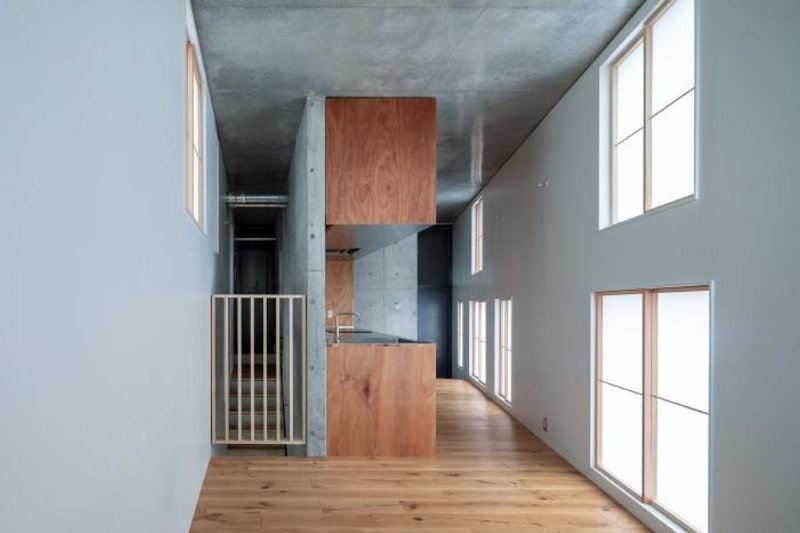
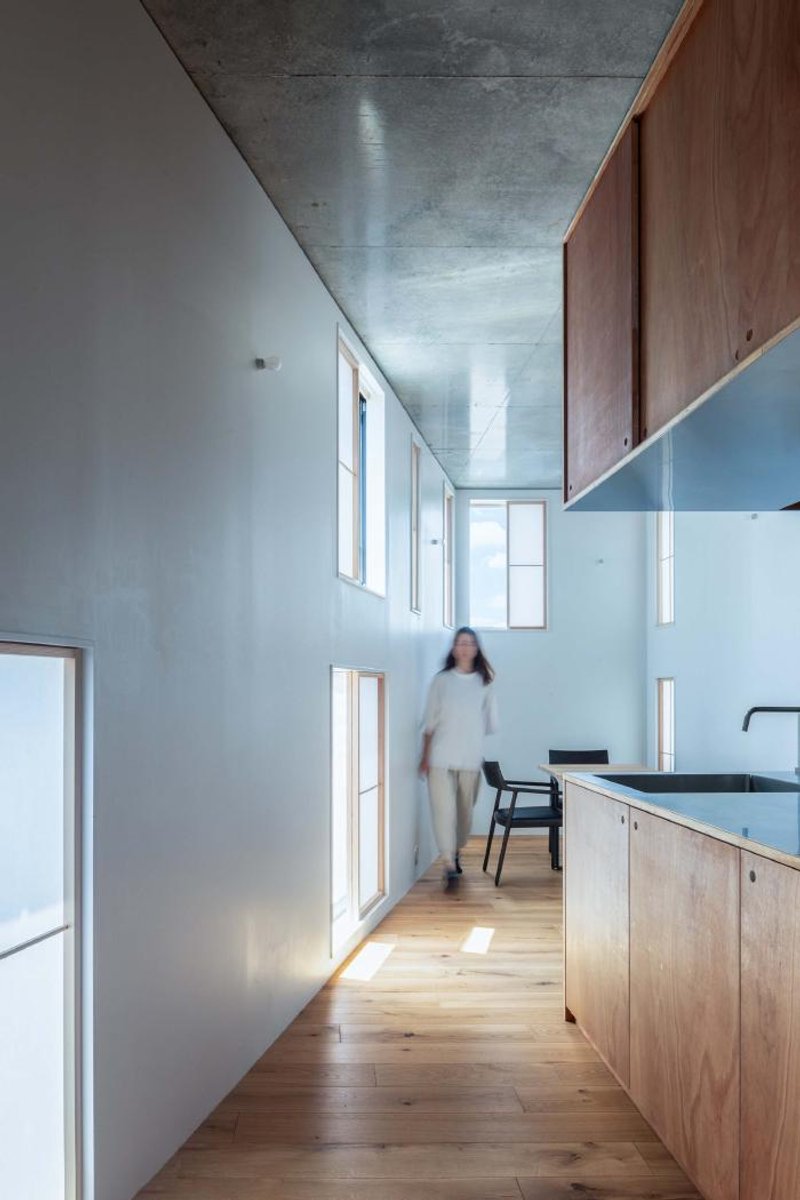
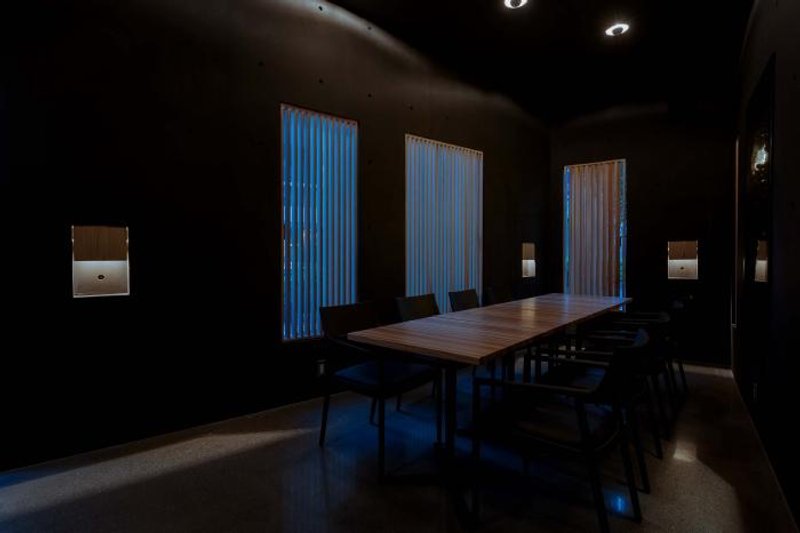
While appearing unassuming from the exterior, the Nobori Building conceals a realm of complexity within. The stair path intersects the levels at various points, leading to unique floor layouts. Vertical generosity allows for interstices between stair volumes and slabs, enabling unexpected usages and enhancing the overall spatial experience.
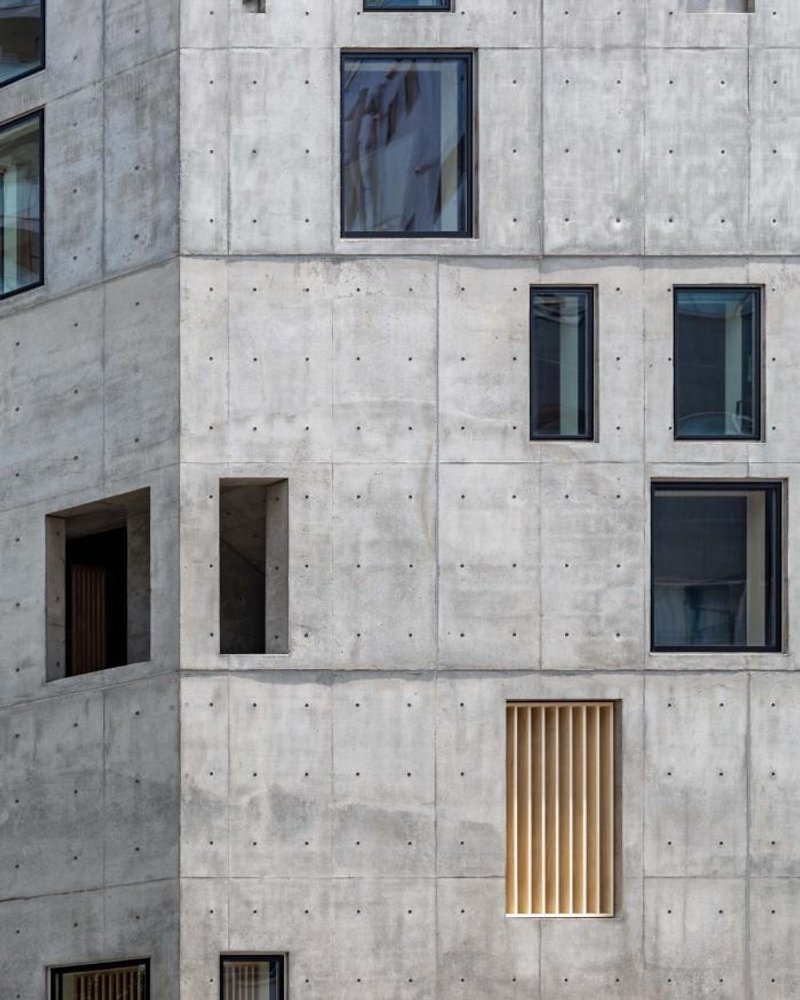
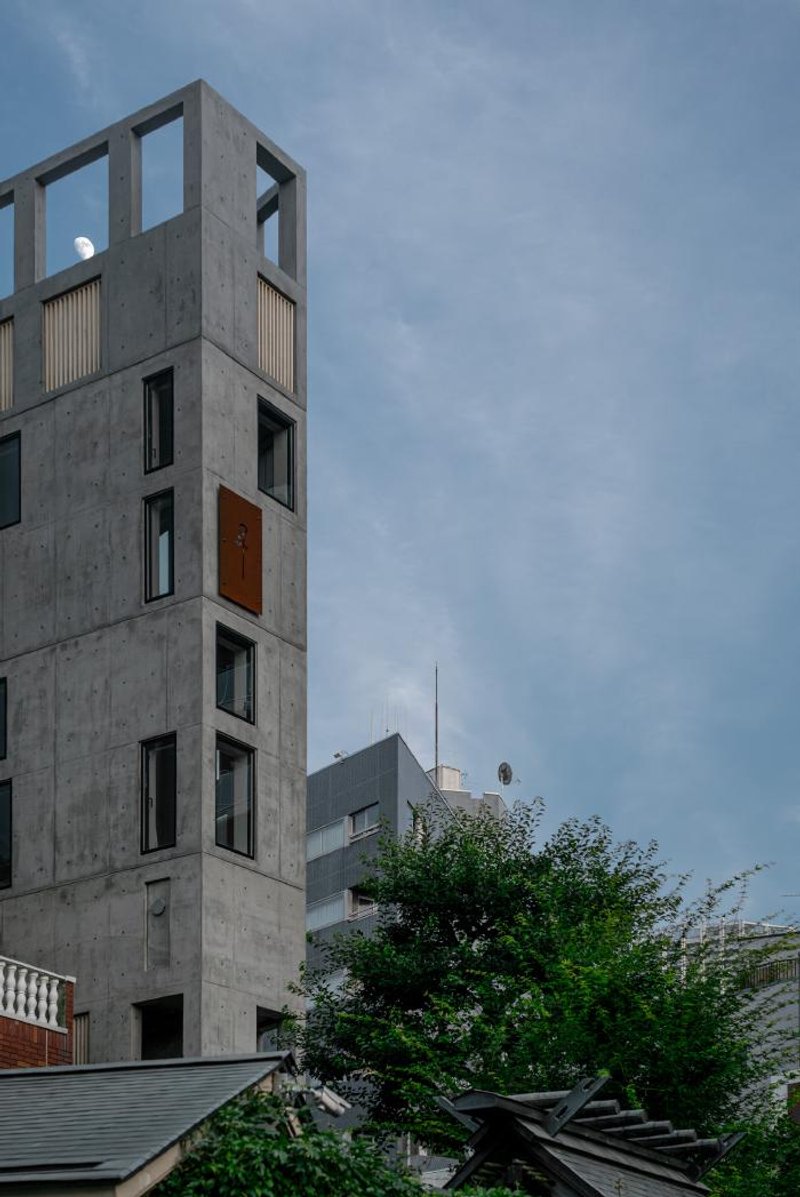
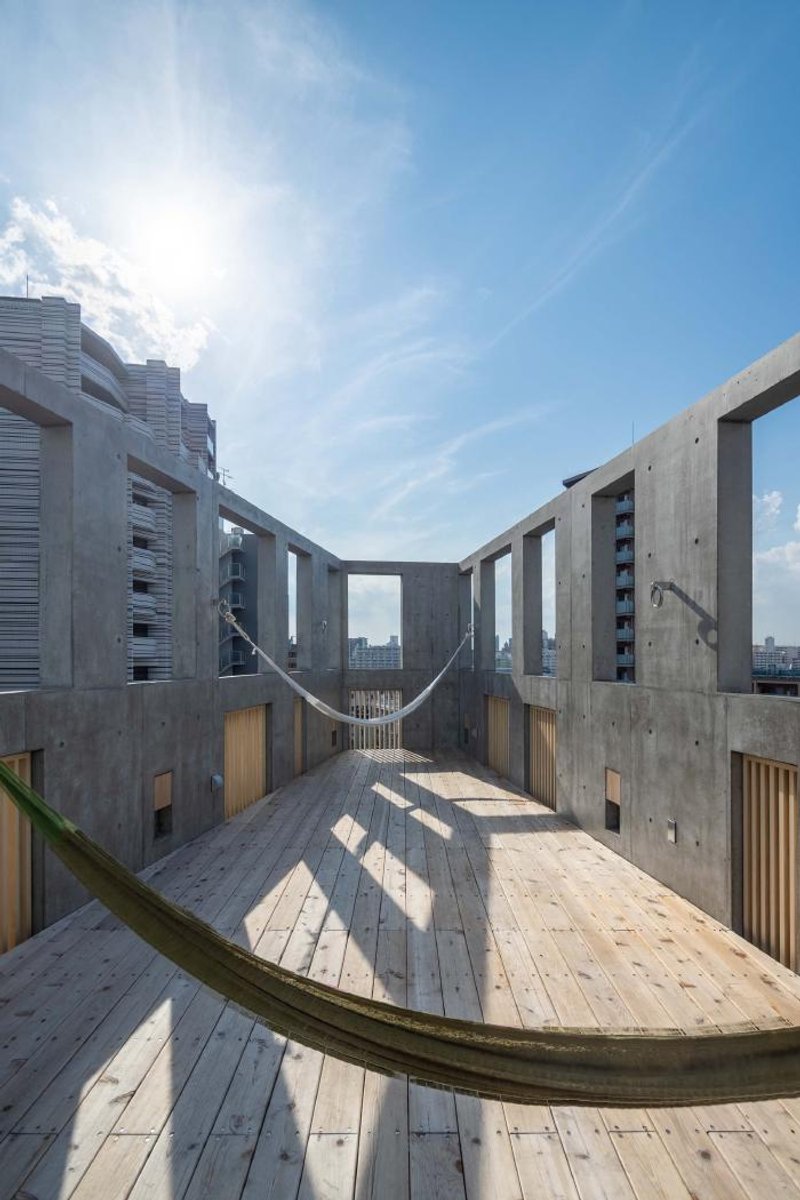
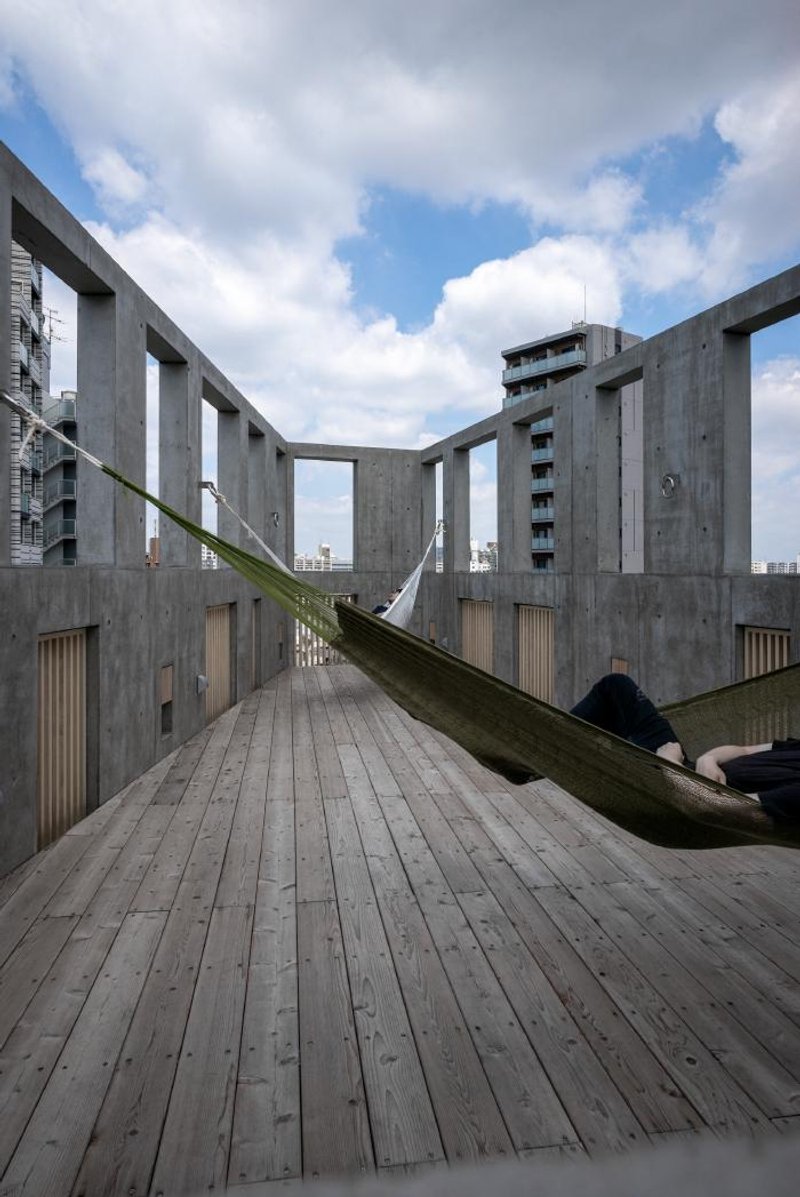
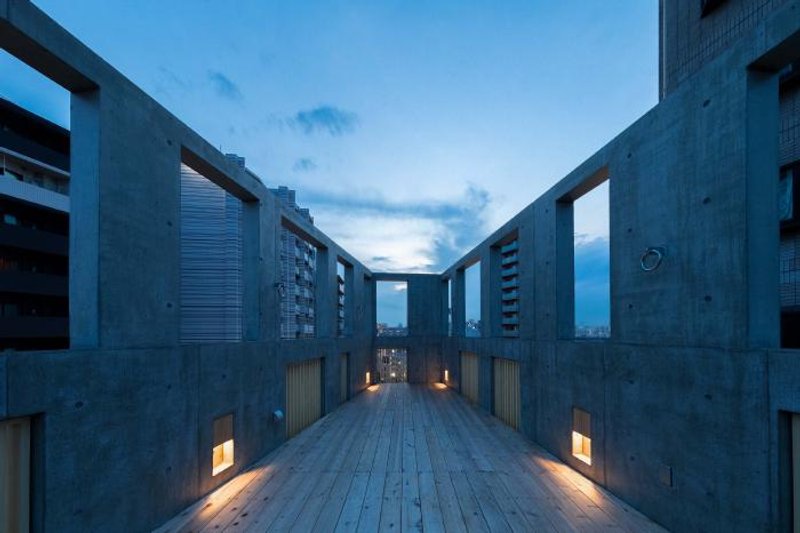
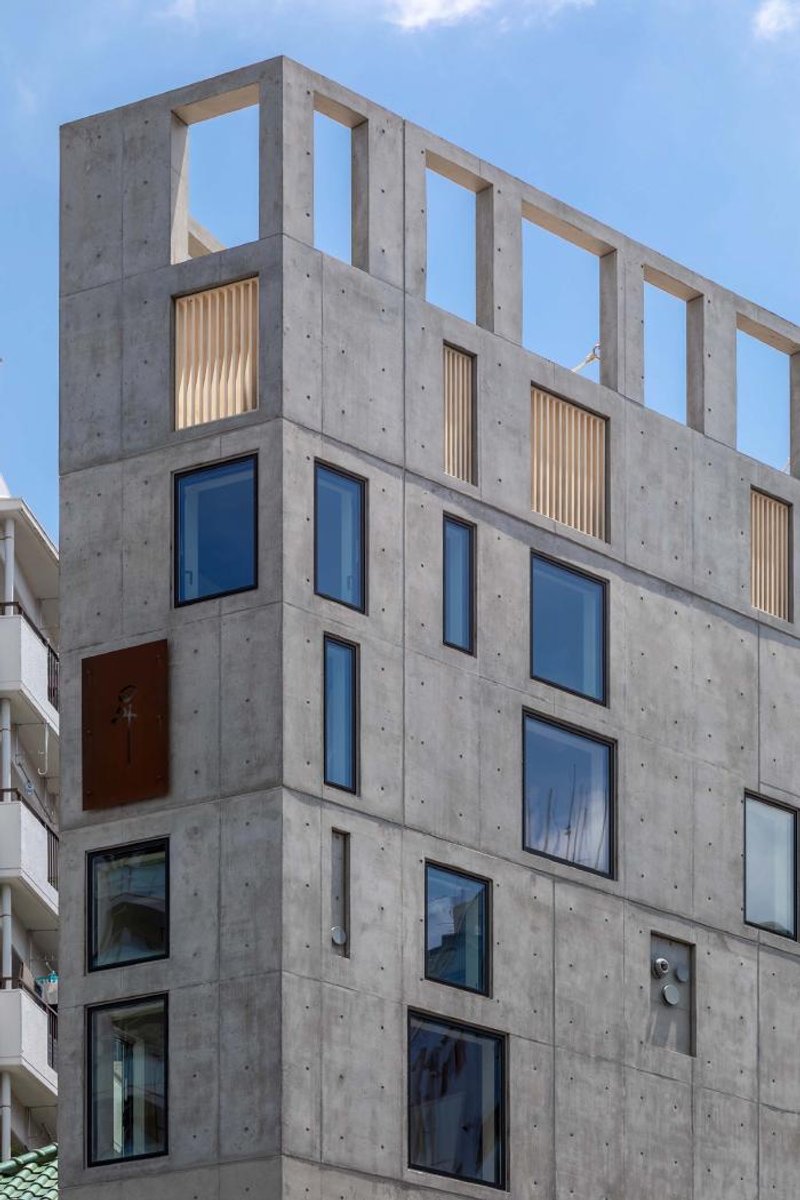
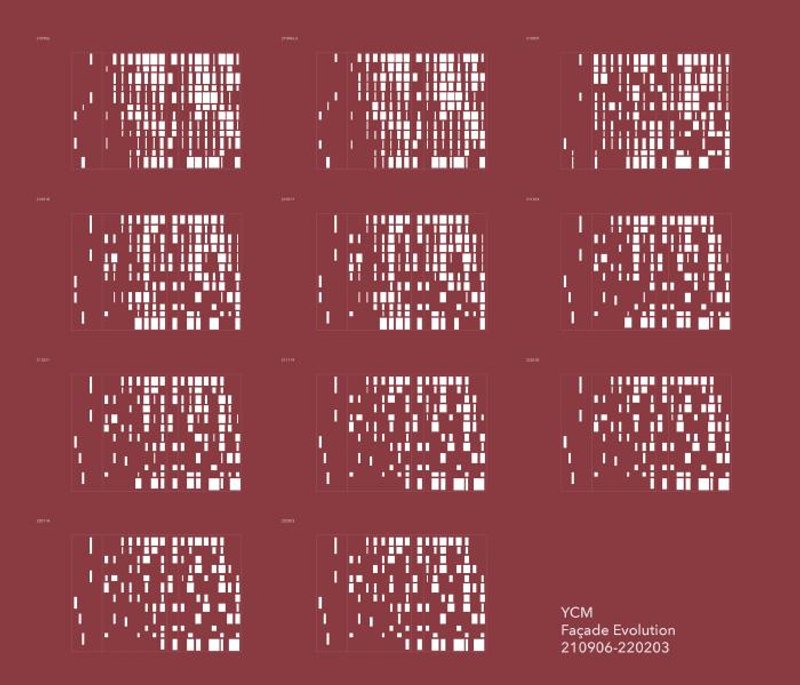
The façade of the Nobori Building serves as an artistic canvas, showcasing spatial ambiguity and polyvalence. The building's scale allows the external skin to bear structural loads, providing the architects with the freedom to create a play of openings, porosity, and adaptability. This dynamic approach evolves throughout the design process, expertly balancing multiple constraints such as structure, views, lighting, ventilation, and budget.
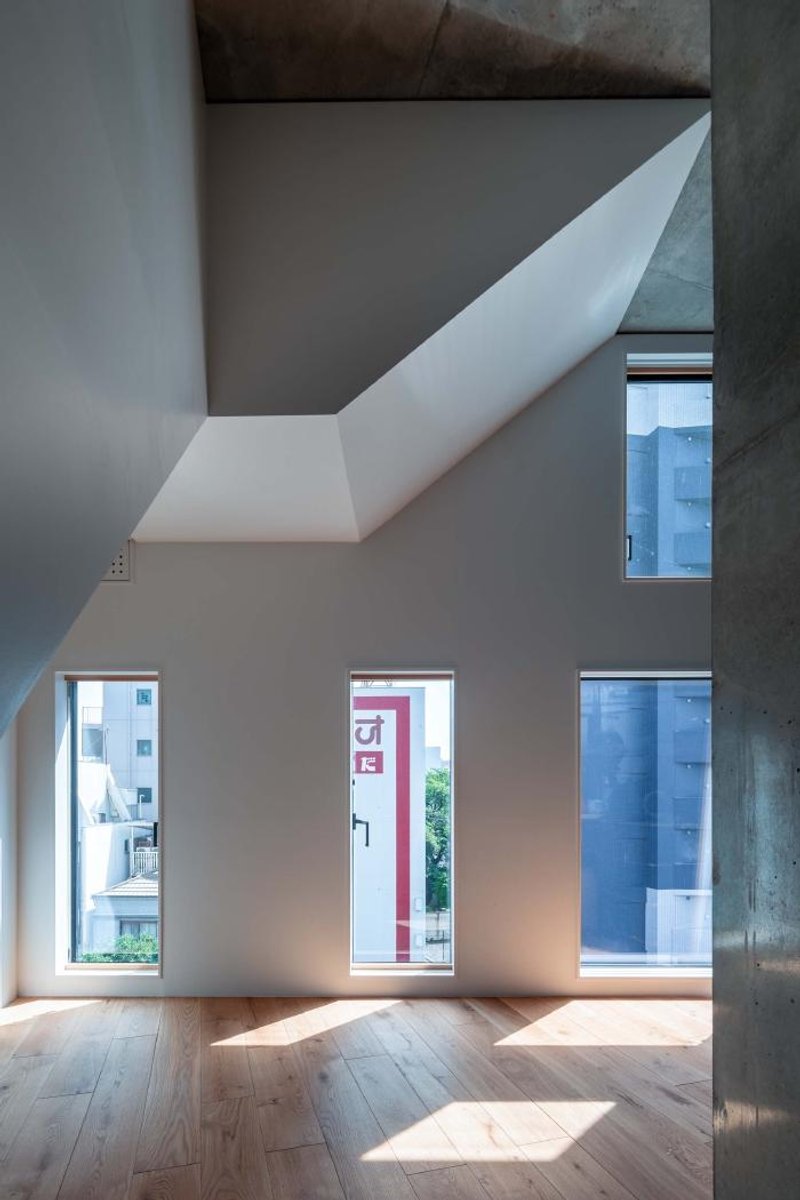
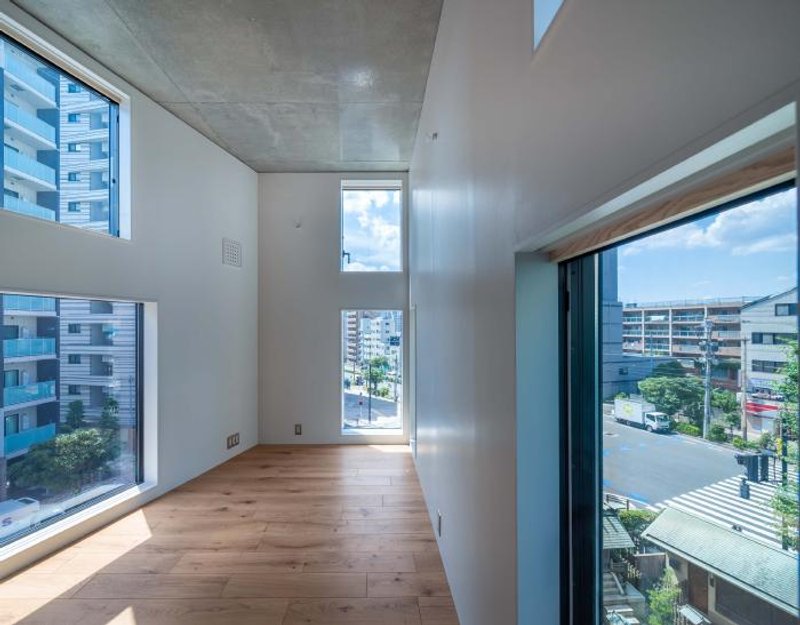
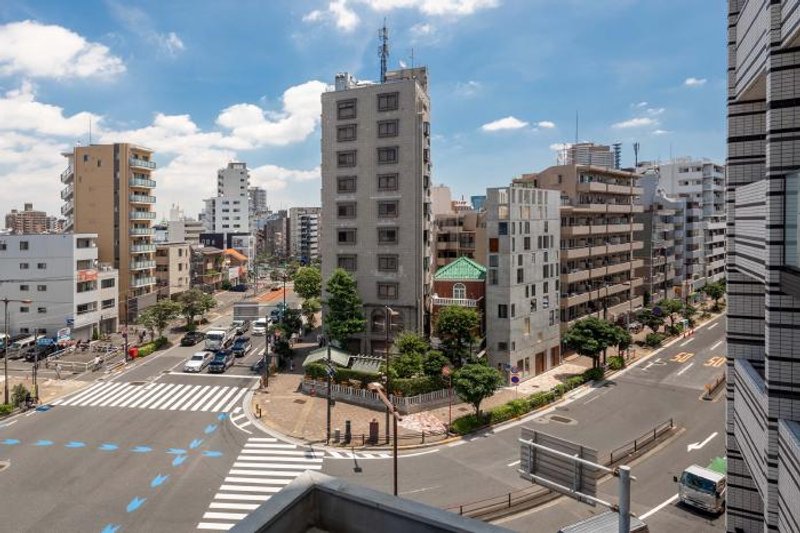
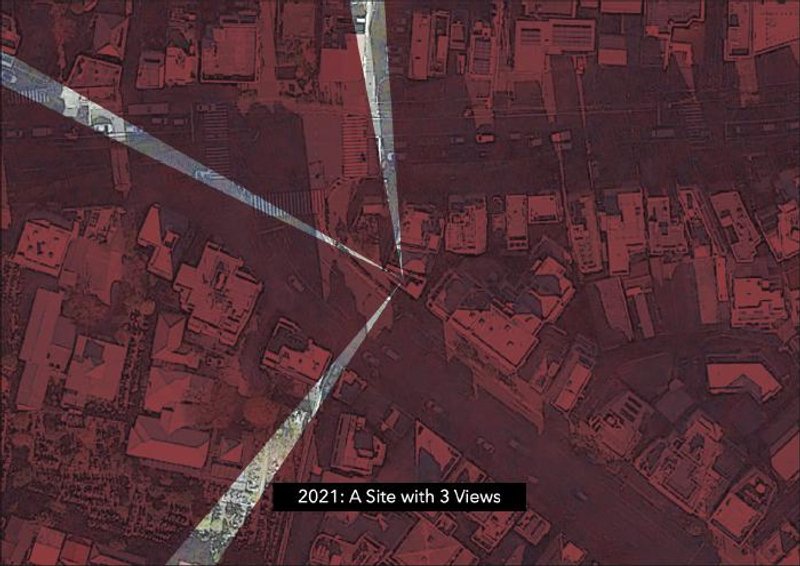
While the bustling Tokyo of today vastly differs from the serene nature of the past, Nobori Building's strategic design still captivates its surroundings. As the building ascends, capturing diverse frames of the city, echoes of Yoshiie's strategic advantage can still be felt. View corridors reveal Tokyo's vastness, providing a fresh perspective on the ever-evolving urban landscape.







Popular Articles
Popular articles from the community


Solar Steam: A Climate-Responsive Architecture That Redefines the Monument
A climate-responsive memorial architecture that transforms heat, decay, and time into a living system reflecting humanity’s ecological impact.
On the Brooks House by Monsoon Collective – A Contemporary Kerala Home Rooted in Tradition
Kerala home blending tradition and modernity with water-inspired design, brick architecture, courtyard planning, and sustainable rainwater harvesting strategies.
Inverted Architecture Installation by Studio Link-Arc: Exploring the Intersection of Architecture and Living Organisms
Inverted Architecture Installation by Studio Link-Arc blends mycelium, sustainability, inverted design, ecological cycles, and urban adaptive architecture in Shenzhen.
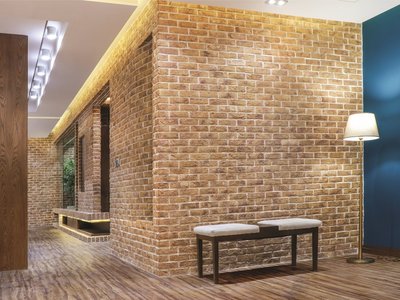
A Contemporary Take on Iranian Residential Architecture
A modern interior design in Mashhad that reinterprets brick, light, and spatial flow to create a warm, contemporary residential architecture.


Similar Reads
You might also enjoy these articles
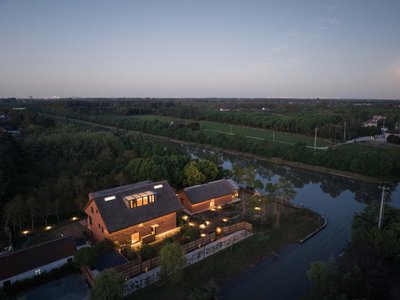
SOM LAND Hotel by RooMoo: A Sustainable Retreat Rooted in Nature and Local Craft
Sustainable boutique hotel in Shanghai blending adaptive reuse, natural materials, vernacular craftsmanship, and slow living within a serene countryside landscape.
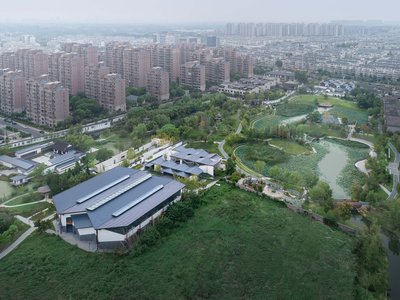
Zhuxi Wonderland: Reimagining Traditional Chinese Gardens by Doarchi Architects
Zhuxi Wonderland by Doarchi Architects reinterprets traditional Yangzhou gardens, integrating courtyards, pavilions, and tea houses in modern cultural design.
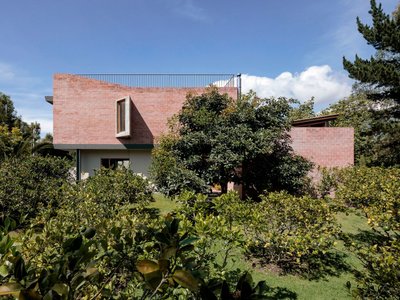
Doble Soga House: A Contemporary Brick Residence Rooted in Landscape in Quito, Ecuador
Brick house in Quito integrating nature, flexible living spaces, exposed materials, and rooftop terrace, creating warm contemporary architecture for modern family life.
Al Gharra Mosque in Medina Redefining Contemporary Islamic Architecture
Minimalist Medina mosque using concrete, light, and landscape to reinterpret Islamic worship spaces through symbolic spiritual transitions and contemporary architecture.


Explore Architecture Competitions
Discover active competitions in this discipline




The International Standard for Design Portfolios


The Global Benchmark for Architecture Dissertation Awards


The Global Benchmark for Graduation Excellence


Challenge to reimagine the Iron Throne
Comments (0)
Please login or sign up to add comments
No comments yet. Be the first to comment!