
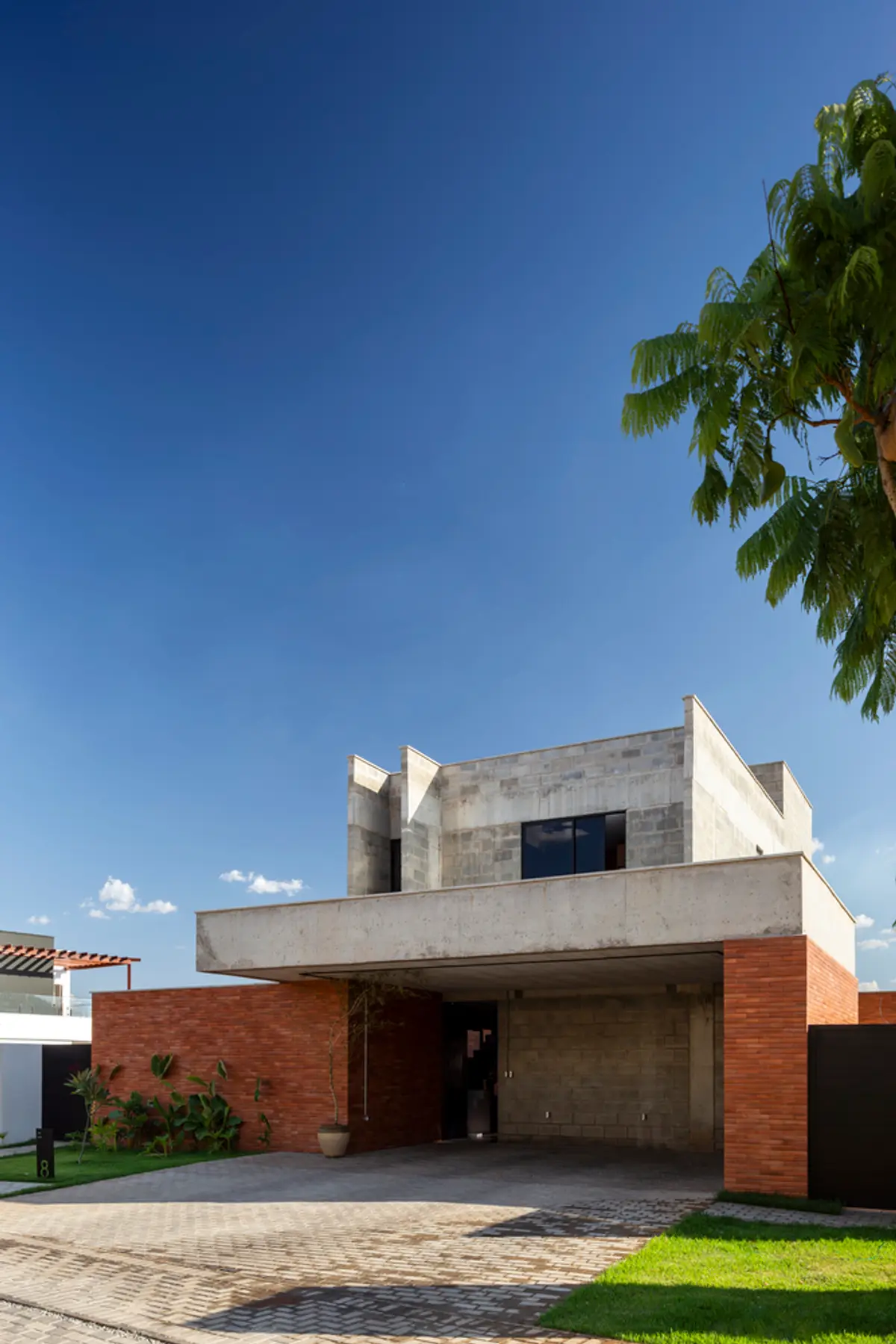
Vão House: A Case Study in Contemporary Design
Discover the innovative design and sustainable principles of Vão House, a standout example of contemporary Brazilian architecture.


Modern architecture in Brazil is celebrated for its innovative use of space, sustainable solutions, and bold materiality. Among the shining examples is Vão House, a project by FB+MP Arquitetos Associados, located in Cidade Kariris, Brazil. With its purist design and strategic planning, Vão House demonstrates the essence of contemporary Brazilian architecture.
This article explores the intricate details of Vão House, its design principles, and the broader architectural movement it represents.
What Defines Contemporary Brazilian Architecture?
1. Materiality and Minimalism
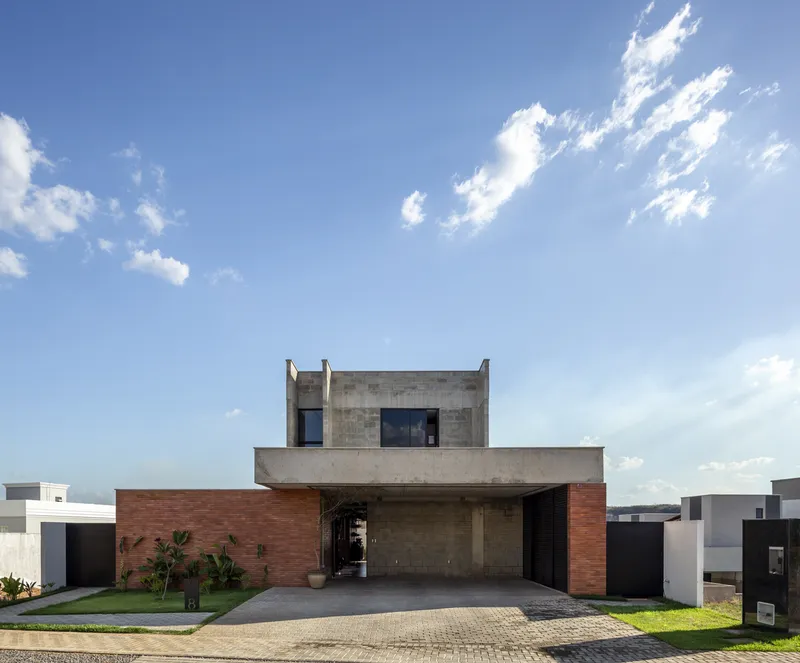
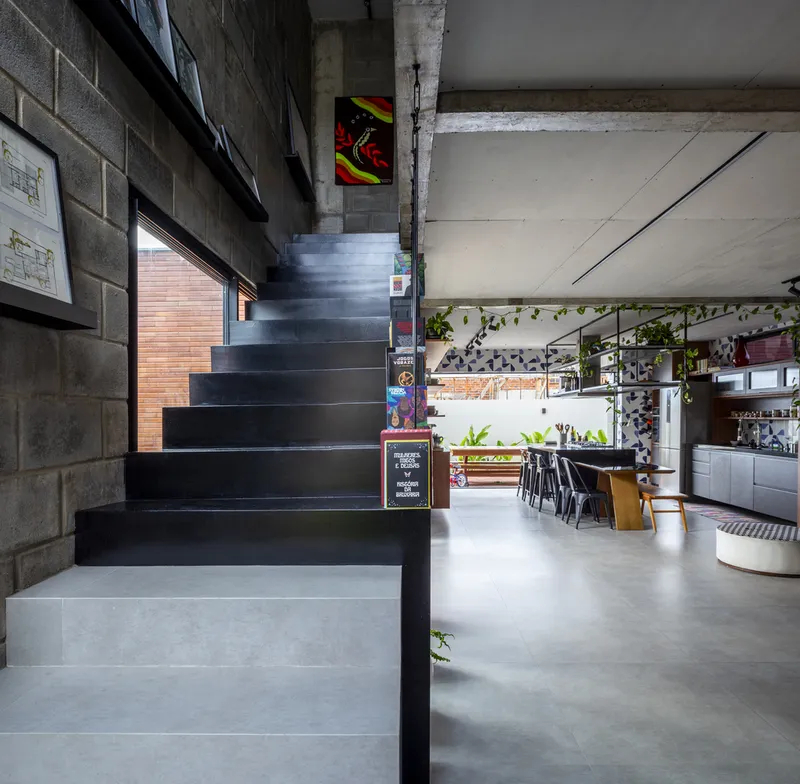
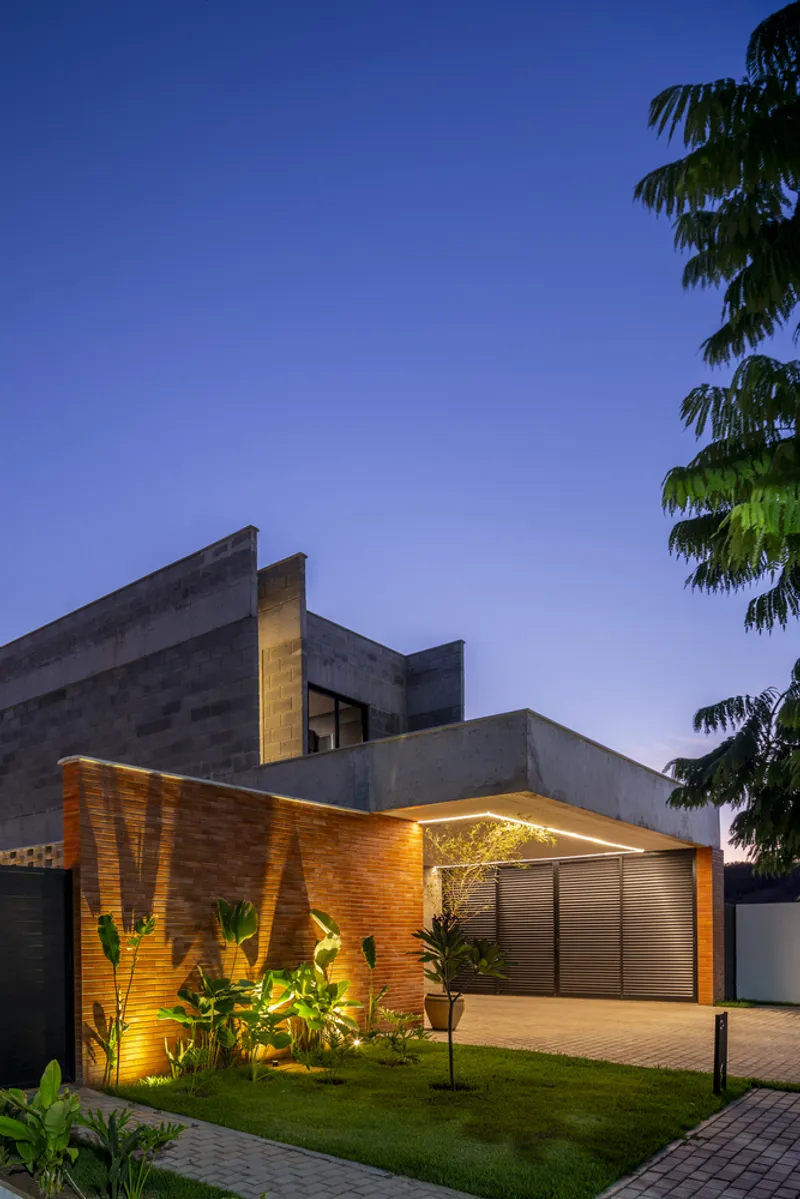
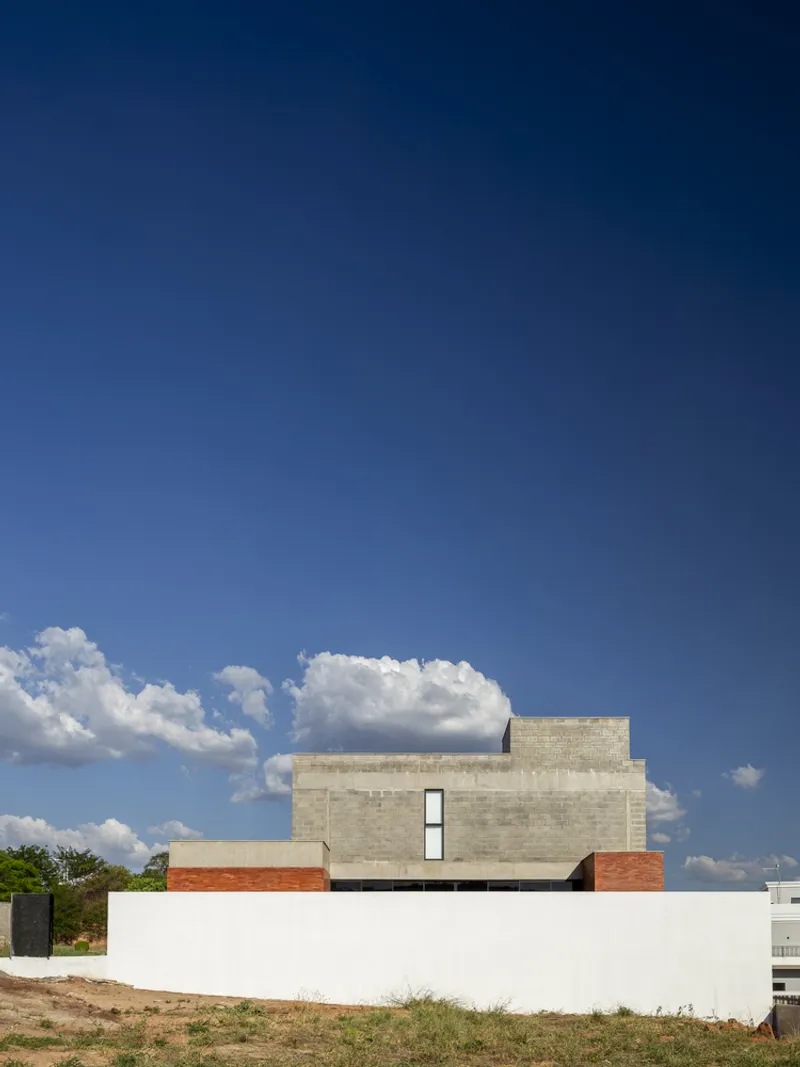
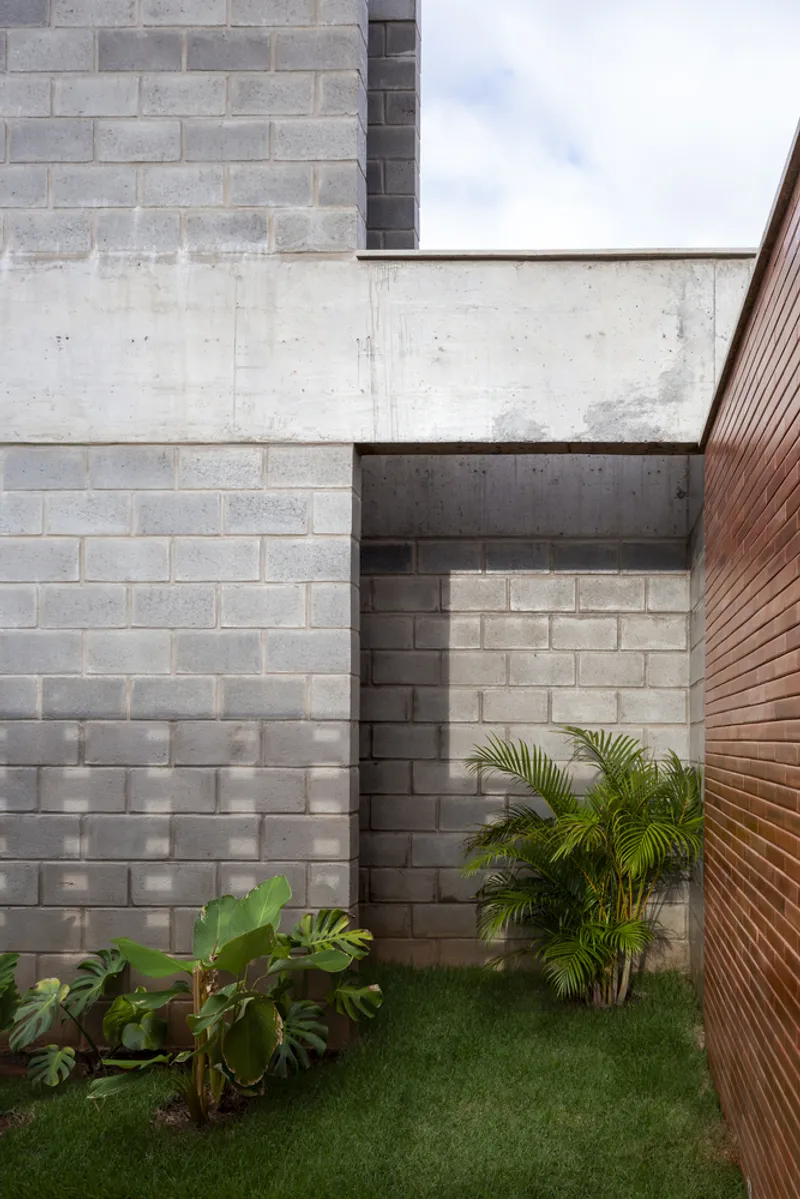
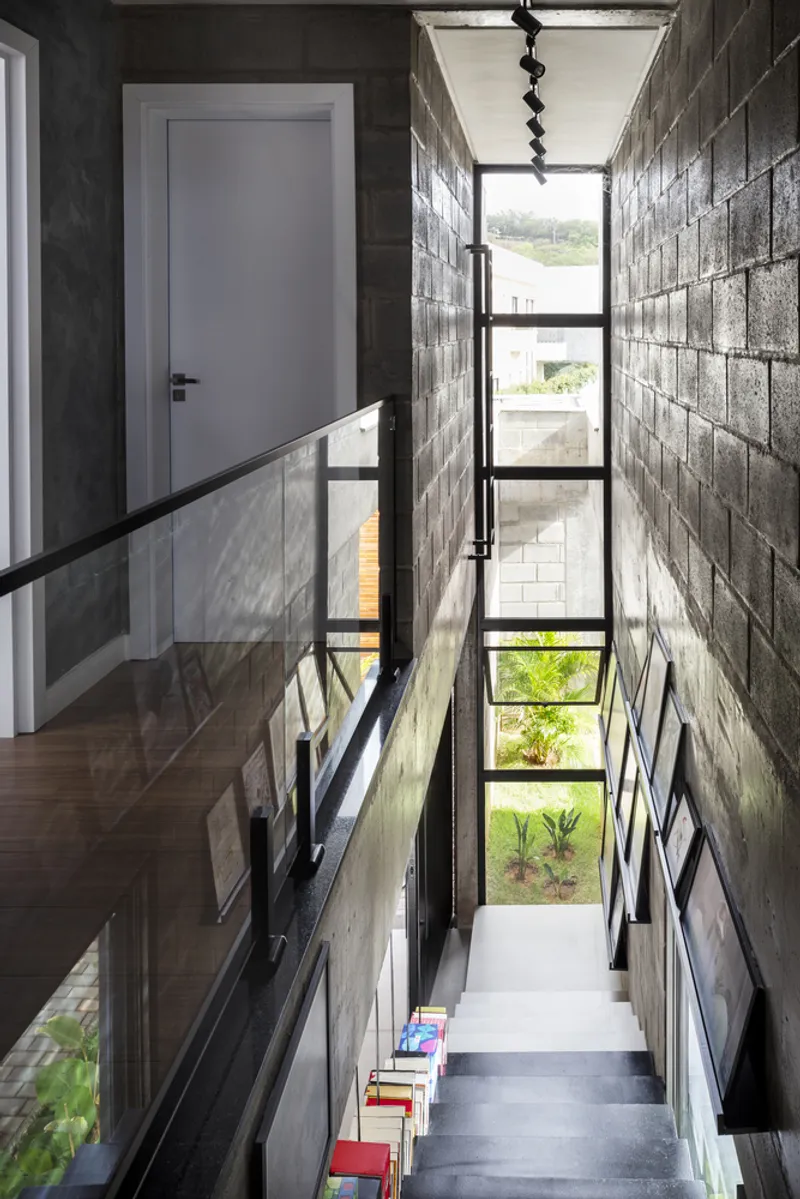
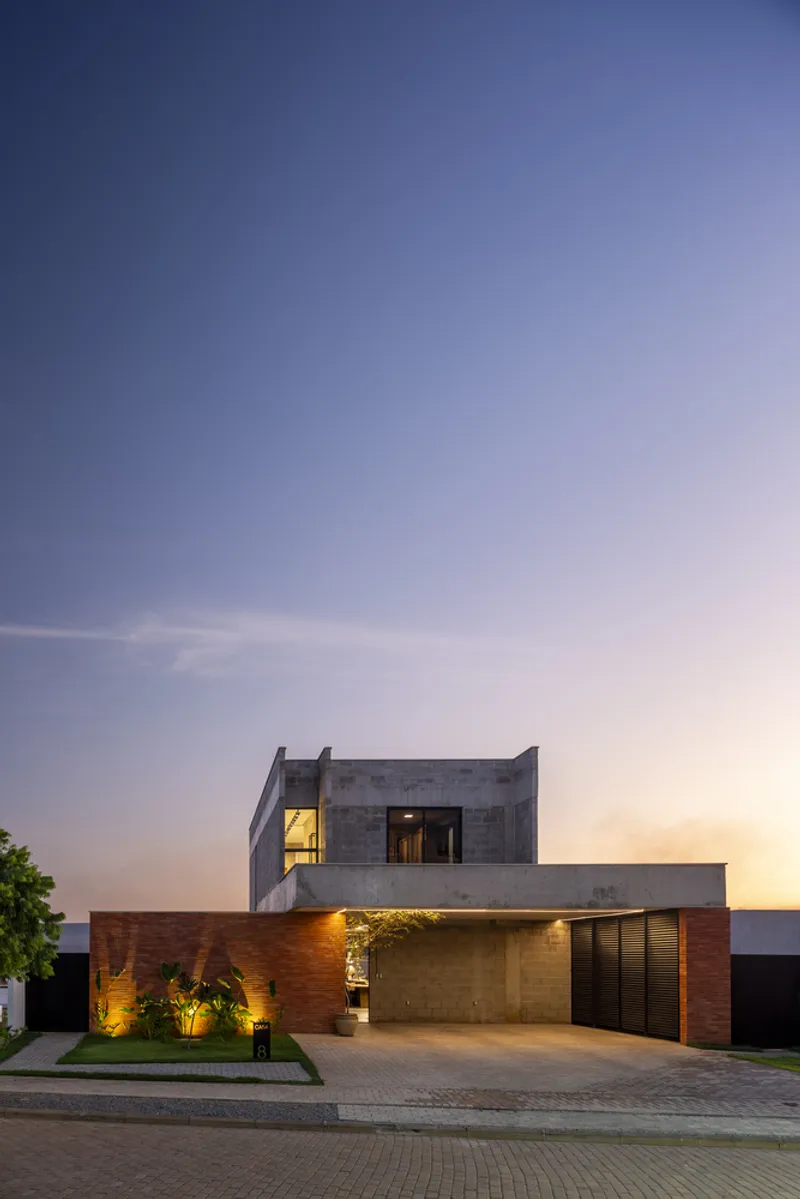
Brazilian architecture often highlights raw materials such as concrete, red clay, and natural wood. These materials, prominently featured in Vão House, emphasize durability and align with the principles of brutalism and industrialism.
2. Integration with Nature
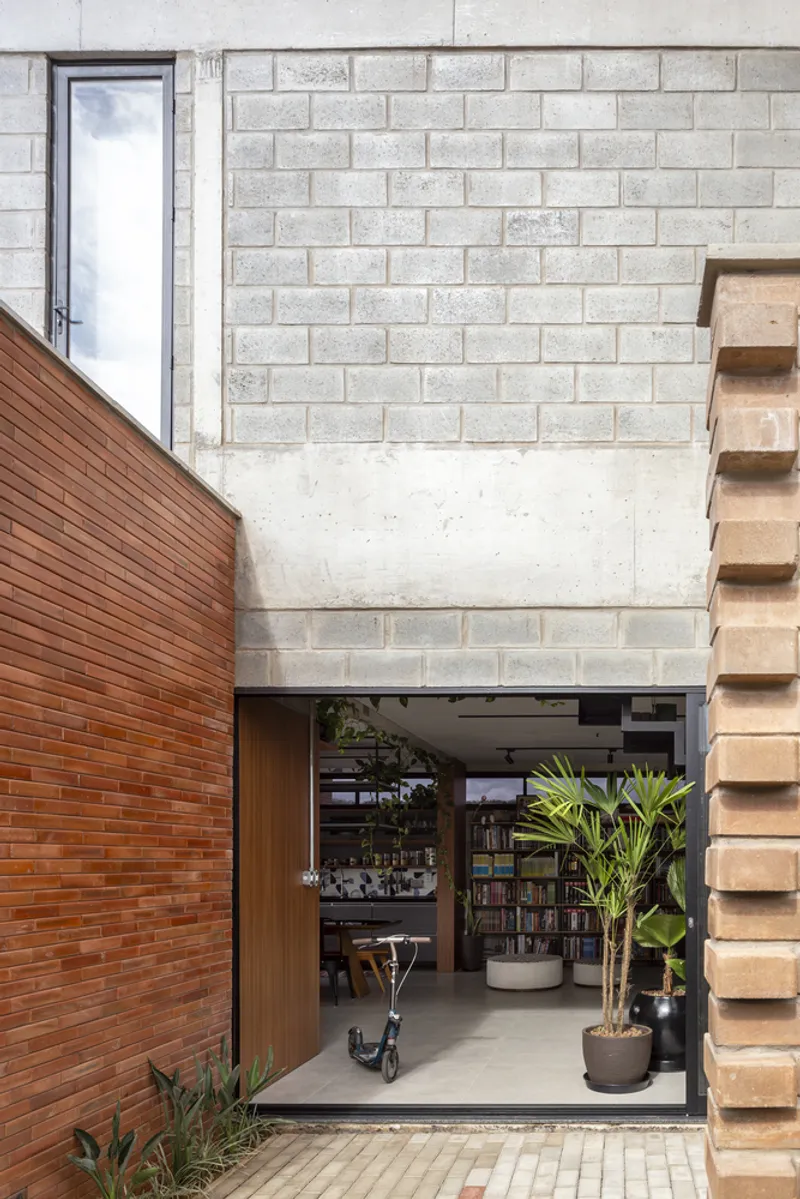
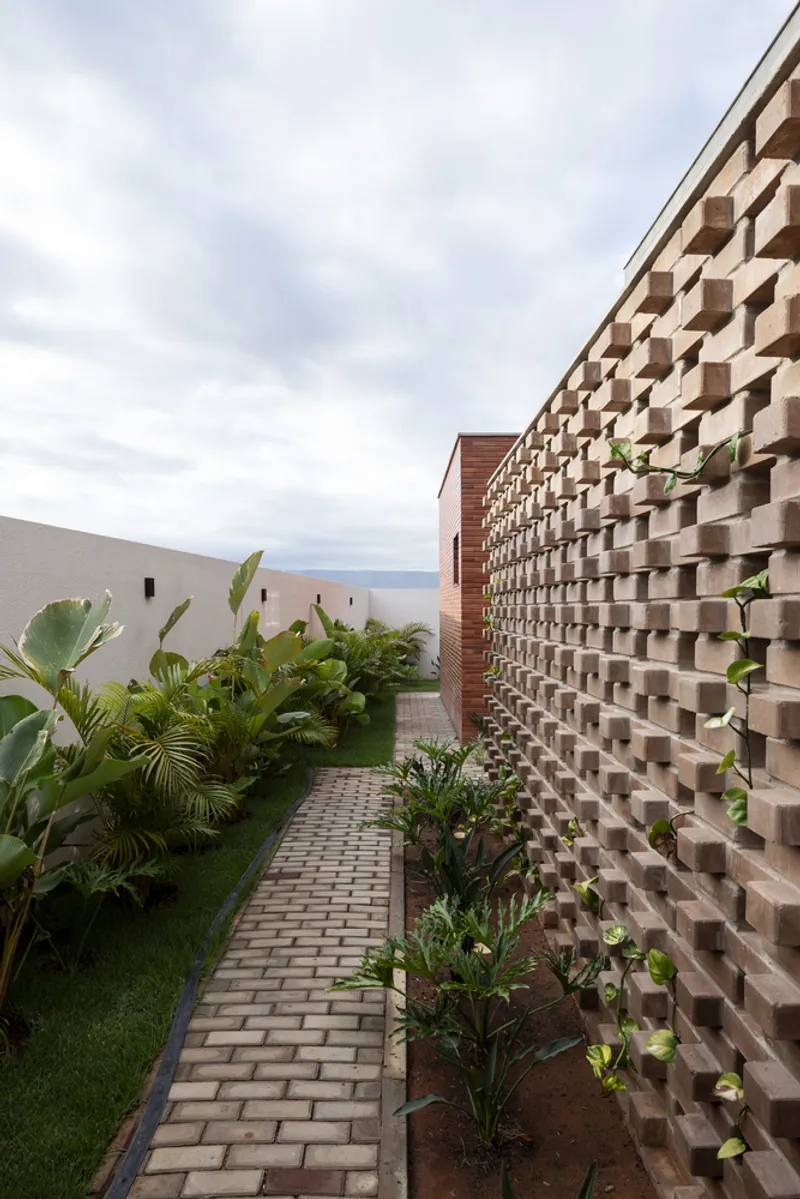
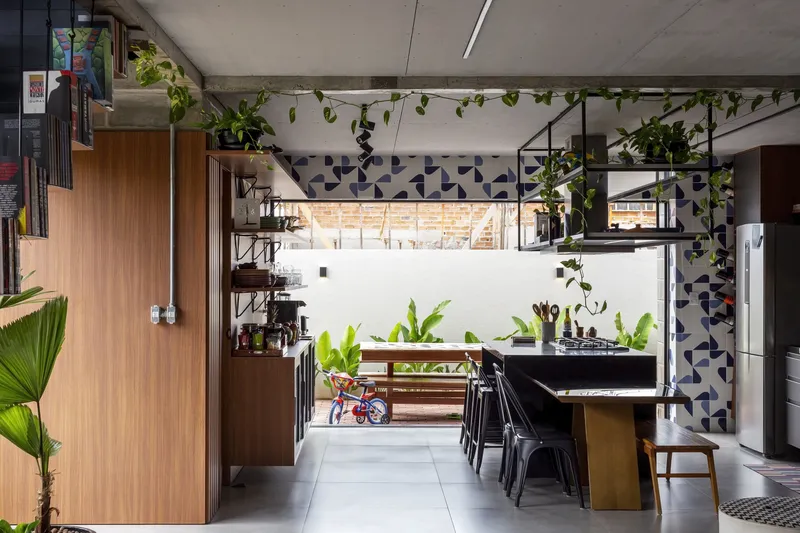
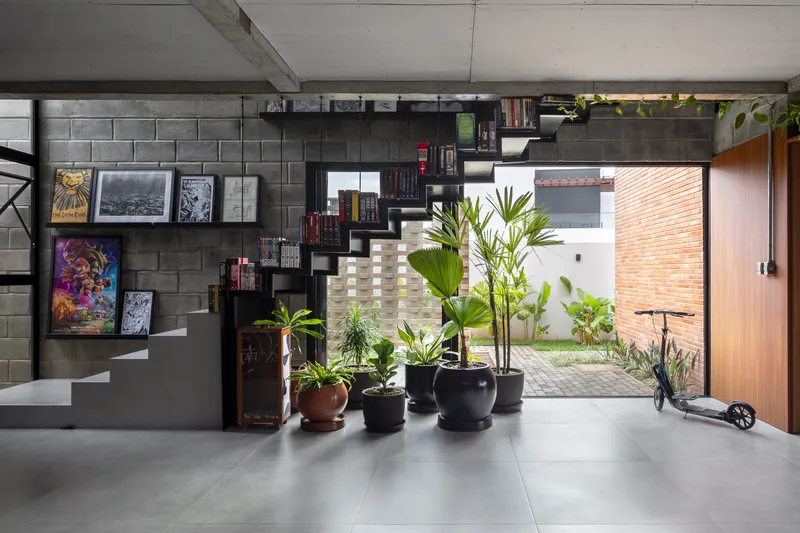
One hallmark of modern Brazilian design is the seamless integration between indoor and outdoor spaces. Vão House achieves this by incorporating openings that invite natural light and ventilation while maintaining privacy. This approach makes the home energy-efficient and comfortable, even in Brazil's tropical climate.
Vão House: A Case Study in Contemporary Design
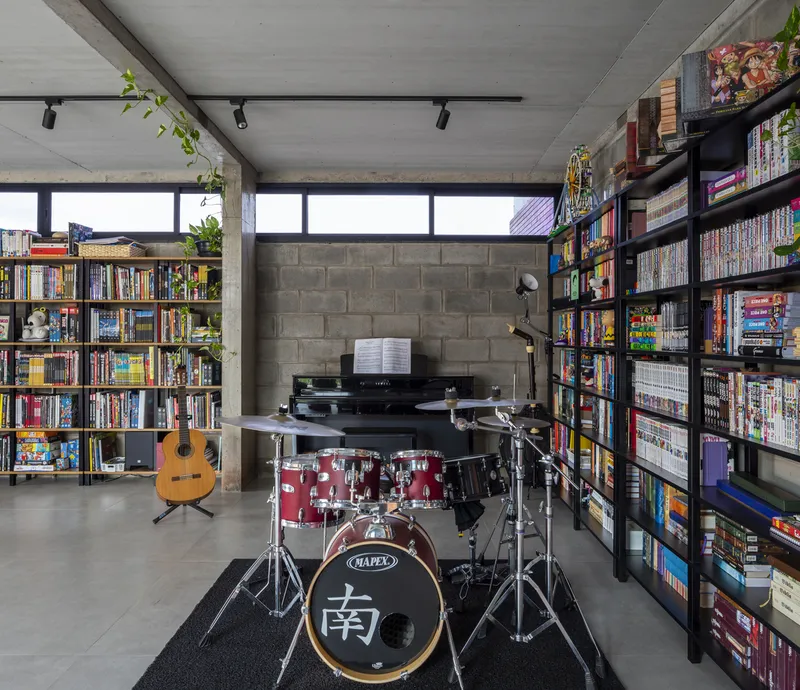
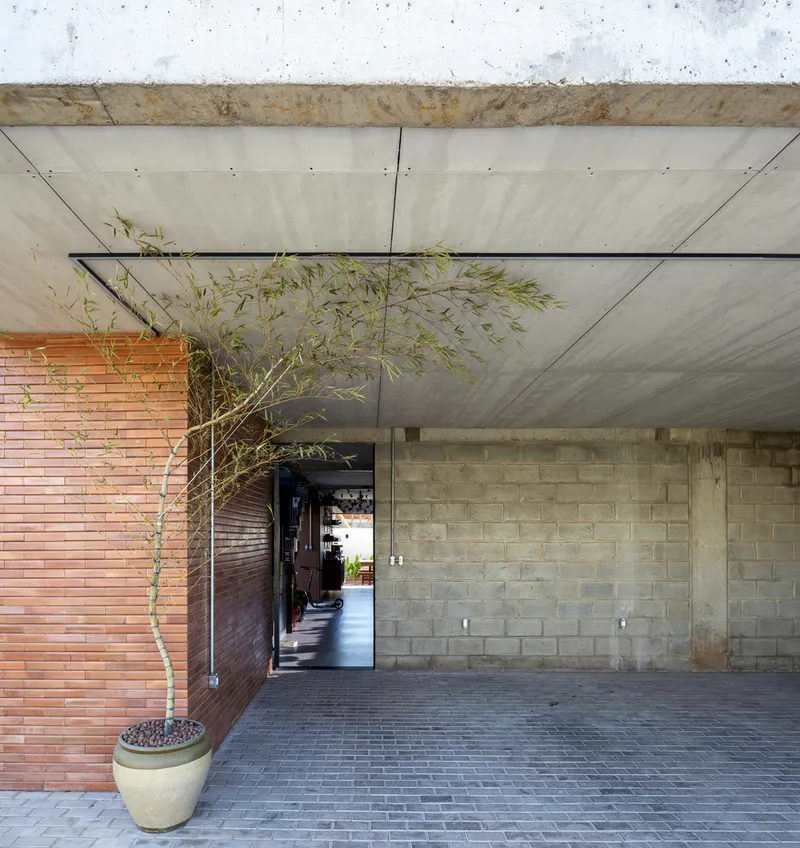
Situated on a plot with limited dimensions, Vão House maximizes functionality. The ground floor serves as a communal space, with open layouts and only three enclosed areas for utility purposes:
- Garage
- Office
- Service Area
The upper floor hosts the private quarters, including three suites, offering a clear distinction between social and intimate zones.
Architectural Principles
The design adheres to:
- Openness: Large, unpartitioned spaces enhance social interaction.
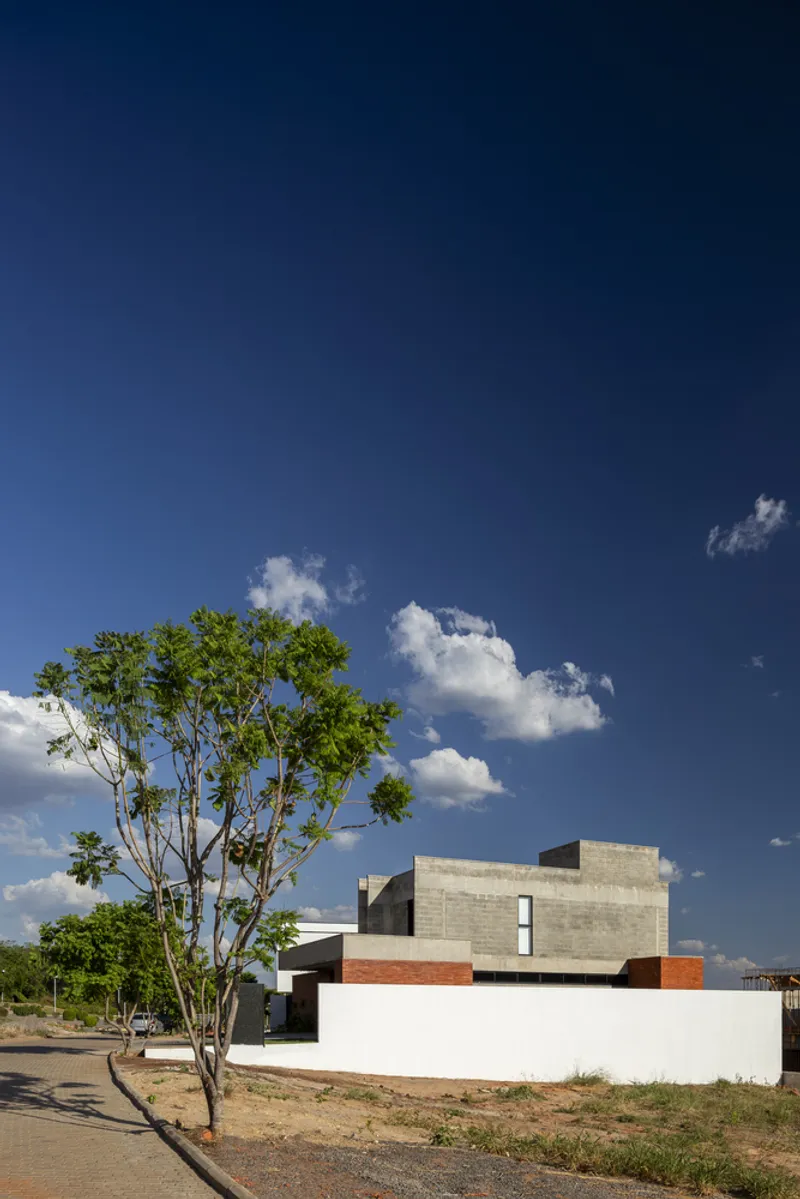
- Privacy: Blind facades block external views while interior openings ensure light and airflow.
- Sustainability: Passive cooling techniques minimize reliance on artificial climate control.
Sustainability in Contemporary Brazilian Architecture
Natural Light and Ventilation
Vão House exemplifies how thoughtful architecture can reduce environmental impact. With strategically placed windows and openings, the house uses minimal artificial lighting during the day and benefits from cross-ventilation to stay cool.
Exposed Materials
The use of exposed red clay tiles and concrete blocks reduces the need for additional finishes, making the construction process both cost-efficient and environmentally friendly.
The Role of Aesthetics in Vão House
Brutalism Meets Industrialism
Vão House combines the raw, geometric forms of brutalism with the functionality of industrial design. This blend creates a visually striking yet practical home, resonating with modern architectural trends.
Color Palette and Textures
The earthy tones of clay tiles contrast beautifully with the gray hues of concrete and steel, giving the house a warm yet contemporary feel.
Vão House as a Beacon of Contemporary Brazilian Architecture
The Vão House by FB+MP Arquitetos Associados is more than just a home—it is a testament to the possibilities of modern architecture in Brazil. By prioritizing sustainability, functionality, and a strong connection to the surrounding environment, the house encapsulates the principles of contemporary Brazilian architecture.
As Brazil continues to inspire with its innovative designs, projects like Vão House set the benchmark for future architectural endeavors.
All Photographs are work ofIgor Ribeiro


Popular Articles
Popular articles from the community


Little Red Riding Hood: Architectural Design as a Journey Through Fear, Light, and Storytelling
Little Red Riding Hood reimagines the fairy tale through architectural design shaped by fear, light, scale, memory, uncertainty, and choice.

Lunar Spiral: Space Architecture Shaped by the Mathematics of the Universe
Lunar Spiral reimagines space architecture through Fibonacci geometry, lunar regolith, levitating habitats, and self-sustaining Moon living.

Hill & Cross Opera: Sculptural Opera House Architecture Shaped by Tallinn’s Landscape and Identity
Hill & Cross Opera reimagines opera house architecture in Tallinn through its sculptural hill, civic plaza, glass wave and a luminous cross.

The Ocean Hive: Sustainable Architecture for a Self-Sufficient Civilization at Sea
The Ocean Hive imagines sustainable architecture at sea, where modular habitats, algae, wave power and ocean waste sustain a growing colony.

Similar Reads
You might also enjoy these articles


Hodi-Mandai Geram
Project Function: Preservation and revitalization of the Intangible heritage and socio-spatial identity of the Hodi by Housing, Cultural Memory Center, Sacred Grove, landscape, local tourism economy


Olio Towers: A Mid-Rise for Performers That Fuses Housing, Rehearsal, and Stage
Located blocks from Houston's Theater District, this modular tower stacks living units around a central performance atrium.

Oasis: Modular Green Housing Carved into Dhaka's Urban Fabric
A shortlisted Plugin Housing entry reclaims unauthorized settlements in Dhaka with stepped concrete volumes, green roofs, and ventilation-driven design.

Black Hole: A Floating Megastructure for the Post-Physical Era
Emiliano Mazzarotto envisions a spherical, self-scaling arena where e-sports, digital hotels, and holographic stadiums replace traditional public space.

Explore Brazilian Architecture Competitions
Discover active competitions in this discipline

Challenge to reimagine the Iron Throne

Photograph architecture without architects

Illustrate the lost glory of Angkor Wat - Render Challenge

Design challenge to reuse E-waste
Comments (0)
Please login or sign up to add comments
No comments yet. Be the first to comment!