

Vennesla Church by LINK Arkitektur: A Modern Landmark of Faith and Community in Norway
Vennesla Church blends modern design with sacred tradition, offering a sustainable, community-centered space for worship and cultural connection.


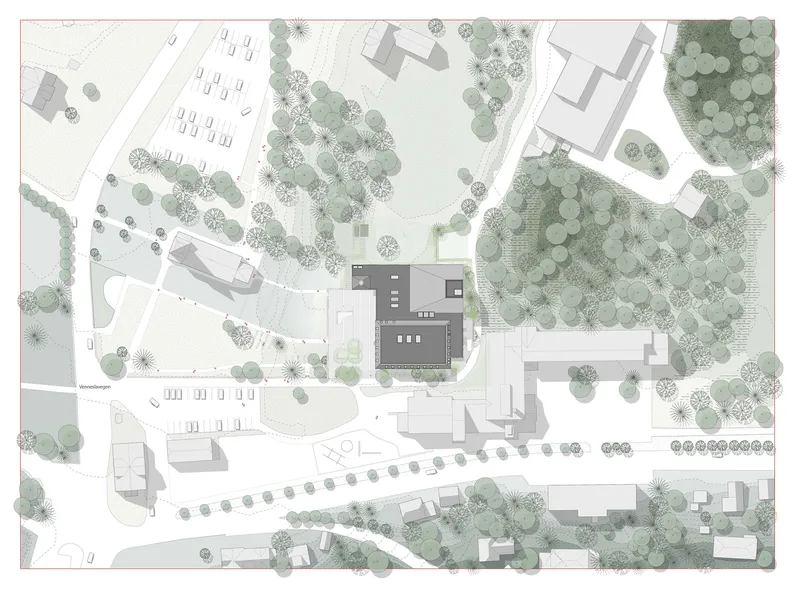
The newly constructed Vennesla Church by LINK Arkitektur redefines contemporary ecclesiastical architecture, serving as a unifying spiritual and community center in Agder County, Norway. Positioned gracefully within a church grove that extends from the Fjord of Vennesla, the church creates a strong visual and spiritual axis between the natural and built environments.
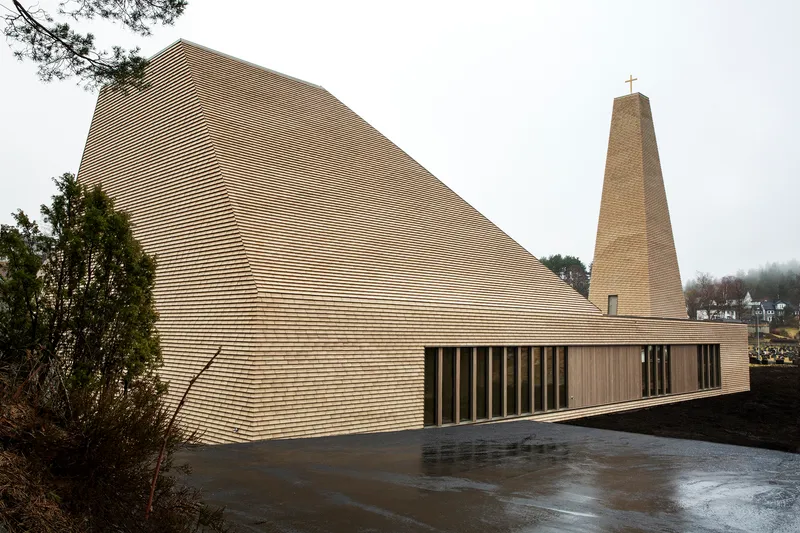
Balancing sacred symbolism with a sculptural modernist aesthetic, the 2,200-square-meter building stands as a beacon of openness, inclusivity, and sustainability. The design is intentionally multigenerational and multifunctional, inviting both congregation members and staff into a flexible, welcoming space.

Architecture Designed for Community and Spiritual Engagement
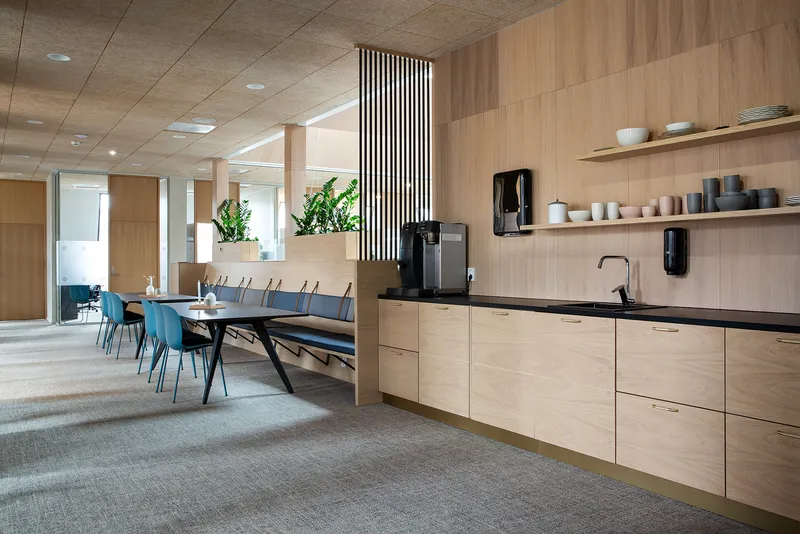
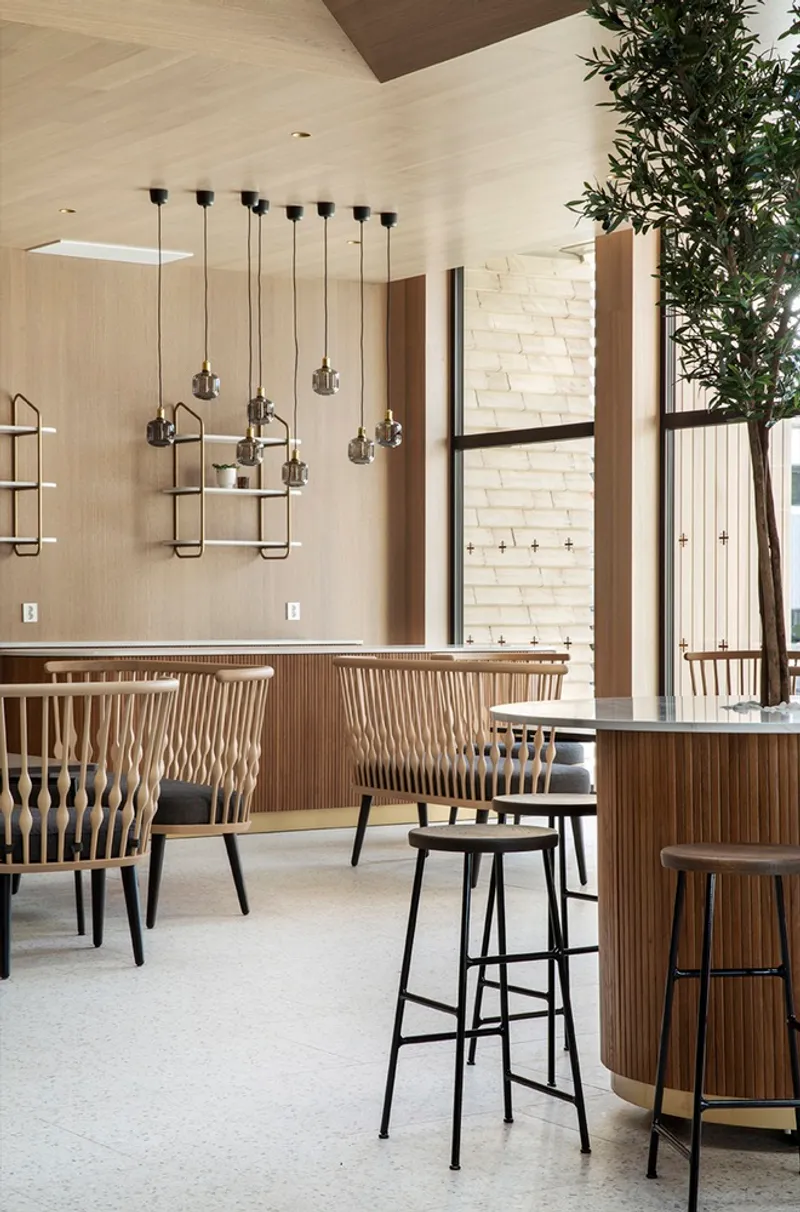
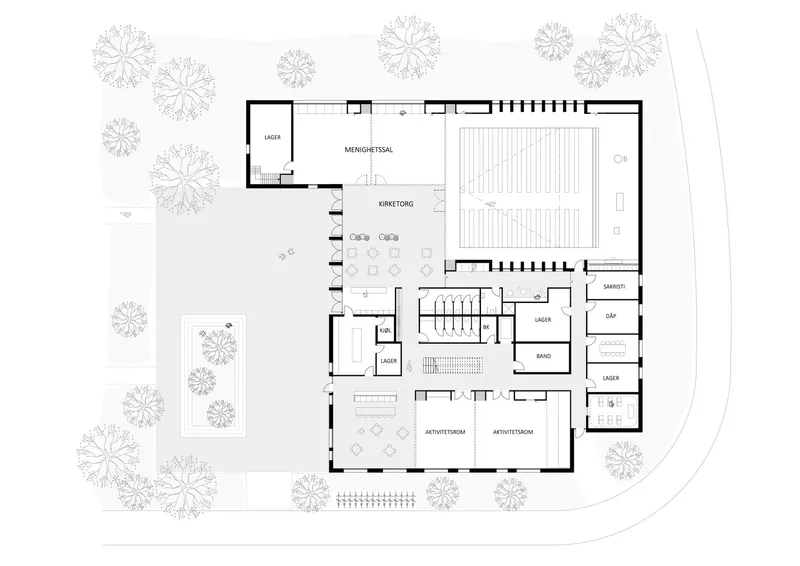
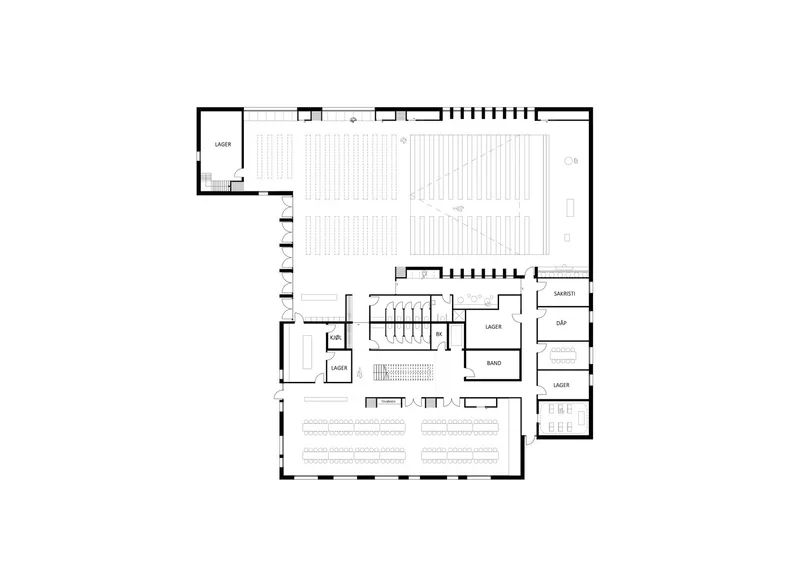
Designed with an emphasis on spatial fluidity, the floor plan of Vennesla Church supports a wide range of uses—from daily worship and religious ceremonies to social gatherings, youth activities, and cultural events. The layout is structured around multiple pitched roof volumes, with the chapel located at the rear and the public gathering areas positioned at the front.
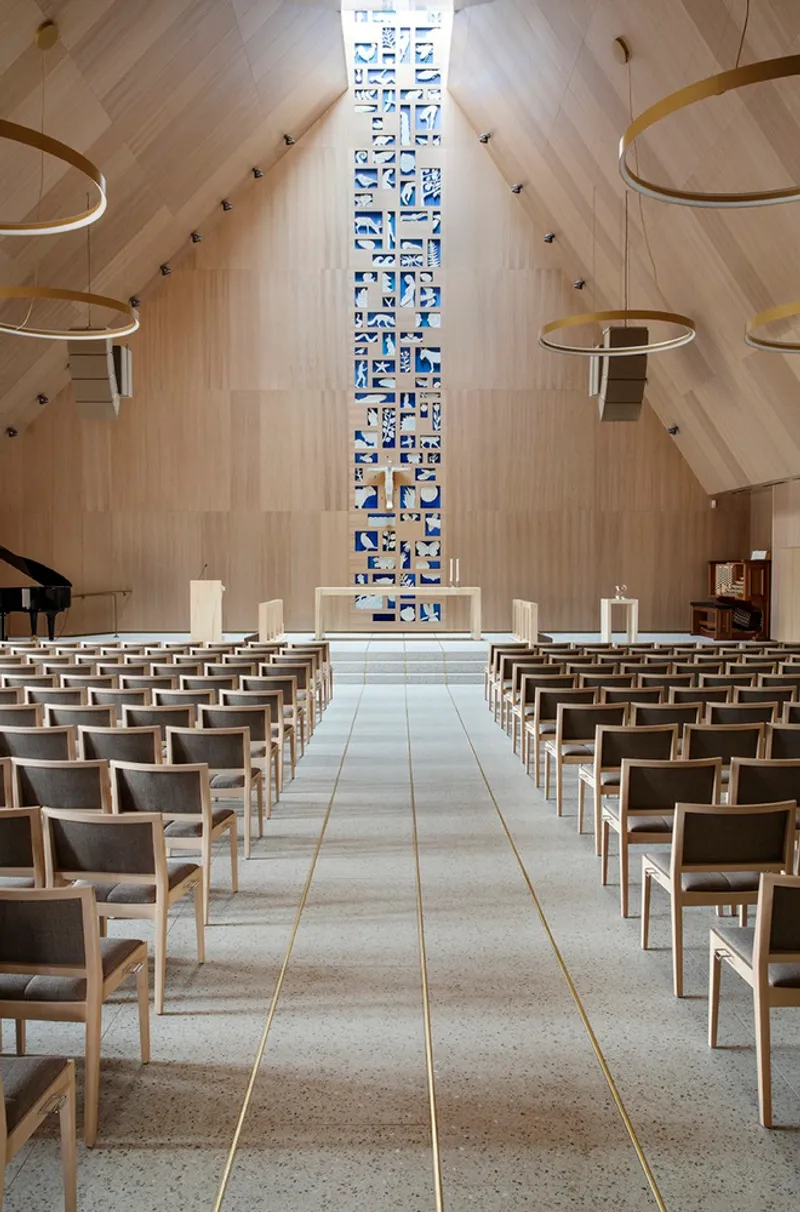
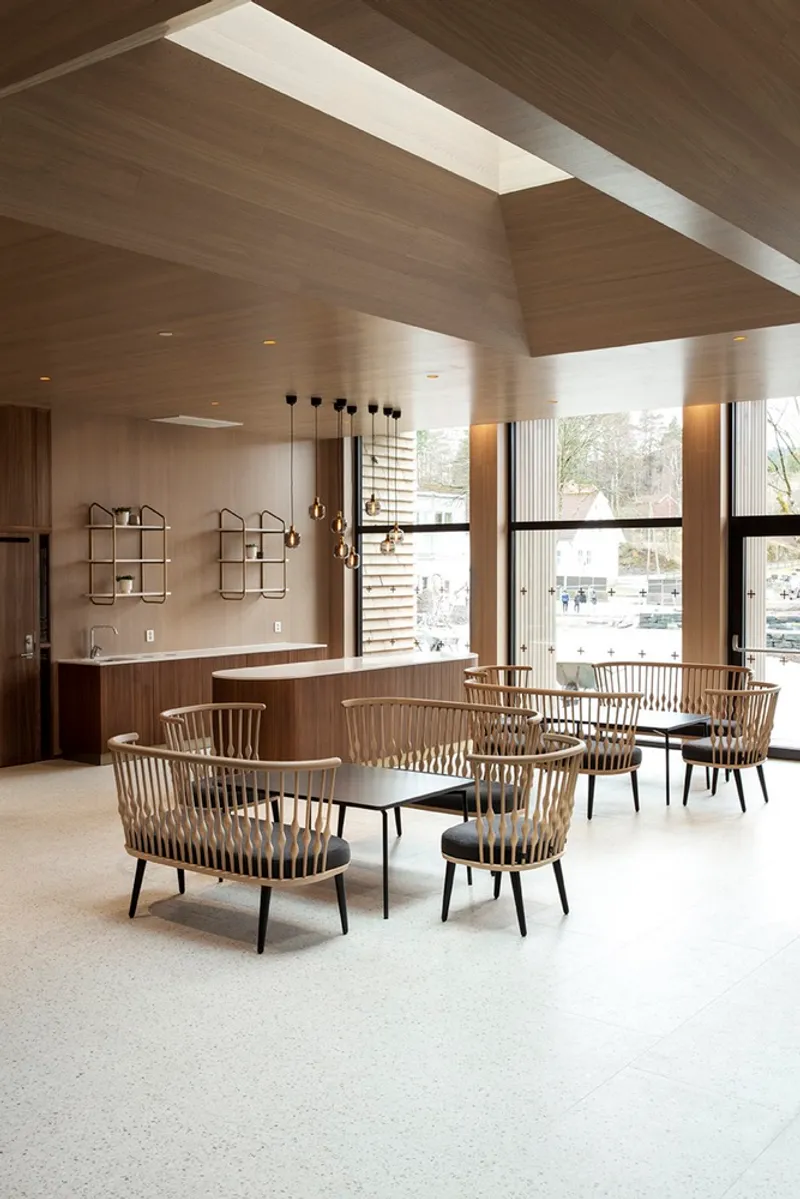
To enhance versatility, the building can be divided for parallel activities, thanks to a centrally located amenities core. Administrative offices are strategically placed on the second level, offering visual and physical connectivity without interfering with communal spaces. Children’s and youth rooms are placed near a neighboring primary school, creating a strong link between education and faith-based community life.
Materiality and Craftsmanship in Harmony
The external envelope of the church features a custom-designed cladding brick developed in collaboration with Wienerberger, named URBAN Frederiksberg LINK. Its U-profile texture enhances the façade with seasonal shadow play, giving the building a dynamic and tactile appearance throughout the year.
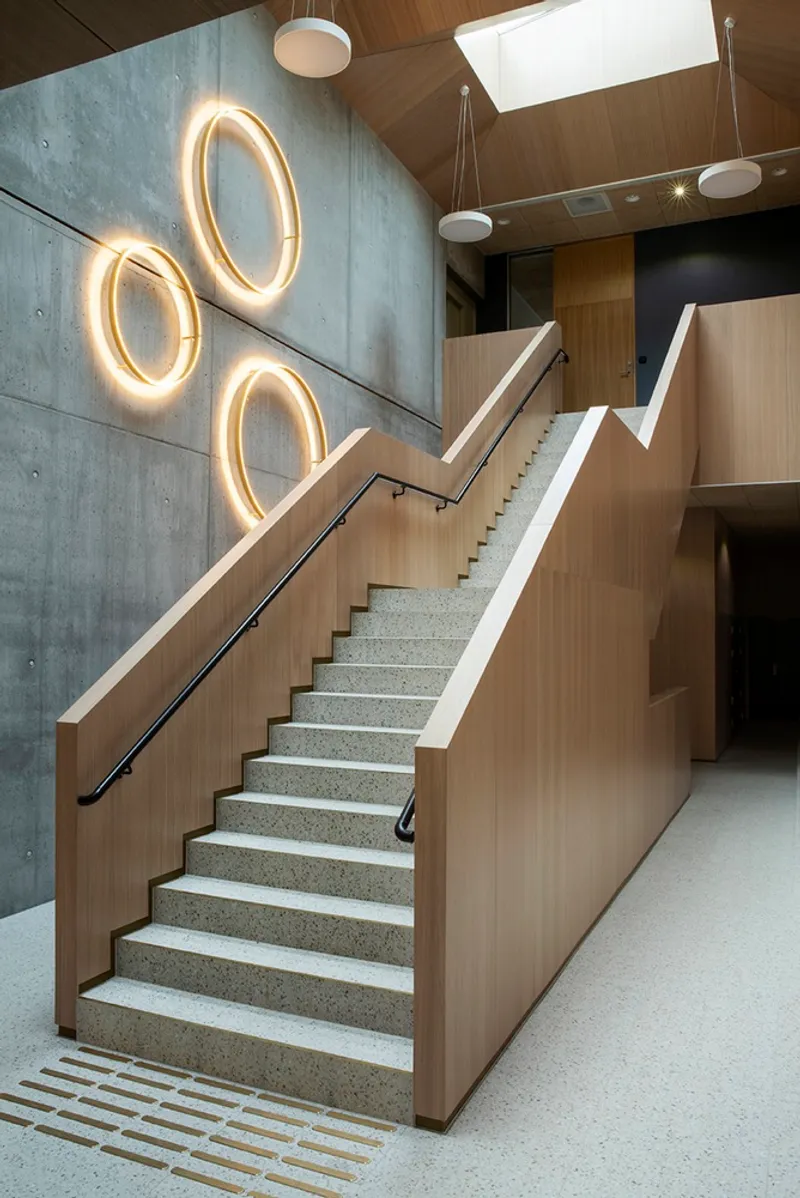
Every corner, edge, and transition has been carefully crafted to ensure visual continuity, especially where the brick wraps over both walls and ceilings, blurring architectural boundaries and creating a unified expression.
Sustainability and Historical Continuity
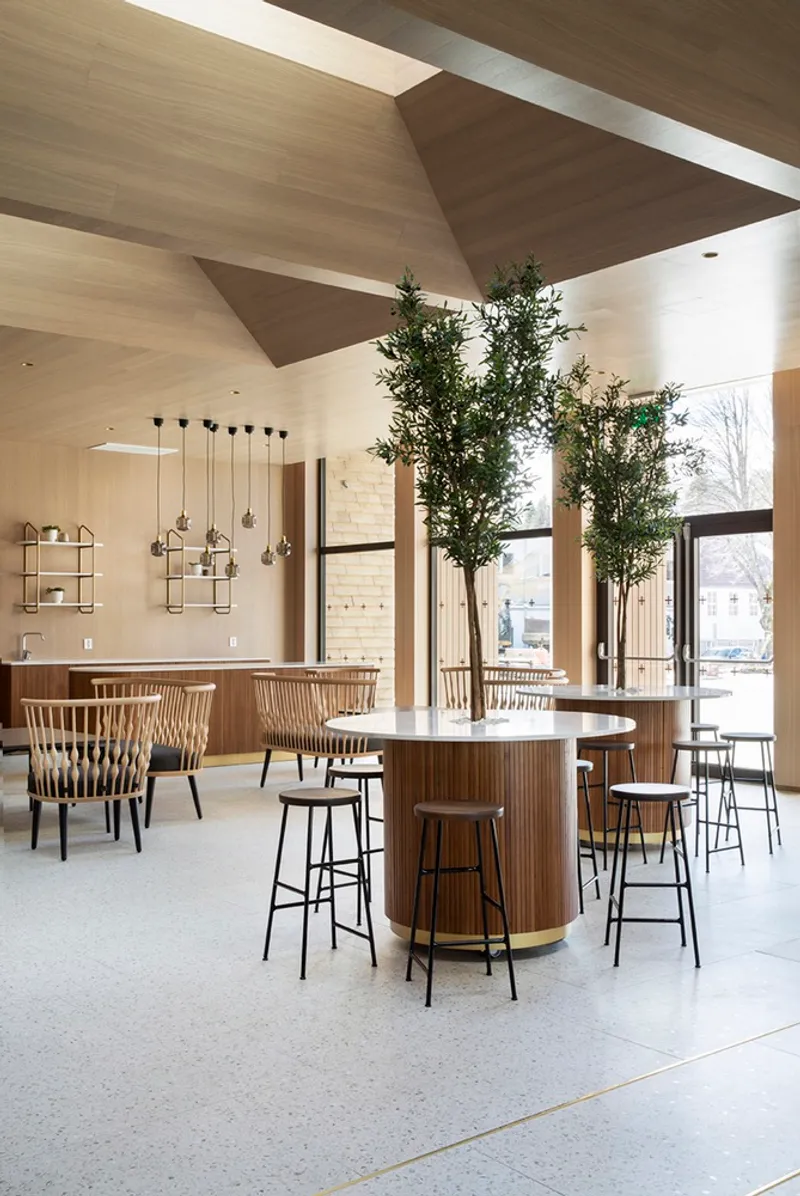
From its early design stages, Vennesla Church was guided by social, economic, and environmental sustainability. Passive design strategies, local materials, and adaptive spatial configurations contribute to its eco-conscious performance.
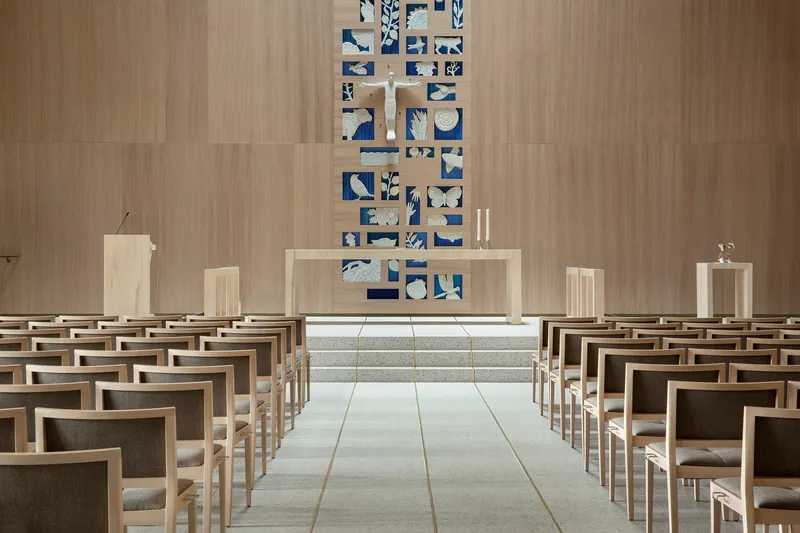
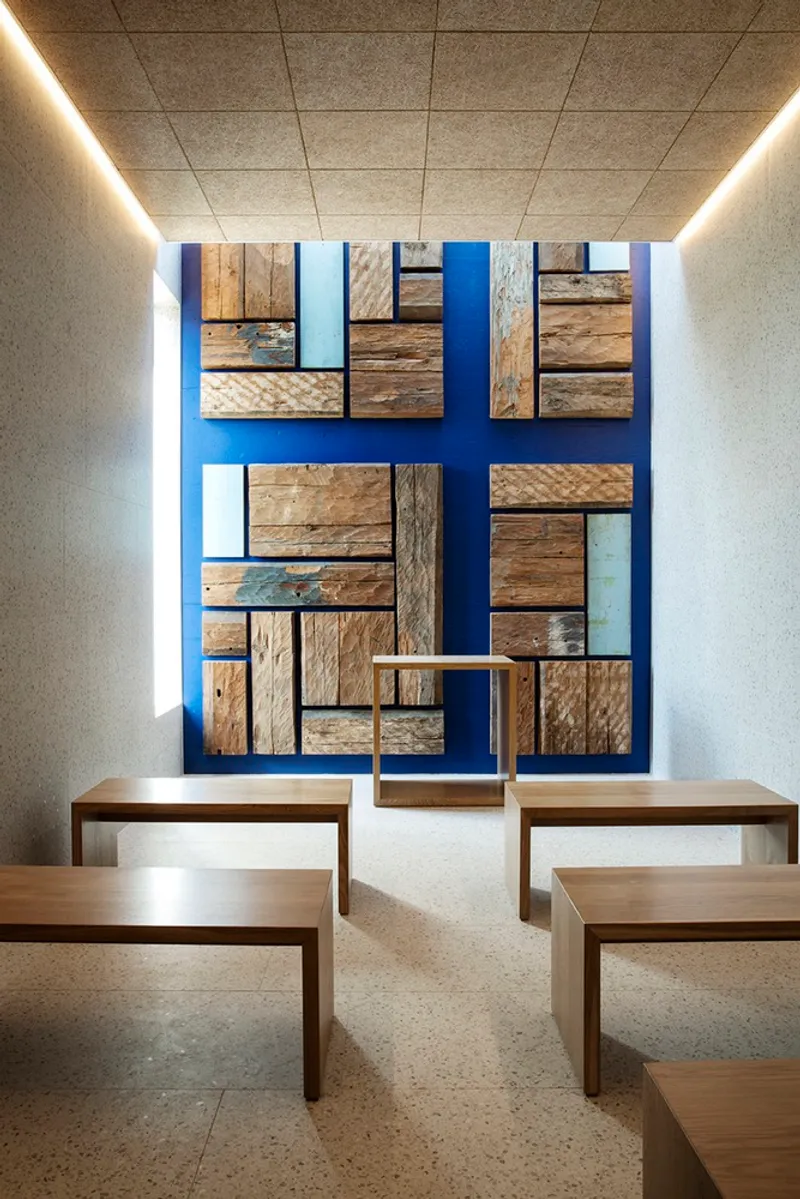
In a nod to historical continuity, logs from the original 16th-century Vennesla Church have been integrated into the new design—one in the foundation of the Quiet Room, and another beneath the altar in the main church hall. Norwegian artist Tor Lindrupsen led the integration of these sacred relics, honoring the region's deep-rooted spiritual history.
A Church for Future Generations
With its timeless form, thoughtful planning, and community-first philosophy, Vennesla Church stands as a new architectural landmark for both the town and the wider region. As a place of worship, gathering, and cultural expression, it embodies the evolving role of churches in Scandinavian society—one that is welcoming, transparent, and connected to both nature and heritage.
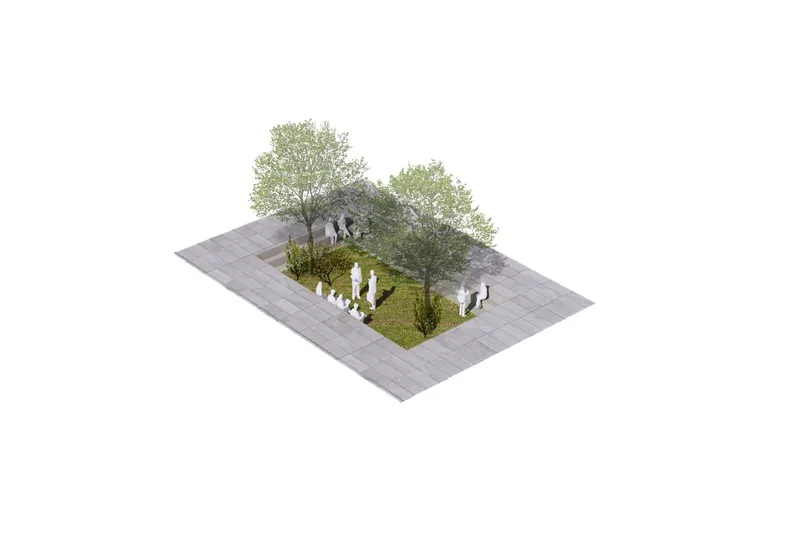
All the photographs are works of Inger Marie Grini




Popular Articles
Popular articles from the community

AL-JANNAH: Sustainable Architecture and Permaculture for Afghan Widows
AL-JANNAH uses sustainable architecture and permaculture to create resilient oasis of housing, learning, work and renewal for Afghan widows.

Co-life: Sustainable Architecture for Age-Friendly Community Living
Co-life reimagines sustainable architecture for seniors through courtyards, rammed earth, shared gardens, and spaces designed for belonging.

The Ocean Hive: Sustainable Architecture for a Self-Sufficient Civilization at Sea
The Ocean Hive imagines sustainable architecture at sea, where modular habitats, algae, wave power and ocean waste sustain a growing colony.

The Musturak Paradise: Senior Living Architecture for a Connected Future in Temara, Morocco
The Musturak Paradise reimagines senior living architecture in Temara via private homes, social spaces, culture, community, and shared care.


Similar Reads
You might also enjoy these articles


Hodi-Mandai Geram
Project Function: Preservation and revitalization of the Intangible heritage and socio-spatial identity of the Hodi by Housing, Cultural Memory Center, Sacred Grove, landscape, local tourism economy


Olio Towers: A Mid-Rise for Performers That Fuses Housing, Rehearsal, and Stage
Located blocks from Houston's Theater District, this modular tower stacks living units around a central performance atrium.

Oasis: Modular Green Housing Carved into Dhaka's Urban Fabric
A shortlisted Plugin Housing entry reclaims unauthorized settlements in Dhaka with stepped concrete volumes, green roofs, and ventilation-driven design.

Black Hole: A Floating Megastructure for the Post-Physical Era
Emiliano Mazzarotto envisions a spherical, self-scaling arena where e-sports, digital hotels, and holographic stadiums replace traditional public space.

Explore Religious Building Competitions
Discover active competitions in this discipline


Design Challenge - Contemporary interpretation of a religious complex


Challenge to reimagine the Iron Throne


Photograph architecture without architects


Illustrate the lost glory of Angkor Wat - Render Challenge
Comments (0)
Please login or sign up to add comments
No comments yet. Be the first to comment!