
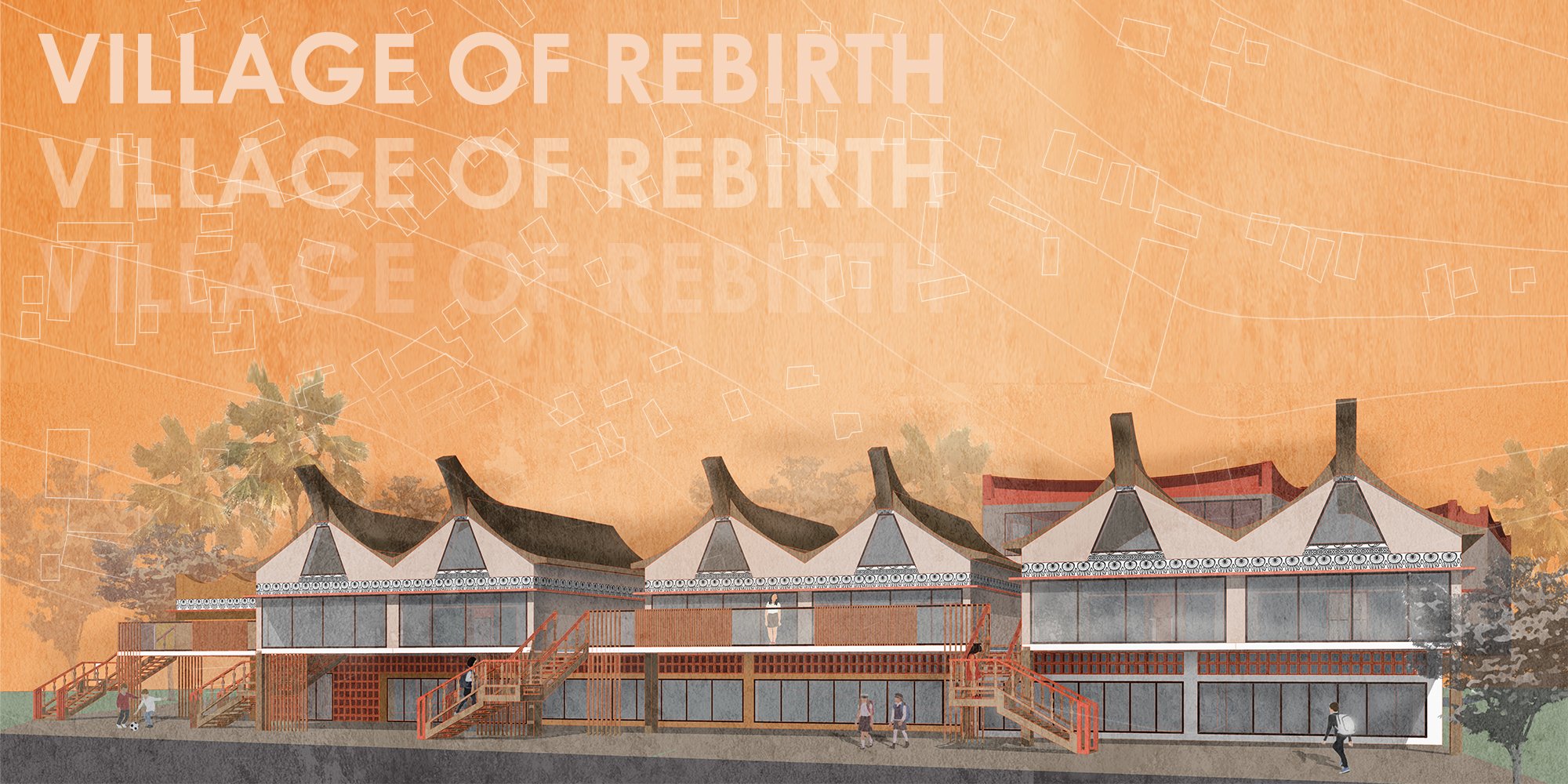
VILLAGE OF REBIRTH
The fundamental idea of the project follows from its name - the village of “rebirth”. At school, children will be able to plunge into a new life, get what they could not get in the family.

The main thing is that they can learn to apply the acquired skills with the help of occupational therapy.
Students will also go through all stages of socialization - this will help them continue to develop in their chosen direction after leaving school.
Thus, students who graduate from school will become completely different people, therefore “reborn”
The design site is located in the capital of Southeast Sulawesi, Kendari. This city is the most populous in the province. The city is also equipped with an important commercial center with the main port and airport of the province. It is the economic and educational center of the province and is home to various universities and colleges. Kendari has the highest human development index in Sulawesi. The site itself is located away from the center in a densely populated residential area. Kendari has a tropical rainforest climate with heavy rainfall from December to July and moderate rainfall from August to November. The average temperature in the city is 28 °C.
The Indonesian archipelago consists of more than 18,000 islands stretching 6,500 km along the equator. The world's largest island country is surrounded by the so-called Pacific Ring of Fire - a chain of seismically active zones and volcanoes stretching from the coast of Mexico to New Zealand. Earthquakes occur in this region on average 1-2 times every week. The magnitude of earthquakes in the vicinity of the city of Kendari is about 5 points, which is an average value.
The territory has a minimal difference in elevation and is located in an abandoned area. The entire area is covered with weeds and tropical plants. There are no sidewalks around the site - this is done for comfortable and safe movement.
The main idea is to move away from the usual closed “box” classrooms and create open, transformable spaces that could give children the opportunity to develop and express themselves.
The object consists almost entirely of transformable windows. This ensures ventilation of the room and creates open and bright spaces. The first floor is almost completely open, which increases the space.The school also has spacious corridors and recreation areas, which are used by children outside of school hours as a space for games and leisure. All this creates a comfortable atmosphere for the child.
The image of the school symbolizes a village that exists only for the children who live in it. They have their own houses, which is the main element of my facility. A large number of stairs, different number of floors in buildings and corridors all create space for games, imagination and development.
Based on research by psychologists, the most important problem for orphans is subsequent adaptation after leaving their place of education. There are many methods to solve this problem, but one of the most popular is occupational therapy. Occupational therapy is a type of treatment in which the patient is involved in an artificially created labor process. The goals of occupational therapy: restoration or maintenance of impaired mental functions and physical condition, establishing interaction and communication with other people, social adaptation. In addition, this type of treatment has a learning and developmental effect. For a healthy person, work is a natural need. The most important aspect is that this method is also suitable for children with disabilities. For this purpose, there are greenhouses on the territory for growing local plants, pottery, drawing and labor clubs, where children can conduct master classes for invited guests. There is also a section with a barefoot path on the territory, which has a beneficial effect on the exploration of the territory, both for special children, and will become an element of play for kids.
The most important aspect is to harmoniously fit the volume into the environment, which is solved through the low floor of my building. The architecture of Indonesia is unique, so it is important to reflect the identity of the area. Thanks to this, “house classes” appeared. I wanted to create architecture that would reflect the place and be specific to it. While studying local residential buildings, I was inspired by their colorfulness and interesting shape, which I took as a basis.
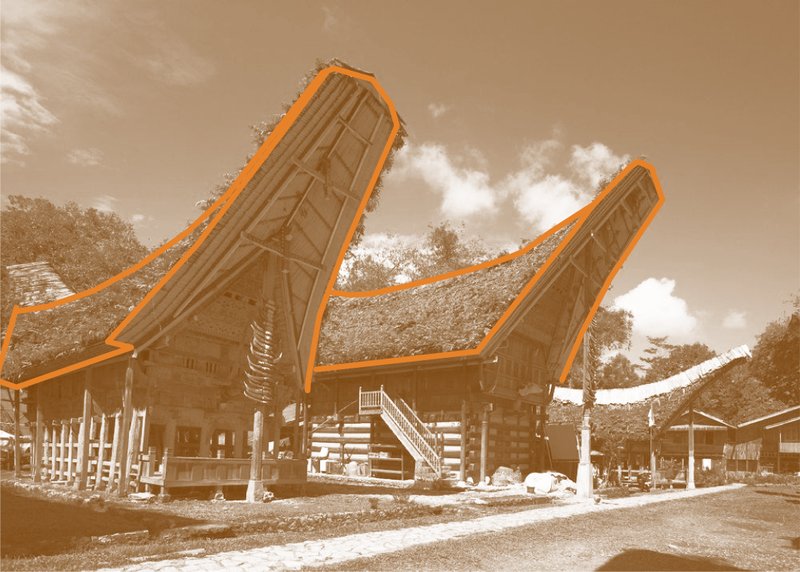
Wooden stairs with carved elements typical of Indonesian architecture lead to the second floor. The site also features traditional ornaments and bamboo as decoration. Most of the materials in the facility are environmentally friendly and consist of natural
materials that can be found in Indonesia.


Popular Articles
Popular articles from the community

Louis Malle Cinema: A Limestone Cultural Landmark Revitalizing Community Life in Prayssac
Limestone cinema extension with public forecourt, blending heritage and modern design to create flexible cultural spaces and strengthen community interaction.
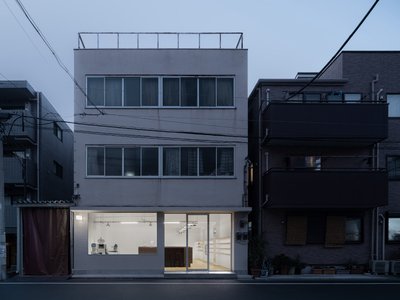
Atelier Macri Concept Store Interior Design by CASE-REAL
Atelier Macri store features a "ko" counter, walnut wood details, cork displays, blending retail, gallery, and seamless customer experiences.
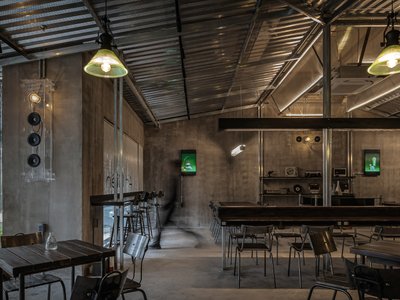
An Miên Lumière Cafe by xưởng xép, Ho Chi Minh City, Vietnam
An industrial-inspired café where layered steel and warm light create a dynamic, immersive environment shaped by reflection, depth, and perception.
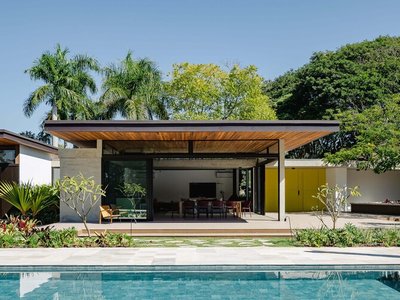
Flamboyant House by Juliana Camargo + Prumo Projetos
Modern Brazilian house integrating existing tree, pool, and volumes with glass, wood, and transitional spaces blending interior, exterior, and landscape seamlessly.

Similar Reads
You might also enjoy these articles


The Ken Roberts Memorial Delineation Competition (Krob)
As the most senior architectural drawing competition currently in operation anywhere in the world, it draws hundreds of entries each year, awarding the very best submissions in a series of medium-based categories.
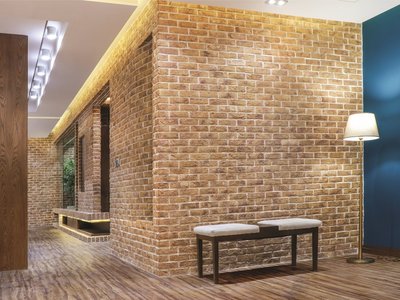
A Contemporary Take on Iranian Residential Architecture
A modern interior design in Mashhad that reinterprets brick, light, and spatial flow to create a warm, contemporary residential architecture.
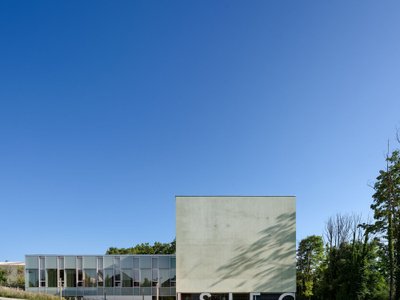
Franche-Comté Advanced School of Engineering by Dominique Coulon & associés, Besançon
A flexible engineering school immersed in woodland, combining concrete minimalism, adaptable spaces, and natural light to support evolving educational environments.

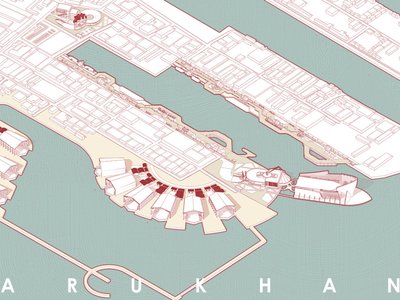
Waterfront Redevelopment and Urban Revitalization in Mumbai: Forging a New Dawn for Darukhana
A transformative waterfront redevelopment project reimagining Darukhana’s shipbreaking heritage into an inclusive urban future.

Explore Architecture Competitions
Discover active competitions in this discipline




The International Standard for Design Portfolios


The Global Benchmark for Architecture Dissertation Awards


The Global Benchmark for Graduation Excellence


Challenge to reimagine the Iron Throne
Comments (0)
Please login or sign up to add comments
No comments yet. Be the first to comment!