

Wangen Tower: A Landmark in Computational Timber Architecture
The Wangen Tower in Germany is a pioneering multi-level timber structure using self-shaped components, showcasing sustainable, computational, and bio-inspired architectural innovation.


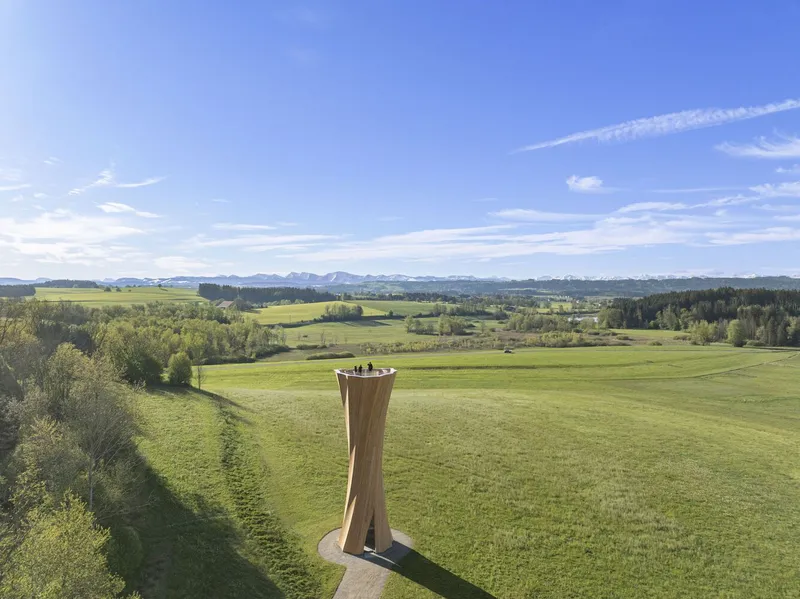
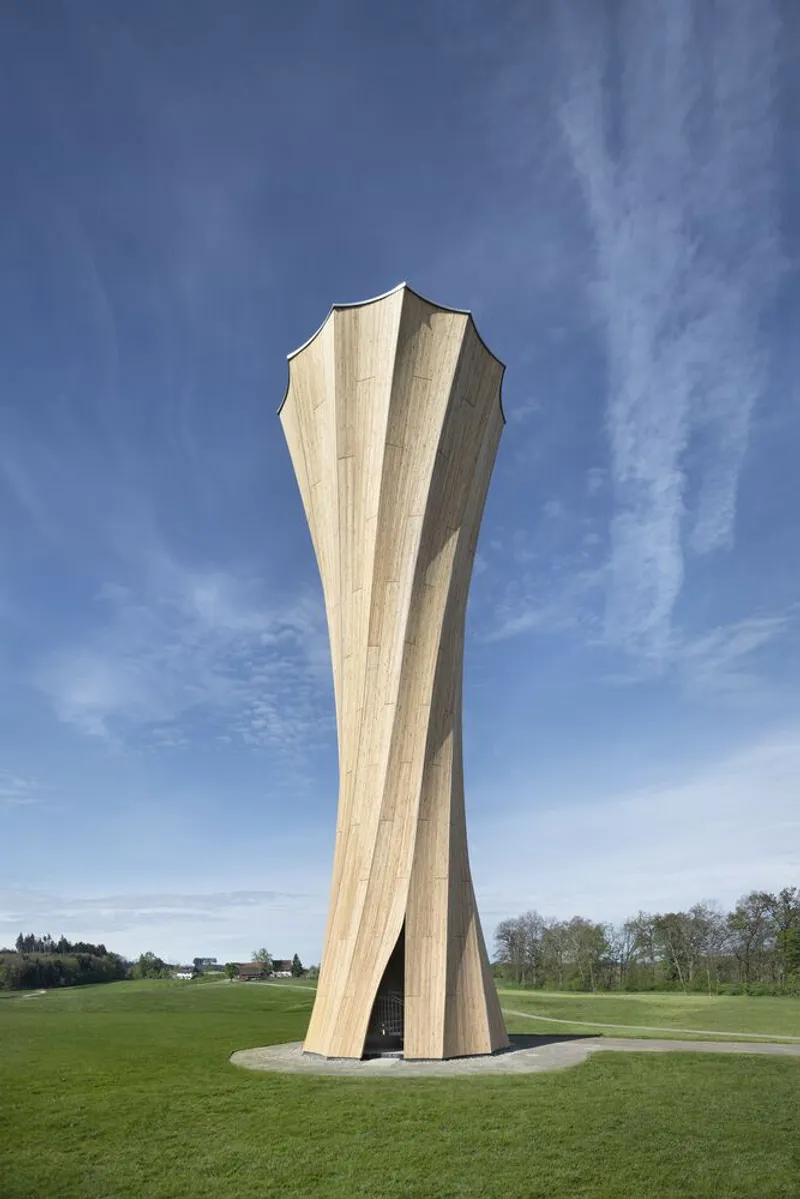
Located in the scenic region of Wangen im Allgäu, Germany, the Wangen Tower is a groundbreaking example of contemporary timber architecture. Designed by ICD/ITKE/IntCDC University of Stuttgart, the tower was unveiled as part of the Landesgartenschau 2024, showcasing the latest advancements in bio-based materials, computational design, and sustainable construction methods.
Innovative Timber Design
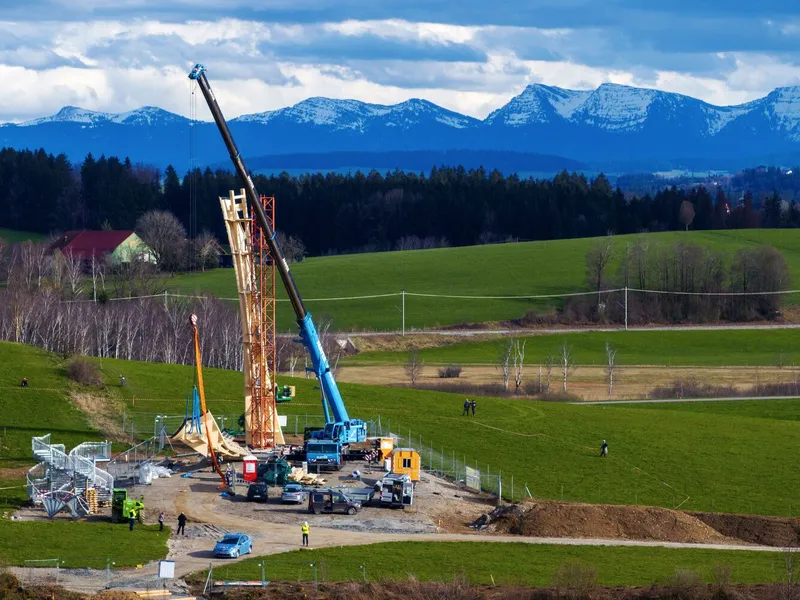
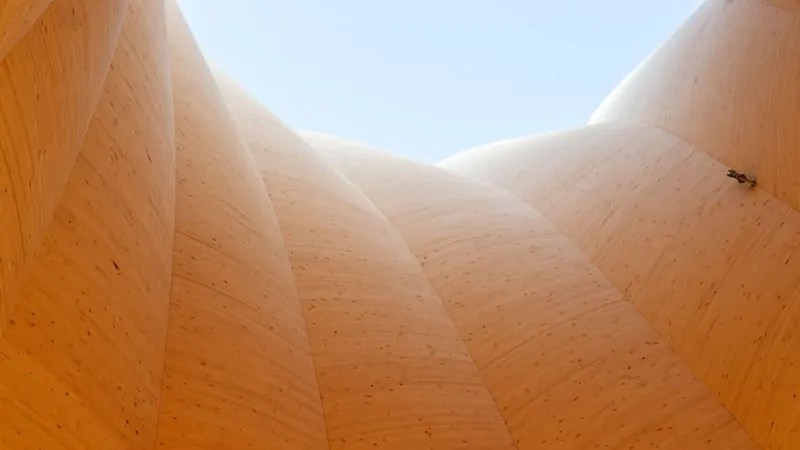
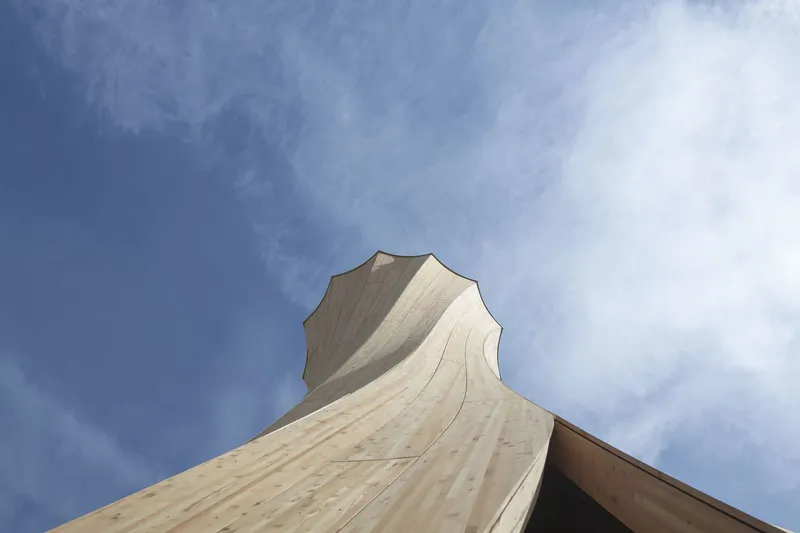
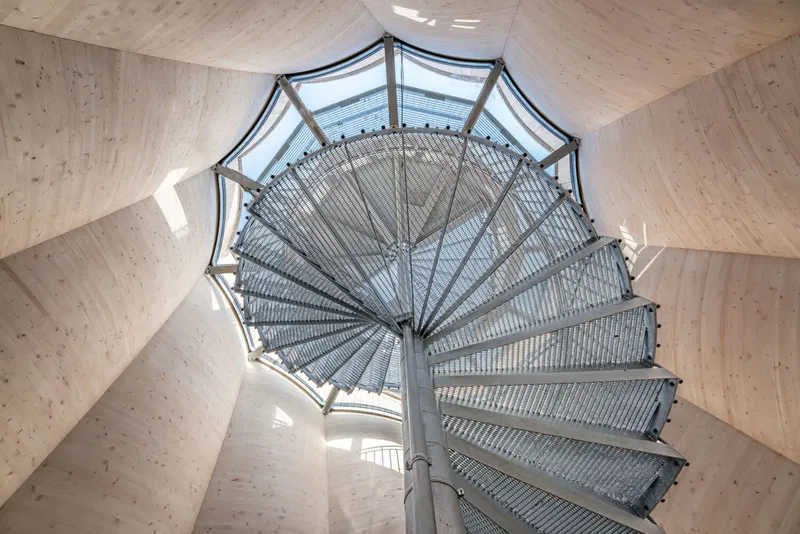
The Wangen Tower is distinguished as the first multi-level, walkable structure built entirely from self-shaped structural timber components. This achievement stems from extensive research by the Cluster of Excellence “Integrative Computational Design and Construction for Architecture (IntCDC)”, which explores new ways to merge bio-inspired architecture with digitally fabricated timber structures.
Through materially-informed computational design, each timber element is precision-engineered to achieve structural integrity while maintaining a fluid, organic form. The result is a visually striking tower that not only functions as a public viewing platform but also demonstrates the expressive potential of locally sourced, renewable timber.
Regenerative Architecture and Sustainability
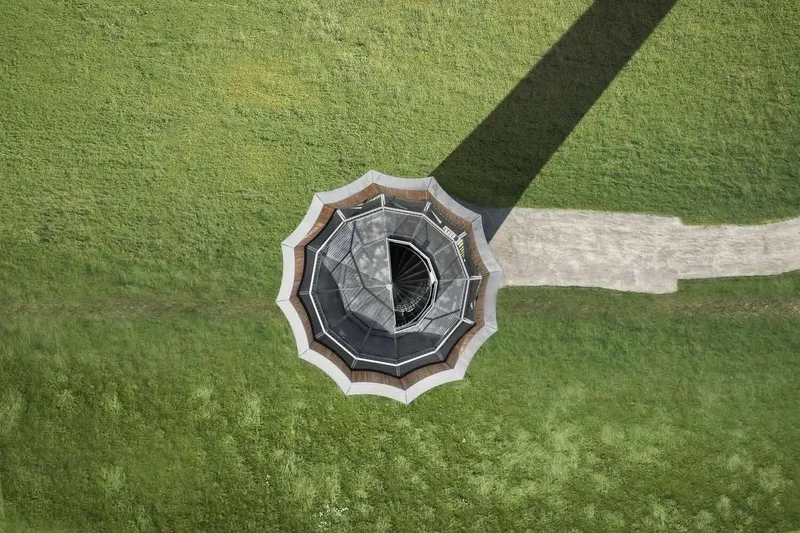
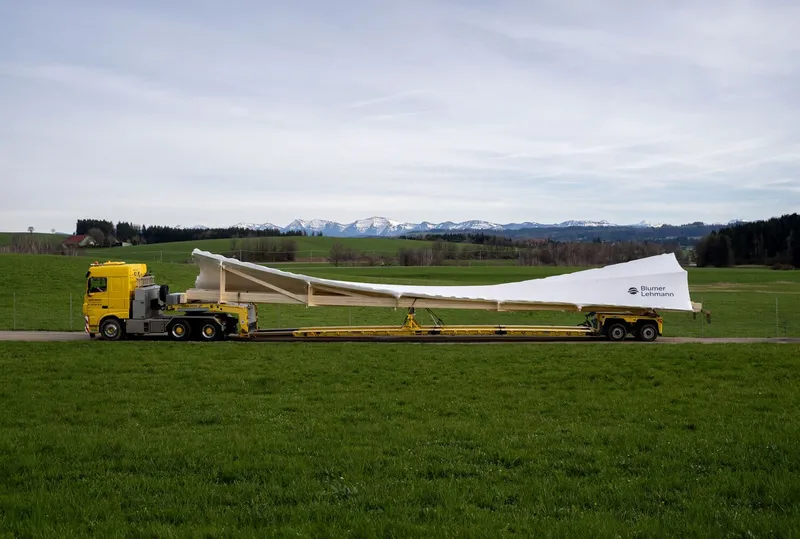
The Wangen Tower exemplifies sustainable architectural practices by combining regionally manufactured timber, resource-efficient fabrication, and expert craftsmanship. By leveraging digital fabrication technologies and CNC production, the project bridges traditional woodworking techniques with cutting-edge architectural research.
This integrative approach highlights the latent possibilities of regenerative architecture, where materials, design, and fabrication are interwoven to minimize environmental impact while maximizing aesthetic and structural innovation.
Collaborative Expertise
The tower’s construction was realized with the support of several specialized partners:
- Blumer Lehmann – CNC production, consulting, and free-form timber structures
- wbm Beratende Ingenieure – foundation engineering
- Lohrer Hochrein – landscaping
- Fischbach Bauunternehmen – concrete foundations
This collaboration emphasizes the importance of interdisciplinary teamwork in pushing the boundaries of timber construction and computational design.
A Landmark for Research and Public Engagement
Beyond its architectural significance, the Wangen Tower serves as a research milestone in bio-based construction and digital timber fabrication. Visitors can experience firsthand the innovative potential of self-shaping timber, while the tower contributes to broader conversations about sustainable, expressive, and computational architecture.
By merging scientific research, advanced digital tools, and traditional craftsmanship, the Wangen Tower not only enriches Wangen im Allgäu’s landscape but also sets a precedent for future sustainable timber structures worldwide.
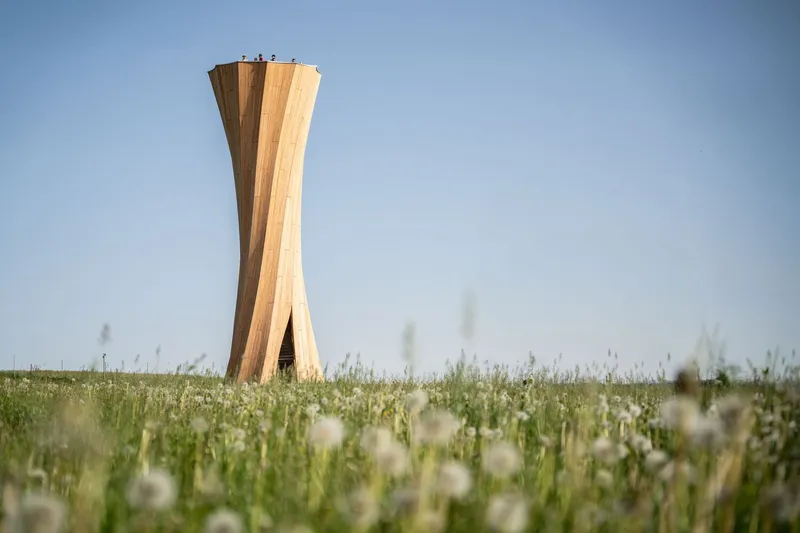
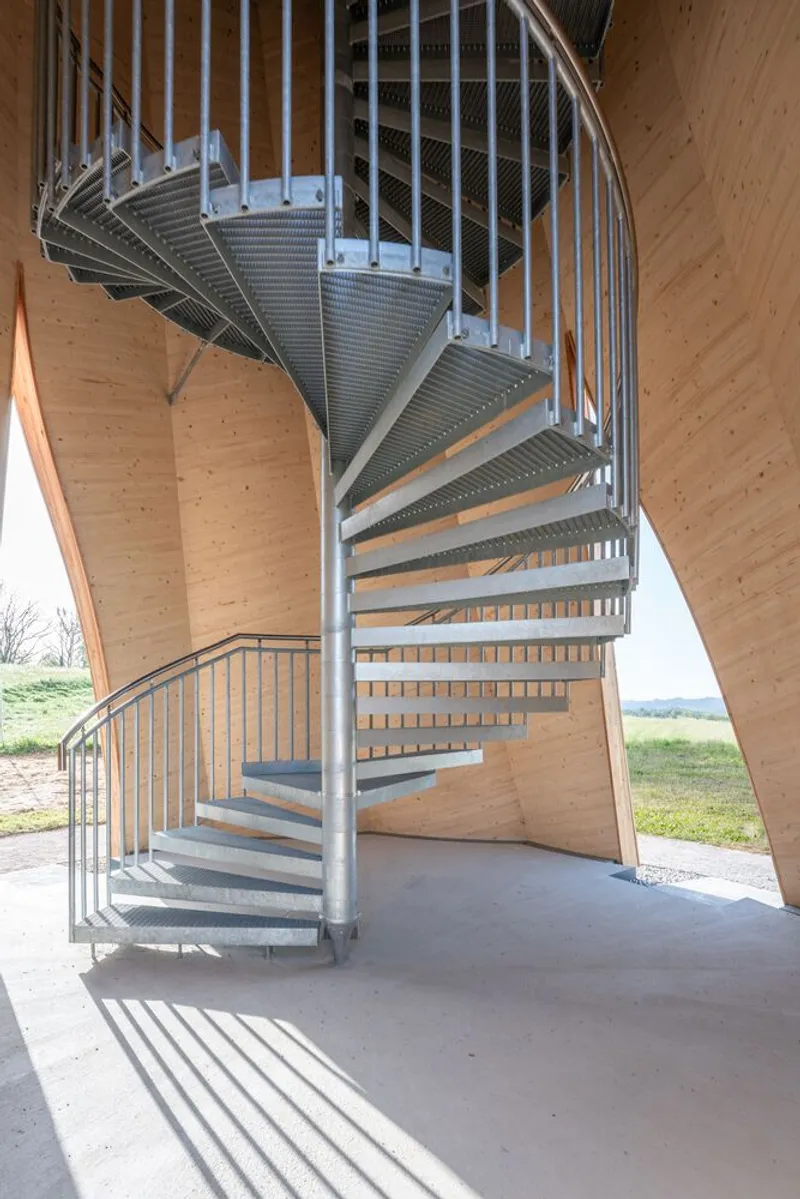
All photographs are works of
ICD-ITKE-IntCDC-University of Stuttgart, Roland Halbe, Nina Baisch, Christoph Morlok


Popular Articles
Popular articles from the community


Singing Woman: An Opera House That Performs Before the Curtain Rises
Ovidiu Cristian Pavel's conceptual opera house translates Estonia's choral identity into a sculpted waterfront landmark facing the Baltic Sea.
The Amber Palace Opera: A Geological Fiction Surfaces on Tallinn's Baltic Waterfront
Pierre Brillard reimagines a Baltic legend as a public landscape, opera house, and waterfront promenade rooted in Tallinn's coastal identity.
Opera on the Sea: Driftwood Logic Shapes a Timber Opera House on Estonia's Coast
Trevor Orgill's opera house translates the entangled drift of floating timber into a civic building where wood, water, and music converge.
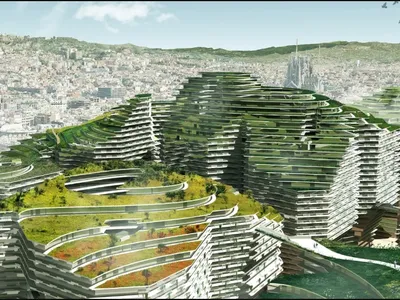
Manzana Morphosis: Stretching Barcelona's Grid into a Living Landscape for 2050
A radical reworking of the Eixample manzana turns density into a tool for generous public space, vertical ecology, and environmental performance.

Similar Reads
You might also enjoy these articles


Cube Design Draws an Ecological Corridor Between Two Shenzhen Hills with the Nankai Building
Beside Shenzhen's container docks, the Nankai Building pairs stacked balconies with a climbing green screen to connect two hillsides across its height.

Praksis A and Studio Sted Bend a Red Timber Cabin Across the Granite of Norway's Southern Coast
On the southern Norwegian coast, a 105 m² cabin follows the rock on slender posts, pairing red cladding outside with pine, brick and plywood within.

David Ortega Stacks a Two-Story Mexico City Penthouse Around a Steel Stair and a Pergola-Shaded Roof Terrace
In Colonia Roma, a 300 m² penthouse uses oak joinery, a planted steel stair and a slatted roof pergola to make a new-build apartment feel like a house.

PARALELA and LB2 Thread a Public Walkway Through the Base of a Las Condes Residential Tower
In Las Condes, Santiago, the Hamlet Building gives its fenceless ground floor to a 70-metre wooded passage linking two streets and the metro.

Explore Architecture Competitions
Discover active competitions in this discipline

Challenge to reimagine the Iron Throne

Photograph architecture without architects

Illustrate the lost glory of Angkor Wat - Render Challenge

Design challenge to reuse E-waste
Comments (0)
Please login or sign up to add comments
No comments yet. Be the first to comment!