
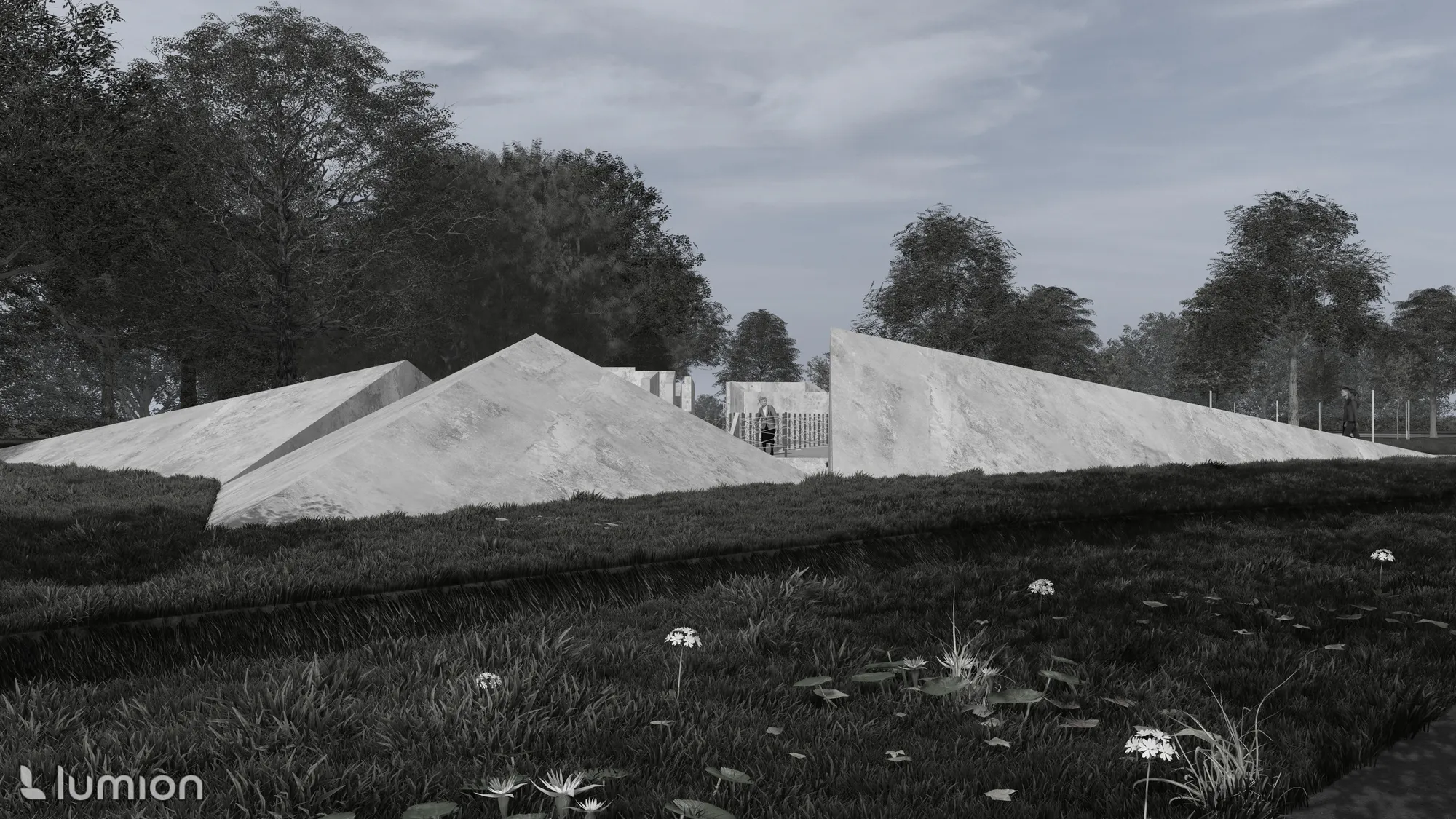
Within the Underground Walls
A project for a memorial site and museum in the village of Trzebuska. It aims to honor the victims and preserve the history of the village during the period of post-World War II aggression.

The memorial site and museum project in Trzebuska was created out of the need to commemorate the tragic history of the former NKVD camp, which operated here shortly after the end of World War II. It is a space of reflection, remembrance, and education that restores dignity to the victims and enables visitors to understand the dramatic events of the post-war years.
The idea of an urban layout
The urban layout is based on strong compositional axes and rhythm, derived from the historical spatial arrangement. Within the project site, rectangular paved areas indicate the locations of the dugouts where victims were held. In the design, the existing outlines of larger dugouts are emphasized by concrete walls whose interiors contain reflective material on the ground. This creates an optical illusion, giving visitors the impression of being underground inside a dugout. On the walls of these elements, there will be information, photographs, plans, maps, and letters related to the tragic history of this place. However, everything is to be presented in a minimalist style in order to maintain balance.
The outline of the former camp is highlighted through the use of two materials – concrete and black steel sheet – intended to give a new character and expose this part of the site. Closer to the road, a modern-style cross marks a place of prayer and a square designed for various gatherings. The memorial site also includes a rain garden and small water reservoirs, which serve not only a retention function but also introduce a symbolic element of purification and transience. The greenery is intended to contrast with the concrete elements. In this way, the brutalism of the site is softened by the calm and melancholy conveyed by the gardens.The design also takes into account functional facilities such as parking areas, access roads, and pedestrian paths, ensuring free access to all parts of the complex.
Why is the museum building underground?
Partial placement of the building underground preserves the authentic trace of the site and immerses visitors in the appropriate atmosphere. Additionally, integrating the building into the landscape allows it to coexist harmoniously with its surroundings without obstructing the views from nearby houses.
The museum building integrates with the surrounding landscape – its dynamic triangular form resembles a crack in the ground, a metaphor for destruction and trauma. Additionally, the parts of the museum roof protruding above ground evoke the mounds of soil created when dugouts were excavated. The building is accessed by a long ramp and stairs. Partially embedded in the terrain, the structure conceals interior exhibition and educational spaces.
The project is maintained in a raw, ascetic style. The dominant material is architectural concrete – cold, heavy, and durable – perfectly reflecting the character of the site. Combined with tall greenery and water reservoirs, it creates a balanced space for dialogue between nature and history.
The interior of the building
Upon entering the building, one can notice the hall and the reception area, which serves as the museum’s information center. Inside, there are two large exhibition halls dedicated to displaying artifacts related to the village’s history and the victims of post-war aggression. Additionally, the museum includes a multifunctional room that can serve as a conference hall, cinema, or presentation space. The building also provides public restrooms and a staff break room.
Summary
The Trzebuska Underground Museum combines history, architecture, and landscape into a cohesive whole. The underground space and minimalist design immerse visitors in a reflective atmosphere, while the combination of raw materials and nature creates a unique sense of memory. The building itself becomes a metaphor for the events it commemorates, inviting contemplation and a deeper understanding of the site’s tragic past



Popular Articles
Popular articles from the community


Riyadh For All: Intergenerational Urban Design for Active Aging in Rabat
Riyadh For All reimagines urban design in Rabat with intergenerational co-living, adaptive courtyards, and Moroccan cultural exchange today.

FAMM Arquitectura Organizes Ten Villas Around Courtyards and Jungle in Nosara, Costa Rica
El Molino pairs two elongated volumes with deep overhangs and timber louvers to build a compact coastal community five minutes from the beach.

AL-JANNAH: Sustainable Architecture and Permaculture for Afghan Widows
AL-JANNAH uses sustainable architecture and permaculture to create resilient oasis of housing, learning, work and renewal for Afghan widows.
A Reinforced Cocoon: Vernacular Architecture for Security, Healing and Community in Qandahar
A Reinforced Cocoon reimagines Afghan vernacular architecture as secure community space for widowed women, families, healing and resilience.

Similar Reads
You might also enjoy these articles

Day and Night Park: A Time-Based Urban Newsstand in Beijing
A temporary urban newsstand in Beijing blending travel, light, and reading through poetic colors, compact form, and community-focused design.

Modernist Patio Renovation in El Masnou, Barcelona by Oliver Segura Arquitectura + Cebrià Arquitectura
Modernist patio renovation blending tradition and innovation with a movable pool, leveled floors, and Catalan materials in El Masnou.
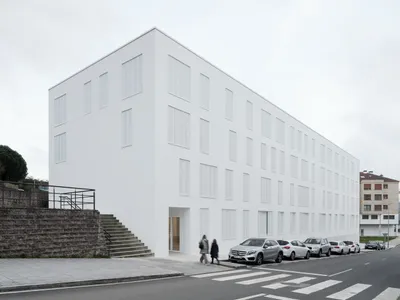
Alto Residencial Coop: Cooperative Housing Development in Santiago de Compostela by Carbajo Barrios Arquitectos
A linear cooperative housing complex blending white volumes and perforated metal façades, enhancing community living, natural light, privacy, and urban integration.
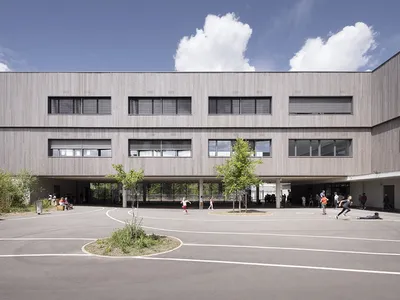
Vil Genis School by BPA ARCHITECTURE – Massy, France
Vil Genis School in Massy, France, features sustainable design, south-facing classrooms, community integration, accessible spaces, and modern educational architecture.





Comments (0)
Please login or sign up to add comments
No comments yet. Be the first to comment!