
Worcester Blackstone Visitor Center by designLAB architects: Reviving Industrial Heritage Through Sustainable Architectu
Sustainable visitor center transforms industrial brownfield into cultural hub, blending heritage storytelling, community space, and ecological restoration through innovative architecture.


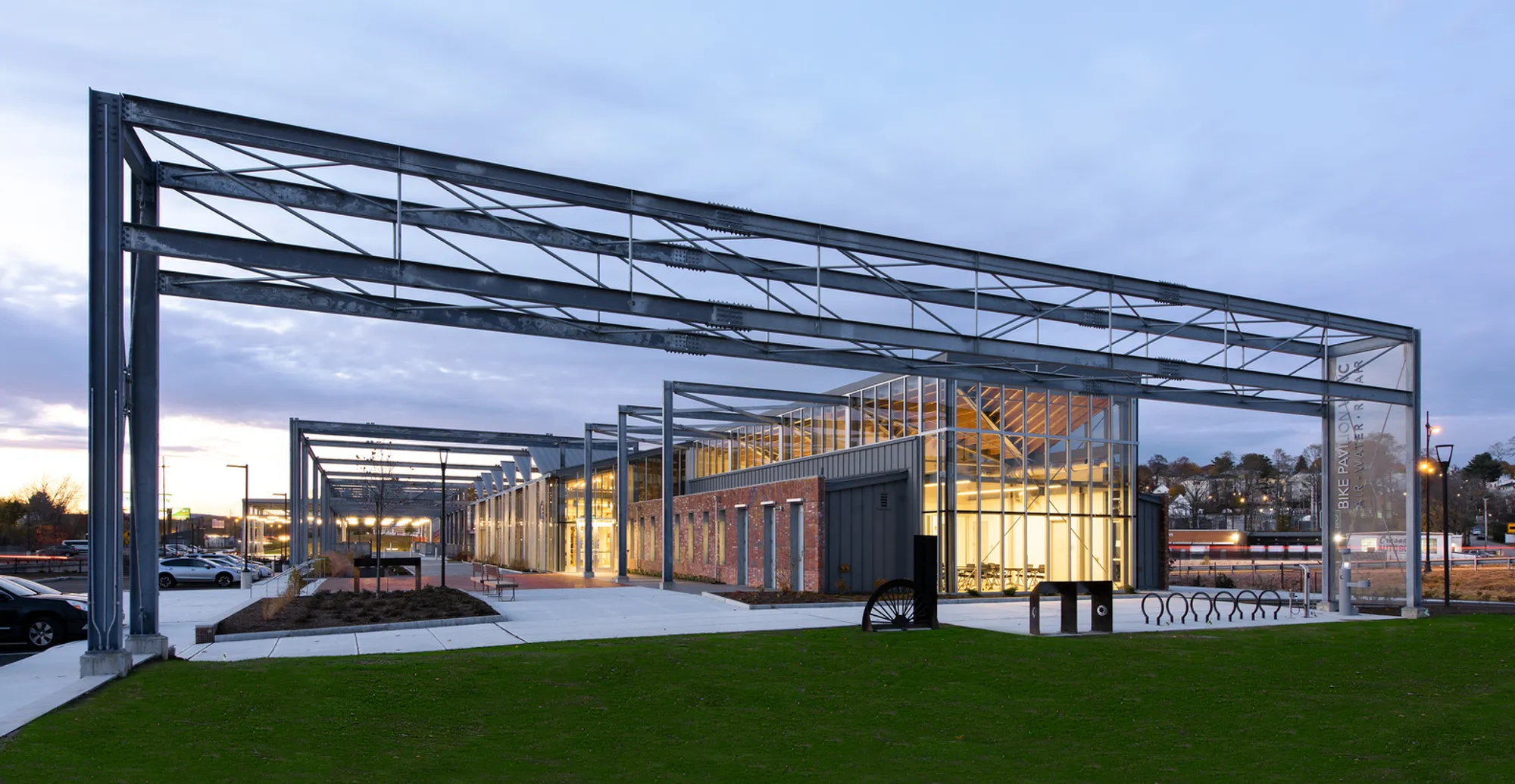
The Worcester Blackstone Visitor Center, designed by designLAB architects, stands as a powerful example of adaptive storytelling in contemporary architecture. Located in Worcester, United States, this 11,000-square-foot visitor and exhibition center transforms a former industrial brownfield into a vibrant public destination that reconnects community, history, and landscape.

Reimagining a Lost Industrial Legacy
Built on the site of a former steel mill, once home to the historic Washburn & Moen Manufacturing Company (later American Wire & Steel), the project addresses a unique challenge: how to narrate a rich industrial past when no physical remnants remain. Following a devastating fire that destroyed the last standing structure, the site was cleared, leaving behind only memory and cultural significance.
designLAB architects responded with an innovative architectural strategy that uses form, materiality, and spatial sequencing to reconstruct history without relying on artifacts. The project becomes a living narrative, embedding industrial references into every layer of design.

A Multi-Layered Site Strategy
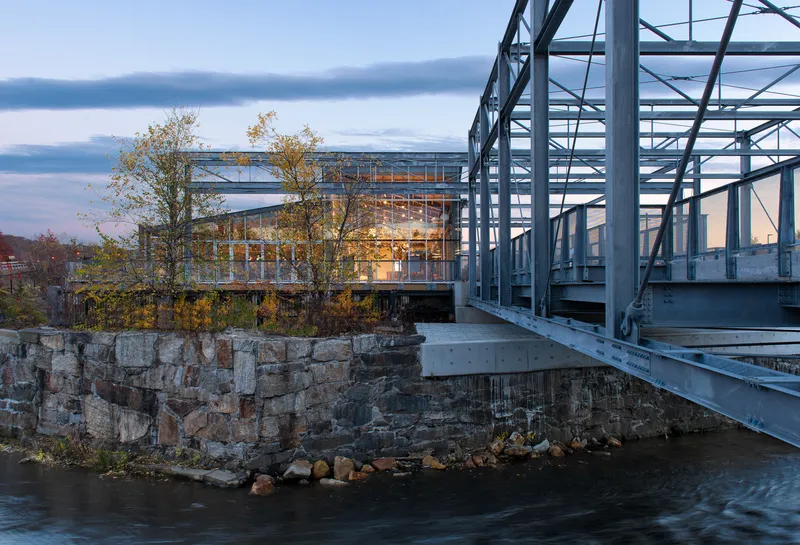
The masterplan is organized around five key architectural and landscape elements that collectively shape the visitor experience:
- Visitor Center Building: A flexible structure housing exhibition spaces, classrooms, and offices
- Festival Lawn: An open green space for public gatherings and events
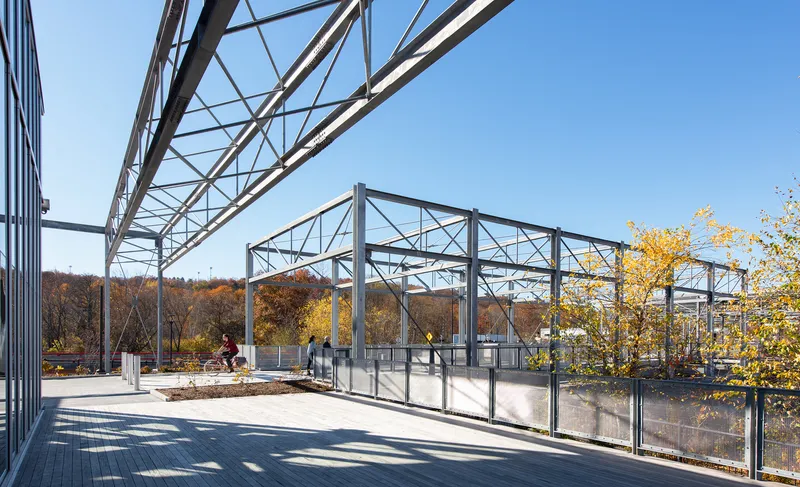
- Pedestrian Bridge: A connective element spanning the Blackstone River
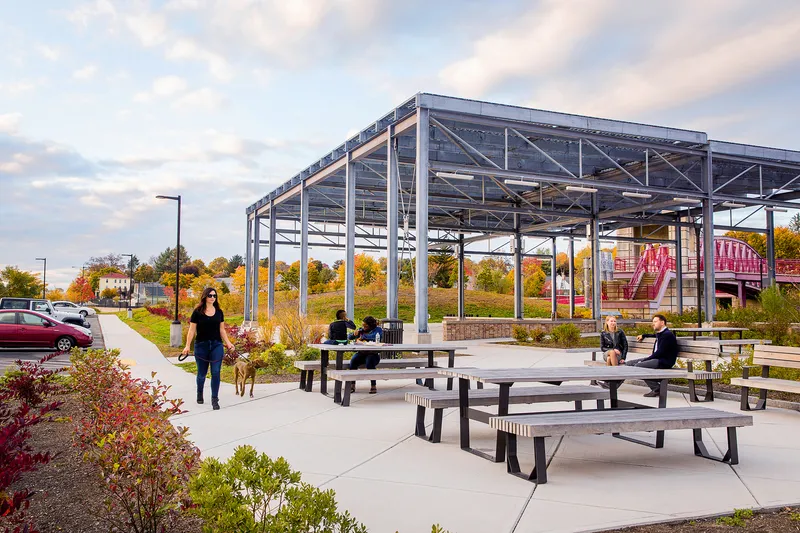
- Events Pavilion: A multifunctional plaza defined by a solar canopy
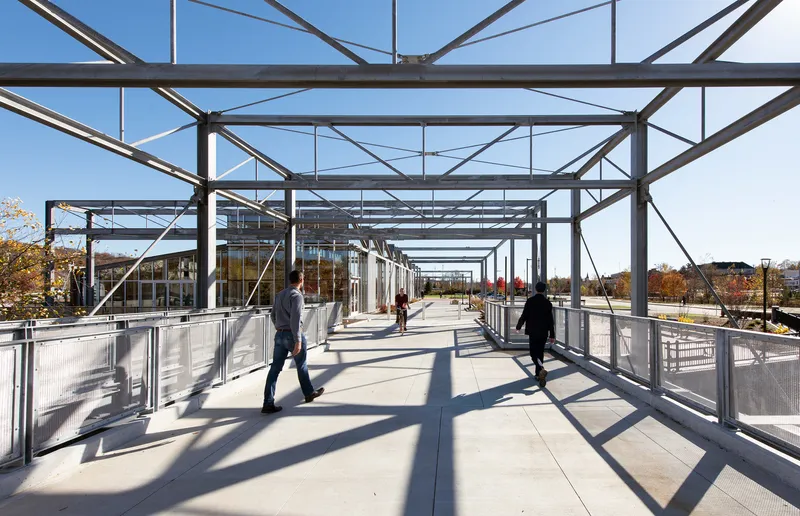
- Heritage Walk: A curated pedestrian and cycling path with interpretive installations
Together, these elements create a cohesive cultural landscape that encourages exploration, movement, and engagement.

Industrial Language Through Form and Materials
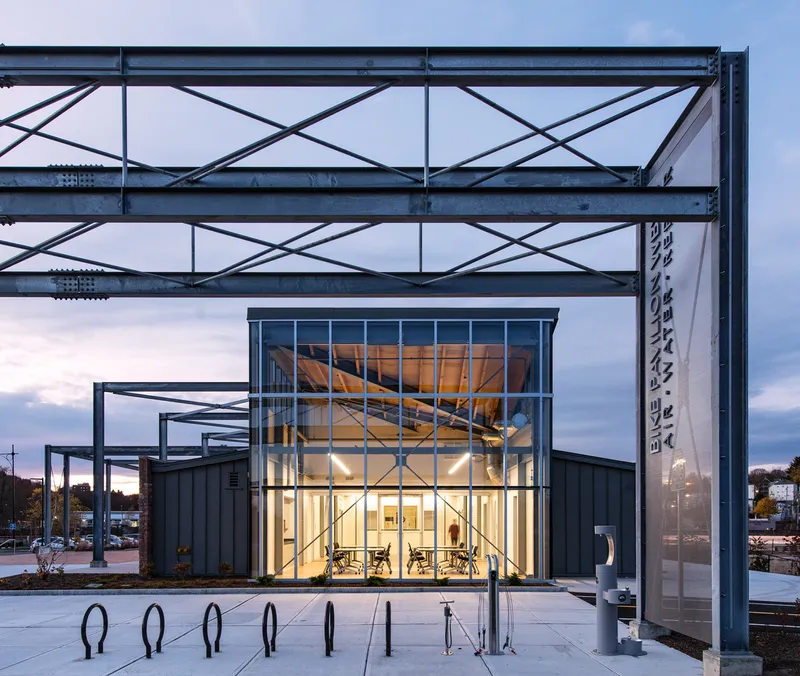
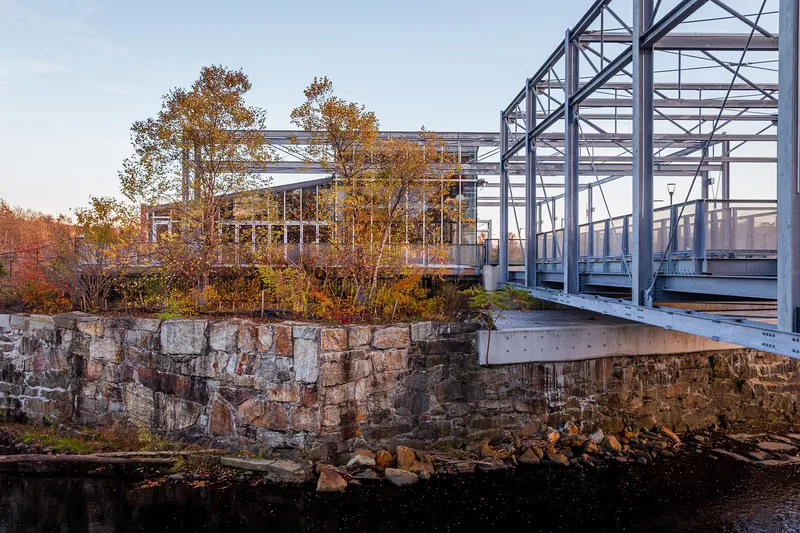
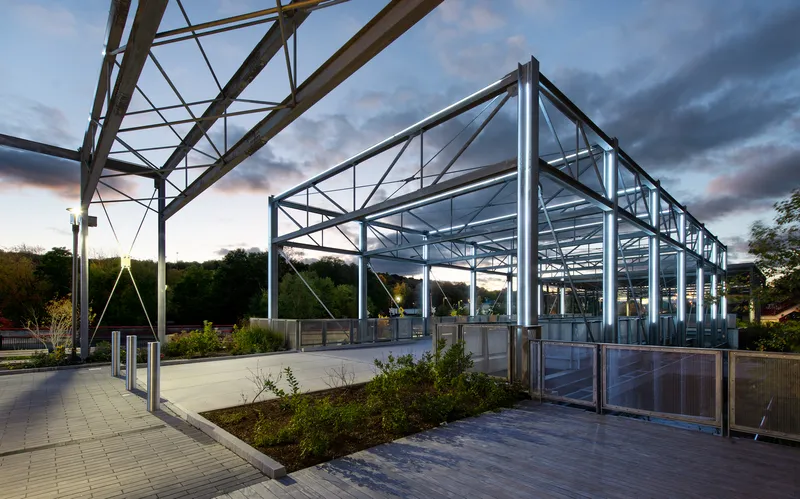
The architectural expression draws heavily from the site’s industrial past. Steel frames and wire-inspired detailing echo the legacy of wire manufacturing, while a series of large steel site frames visually reconstruct the scale of the former factory complex.
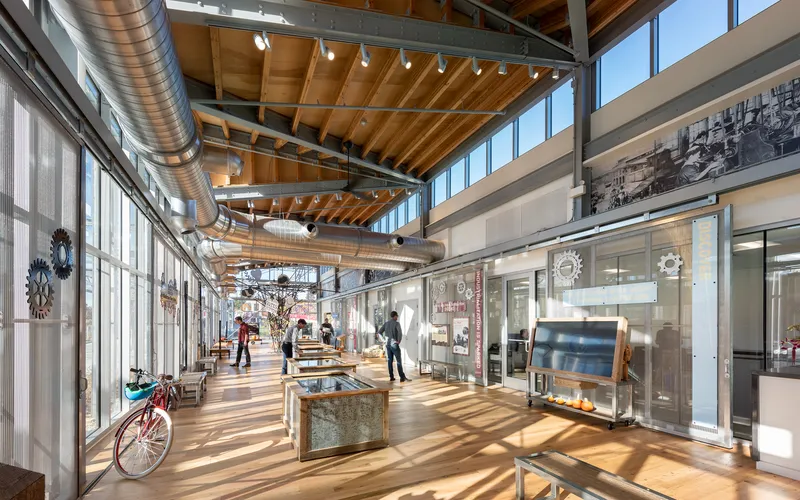
The visitor center’s folded roof is inspired by traditional sawtooth industrial roofs, referencing the original mill structures that once dominated the site. Reclaimed wood and brick, sourced from nearby industrial demolitions, further reinforce the narrative of reuse and continuity.
This careful layering of materials and forms creates a powerful sense of memory, transforming absence into presence through design.

Sustainable Design and Brownfield Remediation
A key aspect of the project is its commitment to sustainability and ecological restoration. The site, previously damaged by decades of industrial use, has been rehabilitated through thoughtful landscape strategies and environmentally responsible building systems.
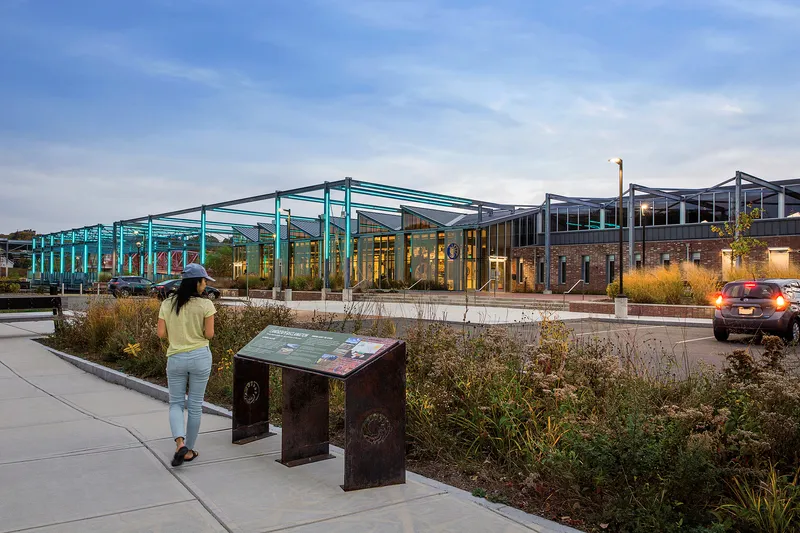
Native plantings, permeable surfaces, and sustainable construction methods work together to repair the land while reducing environmental impact. The integration of a solar array within the events pavilion highlights the project’s forward-thinking approach to renewable energy.
This transformation from industrial brownfield to sustainable public space reflects a broader shift in contemporary architecture, one that prioritizes regeneration over extraction.

Community-Centered Architecture
Beyond its architectural and environmental achievements, the Worcester Blackstone Visitor Center plays a crucial social role. It reconnects the surrounding Quinsigamond Village community with its heritage, offering a place for reflection, gathering, and storytelling.
The project fosters a renewed relationship between people and place, allowing visitors to engage with both the past and the evolving identity of the community. It is not just a building, but a platform for collective memory and future narratives.

Architecture as Healing
Ultimately, the Worcester Blackstone Visitor Center represents architecture’s capacity to heal, both land and community. By transforming a site marked by industrial decline into a sustainable and inclusive public space, the project bridges history and modernity.
It stands as a compelling model for how architecture can preserve cultural identity, promote sustainability, and create meaningful civic spaces in post-industrial contexts.
All photographs are works of
Chuck Choi, Raj Das




Popular Articles
Popular articles from the community


Conexión: Biophilic Design Reimagines High-Rise Living in Hong Kong
Conexión reimagines high-rise living in Hong Kong through biophilic design, green facades, shared spaces, daylight, water and nature within.

The Earth Pod: 3D Printed Homes for Resilient Refugee Communities
The Earth Pod reimagines refugee housing through 3D printed homes made from clay, combining resilience, self-sufficiency, and rapid shelter.

Hill & Cross Opera: Sculptural Opera House Architecture Shaped by Tallinn’s Landscape and Identity
Hill & Cross Opera reimagines opera house architecture in Tallinn through its sculptural hill, civic plaza, glass wave and a luminous cross.

The Musturak Paradise: Senior Living Architecture for a Connected Future in Temara, Morocco
The Musturak Paradise reimagines senior living architecture in Temara via private homes, social spaces, culture, community, and shared care.


Similar Reads
You might also enjoy these articles


FAMM Arquitectura Organizes Ten Villas Around Courtyards and Jungle in Nosara, Costa Rica
El Molino pairs two elongated volumes with deep overhangs and timber louvers to build a compact coastal community five minutes from the beach.

Oscar Niemeyer's Ibirapuera Park Pavilions Define São Paulo's Cultural Identity in Concrete and Curve
A constellation of modernist volumes set within São Paulo's most important urban park, conceived for the city's 400th anniversary in 1954.
How Henri Picq's 1889 Paris Pavilion Traveled 11,000 Kilometers to Become Santiago's Artequín Museum
A prefabricated iron and glass pavilion built for the Paris Universal Exposition found a second life as a children's art museum in Chile.

Sanjay Puri Architects Wraps a Jaipur Office Tower in Capsule-Shaped Green Buffers
A nine-level climate-responsive workplace near Jaipur Airport uses stacked planter terraces and aluminium screens to fight 40°C heat.


Explore Architecture Competitions
Discover active competitions in this discipline



Challenge to reimagine the Iron Throne


Photograph architecture without architects


Illustrate the lost glory of Angkor Wat - Render Challenge


Design challenge to reuse E-waste
Comments (0)
Please login or sign up to add comments
No comments yet. Be the first to comment!