
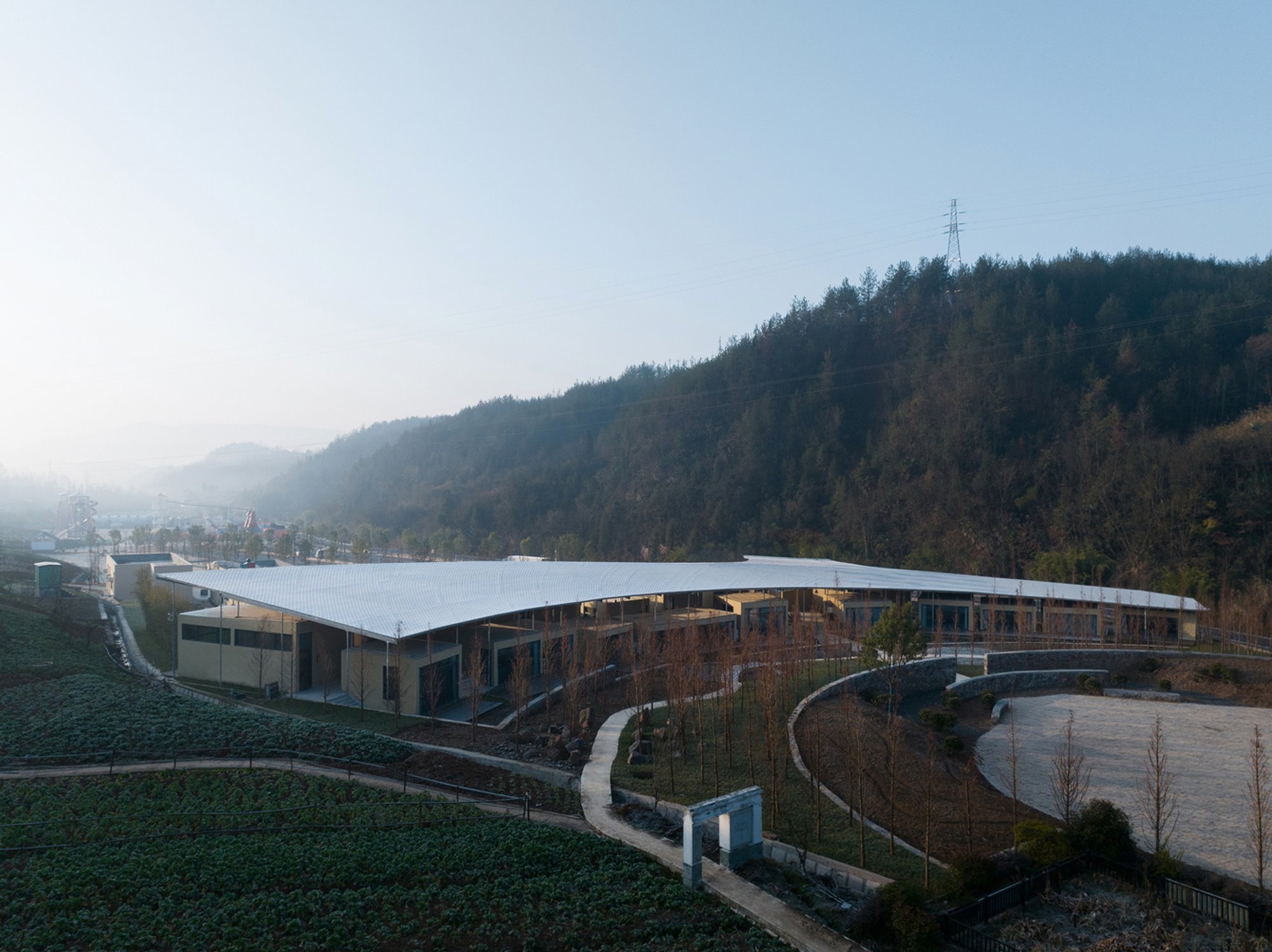
Wufu Shanshui Dragon Family Banquet Restaurant: A Masterpiece of Rural Architecture by Describing Architecture Studio
The Wufu Shanshui Dragon Family Banquet Restaurant blends modern design with rural traditions, featuring modular structures, steel roofs, and community-focused spaces.

Location: Longjing Village, Baofeng Town, Zhushan County, Hubei Province, China Architects: Describing Architecture Studio Area: 1,150 m² Year: 2022 Photographs: Archi-Translato Lead Architects: Wei Li, Yuan Yuan
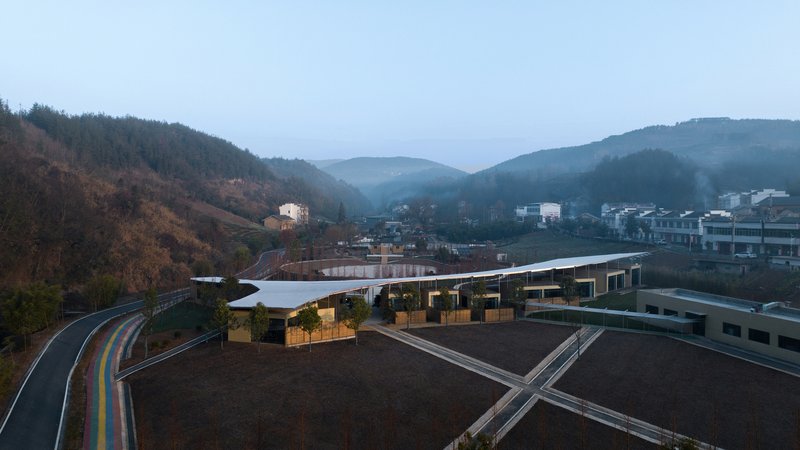
The Wufu Shanshui Dragon Family Banquet Restaurant is an innovative architectural gem designed by Describing Architecture Studio. Situated in Longjing Village, Hubei Province, this restaurant serves as the cornerstone of the Wufu Longjing Smart Agricultural Innovation Park. The design aims to provide a distinct and inviting dining space that accommodates both locals and visitors, while blending seamlessly with the surrounding rural landscape. This architectural marvel also pays homage to the cultural heritage of the area, offering a space where food, nature, and tradition coexist harmoniously.
Concept and Design Philosophy
The design concept behind the Wufu Shanshui Dragon Family Banquet Restaurant is deeply rooted in the natural beauty and historical significance of the site. Located near the Longjing Square, the village’s spiritual center, the architecture is intended to evoke a sense of place and continuity with the ancient Longjing trees that characterize the region. The owners envisioned a space that would facilitate social interaction, research, and entertainment, while fostering a connection to the rich history and natural environment of Longjing Village.
The building's unique layout is designed to accommodate 24 dining tables, varying in size to support different types of events, such as weddings, parties, and private receptions. The restaurant's location near Longjing Square provides stunning views of the surrounding rural landscape, while the architectural elements ensure privacy and intimacy for diners. The design also prioritizes flexibility, allowing for a variety of spatial arrangements to suit the needs of different functions and gatherings.
Architectural Form and Structure
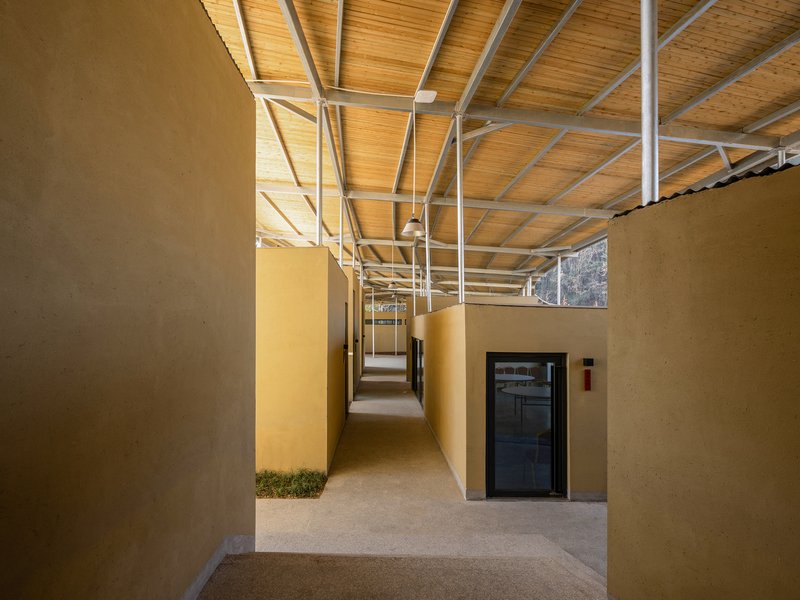
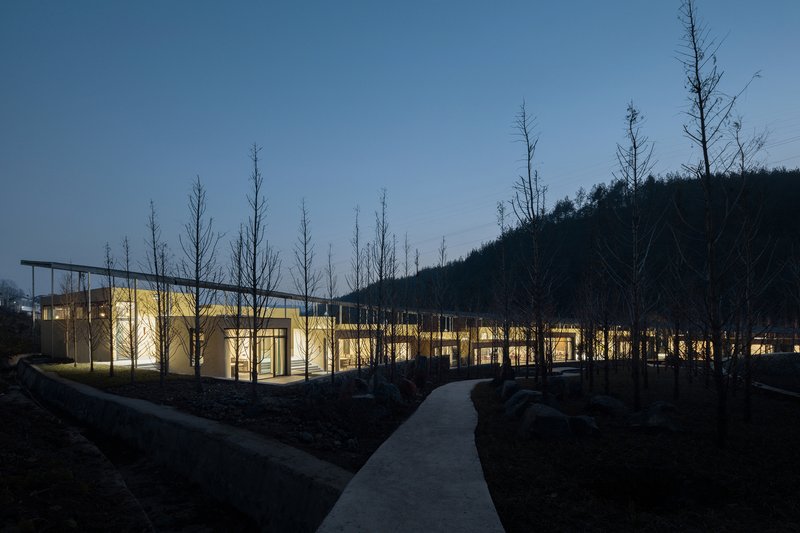
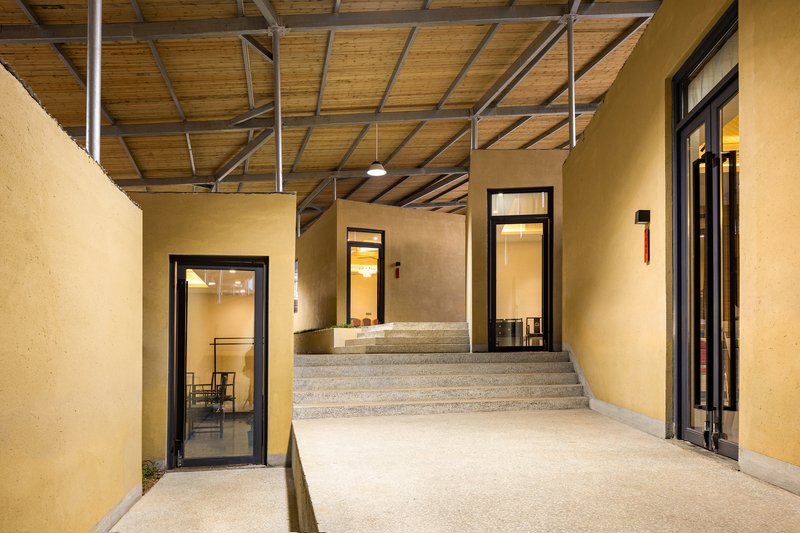
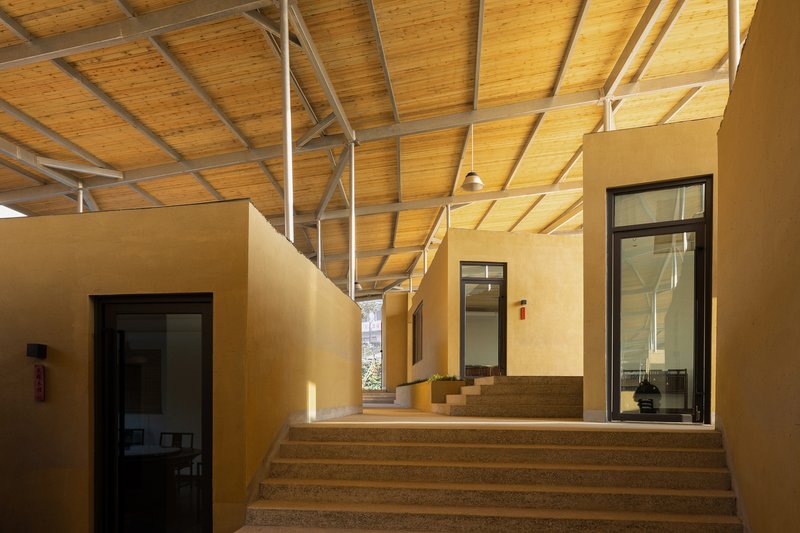
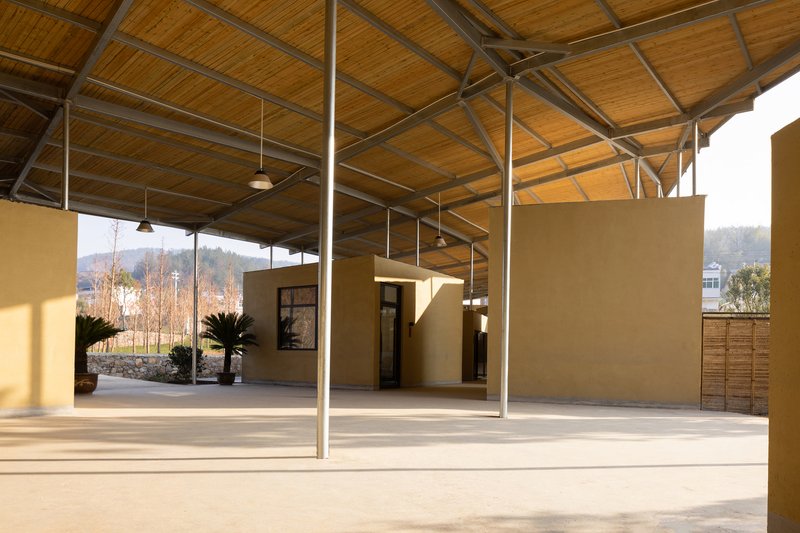
The restaurant's layout consists of 20 independent units—each catering to different functional requirements, including dining spaces, bathrooms, and reception areas. These units are organized in a linear fashion, creating a diverse laneway space that fosters both unity and individuality. The building's modular design ensures that each dining box has a unique size and configuration, offering varying levels of privacy while maintaining an open, welcoming atmosphere.
The design of the restaurant draws inspiration from the natural growth patterns of the Longjing Village and its free-form landscape. The boxes are oriented to face the surrounding rural scenery, creating an open and fluid connection with the environment. The placement of the boxes is not rigidly organized, mirroring the organic development of the village. The arrangement allows for dynamic and flexible use of space, with a gradual transition from individual units to a collective, centripetal form around the ancient tree at the heart of Longjing Square.
The Unified Roof: A Symbol of Shelter and Continuity
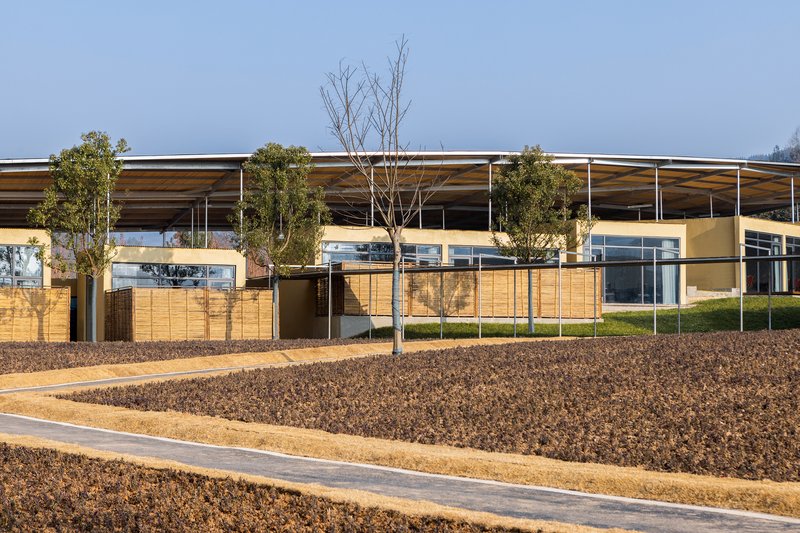
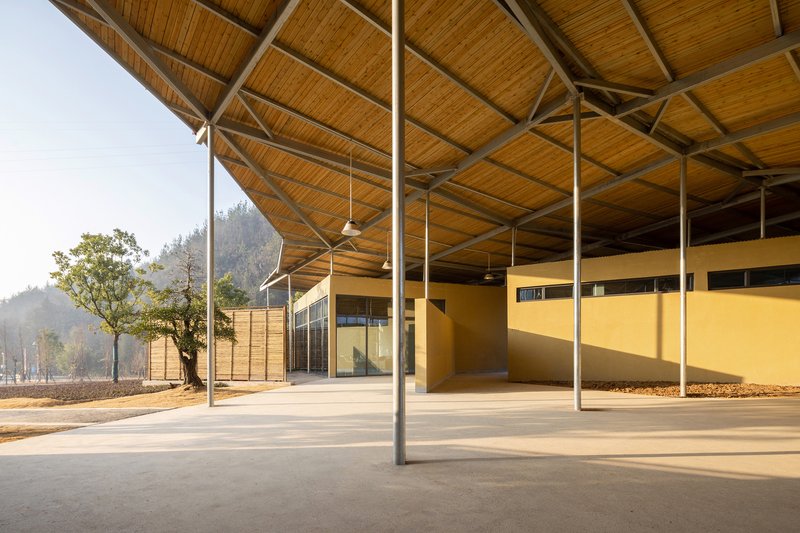
A key feature of the restaurant’s design is the undulating roof, which unifies the various independent boxes under a single, lightweight shelter. The roof follows the natural contours of the terrain, providing shade and protection while encouraging social interaction. Open spaces between the boxes offer opportunities for rest and connection, with the roof serving as both a protective canopy and a symbolic gesture that brings together the various components of the restaurant.
The roof is made of linoleum tile, chosen for its lightweight properties, ease of construction, and cost-effectiveness. This material selection reflects the low-tech richness of the building, which embraces both modern industrial techniques and traditional building methods to create a harmonious architectural solution.
Structural Integrity and Innovation
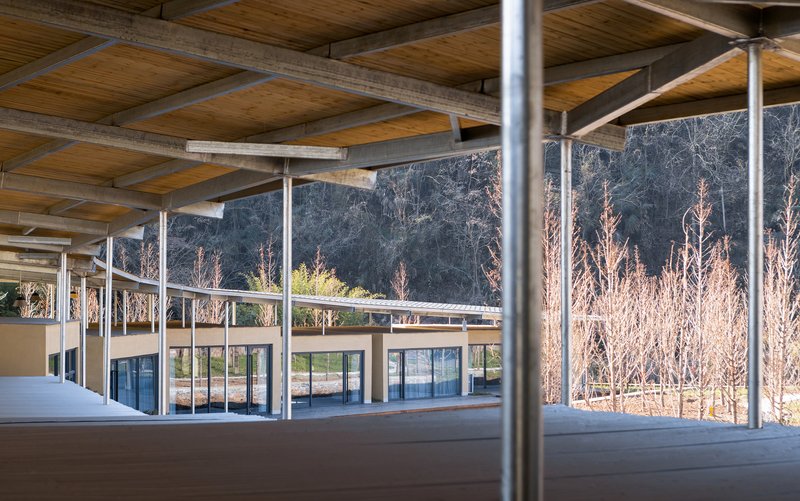
The Wufu Shanshui Dragon Family Banquet Restaurant features a free structure that incorporates both frame construction and steel support elements. The regular geometric boxes are framed with wooden structures, while the roof is supported by a more industrialized steel framework. This combination allows for an expressive architectural form that balances structural efficiency with aesthetic flexibility.
The steel columns, with their minimal diameter, create a visually light support system, allowing the roof to appear suspended above the building. The use of steel beams ensures that the roof can span large areas without the need for excessive vertical supports, maintaining the building's open, airy feel.
This semi-industrial construction method reflects the evolving character of rural architecture in the 21st century, where industrialized construction techniques are being integrated with traditional rural building practices. The steel structure is supported by wooden floors, blending the best of both worlds and resulting in a visually cohesive and environmentally conscious design.
Rural Revitalization and Community Impact
The design of the Wufu Shanshui Dragon Family Banquet Restaurant is a direct response to the ongoing process of rural revitalization. The building’s construction method, along with its integration into the surrounding landscape, contributes to the modernization of rural architecture while maintaining a deep respect for local traditions and culture. The lightweight steel roof and modular design are examples of how modern technology can be adapted to meet the unique needs of rural communities.
This project not only serves as a functional dining space but also plays a crucial role in the cultural and social fabric of Longjing Village. It enhances the village's role as a gathering place, offering a welcoming environment for both residents and visitors. The design's flexibility and openness encourage community engagement and provide a model for future rural developments.
The Wufu Shanshui Dragon Family Banquet Restaurant is a remarkable example of how modern architectural design can engage with the history and culture of its surroundings while embracing innovative construction techniques. By blending functionality, aesthetic beauty, and cultural relevance, the restaurant serves as both a community hub and a celebration of rural architecture. Describing Architecture Studio’s thoughtful design ensures that the building not only meets the functional needs of the community but also contributes to the broader narrative of rural revitalization and sustainable development.



Popular Articles
Popular articles from the community

Architects Group RAUM Stacks Offset White Volumes into a Compact Office Tower in Busan
A 524-square-meter building on a tight corner lot in Haeundae plays with sunlight rights and shifting floor plates to create generous terraces.
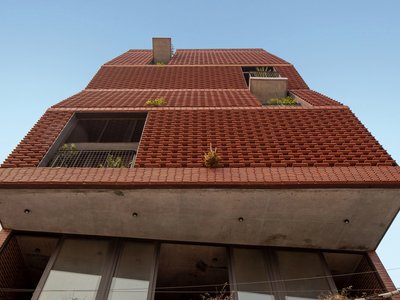
H&P Architects Stack a Vertical River of Brick and Greenery in Hanoi
A perforated terracotta tower in Dong Anh channels water, light, and air through eight staggered levels of domestic life.

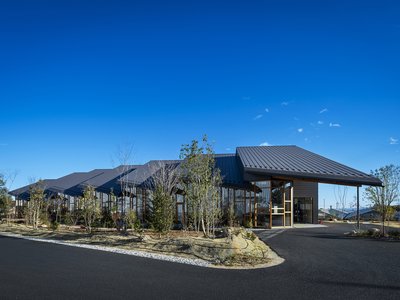
20 Most Popular Office Building Projects of 2025
From biophilic workspaces in India to net-positive energy offices in New Delhi, 20 office building projects that defined architecture in 2025.
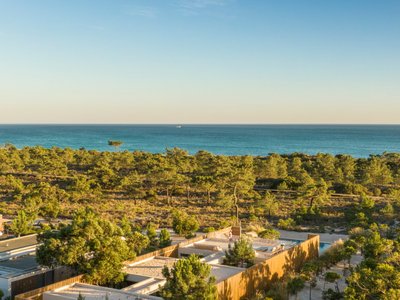
BICA Arquitectos Buries a Coastal Home in a Man-Made Dune on Portugal's Tróia Peninsula
A 300-square-meter house of timber, sand mortar, and travertine dissolves into the dune landscape it helped regenerate on the Alentejo coast.

Similar Reads
You might also enjoy these articles
Olio Towers: A Mid-Rise for Performers That Fuses Housing, Rehearsal, and Stage
Located blocks from Houston's Theater District, this modular tower stacks living units around a central performance atrium.
Oasis: Modular Green Housing Carved into Dhaka's Urban Fabric
A shortlisted Plugin Housing entry reclaims unauthorized settlements in Dhaka with stepped concrete volumes, green roofs, and ventilation-driven design.

Black Hole: A Floating Megastructure for the Post-Physical Era
Emiliano Mazzarotto envisions a spherical, self-scaling arena where e-sports, digital hotels, and holographic stadiums replace traditional public space.
Compact & Sustainable Living in Piraeus: A Four-Level Family Home Built Around Light and Air
A narrow townhouse in one of Greece's densest port cities uses a central atrium and passive strategies to house three generations under one roof.


Explore Architecture Competitions
Discover active competitions in this discipline




The International Standard for Design Portfolios


The Global Benchmark for Architecture Dissertation Awards


The Global Benchmark for Graduation Excellence


Challenge to reimagine the Iron Throne
Comments (0)
Please login or sign up to add comments
No comments yet. Be the first to comment!