
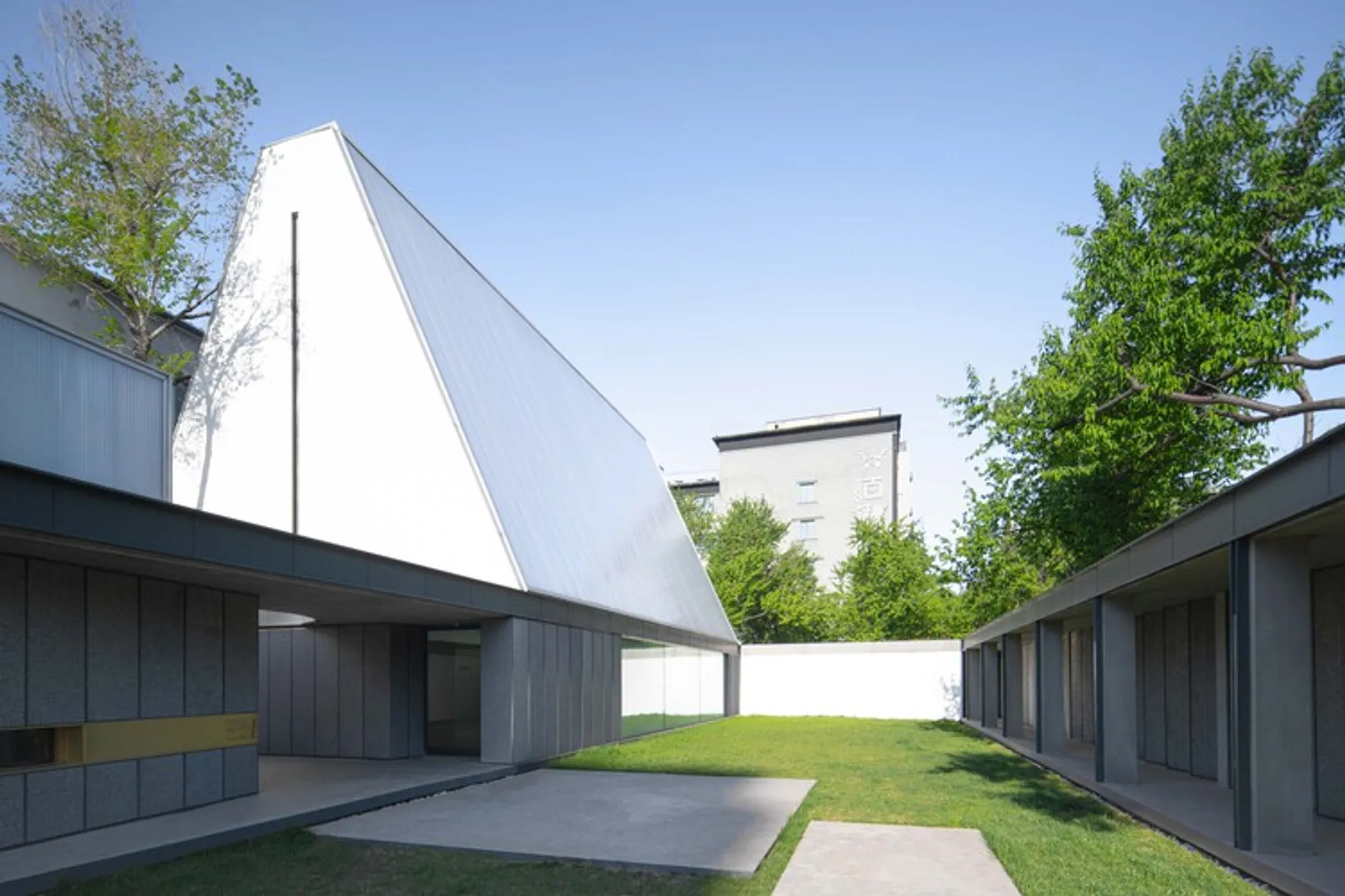
Xun Pavilion by Nomos Architects
Xun Pavilion by Nomos Architects creates a serene wedding venue in Shenyang, blending courtyard design, light, and modern ceremonial architecture.


The Xun Pavilion, designed by Nomos Architects, redefines the concept of urban wedding architecture in the heart of Shenyang, China. Positioned on the historic site of an ancient city gate, the pavilion seamlessly blends cultural heritage with contemporary architecture, offering a tranquil sanctuary amidst the bustling city core. Designed as a wedding venue and ceremonial space, it provides young couples with a refined alternative to conventional hotel weddings while creating a harmonious connection between tradition, modernity, and urban life.
Urban Context & Design Challenges
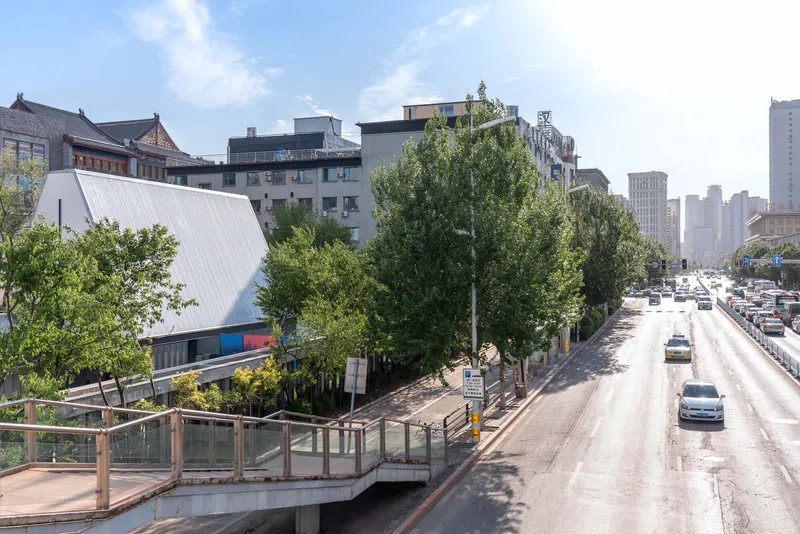
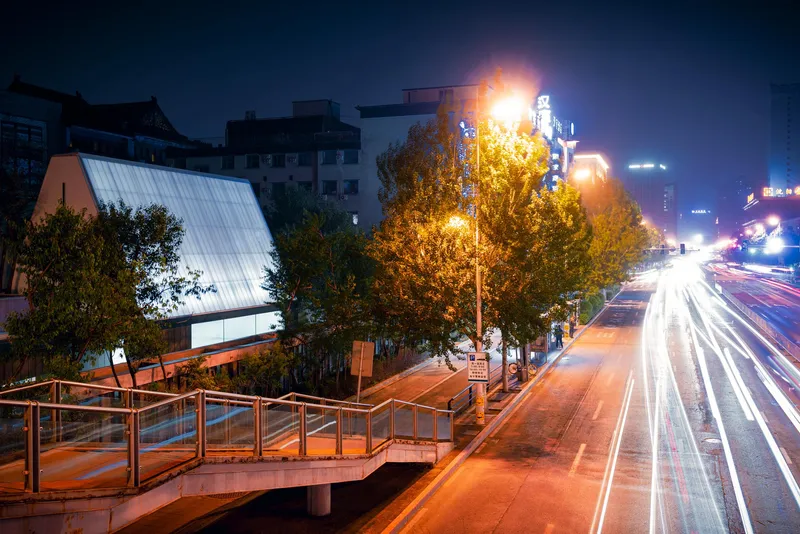
The project is located in Shenyang’s city center, an area surrounded by commercial buildings from various eras and a heavily trafficked road. Like many dense urban sites across China, it lacked the solemn atmosphere often associated with weddings. The architects aimed to transform this challenging context into a serene ceremonial environment, shielding the venue from noise and distractions while establishing a pure, intimate setting for gatherings.
The Courtyard Concept
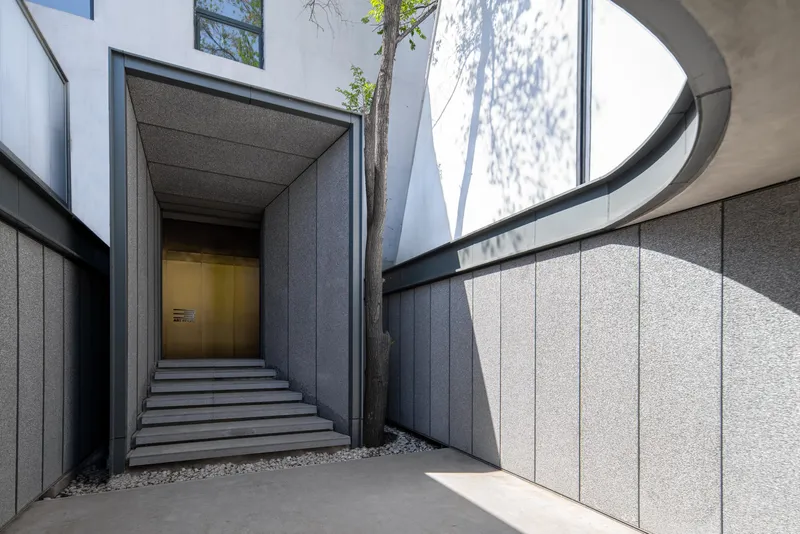
To achieve tranquility, Nomos Architects introduced a carefully designed courtyard that acts as a buffer between the busy city and the ceremonial hall. The entrance sequence deliberately takes several turns, filtering out external chaos and gradually immersing guests into a calm, reflective atmosphere.
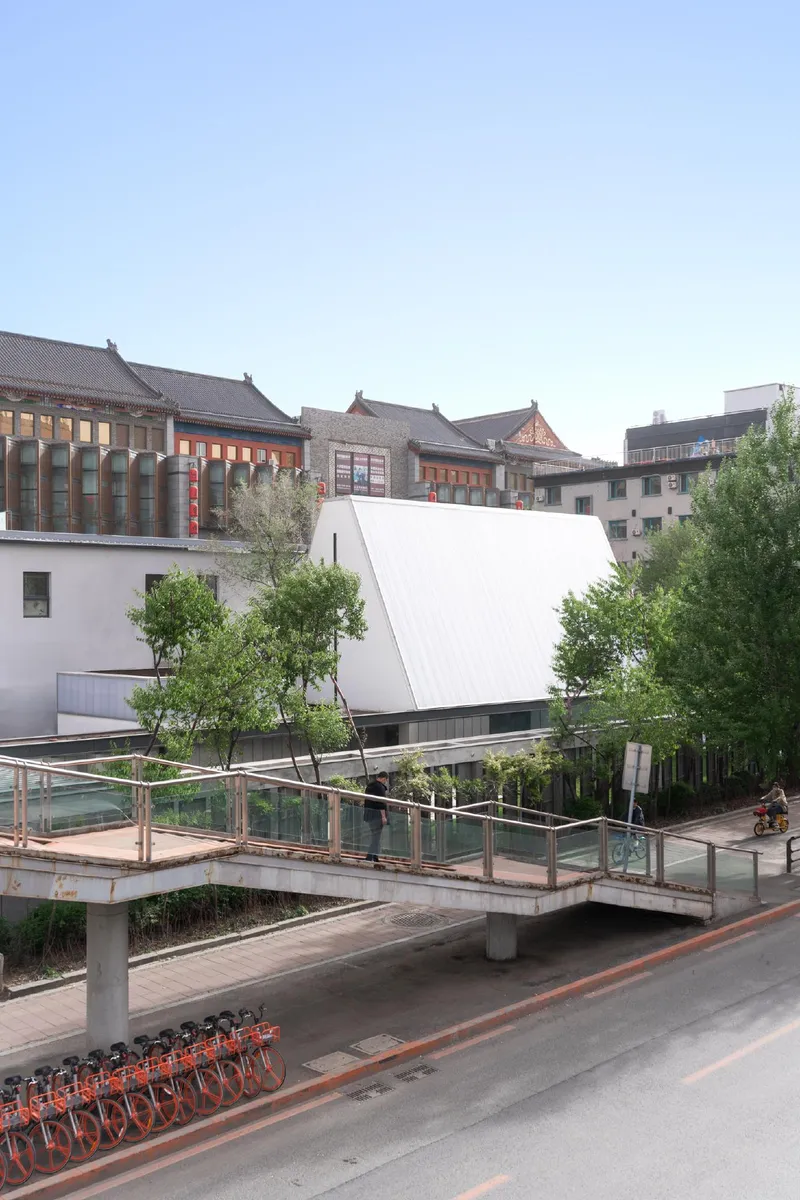
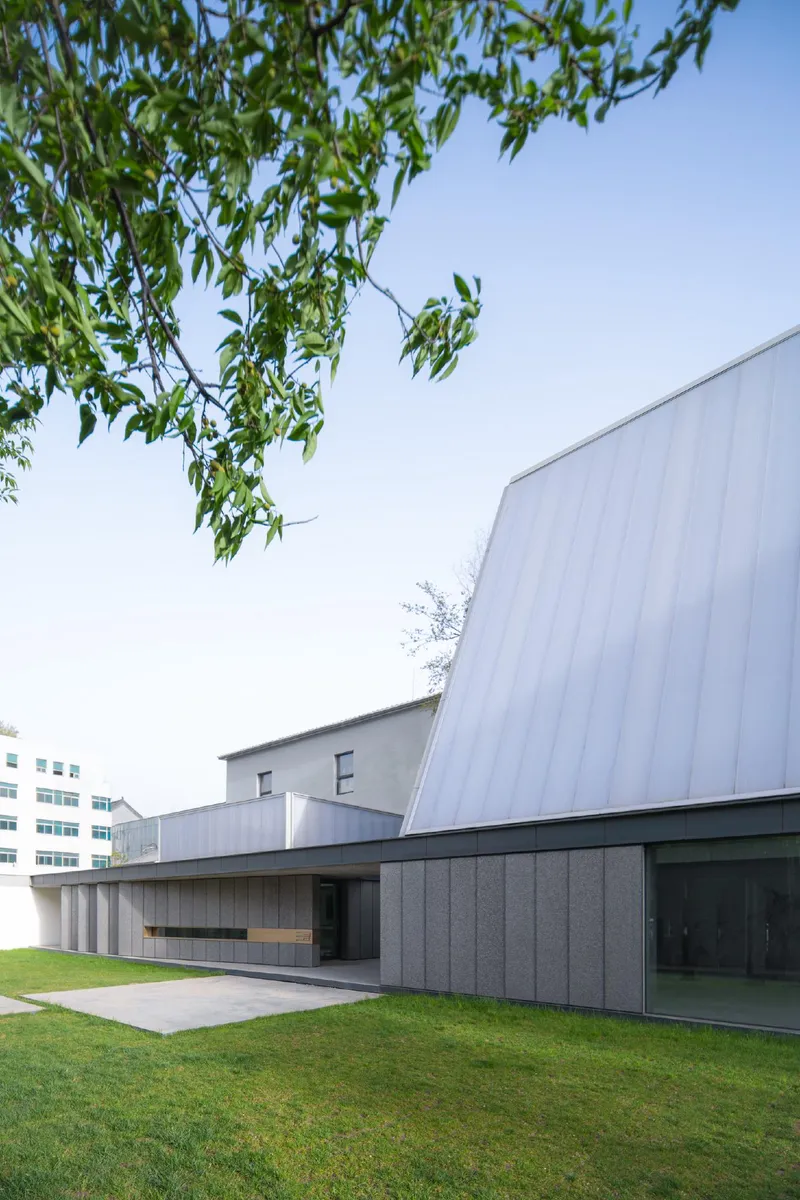
- On one side, a green lawn faces the road.
- On the other, the wedding hall defines the heart of the courtyard.
- Tall walls and strategically placed trees provide privacy and silence.
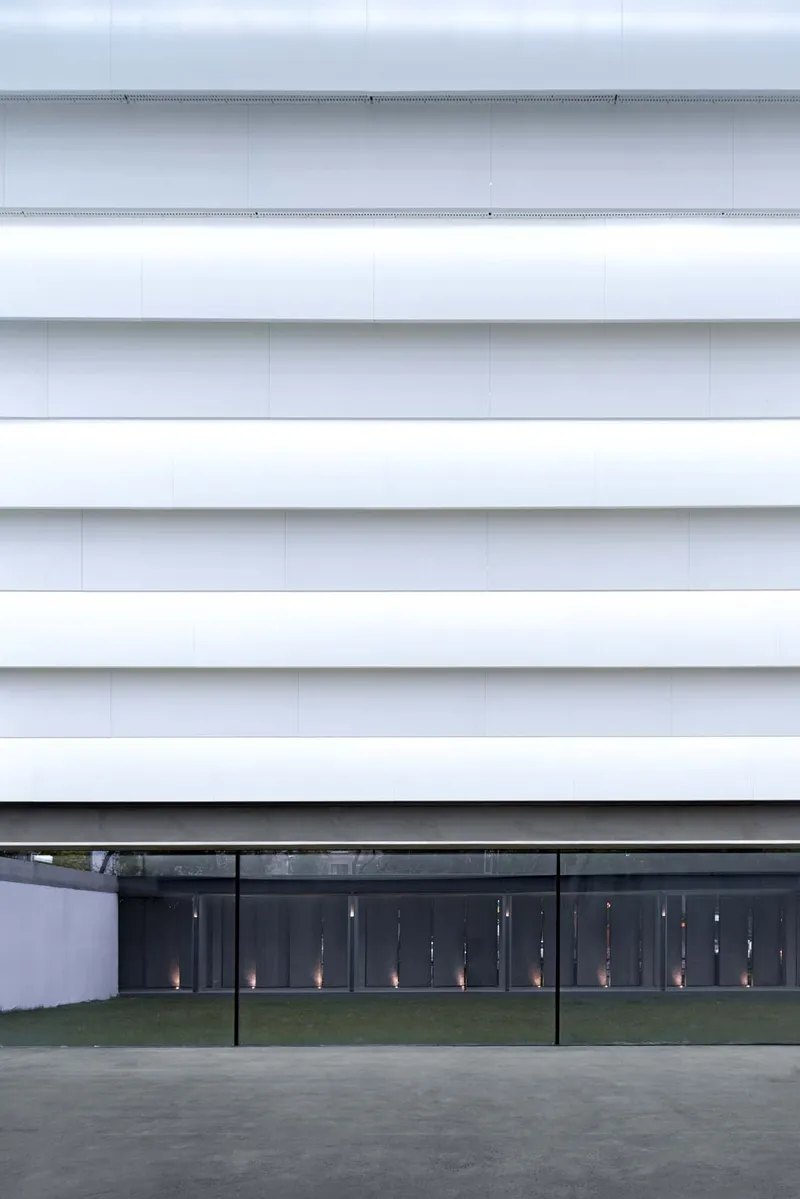
This courtyard design not only frames the wedding experience but also reflects the Chinese architectural tradition of layered spatial progression, where movement through space prepares guests emotionally for the event.
Architectural Form & Materials
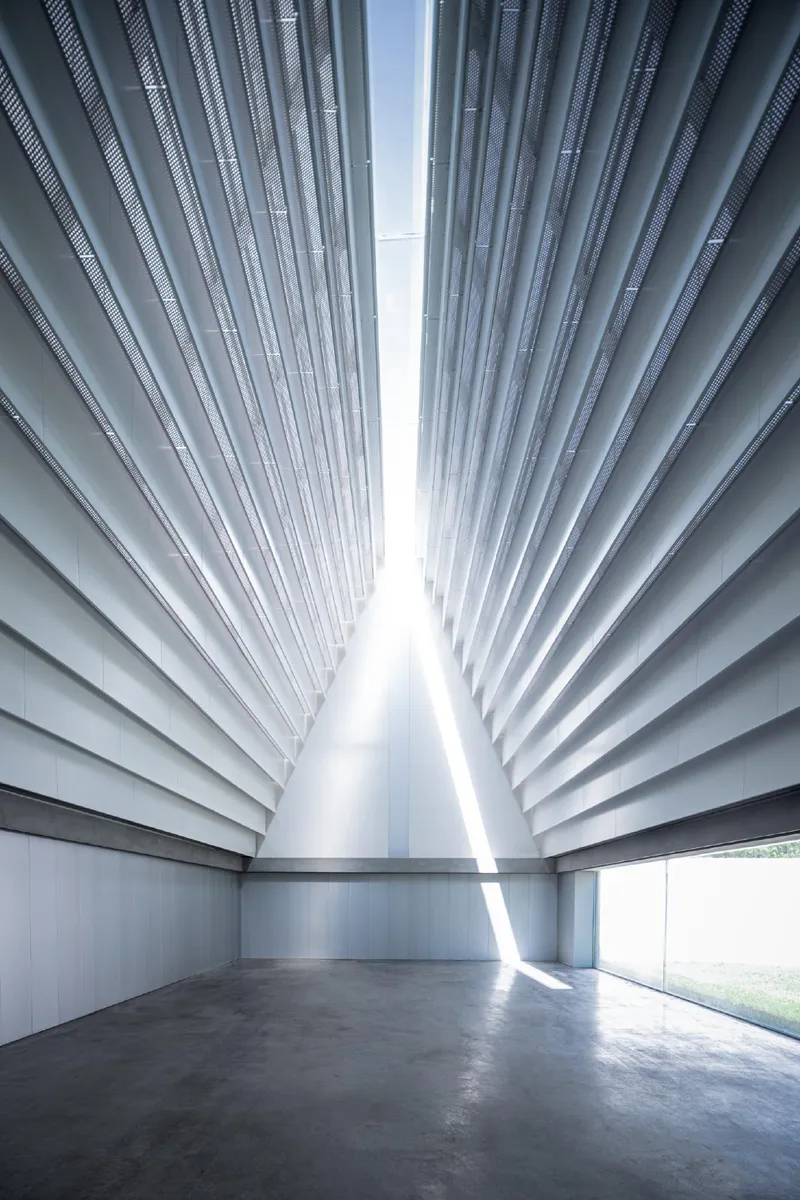
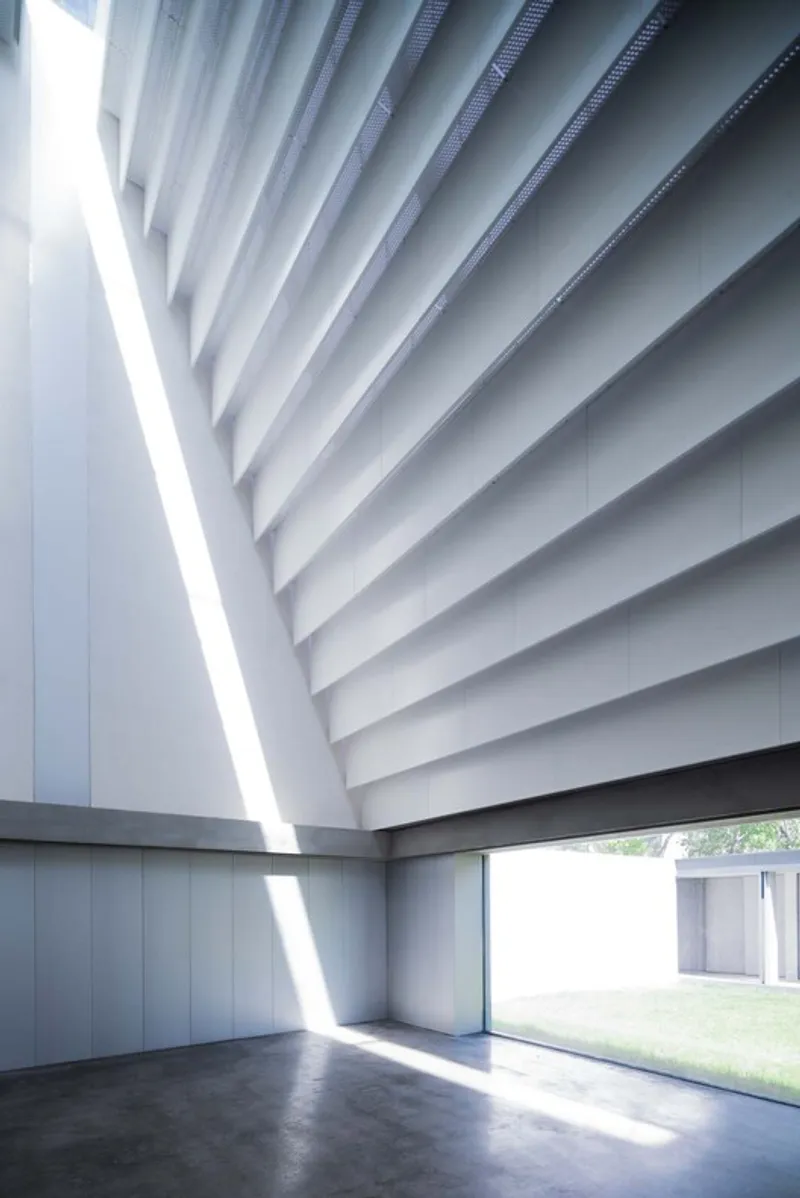
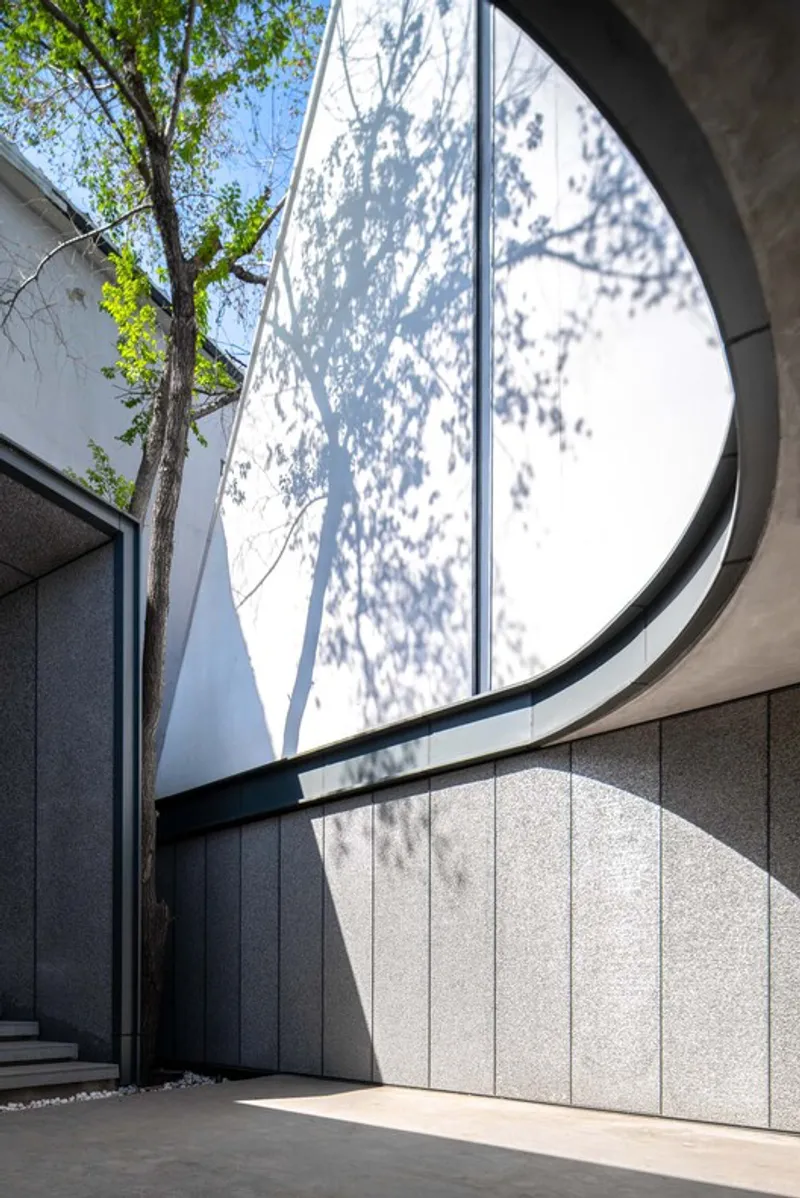
The main wedding hall is distinguished by its white polycarbonate roof panels, creating a light-filled, ethereal atmosphere symbolic of purity. Natural light filters through, enhancing the sacredness of the ceremony space.
Key material highlights:
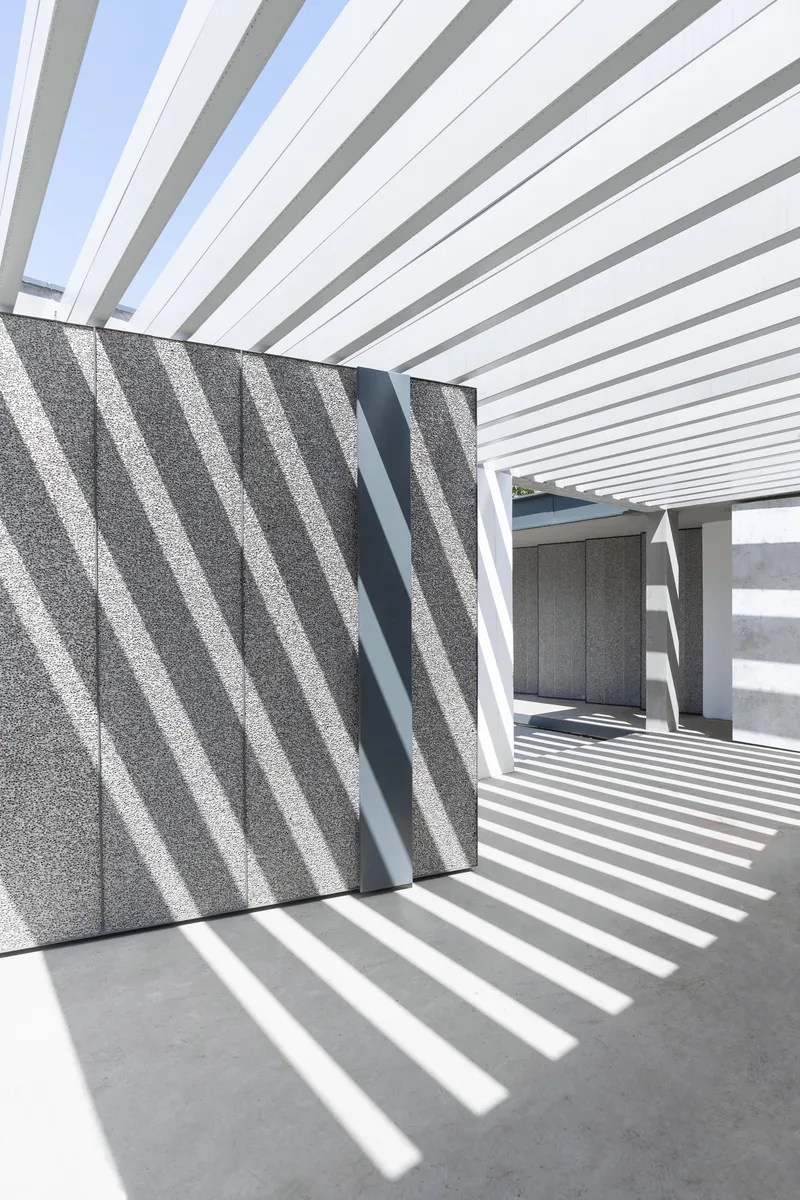
- Foam aluminum wall panels: Absorb urban noise while mimicking a stone-like texture for elegance.
- Low windows and skylights: Frame controlled views of the courtyard and sky, directing focus inward.
- Exposed beams and glass skylights: Structural clarity ensures openness and simplicity.
- Perforated aluminum panels: Conceal lighting and HVAC systems, preserving the serenity of the space.
This blend of minimalist detailing and sophisticated material choices creates an environment that is both functional and ceremonial.
Spatial Experience
Inside the ceremonial hall, the atmosphere is intimate and contemplative. Guests experience a sense of timelessness and calm, with light and space carefully choreographed to enhance the significance of the event. The interplay between structure, light, and silence elevates the wedding beyond a social event into a spiritual experience.
The project also embraces modern aspirations of young Chinese couples who increasingly prefer venues outside traditional hotels. By combining cultural symbolism with contemporary architectural design, the Xun Pavilion supports both familial traditions and individual expression.



Popular Articles
Popular articles from the community


The Musturak Paradise: Senior Living Architecture for a Connected Future in Temara, Morocco
The Musturak Paradise reimagines senior living architecture in Temara via private homes, social spaces, culture, community, and shared care.

The Earth Pod: 3D Printed Homes for Resilient Refugee Communities
The Earth Pod reimagines refugee housing through 3D printed homes made from clay, combining resilience, self-sufficiency, and rapid shelter.

Hill & Cross Opera: Sculptural Opera House Architecture Shaped by Tallinn’s Landscape and Identity
Hill & Cross Opera reimagines opera house architecture in Tallinn through its sculptural hill, civic plaza, glass wave and a luminous cross.

Riyadh For All: Intergenerational Urban Design for Active Aging in Rabat
Riyadh For All reimagines urban design in Rabat with intergenerational co-living, adaptive courtyards, and Moroccan cultural exchange today.

Similar Reads
You might also enjoy these articles


Hodi-Mandai Geram
Project Function: Preservation and revitalization of the Intangible heritage and socio-spatial identity of the Hodi by Housing, Cultural Memory Center, Sacred Grove, landscape, local tourism economy


Olio Towers: A Mid-Rise for Performers That Fuses Housing, Rehearsal, and Stage
Located blocks from Houston's Theater District, this modular tower stacks living units around a central performance atrium.

Oasis: Modular Green Housing Carved into Dhaka's Urban Fabric
A shortlisted Plugin Housing entry reclaims unauthorized settlements in Dhaka with stepped concrete volumes, green roofs, and ventilation-driven design.

Black Hole: A Floating Megastructure for the Post-Physical Era
Emiliano Mazzarotto envisions a spherical, self-scaling arena where e-sports, digital hotels, and holographic stadiums replace traditional public space.
Explore Hospitality Building Competitions
Discover active competitions in this discipline



Challenge to reimagine the Iron Throne


Photograph architecture without architects


Illustrate the lost glory of Angkor Wat - Render Challenge


Design challenge to reuse E-waste
Comments (0)
Please login or sign up to add comments
No comments yet. Be the first to comment!