

ZHA presents Odesa Expo 2030 masterplan proposal at BIE General Assembly
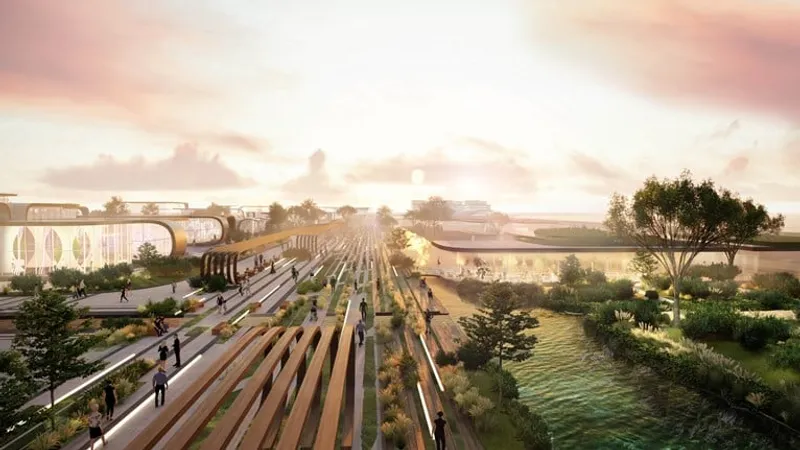
The masterplan includes a variety of facilities and amenities that would make the Expo a success.

“In a city that has always been multinational and multicultural, a city of diversity with ancient connections throughout the world, when you visit Ukraine and our Odesa in 2030, you will feel the power and culture of not just one country and one city… you will feel the potential of all humanity.”
- Volodymyr Zelenskyy, President of Ukraine
The Zaha Hadid Architects team was delighted to join the delegation representing Odesa, Ukraine at the 171st General Assembly of the Bureau International des Expositions (BIE) in Paris. It was an honour to present the Odesa Expo 2030 bid proposal and to showcase all that our city has to offer.
As Ukraine looks towards the future, we are committed to a fundamental transformation of our economy towards energy efficiency and low-carbon technologies. This is vital for the sustainable development of our country and our planet. We believe that Odesa is the perfect city to host Expo 2030 and we would be honoured to welcome the world to our city. Zaha Hadid Architects' design for ODESA EXPO 2030 focuses on the effective reuse of all facilities after the exhibition has ended. This is a challenge that all Expos face, and one that Zaha Hadid Architects is committed to solving. The Expo of the future will be one where nothing is wasted, and ODESA EXPO 2030 will be a showcase for this innovative approach.
The ODESA EXPO 2030 will be the first Expo to be hosted in Eastern Europe and it will follow the '2030 Agenda for Sustainable Development adopted by the United Nations. The 2030 Agenda for Sustainable Development focuses on economic and social sustainability, energy efficiency, reducing resource consumption, improving education, and encouraging economic growth throughout the region.
The site chosen for ODESA EXPO 2030 was an area that had been previously used for intensive farming, and as a result, the biodiversity was not as rich as it could have been. The Khadzhibey estuary is located near the centre of the city, making it easily accessible for those who wish to attend the EXPO. Furthermore, the location allows for the EXPO to be fully integrated into the city's transport infrastructure, community, and cultural life.
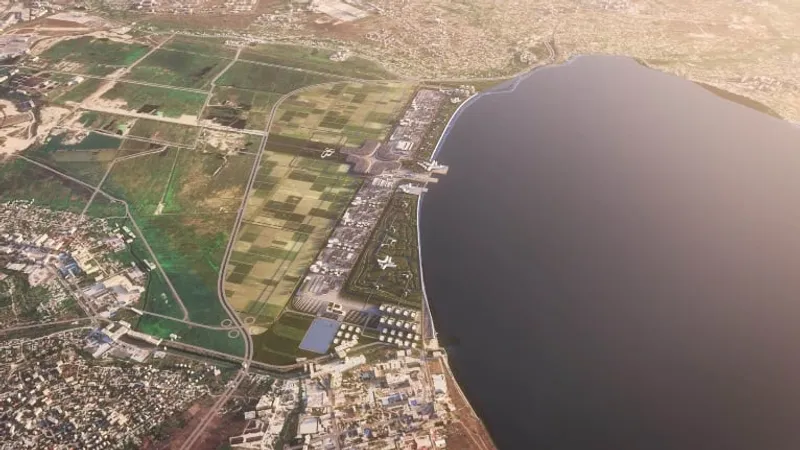
Odesa's Expo site is easily accessible for visitors arriving by plane, train, or ferry - 25 minutes from the airport, 15 minutes from the railway station, and just a short 20-minute ride from the ferry port. The city's historic old town, museums, and variety of beaches are all within easy reach of the Expo grounds, so you can make the most of your time in Odesa no matter what your interests are!

The EXPO 2030 site is designed with five main areas in mind. The Main Boulevard will connect all areas of the EXPO, with different plazas containing national pavilions located to the south of the boulevard. To the north of the boulevard will be the new coastal eco-park on the Khadzhibey estuary. Services, logistics and accommodation for visitors, participants, and staff will be situated at either end of the main boulevard for easy access.
When designing ODESA EXPO 2030, we kept legacy in mind first and foremost. The master plan is focused on a cluster of four central pavilions. These large pavilions have been designed to provide 80,000 sq. m of flexible exhibition halls for trade fairs and events adjacent to the Expo’s conference centre and hotel. This will become southern Ukraine’s first fair exhibition hub.
After EXPO 2030, the national pavilions will be dismantled and redeployed as new civic buildings throughout Ukraine. This will allow the Expo site to be returned to nature, with re-established wetlands integrated into the new coastal eco park near the city centre.
In the past, the bespoke approach to designing and constructing national pavilions for Expos has often resulted in increased construction costs, longer construction times, higher embedded carbon emissions, and reduced flexibility for any future use. ODESA EXPO 2030 will address these issues by offering participating nations the choice of a kit of parts to construct their pavilions.

This flexible modular system provides participating nations with a variety of options to design their pavilion using practical, creative, and visitor-friendly principles that enable each nation to individually reinterpret the over-arching theme of EXPO 2030 via their country’s unique cultural expression. Each modular component consists of approximately 25% of a standard pavilion’s 1,600 sq. m footprint and can be combined with other modular elements to create the country’s desired exhibition area.
With a digital configurator tool, countries will be able to select and connect components to create their pavilion. They can also customize the façade design, choosing from a set of materials with low carbon impact.
Once EXPO 2030 is over, those who participated can opt to have their modules sent to their home countries. Or, they can choose to donate their pavilion's components to be used again in Ukraine. The components will be shipped by barge and reassembled to create kindergartens, schools, medical clinics, or studios and workspaces for Ukraine's creative and digital industries.
These modules were designed to fit perfectly within the shipping barges that are commonly used to transport goods within Ukraine's Black Sea, Azov Sea, and Dnipro River. They can easily be delivered to Ukraine's major cities, where they will then be repurposed as civic and social infrastructure for various communities across the country.
This modular system for digital design and fabrication will ensure that the pavilions for EXPO 2030 can be quickly and economically fabricated off-site by the local supply chain in Ukraine. This system also ensures that each pavilion can be installed, dismantled, shipped, and re-installed in a fast and efficient way. Combined with Ukraine's existing manufacturing and digital expertise, this modular system can help to establish future-proofed local building fabrication enterprises throughout the country.
The ODESA EXPO 2030 will focus on minimizing the use of concrete and instead make greater use of recycled materials from damaged and demolished structures throughout southern Ukraine. Renewables will play a big part in the design of the pavilions, with photovoltaics on all roofs and wind turbines connected to the site's microgrid. This will make EXPO 2030 an energy-positive site that not only meets its own energy needs but also provides renewable energy to the local community.
References (2)

Popular Articles
Popular articles from the community


Opera on the Sea: Driftwood Logic Shapes a Timber Opera House on Estonia's Coast
Trevor Orgill's opera house translates the entangled drift of floating timber into a civic building where wood, water, and music converge.
Extended Shell: Retrofitting Kolkata's Balconies as Living Urban Thresholds
A modular retrofit system recovers the social and environmental intelligence of Kolkata's historic verandas for contemporary Park Street residents.
Tsunami Convergenics: Turning Catastrophic Ocean Forces into Underwater Housing Infrastructure
A speculative underwater settlement off the coast of Onagawa, Japan, treats tsunamis and typhoons as energy sources rather than threats.

Faces of the Soviet Avant-Garde: Turning Moscow's Street Names into an Open-Air Museum
A network of sculptural installations across a Moscow residential district transforms forgotten architect names into spatial encounters with cultural memor

Similar Reads
You might also enjoy these articles
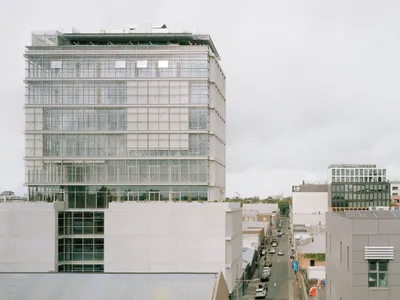
116 Rokeby Building, Collingwood
Sustainable Collingwood office building featuring double-skin façade, natural ventilation, rooftop amenities, and carbon-neutral design focused on wellbeing and longevity.
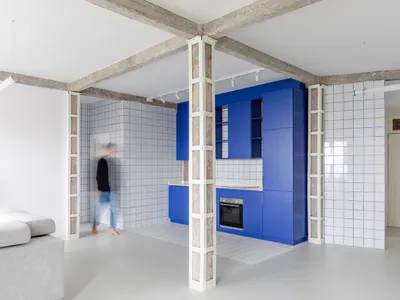
Contemporary Apartment Renovation in Spain: RV House by BIAN Opens Up to the Sea
A minimalist 1930s apartment in Santander is transformed into a flexible, sea-facing home through contemporary Spanish renovation.
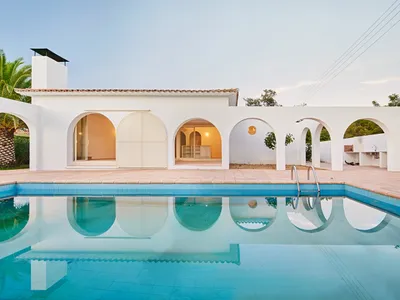
3 Marías House: A Contemporary Mediterranean Courtyard Retreat by Bajet Giramé + Burckhardt
Mediterranean courtyard home blending traditional architecture with modern design, terracotta flooring, flexible interiors, sustainable climate strategies, and garden integration.
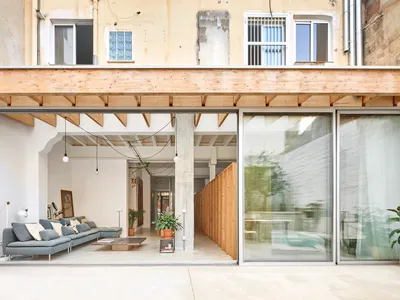
NZ10 Apartment by auba studio: Adaptive Reuse in Palma de Mallorca
Adaptive reuse apartment transforms bakery into light-filled home with patios, privacy layers, and wood interiors enhancing urban living experience.

Explore Architecture Competitions
Discover active competitions in this discipline


Challenge to reimagine the Iron Throne

Photograph architecture without architects

Illustrate the lost glory of Angkor Wat - Render Challenge

Design challenge to reuse E-waste
Comments (0)
Please login or sign up to add comments
No comments yet. Be the first to comment!