

Zöldike Nursery Flourishes with Archikon's Sustainable Design
How did Archikon Architects create an eco-friendly design for Zöldike Nursery?


Zöldike Nursery: Designing for Children with Site-Specific Sensibility
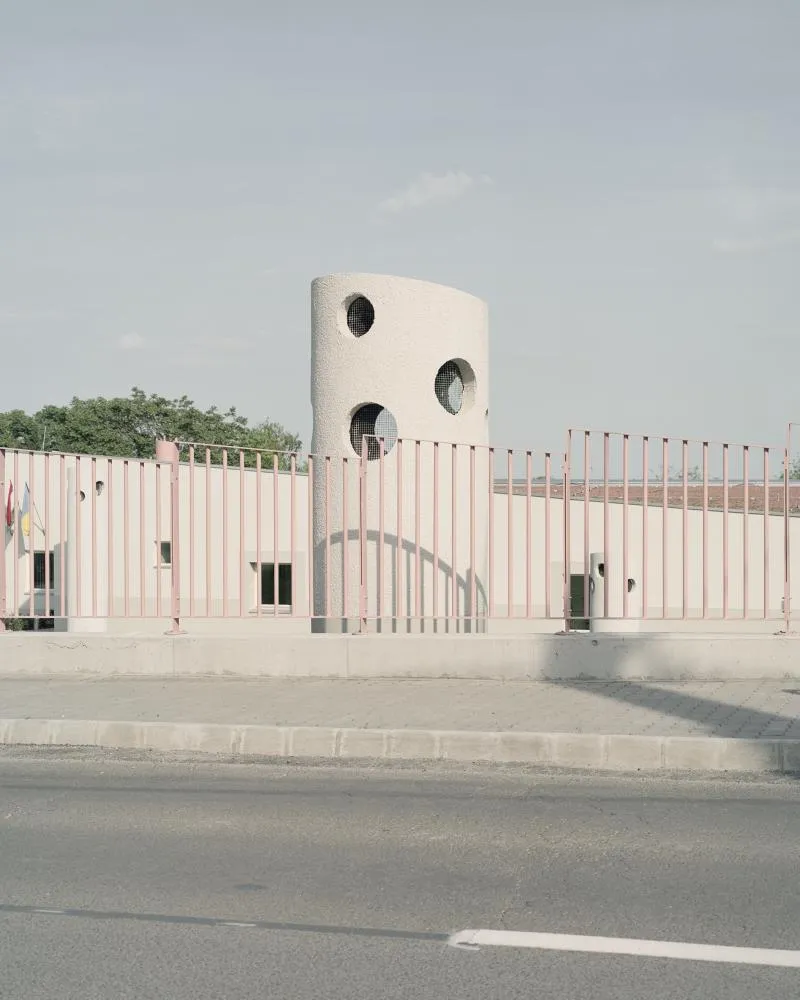
Designing spaces for children requires a special kind of sensibility that goes beyond a one-size-fits-all template. Instead, it requires careful research and listening to the needs of the users. The Zöldike Nursery project is a great example of this approach. The area of Budafok, Hungary, where the nursery is located, has a unique history of subterranean construction, with an intricate network of cellars attributed to the Romans. The area's specificity became rendered invisible by the suburban sprawl, but the renovated flues of the cellars have now become a defining feature of the project.
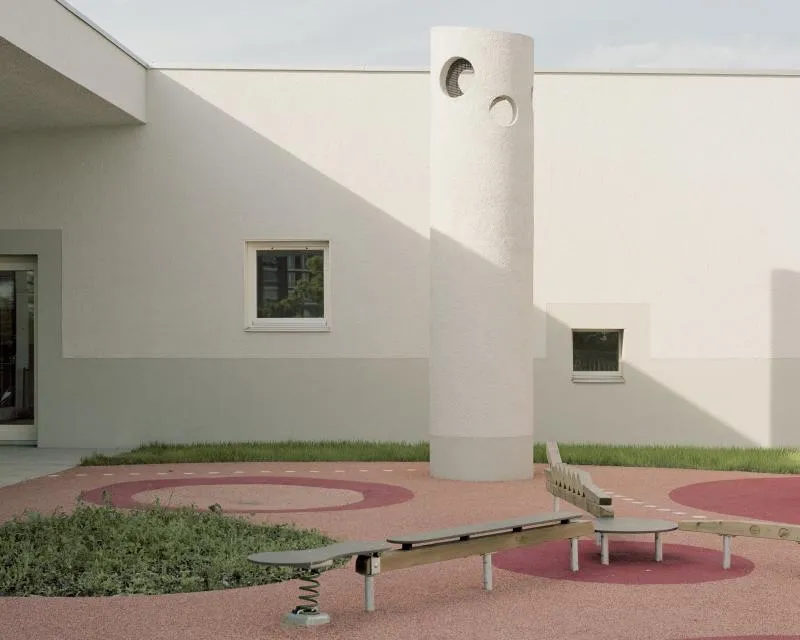
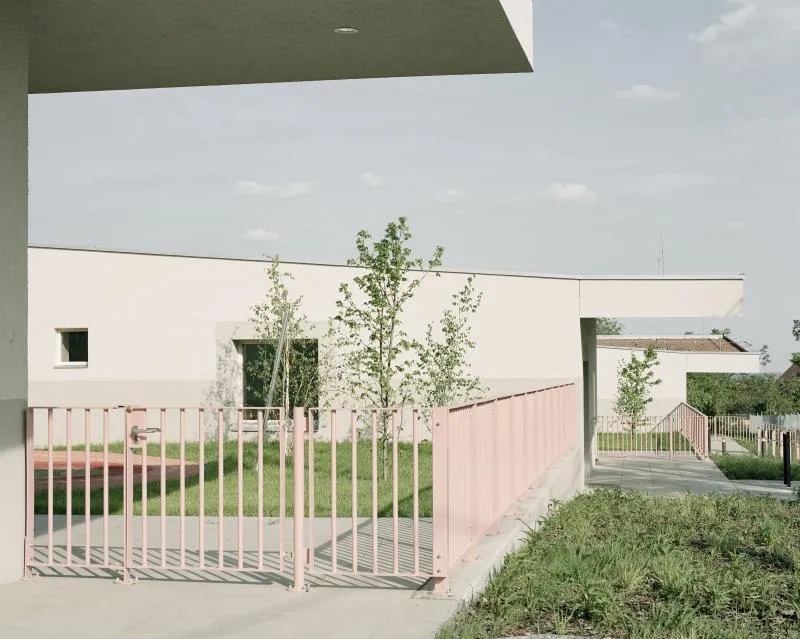
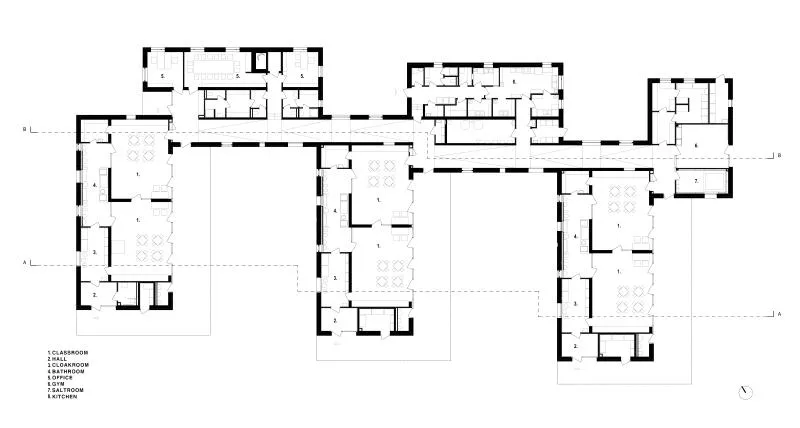
The design team at Archikon Architects saw the historic significance of the site and incorporated it into their plans, using the circular patterns of the perforated concrete rings to lend a playful character to the exterior composition and appearance of the built elements. The massing of the nursery is primarily informed by principles of sustainability and security, favouring an introverted sequence of spaces and built elements that not only create a range of diverse quality spaces for children to play in but also allow them to do so safely.
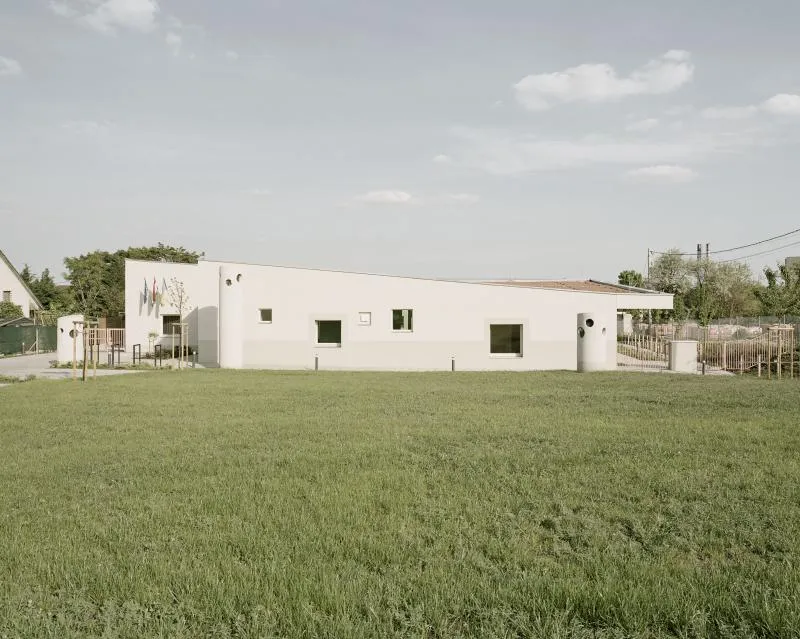
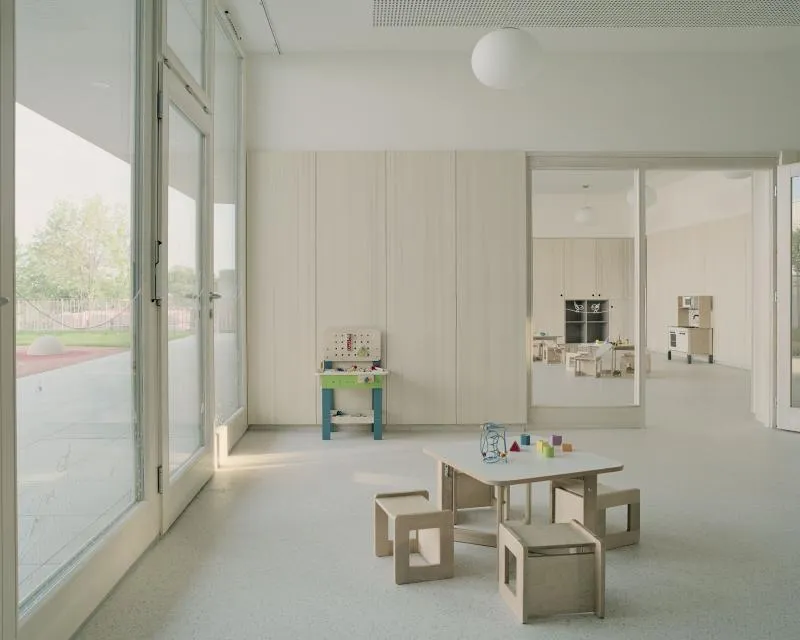
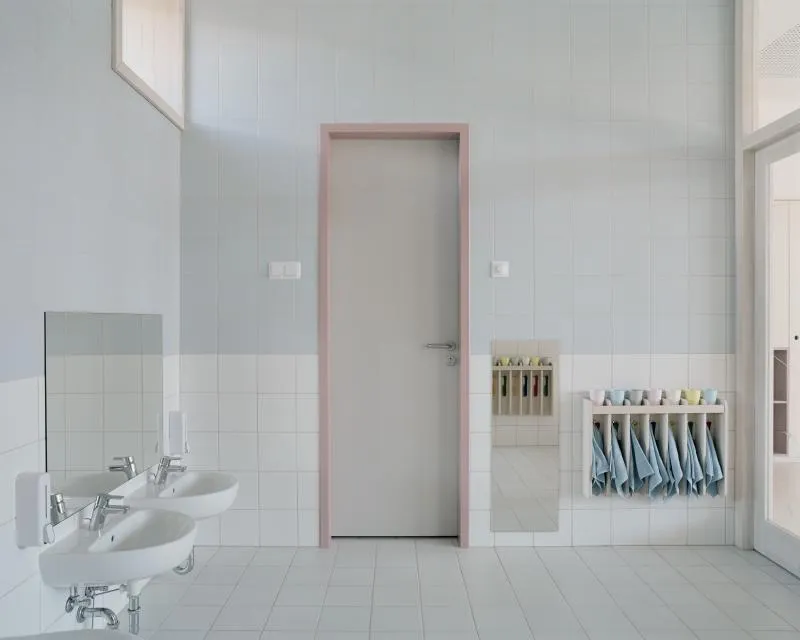
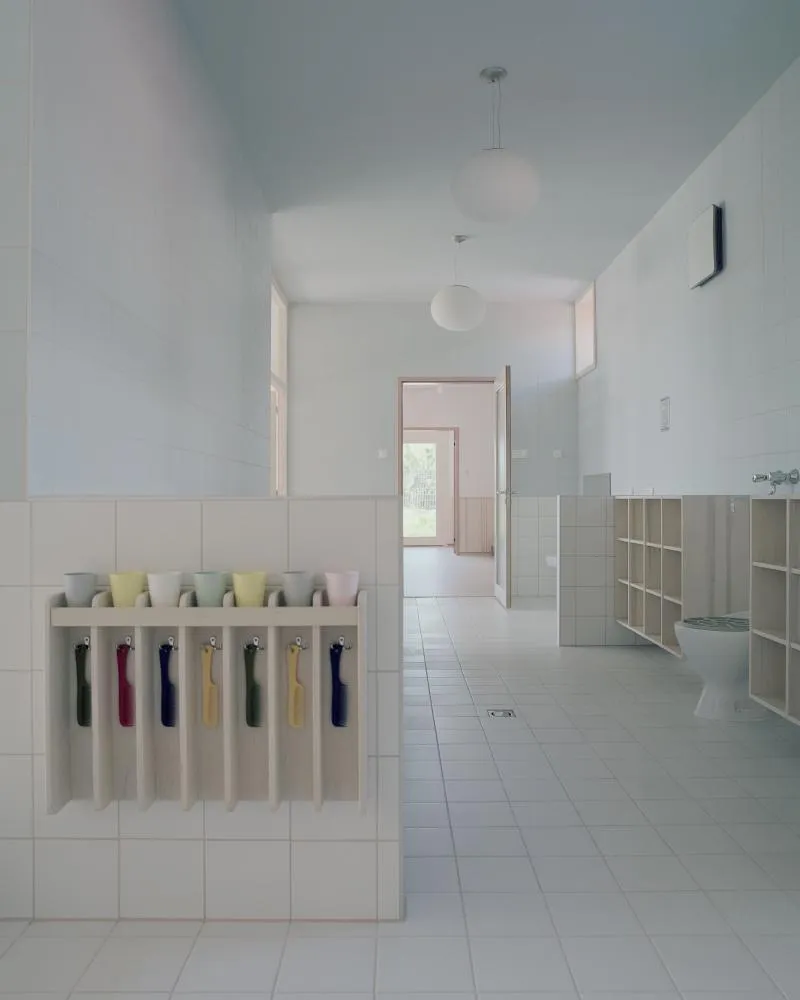
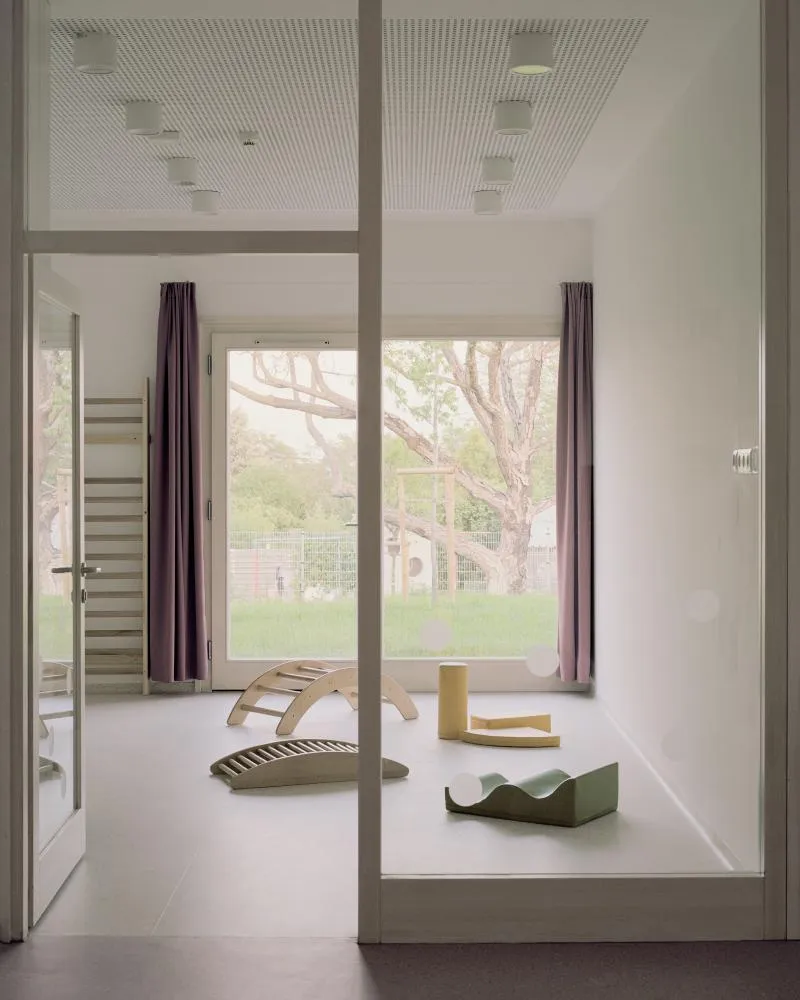
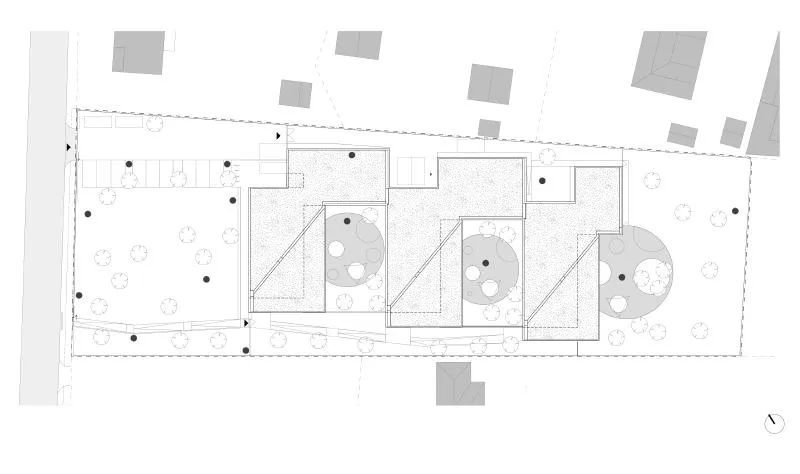
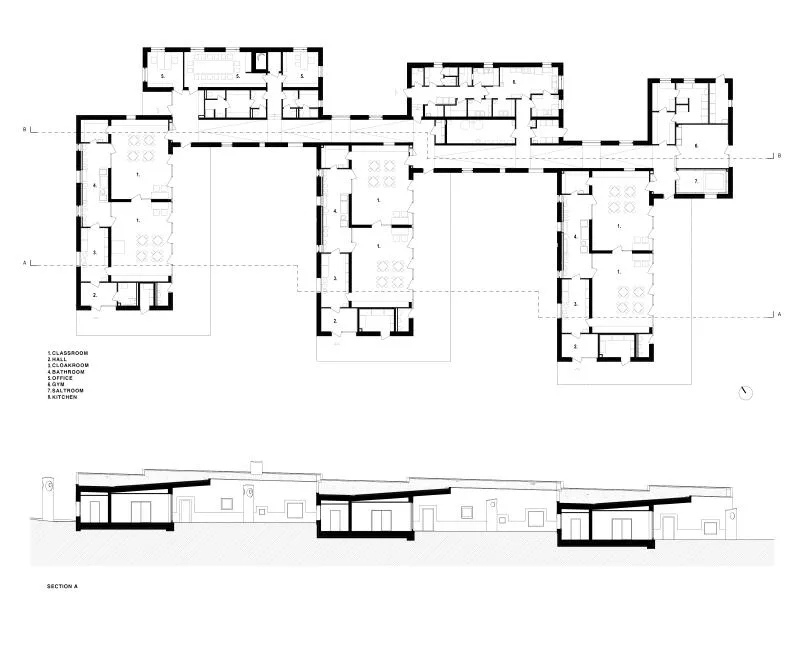
The layout of the buildings follows the natural sloping and orientation of the land, optimizing solar exposure. The classrooms and their cantilevering canopies are covered with an extensive green roof, encircling the private interior playgrounds. Inside, the architects made material and spatial arrangement decisions that promote positive interactions with the built environment. The project contains a series of interesting features that hope to engage the imagination of the children, such as the refurbished flues that pierce the rubber-cladded exterior playgrounds, leaving space for child-initiated and directed play. Another feature is the tactile plinth encircling the building and incorporating the windows in children's height range, creating introverted nooks for play.
The Zöldike Nursery project is not just a formalist project; it is the direct outcome of the recontextualization of knowledge. The architects paid special attention to material and colour choices, prioritizing high-quality finishes instead of an extravagant public exterior. This approach not only helps to strengthen the relationship of the local youth with the subterranean history of the site but also creates an environment that fosters curiosity and positive interactions with the built environment.
In conclusion, Zöldike Nursery is a prime example of how designing for children requires a site-specific sensibility. The project incorporates the area's unique history of subterranean construction, prioritizes sustainability and security, and pays special attention to material and spatial arrangement decisions that promote positive interactions with the built environment. The result is a whimsical and playful space that engages children's imagination while creating a safe and nurturing environment.
Architects: ARCHIKON ARCHITECTS
Area: 1466 m²
Year: 2022
Photographs:Balázs Danyi
Lead Architects: Csaba Nagy, Pólus Károly, Dorottya Kassai, Krisztina Horváth, Ádám Pásztor, Szilveszter Rády, Zsófia Senánszky
Structural Engineer: ÉKI Terv Kft., Tibor Pintér - ÉKI Terv Kft.
Building Engineering: Agorex Kft., Csaba Makáry - Agorex Kft.
Electrical Engineer: Zone-Plan Kft., György Kapitor - Zone-Plan Kft.
Contractor: Archibona Kft.


Popular Articles
Popular articles from the community


Manzana Morphosis: Stretching Barcelona's Grid into a Living Landscape for 2050
A radical reworking of the Eixample manzana turns density into a tool for generous public space, vertical ecology, and environmental performance.
Faces of the Soviet Avant-Garde: Turning Moscow's Street Names into an Open-Air Museum
A network of sculptural installations across a Moscow residential district transforms forgotten architect names into spatial encounters with cultural memor

Extended Shell: Retrofitting Kolkata's Balconies as Living Urban Thresholds
A modular retrofit system recovers the social and environmental intelligence of Kolkata's historic verandas for contemporary Park Street residents.

Opera by the Sea Estonia: Three Shells Dissolving Architecture into Tallinn's Coastline
A winning opera house proposal replaces monumental form with interconnected shells that blur the boundary between building, park and Baltic Sea.

Similar Reads
You might also enjoy these articles
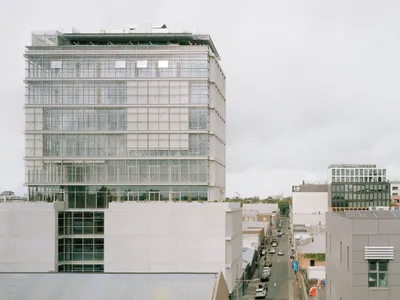
116 Rokeby Building, Collingwood
Sustainable Collingwood office building featuring double-skin façade, natural ventilation, rooftop amenities, and carbon-neutral design focused on wellbeing and longevity.
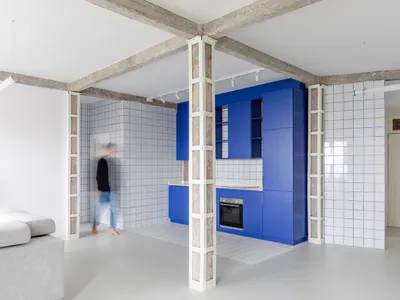
Contemporary Apartment Renovation in Spain: RV House by BIAN Opens Up to the Sea
A minimalist 1930s apartment in Santander is transformed into a flexible, sea-facing home through contemporary Spanish renovation.
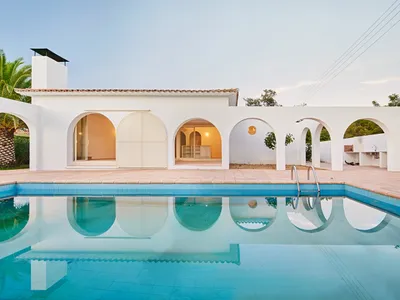
3 Marías House: A Contemporary Mediterranean Courtyard Retreat by Bajet Giramé + Burckhardt
Mediterranean courtyard home blending traditional architecture with modern design, terracotta flooring, flexible interiors, sustainable climate strategies, and garden integration.
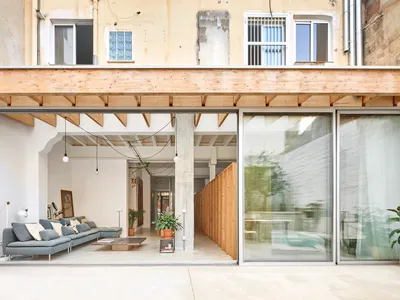
NZ10 Apartment by auba studio: Adaptive Reuse in Palma de Mallorca
Adaptive reuse apartment transforms bakery into light-filled home with patios, privacy layers, and wood interiors enhancing urban living experience.

Explore Architecture Competitions
Discover active competitions in this discipline

Challenge to reimagine the Iron Throne

Photograph architecture without architects

Illustrate the lost glory of Angkor Wat - Render Challenge

Design challenge to reuse E-waste
Comments (0)
Please login or sign up to add comments
No comments yet. Be the first to comment!