

Digital Design
Design and architecture practice shaped by digital tools, processes, and computational methods.









GRAD-IENT
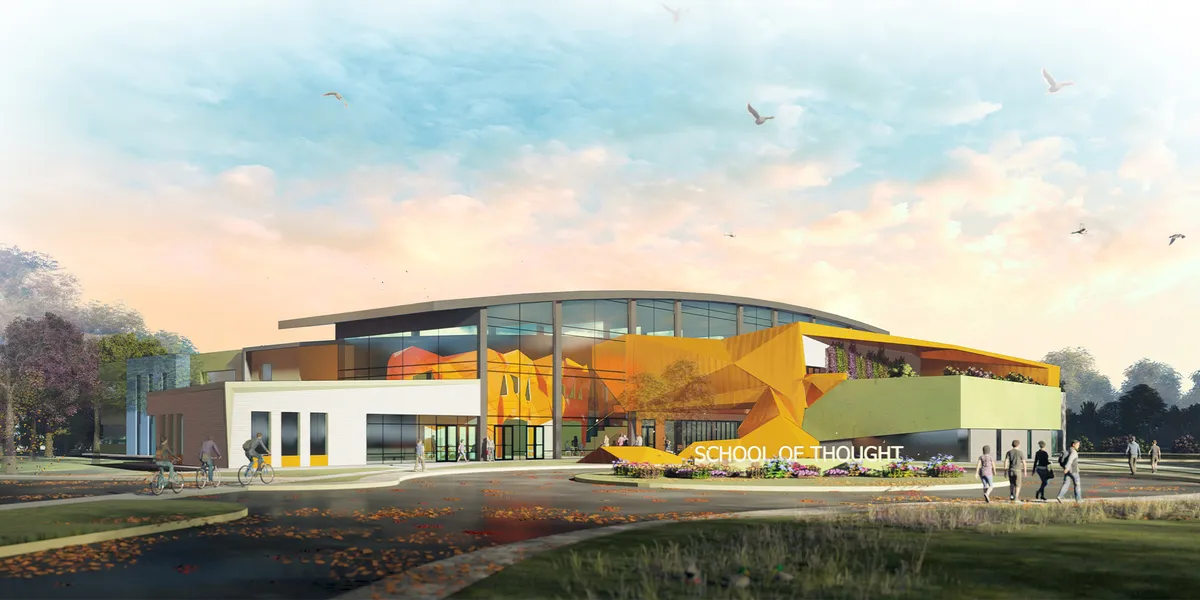
The conceptual ideas presented in GRAD-IENT are built on the instructional position that a global student shaped by cultural, environmental, and behavioral influences with each a unique personality type driving how they learn requires an educational curriculum and environment reflecting diverse methodologies.

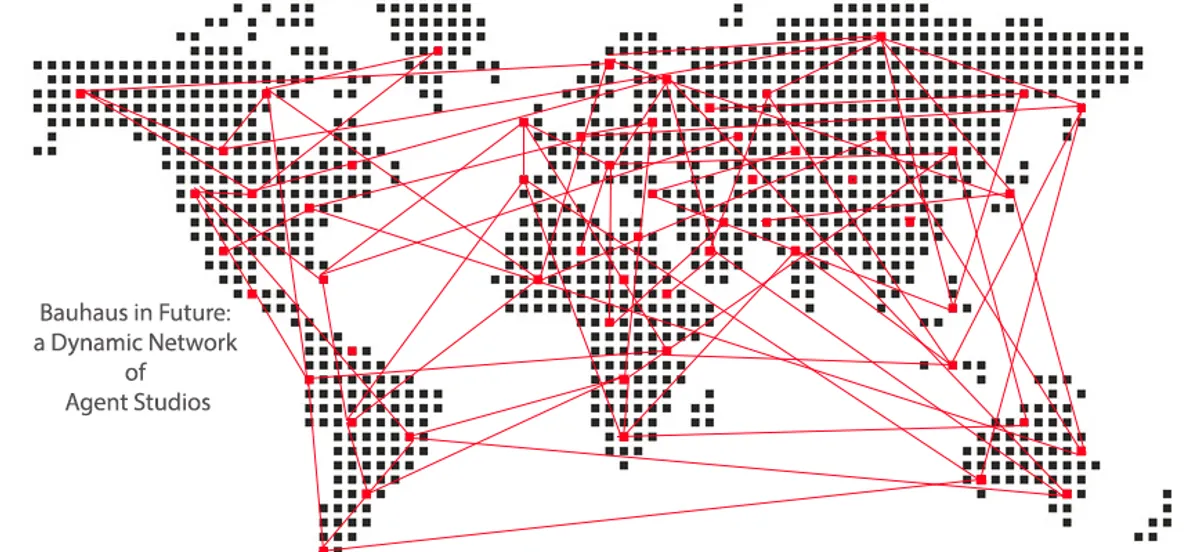
a Dynamic Network of Agent Studios
This project tries to make a new spatial design of education and the role of design studio as an agent of positive changes. The main proposal of this project is to define a Bauhaus school 's conceptual framework in the future as a dynamic network of design studios which tries to respond to socio-political and economic issues in their own society.


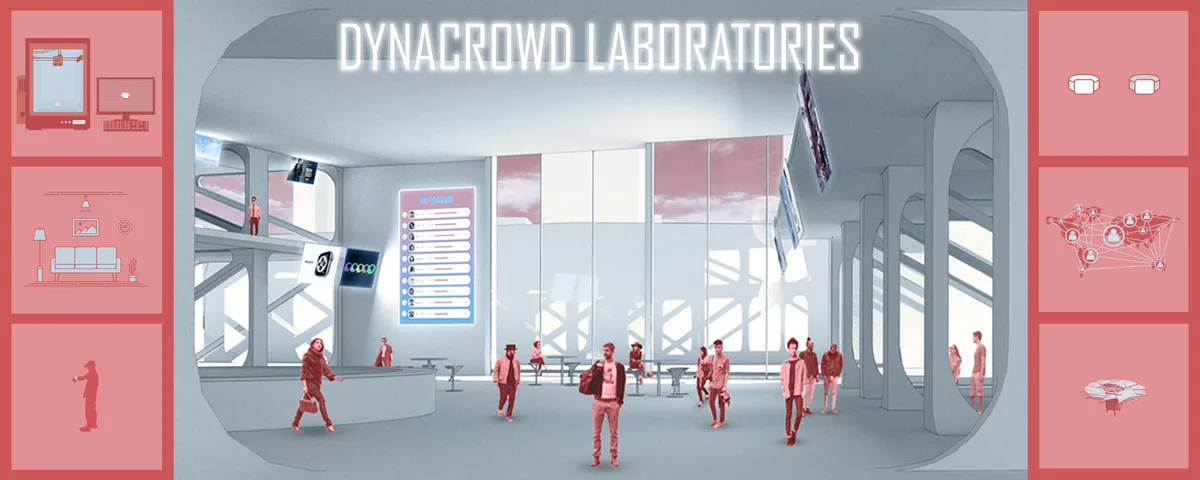
Dynacrowd Laboratories
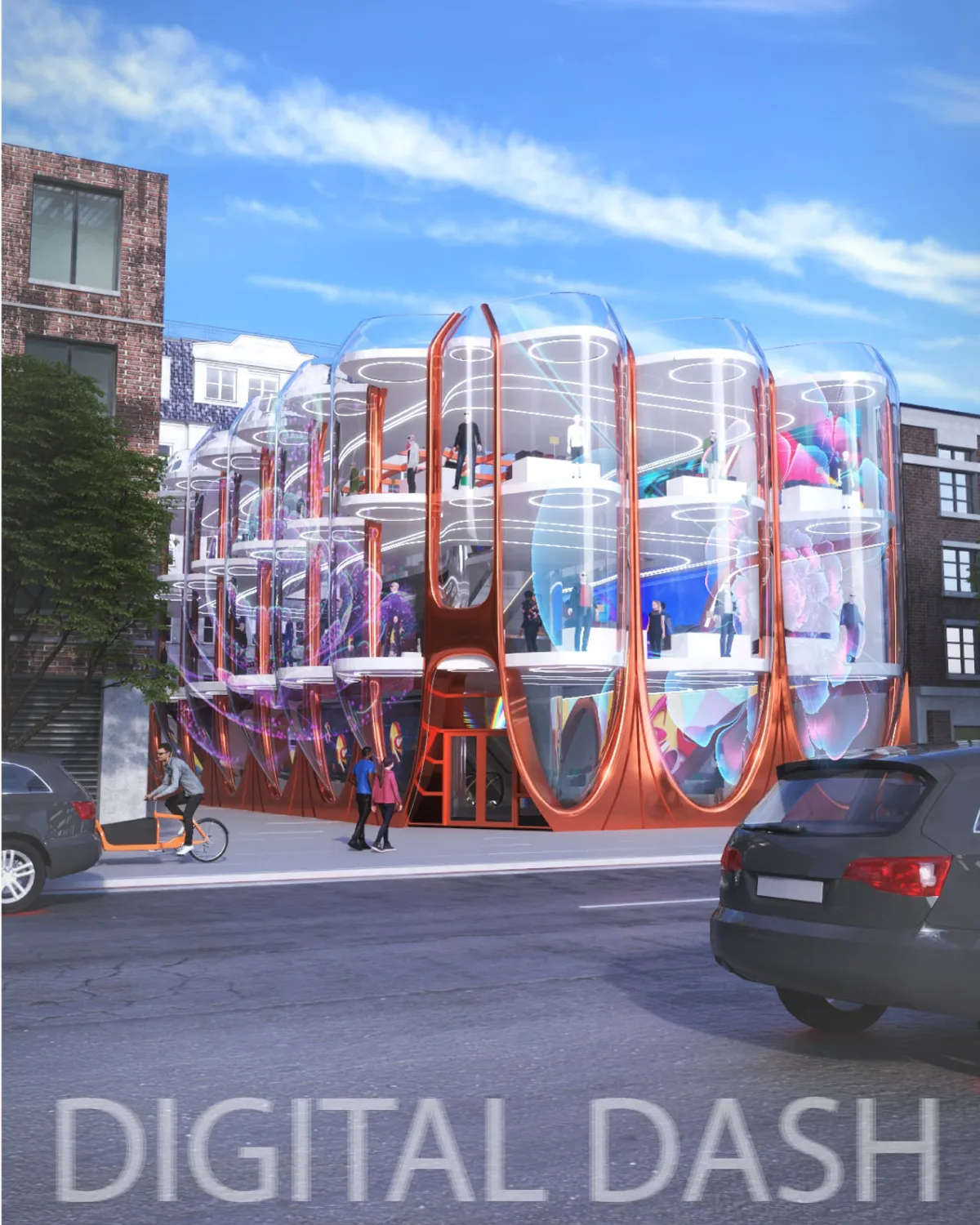
This visualization for the integration of human interaction with artificial intelligence creates a blend between a traditional shopping center and manufacturing plant-- but with a twist. The facility implements a dynamic crowd-sourcing process in which humans test a variety of prototypes while AI uses their reactions to produce more attractive products.

GAME-UTOPIA: ENVISIONING IT INSTITUTE IN PHY-GITAL WORLD
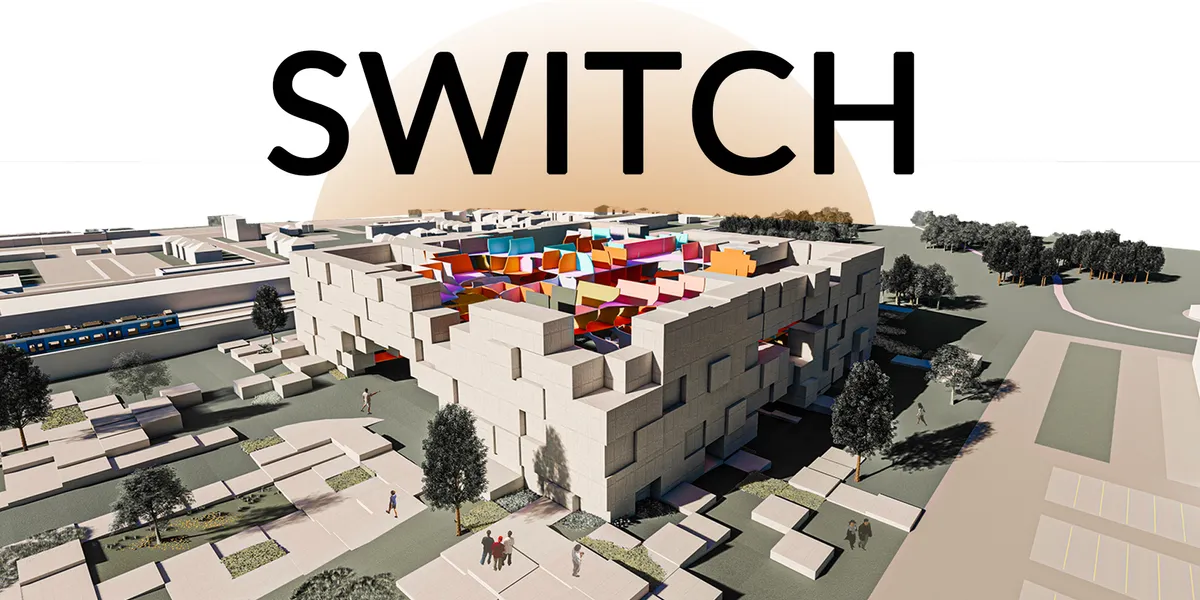
This project explores an innovative architectural design process that leverages advanced computational tools inspired by video game technologies to create a dynamic, user-responsive educational environment. It focuses on integrating generative design, AI simulation, and digital twin implementation to reimagine the conception, evaluation, and experience of an IT Institute with a dual physical and virtual presence. At its core, the project employs a generative design approach using the Wave Function Collapse (WFC) algorithm, originally developed for game development and adapted here via the Monoceros/Grasshopper plugin. This algorithm facilitates the rule-based procedural generation of architectural forms, moving beyond traditional additive methods to explore a vast range of design possibilities. The primary functional unit—the classroom module of 25’ x 25’, designed ergonomically for 30 students—serves as the basic building block. Using predefined spatial rules categorized as typed-in, explicit, and indifferent, over 70 design iterations have been generated. These iterations include innovative spatial configurations such as dynamically shifting corridors that break monotony by opening onto green spaces and gathering areas, improving circulation and social interaction while integrating natural elements like sunlight and ventilation. To rigorously evaluate these generated designs, the project integrates AI-driven behavioral simulation using the Unity game engine. Here, AI agents modeled after Non-Playable Characters (NPCs) and programmed with the Big Five personality traits—Extraversion, Openness, Conscientiousness, Agreeableness, and Neuroticism—simulate real-world user behavior. These agents reflect the diverse student body and provide detailed movement data, which is visualized through heatmaps and interaction graphs. This simulation identifies how spatial configurations affect circulation, engagement, and social dynamics, allowing data-driven selection of the most contextually appropriate design. Building on these insights, the project realizes a digital twin of the physical campus in the Metaverse, comprising approximately 48% of the institute’s structure, including academic, administrative, and recreational blocks. This immersive virtual campus merges augmented reality (AR), virtual reality (VR), blockchain, and AI technologies to create an interconnected hybrid environment, enhancing accessibility and continuity of education amid disruptions such as pandemics or extreme weather events. Inspired by emerging architectural theories positioning architects as 3D UX/UI designers of virtual spaces, the digital twin incorporates familiar real-world spatial elements enriched with interactive navigation tools, information displays, and communication zones. This design approach aims to deepen user engagement by leveraging emotional connections tied to physical space memory. The project’s methodology embodies a coherent algorithmic design framework, avoiding the pitfalls of traditional additive sketching followed by disjointed computational simulations. Instead, it abductively draws from the embedded algorithmic logic in video games specifically procedural geometry, AI agent-based validation, and metaverse spatial interfaces to establish a unified design process that meaningfully rethinks architectural practice.


Digital House by Julian Krüger and Benjamin Kemper: A Parametric Prototype for the Future of Sustainable Architecture in Germany
Digital House by Krüger and Kemper: a sustainable, tool-free, CNC-milled modular home featuring recycled materials and parametric design innovation.


BeeGraphy Computational Design Awards
10 Unique Categories That Brought the Design Community Together


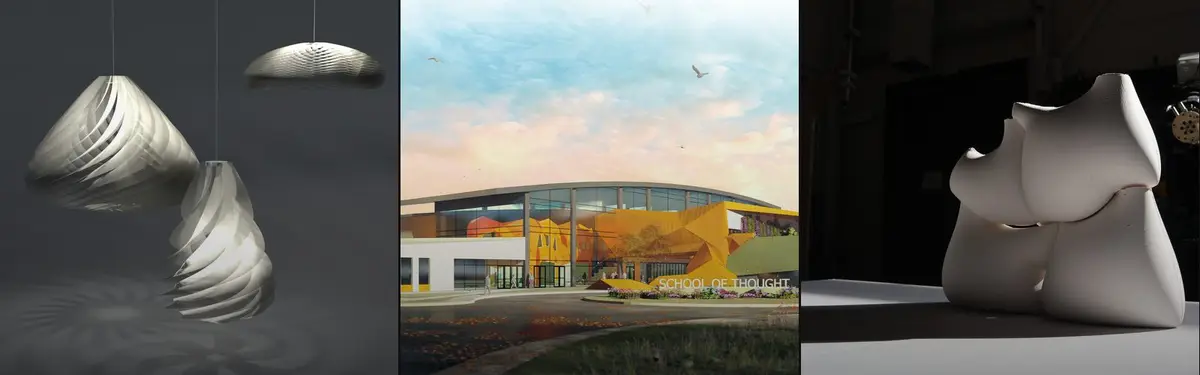
Glowing Ripple _ Paper Strip Lighting Fixture


There is a glitch in the levels that cause the model to create unsustainable winding for fabrication. I like how varied you can get with the design but if the strips are to be cut from a thin medium like paper or plastic, you'd need some sort of support structure to allow resisting sag due to gravity. Something simple like a wire, or radial fins to support the strips in place would be needed. Watch out when exporting too small as the geometry can become unusable.

For this to be made out of paper - each stripe needs to be a developable surface (meaning - capable of unrolling into a flat sheet) , which is an additional restriction that should be followed during the design process.

Exploring Innovation in Computational Design with the Beegraphy Design Awards
Discover how computational design turns concepts into reality through projects like the MX3D Bridge, and learn how to join the Beegraphy Design Awards to showcase your innovation.

Exploring Dynamic Structures in Architecture and Design: Beegraphy Computational Design Challenge Series
Discover dynamic structures in architecture and design. Explore innovative, adaptable designs and join the Beegraphy Challenge to push the boundaries of movement and transformation.


Graphic Design
This is a portfolio of graphic design. In this portfolio I have showcased my work. This work represents my creativity and technical knowledge of softwares used. I apperciate the advancement of technology in graphic design field . Previously paintings and skeching were predominant in this field, but now softwares like Adobe Illustrator, Indesign, Photoshop, coreldraw, etc. are used.

How Will Computational Design Transform Fashion and Jewelry? Discover with the BeeGraphy Design Awards
Explore the Intersection of Technology and Style in the BeeGraphy Design Awards Fashion & Jewelry Category

DIY & Engineering in Computational Design : Enter the BeeGraphy Design Awards
Showcase Your Creativity with Computational Design and Open Source Projects


Precise Imprecision
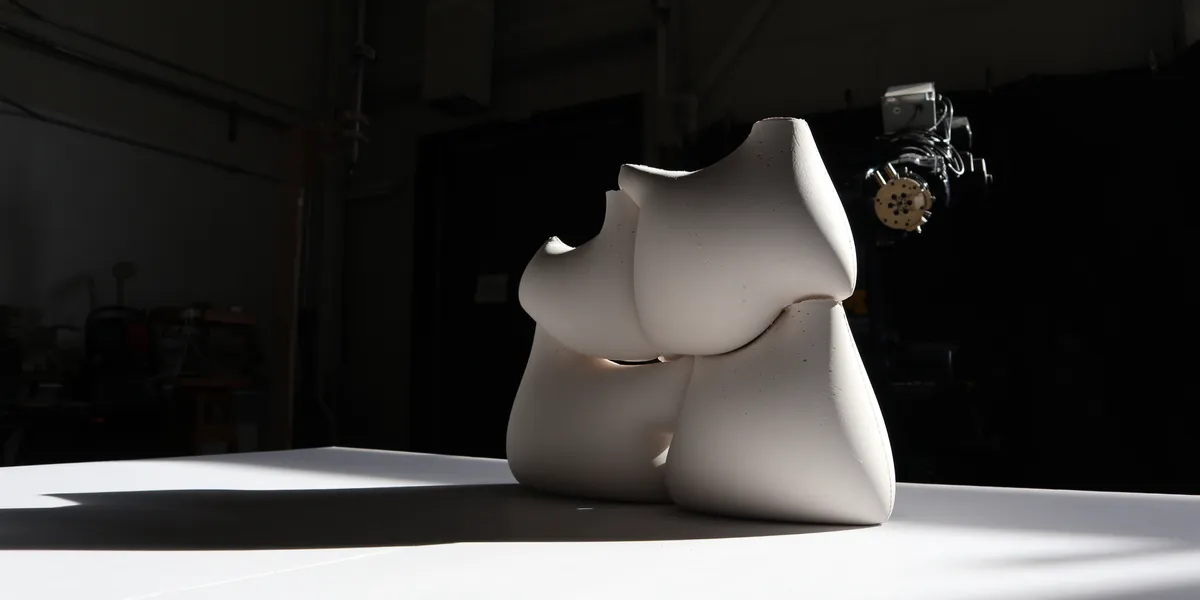
Flexible Construction with Robotic Fabric Formwork Precise Imprecision defines a new robotic construction technique through stack casting fabric molds by KUKA industrial robot and human, and re-defines "precise" and "imprecise" in digital fabrication.
Designing Lighting Fixtures using the Concepts of Parametric Design : Beegraphy Design Award
Illuminating the Future - Computational Design in Lighting

Navigating the World of Design Concepts: A Comprehensive Guide
This article delves into design concepts, highlighting their creation, application in architecture and design, and the evolving role of technology and sustainability.


Two Decades of Redefining Design Boundaries with Design x Design
The Evolution of a Movement Changing How We Think About Design - The Evolution of a Movement Changing How We Think About Design


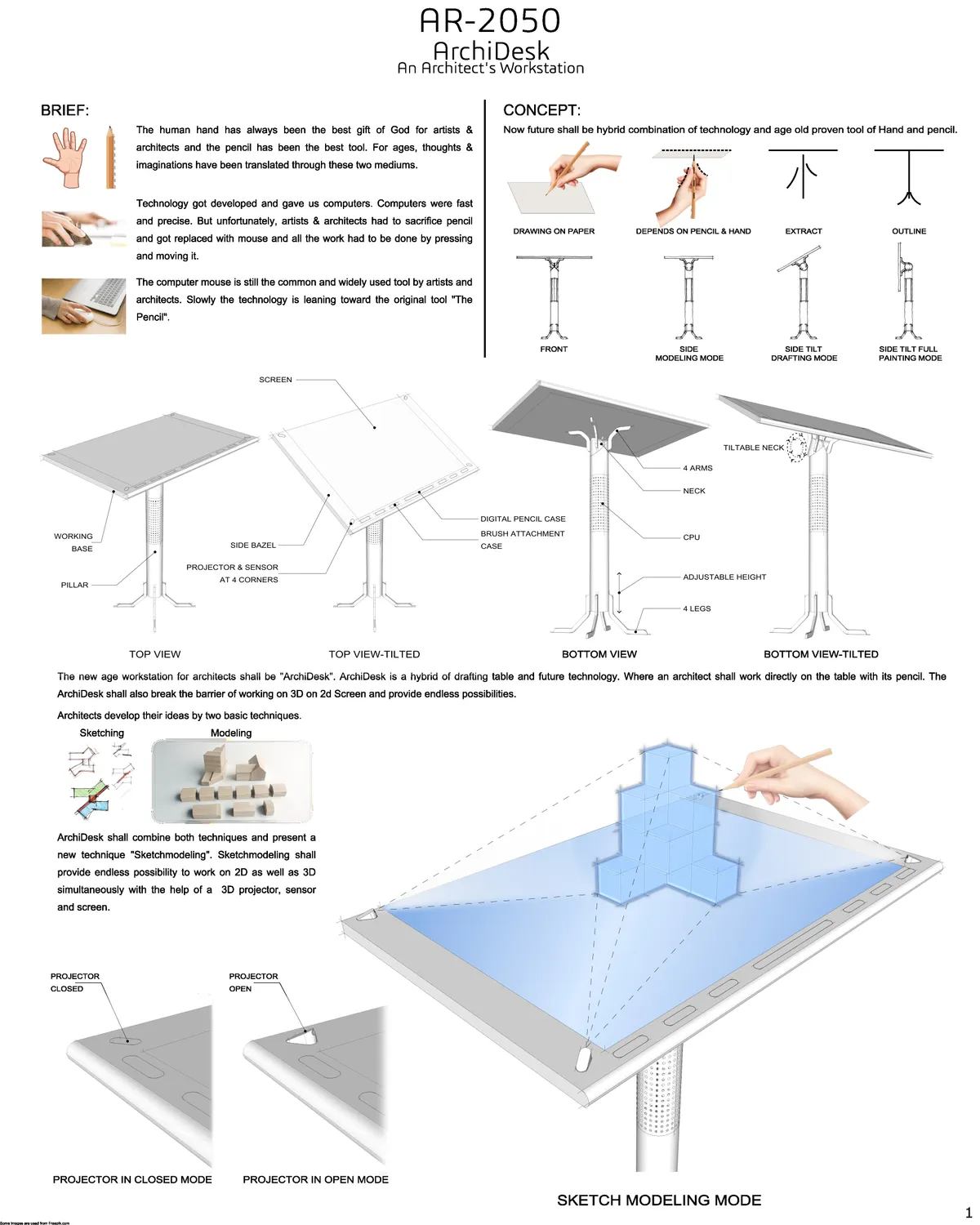
AR 2050 ARCHIDESK
Human hand has always been the best gift of God for artist & architects and pencil has been best tool. For ages thoughts & imaginations have been translated through these two medium.


First impression is, I wish I had gone to school here! Great concept from the collaboratorium to workflow space to the iceberg.
Love the spacious feel of everything! A place where everyone can freely learn and interact together.
Brilliant!