
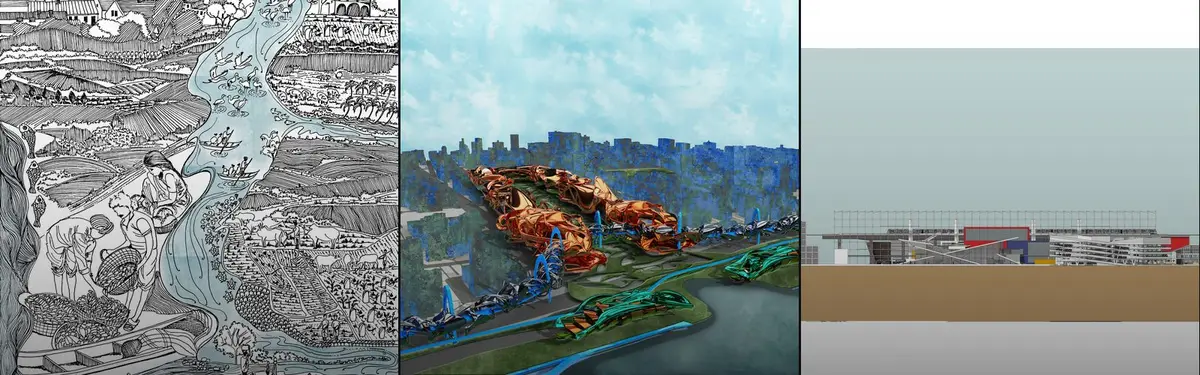


Urban Boundaries
Design and architecture exploring the physical, social, and ecological limits that define urban spaces and their edges.
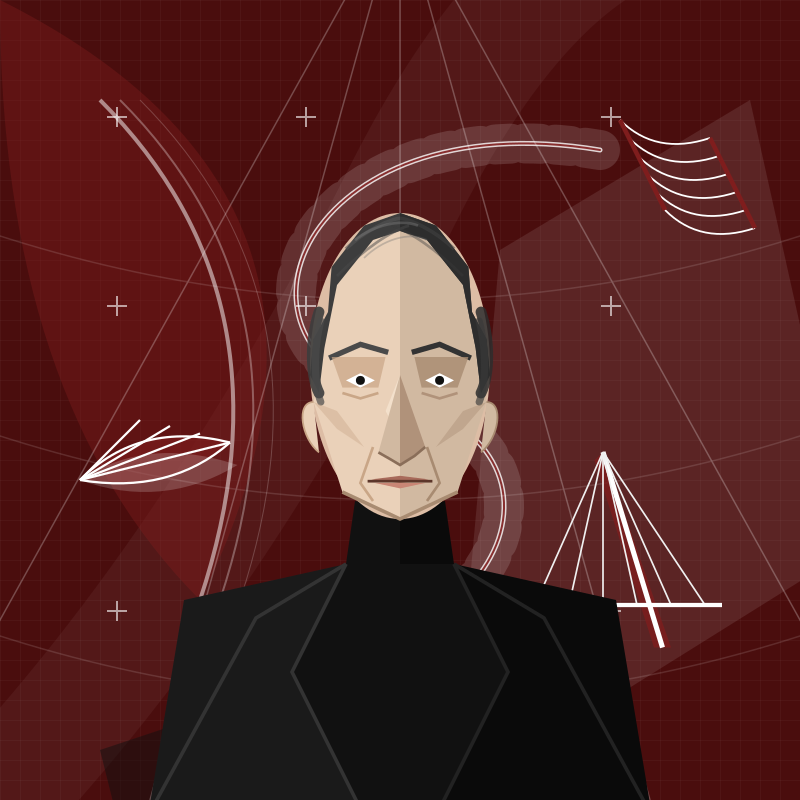
Urban Continuum:An alternative learning ecosystem
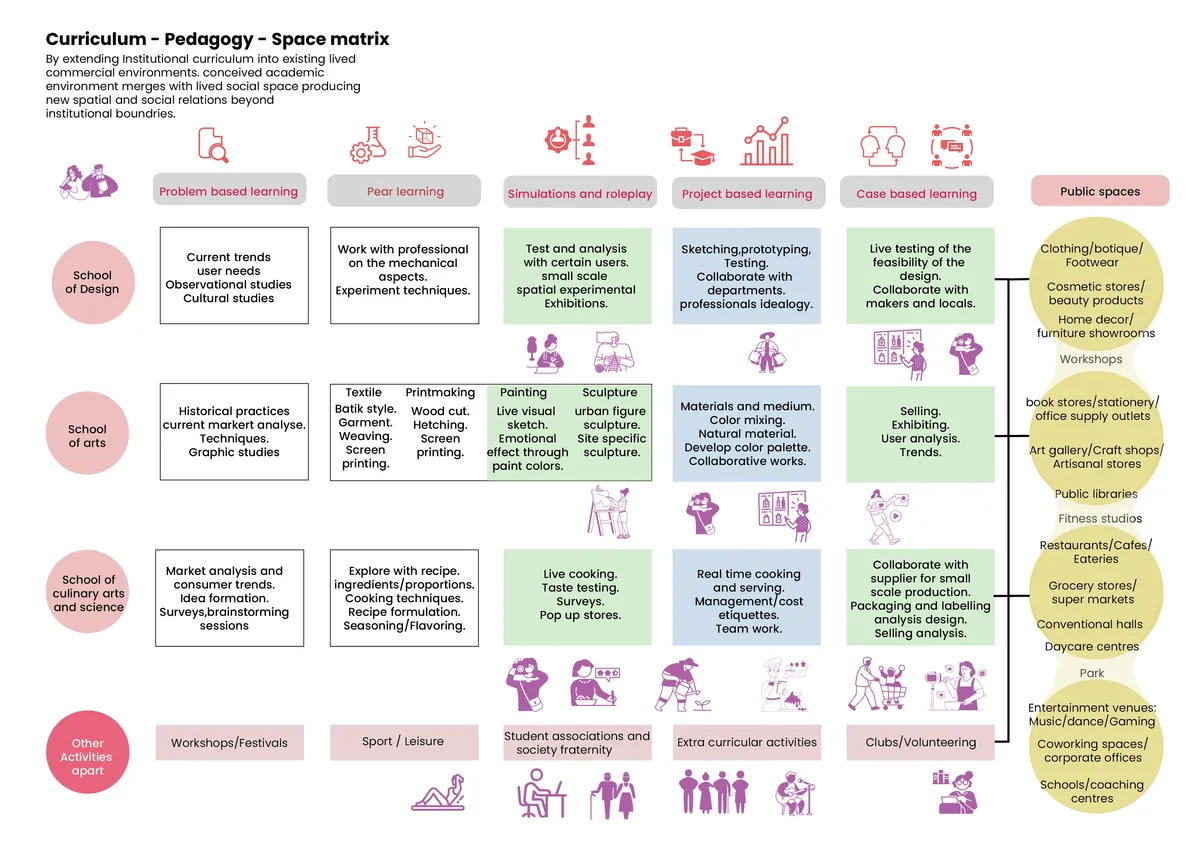
Education has increasingly become detached from the lived realities of the city. Urban Continuum proposes an alternative model in which learning is embedded within the rhythms of everyday urban life. Instead of concentrating education inside institutional boundaries, the project distributes learning across existing neighbourhood spaces, creating an interconn

Reclaiming Forgotten Urban Edges: An Experimental Approach
This project reimagines fragmented urban edges as connected public space. Developed through experimental research at Kelham Island and applied to Manchester’s Northern Quarter, it proposes a transferable toolkit of interventions to activate inactive urban fragments into continuous inhabitable environments.
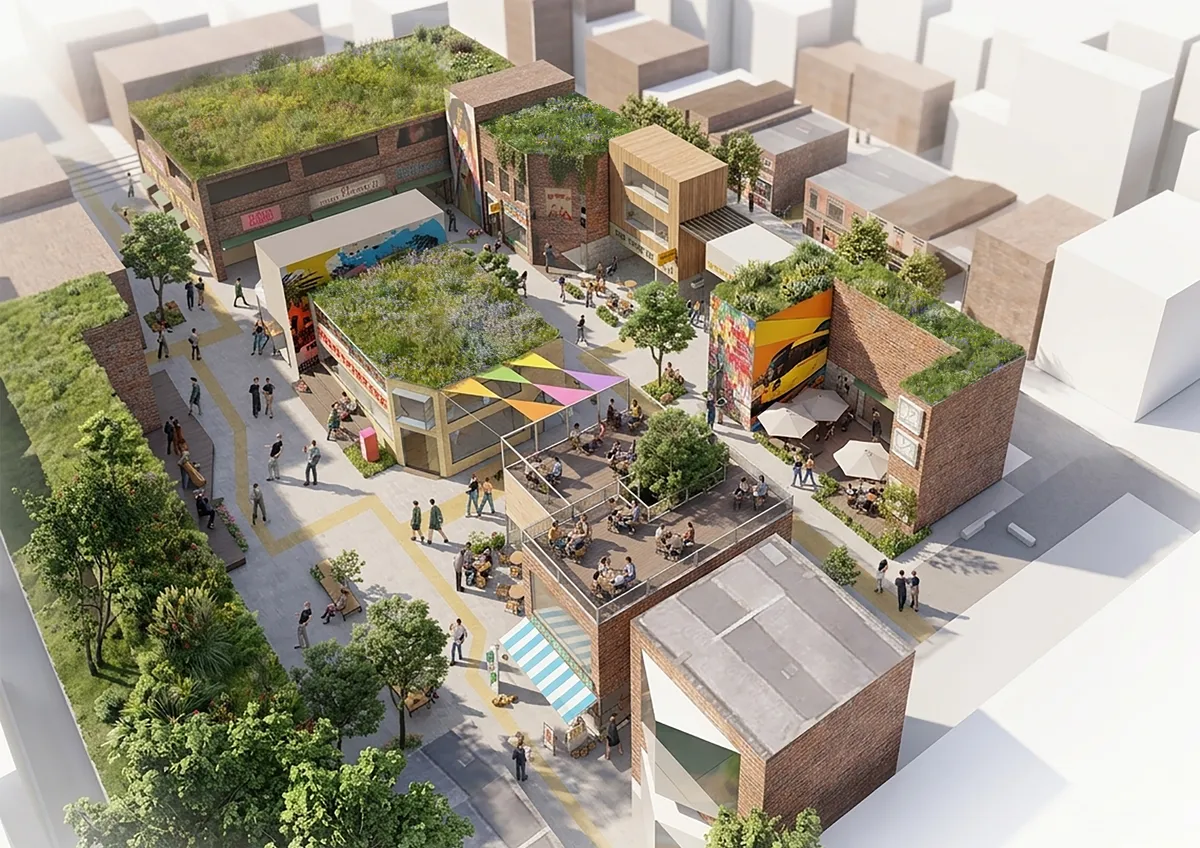

This is a strong and well-structured research-driven proposal that thoughtfully reframes neglected urban edges as active social infrastructure. The connection between site analysis, physical experimentation, the spatial toolkit, and its translation from a microsite to an urban-scale application is particularly convincing. The project demonstrates a clear critical position and a good balance between social, spatial, and temporal considerations. Further empirical evidence of the long-term impact of the proposed interventions would strengthen an already compelling proposition. Overall, a thoughtful, relevant, and professionally presented project.

The project addresses a common daily problem encountered in many cities, proposing an effective and well-conceived solution. The project concept is clearly articulated and successfully translated into the drawings and models. Overall, the work demonstrates a high level of clarity, creativity and professionalism in both its academic content and presentation. At the end, I would like to thank you for your hard work and best of luck with your upcoming projects.
Dear Professor Faragallah, thank you very much for your inspiring feedback and recognition. Creating better habitations and active spaces for people within cities is a topic I am deeply passionate about. It was the central focus throughout my master's research and represents a vital future trend. Your recognition of the clarity and professionalism of my project has given me confidence as I continue exploring urban regeneration directions. I truly appreciate your kind encouragement and warm wishes!
Thresholds of Publicness: Rethinking Interstitial Spaces in Mumbai
Thresholds steps, plinths, verandahs are where public and private quietly meet. This research studies these in-between spaces as the living social fabric of Indian cities. As boundaries harden and land gets privatized, these porous edges are disappearing, taking everyday connection with them. Through observation and mapping, the study reads thresholds not as leftover space, but as sites of pause, exchange, and belonging. It argues that even a step or a strip of shade can hold a city together


😍

The in depth study of urban spaces and delicateness towards public is very promising and very nice.
The end of expansionary urban planning
The article shows that the future of urban planning lies in transforming existing spaces rather than expanding cities, in order to address ecological, economic, and territorial challenges.



INDI GENIUS
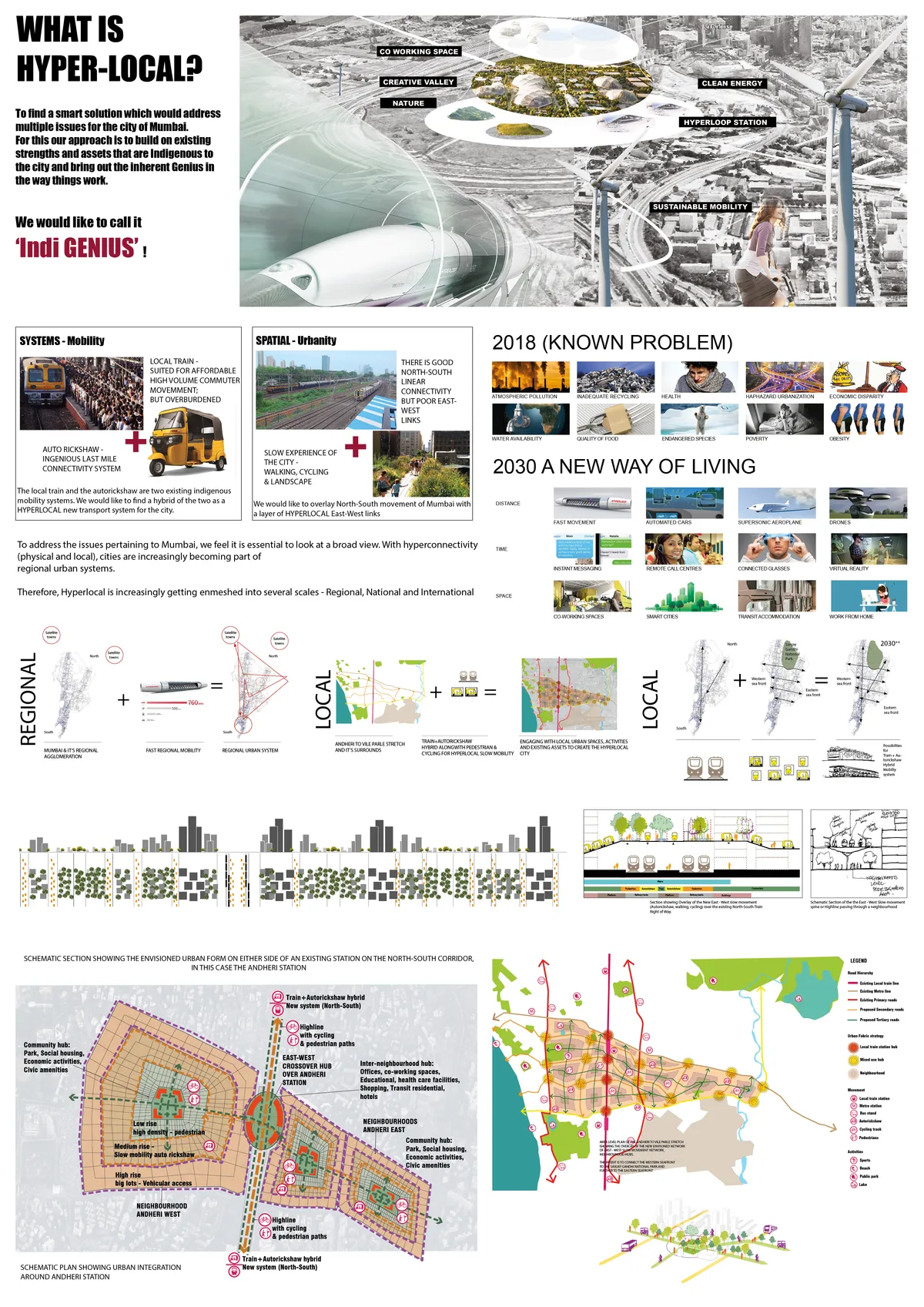
Tomorrow with Hyperloop we'll travel from cities in minutes but for us the critical standpoint is that it is even more to create strong engaging connections to the 'local' - people, places, memories, landscape. So, we have tried to reinforce the local mobility systems - local train & auto rickshaw ; and the local urbanity - create East West city links.

A manual for Kerala
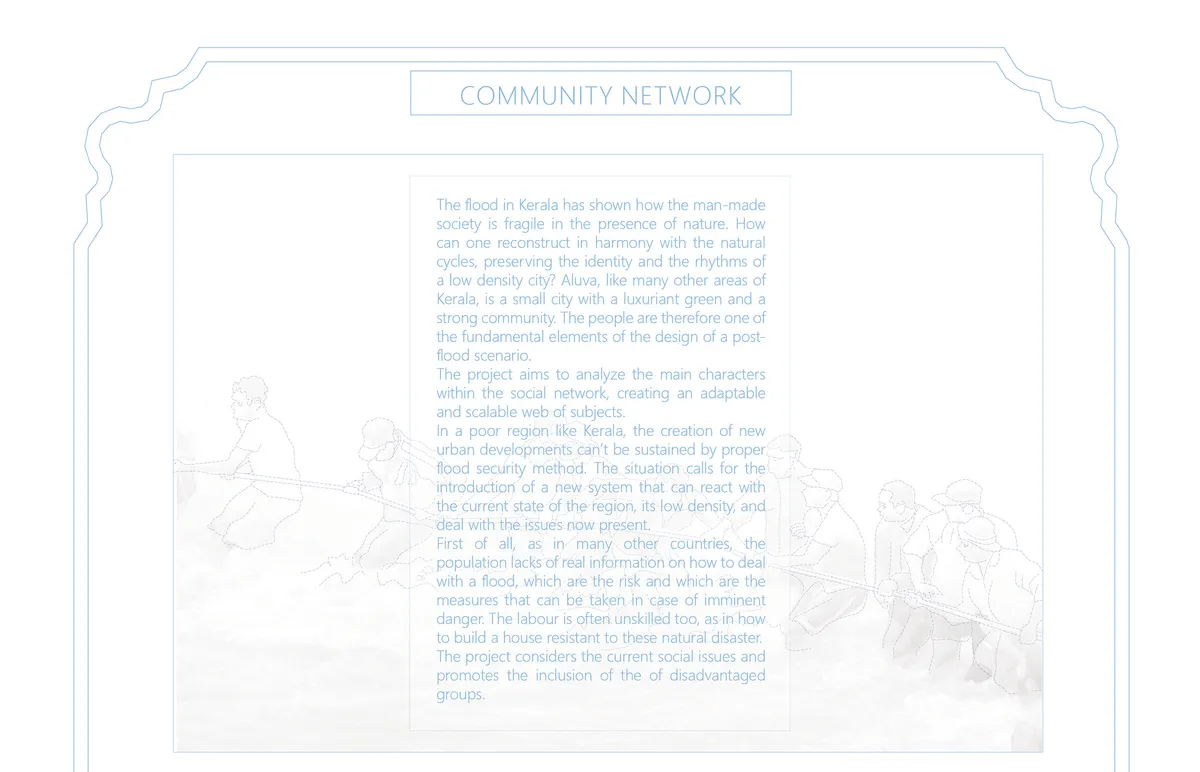
The project aims to analyze the main characters within the social network, creating an adaptable and scalable web of subjects.



ProEixample_4.0
Lorem ipsum dolor sit amet, consetetur sadipscing elitr, sed diam nonumy eirmod tempor invidunt ut labore et dolore magna aliquyam erat, sed diam voluptua. At vero eos et accusam et justo duo dolores et ea rebum. Stet clita kasd gubergren, no sea takimata sanctus est Lorem ipsum dolor sit amet. Lorem ipsum dolor sit amet, consetetur sadipscing elitr, sed dia
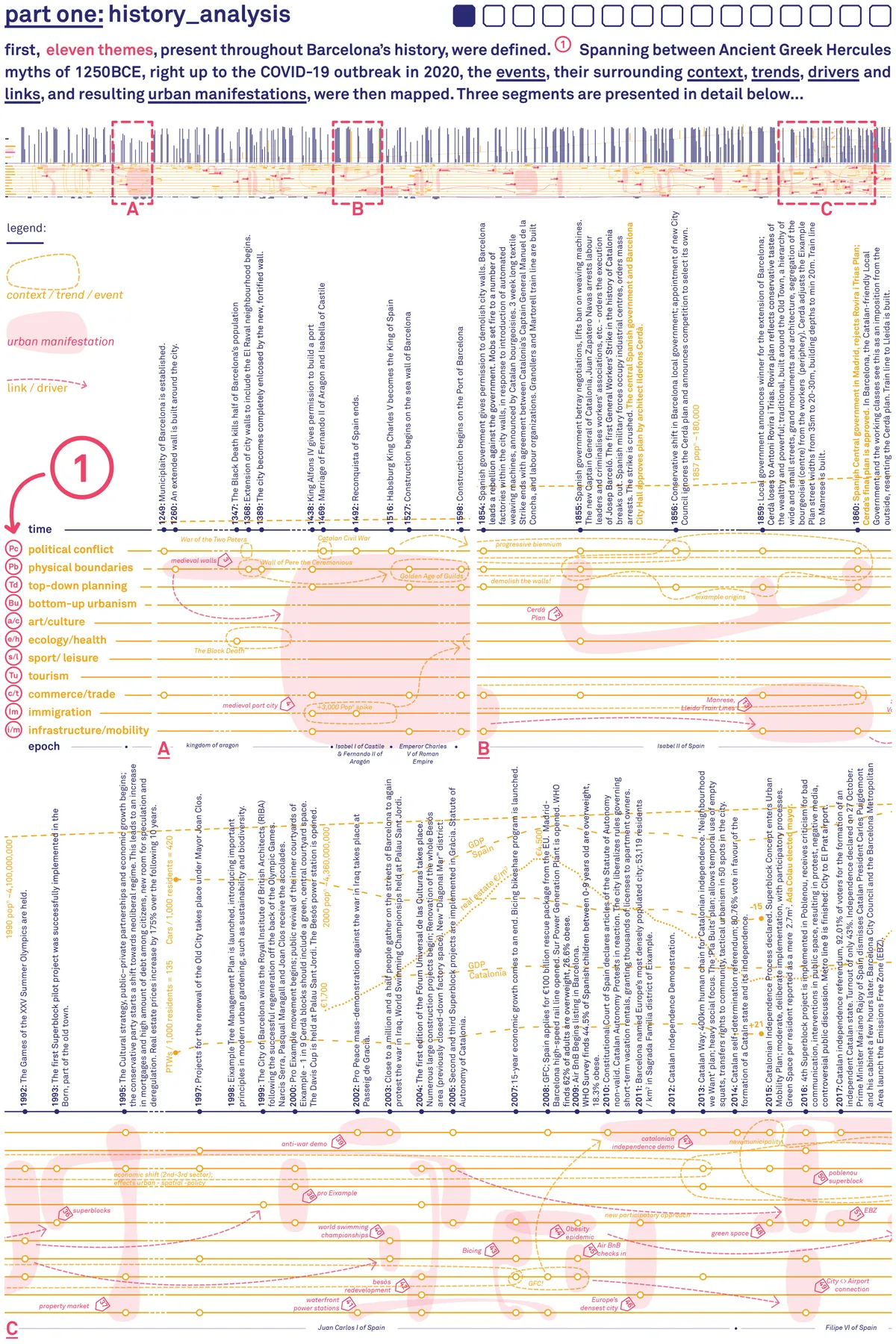

A very good proposal. It keeps a perfect balance between preexisting respect and forward-thinking. the authors made a powerful analysis of the metabolism of the Eixample district nowadays. It assumes the goals of the competition (increasing density, for example) in a realistic way, feasable and equilibrate. there is also an interesting reflecction on how to "fulfill" the street spaces once the cars disappear. the proposal is very well explained, very clear and seductive. the drawings explain very well the concept, the ideas and the implementations, with nice axonometries.

A deep analysis and great infographics. Proposal respectful with the existing. I would only add that having a good synthesis capacity is important to transmit the clarest ideas... sometimes it was too complex to understand. Also, I would have appreciated seeing a more visual (more realistic perharps) photography of the impact of the proposal in the city.

What we talk about when we talk about Architecture? Do we talk about innovation, social behavior, nature, growth, time, change, sustainability, weather, citizenship, atmosphere, water, adaptability, welfare, environment…?. This project….yes.


GOLUBAC: NEW VIEWS
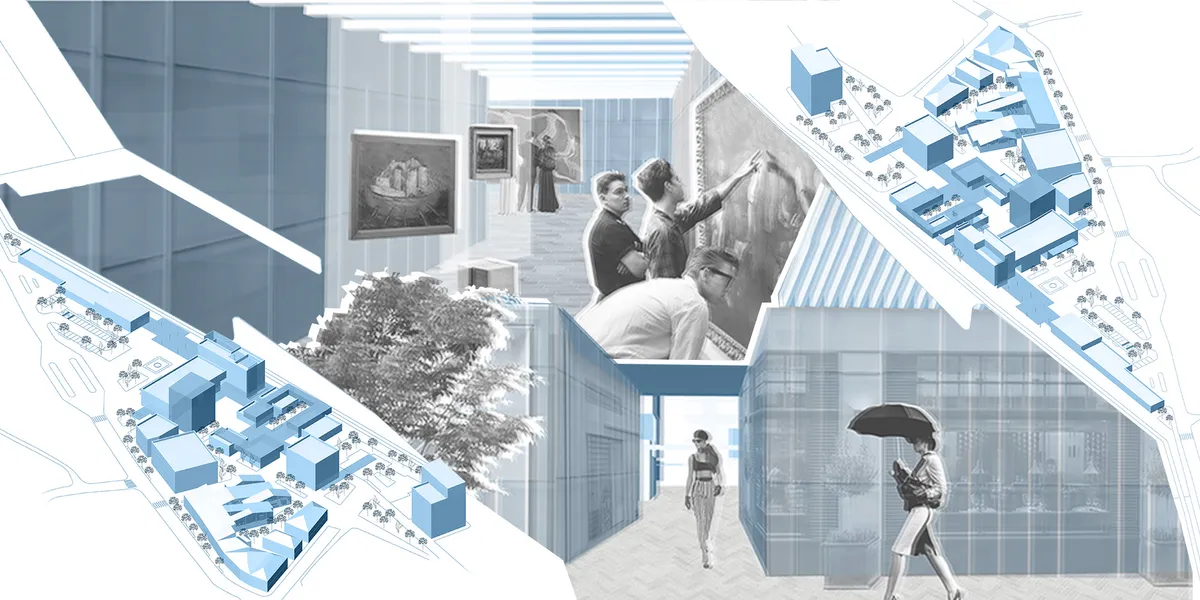
The project includes research, as well as proposals for the transformation and development of Golubac, a village located in eastern Serbia on the banks of the Danube.

Encounters with the City: Transit Beyond Efficiency
This thesis, Transit Beyond Efficiency: Encounters with the City, investigates the complexities of transit in Mumbai through the lens of scale, movement, and lived experience, focusing on the relationships between transit hubs and commercial districts. The research stems from the need to question efficiency-driven urban planning that privileges vehicles and large-scale infrastructure over pedestrian inclusivity and commuter experience. Using a mixed methodology of mapping studies, commuter surveys, personal observations, and case studies of Churchgate, Lower Parel, and Bandra, the thesis reveals stark contrasts in how different transit hubs have evolved and how these differences shape the daily lives of commuters. The findings highlight that while Churchgate and Lower Parel benefit from organically developed systems, Bandra and BKC expose a mismatch between imagined urban visions and lived realities, resulting in disconnection, alienation, and infrastructural inadequacy. The outcome underscores the importance of rethinking transit infrastructure and allied systems through human scale and inclusivity, setting the stage for interventions that reframe BKC as an accessible and empathetic business district rather than a detached corporate enclave.


Infrastructures of Care in Borderlands
La Línea de la Concepción, at Spain's border with Gibraltar, faces socio-economic imbalances that create urban fragmentation and social exclusion. This thesis addresses these challenges through a trans-scalar strategy and urban design toolkit aimed at fostering inclusive infrastructures of care.


The Line: A Bridge That Unmoors Its Own Park So Ships Can Pass
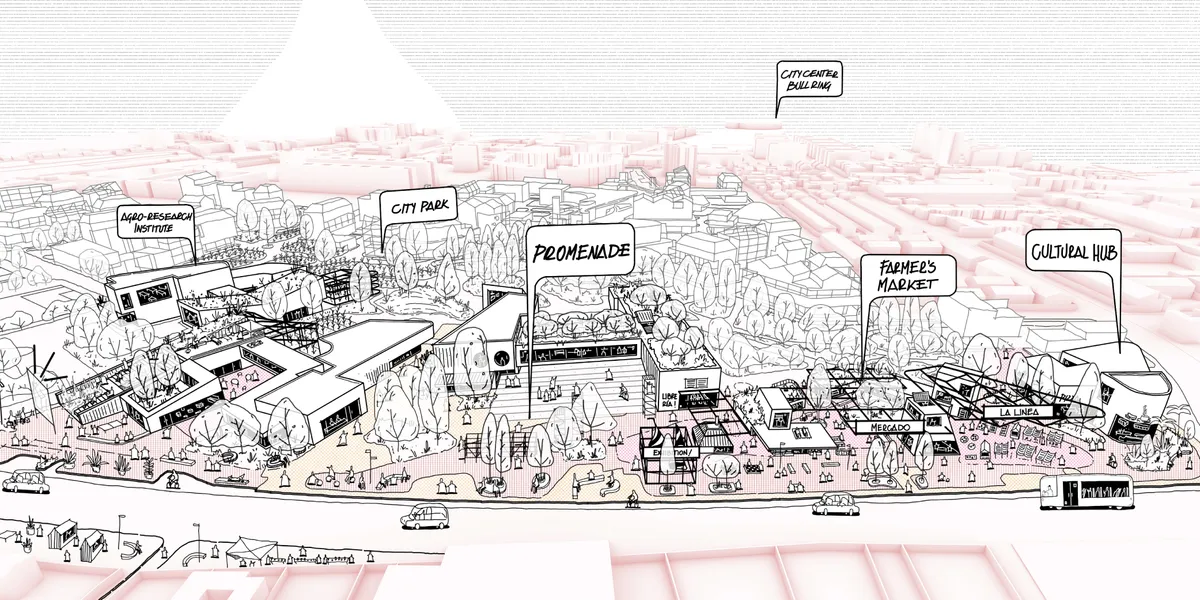
Olena Osadchuk extends two city streets across the water and docks a detachable catamaran park between them, turning a crossing into a civic landscape.

Highway Urban Box: A House-Shaped Waiting Room for the City's Forgotten Highway Edges
A replicable, colour-coded house archetype claims highway shoulders and residual voids as public waiting spaces for emergencies and everyday pauses.


The Big Green Foot
The thought about stepping my foot into this city crammed with people and vehicles torments me every day and night bringing chills through my spine. One step towards a better place to live in is what i'm asking for; One step for a place with fresh air to breathe in; One big green step for a better city to live in. I call this step as my big green foot!
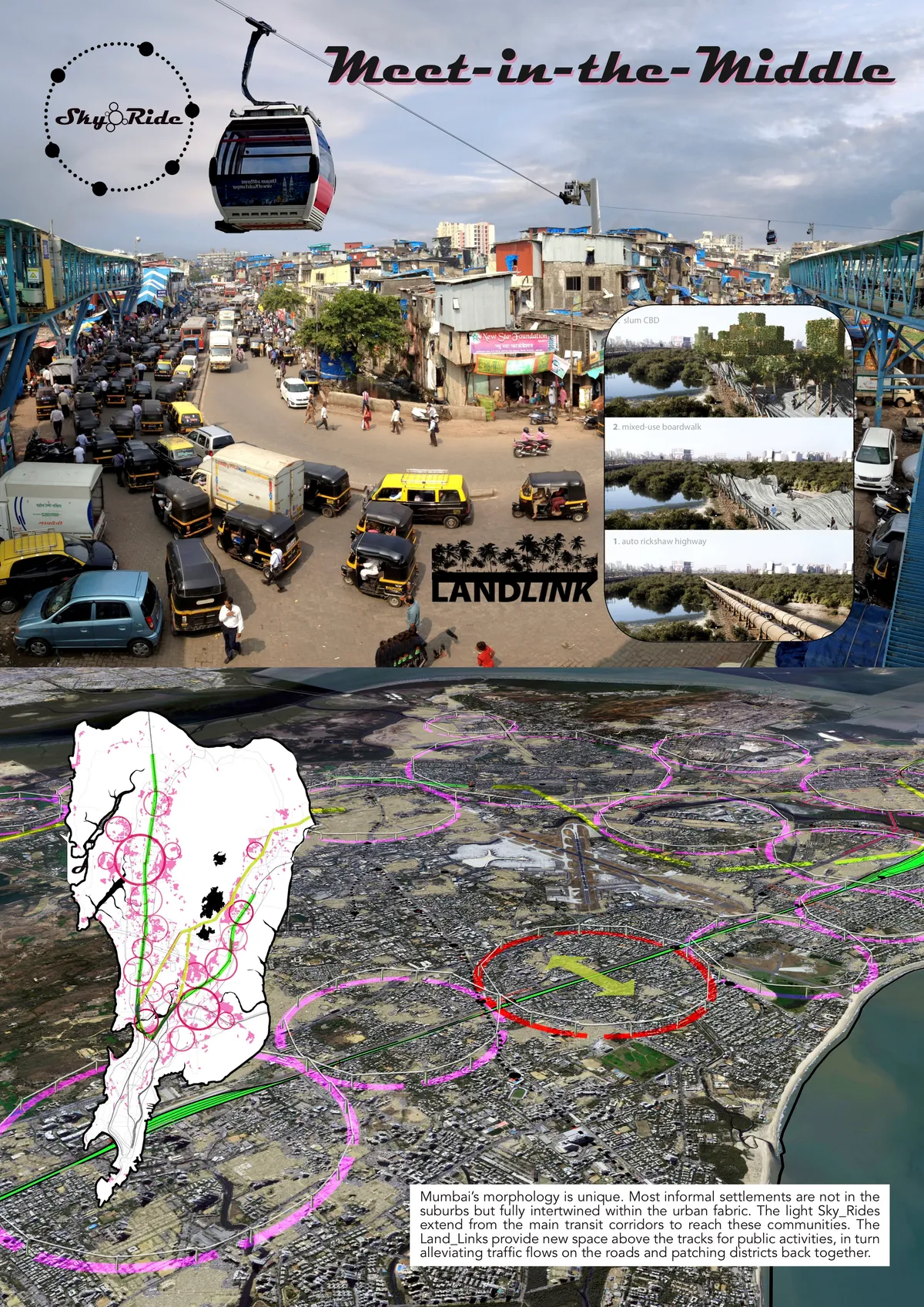
Meet in the Middle
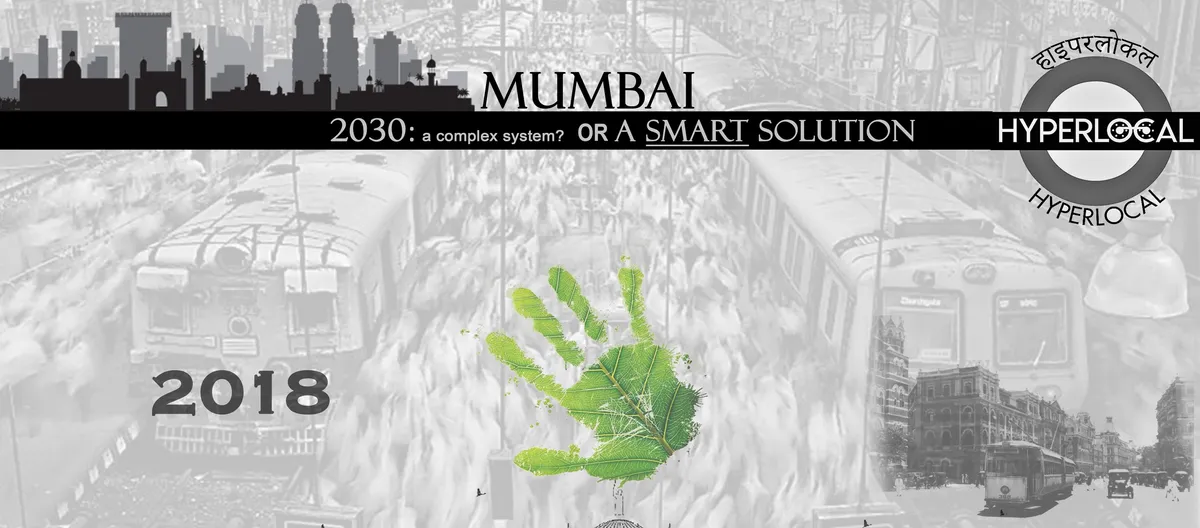
Meet in the Middle is a 3 component strategy that provides a bridge between stations and communities, between people and public facilities and between the heart and the suburbs of Mumbai. We offer a low-scale, accessible and soft mobility-oriented network that both improves mobility and alleviates the existing road system.

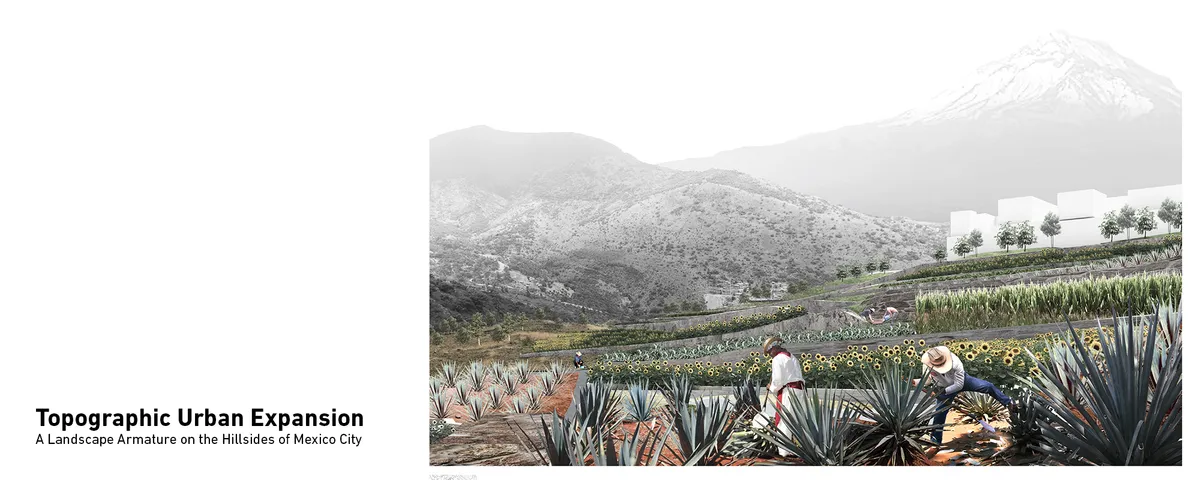
Topographic Urban Expansion-A Landscape Armature on the Hillsides of Mexico City
In response to informal urbanization pattern lacking infrastructural provision and open space which increases social inequality in Mexico City, the project introduces a topographic landscape framework that acts as an open space armature, manages informal growth and addresses needs of people through the insertion of social-economic and ecological amenities.
Turning Borders: Rotating Urban Furniture That Humanizes the Tijuana, San Diego Border Fence
A modular system of concrete cones and turning timber seats reclaims Friendship Park as a place for encounter, respite and play beside the border wall.


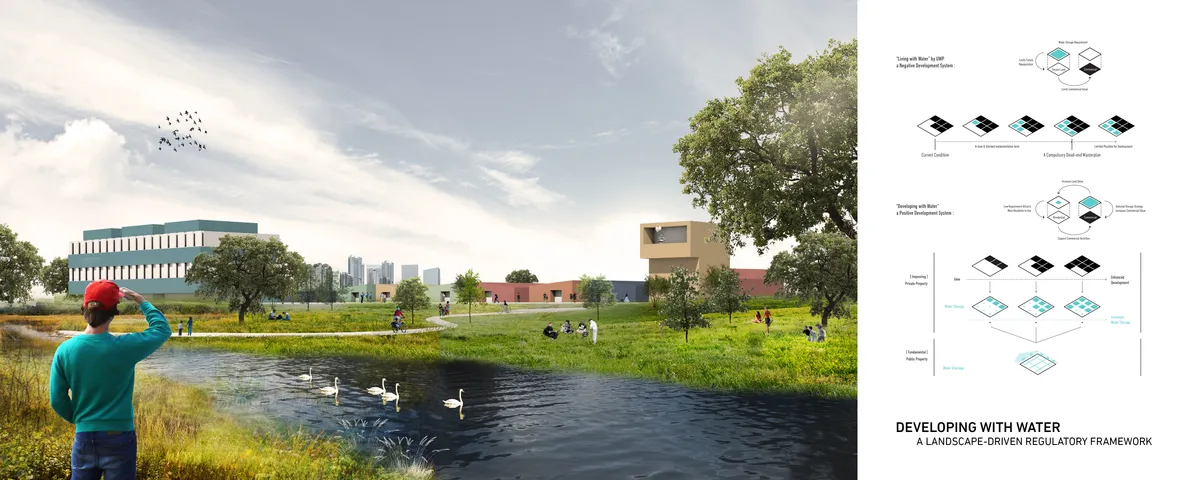
Developing with Water - A Landscape-driven Regulatory Framework
This project initiates from questioning the limitations of planning at the scale of a site. Based on a close reading of a master plan document, it proposes a methodology to test planning documents and a new approach to improve the planning decisions.

Great project


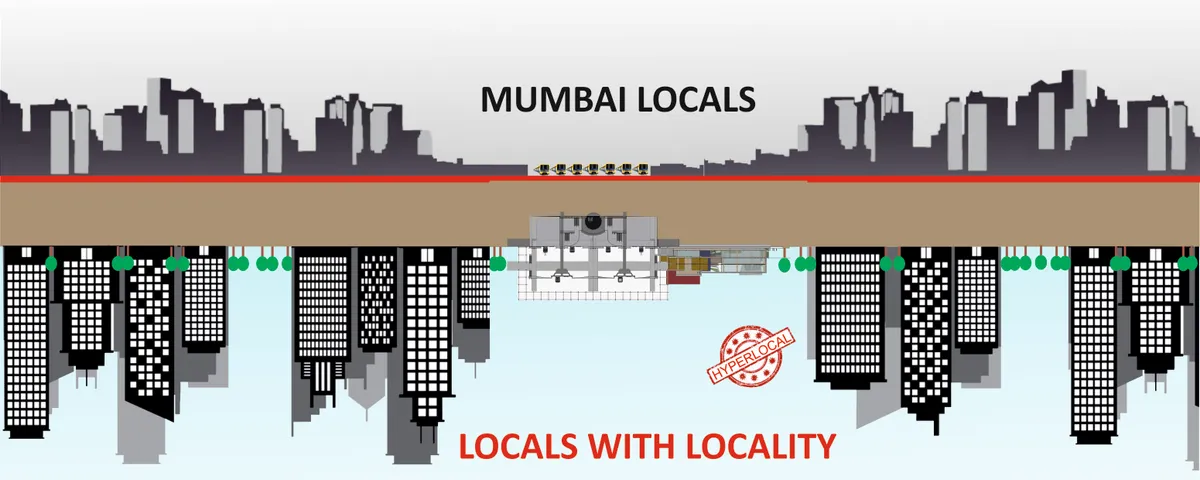
LOCALS WITH LOCALITY
Crowd brings suffocation and dispersing the crowd brings a breath of fresh air. This concept is used to make existing system of Mumbai local breathe. Interventions like multiple levels of network, pedestrianization, ToD, use of ITS are made to achieve the perceived development. With this conglomeration of ideas, re-generation of local by 2030 is proposed.

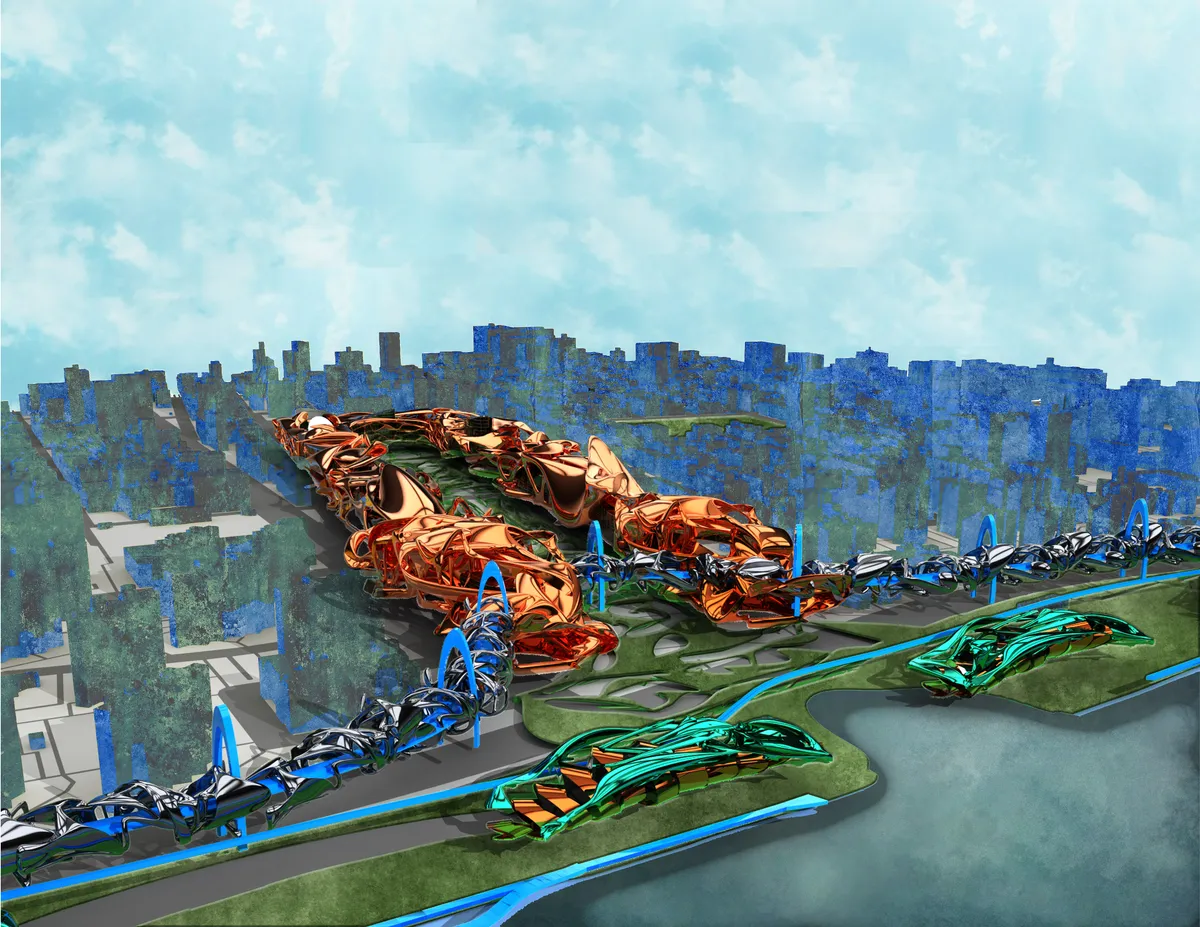

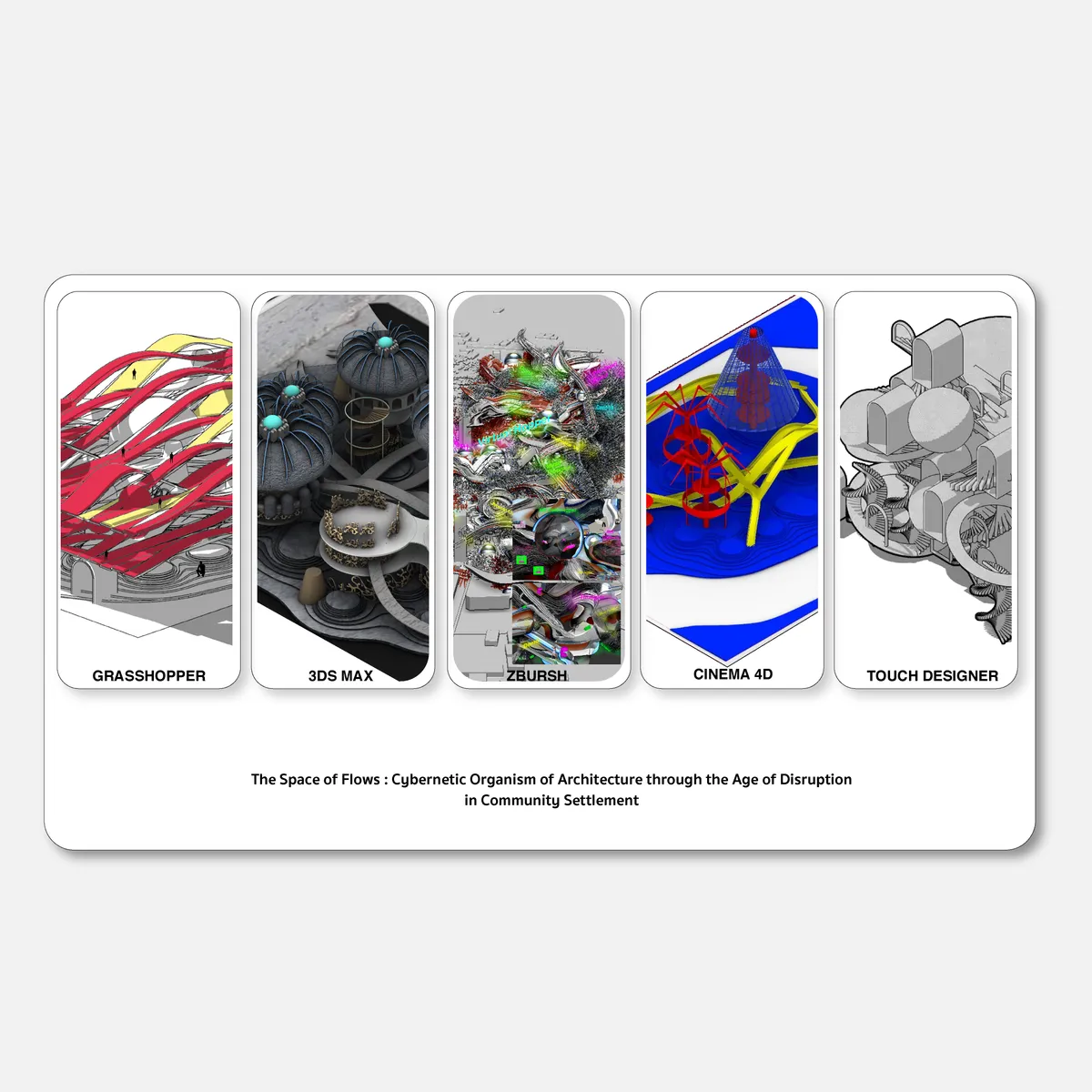
The Space of Flows
The objective of the study focused on the process of searching for language and architectural toolkit. In the past few years, the disruption of technology has shown an increasingly important role in our daily lives which affect human’s lifestyle, society, city and, economic system.


A thoughtful and original approach that expands learning into everyday urban life. Further exploring how this model can operate across different public spaces could strengthen its potential and impact.
Thank you so much for the thoughtful feedback. The project grew from questioning the mono-functional nature of urban spaces and eventually led me to explore learning as something that could connect people, genetations and everyday civic life beyond the conventional campus. Your suggestion to test this model across different public spaces is something i'd really like to explore further, particularly how different urban contexts could create different opportunities for learning and collective information.