
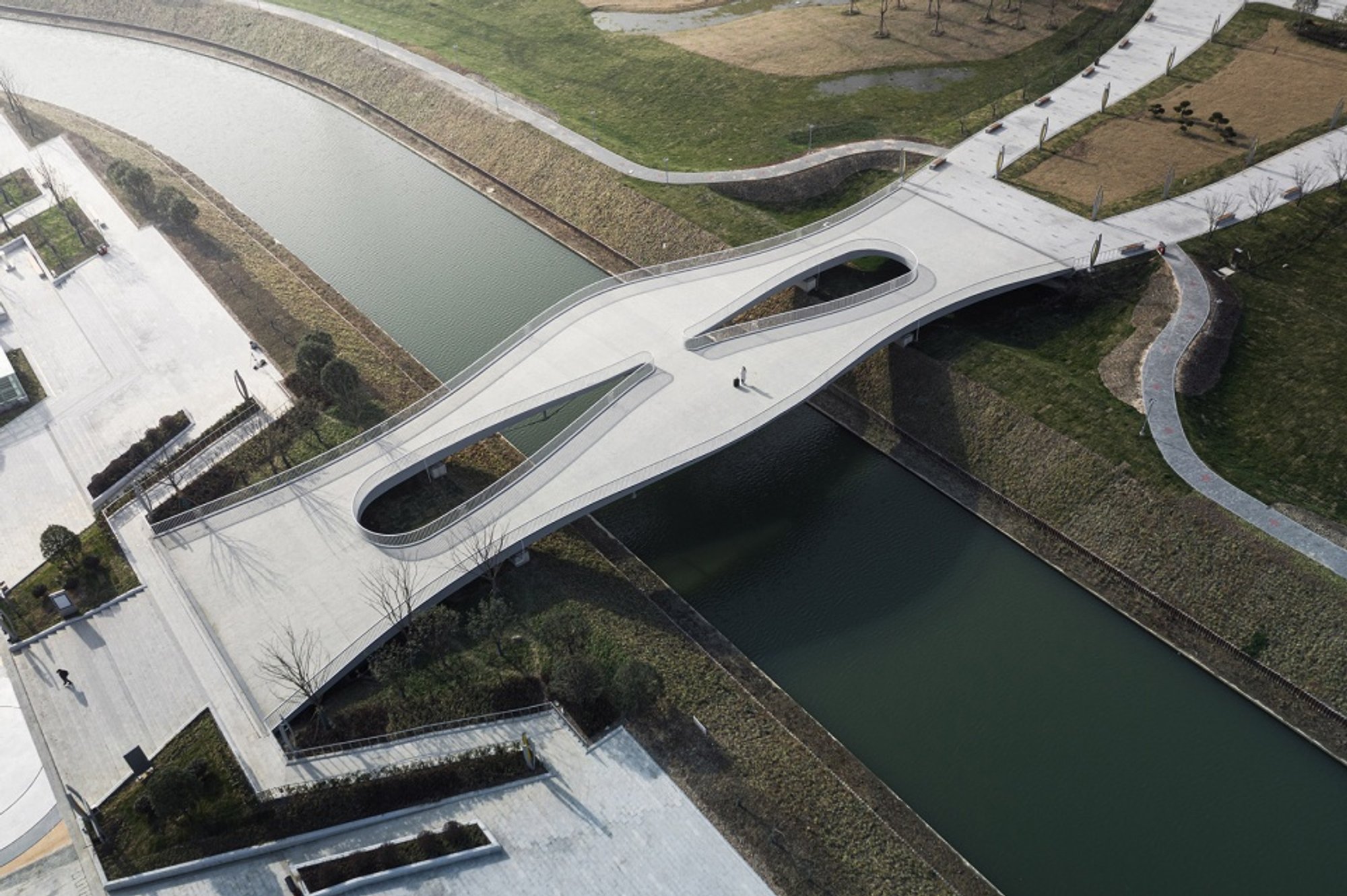
An Innovative Pedestrian Bridge at the Baoying Railway Station: Blending Functionality and Aesthetic Appeal
Discover the Lotus-Inspired Pedestrian Bridge: A Fusion of Nature, Functionality, and Urban Memory at Yangzhou's Baoying Railway Station

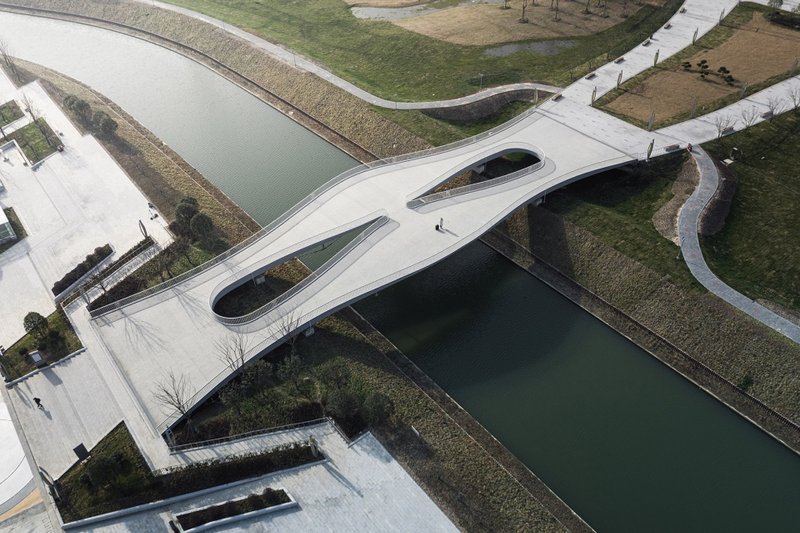
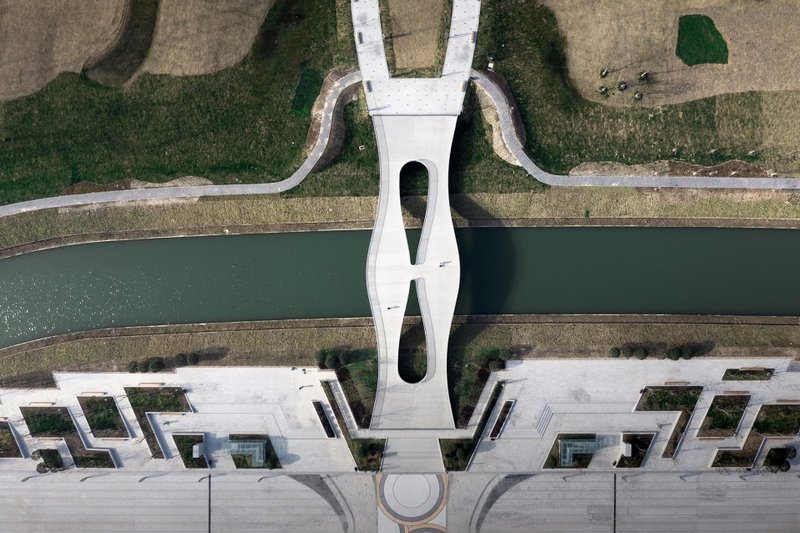
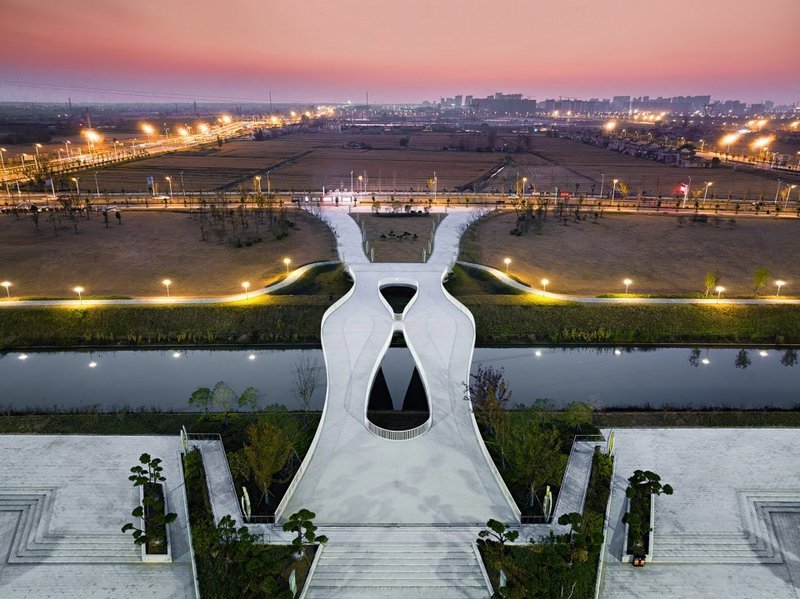
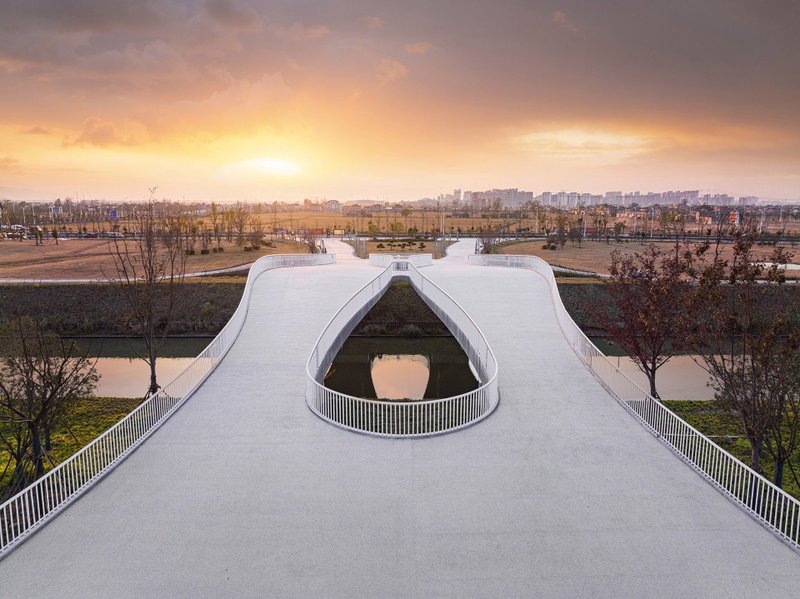
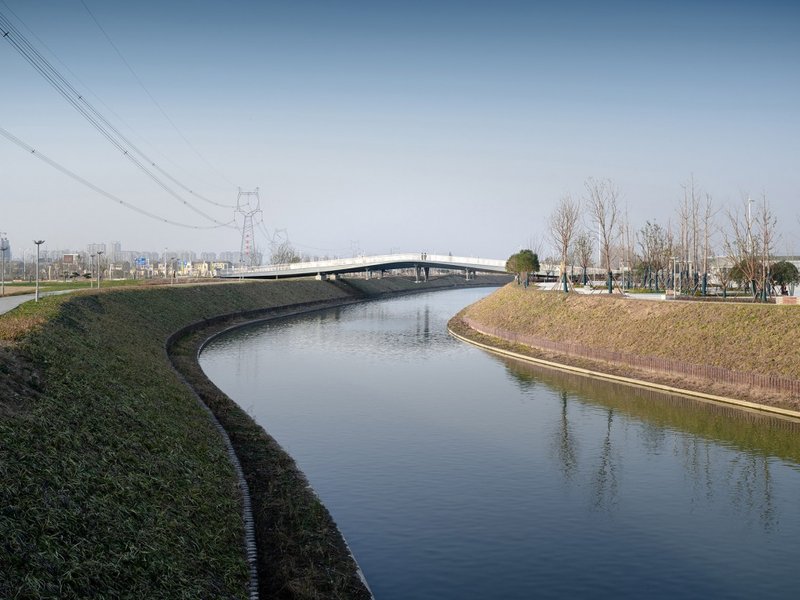
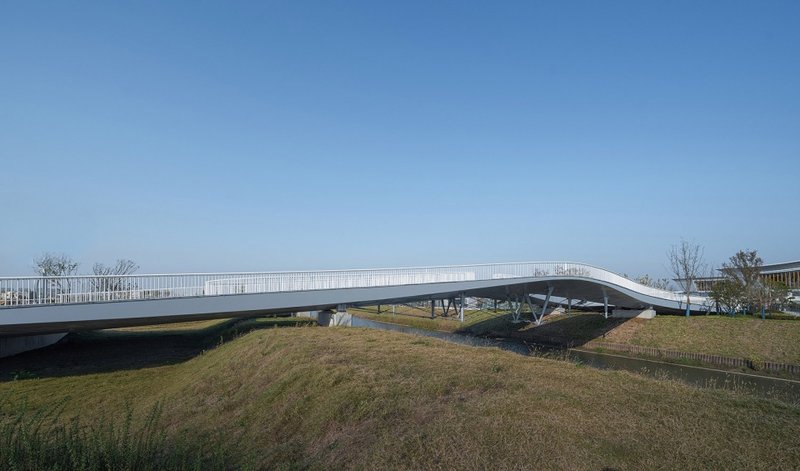
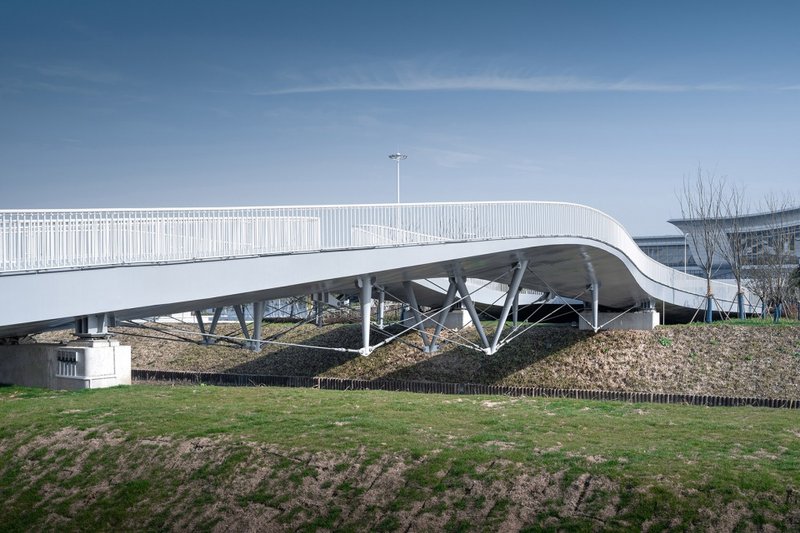
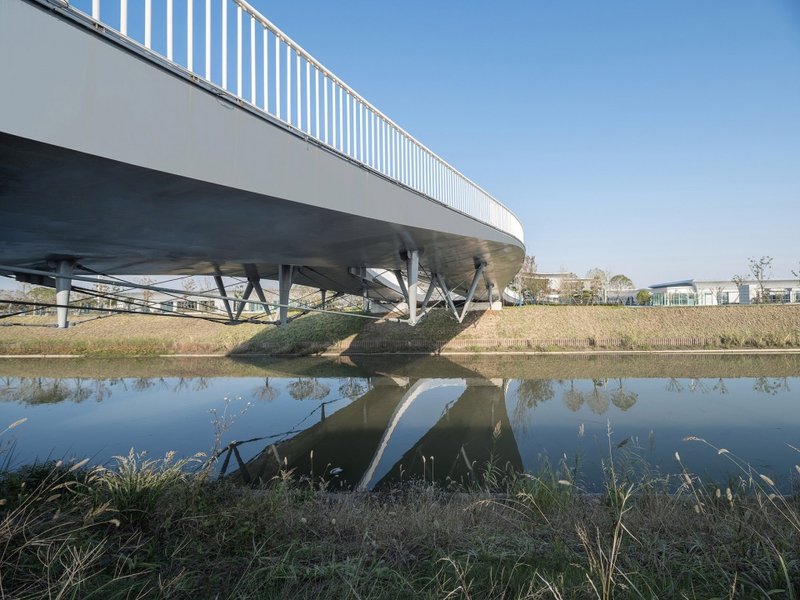
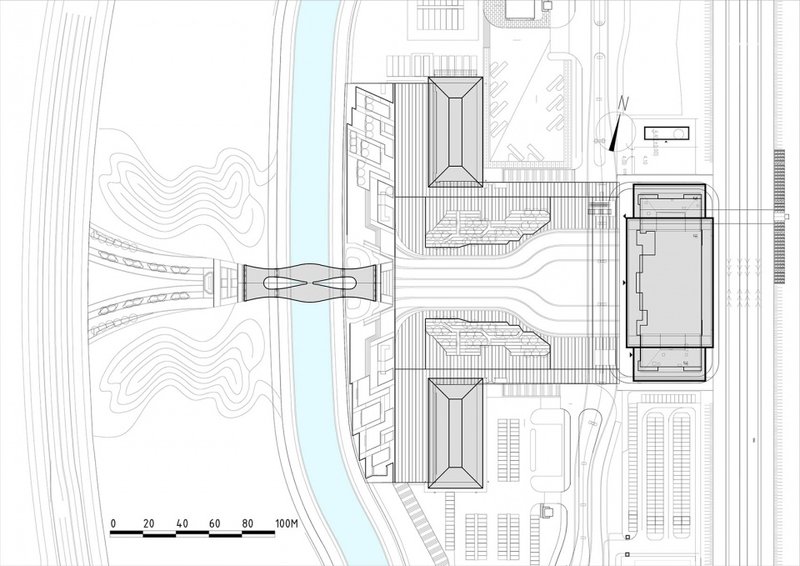
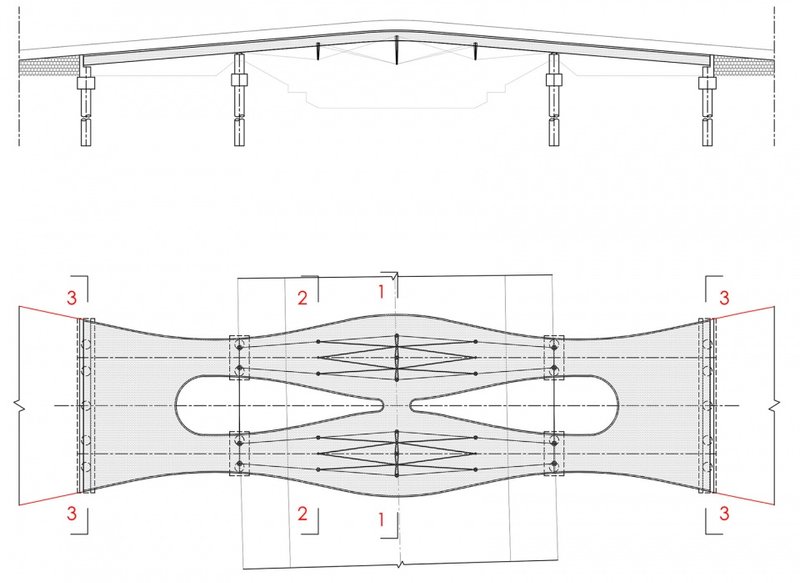
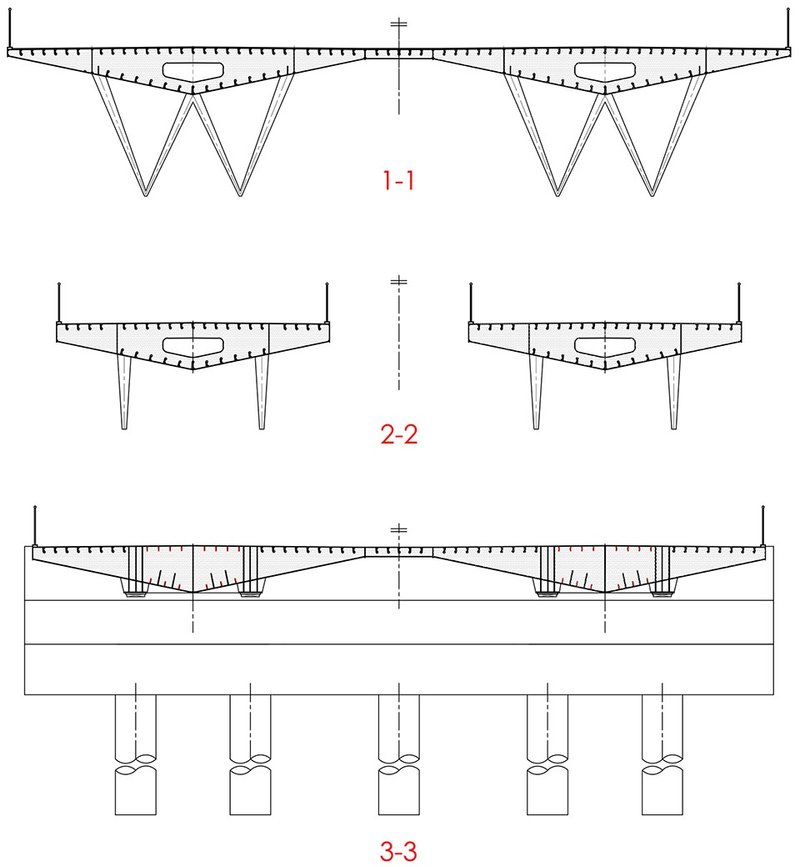
The Baoying Railway Station in Yangzhou has recently welcomed an innovative pedestrian bridge, gracefully spanning the river that flows nearby. This 86-meter-long structure features a deck that varies in width from 17 to 23 meters, making it a truly unique and eye-catching addition to the entrance of the station. The bridge uses a three-span cable-strengthened steel box girder (23+40+23m) and boasts two long openings through the walking deck, offering a picturesque view of the river below. The gentle 1:12 slope of the bridge deck ensures easy accessibility for all users.
Architectural Vision: Lotus Leaf-Inspired Elegance
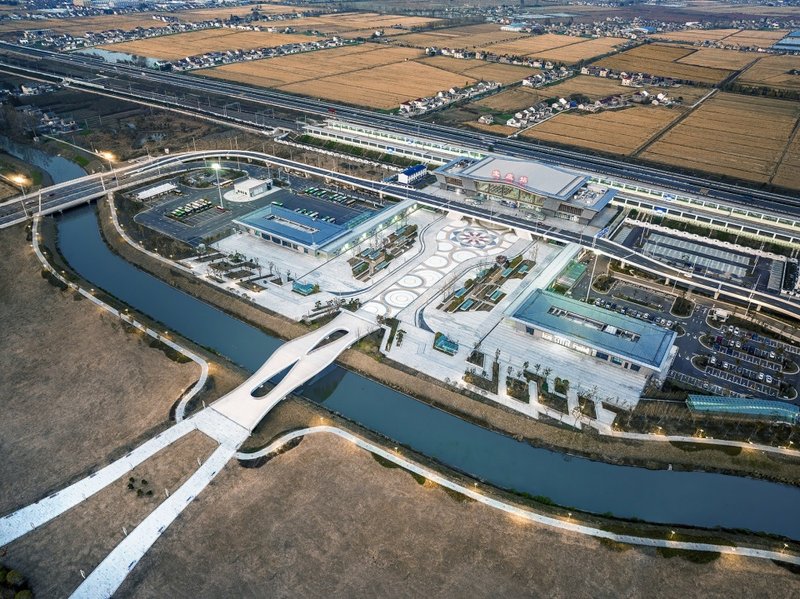
Inspired by the rich cultural symbolism of the lotus root, which is prevalent in Baoying's art history, the pedestrian bridge's design mimics the gentle curves and contours of a lotus leaf. The result is a structure that appears to float delicately above the river, embodying the essence of natural beauty and grace. This organic form complements the surrounding landscape and seamlessly integrates with the Baoying Railway Station's entrance square.
Functional Form: Bridging the Gap with Style
Designed to provide a safe and convenient passage for pedestrians, the bridge connects the two sides of the river, enhancing the flow of foot traffic between the station and the surrounding areas. However, the architects went beyond this primary function, incorporating thoughtful design elements that create a visually engaging and enjoyable experience for users. The varying widths of the walking deck, for instance, offer a larger resting space in the center, transforming the bridge into an extension of the station's front square.
Dynamic Viewing Experiences
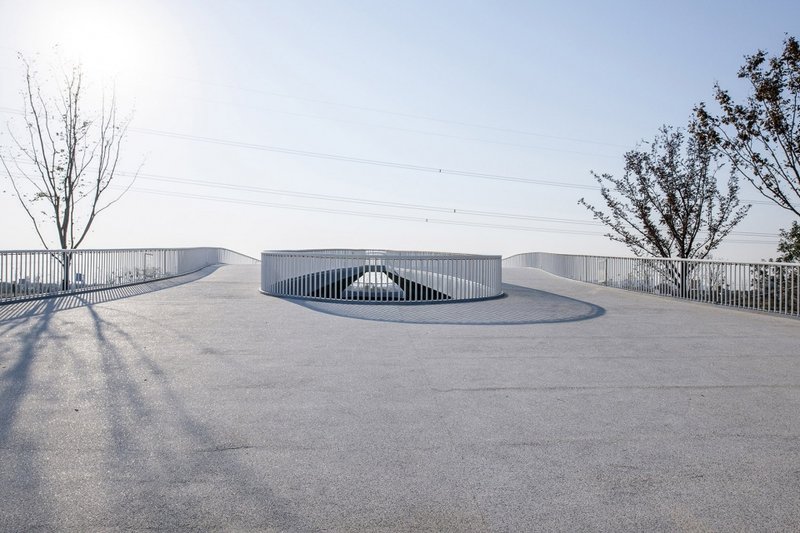
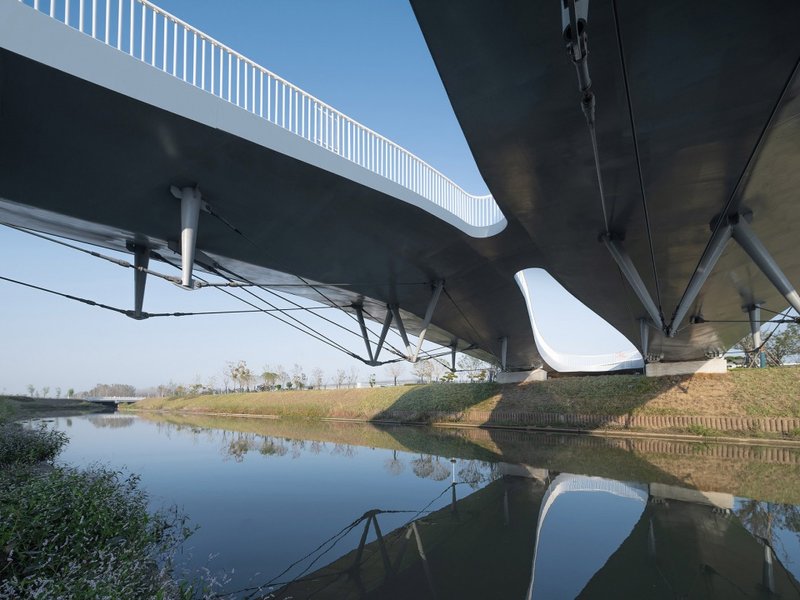
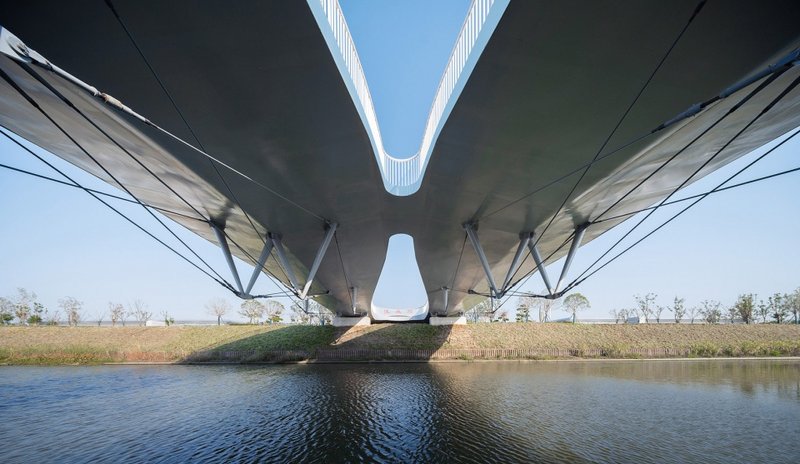
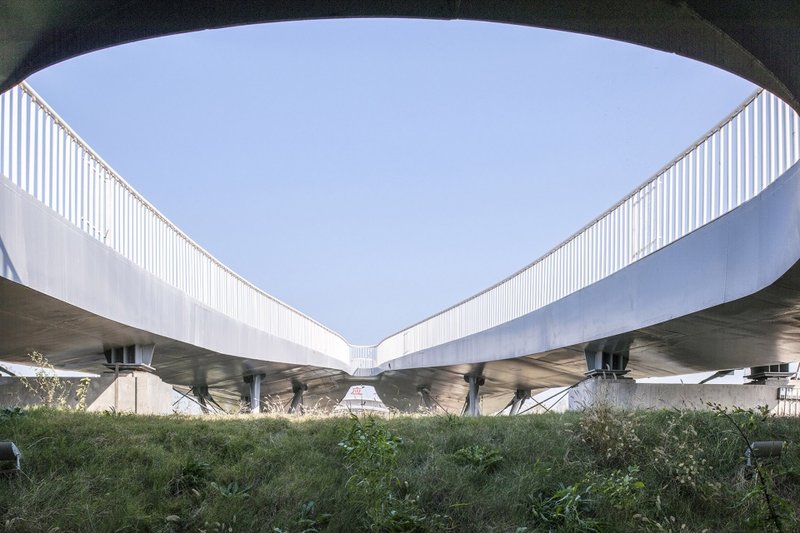
The pedestrian bridge's design also emphasizes the importance of creating visually stimulating experiences for users. The long openings through the deck provide a striking contrast between light and shade, while offering different perspectives of the surrounding landscape. These varying viewpoints, both on and around the bridge, contribute to a multi-layered visual experience that enriches users' time spent traversing the structure.
Precision and Clarity in Structure
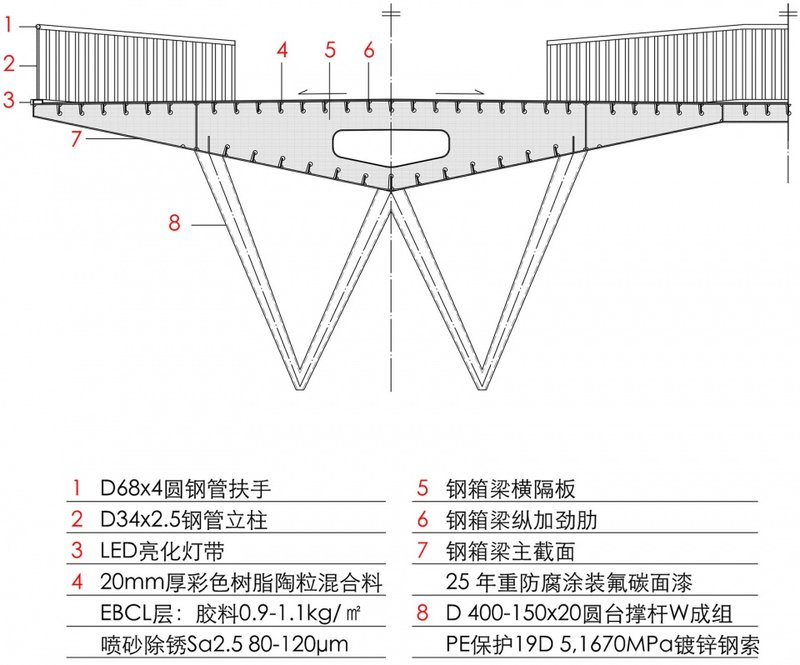
The bridge's design showcases an elegant structure achieved through precision and clarity. By transforming the singly supporting beam bridge into a continuous one, the architects were able to redistribute internal stresses and reshape the form to achieve a harmonious balance. The slim, reverse-triangle outline of the deck section is supported by tension cables and compression bars, creating a visually lightweight and graceful appearance that complements the railway station's surroundings.
A New Landmark Rooted in Urban Memory
This innovative pedestrian bridge not only serves a practical function but also establishes itself as a new landmark in the area. Its design is deeply rooted in the local culture and environment, and through its delicate balance of form and function, it offers a memorable experience for all who traverse it. The bridge is poised to leave a lasting impression on the urban landscape and become an enduring part of the city's collective memory.
The Baoying Railway Station pedestrian bridge in Yangzhou is an exceptional example of how architecture can seamlessly blend functionality with aesthetic appeal. By drawing inspiration from local art history and the natural form of the lotus leaf, the architects have created a landmark structure that is both visually stunning and practical. This innovative bridge stands as a testament to the power of creative design and the potential for architecture to enrich the urban landscape and enhance the everyday experiences of its users.
Project details:
Project name: Baoying High Speed Railway Station Pedestrian Bridge(Lotus Leaf Bridge)
Client: Yangzhou Baoying County Transportation Bureau
Location: Yangzhou Baoying
Span (length): 23+40+23m (total length: 86m)
Width: 23m max, 17m min
Structural form: Steel Box Girder
Design year: 2019
Completion year: 2021
Architect in charge:Zhang Bing & Atelier Groundwork Architecture ( Institute Of Architecture Design And Planning Co., Ltd, Nanjing University);
Design General Contractor: China Design Group Co., Ltd
Design Creation Team:Zhang Bing, Wang Xinghong (Atelier Groundwork Architecture), Dai Hang (School of Architecture, Southeast University); Yuan Aimin (College of Civil and Transportation Engineering, Hohai University), Sun Pengcheng, Wu Lijun, Zhao Muran, Zhu Kewei (China Design Group Co., Ltd)
Photo credits: Cui Xufeng




Popular Articles
Popular articles from the community

Constanti Architects Builds a Fortress of Privacy in Nicosia with House 345
A concrete and timber residence in Cyprus reinterprets the traditional introverted courtyard house for a new urban landscape.
OMCM arquitectos Builds a Summer House in Paraguay from Quarry Waste Blocks and Three Sacred Trees
In the young hillside neighborhood of Altos, a 696-square-meter concrete volume hovers on six pillars around three preserved native Yvyraju trees.
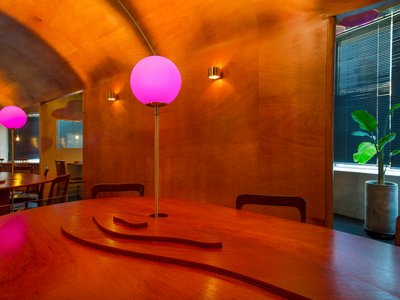
Indiesalon Carves a Plywood Cave into a Seoul Bistro's Second Floor
Munhwa Bistro's second Seongsu branch wraps diners in a laminated timber vault laced with colored light and mirror illusions.
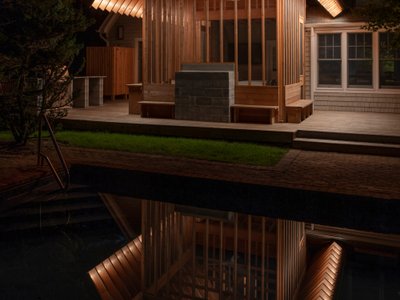
BLDUS Turns a 250-Square-Foot Screened Porch into a Pine Forest Temple in East Hampton
A gabled cedar pavilion mimics the rhythm of surrounding pines, anchoring a 1990s wooded home to its hollow in Long Island.


Similar Reads
You might also enjoy these articles

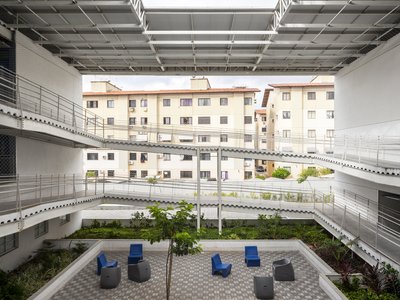
Rede Arquitetos Builds an Open-Air School in Fortaleza That Doubles as a Neighborhood Living Room
Educar II SESC-CE folds sports, dance, and community gathering into a courtyard campus wrapped in mesh and tropical color.
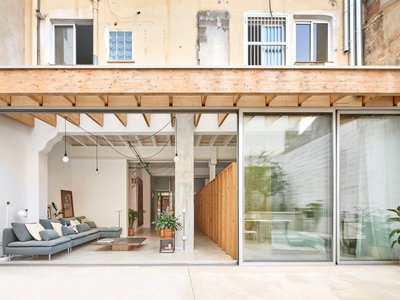
NZ10 Apartment by auba studio: Adaptive Reuse in Palma de Mallorca
Adaptive reuse apartment transforms bakery into light-filled home with patios, privacy layers, and wood interiors enhancing urban living experience.
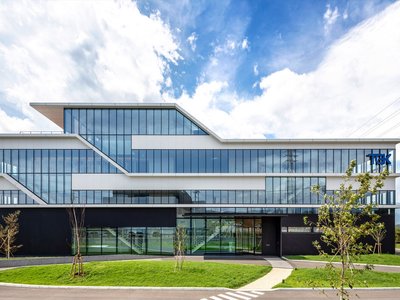
TGK Nirasaki Plant: A Smart Factory Blending Technology, Landscape, and Wellness
Smart factory in Japan blending IoT manufacturing, scenic trail design, natural ventilation, and landscape integration to enhance user experience and sustainability.
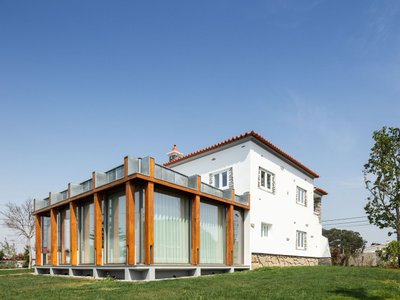
House in Macieira by Nelson Resende Arquitecto: A Sensitive Transformation Rooted in Context and Materiality
Adaptive reuse house blending wood, glass, and landscape, transforming traditional Portuguese architecture into a warm, open, contemporary living environment.






Comments (0)
Please login or sign up to add comments
No comments yet. Be the first to comment!