

Kapotnya Park by Wowhaus: A Sustainable Urban Oasis in Moscow
Kapotnya Park by Wowhaus transforms a neglected riverside into a sustainable urban oasis, integrating nature, recreation, and community spaces in Moscow.


Revitalizing Moscow’s Natural Landscape
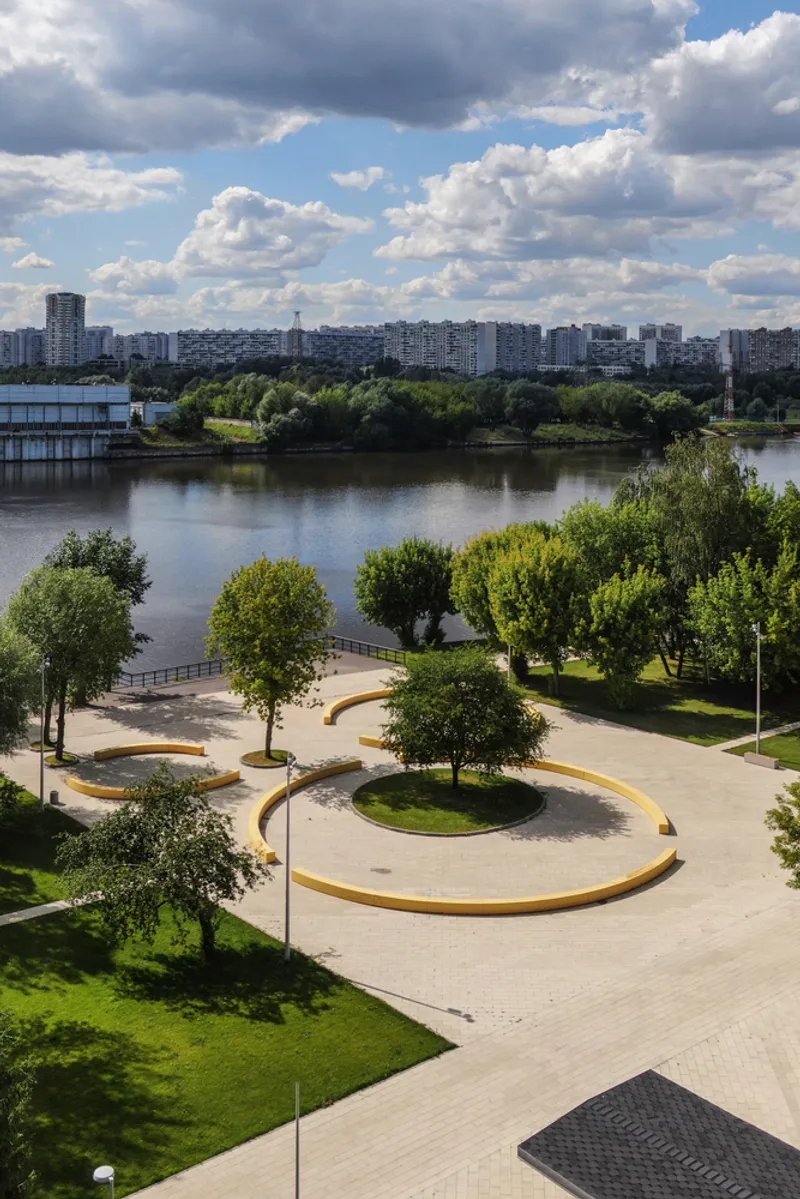
For years, the park along the Moskva River in Kapotnya remained neglected, leaving local residents without a dedicated space for recreation, sports, and community gatherings. Wowhaus, led by architect Vladimir Belyakov, undertook the transformation of this underutilized area, turning it into a dynamic urban park that merges the functionality of a city recreational zone with the serenity of a natural forest.
Unlike traditional parks in Moscow’s city center, Kapotnya Park was designed as a continuous ecological corridor, seamlessly integrating walking trails, sports areas, and green spaces. This project aligns with Moscow’s urban regeneration efforts, creating a sustainable and accessible natural retreat within the city.

Design Concept: A Holistic Urban Approach
The primary goal of the project was to establish a comfortable, well-connected green space for residents, offering opportunities to engage with nature without leaving their district. The design includes an extensive network of walking trails, ecological pathways, and leisure zones, ensuring that visitors can navigate the park effortlessly while enjoying its preserved natural landscape.
A key feature of the project was the adaptive reuse of the natural terrain. The team focused on rehabilitating degraded areas, enhancing biodiversity, and constructing elevated boardwalks over previously inaccessible swampy zones. The introduction of water-loving plants and observation decks transformed these spaces into eco-friendly routes, promoting sustainability and conservation.


Preserving the Natural Identity of Kapotnya
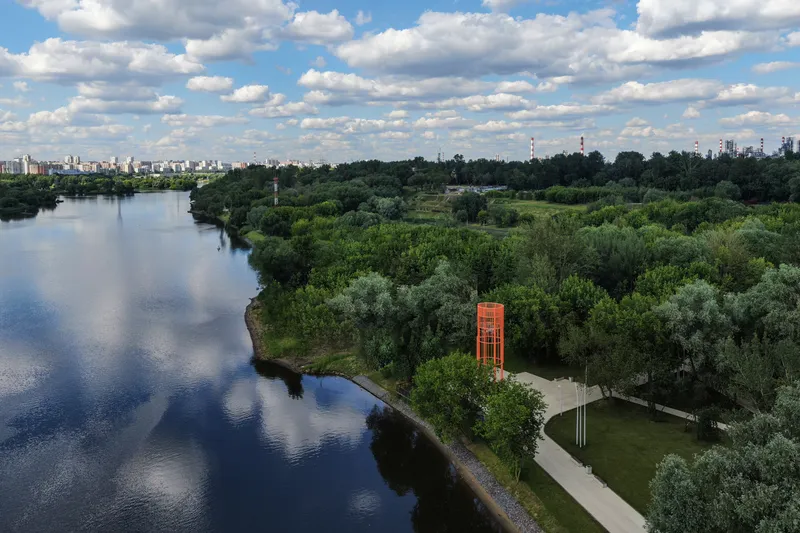
Kapotnya Park boasts a unique biodiverse ecosystem, and its redesign emphasized environmental preservation. The architects reinforced riverbanks, rehabilitated the landscape structure, and incorporated an ecological loop around the park to encourage sustainable interaction with nature.
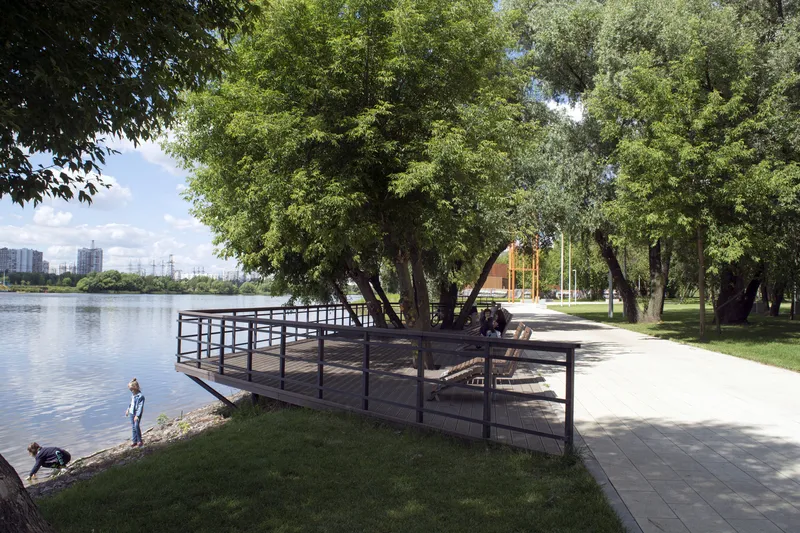
The embankment now serves as a vibrant boulevard, acting as the social heart of the park. A newly developed observation deck along the Moskva River offers stunning views, making it a prime location for relaxation and community events.


Innovative Features and Community Engagement
A significant aspect of the project was its community-driven approach. Residents were actively involved in shaping the park’s final design, ensuring that it met their recreational needs. Recognizing traditional uses of the space—picnicking, skiing, dog walking, and fishing—Wowhaus integrated designated areas for these activities.
Key features of the revitalized park include:
- Playgrounds and sports zones for all age groups
- Picnic areas with fireplaces and tables for family gatherings
- Art installations, including a specially designed lighthouse that serves as a landmark
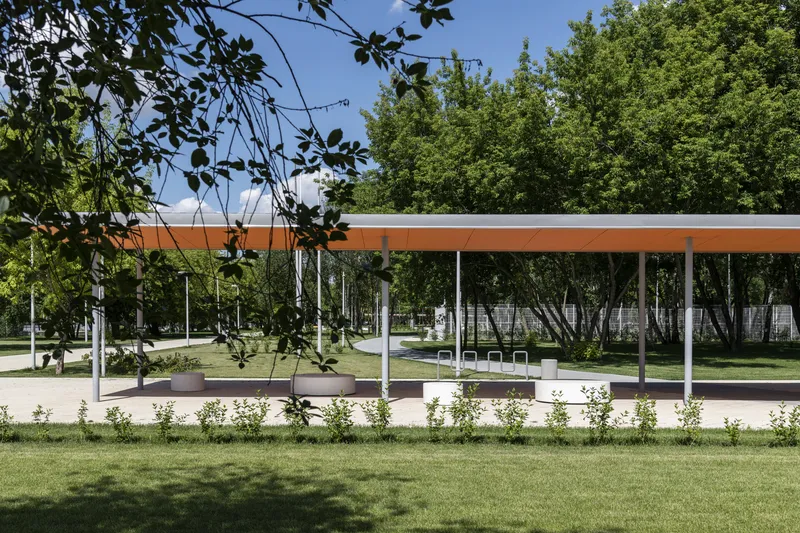
- Shaded pavilions for resting and potential commercial use in the future

Sustainability and Cost-Effective Design
With a limited budget, Wowhaus employed a cost-efficient yet aesthetic approach. Durable materials such as concrete for furniture and high-quality sports equipment were chosen to ensure longevity. The park’s design embraces minimalist, functional aesthetics, aligning with contemporary urban planning trends while maintaining a natural look.

A New Model for Urban Green Spaces
Kapotnya Park stands as a model for sustainable urban redevelopment, showcasing how underutilized spaces can be transformed into vibrant, multifunctional parks. By bridging the gap between urban life and nature, Wowhaus has successfully created an inclusive, accessible, and environmentally responsible space for the Kapotnya district.

All Photographs are works of Daniil Annenkov




Popular Articles
Popular articles from the community


Co-Life: Senior Housing Design That Reconnects Older Adults With the City
Co-Life reimagines senior housing design through healing gardens, shared streets, workshops, and a sustainable community across generations.

The Ocean Hive: Sustainable Architecture for a Self-Sufficient Civilization at Sea
The Ocean Hive imagines sustainable architecture at sea, where modular habitats, algae, wave power and ocean waste sustain a growing colony.

The Earth Pod: 3D Printed Homes for Resilient Refugee Communities
The Earth Pod reimagines refugee housing through 3D printed homes made from clay, combining resilience, self-sufficiency, and rapid shelter.

EW PARK: Sustainable Architecture Reimagines the Future of Urban Parking
EW PARK reimagines city parking as a modular wooden tower combining automation, solar energy, electric mobility, and adaptable urban design.


Similar Reads
You might also enjoy these articles


Hodi-Mandai Geram
Project Function: Preservation and revitalization of the Intangible heritage and socio-spatial identity of the Hodi by Housing, Cultural Memory Center, Sacred Grove, landscape, local tourism economy


Olio Towers: A Mid-Rise for Performers That Fuses Housing, Rehearsal, and Stage
Located blocks from Houston's Theater District, this modular tower stacks living units around a central performance atrium.

Oasis: Modular Green Housing Carved into Dhaka's Urban Fabric
A shortlisted Plugin Housing entry reclaims unauthorized settlements in Dhaka with stepped concrete volumes, green roofs, and ventilation-driven design.

Black Hole: A Floating Megastructure for the Post-Physical Era
Emiliano Mazzarotto envisions a spherical, self-scaling arena where e-sports, digital hotels, and holographic stadiums replace traditional public space.

Explore Urban Design Competitions
Discover active competitions in this discipline



Challenge to reimagine the Iron Throne


Photograph architecture without architects


Illustrate the lost glory of Angkor Wat - Render Challenge


Design challenge to reuse E-waste
Comments (0)
Please login or sign up to add comments
No comments yet. Be the first to comment!