

Religious Architecture in London: A Pavilion for Interfaith Dialogue
A Subterranean Sanctuary Celebrating the Common Threads of London's Diverse Faiths


Religious London created by Milan Ilic, Ivan Raskovic, Shortlisted entry of Urban Living Room competition, a vibrant tapestry woven with threads of countless cultures and faiths, boasts a rich religious architectural landscape. From the grandeur of Westminster Abbey to the intricate details of the Neasden Temple, the city's sacred spaces reflect the diverse spiritual heritage of its inhabitants. This article delves into the fascinating world of London's religious architecture, exploring a proposed pavilion designed to foster interfaith dialogue and understanding.

A City of Faiths: Exploring London's Religious Diversity
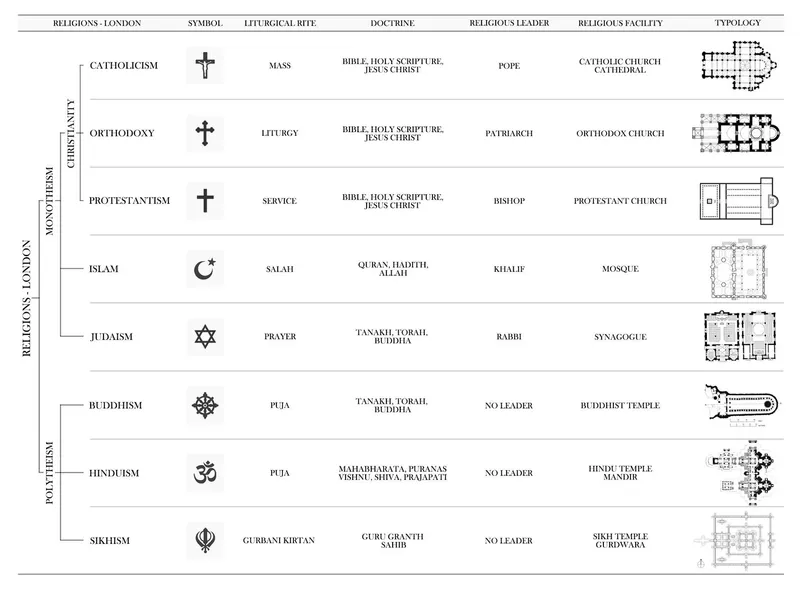
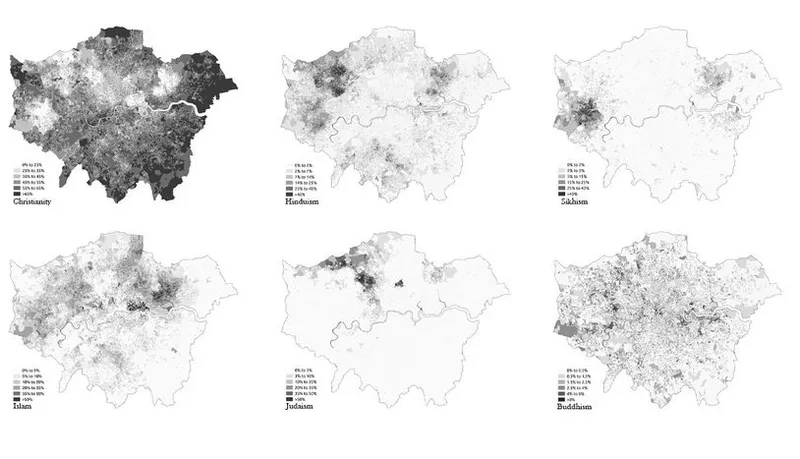
London's religious demographics reveal a fascinating mosaic. While Christianity remains the dominant faith, representing 40.60% of the population, a significant portion identifies as non-religious (27.05%). Islam (14.99%), Hinduism (5.15%), Judaism (1.65%), Sikhism (1.64%), and Buddhism (0.99%) further enrich the city's spiritual landscape. This diversity is not only reflected in the city's demographics but also in its architectural fabric.
Each faith has contributed unique and stunning structures to London's skyline. Synagogues like Bevis Marks Synagogue stand as testaments to the city's Jewish heritage, while the majestic domes of mosques like the Regent's Park Mosque proclaim the presence of a thriving Muslim community. Hindu temples, such as the BAPS Shri Swaminarayan Mandir, with their intricate carvings and vibrant colours, add a touch of the Indian subcontinent to the city. Buddhist centres like the London Buddhist Vihara offer serene spaces for meditation and reflection, while Sikh gurdwaras, including the Sri Guru Singh Sabha Southall, serve as vital community hubs.
The Religious London Pavilion: A Vision for Unity and Understanding
Inspired by the richness and diversity of London's religious landscape, a visionary pavilion project has been proposed. This subterranean sanctuary, nestled discreetly beneath the surface of Hyde Park, aims to celebrate the common threads that bind these diverse faiths together. The pavilion's design is based on an in-depth analysis of the architectural typologies of different religious structures, identifying key elements that hold symbolic significance across various traditions.
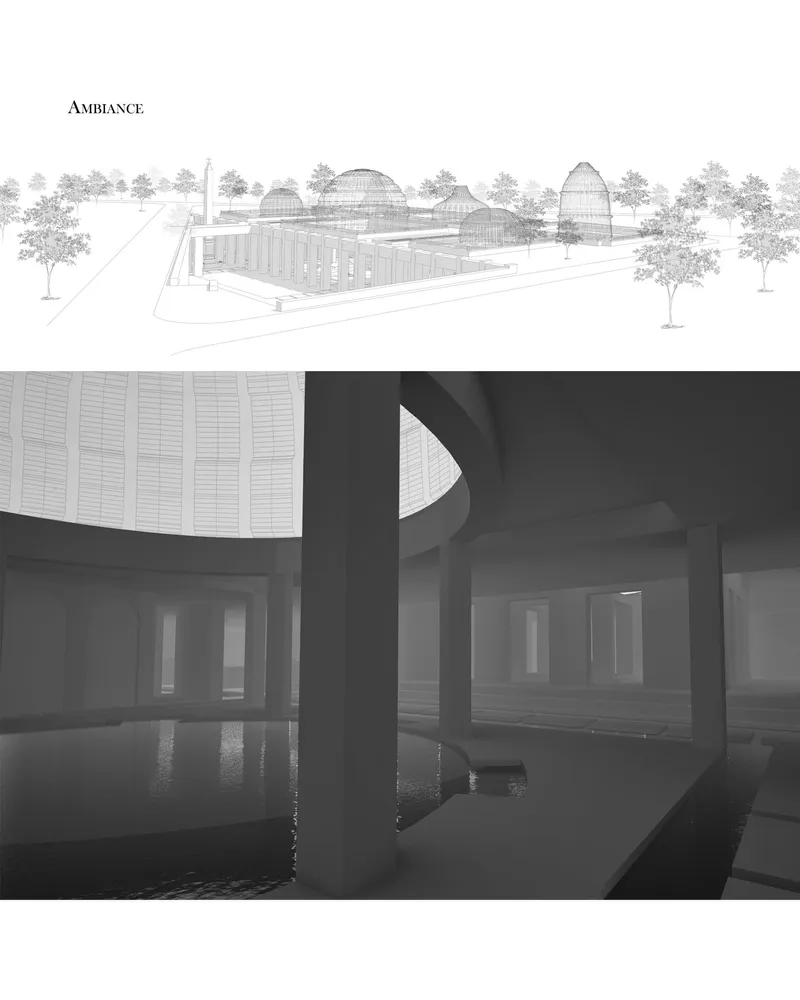
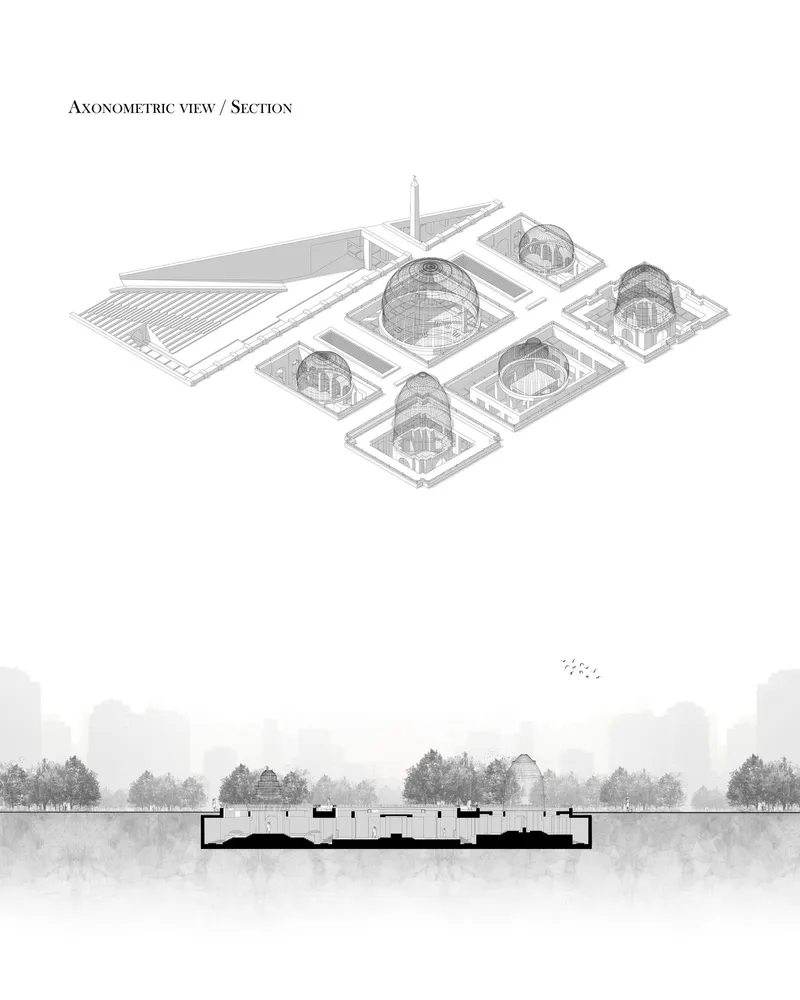
The pavilion features a series of interconnected spaces, each representing a different faith. Above ground, transparent wireframe models of iconic religious domes, such as those of St. Paul's Cathedral and the Baitul Futuh Mosque, create a visual dialogue with the park's surroundings. These ethereal structures allow visitors to appreciate the grandeur of these architectural marvels from a new perspective.
Below ground, visitors can explore the subterranean spaces, each designed to evoke the essence of a particular faith. Water, a symbol of purification and renewal common to many religions, flows through the corridors, connecting the different spaces and creating a sense of tranquility. Natural light filters through openings in the roof, illuminating the spaces and creating a contemplative atmosphere.

More than just a Building: A Catalyst for Dialogue and Engagement
The Religious London Pavilion is envisioned as more than just a static architectural structure. It is designed to be a dynamic space for interfaith dialogue, education, and engagement. Information desks will provide visitors with insights into the different faiths represented, while simulations of religious rituals will offer a glimpse into the practices of each tradition.
The pavilion will also host concerts featuring music from various religious traditions, utilizing instruments characteristic of specific religions. Representatives from different faiths will be present, allowing visitors to engage in direct dialogue with religious leaders. Lectures and public discussions will further promote understanding and dispel misconceptions.

A Symbol of Harmony in a Diverse City
The Religious London Pavilion stands as a powerful symbol of harmony and understanding in a city known for its multiculturalism. By celebrating the common threads that bind different faiths together, the pavilion seeks to foster a more inclusive and tolerant society. It is a testament to the power of architecture to not only reflect the diversity of a city but also to shape its future.
In a world often divided by religious differences, the Religious London Pavilion offers a beacon of hope. It is a reminder that despite our differences, we share a common humanity and a desire for peace and understanding. By creating a space for dialogue and engagement, the pavilion encourages us to embrace our differences and celebrate the richness that diversity brings. This innovative project has the potential to become a valuable asset to London, enriching its cultural landscape and promoting interfaith harmony for generations to come.


Popular Articles
Popular articles from the community


Little Red Riding Hood: Architectural Design as a Journey Through Fear, Light, and Storytelling
Little Red Riding Hood reimagines the fairy tale through architectural design shaped by fear, light, scale, memory, uncertainty, and choice.

Co-life: Sustainable Architecture for Age-Friendly Community Living
Co-life reimagines sustainable architecture for seniors through courtyards, rammed earth, shared gardens, and spaces designed for belonging.

Hill & Cross Opera: Sculptural Opera House Architecture Shaped by Tallinn’s Landscape and Identity
Hill & Cross Opera reimagines opera house architecture in Tallinn through its sculptural hill, civic plaza, glass wave and a luminous cross.

The Musturak Paradise: Senior Living Architecture for a Connected Future in Temara, Morocco
The Musturak Paradise reimagines senior living architecture in Temara via private homes, social spaces, culture, community, and shared care.

Similar Reads
You might also enjoy these articles

Day and Night Park: A Time-Based Urban Newsstand in Beijing
A temporary urban newsstand in Beijing blending travel, light, and reading through poetic colors, compact form, and community-focused design.

Modernist Patio Renovation in El Masnou, Barcelona by Oliver Segura Arquitectura + Cebrià Arquitectura
Modernist patio renovation blending tradition and innovation with a movable pool, leveled floors, and Catalan materials in El Masnou.
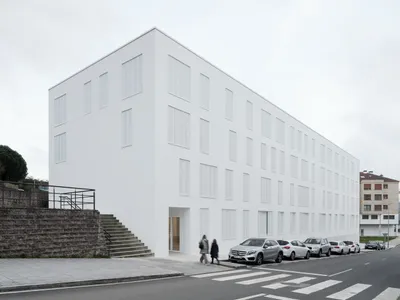
Alto Residencial Coop: Cooperative Housing Development in Santiago de Compostela by Carbajo Barrios Arquitectos
A linear cooperative housing complex blending white volumes and perforated metal façades, enhancing community living, natural light, privacy, and urban integration.
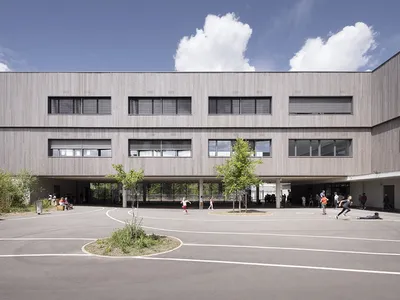
Vil Genis School by BPA ARCHITECTURE – Massy, France
Vil Genis School in Massy, France, features sustainable design, south-facing classrooms, community integration, accessible spaces, and modern educational architecture.

Explore Religious Building Competitions
Discover active competitions in this discipline

Design Challenge - Contemporary interpretation of a religious complex

Challenge to reimagine the Iron Throne

Photograph architecture without architects

Illustrate the lost glory of Angkor Wat - Render Challenge
Comments (0)
Please login or sign up to add comments
No comments yet. Be the first to comment!