
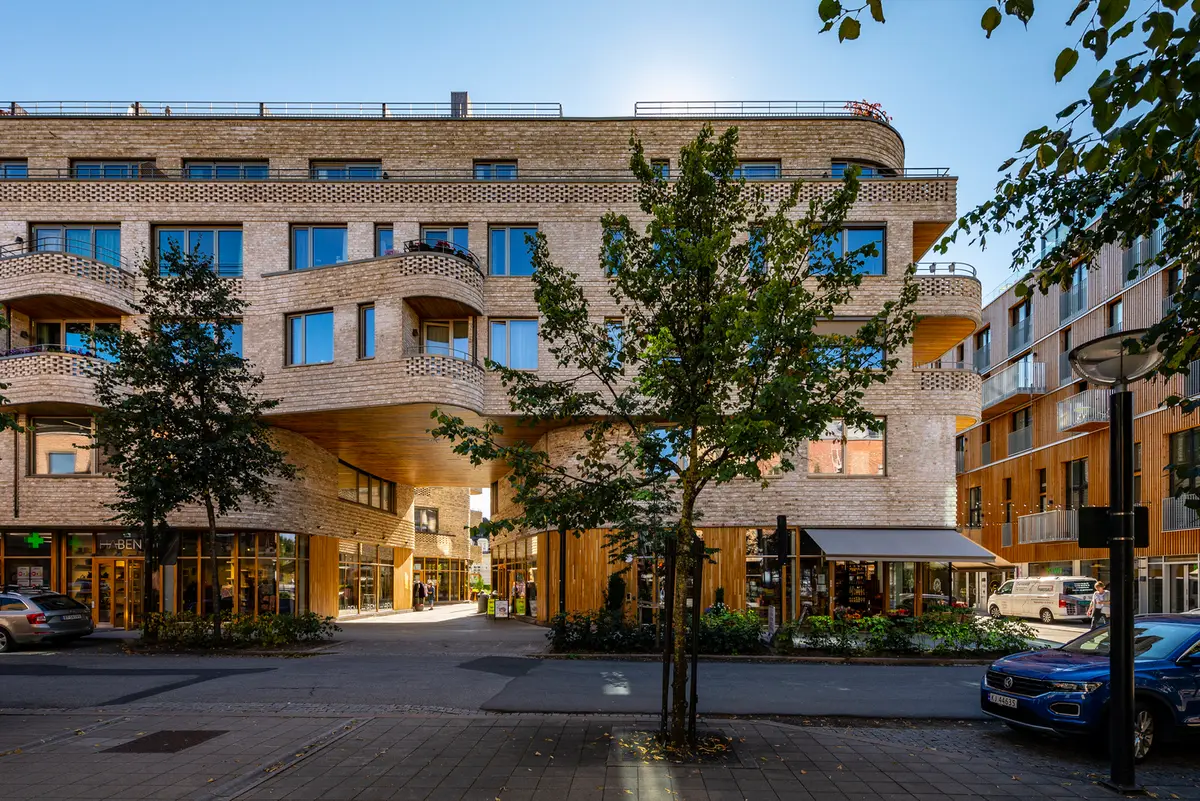
Unveiling the Essence of Mixed-Use Residential Development: The Wessel Quarter's Innovative Approach
This article explores the innovative design and community impact of the mixed-use residential development, The Wessel Quarter, in Asker, Norway.


The integration of residential and commercial spaces has become a cornerstone in modern urban planning, leading to the rise of mixed-use residential developments. The Wessel Quarter in Asker, Norway, epitomizes this approach by combining housing, retail, and office spaces into a cohesive community. Designed by Vigsnæs+Kosberg++ Architects, this development reshapes the last undeveloped parcel in Asker's bustling town center, showcasing the potential of mixed-use environments in enhancing urban living.


Reinventing Urban Spaces: The Wessel Quarter’s Design Philosophy
Strategic Urban Placement and Design
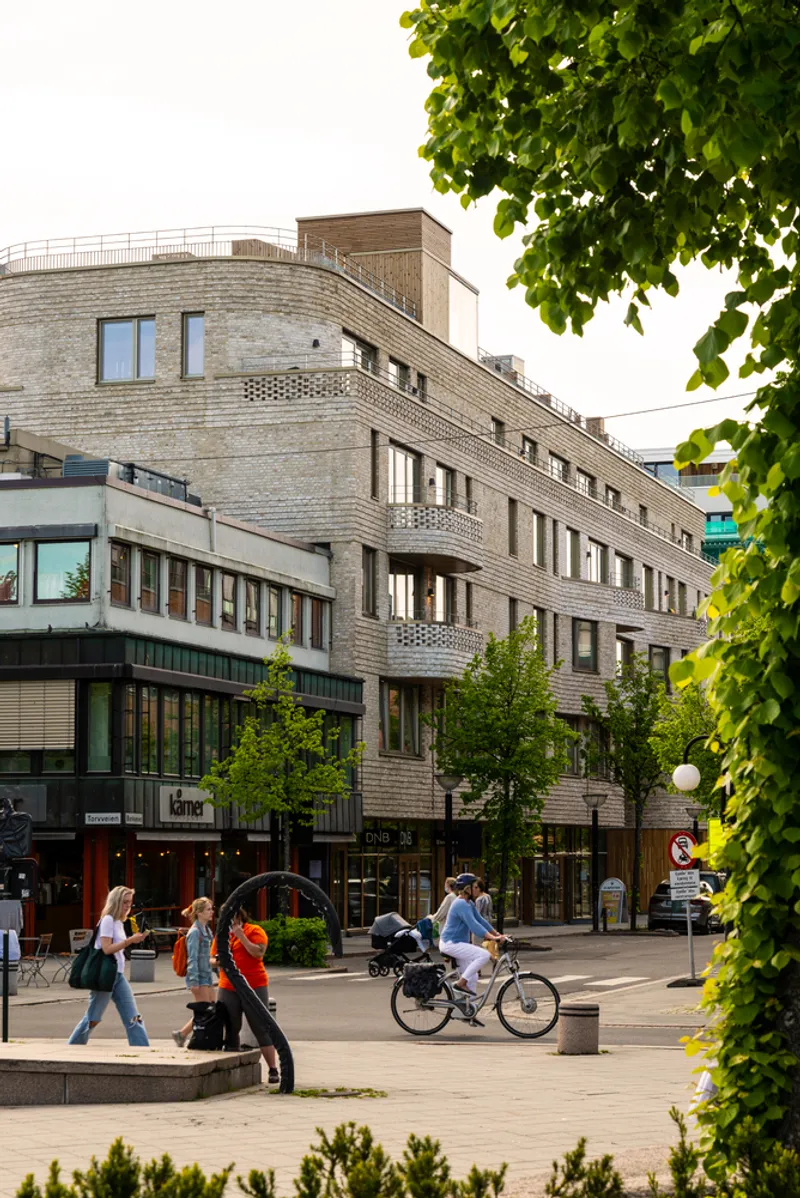
The Wessel Quarter's strategic location next to the Asker train station places it at the heart of the community, making it an integral part of the town's fabric. The development is designed to complement its urban context, with building heights adapted to align with the surrounding architecture. This thoughtful consideration maintains the area's character while introducing a new dynamic to the cityscape.

Architectural Harmony and Community Engagement
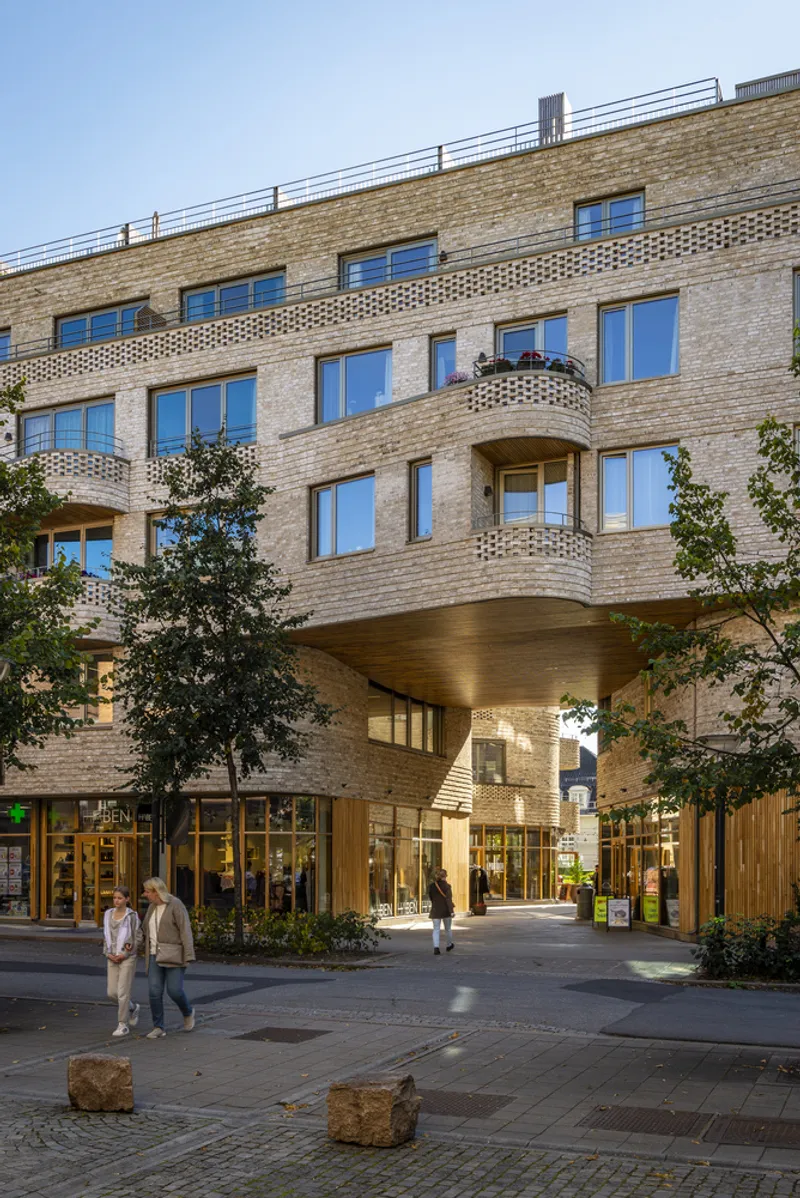
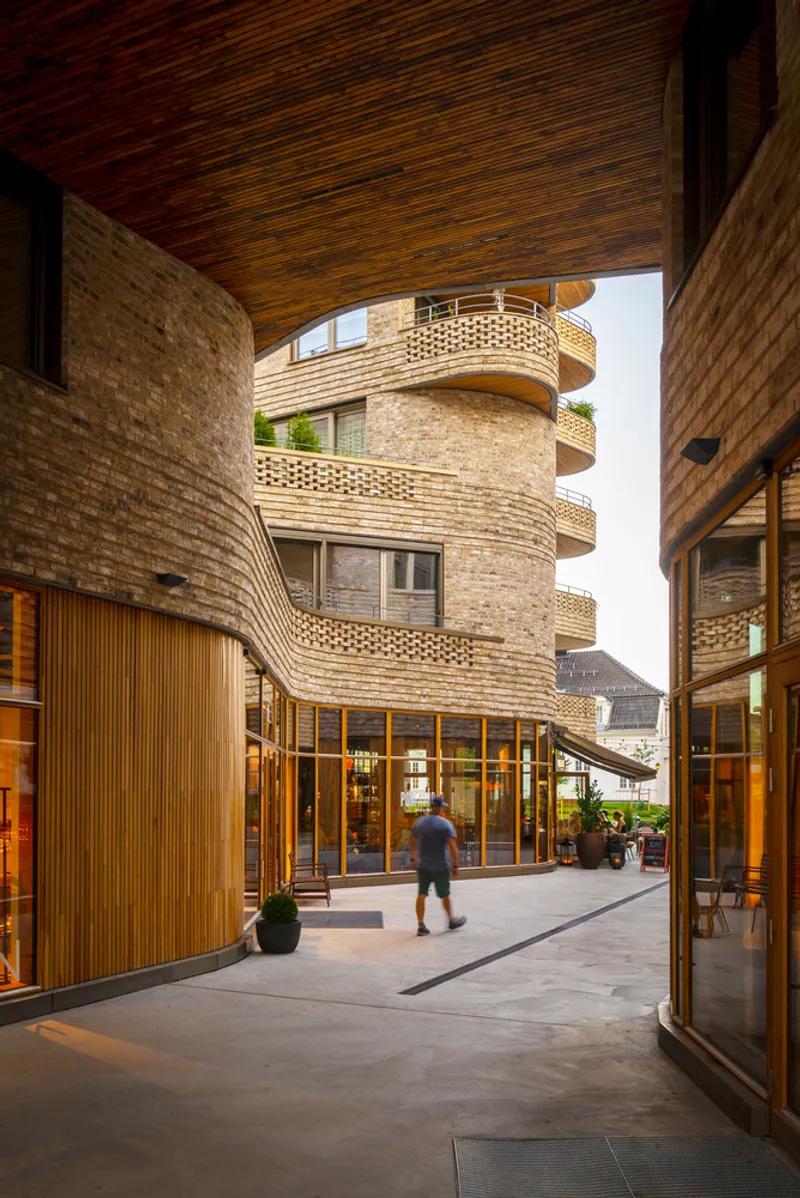
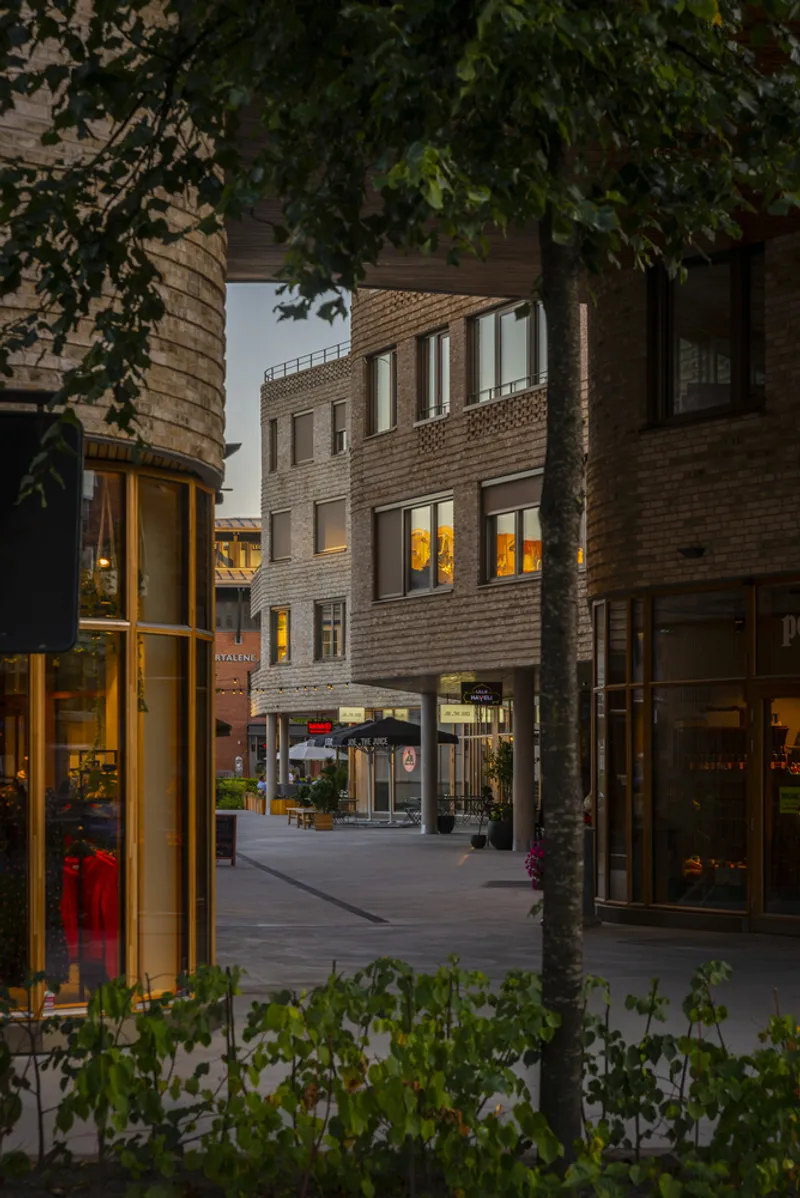
The project's architecture strikes a balance between modernity and tradition, featuring a rectilinear shape that transitions to an undulating façade within the block. This design not only enhances the visual appeal but also optimizes sunlight and views for the residents. By providing a variety of apartment types, the Wessel Quarter caters to diverse needs, fostering a vibrant and inclusive community.

The Integration of Nature and Architecture
The Pharmacy Garden: A Green Oasis
At the heart of the Wessel Quarter lies the Pharmacy Garden, a central park offering residents and visitors a serene retreat. This green space, named after a historical pharmacy previously located on the site, reflects the development's commitment to integrating nature into urban environments. Accessible from all sides, the garden enhances the area's livability and adds value to the community.


Sustainable and Aesthetic Material Choices
The development's commitment to sustainability is evident in its material choices. The use of bright, sand-colored brick and oak not only ties the building to the town's traditional architecture but also provides a fresh, modern look. The façade's intricate masonry and perforations create a dynamic play of light and shadow, enriching the building's aesthetic and environmental quality.


Mixed-Use Development: The Future of Urban Living
The Wessel Quarter exemplifies the benefits of mixed-use residential development, from fostering community to revitalizing urban areas. By blending residential, commercial, and recreational spaces, these developments offer a comprehensive approach to city living. As cities continue to grow, the principles embodied by the Wessel Quarter will undoubtedly influence future architectural endeavors.
In summary, the Wessel Quarter not only stands as a testament to innovative architectural and urban planning but also sets a precedent for future mixed-use residential developments. Through its thoughtful design and integration of diverse spaces, it offers a blueprint for sustainable, vibrant urban living, marking a significant step forward in the evolution of city landscapes.


All photographs are work of Nils Petter Dale, Sebastian J. Øvrebø, Magnus Aamand Lindquist


Popular Articles
Popular articles from the community


Conexión: Biophilic Design Reimagines High-Rise Living in Hong Kong
Conexión reimagines high-rise living in Hong Kong through biophilic design, green facades, shared spaces, daylight, water and nature within.

Co-Life: Senior Housing Design That Reconnects Older Adults With the City
Co-Life reimagines senior housing design through healing gardens, shared streets, workshops, and a sustainable community across generations.

Little Red Riding Hood: Architectural Design as a Journey Through Fear, Light, and Storytelling
Little Red Riding Hood reimagines the fairy tale through architectural design shaped by fear, light, scale, memory, uncertainty, and choice.

Co-life: Sustainable Architecture for Age-Friendly Community Living
Co-life reimagines sustainable architecture for seniors through courtyards, rammed earth, shared gardens, and spaces designed for belonging.

Similar Reads
You might also enjoy these articles

FAMM Arquitectura Organizes Ten Villas Around Courtyards and Jungle in Nosara, Costa Rica
El Molino pairs two elongated volumes with deep overhangs and timber louvers to build a compact coastal community five minutes from the beach.
Oscar Niemeyer's Ibirapuera Park Pavilions Define São Paulo's Cultural Identity in Concrete and Curve
A constellation of modernist volumes set within São Paulo's most important urban park, conceived for the city's 400th anniversary in 1954.
Sanjay Puri Architects Wraps a Jaipur Office Tower in Capsule-Shaped Green Buffers
A nine-level climate-responsive workplace near Jaipur Airport uses stacked planter terraces and aluminium screens to fight 40°C heat.
RHO Converts a Berlin Spree-Side Industrial Courtyard into Enkime's 1,000 m² Agency Headquarters
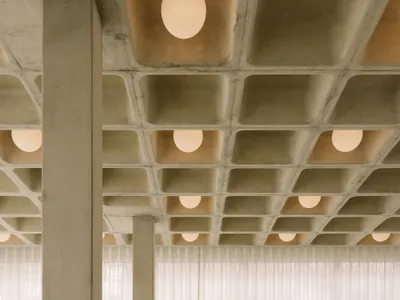
A social media agency's new home in Charlottenburg trades glossy branding for concrete waffle ceilings, glazed tile, and sheer curtains.

Explore Mixed-Use Competitions
Discover active competitions in this discipline

Challenge to design mud housing for contemporary communities

Challenge to reimagine the Iron Throne

Photograph architecture without architects

Illustrate the lost glory of Angkor Wat - Render Challenge
Comments (0)
Please login or sign up to add comments
No comments yet. Be the first to comment!