
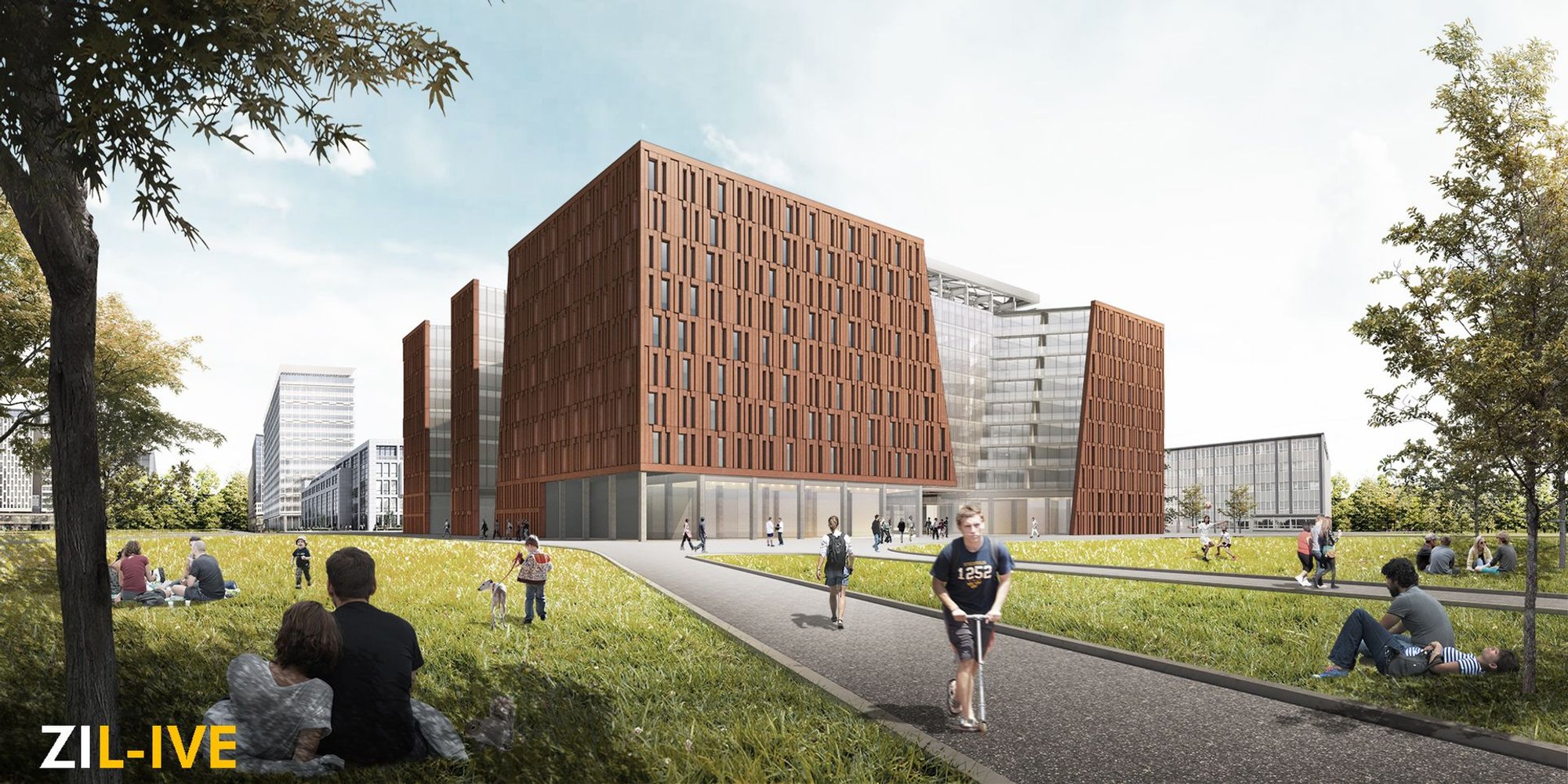
ZIL-IVE: Moscow’s Dynamic Hustle Hub
ZIL-IVE: Redefining Urban Dynamics with Innovative Co-Living and Co-Working Ecosystems in Moscow.

Reconceiving Urban Habitats for Youthful Innovation
The ZIL-IVE project pioneers a redefinition of urban co-living and co-working paradigms, establishing a dynamic and integrative environment tailored for Moscow’s younger demographic. Situated within the historically industrial ZIL district, this endeavor revitalizes the area through a sophisticated synthesis of sustainable urban practices and multi-functional design.
Strategic Urban Regeneration: Master Plan & Contextual Integration
The master plan for the ZIL site embodies a deliberate approach to urban sustainability and environmental reclamation. Transcending its prior industrial legacy and pollution, the blueprint introduces expansive green corridors and strategically dispersed cultural edifices, ensuring a seamless convergence with the adjacent urban matrix. Positioned at the nexus of residential zones and organically landscaped parklands, the ZIL-IVE structure epitomizes a spatial and conceptual transition from industrial obsolescence to ecological vibrancy.
Architectural Innovation: Form and Function
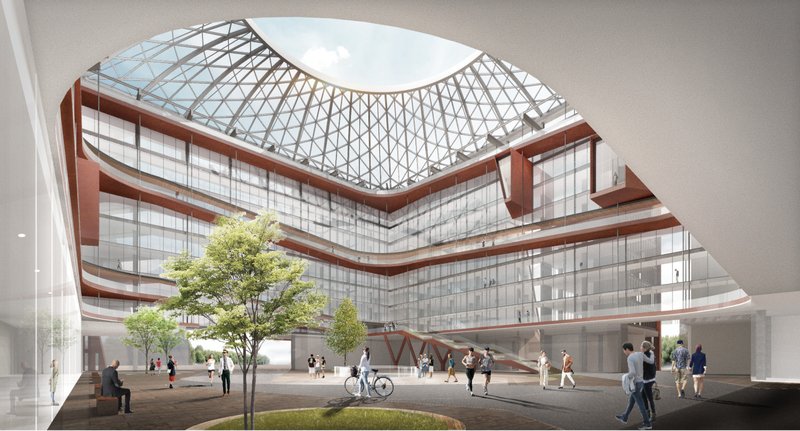
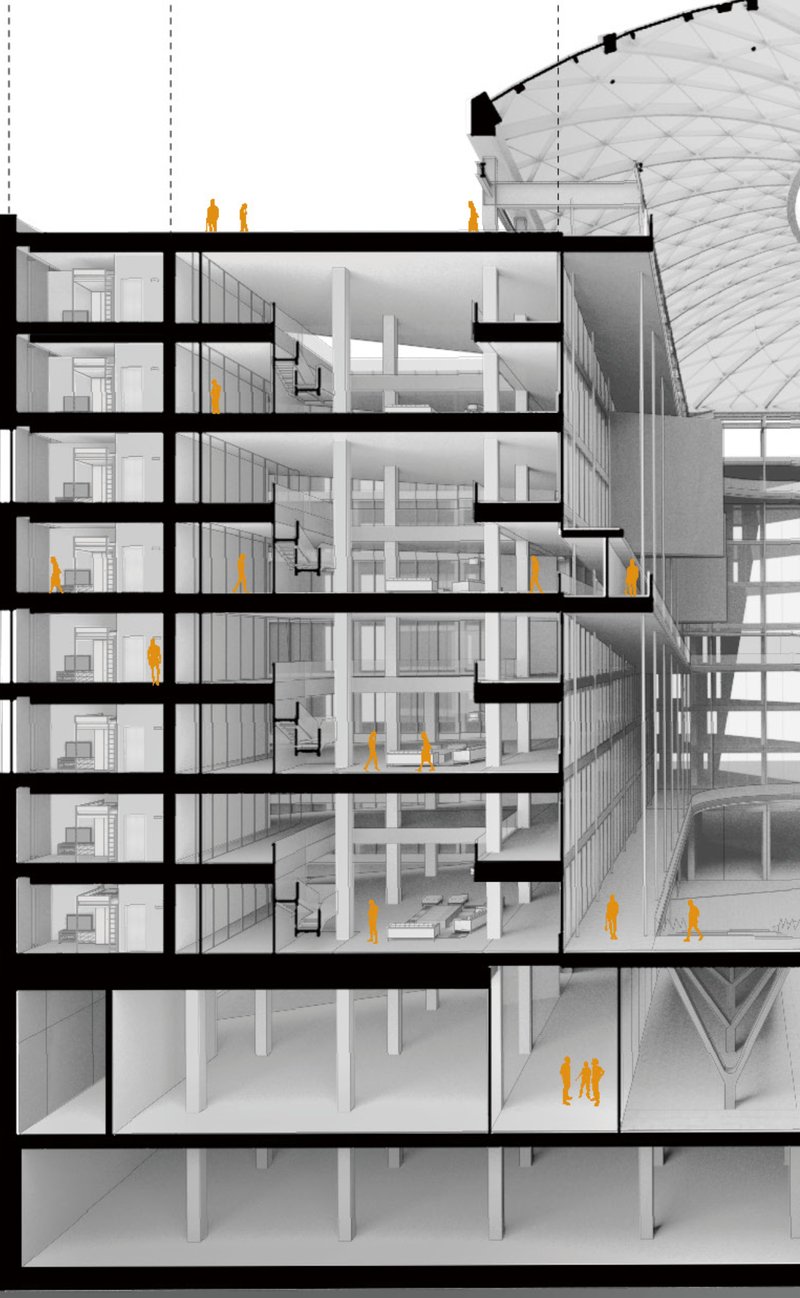
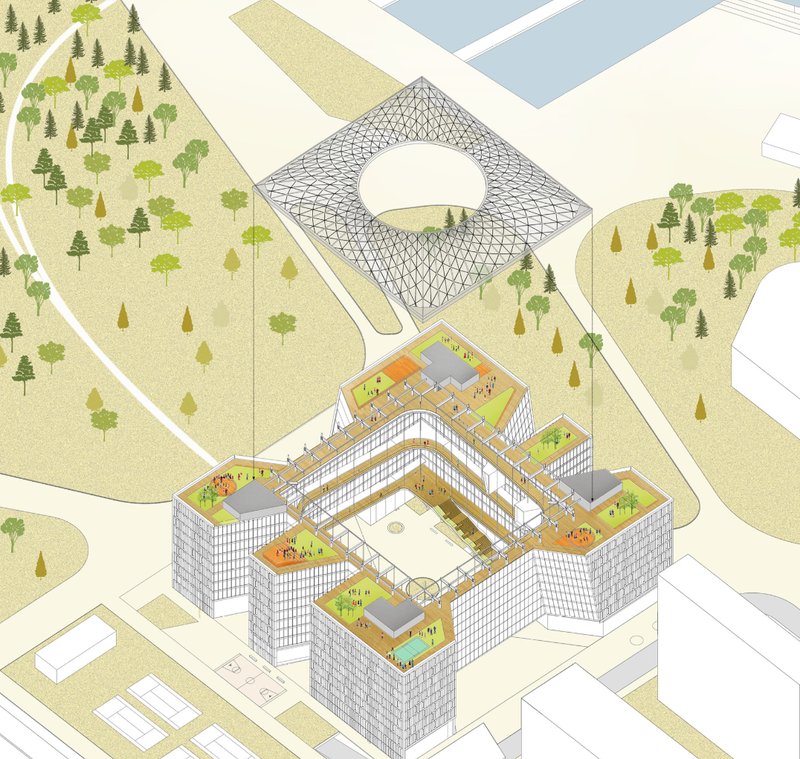
- Volumetric Configuration:A central courtyard, emblematic of cohesion and natural illumination, serves as the focal spatial element.The architectural composition integrates volumetric variation, including strategically placed ramps and an iconic roof shelter, to optimize aesthetic and functional outcomes.
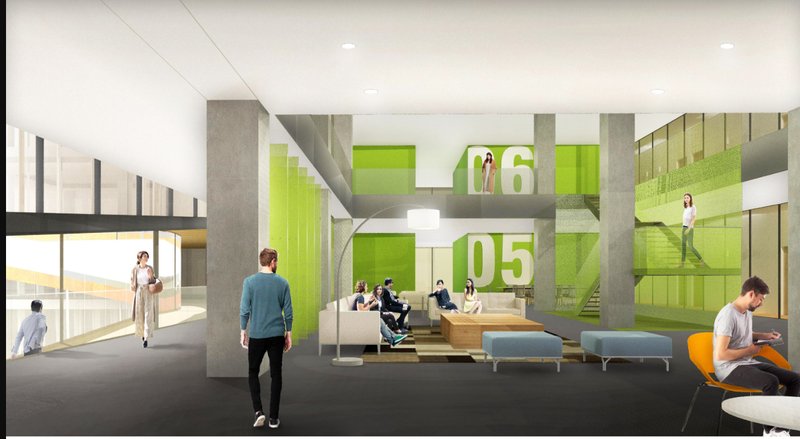
- Programmatic Circulation:Spatial programming meticulously delineates public, semi-public, and private domains, ensuring harmonious cohabitation and operational efficiency. Vertical connectivity is enhanced through seamlessly integrated circulation systems.
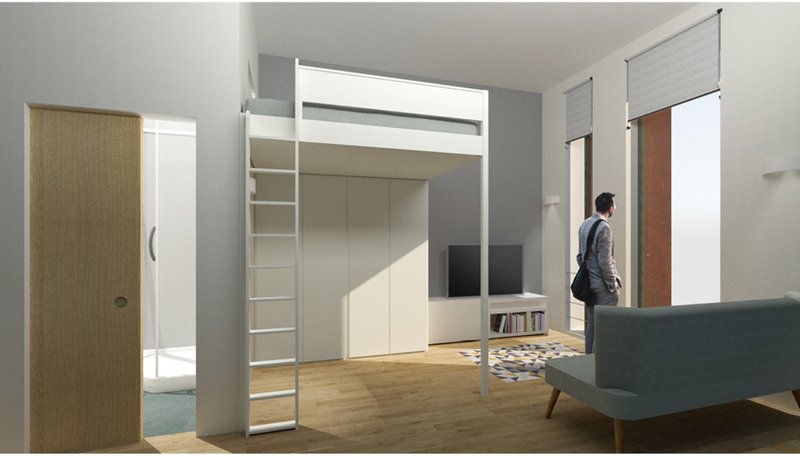
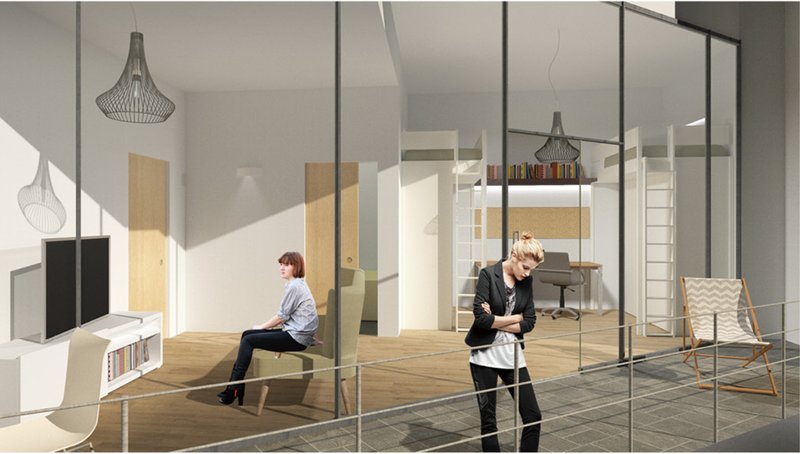
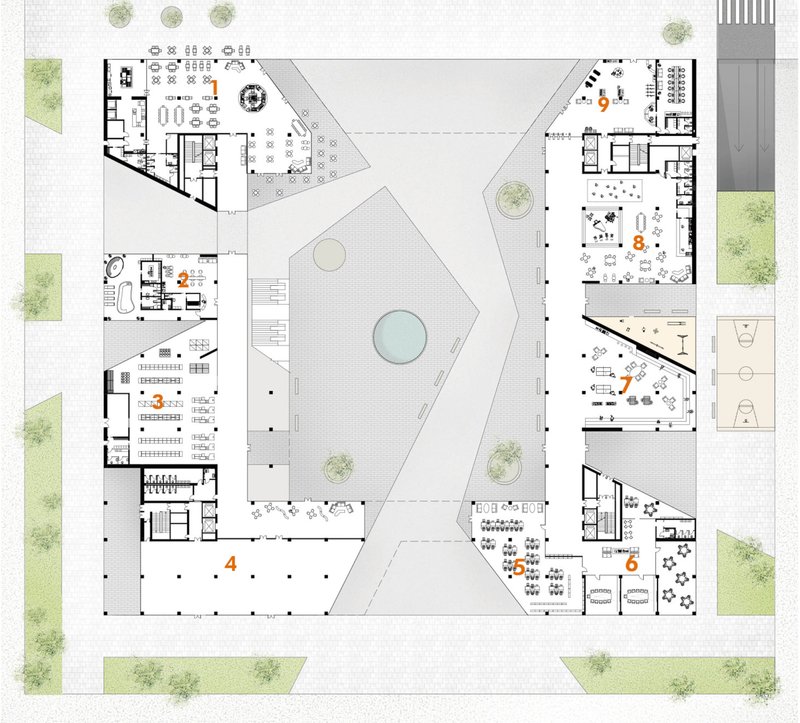
Spatial Typologies: Ground and Upper Floor Articulations
Equipped with a comprehensive array of amenities—ranging from culinary spaces and libraries to co-working hubs and recreational zones—ZIL-IVE addresses diverse user requirements. The inclusion of flexible accommodation typologies underscores its adaptability, providing bespoke solutions for individuals, couples, and families alike.
Enhancing Public Engagement: Design as Interaction
The permeable ground plane fosters an interactive interface between the building and its urban milieu. Inviting public interaction with the courtyard and ancillary spaces, the design incorporates a continuous ramp that ascends to a rooftop garden. This elevated public realm, accentuated by panoramic city views, serves as a venue for communal activities and contemplative leisure.
Accommodation Typologies: Flexible and Inclusive
- Small Units (Single Occupancy): Compact, efficient configurations tailored for individual residents.
- Medium Units (Single or Double Occupancy): Flexible layouts accommodating varied residential needs.
- Large Units (Family-Oriented): Generously proportioned spaces designed for familial habitation.
Elevated Community Spaces: Roof Garden and Suspended Ramp
The rooftop garden exemplifies the ethos of shared communal experiences, featuring activity zones for social interaction and cultural engagement. A suspended ramp, an engineering and aesthetic centerpiece, accentuates the architectural narrative while facilitating vertical mobility.
Project Acknowledgements
- Design Team: Silvia Lintas, Ting Wang, Zhu Yuanzheng
- Competition Distinction: Shortlisted entry, Hustle Hub 2019




Popular Articles
Popular articles from the community

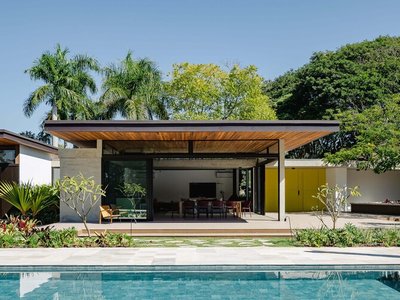
Flamboyant House by Juliana Camargo + Prumo Projetos
Modern Brazilian house integrating existing tree, pool, and volumes with glass, wood, and transitional spaces blending interior, exterior, and landscape seamlessly.

Solar Steam: A Climate-Responsive Architecture That Redefines the Monument
A climate-responsive memorial architecture that transforms heat, decay, and time into a living system reflecting humanity’s ecological impact.
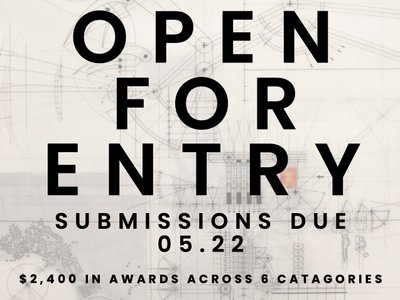
The Ken Roberts Memorial Delineation Competition (Krob)
As the most senior architectural drawing competition currently in operation anywhere in the world, it draws hundreds of entries each year, awarding the very best submissions in a series of medium-based categories.
On the Brooks House by Monsoon Collective – A Contemporary Kerala Home Rooted in Tradition
Kerala home blending tradition and modernity with water-inspired design, brick architecture, courtyard planning, and sustainable rainwater harvesting strategies.

Similar Reads
You might also enjoy these articles
The Ken Roberts Memorial Delineation Competition (Krob)
As the most senior architectural drawing competition currently in operation anywhere in the world, it draws hundreds of entries each year, awarding the very best submissions in a series of medium-based categories.

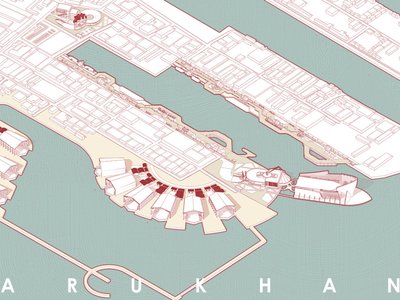
Waterfront Redevelopment and Urban Revitalization in Mumbai: Forging a New Dawn for Darukhana
A transformative waterfront redevelopment project reimagining Darukhana’s shipbreaking heritage into an inclusive urban future.
OUT-OF-MAP: A Call for Postcards on Feminist Narratives of Public Space
Rhizoma Design and Research Lab invites artists, designers, architects, researchers, and students to reflect on how feminist perspectives can reshape public space. Selected works will be exhibited in Barcelona, October 2026. Submissions open until 15 April 2026.

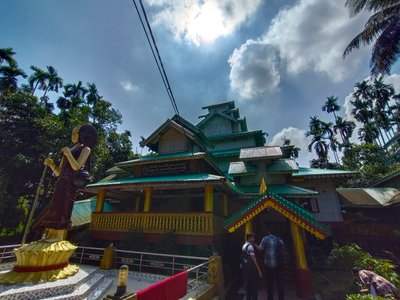
Documentation Work on Buddhist Wooden Temple
Architectural syncretism and cultural hybridity: A comparative study of the Buddhist temples in Chattogram Hill tracks


Explore Residential Building Competitions
Discover active competitions in this discipline




The Global Benchmark for Architecture Dissertation Awards

Challenge to design mud housing for contemporary communities
Comments (0)
Please login or sign up to add comments
No comments yet. Be the first to comment!