
3dPA Forest Campus: Pioneering 3D-Printed Earth Architecture in Spain
3dPA Forest Campus in Spain showcases sustainable 3D-printed earth architecture, combining local materials, low-carbon design, flexible spaces, and innovative adaptive construction techniques.


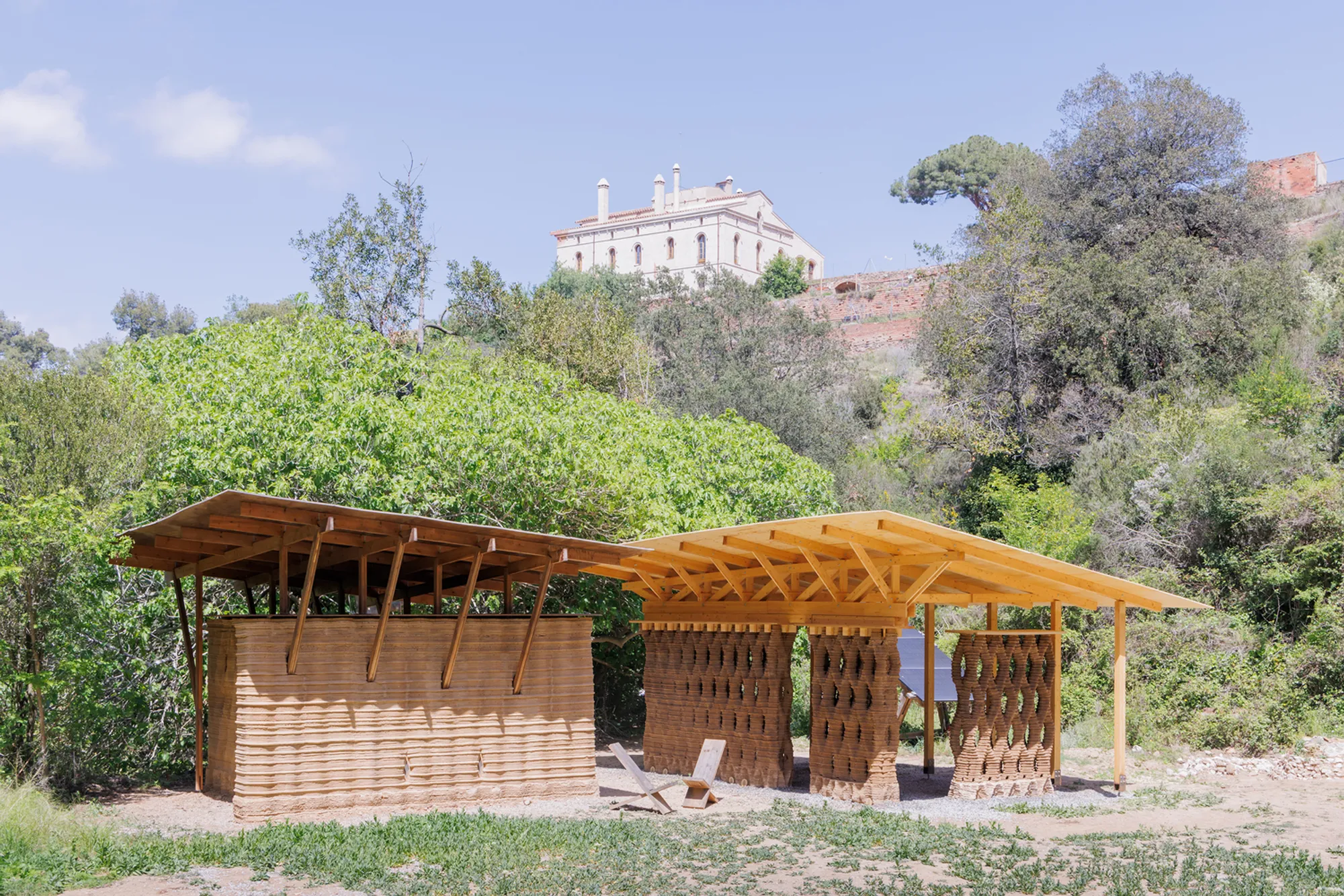
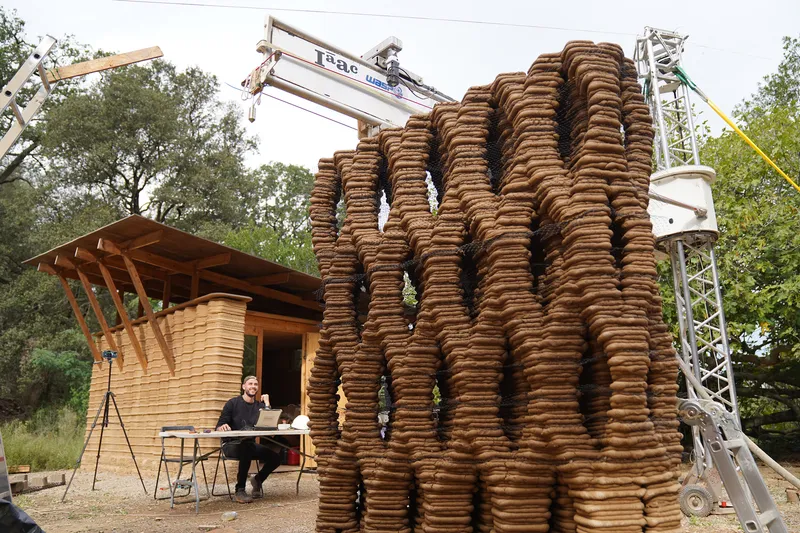
Nestled in the heart of Collserola Natural Park, Barcelona, the 3dPA Forest Campus by IAAC - 3dPA represents a groundbreaking leap in sustainable architecture and 3D printing technology. Completed in 2024, this 120 m² pavilion prototype demonstrates how low-carbon construction, local earth materials, and digital fabrication can converge to create an innovative, affordable, and environmentally conscious building solution.

Sustainable 3D Printing with Local Earth
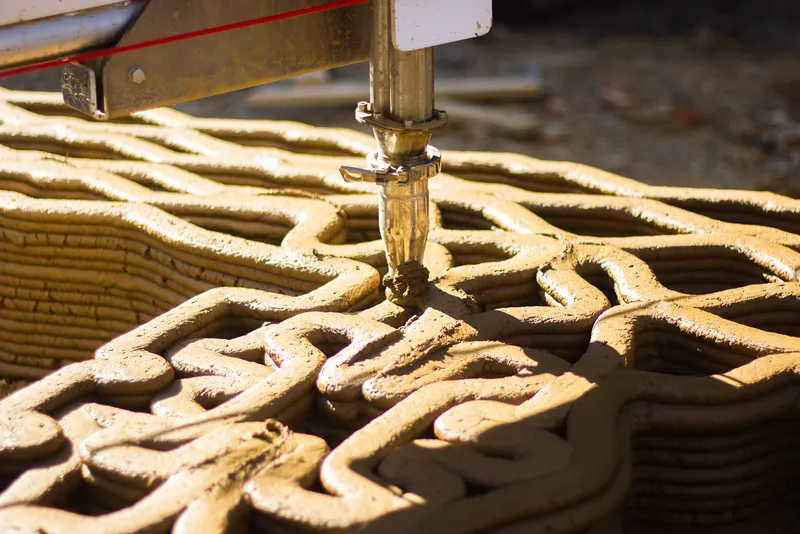
The 3D-Printed Earth Forest Campus was built using locally sourced soil, natural fibers, and enzymes, combined with the Crane WASP 3D printer, a pioneering tool in additive construction. This low-emission, km0 construction approach minimizes transportation impact while promoting circular construction practices.
IAAC’s research, conducted over more than a decade through its Postgraduate in 3D Printing Architecture (3DPA) program, addresses two pressing global challenges: the construction industry’s 39% contribution to global CO2 emissions and the worldwide housing shortage. By integrating traditional earth techniques with cutting-edge 3D printing, the project proposes a scalable model for affordable, sustainable housing.
Architecture as a Living Laboratory
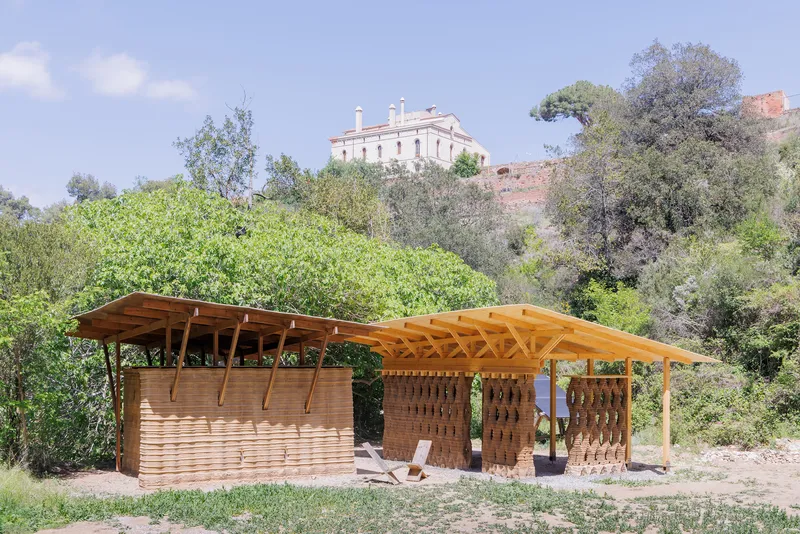
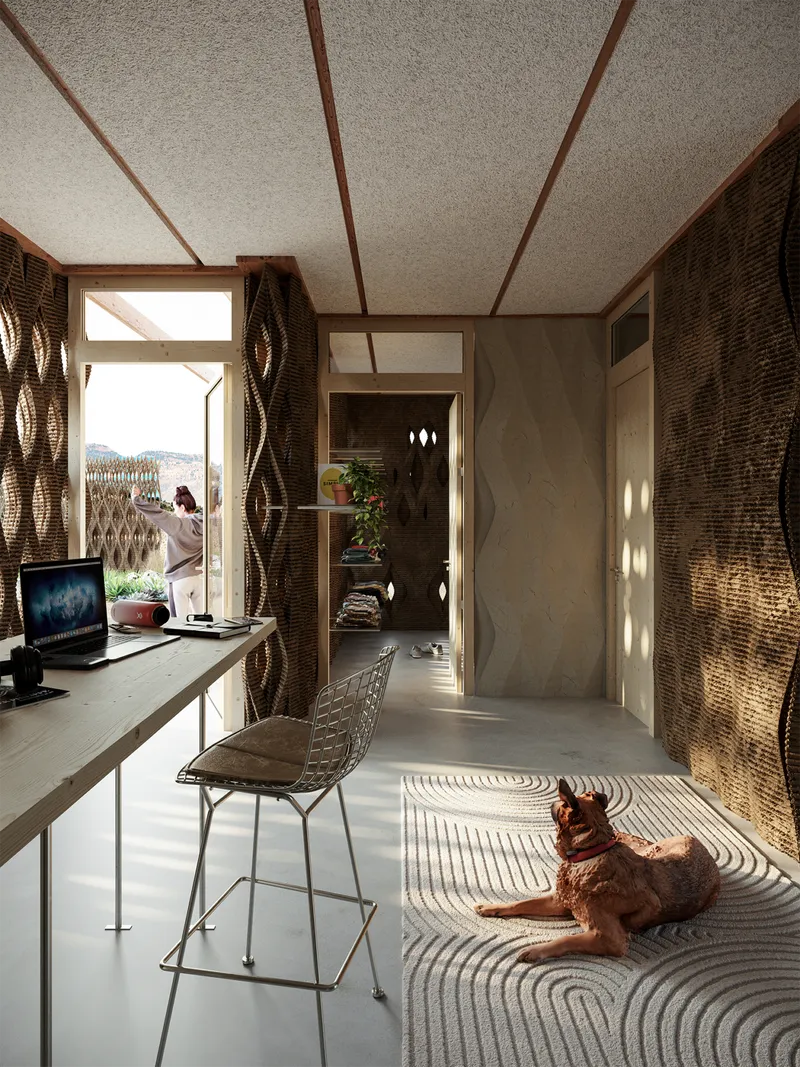
The Forest Campus is designed not just as a building but as a live laboratory for exploring new architectural solutions. Its floor plan is intentionally fragmented and deconstructed, allowing walls to be printed, recycled, and reconfigured into new spaces. The result is a flexible spatial organization, featuring enclosed, semi-indoor, and outdoor environments.
This organic layout fosters multiple perspectives, corners, and pathways, creating a labyrinthine yet intuitive architecture. Unlike repetitive, standardized contemporary buildings, the campus adapts seamlessly to the needs of its users, exemplifying the potential of 3D printing in architectural design.

Intelligent Wall Systems and Performative Design
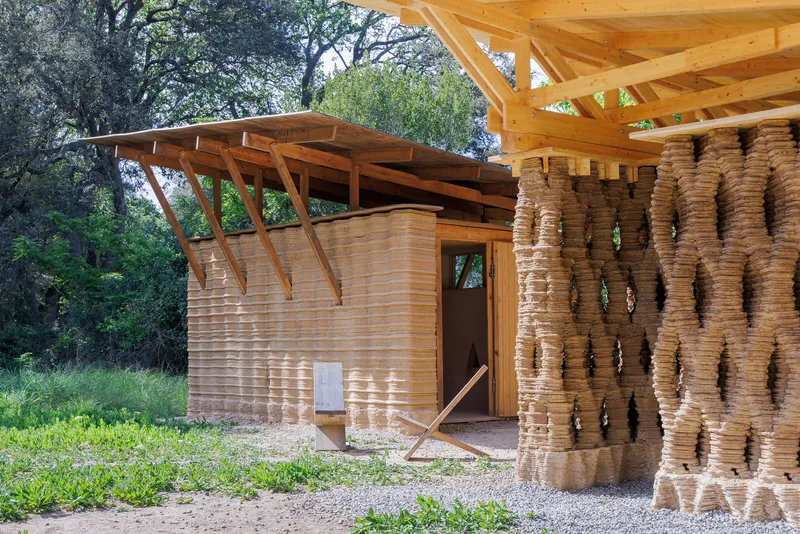
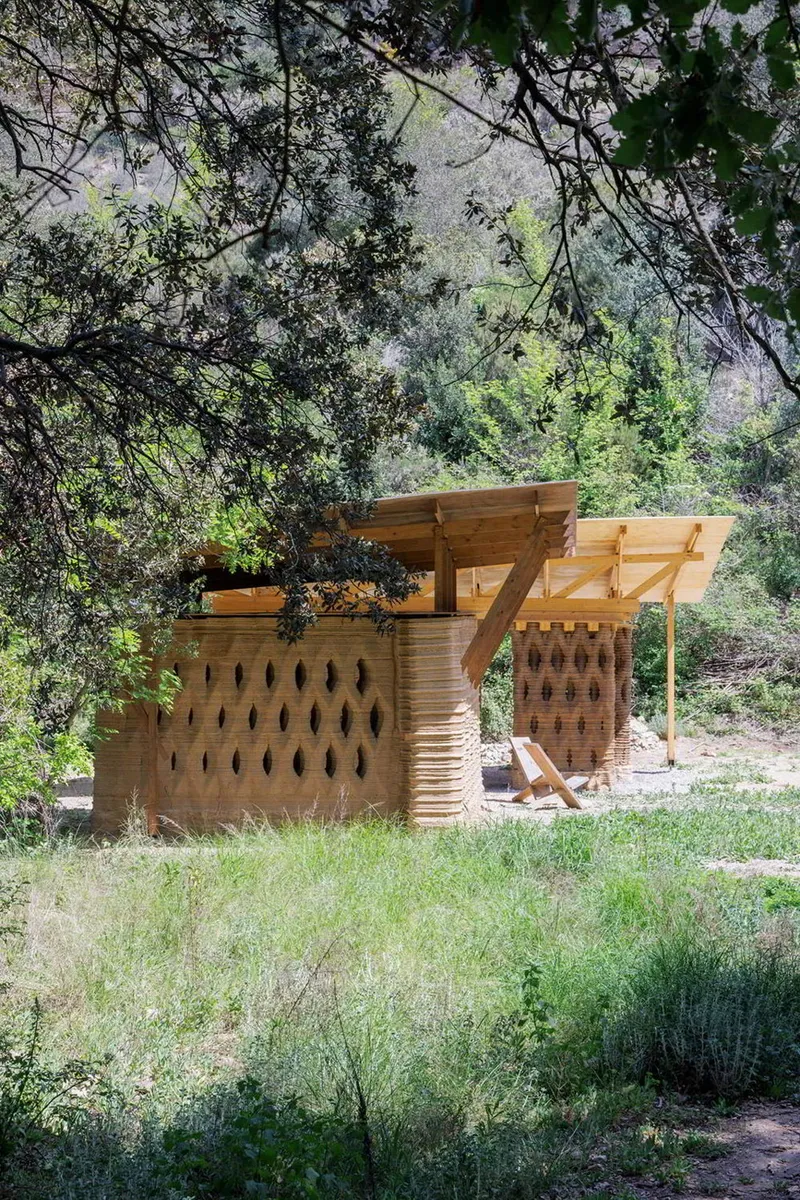
A core innovation of the project lies in the 3D-printed earth walls, which combine structural support, thermal insulation, humidity regulation, and natural ventilation. The walls are partially hollow: up to 50%: allowing for reduced material usage, integration of insulation, and enhanced airflow.
- Foundation: 50 cm of natural stone ensures stability and proper drainage.
- Base walls: A 30 cm-thick stabilized earth layer protects against flooding and rain.
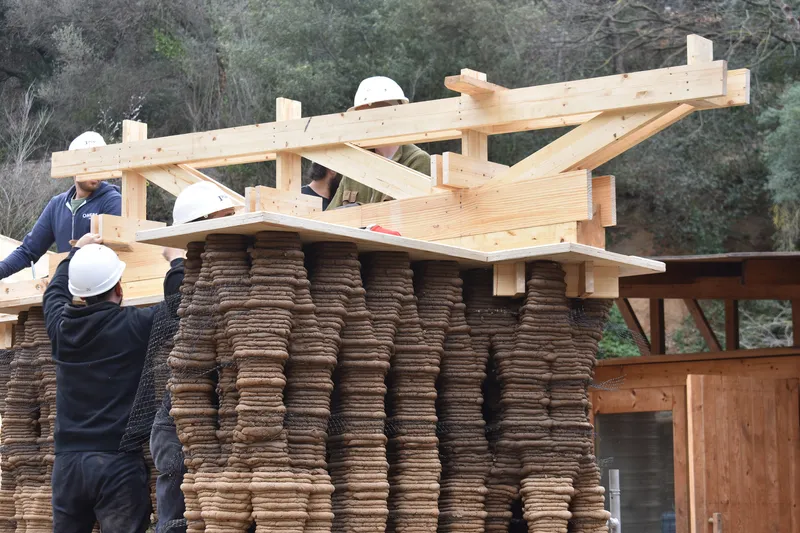
- Printing process: Walls are printed at 25 cm per day, reaching 2.5 m in about 10 days. Roofs are then anchored to the walls using timber and, in some cases, post-tensioned steel cables for wind resistance.
The walls vary from 40 to 70 cm in thickness depending on load, solar exposure, and orientation. They feature a network of 20 cm openings that create lightness, porosity, and cantilevered forms, demonstrating how earth architecture can achieve both aesthetic beauty and functional performance.
Towards Carbon-Neutral, Adaptive Architecture
This innovative campus demonstrates the potential of multi-climatic environments through intelligent 3D-printed walls, establishing a milestone in carbon-neutral construction. By leveraging local resources, reducing emissions, and embracing adaptive, user-focused design, the 3dPA Forest Campus sets a precedent for future sustainable housing solutions globally.
This project illustrates that earth-based 3D printing is not only environmentally responsible but also capable of delivering customized, resilient, and spatially rich architecture. It marks a pivotal step toward affordable, low-carbon, and adaptable housing models for communities worldwide.
Key Features
- Location: Cerdanyola del Vallès, Spain
- Architects: IAAC - 3dPA
- Area: 120 m²
- Year: 2024
- Construction: 3D-printed earth, natural fibers, low-carbon materials
- Function: Live laboratory, sustainable pavilion, housing prototype
All photographs are works of
Iwan Baan



Popular Articles
Popular articles from the community


Play: Fragments of Their World
Familiar architecture becomes modular playground design, creating safe spaces where displaced children can learn, connect, imagine and play.

The Musturak Paradise: Senior Living Architecture for a Connected Future in Temara, Morocco
The Musturak Paradise reimagines senior living architecture in Temara via private homes, social spaces, culture, community, and shared care.

The Ocean Hive: Sustainable Architecture for a Self-Sufficient Civilization at Sea
The Ocean Hive imagines sustainable architecture at sea, where modular habitats, algae, wave power and ocean waste sustain a growing colony.

Co-Life: Senior Housing Design That Reconnects Older Adults With the City
Co-Life reimagines senior housing design through healing gardens, shared streets, workshops, and a sustainable community across generations.


Similar Reads
You might also enjoy these articles

FAMM Arquitectura Organizes Ten Villas Around Courtyards and Jungle in Nosara, Costa Rica
El Molino pairs two elongated volumes with deep overhangs and timber louvers to build a compact coastal community five minutes from the beach.
Oscar Niemeyer's Ibirapuera Park Pavilions Define São Paulo's Cultural Identity in Concrete and Curve
A constellation of modernist volumes set within São Paulo's most important urban park, conceived for the city's 400th anniversary in 1954.
How Henri Picq's 1889 Paris Pavilion Traveled 11,000 Kilometers to Become Santiago's Artequín Museum
A prefabricated iron and glass pavilion built for the Paris Universal Exposition found a second life as a children's art museum in Chile.
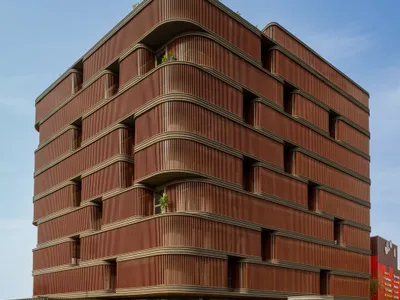
Sanjay Puri Architects Wraps a Jaipur Office Tower in Capsule-Shaped Green Buffers
A nine-level climate-responsive workplace near Jaipur Airport uses stacked planter terraces and aluminium screens to fight 40°C heat.


Explore Sustainable Design Competitions
Discover active competitions in this discipline



Challenge to reimagine the Iron Throne


Photograph architecture without architects


Illustrate the lost glory of Angkor Wat - Render Challenge


Design challenge to reuse E-waste
Comments (0)
Please login or sign up to add comments
No comments yet. Be the first to comment!