

Adaptive Reuse Architecture in Barcelona: The Transformation of Paseo de Gracia 125
The article explores the adaptive reuse of Paseo de Gracia 125, merging historical architecture with modern design in Barcelona.


Adaptive reuse projects breathe new life into historical structures, merging the past with present-day functionality. In Barcelona, the Paseo de Gracia 125 refurbishment by OAB (Office of Architecture in Barcelona) exemplifies this approach, creating a balance between preservation and innovation.
The History of Paseo de Gracia 125
Designed in 1901 by Leandre Serrallach i Mas, the twin buildings at numbers 125 and 127 Passeig de Gràcia reflect the architectural grandeur of early 20th-century Barcelona. As one of the city’s iconic streets, Passeig de Gràcia is synonymous with elegance and rich cultural heritage. Preserving this legacy while adapting the structure for modern use was the primary challenge.

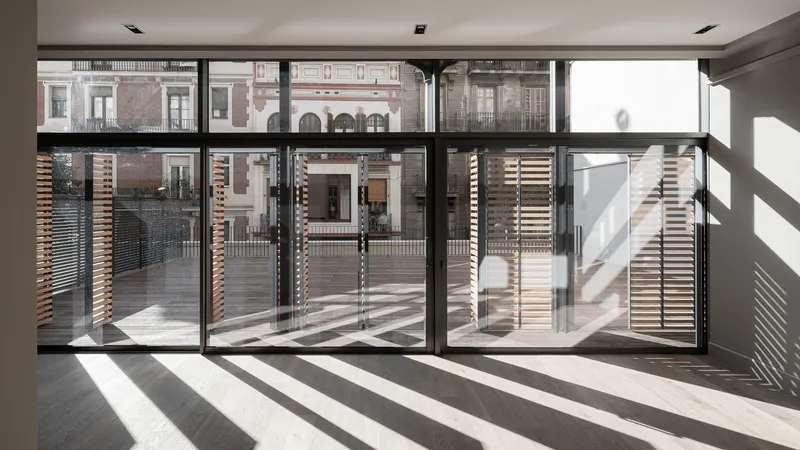
The Vision Behind the Rehabilitation
From 2016 to 2019, the architecture firm OAB collaborated with Núñez i Navarro to renovate and merge the two buildings into a single cohesive entity. The goal was to maintain the historical integrity of the facades while updating the interiors to meet contemporary residential standards.
Key Design Strategies:
- Unified Facade Design: By creating an optical illusion, the buildings appear as one, blending seamlessly into the urban fabric of Passeig de Gràcia and the rear-facing Riera de Sant Miquel street.
- Modern Vertical Core: A new staircase and elevator were introduced, optimizing vertical circulation while maintaining compliance with modern safety standards.
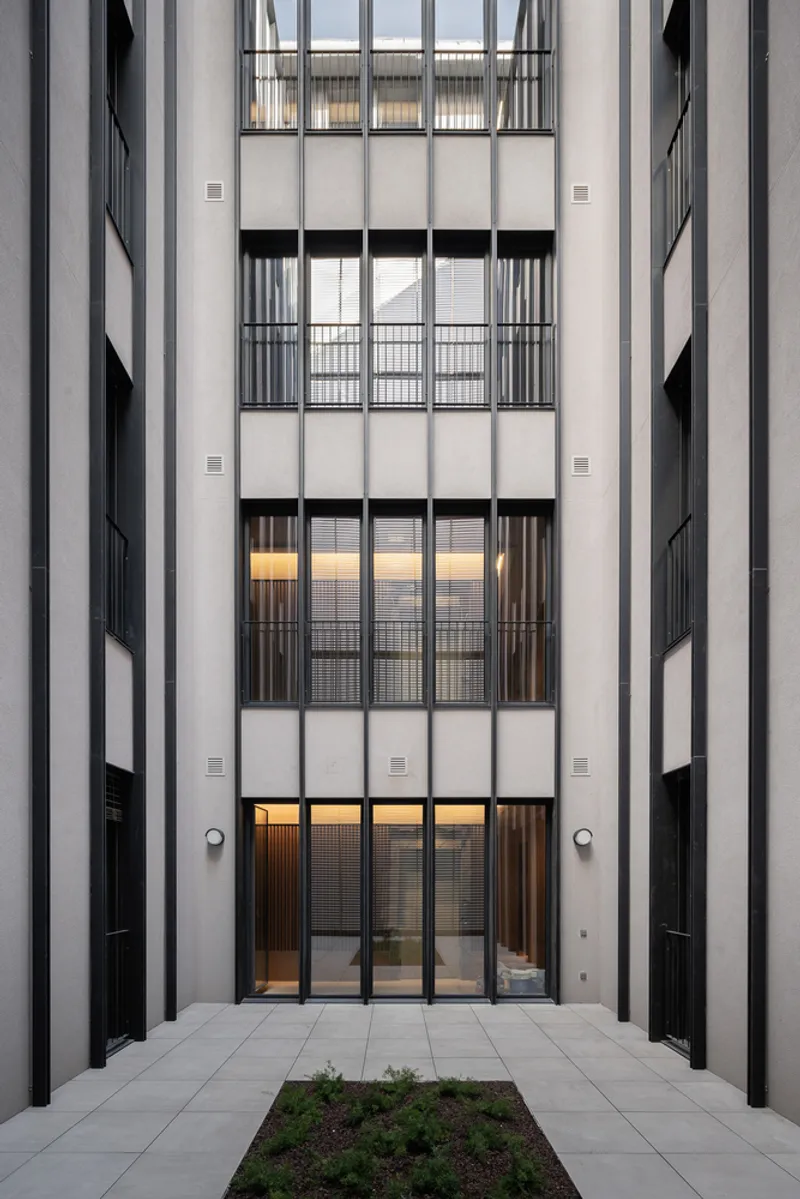
- Central Courtyard: The addition of a courtyard allowed for better light penetration and airflow, enhancing the living experience.
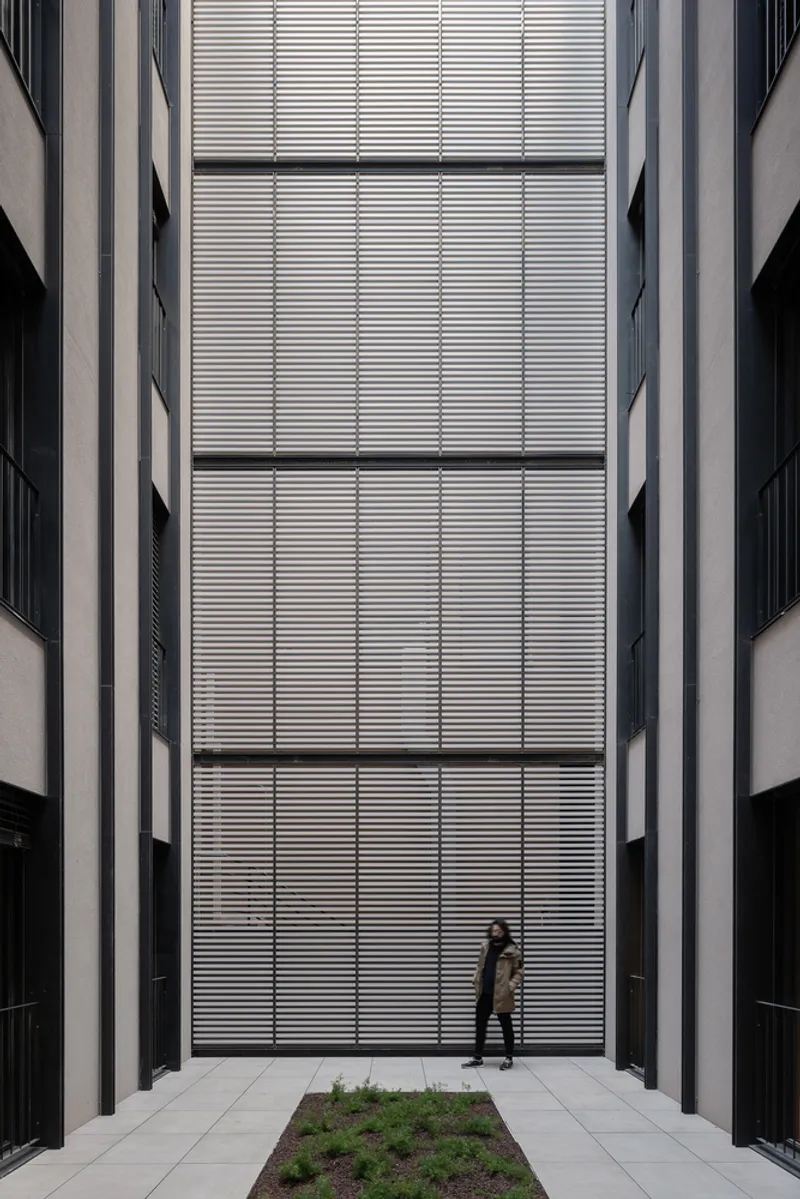
Adaptive Reuse in Action
Adaptive reuse in this project transcends aesthetic preservation, prioritizing functionality and sustainability:
- Sustainability Focus: Reusing existing materials reduced the environmental impact of the construction process.
- Cultural Preservation: The facades retain their intricate details, preserving the character of the street while serving modern urban needs.
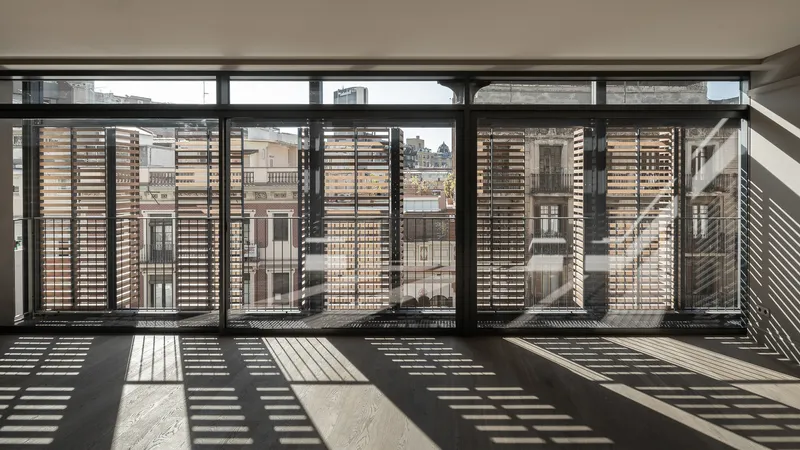
The Impact on Barcelona’s Architectural Landscape
Paseo de Gracia 125 is a testament to Barcelona’s commitment to protecting its historical architecture. This project demonstrates how adaptive reuse can be both a solution for preserving heritage and a tool for urban revitalization.
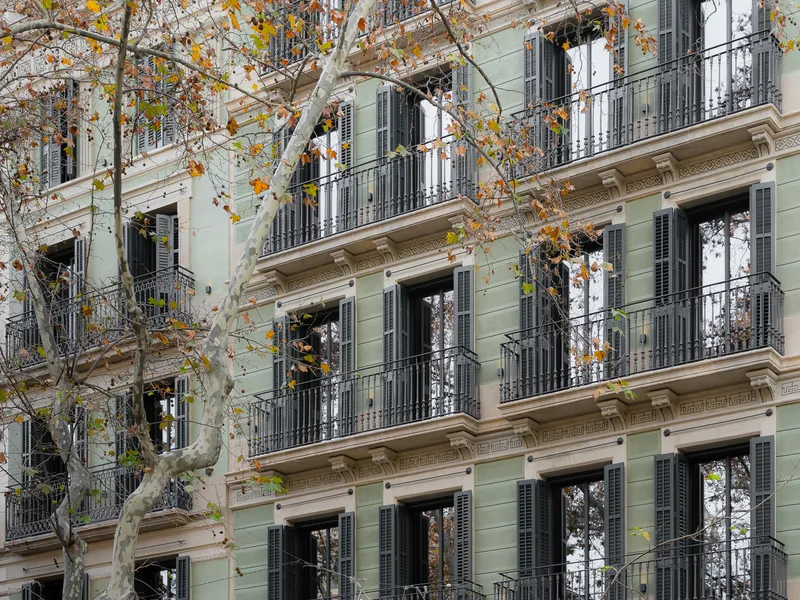
As cities evolve, projects like Paseo de Gracia 125 serve as benchmarks for sustainable and respectful urban development. Adaptive reuse architecture, exemplified in this renovation, ensures that history remains a living, functional part of our cities.



Popular Articles
Popular articles from the community

AL-JANNAH: Sustainable Architecture and Permaculture for Afghan Widows
AL-JANNAH uses sustainable architecture and permaculture to create resilient oasis of housing, learning, work and renewal for Afghan widows.

Co-life: Sustainable Architecture for Age-Friendly Community Living
Co-life reimagines sustainable architecture for seniors through courtyards, rammed earth, shared gardens, and spaces designed for belonging.

The Ocean Hive: Sustainable Architecture for a Self-Sufficient Civilization at Sea
The Ocean Hive imagines sustainable architecture at sea, where modular habitats, algae, wave power and ocean waste sustain a growing colony.

The Earth Pod: 3D Printed Homes for Resilient Refugee Communities
The Earth Pod reimagines refugee housing through 3D printed homes made from clay, combining resilience, self-sufficiency, and rapid shelter.


Similar Reads
You might also enjoy these articles


Hodi-Mandai Geram
Project Function: Preservation and revitalization of the Intangible heritage and socio-spatial identity of the Hodi by Housing, Cultural Memory Center, Sacred Grove, landscape, local tourism economy


Olio Towers: A Mid-Rise for Performers That Fuses Housing, Rehearsal, and Stage
Located blocks from Houston's Theater District, this modular tower stacks living units around a central performance atrium.

Oasis: Modular Green Housing Carved into Dhaka's Urban Fabric
A shortlisted Plugin Housing entry reclaims unauthorized settlements in Dhaka with stepped concrete volumes, green roofs, and ventilation-driven design.

Black Hole: A Floating Megastructure for the Post-Physical Era
Emiliano Mazzarotto envisions a spherical, self-scaling arena where e-sports, digital hotels, and holographic stadiums replace traditional public space.


Explore Architecture Competitions
Discover active competitions in this discipline



Challenge to reimagine the Iron Throne


Photograph architecture without architects


Illustrate the lost glory of Angkor Wat - Render Challenge


Design challenge to reuse E-waste
Comments (0)
Please login or sign up to add comments
No comments yet. Be the first to comment!